Old ideas can sometimes utilize new buildings, but new ideas must often use old buildings, as Jane Jacobs noted in her book, “The Death and Life of Great American Cities.” This highlights the importance of repurposing old buildings for development and new changes. Adaptive reuse is considered a sustainable and practical solution in urban planning and development. It preserves culture, reduces cost, and promotes waste management by inserting new functions into old buildings. Adaptive reuse is the process of repurposing old structures for new functions, addressing the demand for sustainable development.
Sustainability in Adaptive Reuse
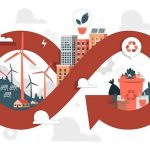
Adaptive reuse is considered a sustainable practice as it reduces resource consumption. It is a preferred choice in green architecture as environmental issues associated with demolition and reconstruction are addressed in Adaptive reuse.

Benefits of Adaptive Reuse
One of the main challenges is balancing between preservation and modernization. Structural limitations, preservation laws, and the need for modern amenities, etc, contribute to the complexity of adaptive reuse.
The economic impact of Adaptive reuse is due to the cost effectiveness compared to new construction. It also stimulates local economies, creates new job opportunities, and increases real estate values in the region. Adaptive reuse projects mostly result in mixed-use developments that promote walkability and vibrant communities. It also promotes community interactions and social cohesion. With increased demands, Adaptive reuse can be a solution for housing shortages, modern workspaces, and recreational facilities. The flexibility of adaptive reuse allows cities to adapt to changing demographics and societal needs.
Examples of Adaptive Reuse
- Tate Modern
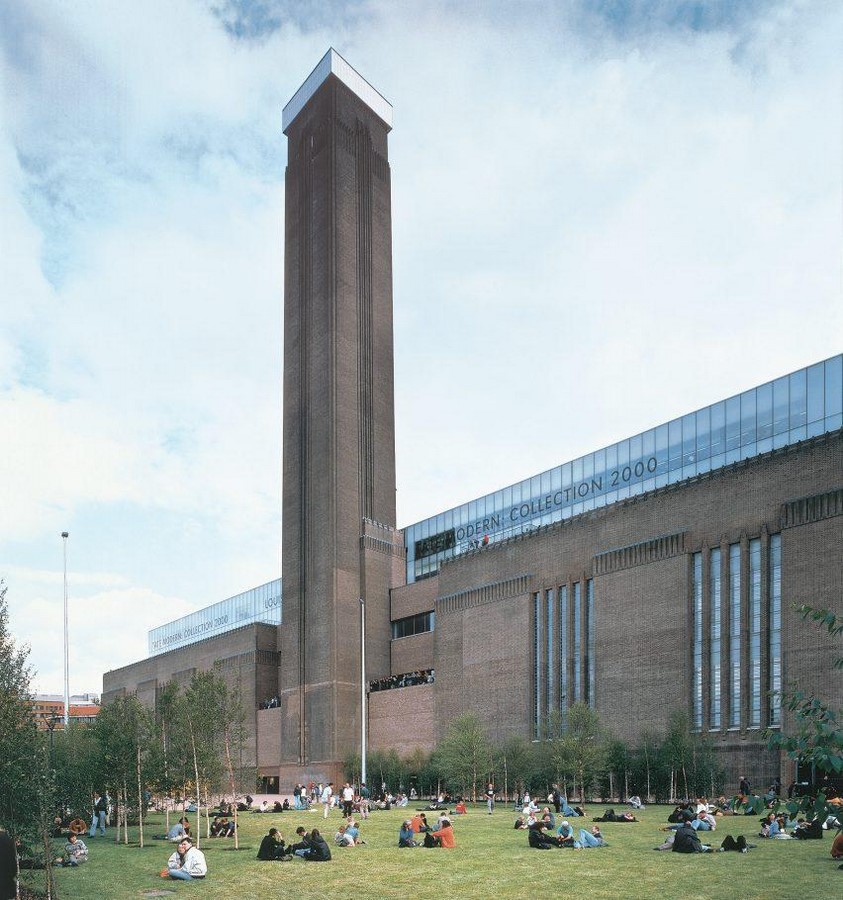
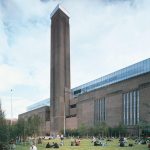
Tate Modern is an adaptive reuse project in London’s South Bank of an old powerhouse into a modern art gallery by Herzog & de Meuron. The design involves few but powerful interventions. It adds a small structure to the existing building, altering very little of the original structure. This building has changed the urban setting of the context, acting as a powerful catalyst for its development.
2. The Highline, New York
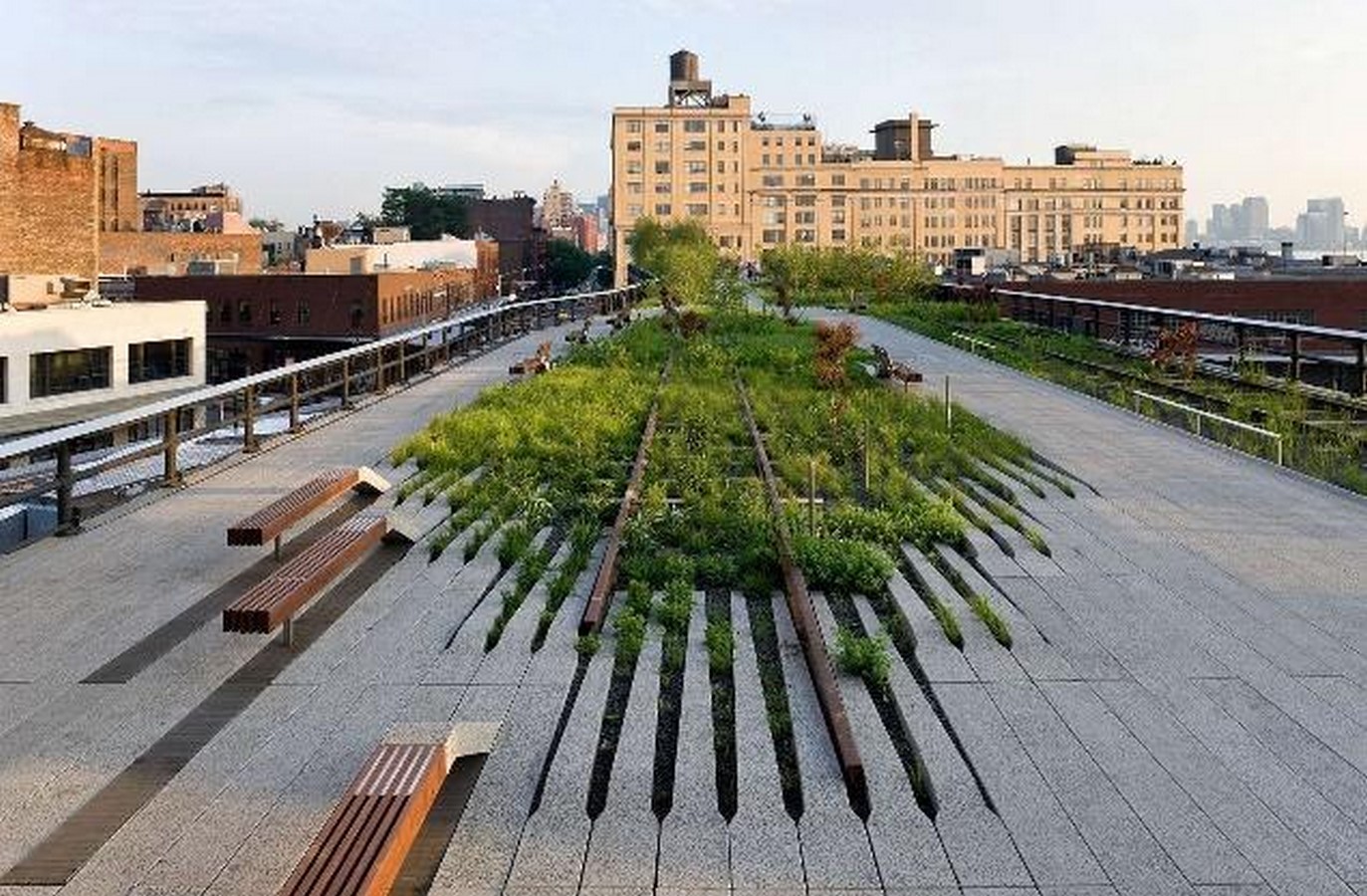
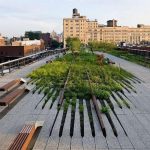
The Highline in New York is a 1.5-mile-long public park built on an abandoned railway line stretching from the Meatpacking District to the Hudson Rail Yards in Manhattan. The design considers both the post-industrial character of the line and also the natural biodiversity of it after the line was abandoned into consideration. Through a strategy of agri–technecture—part agriculture, part architecture—the High Line surface is converted into discrete units of paving and planting, which are assembled along the 1.5 miles into a variety of gradients from 100% paving to 100% soft, richly vegetated biotopes.
The park was opened to the public in sections starting in 2009. The Highline has stimulated around 5 billion USD in urban development and created around 12,000 job opportunities.
3. SESC Pompeia
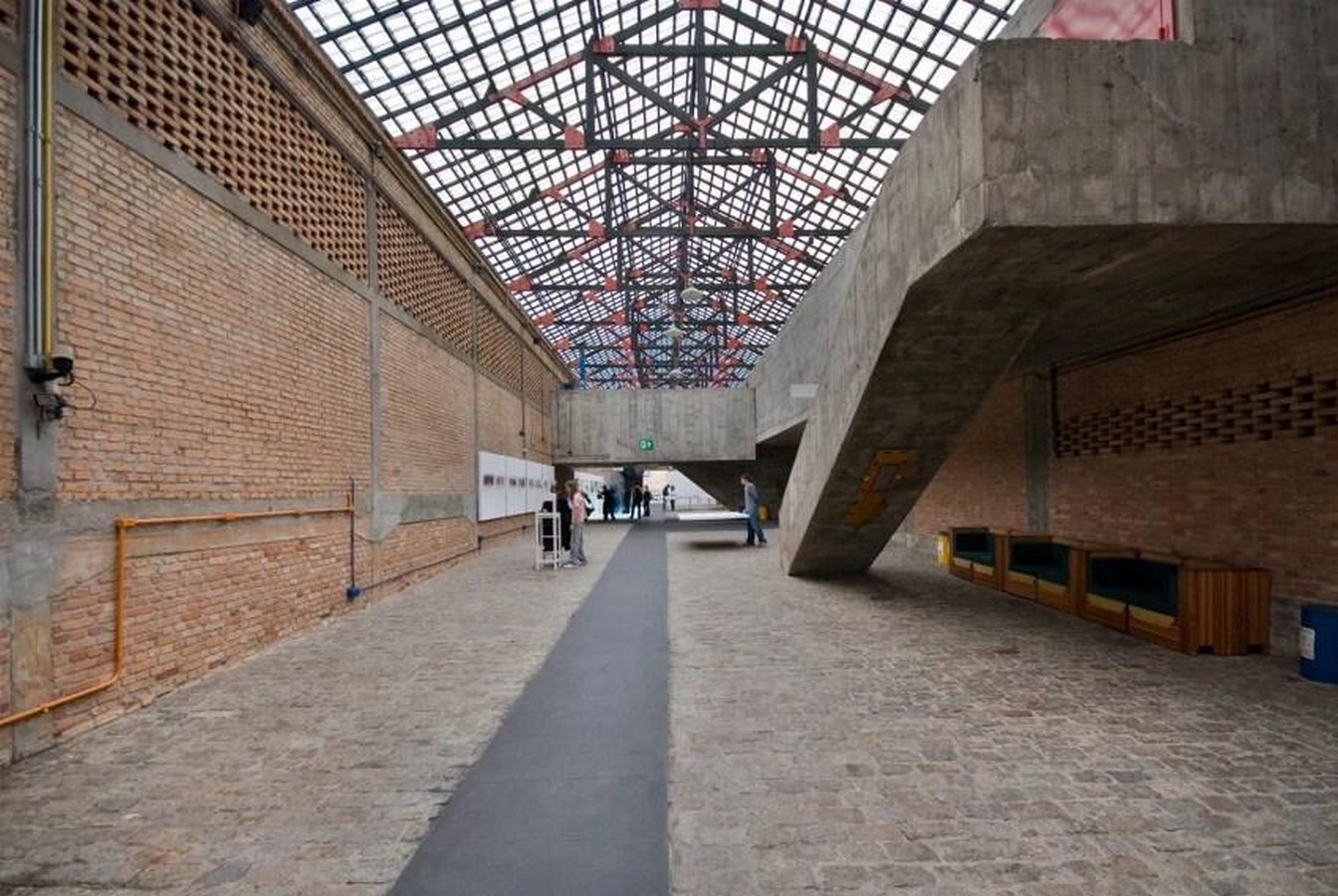
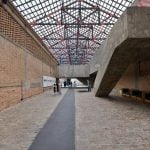
SESC Pompeia, designed by the famous female architect Lina Bo Bardi, is in Sao Paulo, Brazil. Initially a drum factory, the building was transformed into a multi functional space in 1982. The design added two concrete towers with diagonal bridges between them. The approach emphasized structural elements of the building, combining the heritage of the structure and modern visions. Today, SESC Pompeia is a cultural center that enhances the urban landscape of its surroundings.
Challenges of Adaptive Reuse
Safety issues: Historical buildings are not constructed to meet modern-day needs and regulations. These can lead to serious accidents and safety hazards if not addressed carefully.
Achieving environmental standards: To meet the modern-day environmental standards and regulations in a historic building might need many energy-enhancements and upgrades.
Legal Challenges: Although adaptive reuse is widely favoured as a sustainable construction technique, any building reuse will require approval from the relevant authorities, and adapting the building to existing laws is a challenging process..
The Future of Adaptive Reuse in Urban Development
Adaptive Reuse is believed to play an important role in Urban Development. The trend that grows towards sustainable construction continues to rely on reuse strategies for reduced resource consumption. Tools like BIM and other technological advancements make it easier for designers to address issues precisely and direct the solutions in the right path.
Adaptive reuse is a much-needed strategy in urban planning that needs utmost consideration to address the changing needs of society while preserving cultural and architectural heritage. By embracing adaptive reuse, cities can create sustainable, functional, and vibrant communities that respect both history and future needs.
Online sources:
Team Kaarwan (2025). Adaptive Reuse in Urban Planning: Meeting New Demands. [online] Kaarwan blogs. Available at: https://www.kaarwan.com/blog/architecture/adaptive-reuse-in-urban-planning-addressing-changing-needs-demands?id=1042.
DS+R. (n.d.). The High Line. [online] Available at: https://dsrny.com/project/the-high-line?section=studio.
Ashton, D. (2023). What is adaptive reuse (and how can it create a sustainable built environment)? [online] University College of Estate Management. Available at: https://www.ucem.ac.uk/whats-happening/articles/what-is-adaptive-reuse/.