In a world dominated by visual spectacles, mass consumption, and hyper-mediatization, aesthetics in art and architecture have become significantly important, yet they stand in a precarious position for developing cultural identity and architectural concepts. This complexity is further explored by focusing on the friction between two opposing aesthetic concepts: Kitsch, which embraces spectacle, nostalgia, and commodification, and Avant-garde, which rejects convention by bringing in abstraction, material experimentation, and autonomy.
Inured in German philosopher Theodor Adorno’s Aesthetic Theory (1970), these opposing philosophies navigate the space between emotional, nostalgic consumption and deep intellectual critique. This tension can be a vital tool to analyze the architecture of the contemporary era, maintaining critical potential in this era of mass culture.
The Theory Behind the Friction
This duality is informed by Adorno’s critique of mass culture, particularly focusing on his distinction between kitsch and true art. Adorno positions kitsch as a commodification of aesthetics, reducing art to a form of passive consumption that pacifies rather than provokes, and avant-garde as resistance. In Aesthetic Theory, he states that true art goes beyond the easy interpretation and demands intellectual engagement. He writes, “Art is magic delivered from the lie of being truth,” suggesting that art’s value lies in its ability to challenge dominant ideologies and offer alternative ways of seeing the world.
Adorno’s critique of kitsch and avant-garde is particularly relevant to the exploration of the concept of spectacle and commodification. Kitsch, with its sentimental appeal and mass accessibility, is oriented towards a consumer-driven culture, where aesthetics is often reduced to marketable images. In contrast, avant-garde art and architecture try to resist this commodification, prioritizing critical autonomy over mass appeal.
However, there is a need to explore beyond this binary and test the limitations of Adorno’s theories. Theorists like Hal Foster and Andreas Huyssen emphasize kitsch’s disruptive tendencies and avant-garde’s vulnerability to commercialization.

Kitsch: Seduction of the Spectacle
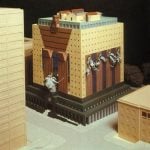
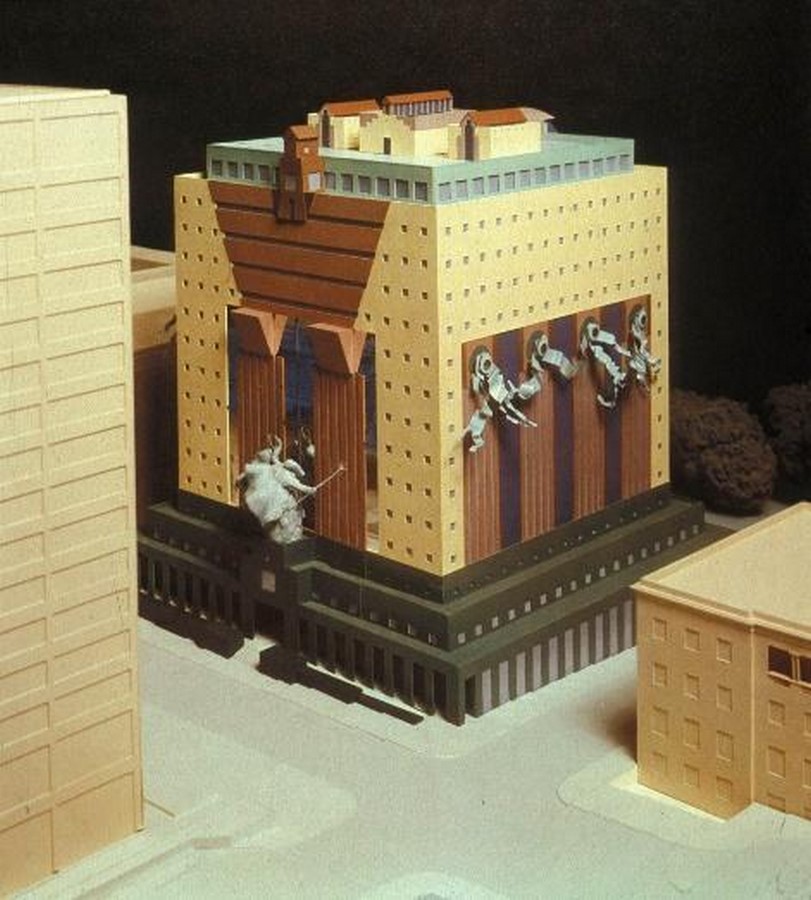
Kitsch is a form of aesthetic mass consumption that prioritizes emotional familiarity and nostalgia over intellectual engagement. Works like Michael Graves’ Portland Building (1982) and Walt Disney Imagineering’s Cinderella Castle (1971) personify consumer tendencies, using playful colors, extravagant ornamentation, and nostalgic imagery to create a sense of comfort and accessibility. Graves’ Portland Building, is a postmodern landmark, critiqued for evoking commodified nostalgia, however, its cartoonish aesthetics also act as a parody of modernistic tendencies. Similarly, the Cinderella Castle transforms history into a comforting spectacle, but also reclaims kitsch as cultural influence.
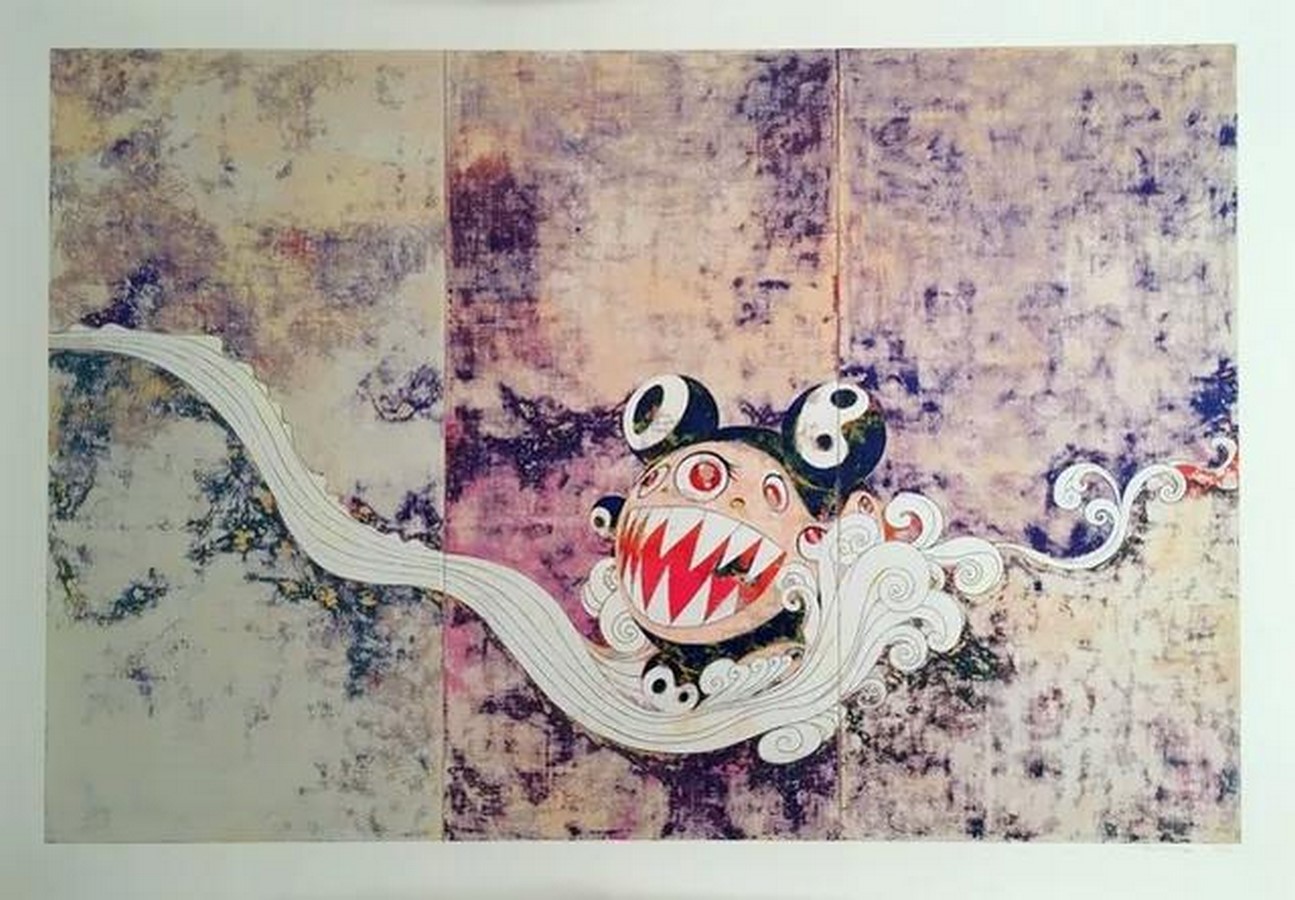
Jeff Koons’ Balloon Dog (Orange) (1994-2000) and Takashi Murakami’s 727 (1996) further propagate Kitsch’s seductive appeal, blurring the line between high art and consumer culture. With its oversized scale, Koons’ reflective, polished sculpture mimics a child’s balloon animal, evoking sentimentality and playfulness, intentionally lacking intellectual depth. However, it also can be read as a deliberate satire on this emotional memory, going beyond the initial interpretation. Murakami’s 727, with its bright colors and anime-inspired imagery, embraces the flatness and replicability of mass production, turning art into a marketable object. Together, these works re-examine the idea of “kitsch”, exploring the sentimentality, commodification, and parody associated with this philosophy.

However, there is an inherent duality of kitsch which serves as a nostalgic reminder and acts as a parody. Certain works display tendencies of artwork considered “kitsch” to provoke critical thought and can critique consumerism and capitalism. Venturi and Scott Brown’s Las Vegas Strip Analysis elevates kitsch as a legitimate architectural language, celebrating spectacle, ornamentation, and mass appeal. Rejecting modernist purity, they embrace exaggerated signage, themed architecture, and the “decorated shed,” where buildings rely on flamboyant decoration rather than structural expression.
Avant-Garde: Resistance and Rupture
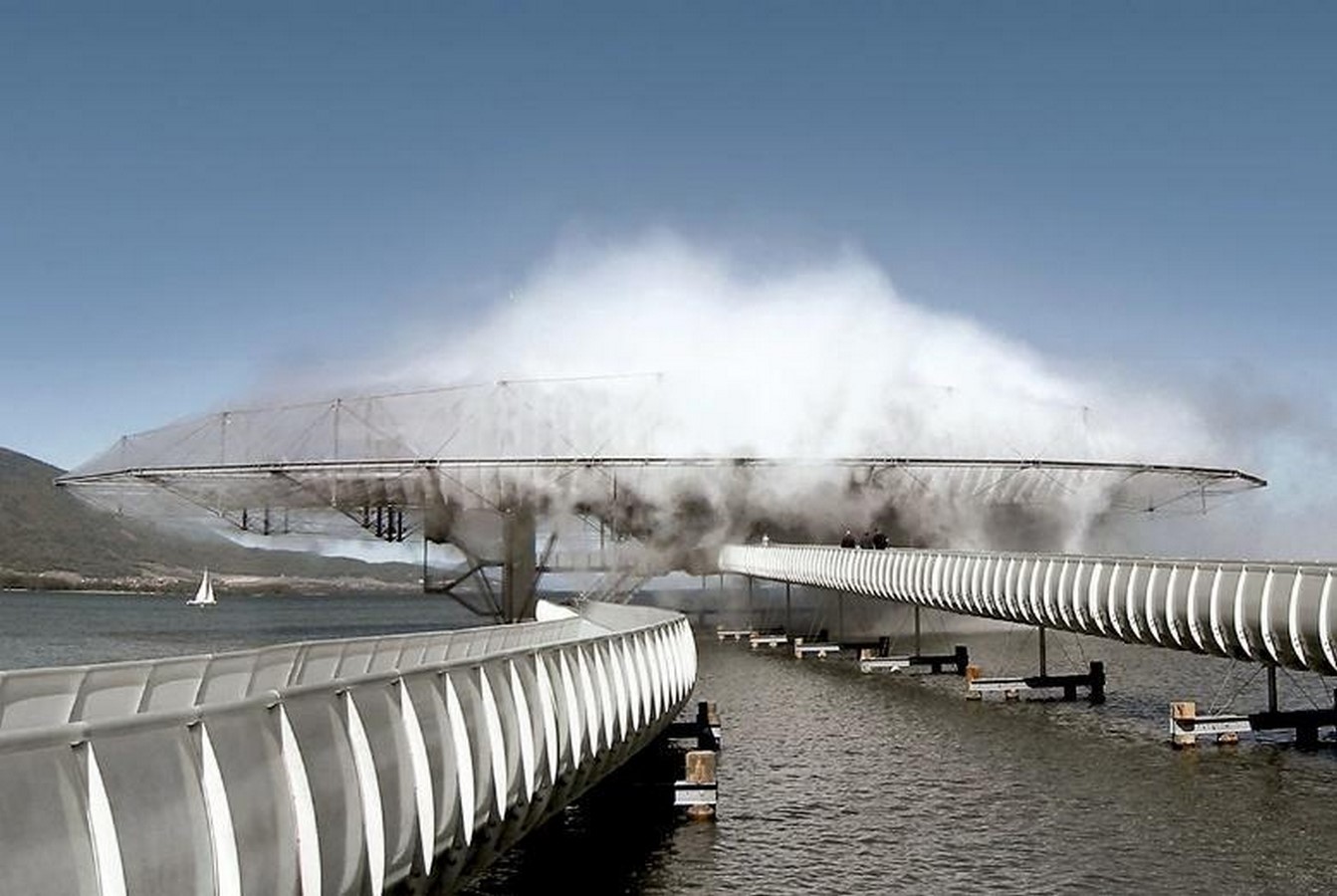
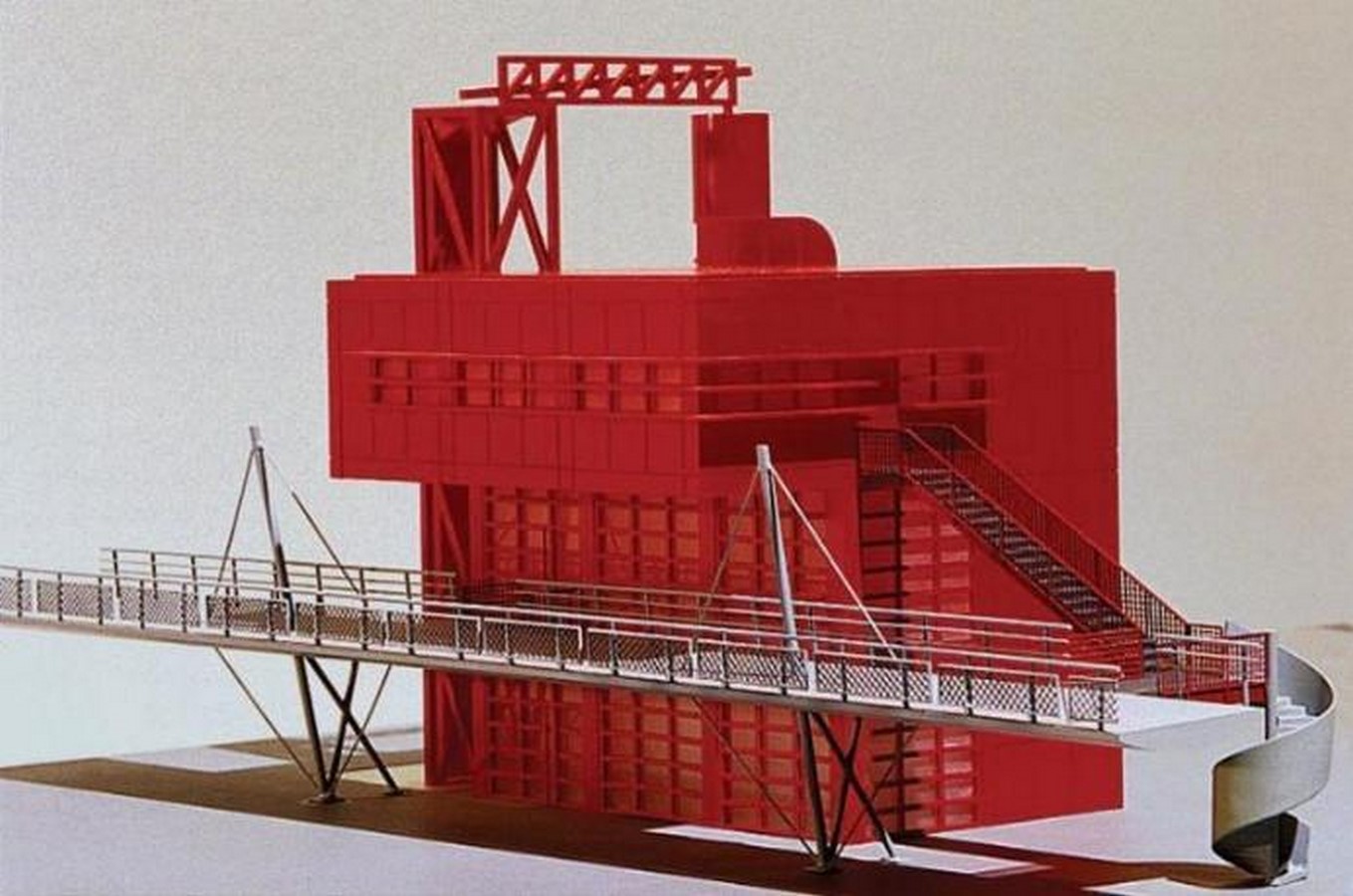
Avant-garde is posited as the opposition of kitsch. It explores the rejection of the convention through abstraction, material experimentation, and critical autonomy. It portrays a contrast to Kitsch’s embrace of spectacle and explores the paradoxical relationship of avant-garde with commodification. Works like Diller Scofidio + Renfro’s Blur Pavilion (2002) and Bernard Tschumi’s Parc de la Villette (1982-1998) exemplify this tendency, challenging traditional notions of space, form, and function. The Blur Pavilion, with its ephemeral cloud of fog, dissolves architecture into an atmosphere, resisting visual consumption. Similarly, Tschumi’s Parc de la Villette employs an abstract, grid-based system of bright red structures to disrupt traditional spatial organization, prioritizing conceptual experimentation over aesthetic coherence.
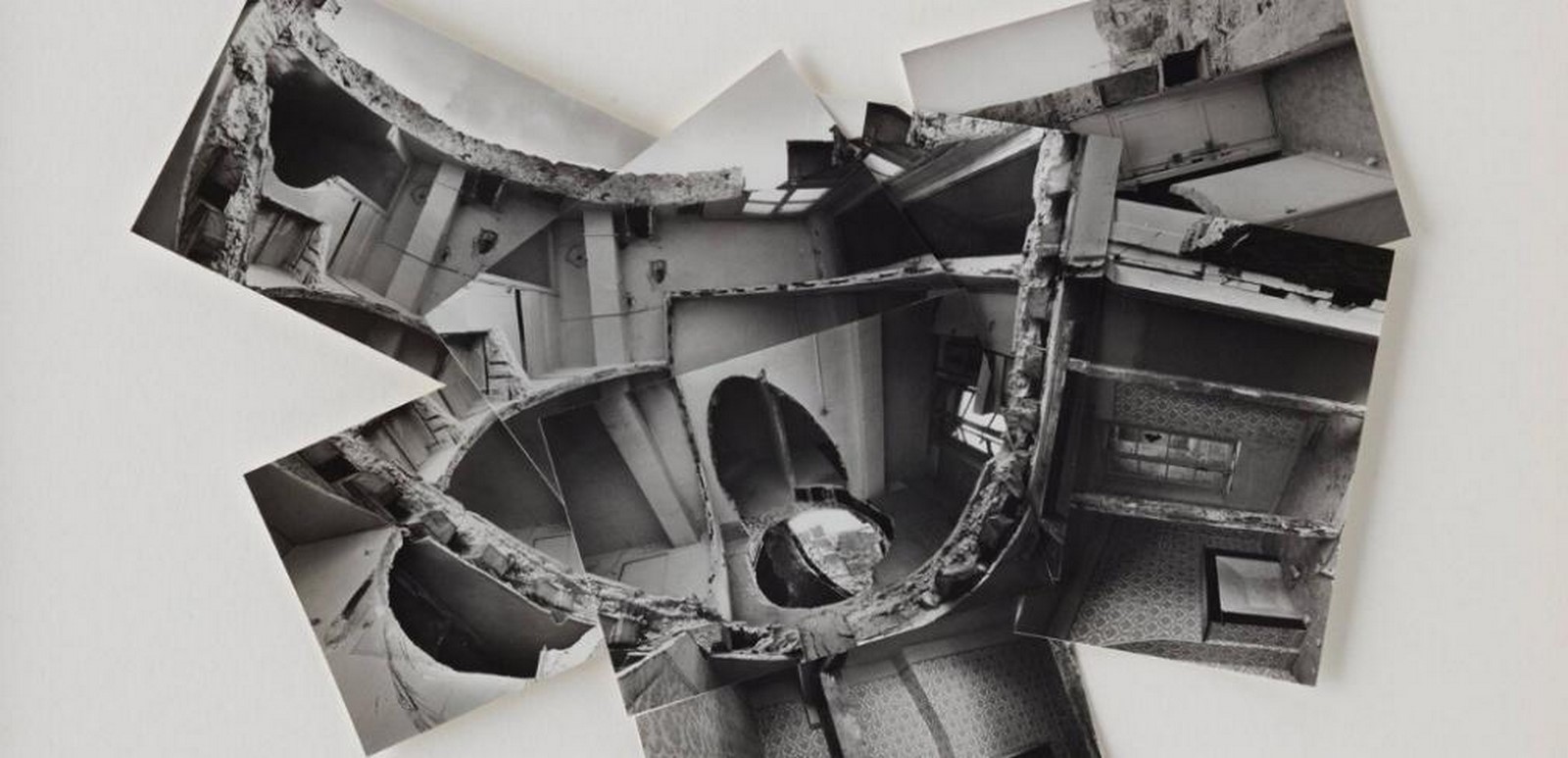
Gordon Matta-Clark’s Conical Intersect (1975) and Zaha Hadid’s Vitra Fire Station (1993) further explore avant-garde’s critical potential, using fragmentation and radical geometry to challenge conventional aesthetics. Matta-Clark’s intervention, which involves physically cutting through buildings, destabilizes the meaning of built form, forcing a reconsideration of interior, exterior, and void; yet his legacy is commercialized in the art market. Hadid’s Vitra Fire Station, with its sharp angles and dynamic lines, rejects traditional proportions, demanding intellectual engagement rather than passive appreciation, but is now a highly commodified tourist attraction. These works highlight the avant-garde’s role in resisting commodification and redefining the boundaries of art and architecture, yet also critique the autonomy of this style in capitalist systems.
These themes are particularly relevant to contemporary culture, where the commodification of aesthetics and the constant rise of visual spectacle have become the defining features of the hyper-mediatized world we live in. Social media platforms like Instagram have transformed architecture and art into marketable images, prioritizing visual branding over intellectual engagement.
This also raises an important question on the future of architectural aesthetics in the age of digital fabrication, algorithmic design, and immersive environments. As new technologies redefine how space is conceived and experienced, the clashing commentary of kitsch versus avant-garde may no longer suffice. Instead, new forms of architectural expression are emerging, ones that oscillate between provocation and familiarity, resistance and accessibility.
There is a need to reimagine aesthetics as a fluid, dynamic, global dialogue where spectacle and resistance exist in the same realm and the collision between the two produces tension which redefines our understanding of aesthetics.
References:
Adorno, Theodor. Aesthetic Theory. Translated by Robert Hullot-Kentor. Minneapolis: University of Minnesota Press, 1997.
Bourdieu, Pierre. Distinction: A Social Critique of the Judgement of Taste. Translated by Richard Nice. Cambridge, MA: Harvard University Press, 1984.
Gusevich, Miriam. “Purity and Transgression: Reflections on the Architectural Avant-Garde’s Rejection of Kitsch.” Journal of Architectural Education 40, no. 3 (1987): 2–9.