The Fragility of Memory Spaces
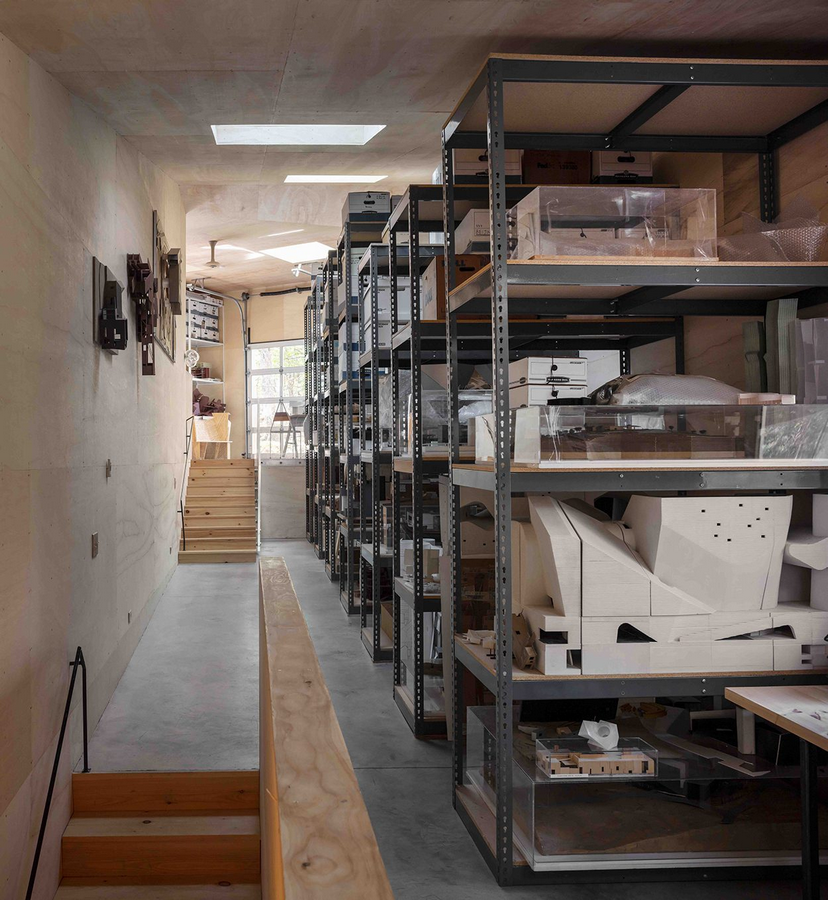
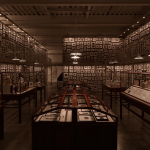
Archives that are supposed to store our history are under attack. Climate change, geopolitical volatility, and technological decay threaten the core of knowledge preservation. In a world that is more aware of the existential threats, the design of archival resilience cannot be left to architects alone. It is not just a matter of how to store information but also where and what kind of archives should be used to survive catastrophic events.
The Architect’s Role in Future-Proofing Archives
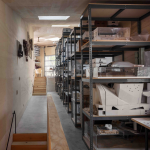
The conventional archive architecture focuses on the control of the environment, fire proofing, and climate control. But these measures are inadequate when considering major disasters such as nuclear war, asteroid impacts or even slow processes such as rising sea levels. Architects must now adopt a holistic approach to the design of archives, whereby structural strength, material selection, and spatial planning are combined to create archives that can survive the end of the world (Brand, 1995).
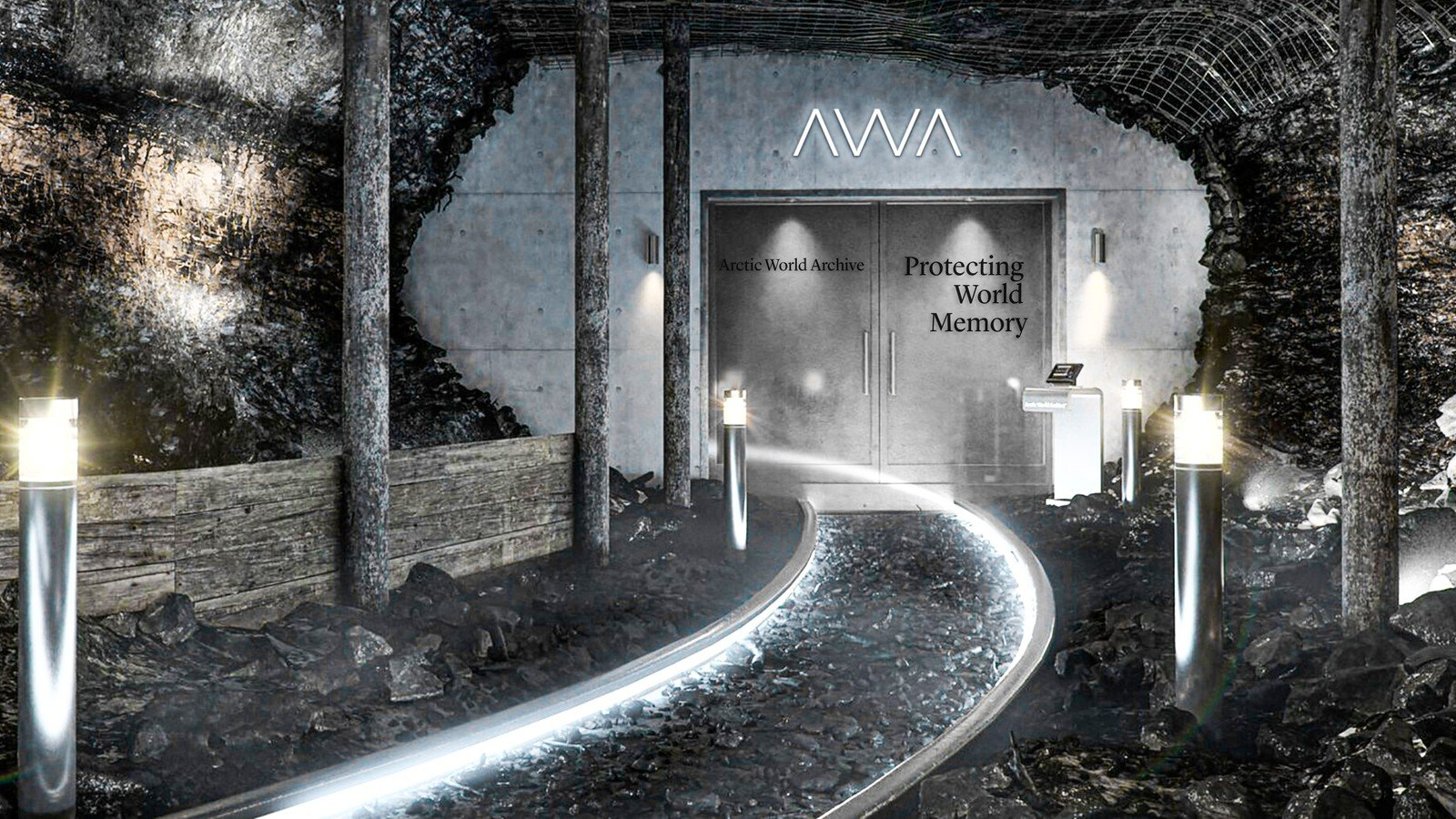
Underground & Subterranean Archives: Some lessons from the past
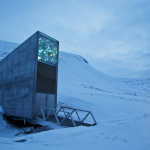
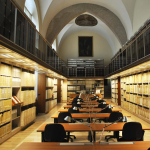
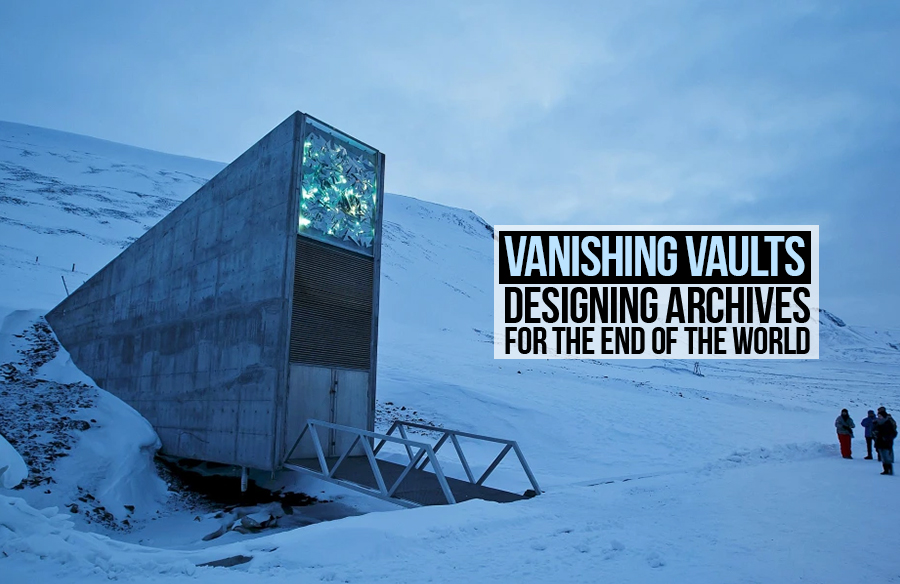
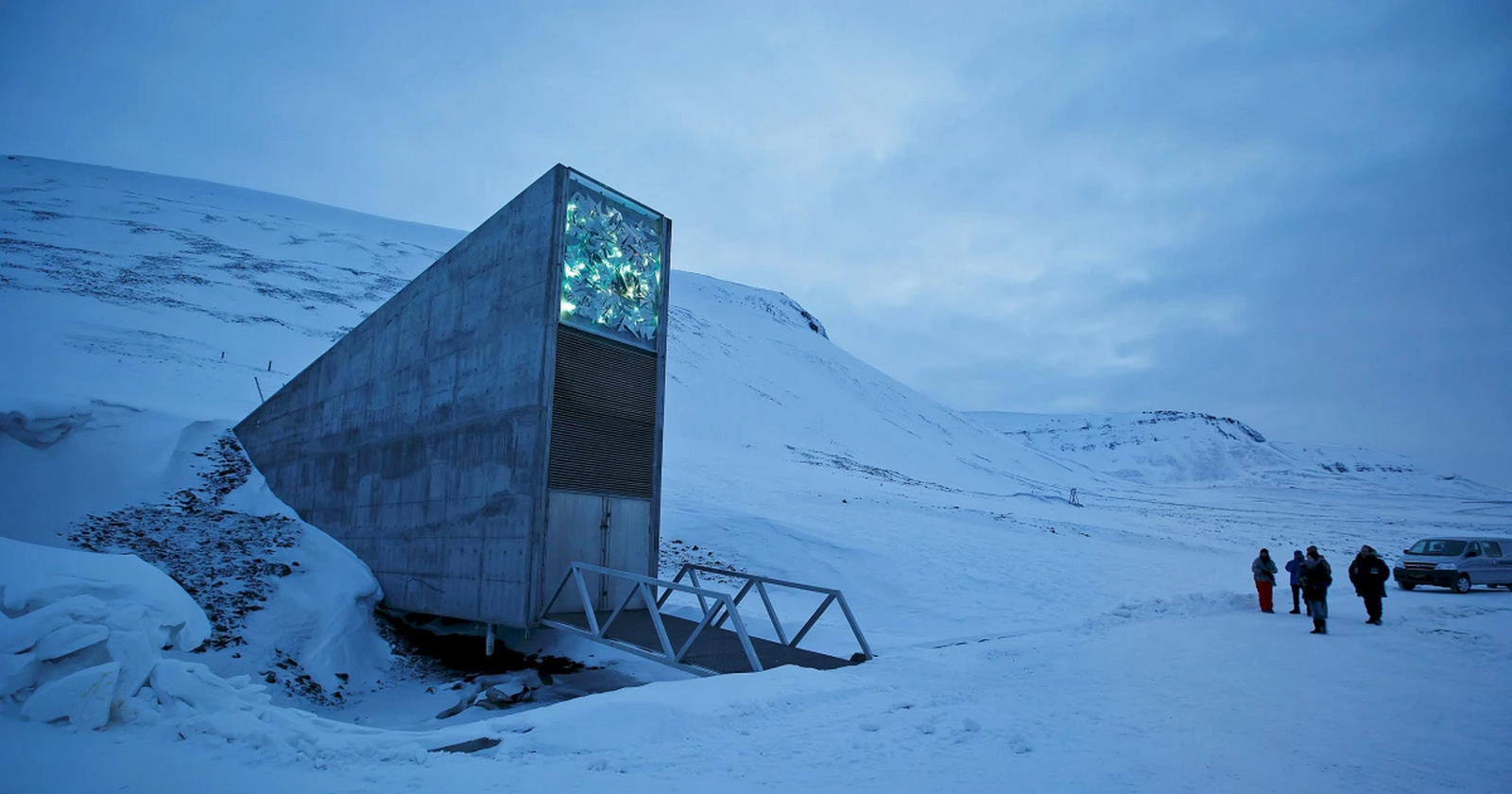
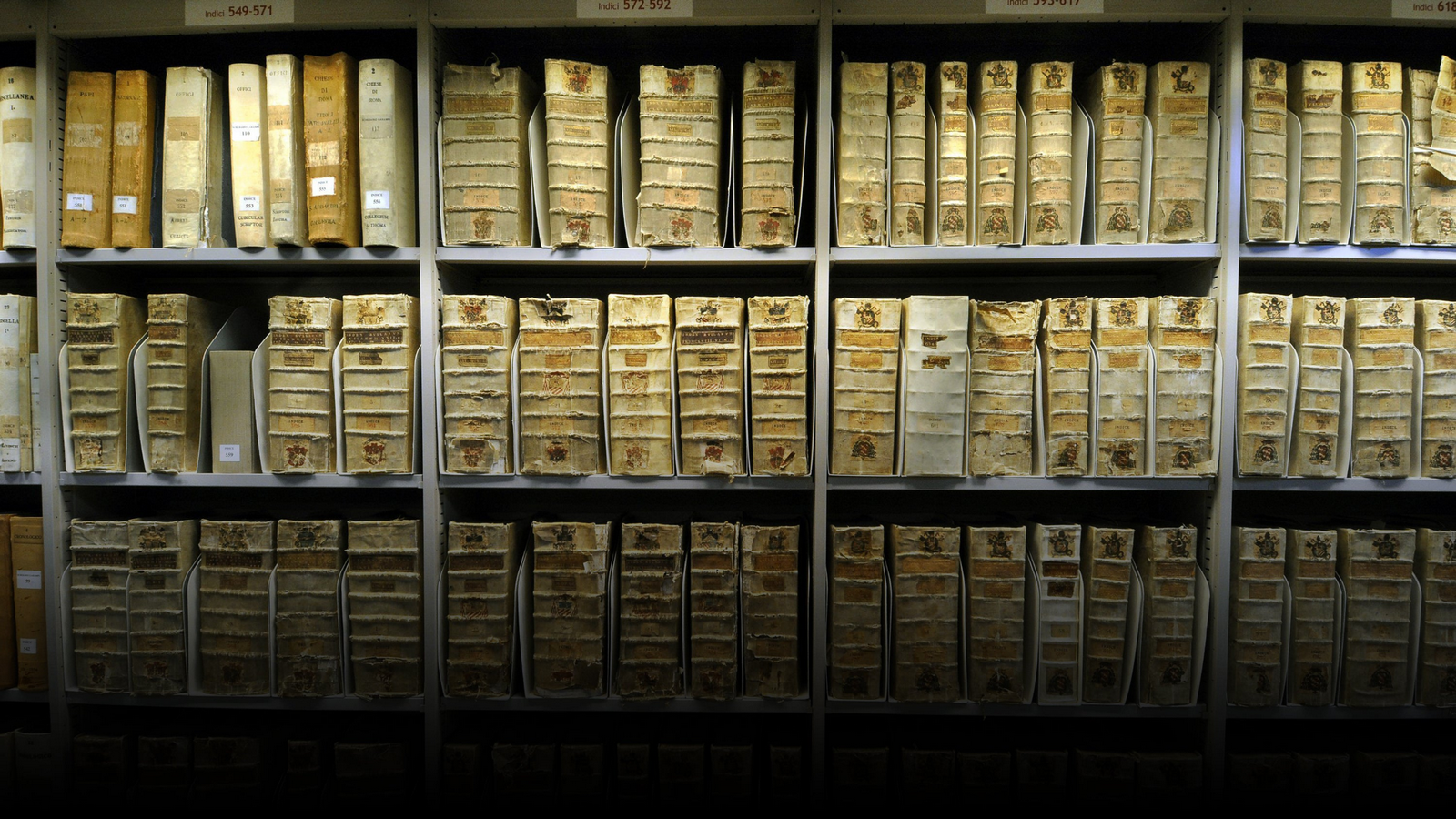
The oldest and most frequent way of information storage is to put it in the ground. The Vatican Secret Archives and the Svalbard Global Seed Vault are good examples of the importance of placing archives in deep, cold, and politically neutral territory (Westwood, 2016). The concept of the underground archive is being adopted with projects like the Arctic World Archive in Norway, which stores documents on piqlFilm, a technology that is supposed to last more than 500 years.
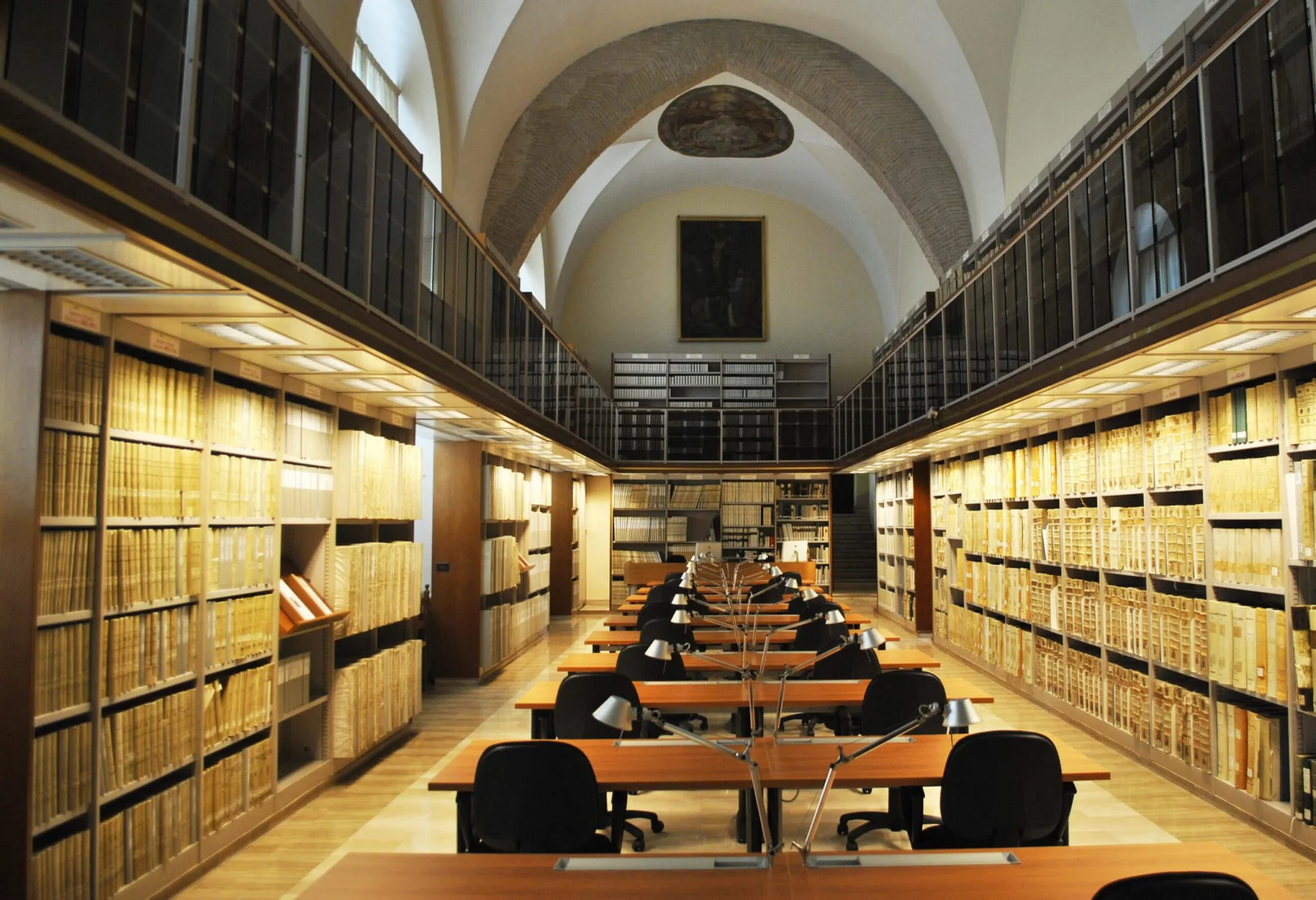
However, there are disadvantages of subterranean solutions that include strength, accessibility after the disaster, and flexibility to changing environmental conditions. It is not just a matter of making these archives survive but also making sure that they can be found and used when civilization is re-booted (Jensen & Thiel, 2020).
Floating Archives: The Case for Waterborne Memory Storage
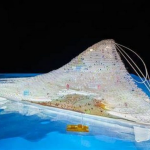
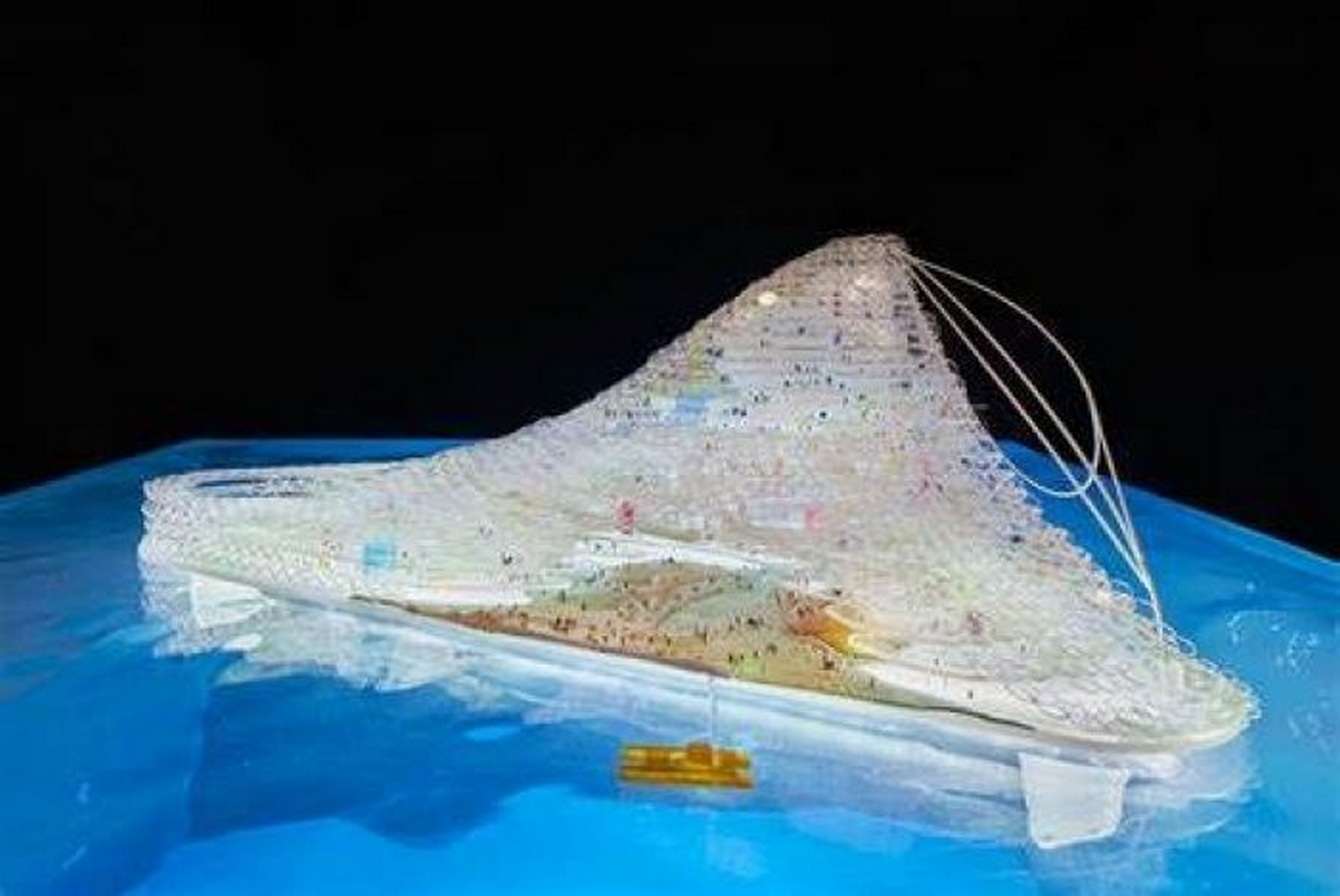
As the levels of the sea rise and the land becomes less stable, floating archives are a revolutionary but necessary concept. The modular, sustainable platforms based on ideas like Oceanix City by BIG and Megafloat from Japan may hold decentralized, floating archival storage (Ito & Sakaguchi, 2017). These floating vaults that are designed to be completely autonomous can also generate their energy from renewable sources and can be remotely accessed, which is important in case land-based infrastructure is destroyed.
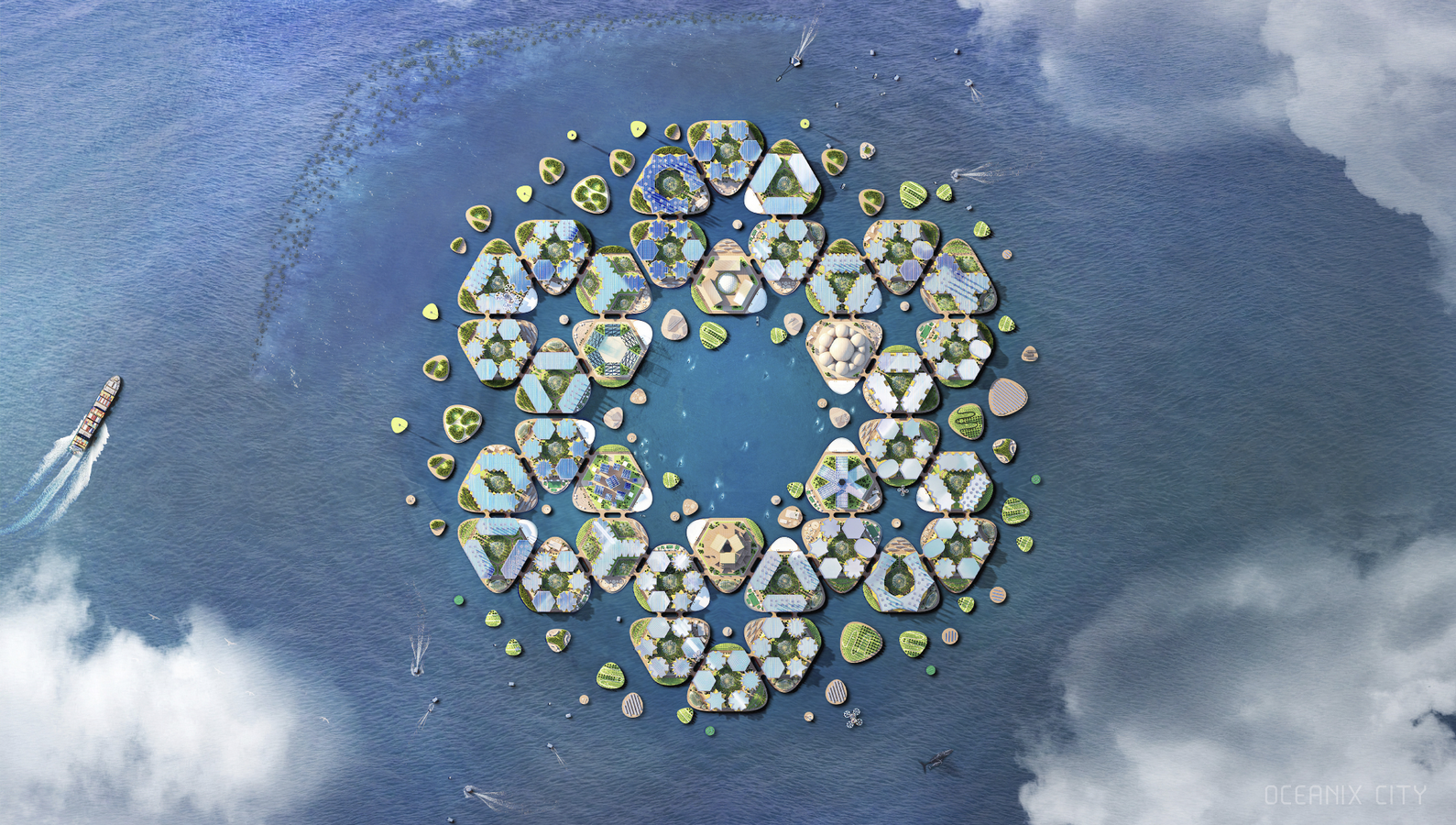
However, floating archives also have durability, security, and redundancy issues. If these are floating libraries, can they be connected to form the world’s first oceanic archival system, one that will be immune to war and other land-based disasters? Although the idea is still rather vague, it is already being discussed in architectural think tanks.
Lunar & Extraterrestrial Archives: Creating Off-Earth Repositories
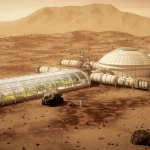
The Moon and Mars are usually mentioned as the possible objectives of human settlement expansion, but should they also be the repositories of our historical documents? NASA and ESA have suggested lunar libraries in which the information may be imprinted on microfilm or even etched on metal plates and kept in vacuum-sealed, radiation-shielded containers (Levin & Haworth, 2021).
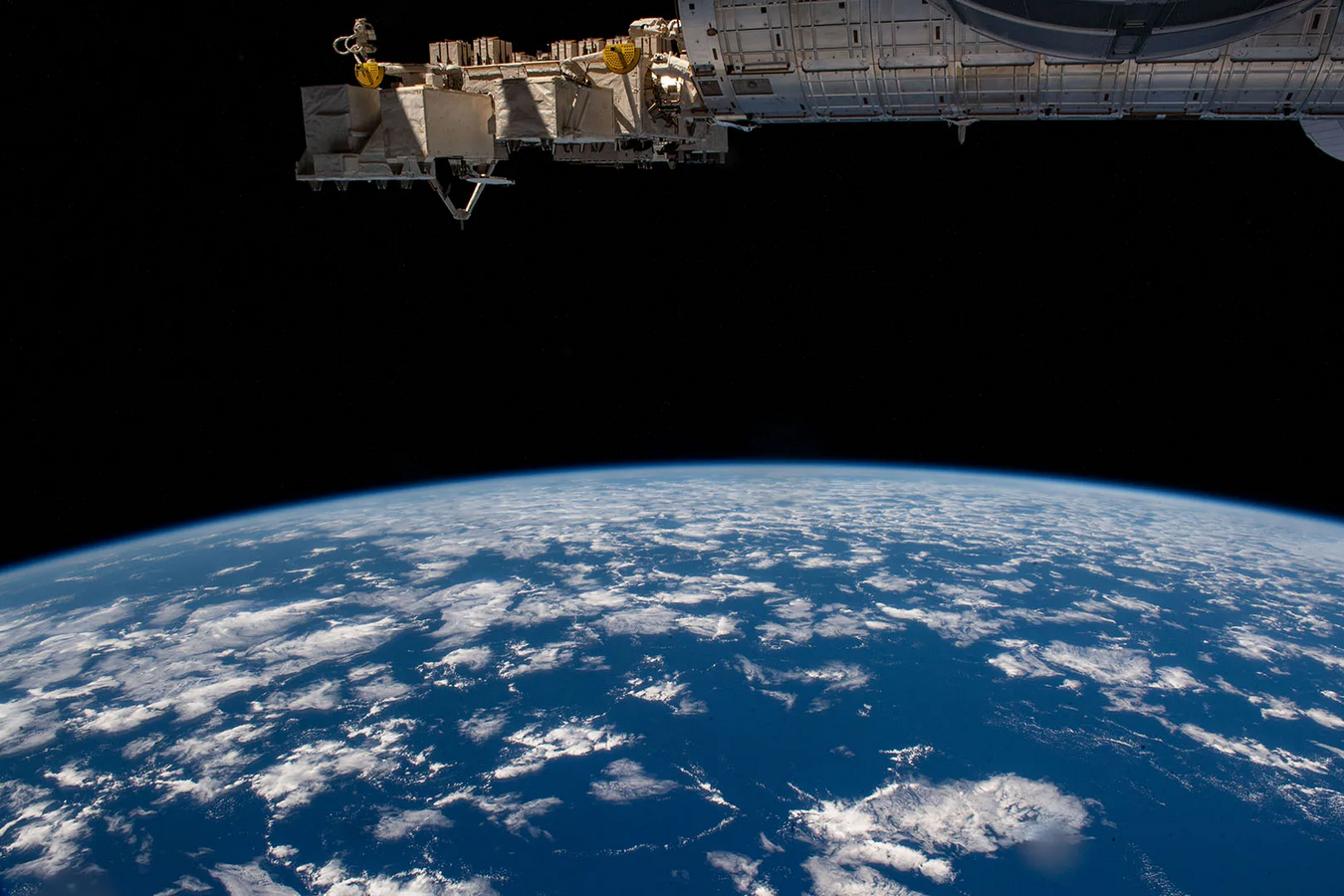
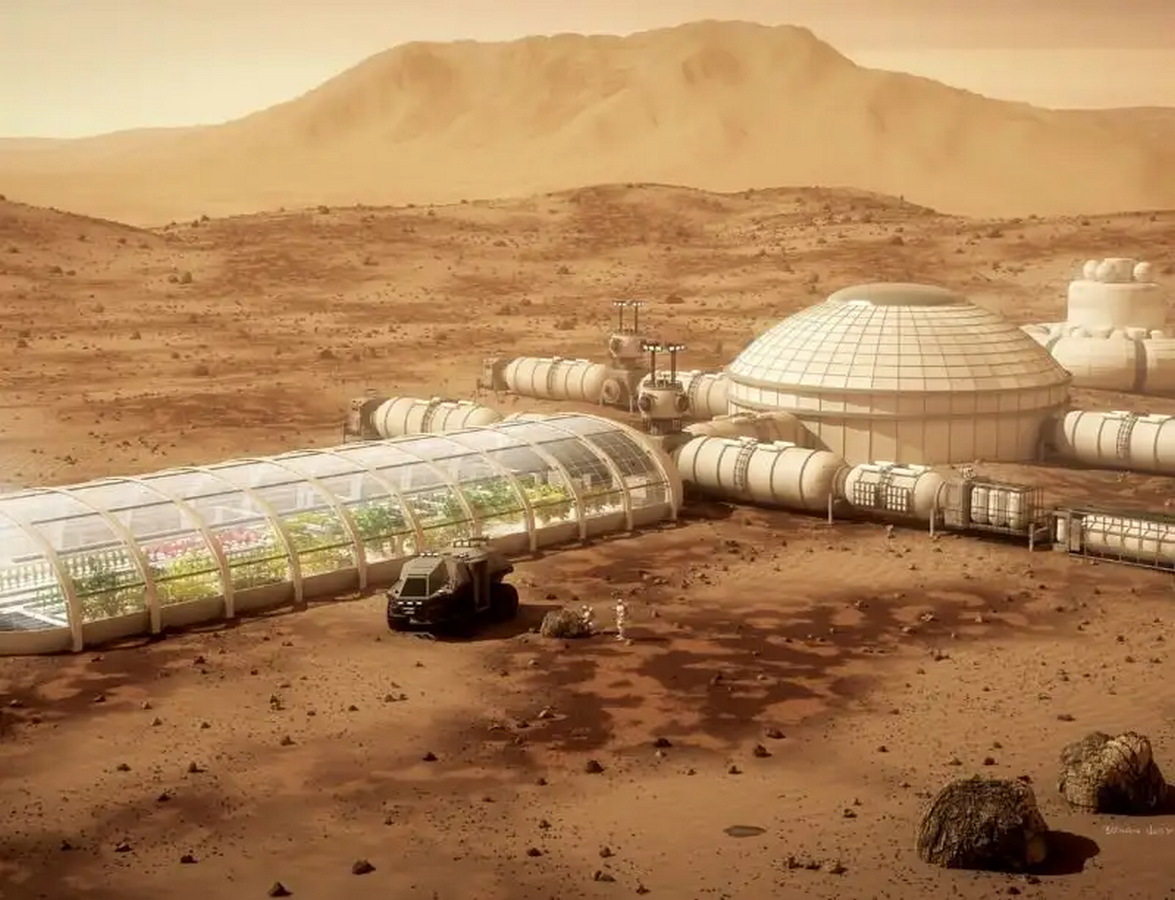
The exterior environments of the Moon and Mars are harsh and require materials that can endure radiation, meteorite impacts, and seismic activities. New developments in smart concrete, bio-inspired structures, and robotic construction may lead to a definitive interstellar architectural concept for the storage of knowledge (Smith & Patel, 2022). Nevertheless, the problem of accessibility is critical: if no one can get to the archive, it is of no use.
Living Archives: The Function of Organic & Self-Supporting Memory Systems
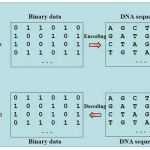
Can archives be simply structured? Biological architecture is a new emerging field that proposes that life forms can store and safeguard information. Scientists have also been able to embed text and images in synthetic DNA, a form that can be stored for hundreds of years if the conditions are suitable (Church et al., 2012). This makes it possible to conceive of bio-integrated archival architecture where the building itself can act as a memory vault.
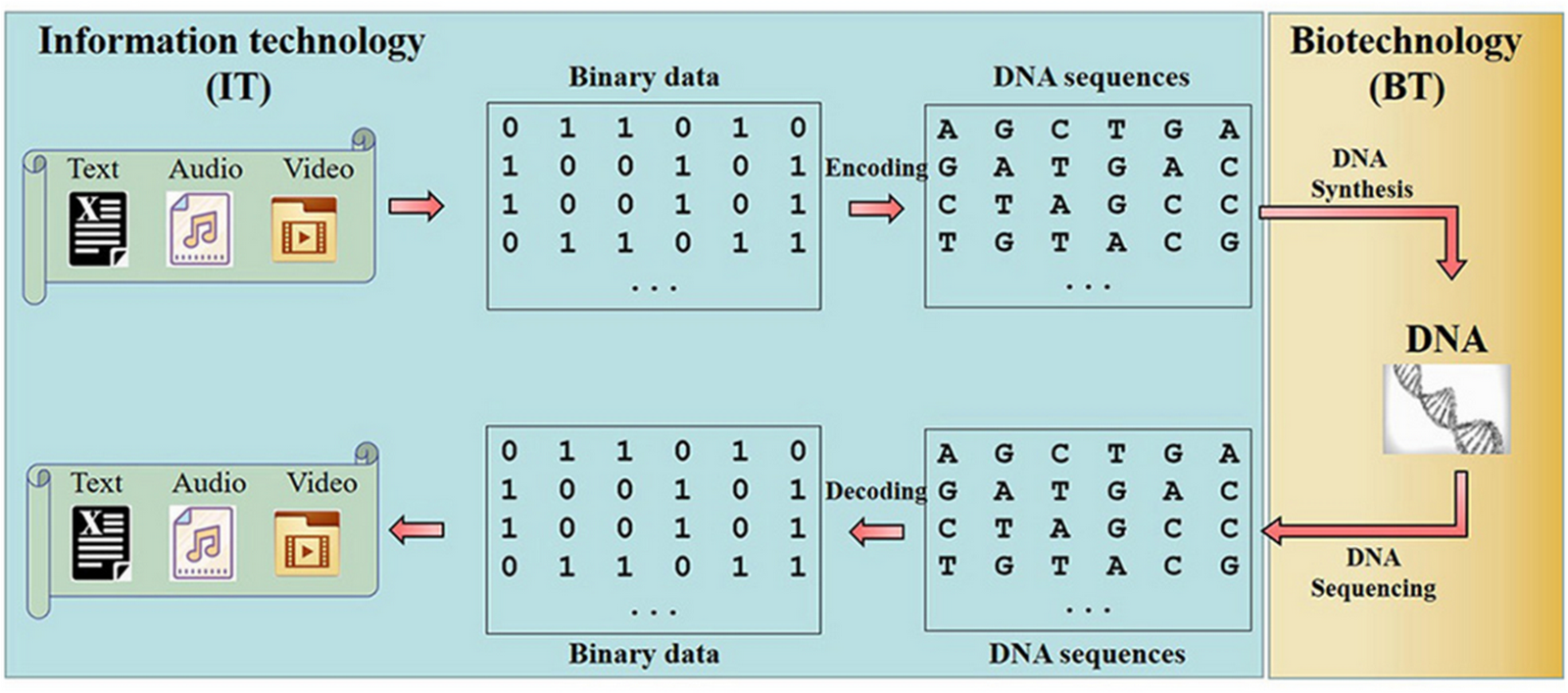
Bio engineers are now collaborating with architects to develop sustainable systems that can grow, repair and change their climate control and data storage system. Can the cities of the future have secret, biological archives of information that will remain intact while the digital world decays? The consequences are significant.

The Ethics of Archive Design: Who Gets to Decide What Is Worth Saving?
A significant issue in the development of lasting archives is the curatorial tendency, which is the tendency to select some information to be kept while other information is allowed to die. Traditional archives also tend to favor the dominant culture, which leaves other cultures’ archives at risk (Mbembe, 2002). Architects must team up with archivists and historians to guarantee that archives are represented, decentralized, and replicated in the design process.
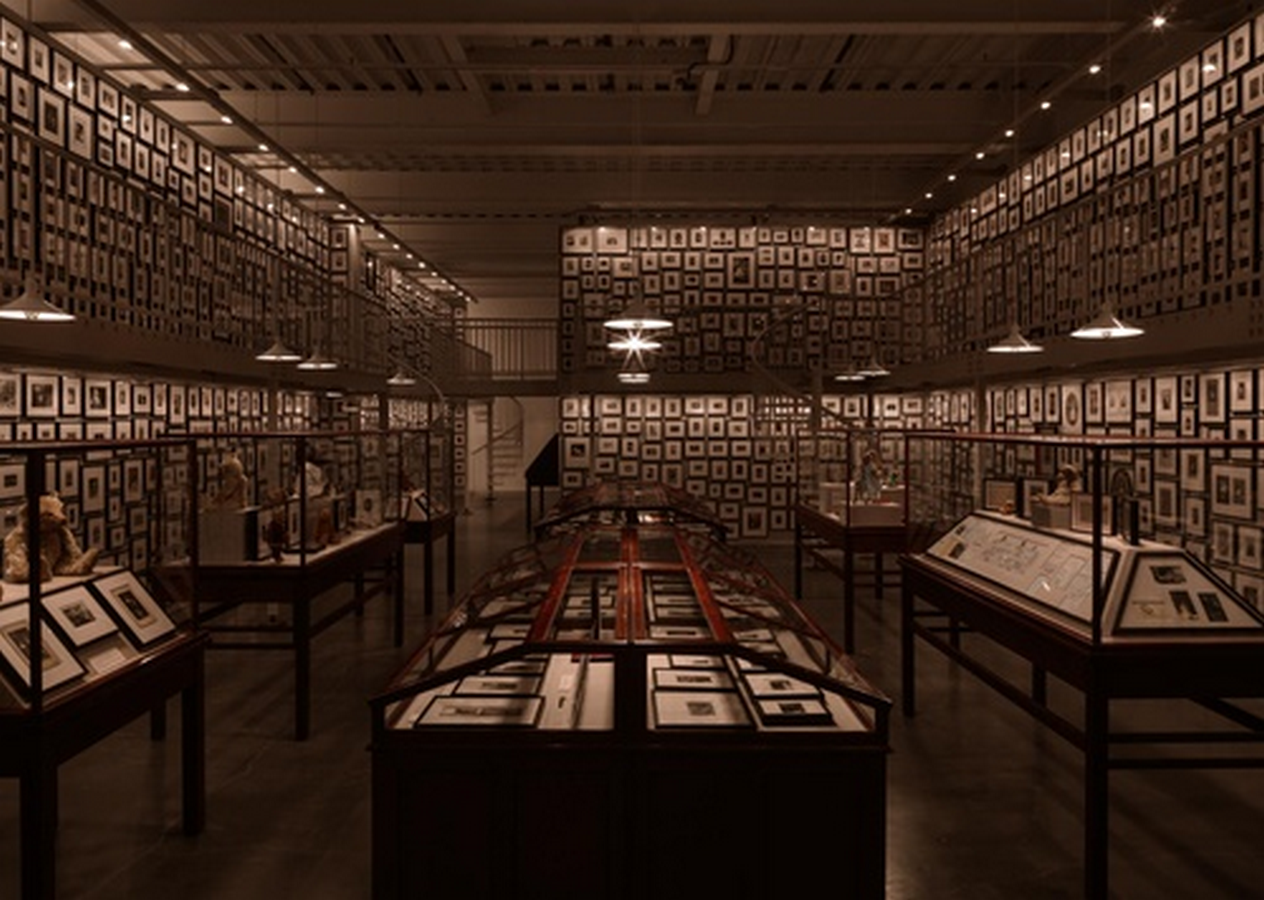
Besides that, are archives to be designed to be destroyed or to be deliberately obliterated? Some cultures value the transient over the permanent. This poses architectural questions: Should we create doors that shut and lock of their own free will after a certain amount of time? It may well be that the future of archival architecture has less to do with how things are saved than with how they are thrown away.

Designing for an Unknowable Future
This article proposes that the architecture of archives is evolving from the mere storage of information to the protection of information in the face of existential risks, which may involve building archives in caves, on the water, on the moon, or even making them out of living organisms. Whether it is through the concrete strongholds located in deep earth, oceanic memory capsules, or genetic data stored in bio-architected structures, the future of archives will have to consider durability, accessibility, and flexibility.
When designing and planning for the future, as architects, planners, and thinkers, we must ask: Are we designing for survival or for rediscovery? The response will define the identity of our civilization.