Everyone is familiar with the importance of time management, and how essential it is not to leave one’s work unfinished till the deadline is on the horizon. But, let’s face it. Deadlines tend not to rest, and procrastination spares none. Every student, especially those in the design and architecture field, has been compelled to pull an all-nighter at least a few times in their academic or professional career. Whether it be skipping sleep to cram for an exam or rendering that project still stuck in DWG files but is due the next day. All-nighters are a rite of passage and a necessary evil.

Is staying up all night okay?
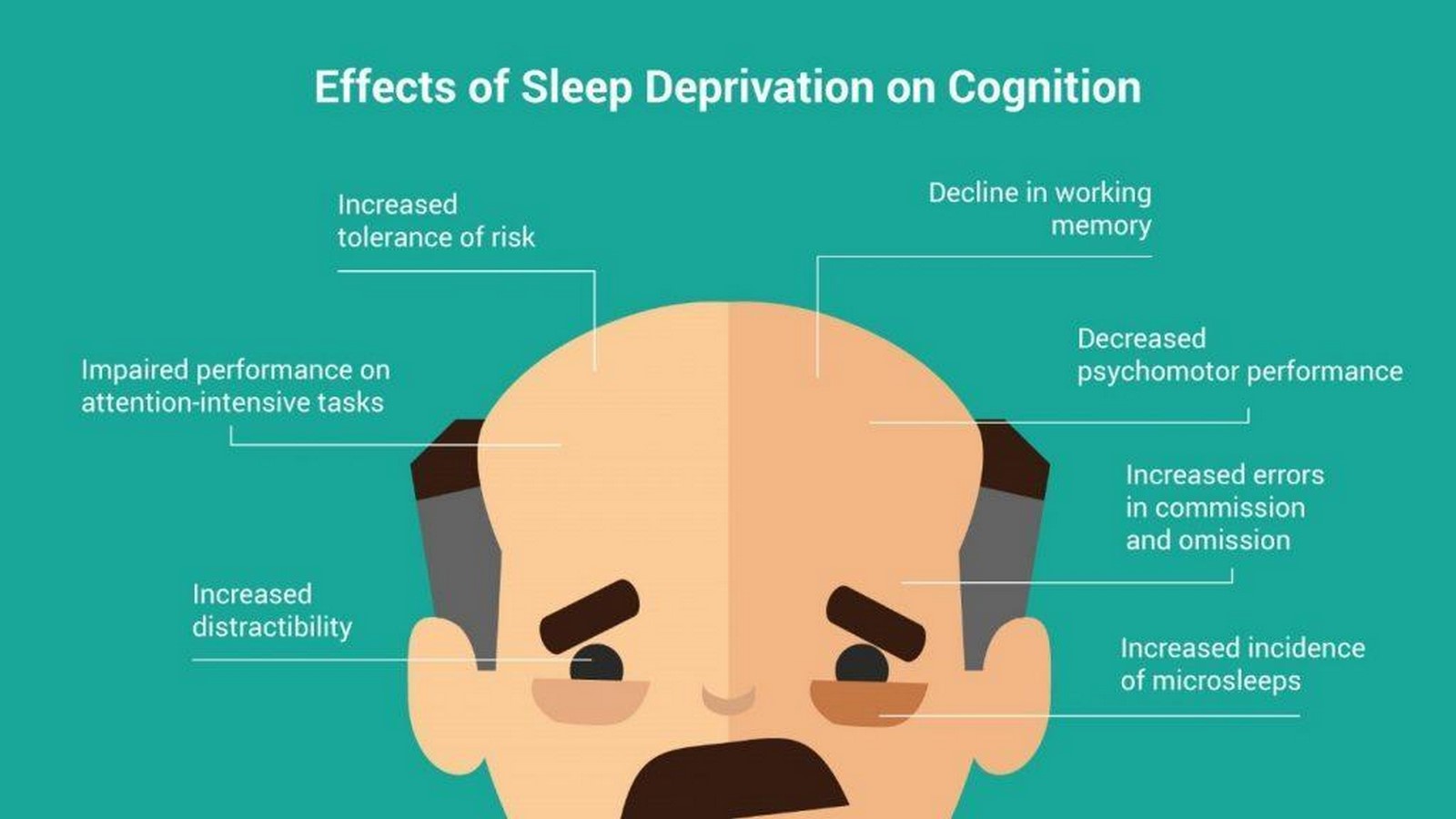
The amount of sleep the human body may require to function properly differs from person to person, but on average, it falls within the range of seven to nine hours. Sleep deprivation in the long term has undoubtedly proven detrimental to one’s health.
Although a single night of sleep deprivation will not lead to severe repercussions, pulling an all-nighter is never advisable, because it too possesses certain risks. It affects the brain’s cognitive performance the next day, disrupts one’s sleep schedule, affects the immune system, appetite, moods, and much more.
If it is of paramount importance, there are better ways to pull an all-nighter, to minimize damage and maximize productivity.
The Sleep Bank:

Sleep Banking is a concept that draws up a comparison between sleep and money. It advises one to store up on sleep hours when the opportunity presents itself. The idea is that if there are enough hours in the reserve, one can withdraw them when needed. Similar to traditional banking, the more hours one puts in, the more there are to take out.
If an individual is aware of the need for an all-nighter, they should sleep well and early the preceding nights to fill up their sleep bank. A 30 – 90 minute nap before the start of the long sleepless night may also be helpful.
The Caffeine Crash:
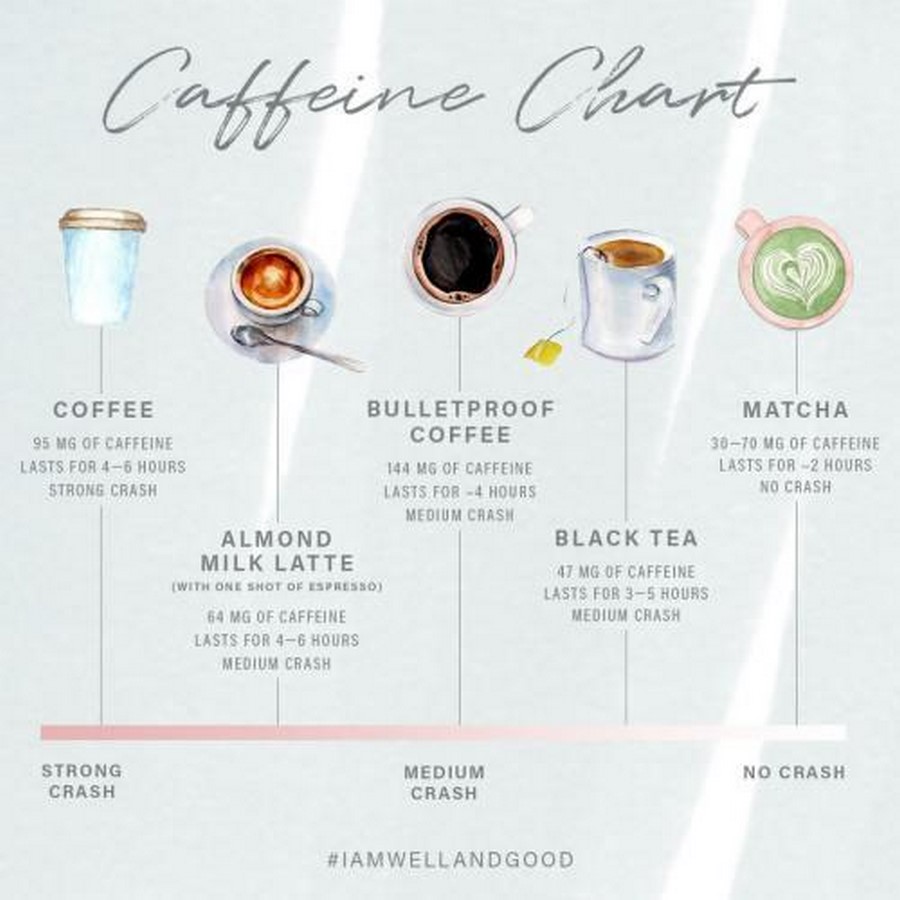
When pulling an all-nighter, one should never start with caffeine. Too much caffeine is unhealthy, but it can be a saviour if regulated smartly. Ingesting caffeine at the beginning of the long journey may cause an energy crash later. Therefore, it shall be saved for the 3-4 AM period when it will be needed more. And, the caffeine should be stopped 4-5 hours before finishing to avoid post-work jitters and enable one to rest after the work is done.
Snack Like A Pro: The brain associates chewing with wakefulness. So, chewing gum or munching on crunchy snacks helps it stay awake. Some light and healthy snack options may be:
- Apples (natural caffeine)
- Carrots (crunchy=alertness)
- Dark Chocolate (tiny energy boost without a crash)
- Yoghurt (helps stay full and potentially aids in better sleep)
- Nuts (again, crunchy=alertness)
Let in The Light:
Studying or working in a dim room will instantly put one in a sleepy mood. Sitting in bright white light tricks the brain into thinking it’s daytime and creates an illusion of working hours (like in offices). Light can be the perfect friend during an all-nighter.
One should use cool white or blue-toned lights and a screen brightness level that keeps them engaged but avoids strain on the eyes.
A Cold Shower:
If one falls into an exhaustive state amid the all-nighter, a cold shower can provide instant alertness. Just a 2-minute cold shower is capable of waking up the nervous system more efficiently than coffee. It may not be a comfortable choice, but it sure works wonderfully.
Keep Moving:
Sitting still for hours will guarantee sleepiness. Take breaks every 45-60 minutes, and practice any sort of physical movement like stretching, jumping jacks, or even dancing. This keeps energy levels high and subdues sleepiness.
Additionally, staying bent over a drafting table or slouched over a laptop may cause neck and back pain. These movement breaks will not only be refreshing [psychologically, but also physiologically.
The Morning After:
The next morning is ground for damage control. When the all-nighter eventually comes to an end on ungodly hours of 4 AM, 5 AM and so on, it is essential to not sleep immediately. This will further jeopardize one’s sleep schedule. Instead, try to power through (suppose till 10 AM) and take a 90-minute nap.
To aid the body in its revival after the restless night, stay hydrated. One can add a pinch of salt to their water, drink lemon water and even green tea for better results. Caffeine should also be avoided the next day.
Not A Lifestyle, But A Last Resort
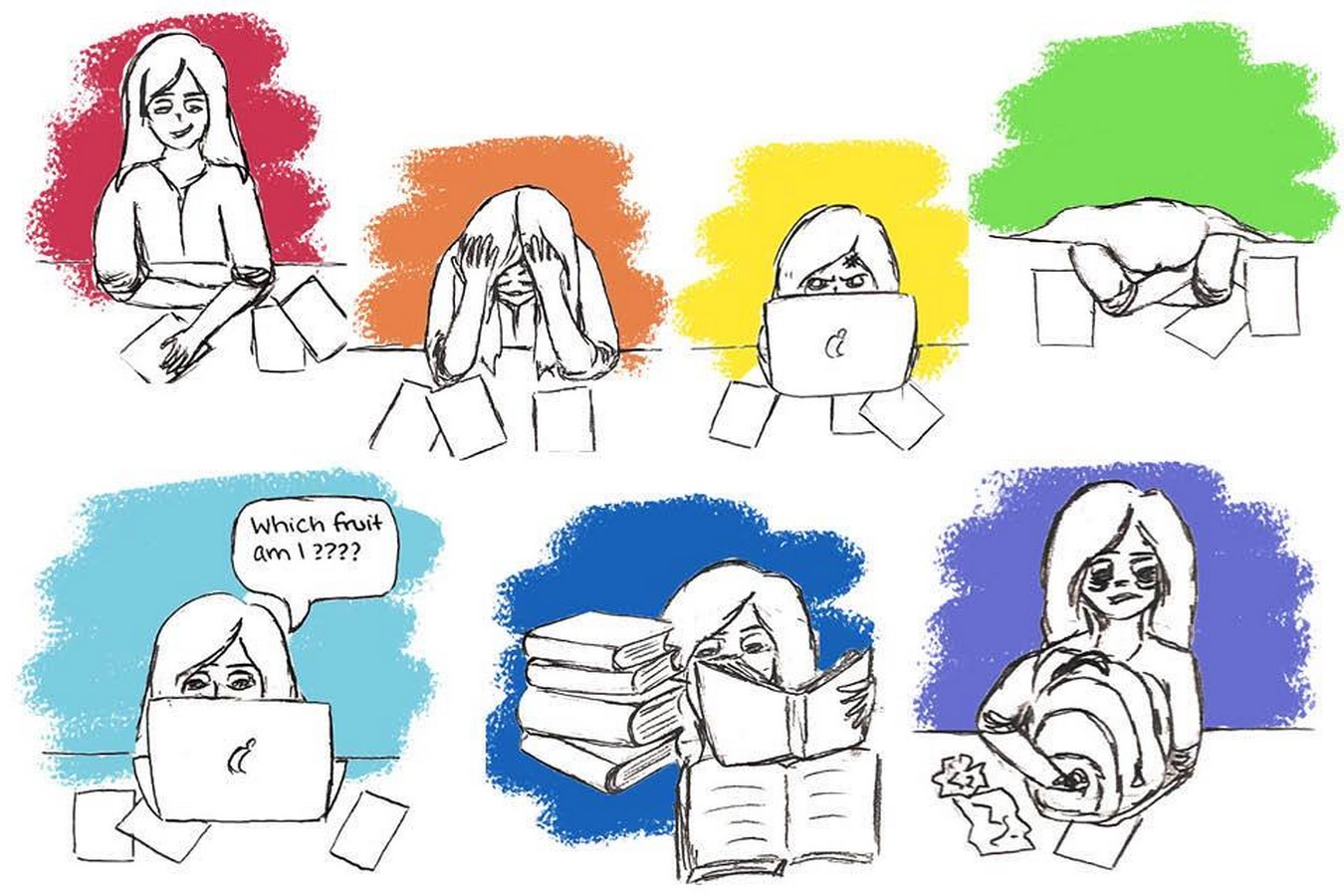
While an all-nighter may help meet deadlines, and is often inevitable, it should not become a habit. Each night of lost sleep is a lesson for time management. And though it is easy to preach to others, the relevance of the same, following on this path of better planning is difficult. So, may we all learn from our own mistakes, but in the meantime, if we absolutely have to deprive ourselves of sleep, may we do it in the best possible way.
References:
- https://www.houstonmethodist.org/blog/articles/2021/nov/is-pulling-an-all-nighter-bad-for-you/#:~:text=%22Staying%20up%20all%20night%20just,Ram.
- https://www.cbsnews.com/news/what-is-sleep-banking-help-you-feel-more-rested/
- https://sleepbetterny.com/blog/can-sleep-banking-help-you-catch-up-on-rest/