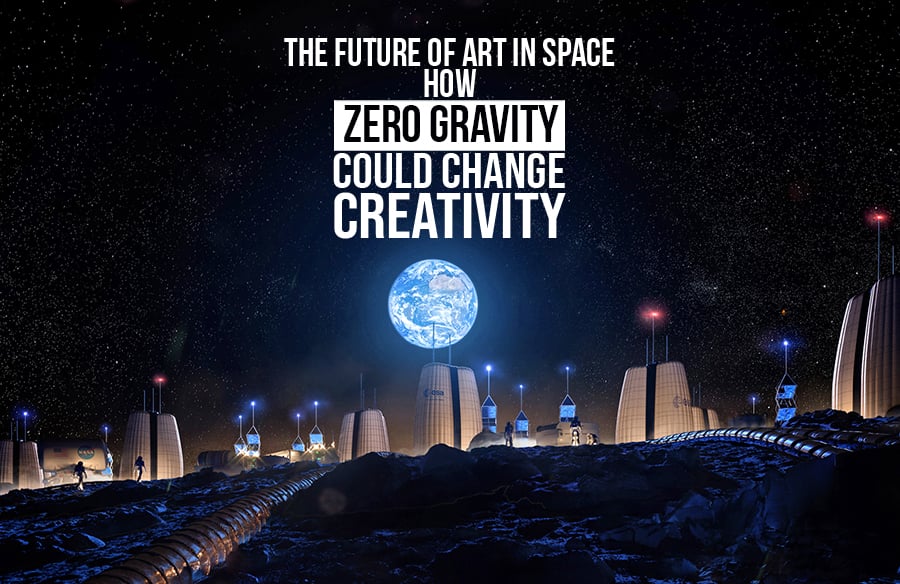
Imagine a world where artists create paintings, sculptures, and even immersive installations in zero gravity. How would weightlessness redefine brush strokes, materials, and artistic expressions? With upcoming missions to Mars and the rise of space tourism, this is no longer science fiction. As humanity ventures beyond Earth, the arts will inevitably follow, leading to a new frontier in creativity. This article explores how zero gravity can revolutionize artistic processes, materials, and expressions, ultimately reshaping the way we perceive and create art.
Art Beyond Gravity: A New Medium for Expression
On Earth, gravity plays a fundamental role in how artists interact with their materials. Brushes glide across canvases, clay molds under pressure, and sculptures stand firm due to gravitational constraints. However, in a microgravity environment, traditional artistic methods face a paradigm shift. Instead of using fixed canvases, artists may work with free-floating ink, dynamic paint blobs, or even sculpt using liquid formations that hold shape without the influence of gravity.
One of the most exciting prospects is the ability to create truly three-dimensional paintings. Unlike traditional artworks bound by flat surfaces, space art could take on a holographic or layered appearance, allowing artists to use the entire volume of a space module to express their ideas.
Challenges and Innovations in Zero-Gravity Art
Creating art in zero gravity presents unique challenges. Here are some key obstacles and the potential innovations that may arise:
- Fluid Dynamics and Paint Behavior
- On Earth, gravity causes paint to drip and settle on surfaces. In space, paint may float in spherical droplets, merging and separating in unpredictable ways.
- Artists may need to develop new techniques for guiding paint, such as using magnetic or electrostatic fields to control liquid movement.
- NASA experiments have already shown that liquids behave differently in space, hinting at the possibility of “sculpting” in midair using fluid properties.
- Adhesion and Material Constraints
- Traditional brushes and tools rely on gravity to apply pressure. Without it, artists may need to use vacuum suction, air jets, or directed airflow to manipulate materials.
- Spray paint could be adapted to release controlled puffs, allowing for color layering without relying on gravity.
- Special adhesives or nanotechnology-based materials could help artists work with surfaces that do not absorb liquids the way traditional canvases do.
- Sculpting in Space: Floating Installations
- Space allows for the possibility of weightless, mobile sculptures. Instead of stationary structures, artists can create kinetic, ever-changing pieces that react to subtle movements.
- The use of lightweight, flexible materials could enable large-scale installations that remain suspended in midair, forming shifting compositions based on the motion of their surroundings.
- With advanced robotics and AI, artists may program sculptures to respond to sound, movement, or even the heartbeat of the observer.
The Role of Technology in Space Art
Technology will play a crucial role in enabling artistic expression in space. Some of the key technological advancements that could revolutionize space-based art include:
- Virtual Reality (VR) and Augmented Reality (AR)
- In space, artists may create immersive experiences using VR and AR. Instead of painting on a physical surface, they could design entire virtual environments that float in three-dimensional space.
- Holographic projections could be used to display artworks that shift based on the viewer’s perspective.
- Digital tools could allow artists to manipulate forms in zero gravity, designing interactive sculptures and animations that change based on user input.
- AI-Generated Art and Robotics
- AI can assist in generating patterns, compositions, and even entire artistic sequences adapted to zero-gravity environments.
- Robotic arms and drones could act as “brushes,” moving autonomously to execute an artist’s vision in free space.
- Artists could collaborate with AI to create self-evolving installations that continuously reshape over time.
- 3D Printing in Space
- NASA and private space companies are already exploring 3D printing for construction purposes. This same technology could be used to create intricate sculptures using space-grade materials.
- Artists may use 3D printing in zero gravity to produce artworks that defy traditional structural constraints, forming delicate yet durable designs that could not exist on Earth.

Historical Precedents and the Future of Space Art
Artists have always pushed boundaries, and space is the ultimate frontier. Some historical precedents provide insights into the evolution of space art:
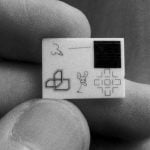
- Apollo 12’s Moon Museum (1969): A tiny ceramic wafer containing six artworks from prominent artists, including Andy Warhol and Robert Rauschenberg, was secretly attached to the Apollo 12 lunar lander, marking one of the earliest examples of art in space.
- Cosmonaut Alexei Leonov’s Space Sketches (1965): The first human to walk in space, Leonov created pencil sketches of his spacewalk experience, showing early attempts at zero-gravity artistry.
- NASA’s Art Program (Since 1962): NASA has collaborated with artists to visualize space exploration, inspiring generations of creative minds to depict cosmic landscapes.
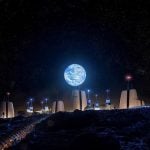
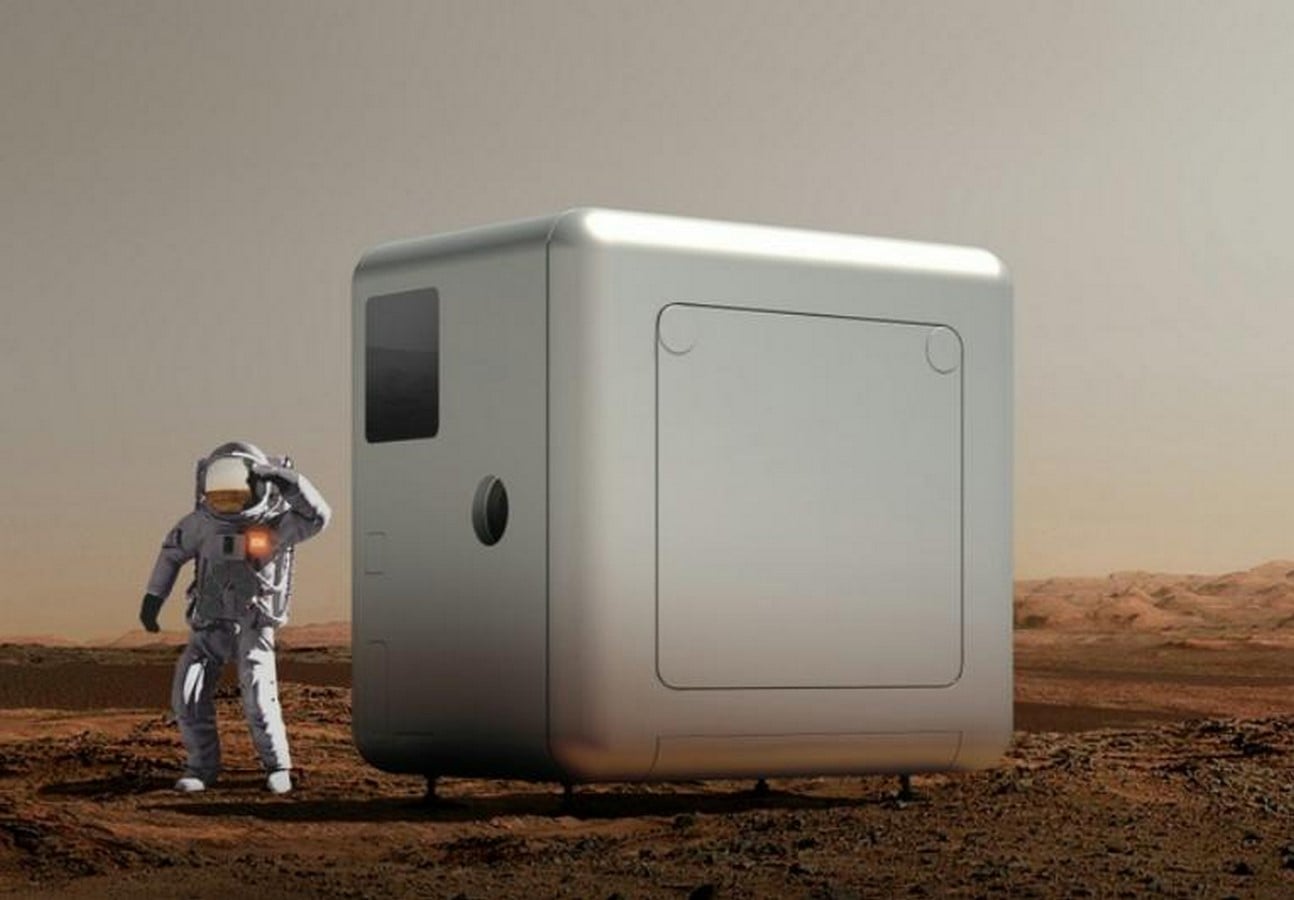
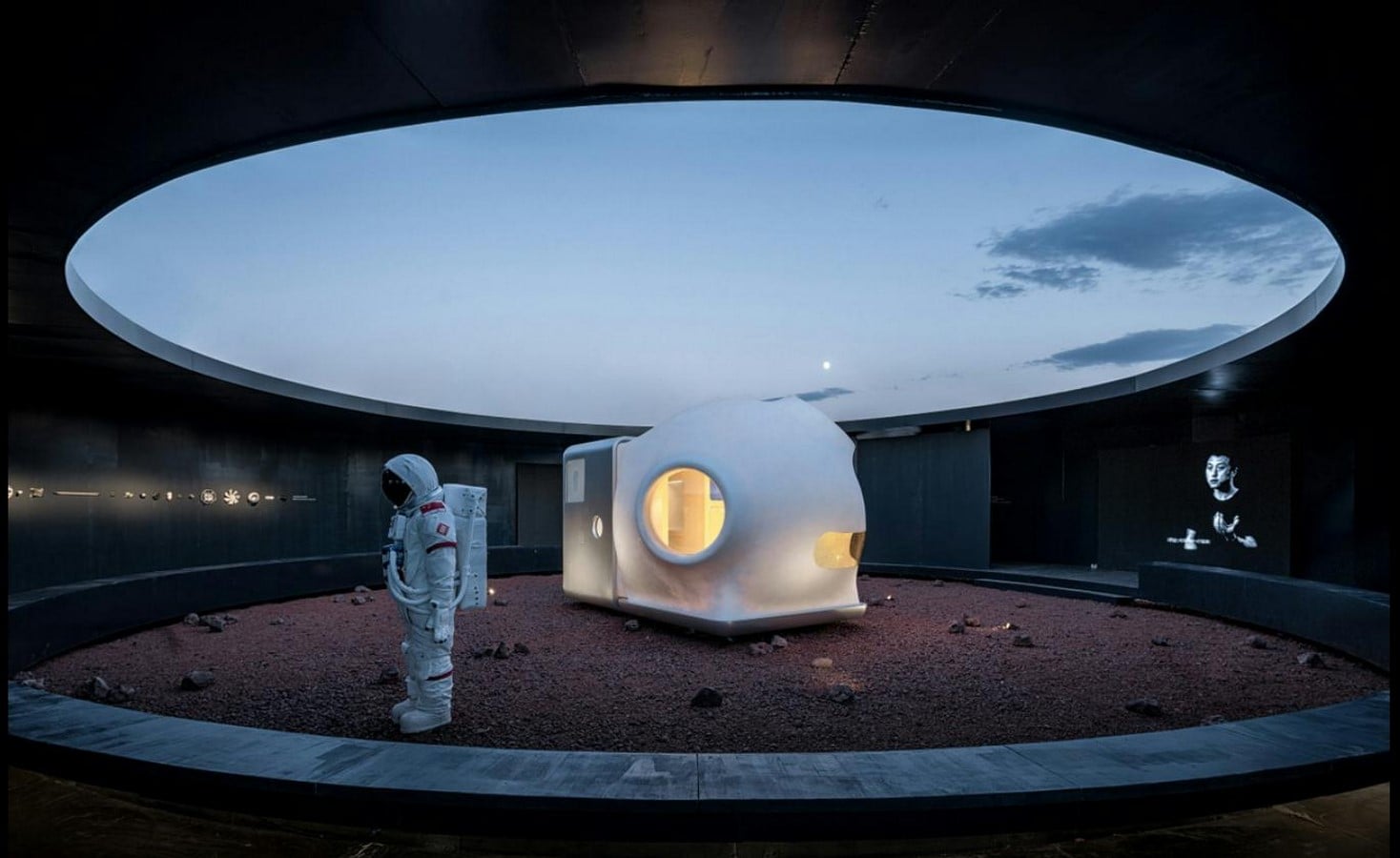
Looking forward, space tourism, lunar bases, and eventual Mars colonization will open new possibilities for artistic experimentation. With growing commercial interest in space, we may soon see artist residencies on the International Space Station (ISS) or private space habitats dedicated to creative endeavors.

The Impact of Space Art on Earthly Creativity
Beyond its implications for space exploration, zero-gravity art will likely inspire new artistic movements on Earth. As we witness how materials behave in space, artists and scientists may discover novel techniques that could be adapted for terrestrial use.
For example:
- Dynamic Fluid Art: Understanding how liquids interact in microgravity could lead to new forms of kinetic or floating art installations on Earth.
- Interactive Light Art: Space experiments may advance holography and interactive digital projections, leading to immersive art experiences in museums and galleries.
- Material Science and Textures: The study of materials in space could lead to breakthroughs in textiles, coatings, and construction techniques that influence both fashion and architecture.
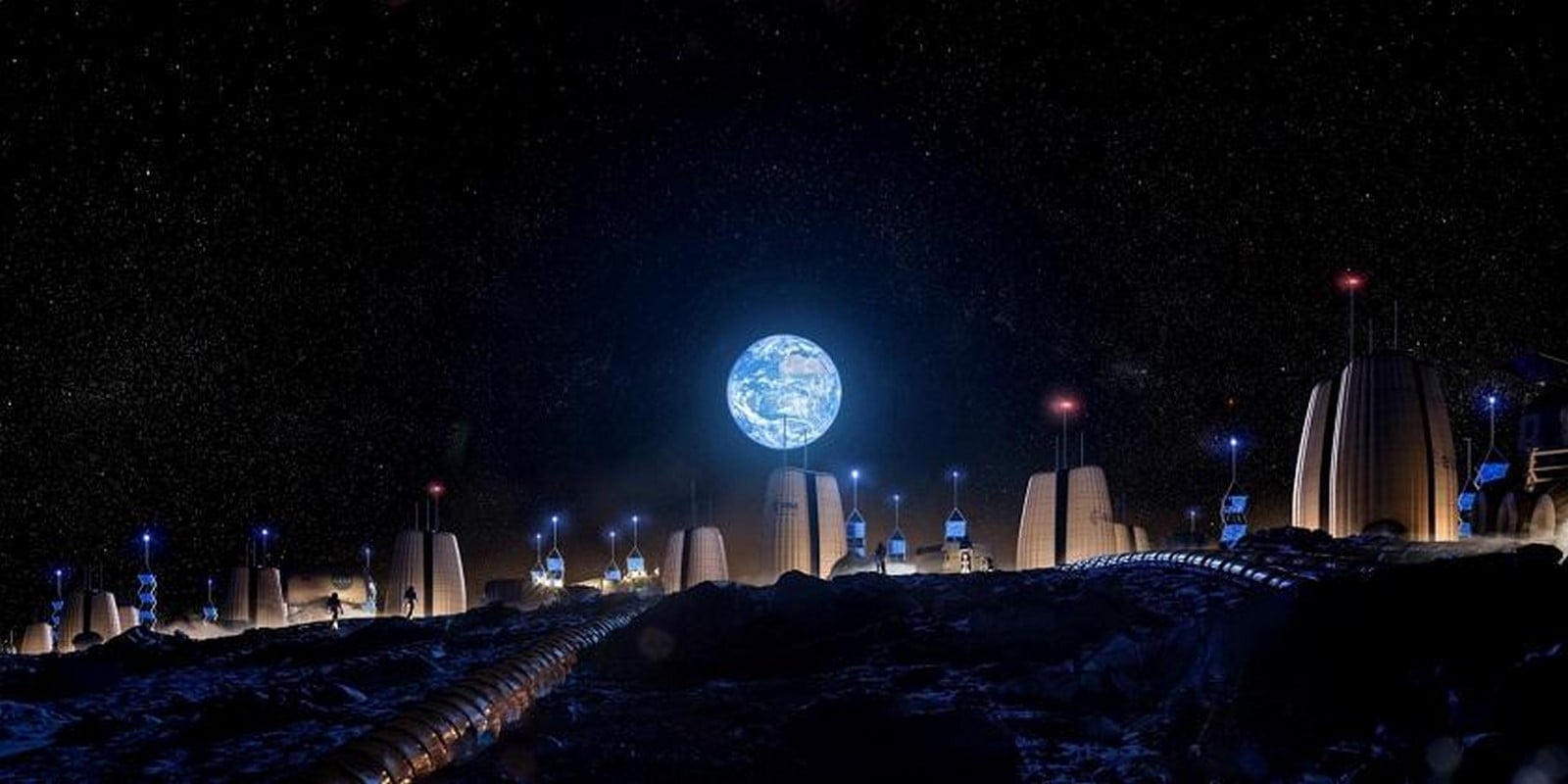
As humanity expands its presence beyond Earth, art will inevitably follow. The absence of gravity presents both challenges and opportunities, pushing artistic expression into uncharted territory. Whether through free-floating sculptures, fluid-based paintings, or immersive digital experiences, zero gravity will redefine the way artists think, create, and interact with their work.
As we stand at the dawn of the space age, the fusion of art and science will shape how we perceive the cosmos. The universe itself may become the next great canvas, inspiring generations of creators to explore, innovate, and redefine the very nature of artistic expression. The future of art is not just on Earth—it’s among the stars.