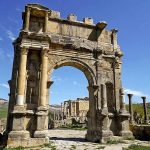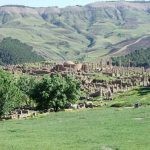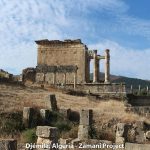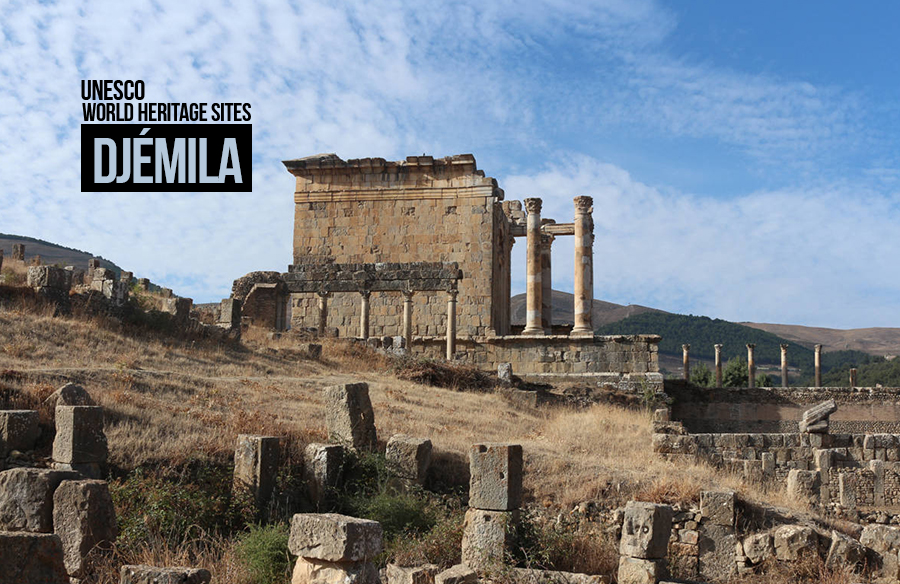
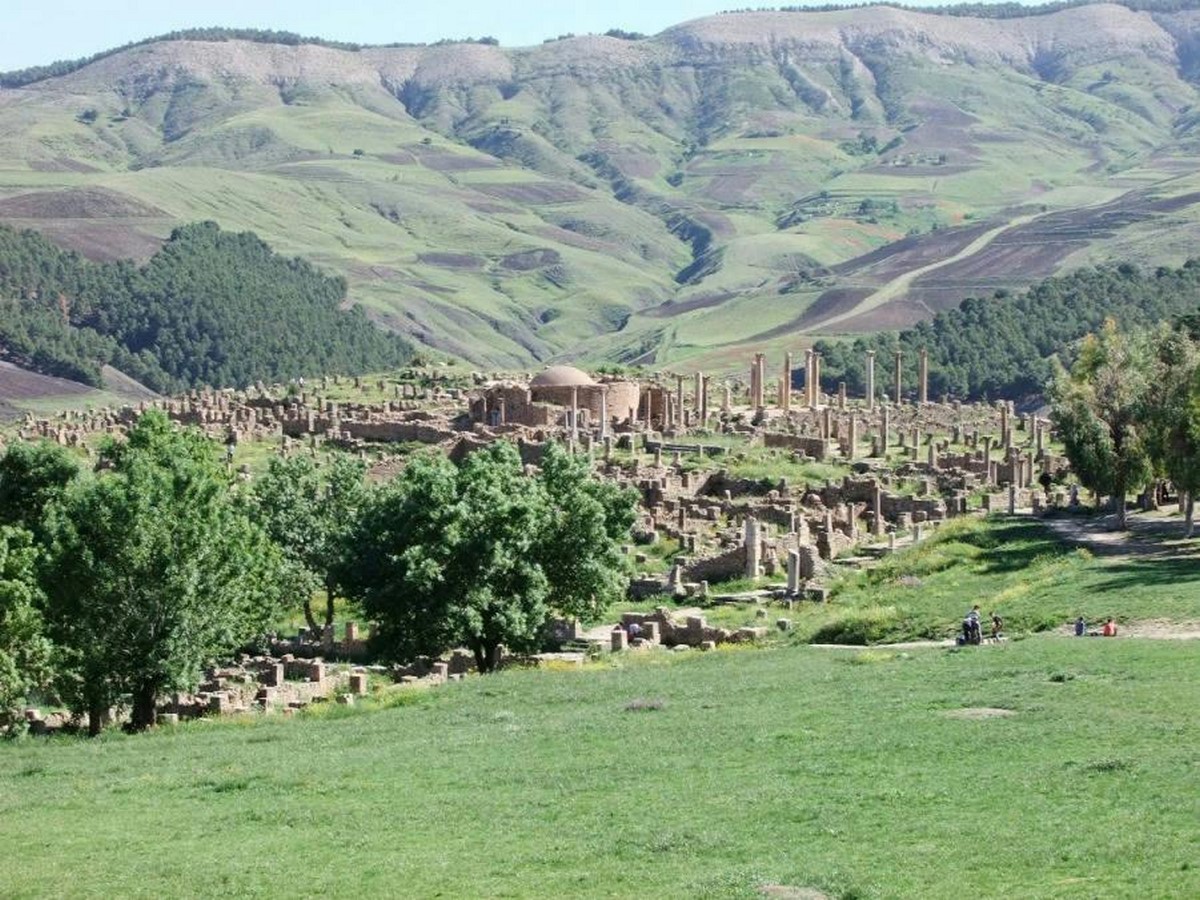
Situated among the hills of northern Algeria, a state of Arab Maghrib, lies the ruins of Djémila, also known as Cuicul, on a small mountain village at an altitude of 900 meters, between the Tell and the Sahara and gives a clear view of the Roman architectural and cultural wonders of urban planning and architecture. It was founded in the 1st century AD. Djémila, the Roman city of Cuicul was added to UNESCO’s World Heritage Sites in 1982 for its successful integration of Roman urban planning into a mountainous region.
Universal Value
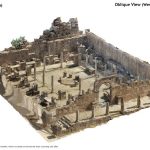
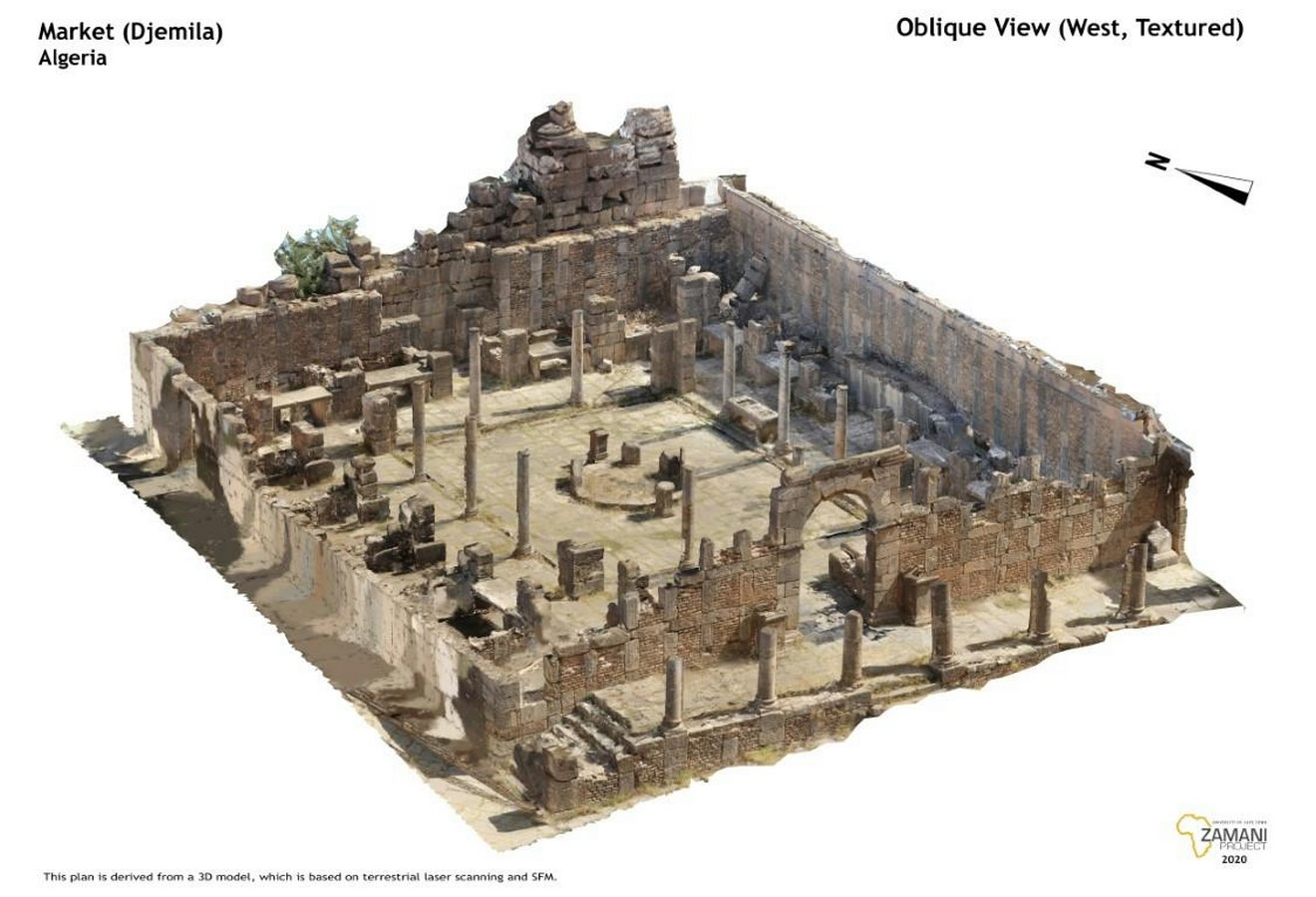
Djémila is significant for its good preservation and for the perfect incorporation of the Roman architectural tradition in a difficult mountain environment. In the 1st century AD, Cuicul was founded as a military post and expanded to become a flourishing metropolis. The city plan, with its forum, basilicas, temples, arches, streets and residential areas demonstrates the adaptability of Roman engineering to the difficult site. The ruins comprise two forums, a theatre and early Christian structures including a cathedral and baptistery after the change of the city’s belief.
Some of the key features which contribute to its Universal Value include;
- Urban Planning: The forum, basilica, streets, temples and triumphal arches of Djémila demonstrate typical Roman planning of a town, which has been very well implemented on the rocky territory.
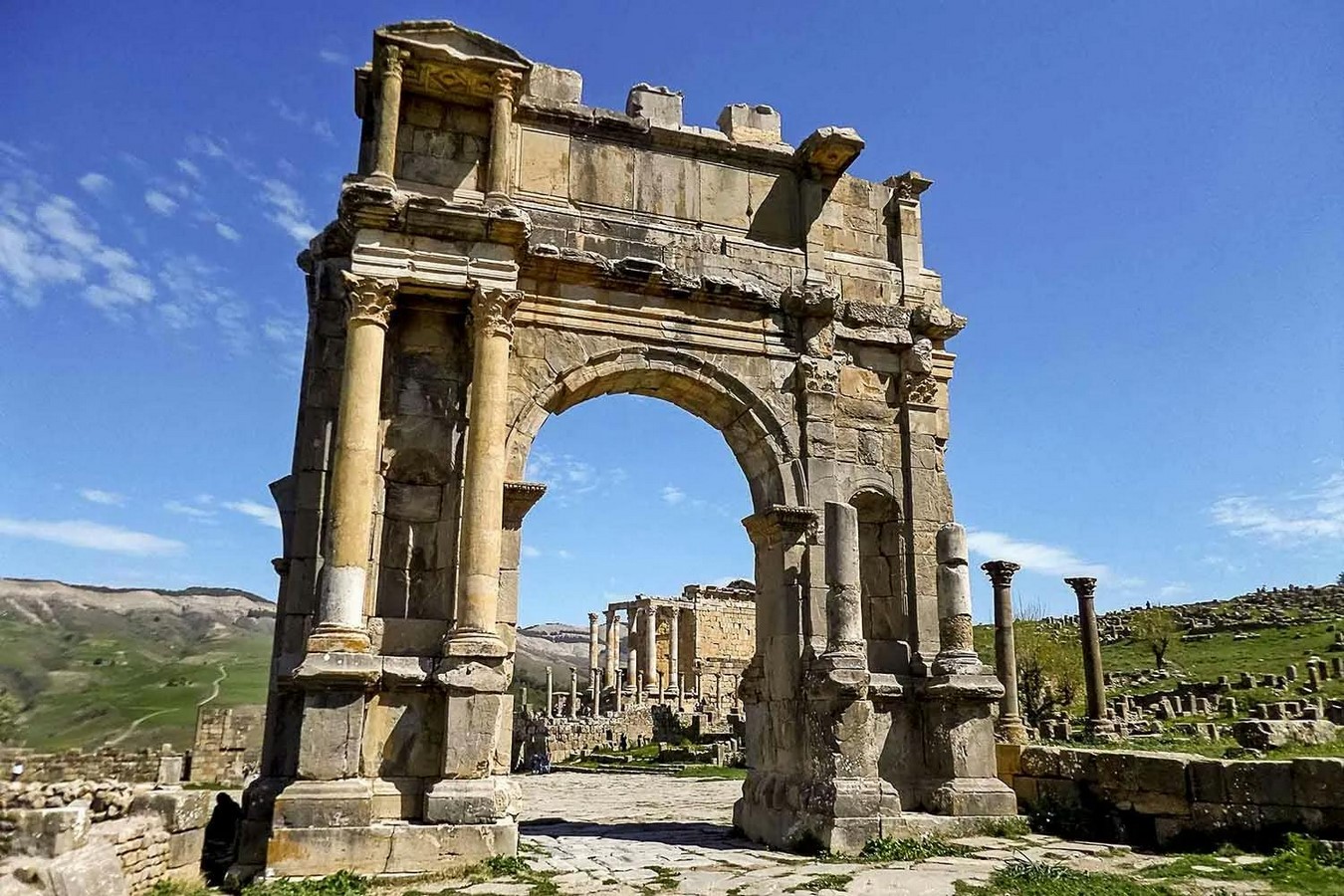
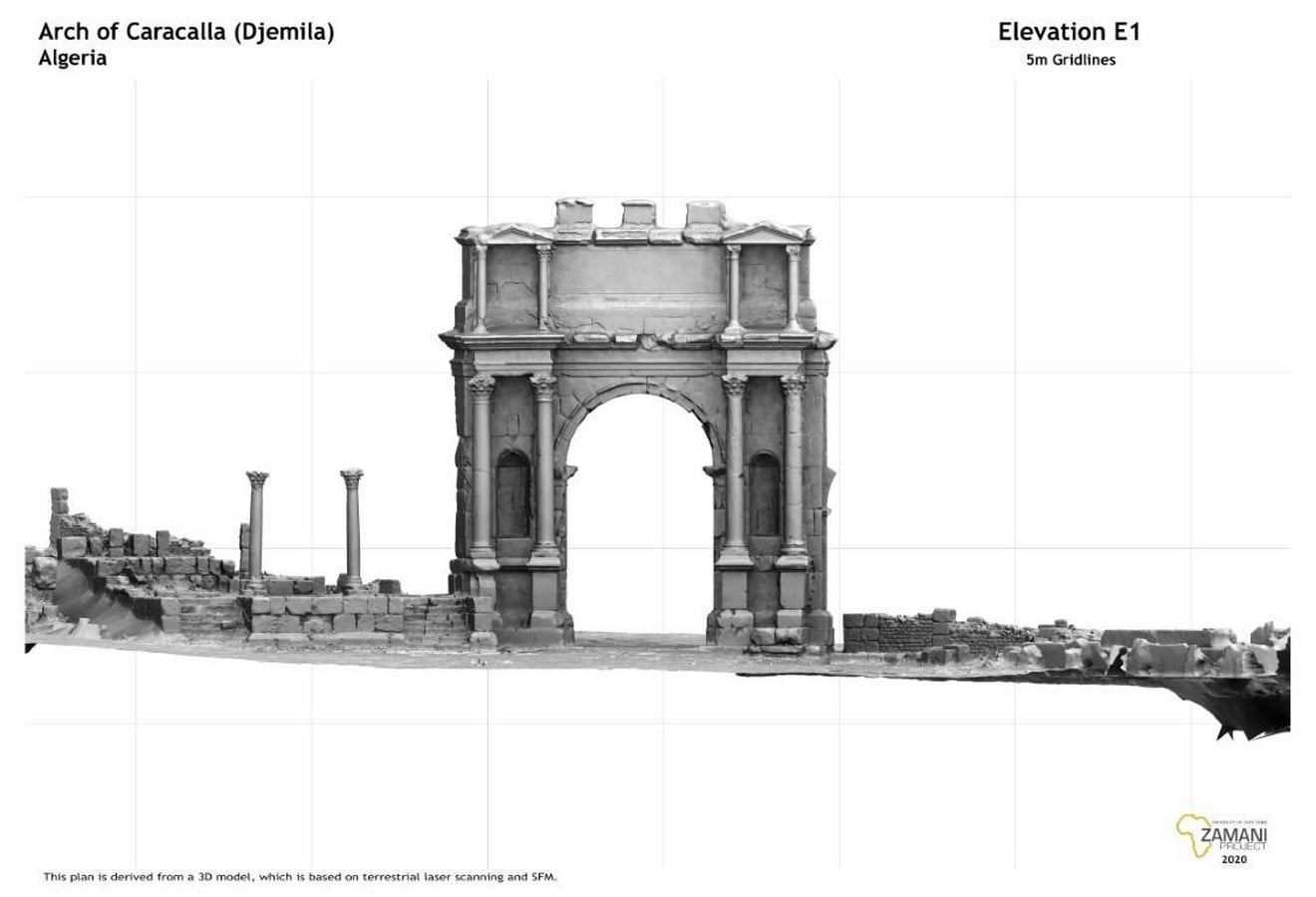
- Architectural Integrity: The city’s structures including the Arch of Caracalla, the Capitoline Temple and well-preserved basilicas provide a rich understanding of Roman architectural designs and construction methods.
- Cultural Fusion: Djémila is clear evidence of cultural interchange between the Roman invaders and the local people, which displays the Roman and African culture in art, religion, and everyday life.
Criteria for UNESCO Designation
Djémila was listed as a World Heritage Site for criteria (iii) and (iv) by UNESCO.
- Criterion (iii): The site is living evidence of a vanished civilisation. The ruins of Djémila give a striking account of Roman urbanism and the way of life in North Africa and yield important information on the cultural and historical background of the period.
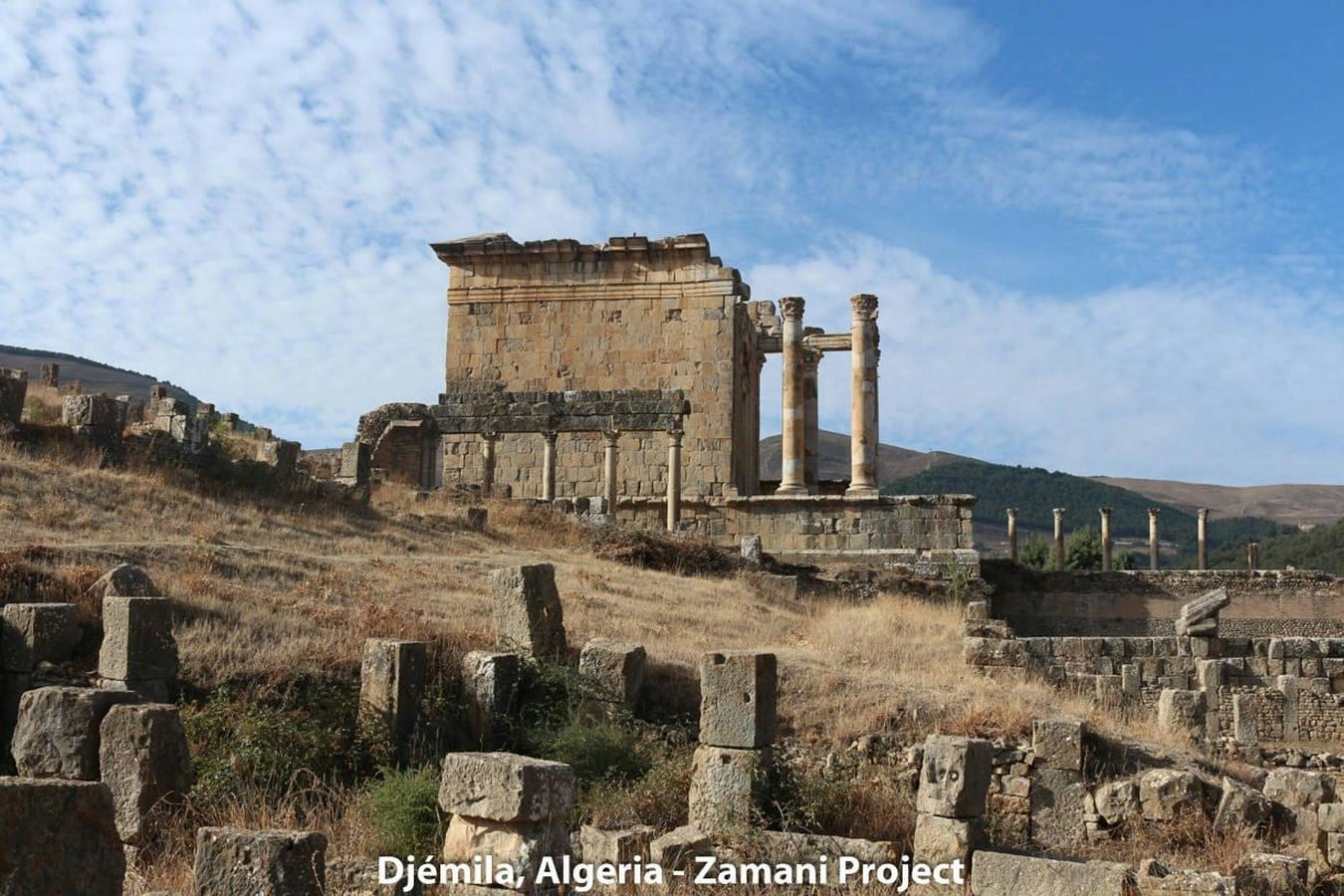
- Criterion (iv): The site is an outstanding example of a type of building or architectural ensemble which, through its architectural value, technological feat, plan or design, or materials used, marks a stage in human history. The city’s fairly well-preserved structures, including the Arch of Caracalla and the Temple of Gens Septimia, demonstrate the architectural achievement of the Roman civilization and its accommodation to the mountain region.
Historical and Cultural Significance
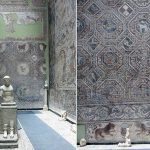
The history of Djémila is complex and the city has been of strategic importance since ancient times. An imperial Roman city, it was founded by Emperor Nerva and was at first a fortified town on the height (900 meters). In the 3rd century AD, it developed its facilities and became a centre of trade and learning. The existence of early Christian monuments such as a big church and a baptistery show that the city played an important role in religion during the late antique period. The mosaics found in Djémila are among the richest in North Africa and the scenes represented in them range from mythological to everyday.
Architectural Highlights
Djémila is visited, and one can walk around several impressive structures which have withstood the test of time.
- Theatre: The theatre was built outside the town walls because of the difficult terrain, and it was a Roman engineering feat that was used for public performances.
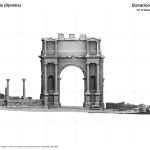
- Arch of Caracalla: This triumphal arch is shown as a monumental gateway, which was erected in honour of Emperor Caracalla and symbolizes the prosperity of the city during his rule.
- Christian Quarter: In the south of the city, this area is defined by the presence of basilicas, a baptistery, and auxiliary rooms which is evident in the spread of Christianity in the area in the fourth century.
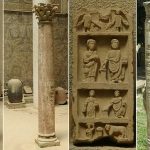
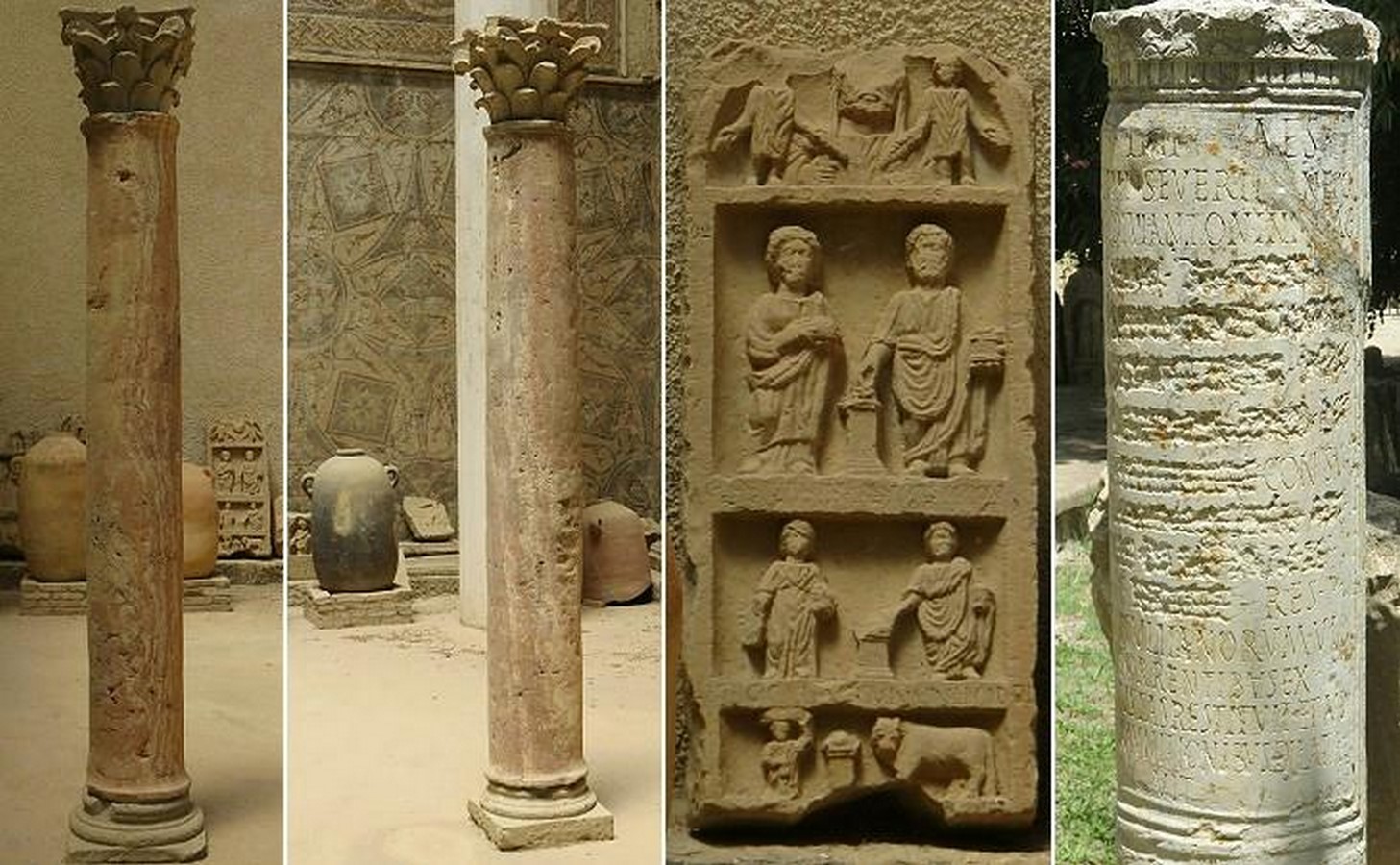
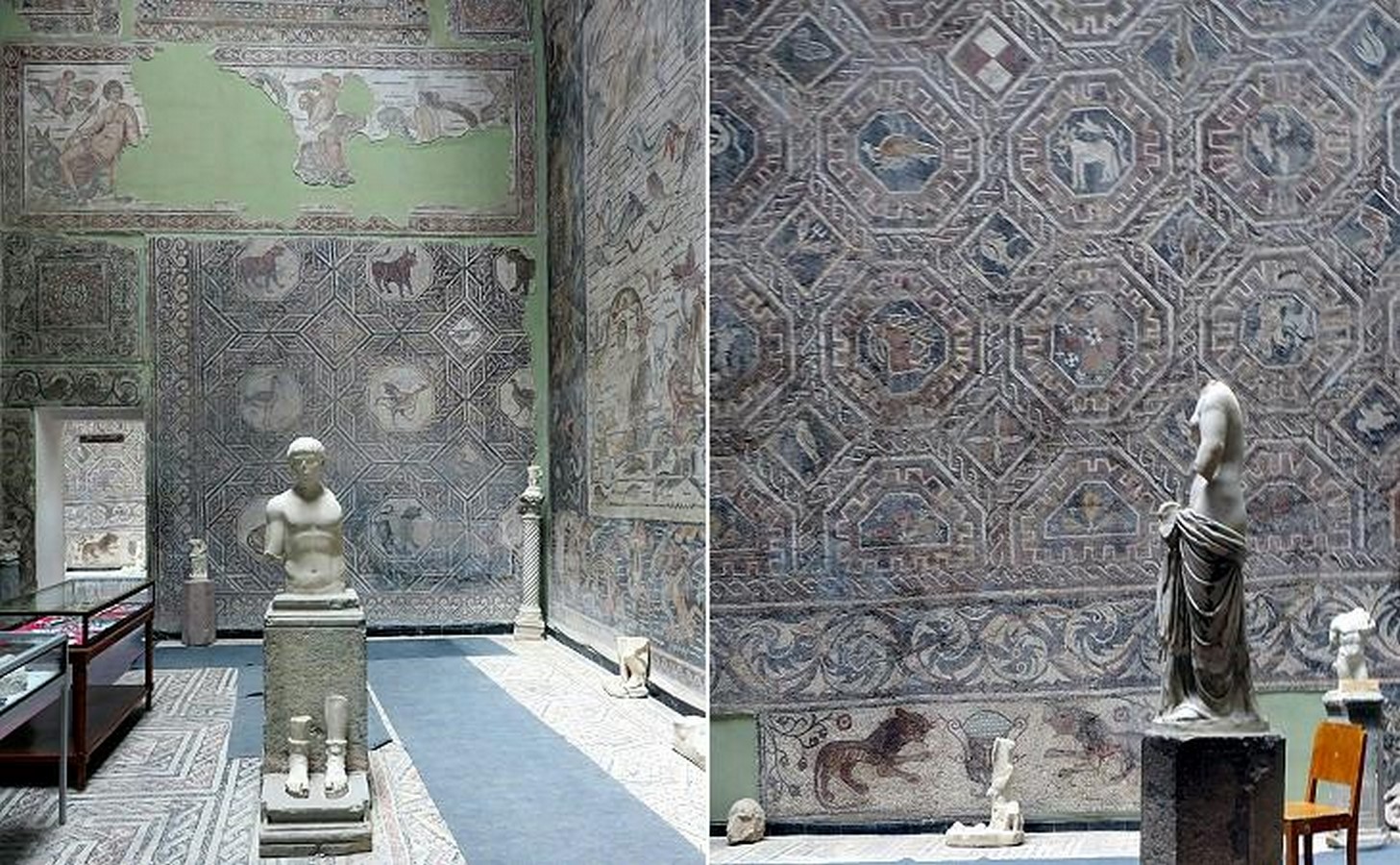
- Djémila Museum: The museum, located at the entrance of the archaeological park, contains objects found on the site, among which are a set of mosaics famous for their bright colours and complex patterns.
Mosaics and Artifacts
Djémila is famous for having very intricate mosaics which were used to decorate both public and private buildings. These artworks show scenes from myths, everyday activities goods, and services available in the life of the people during that time. The site’s museum contains many of these mosaics along with other artefacts, such as statues, pottery and tools, from which we gain a good understanding of the artistic and practical aspects of Roman life.
Conservation and Tourism
As a UNESCO World Heritage Site, Djémila has received international attention towards the preservation of the structural and cultural aspects of the ruins. Conservation projects are aimed at preventing the ruins from degradation by environmental factors as well as by the activities of people. Djémila is real proof of the existence of the ancient world for tourists. The well-preserved streets, the public squares and the art pieces are a clear eye-opener to the complexity of Roman urban life and their architecture.
Conclusion
Djémila is a great example of Roman architectural and cultural achievement. It is through its preservation that we can pick apart and comprehend the details of ancient urban planning, religious ceremonies and way of life. Being a UNESCO World Heritage Site, Djémila not only helps to emphasize the significance of the conservation of historical sites but also helps to connect the present with the past and the vast history of humanity.
References:
Books
Metz, H. (1994). Algeria: A Country Study (fifth edition) Washington D.C: Library of Congress
Articles
Piperno, R. (2021). Cuicul: Christian Quarter and Museum, Rome in the footsteps of XVIIIth Century Traveller, Available at: Roman Algeria: Cuicul (Djemila)
Zamani Project (2022) Djemila, Ancient Berbero- Roman City. Available at: Site – Djemila
Images
Image 1_ Monk. J. UNESCO World Heritage Site of Djemila [Photograph]
Image 2_ Zamani Project (2020) Elevation of Arch of Caracalla [3d model]
Image 3_ Zamani Project (2020). Christian neighbourhood [Photograph]
Image 4_ Zamani Project (2020).. Djemila, Algeria [Photograph]
Image 5_ Zamani Project. (2020). Market Oblique view, Djemila [3d model]
Image 6_ Piperno, R (2021). Exhibits outside the Museum of Djemila [Photograph]
Image 7_ Piperno, R (2021). Halls of the Museum of Djemila [Photograph]