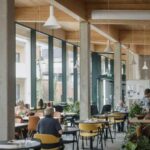
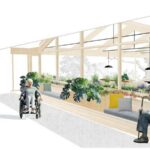
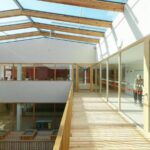
These are just empty images like “Grandmother is wandering around the house like every wall and corner remembers funny family moments but carries emptiness like drawing drawers, climbing stairs, or teenage children reaching somewhere like cabinet-in-junction-simple tasks are now hard every day.” Or how about this one; an old man living alone but really wants to go to see the park localized in a certain area: he has very deep steps, which really allow him not to reach there-he instead gazes longingly toward the uneven paths. These are the soundless, hidden, buried voices of many older people, and the increasing voice of change for each of those indifferent spaces outside around us.
In 2050, the aged 65 years or older are expected to be more than 1.5 billion worldwide. Not just a statistic, but a battle cry. How will we make it so that homes, cities, and public spaces work to support a person in aging rather than preventing him from falling back? It is, indeed, to build spaces for everyone-modern spaces that nurture independence and dignity for all.
Accessibility for What, Exactly?
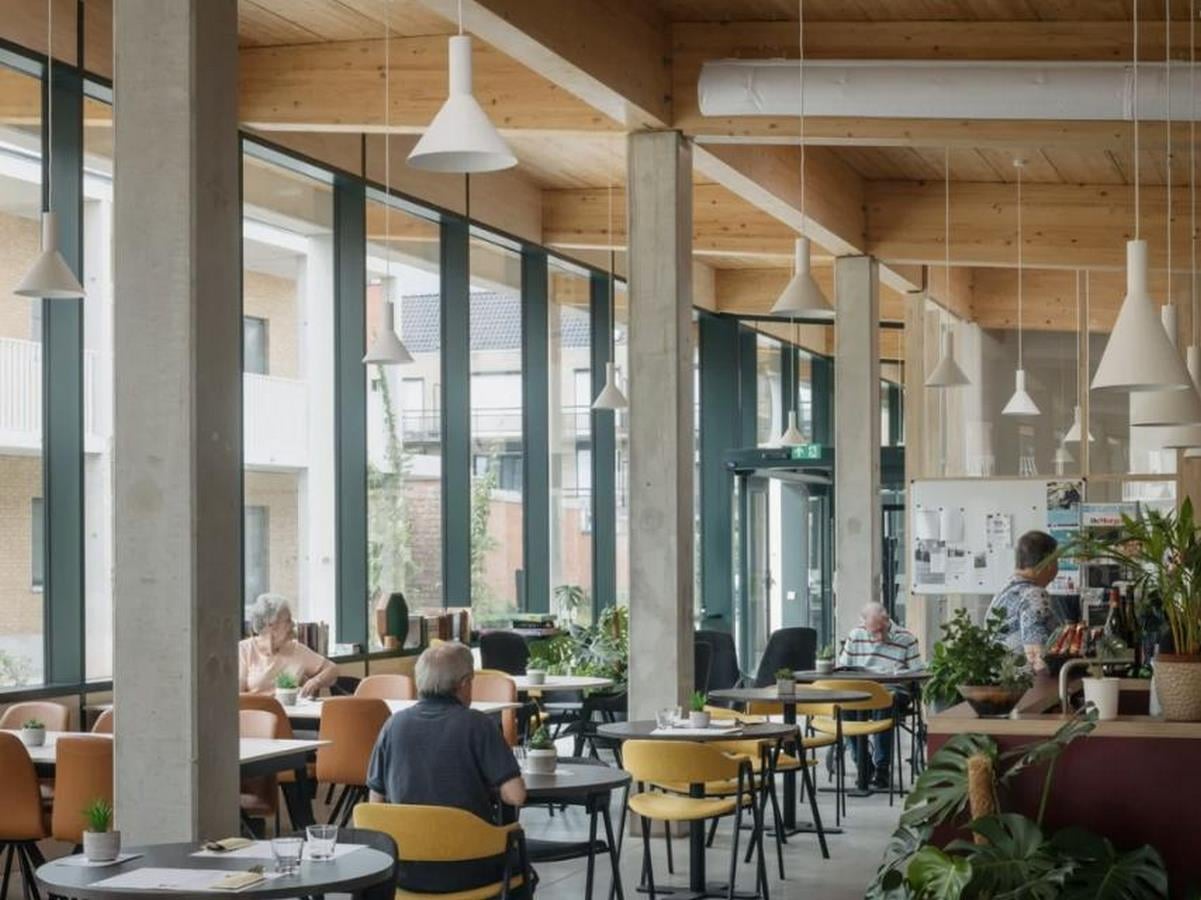
Usually, when discussing accessibility in terms of inclusive design, people think of ramps and elevators. While this is certainly the case, these terms mean more than that; it means creating spaces that welcome everyone irrespective of age or ability.
From the material point of view, one person found it comfortable: door handles that you can grip without difficulty; hallways that allow for a walker; signage that is very clear and easy to understand. Adding “special features” does not mean it, but making it as pieces that just feel right from the get go.
Such Challenges of Aging Populations
The challenges that seniors usually face often, draw particular architectural designs addressed. Among the problems faced by the aged are the following:
- Mobility Barriers: Just think about it: walking in your own home can be very troublesome due to narrow hallways or too steep stairs. Many older adults are unable to walk properly or need some assistance devices like electric wheelchair or walker; thus, these become the biggest challenges for such persons-an independent living barrier.
- Sensory Dreams: Poor visibility, mithy whispers and bad acoustics can convert an extremely inviting space into a maze of uninviting compounding. Lack of vision, hearing and reduced tactile sensitivity magnify these conditions leading to throttling the sense one can create for themselves or losing it altogether.
- Cognitive problems: Other forms of conditions like dementia or Alzheimer can put demand for environments that have not only safety guarantees but anyway also soothing one. Designing for clarity and ease of movement and calming aesthetics is more likely to reduce confusion and amply provide a sense of security.
- Social Remoteness: Visualize actually how a person feels by wanting fresh air and company, while he is not permitted entrance in public parks or community centers owing to insufficient standard designs for accessibility. The lack of such spaces for access would keep older people indoors and away from engaging socially.
Disability Free Architecture Requirements, The foundation of empathy, visioning should be:
1) Universal design: Spaces need to serve as wide a range as possible of users without adaptation. An example-zero-step entrances, adjustable height of counters, lever-type door handles-These aren’t luxuries; they are basic facilities in making life easier for everyone.
2) Ergonomics: Try to get out of a low chair under no armrests. So this furniture and fittings consider that people have less strength and less flexibility; that is why every encounter with the built environment is absolutely smooth and well supported.
3) Wayfinding: Clear navigation indeed makes all the difference for a memory-impaired individual. Intuitive layouts, color-coded pathways, and lots of signage-another way of creating spaces that they will consider wholly safe and inviting.
4) Safety and Comfort: Anti-slip floors and insert bars in bathrooms are very much counted under an individual’s safety features and are responsible for bringing down the level of risk for falls, one of the greatest among older individuals. The same precise lighting and comfortable temperature make for a cosy haven in remedial areas.
5) Adapting Changes in Needs of People: For space, in quite a long time, needs change. That is why flexibility is much needed in spaces-such as modular furniture, adjustable shelf heights, and rooms easily created for other uses-makes environments more functional as the lives of individuals change.
Transitioned from independent adaptation into national accessible architecture is all about empathy and foresight concerning aging populations-simple physical environment principles. 1. Universal Design: which should mean spaces serving as wide as possible a range of users without adaptation. For example-zero-step entries, adjustable height of counters, and lever-type door handles-These are truly not.
Accessible Architecture Examples Beyond the Parameters:
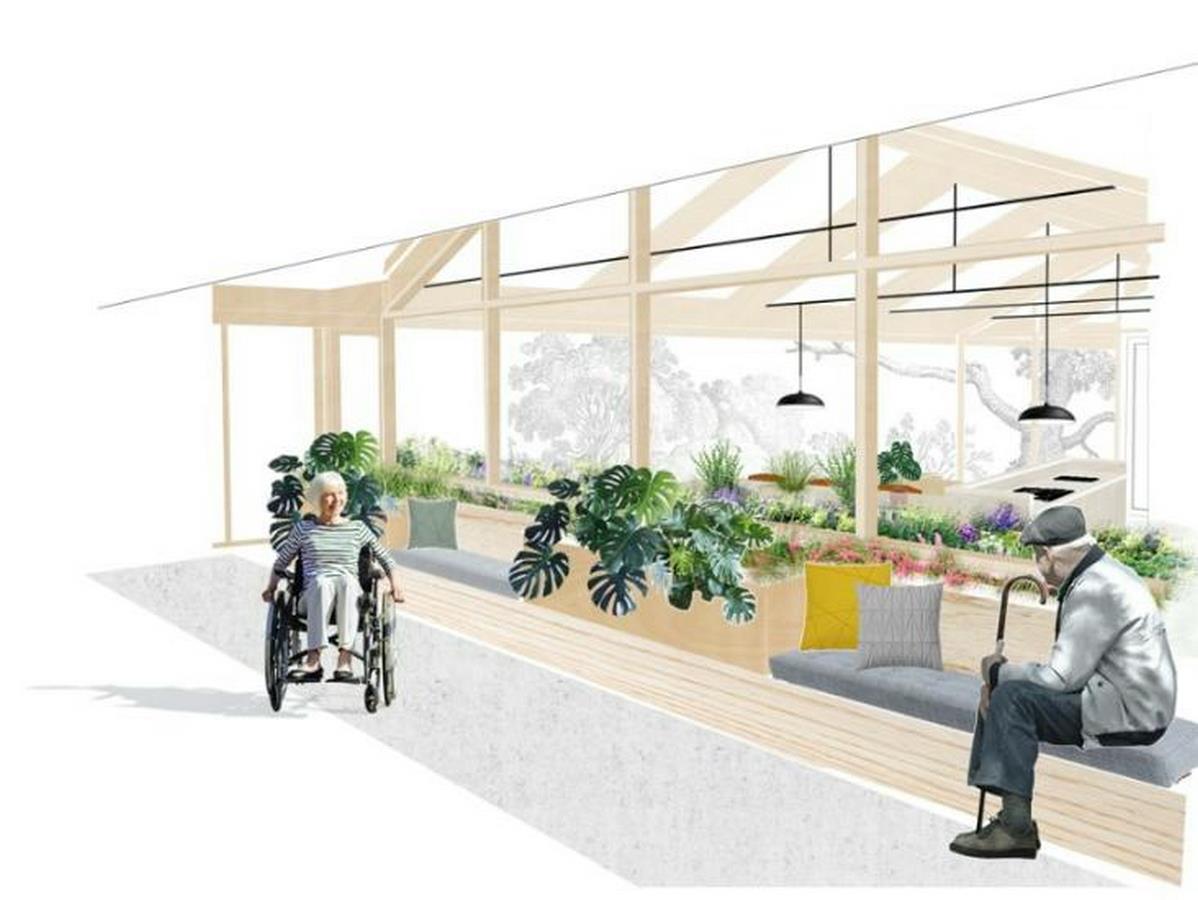
There is beauty in any part of accessible experience that architects will prove through time:
- Maggie’s Centres (UK): There were not places where they could receive medical treatment; rather, those from here visited to maim several hours in time, not even a few days, with open planning and plenty of Indian sunlight, and all this, indeed, combined to make settings where serenity and elevation might occur.
- Friendship House (USA): Located in San Francisco, this is a form of senior housing wherein private living spaces are complemented by public use areas. The result was still independence with the residents having a temporary loss of private life because they basically left behind everything they were used to.
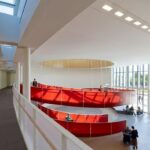
- Musashino Art University Library (Japan): With wide, clear pathways and signs and very ergonomically placed seating throughout the library, it really embodies what accessibility in architecture is all about: a wonderful space for all.
- Beijing Daxing International Airport: Beyond excellence in comparison with all the other airports, this airport beat them all with step-free access, assistive technology kiosks, and intuitive wayfinding systems. Hence, it makes every traveler at home.
Technology: A Game-Changer in Accessible Architecture
Modern technology is revolutionizing how we design for accessibility:
- Smart Home Systems: Picture a senior adjusting the lights or locking the doors with a simple voice command. Automated systems bring convenience and peace of mind.
- Wearable Technology: Health-monitoring devices can be integrated into architectural designs, ensuring timely assistance when needed.
- Virtual Reality (VR): Architects now use VR simulations to walk in the shoes of those with disabilities, refining designs to address real-world challenges.
- Digital Wayfinding: Apps and indoor navigation systems make complex buildings easy to navigate, particularly for those with cognitive impairments.
The Human Impact of Accessible Architecture
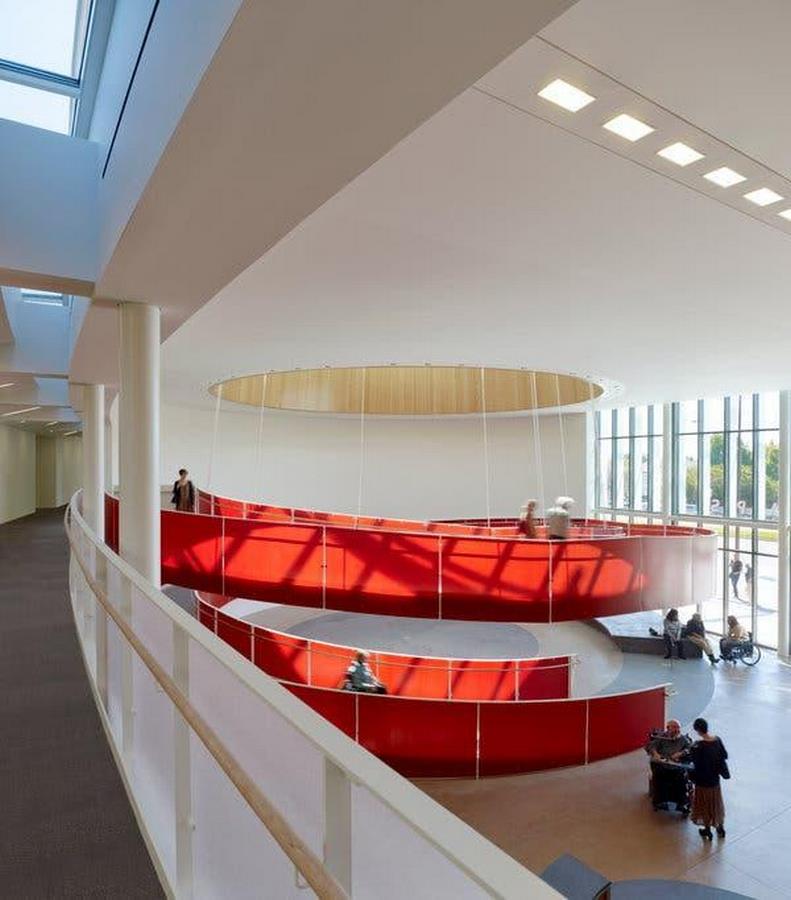
Accessible architecture is about more than functionality—it’s about enhancing lives. Consider an elderly man who no longer dreads visiting the local park because it’s equipped with shaded seating, gentle slopes, and wide pathways. Or a grandmother who continues living in her beloved home, thanks to a few thoughtful upgrades: grab bars in the bathroom, pull-out shelves in the kitchen, and a zero-step entry. These aren’t just design features; they’re lifelines to joy, dignity, and independence.
Overcoming Challenges
Despite its importance, accessible architecture faces obstacles:
- Cost: Initial investments in accessibility features can be daunting, but they’re outweighed by the long-term benefits for individuals and society.
- Awareness: Many architects still lack training in inclusive design, underscoring the need for education and advocacy.
- Regulatory Barriers: Inconsistent standards across regions complicate implementation, highlighting the need for unified guidelines.
Advocating for Change
Governments and organizations have a pivotal role in championing accessibility. Policies like the Americans with Disabilities Act (ADA) lay the groundwork, but advocacy for more comprehensive measures is vital. Public awareness campaigns and inclusive design education can foster a culture where accessibility is not an afterthought but a fundamental value.
A Shared Responsibility
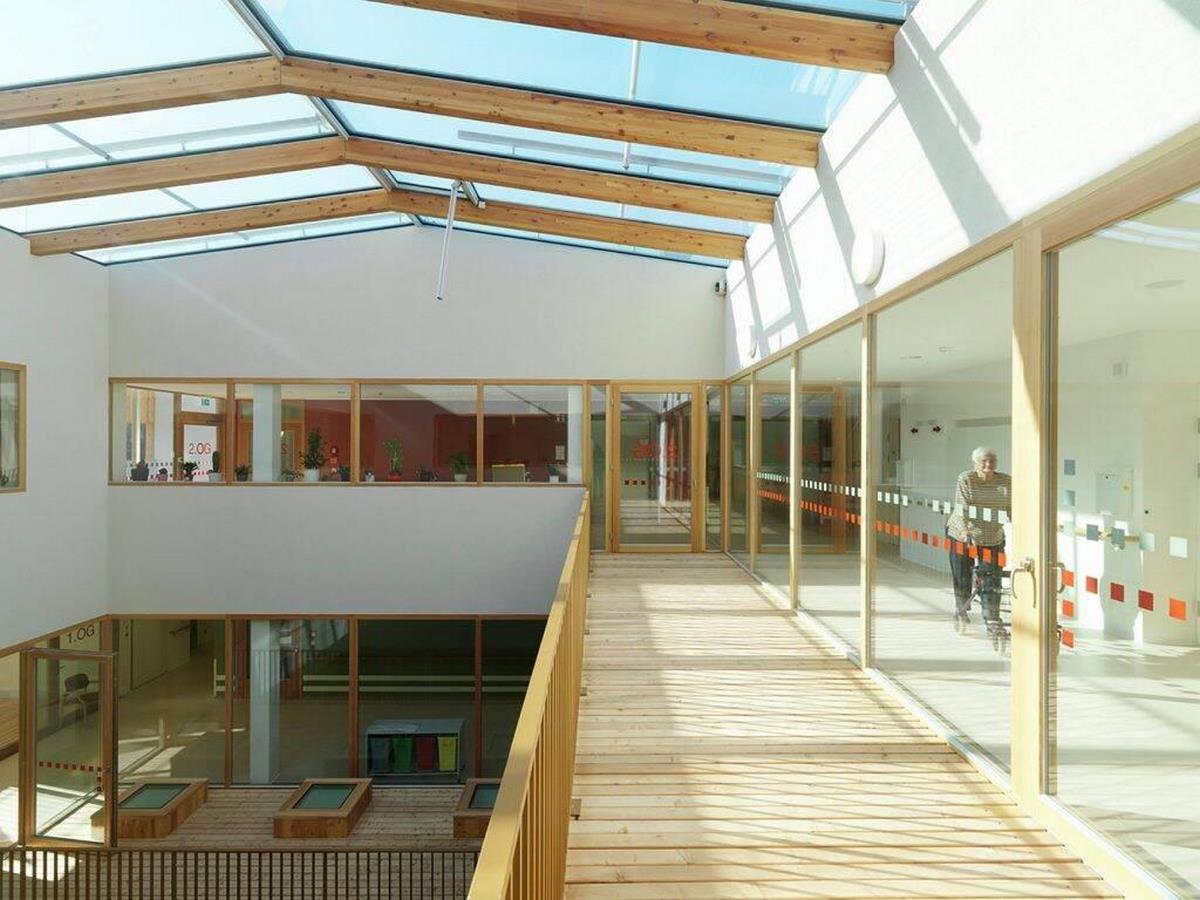
The need for accessible architecture is not just about design; it’s a moral imperative. Architects, urban planners, and policymakers must collaborate to create environments that celebrate diversity and support the aging process with dignity. Community engagement and public dialogue are key to building a future where everyone—regardless of age or ability—can thrive.
Designing for aging populations requires reimagining how we construct the spaces around us. Accessible architecture is more than a response to demographic shifts—it’s an opportunity to build a world rooted in empathy and inclusivity. By embracing universal design, leveraging technology, and addressing societal challenges, we can transform our built environments into symbols of care and connection. Architecture, at its best, is not just about structures; it’s about the people who live, work, and find meaning within them.