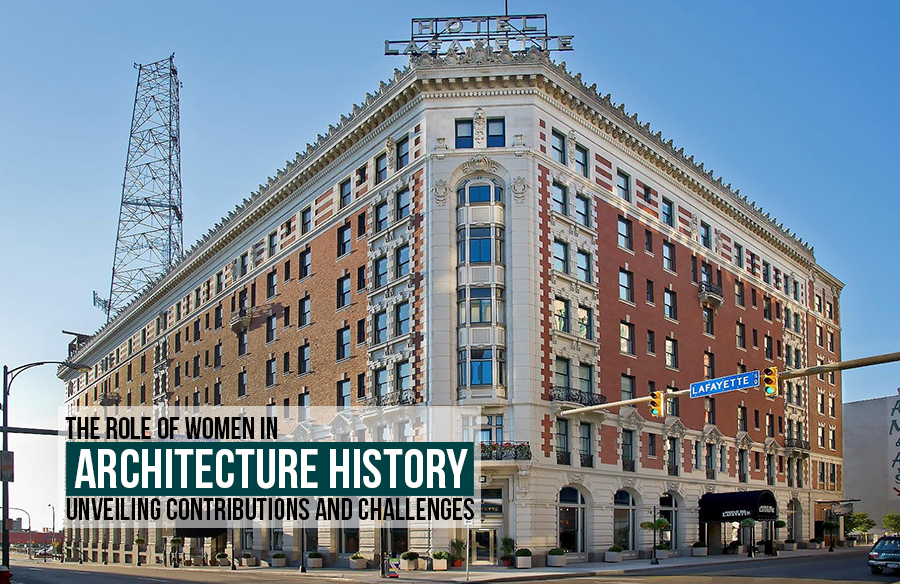
Architecture during the dense periods of history is associated with men. Most women during those times were discouraged from taking it up as a career, confining them to gendered household roles. The only women who could crack through this invisible confinement cage, who dared to step into architecture, belonged to wealthy family backgrounds then. The following article intends to capture the contributions of forgotten women architects from the past who carved their niche in the long-called ‘masculine’ profession, paved their way, and painted an inspirational picture for the women of the future to look up to.
1. Lady Elizabeth Wilbraham
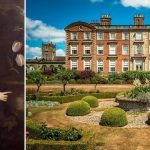
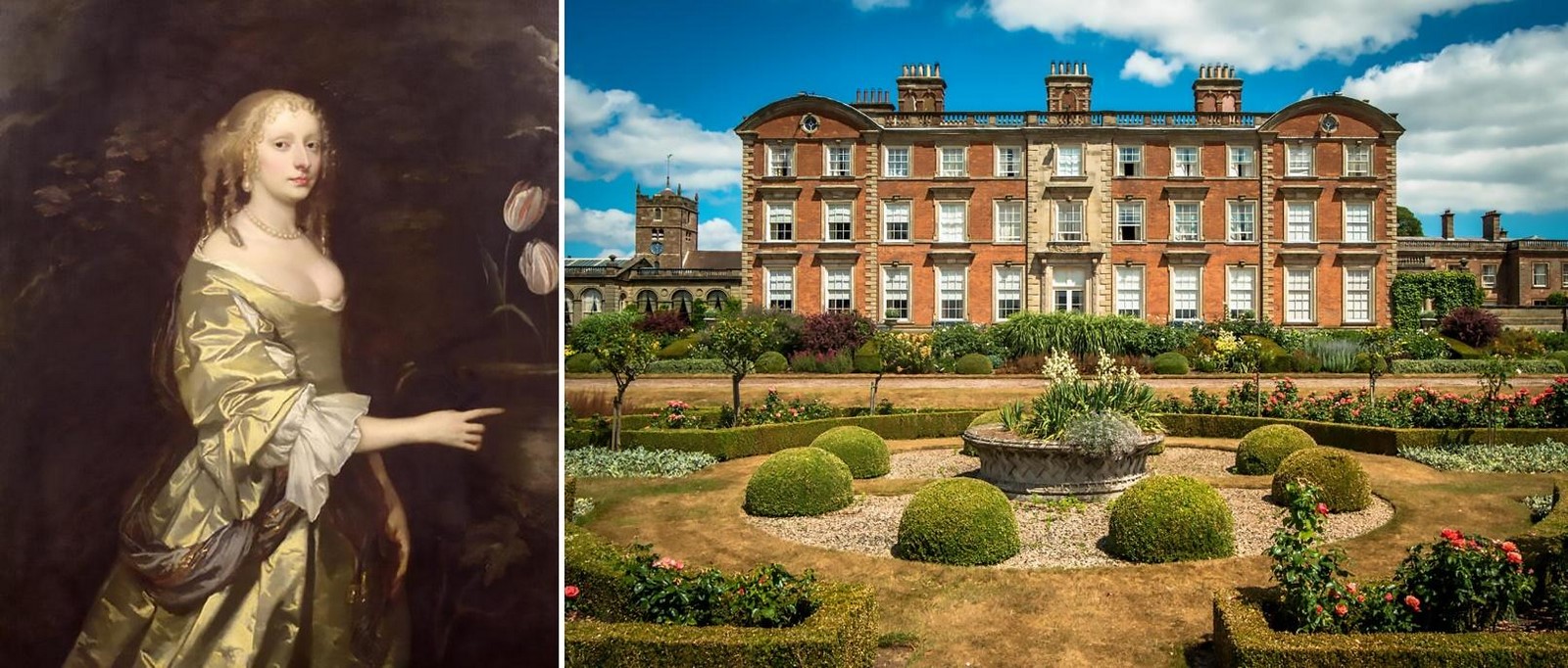
Devoting his life to nearly 50 years of research, American historian John Millar claims that the first female architect in history to design buildings was Lady Elizabeth Wilbraham of the 17th century. According to Millar’s claims, she tutored Christopher Wren, helping him create 18 of the 52 London churches commissioned to him after the great fire of London in 1666. Identifying unique design elements from her family houses and Wren’s work, Millar speculates that she is the hand behind the construction of over 400 buildings. The 400 buildings include Belton House (Lincolnshire), Uppark House (Sussex), and Windsor Guildhall (Berkshire). The building of Weston Hall, her Staffordshire family home, an estate with unusual architectural details later found at Cliveden House (Buckinghamshire) and Buckingham Palace, is credited with having been built by her.
Millar postulates she worked in secret due to her aristocratic background, which could lead her to prison for the ‘crime’ of working for a career. Millar’s research brings her characteristic design elements to attention: staircases that used swirls of leaves and flowers made of wooden carvings instead of balustrades and sash windows.
2. Louise Bethune
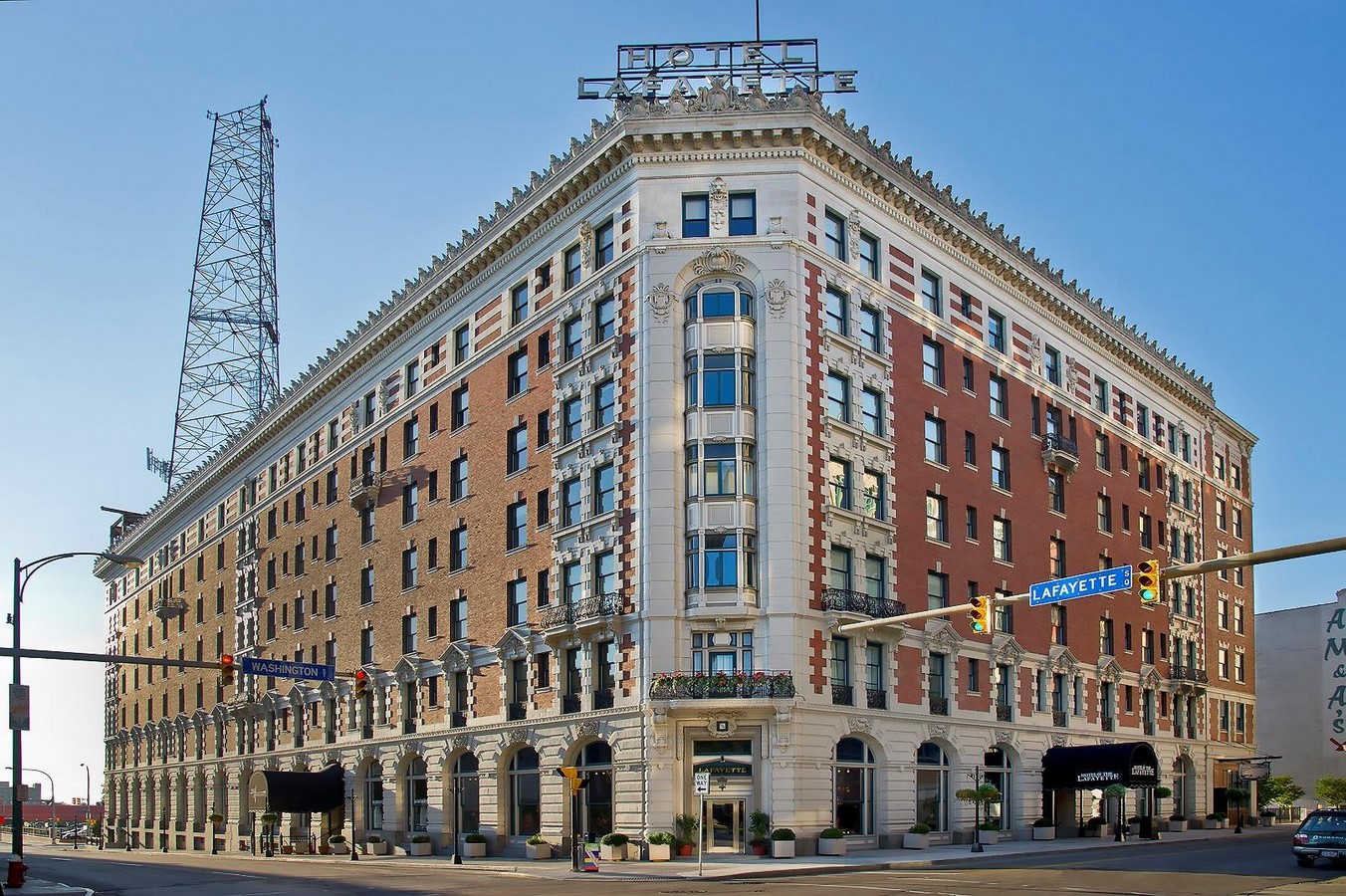
Louise Bethune was the first female architect to open a firm in the United States in 1881 and hailed from Buffalo. The development of Buffalo proved to be a magnet for incoming innovations under the planning of the nation’s greatest architects, including H. H. Richardson, Louis Sullivan, and Frank Lloyd Wright. In her practice, Bethune worked on designing the city’s public, commercial, and industrial buildings. Her designs included some of the first structures in the United States that used the advanced building technology of a steel frame and poured concrete slabs. The Hotel Lafayette, royally decorated in the French Renaissance style, is considered her architectural masterpiece by many.
3. Mary Jane Colter
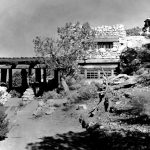
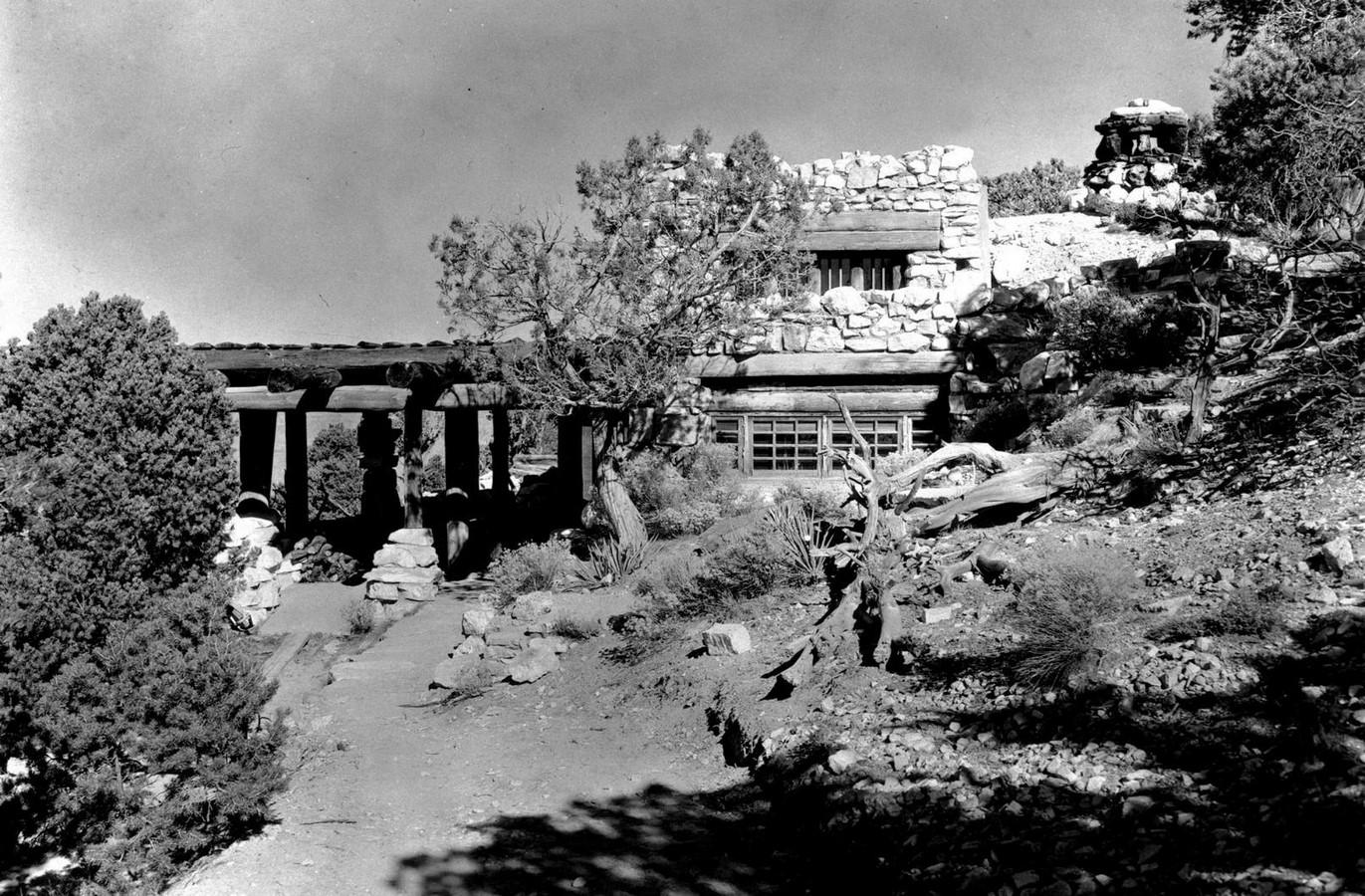
Mary Jane Colter grew up in St. Paul, Minnesota. She brought a strong sense of history and landscape to her lodges and hotels in the American Southwest, designed for Santa Fe Railway and Fred Harvey Company. Between 1905 and 1930, she developed a series of structures at the Grand Canyon. Their bold designs, archaeological references, and local materials seized tourists’ vision and shined among the most famous sites in the world. Colter was said to have inspired the style known as “National Park Service Rustic,” also known as “Parkitecture,” which the National Park Service developed to harmonize traveler facilities with the natural and historical environment. Many argue that Colter’s fusion of cultural influences laid the groundwork for Southwest design. In Gallup, New Mexico, her 1923 railway hotel El Navajo firmly combined Modernism, Spanish architecture, and Native American architecture, integrating Navajo sand paintings into the lobby, before being torn down in 1957 with the cause of widening Route 66, just before the architect’s death.
4. Marion Mahony Griffin
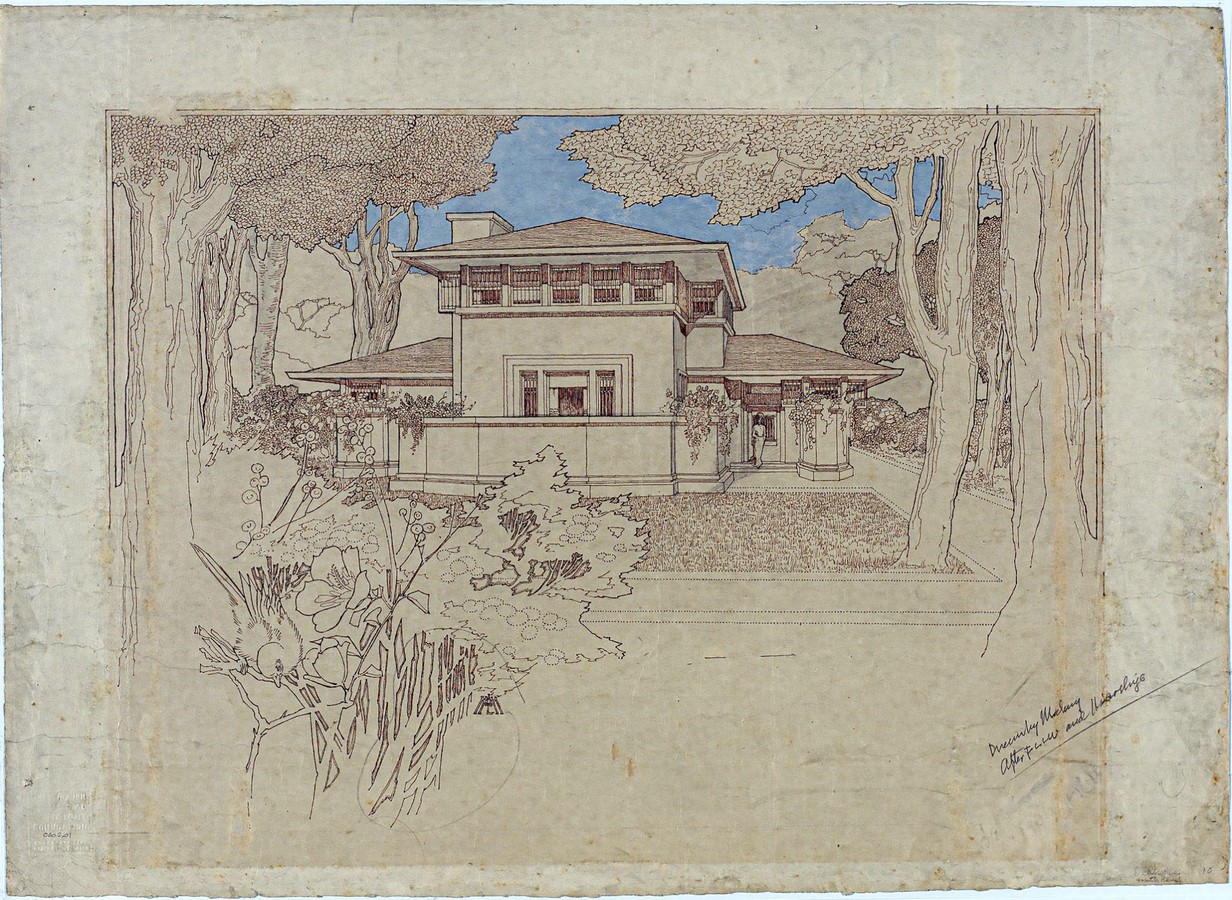
One of the first licensed female architects in the world, Marion Mahony Griffin, studied architecture at the Massachusetts Institute of Technology (MIT) and graduated in 1894, the exact year Frank Lloyd Wright employed her as his first draftsman. She had a significant influence on the development of Wright’s Prairie-style architecture. During her tenure with Wright, Griffin designed leaded glass windows, furnishings, light fixtures, murals, and mosaics for many of his residences.
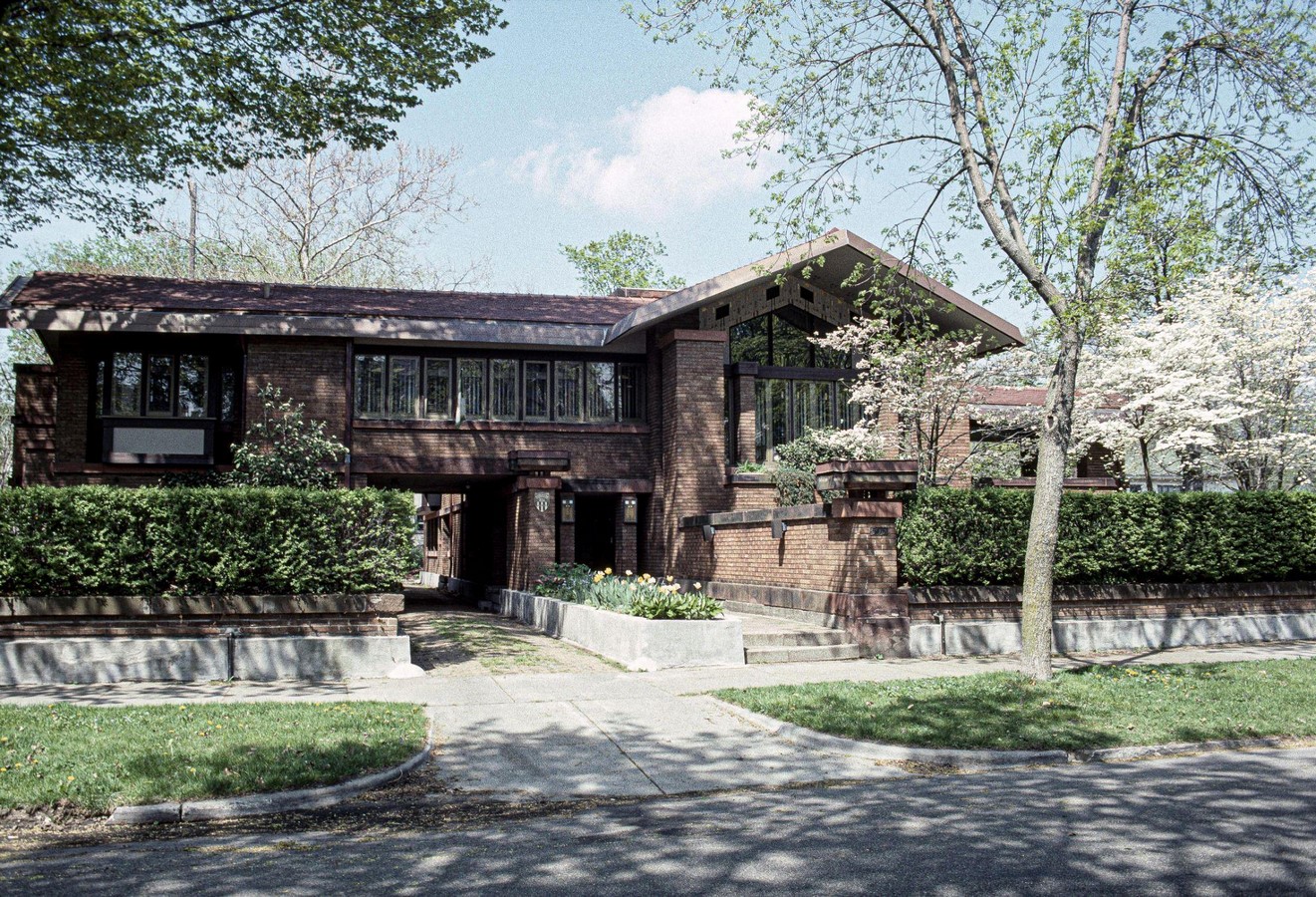
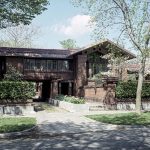
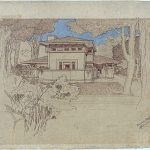
She was a witty, loud-mouthed woman who did not bend to Wright’s ego. She is credited with designing some of the most notable homes in the United States, including David Amberg’s Residence (in Michigan) and Adolph Mueller’s House (in Illinois). She was also a brilliant writer and an artist, meticulously working on watercolor studies of Wright’s plans, inspired by Japanese woodblock prints he never credited her for. Mahony’s designs followed the principles essential to the Prairie School: sensitivity to the landscape and rejection of historiography. She understood how a building designed for its location could relate and connect to the broader context. Her exceptional content spanned three continents, yet she died in poverty in 1961.
5. Minnette de Silva
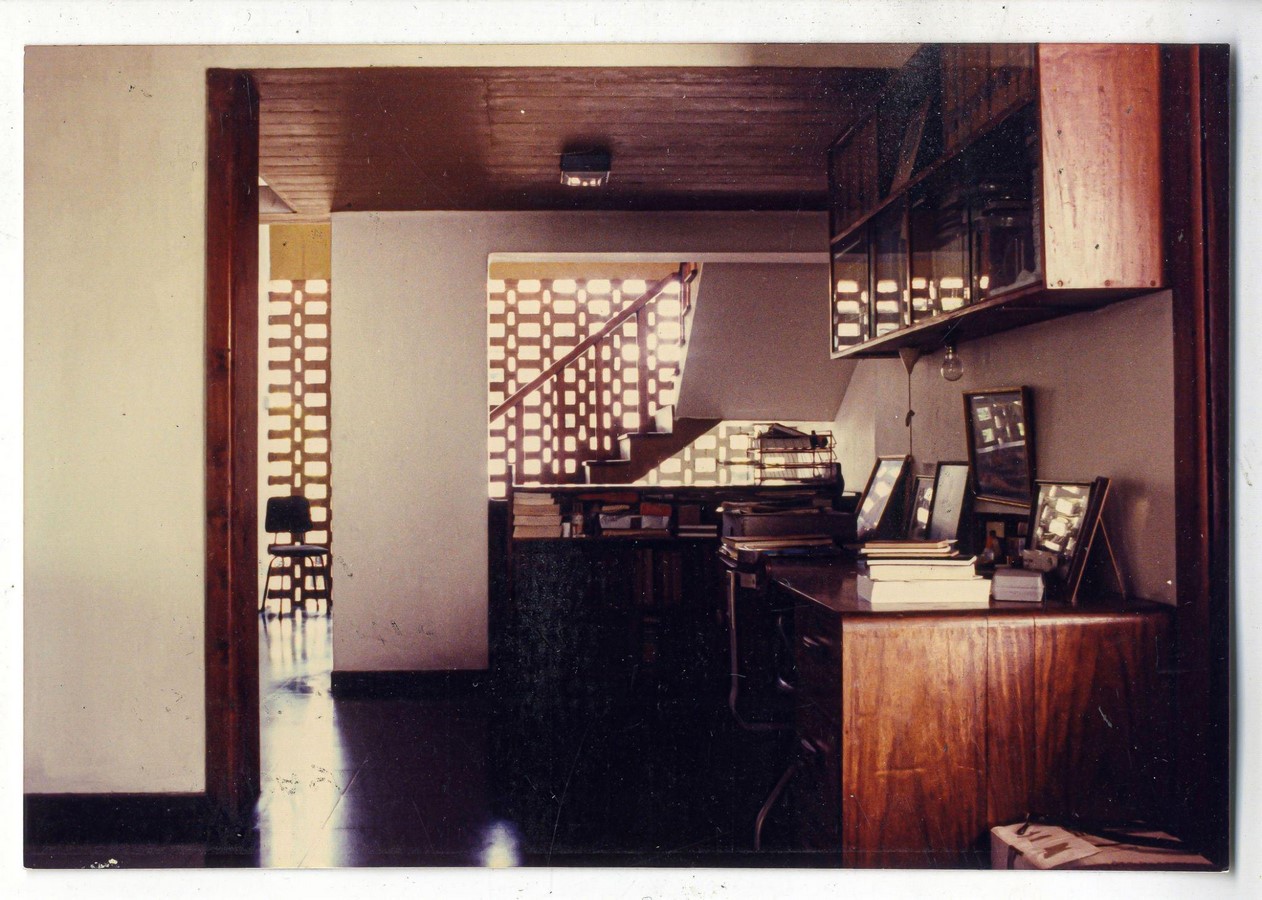
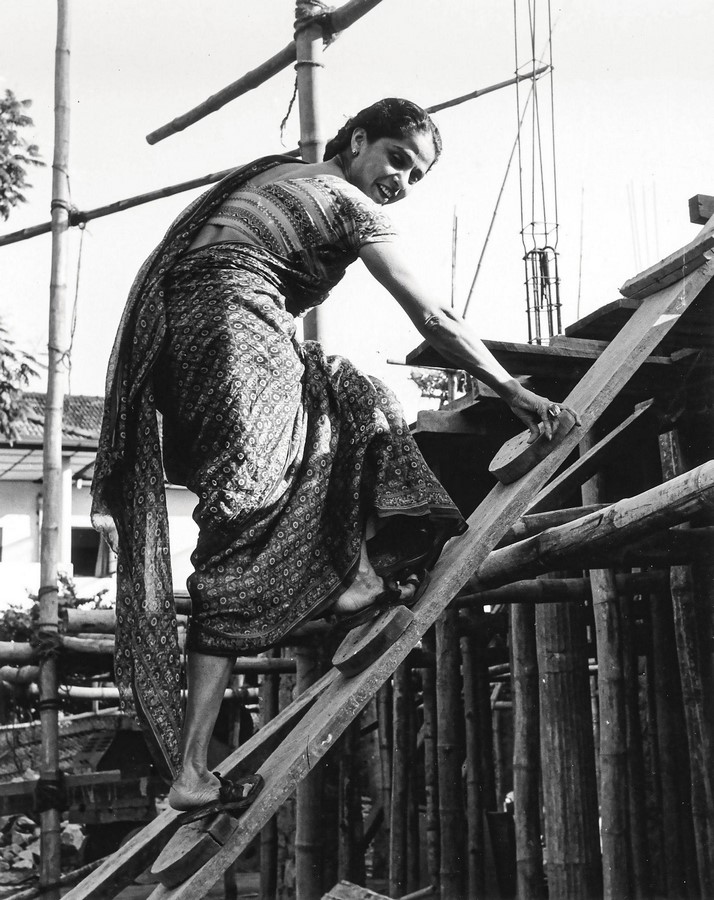
Sri Lanka’s Minette de Silva was the first Asian woman to become an associate of RIBA, the first woman architect from Sri Lanka, and one of the only two women in the world to lead their practice in 1948. De Silva’s architecture borrowed elements from Sri Lankan and Western contexts. Her unique work displayed the use of modern materials such as concrete and rough finishes for light-filled and airy designs, along with ‘traditional’ materials such as earth and bamboo, handwoven textiles, lacquerware, brass, and wood carvings. She assisted local artisans, particularly women, through her work and advocacy. Most of her 40 works are demolished, altered, or archives lost. Architects’ works are not resistant to destruction, mainly the unrecognized ones, like de Silva was- but thankfully, her ideas and intentions generated a long-lasting impact.
De Silva discussed the kind of contemporary design appropriate for developing countries from a social, environmental, and material standpoint. She called it Modern Regionalist Architecture, which decades later became called Critical Regionalism. Her work and writings are said to have influenced many architects and theorists from the subcontinent and beyond, including the better-known Geoffrey Bawa.
Kicking away society’s concerns over working in this dynamic profession, numerous women architects throughout the past have helped build sensitive and sustainable environments. They continue to do so by joining hands and writing their names on the pages of history alongside their male colleagues in bolder letters. Most museums and archives have lagged in collecting and transmitting the work of women architects. Exhibitions that make the blueprints, drawings, and models created by these pioneers accessible or that indicate us to their still-standing legacy beyond the museums’ borders remain rare.
References
- Articles
Citations for Newspaper Articles – Print or Online:
- The Independent. (2011). Elizabeth Wilbraham, the First Lady of Architecture. [online] Available at: https://www.independent.co.uk/arts-entertainment/architecture/elizabeth-wilbraham-the-first-lady-of-architecture-2215936.html [Accessed 11 Oct. 2023].
- Online sources
Citations for websites:
- Birmingham, E. (n.d.). Pioneering Women of American Architecture. [online] pioneeringwomen.bwaf.org. Available at: https://pioneeringwomen.bwaf.org/marion-mahony-griffin/#:~:text=Born%20on%20February%2014%2C%201871 [Accessed 11 Oct. 2023].
- Singha, S. (n.d.). Remembering Minnette De Silva: the Architect in a Sari. [online] www.architecture.com. Available at: https://www.architecture.com/about/equality-diversity-and-inclusion/remembering-minnette-de-silva [Accessed 12 Oct. 2023].
- Stratigakos, D. (2014). Building on the Past: a History of Women in Architecture. [online] archplan.buffalo.edu. Available at: https://archplan.buffalo.edu/news/2014/womeninarchitecture.html#:~:text=As%20a%20profession%2C%20architecture%20does [Accessed 13 Oct. 2023].
- Images/visual mediums
Citations for images/photographs – Print or Online:
- Frew, S. (2022b). Architectural Herstory: 6 Designers Who Paved the Way for Women in Architecture Today – Architizer Journal. [online] Journal. Available at: https://architizer.com/blog/inspiration/stories/female-architects-history-women-design/ [Accessed 13 Oct. 2023].
- Raar, E. (2013). Episode 09: Louise Bethune. [online] shebuildspodcast.com. Available at: https://www.shebuildspodcast.com/episodes/louisebethune [Accessed 13 Oct. 2023].
- Gaglio, M. (n.d.). Pioneering Women of American Architecture. [online] Pioneering Women of American Architecture. Available at: https://pioneeringwomen.bwaf.org/mary-elizabeth-jane-colter/ [Accessed 13 Oct. 2023].
- Editors, T. (2023). Marion Mahony Griffin, Prairie School Architect. [online] JSTOR Daily. Available at: https://daily.jstor.org/marion-mahony-griffin-prairie-school-architect/ [Accessed 13 Oct. 2023].
- Gray, J. (2022). A Powerful Brand: Marion Mahony’s Original Form of Graphic Representation. [online] Frank Lloyd Wright Foundation. Available at: https://franklloydwright.org/a-powerful-brand-marion-mahony/ [Accessed 20 Oct. 2023].
- ANAYA, S. (n.d.). Pin–Up | Moma’s Deep Dive in the Architecture of Post-Colonial Nation Building. [online] Pin–Up | Moma’s Deep Dive in the Architecture of Post-Colonial Nation Building. Available at: https://www.pinupmagazine.org/articles/moma-the-project-of-independence [Accessed 20 Oct. 2023].
- Corry , A. (2022). Minnette De Silva | Essay. [online] Gagosian Quarterly. Available at: https://gagosian.com/quarterly/2022/08/12/essay-minnette-de-silva/ [Accessed 20 Oct. 2023].