We have always been curious and fascinated by ocean life throughout history. We have therefore, discovered ways to explore the water and take in its mysterious beauty. Thinking about the various ways one might look underwater brings images of scuba diving, submarine rides, and aquariums to name just a few. But thanks to the growth of engineering and architectural imagination it is now possible to build structures underwater. Underwater cities and habitation are an innovative approach to accommodate future generations and deal with the problems associated with land shortages as our planet grows more populated and urbanized. But what is the potential of underwater architecture in the future?
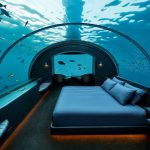
It was only until the 20th century that underwater architecture truly began to flourish. The interest in the exploration of the ocean and the commercial potential of the sea has led to the development of underwater architecture. The development of underwater hotels and resorts is arguably one of the most luxurious examples of underwater architecture. People have been drawn to buildings like the Conrad Maldives Rangali Island’s underwater restaurant and the Muraka in Maldives.
These establishments give us a unique opportunity to get close and personal with the captivating beauty of the ocean while enjoying luxurious accommodations.
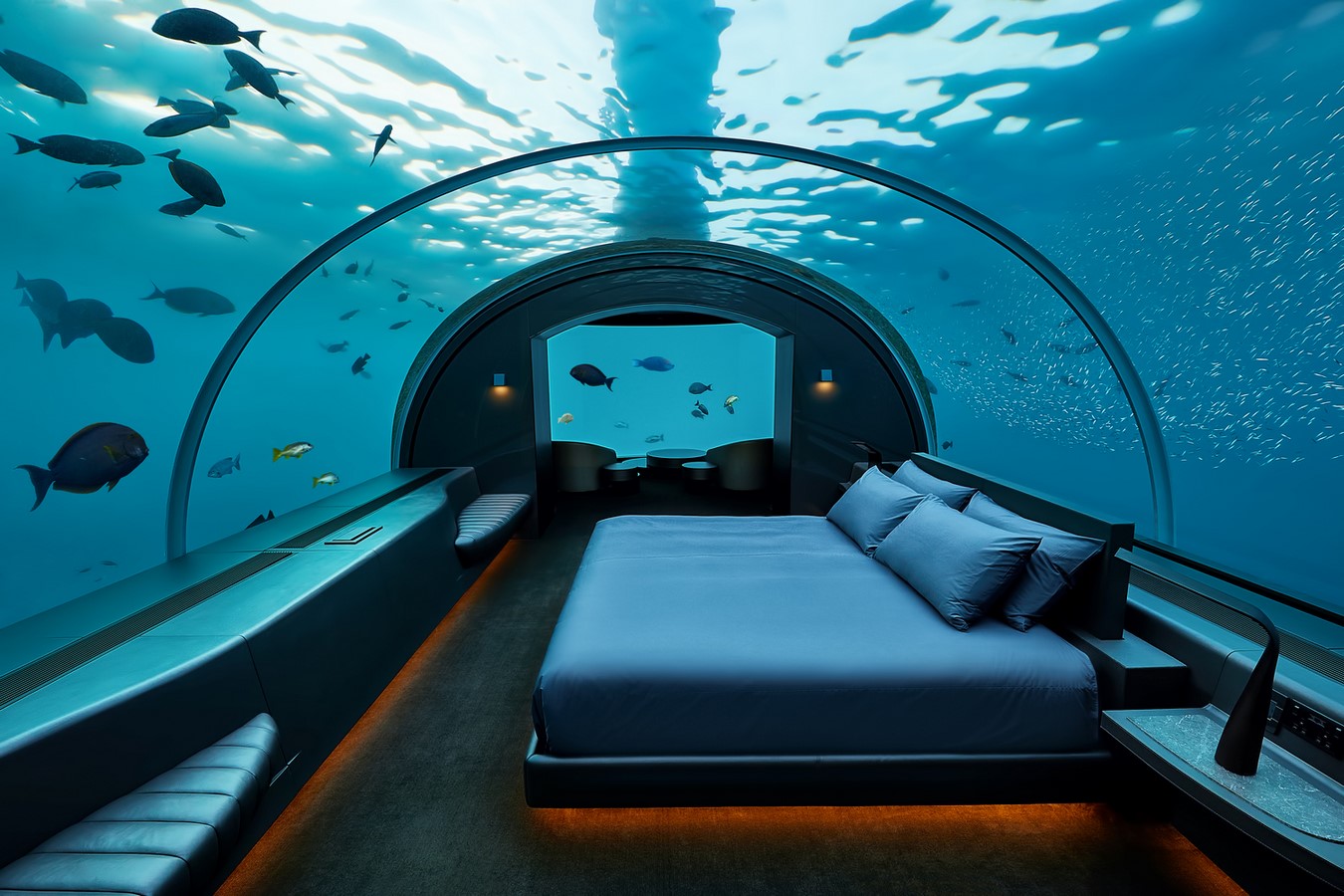
Ten concrete piles hold the villa firmly in place and allow it to remain stable even during a storm. The villa’s two stories are built of steel, concrete, and acrylic, and it can accommodate nine beds.
A king-size bedroom, living room, and bathroom are located five meters below the surface. They are all housed in a full-glass structure that provides 180-degree views of the marine life beneath the seas.
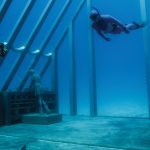
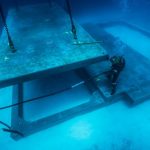
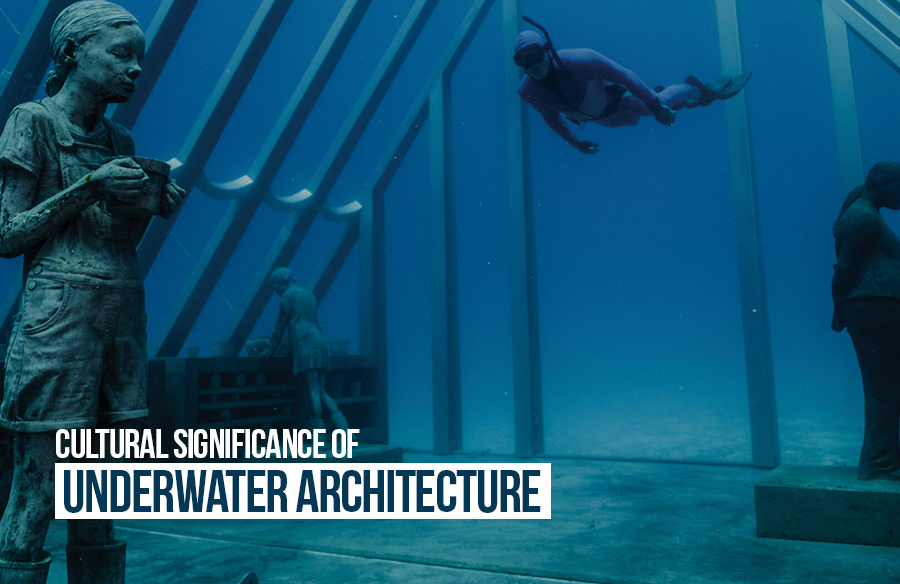
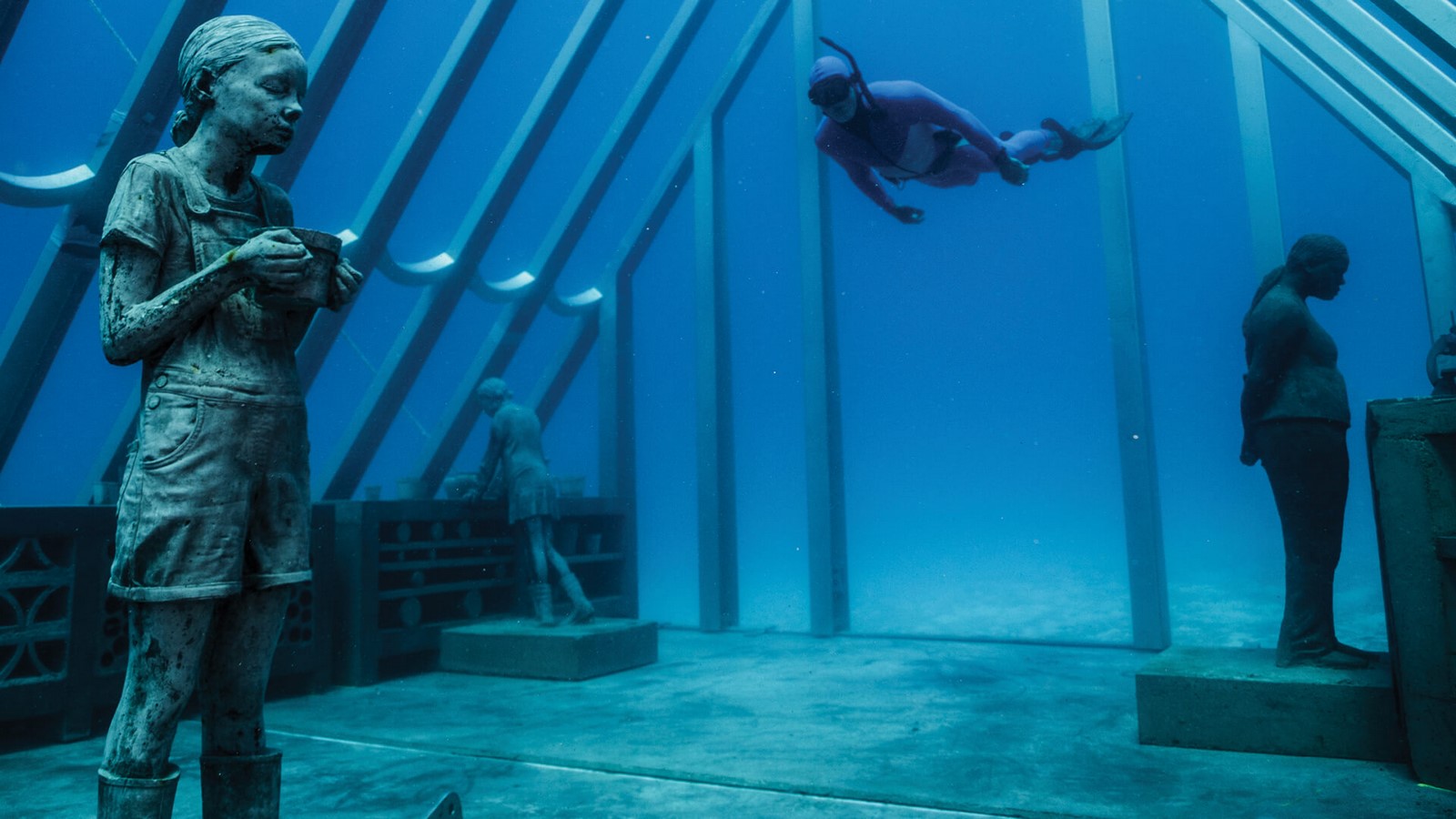
 British sculptor Jason deCaires Taylor built an underwater greenhouse off the coast of Australia. Situated in the Great Barrier Reef Marine Park on the John Brewer Reef, the Coral Greenhouse was built as a component of the Museum of Underwater Art. Townsville, a seaside city in the Australian state of Queensland, is 50 miles away. The Greenhouse has three main entrances, and there are 25 sculptures outside of it, including a sitting child, a flat-leafed eucalyptus plant, and a cheese plant. The design of the greenhouse is biomorphic and integrates into the reef. The Sculptures represent the importance of protecting marine life which is under threat. Inside are figurative sculptures that serve as a constant reminder to take care of the coral. These sculptures were created from casts of children from all across the world. The biomorphic frame is built using pH-neutral materials and corrosion-resistant stainless steel, drawing inspiration from natural patterns. The ingredients are intended to be assimilated into the oceanic environment as the colonies expand across it and encourage the growth of coral.
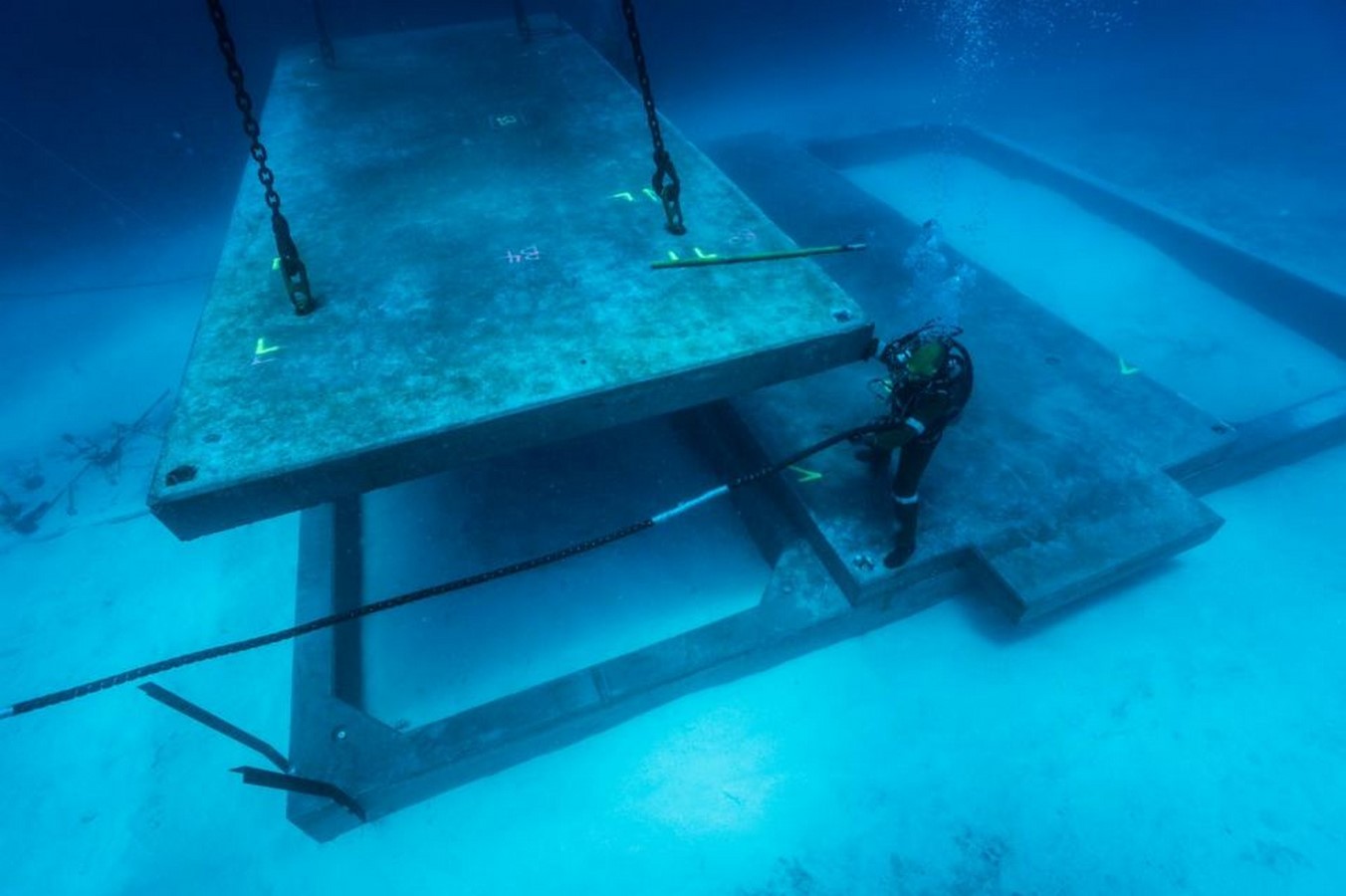
Designing and constructing underwater structures is quite challenging as it is completely different from that of land. The design of structures has to be resistant to extreme water pressure, corrosive substances, and possible seismic activity.
To maintain structural integrity, engineers and architects have to develop innovative building materials and construction methods. Pressure vessels are made of a variety of materials, including steel, aluminum, and titanium. However, HY-80 is the most commonly used high-strength steel for storage tanks and ships. It’s crucial to include vistas of the outside when designing submarines and underwater habitats. These buildings included view ports made of transparent material to do this. The widespread application of l translucent acrylic plastic in aquariums and deep underwater applications has been observed during the last two decades.
Ensuring the safety and comfort of human occupants within the undersea architecture is a crucial aspect of design. Additionally, they must maintain circulation to remove carbon dioxide and an oxygen supply to make it a comfortable habitat for people. To guarantee that the environment is safe for people, environmental control is also crucial.
The biological effects of pressure, such as nitrogen narcosis and possible long-term nerve damage, make permanent residence in water deeper than about 100 feet (30 meters) should also be solved. The effect of such an environment on children and pregnant women is yet to be known. Long-term settlement in underwater cities requires the creation of self-sustaining ecosystems. Sustainable underwater homes must have efficient life support systems. Provision for food production and waste management should be taken care of.
This man-made building is already at risk because it is located in one of the most hazardous areas of the environment. Thus, similar to any other building, emergency procedures are required to ensure public safety. People should prioritize using the emergency exits in case of these risky situations. Furthermore, rescuers and divers also require emergency access. In addition, land should have shelters available in case these circumstances occur. And last, emergency submarines to aid with evacuation.
Conclusion
Curiosity and technological advancements led to the emergence of underwater as a new medium for human accommodation and recreation due to its unexpected experiences and distinctive features. Thus, for architects, it is a new subject to learn. Though numerous suggestions were accomplished by architects up to this point, only a few of them were made a reality. As we look into the future, the thrill of exploring the unknown depth of the ocean will make us realize our relationship with the marine ecosystem.
References:
- www.linkedin.com. (n.d.). Underwater Cities: Imagining Submerged Habitats and Urban Centers. [online] Available at: https://www.linkedin.com/pulse/underwater-cities-imagining-submerged-habitats-urban-centers-abbas [Accessed 15 Oct. 2023].
- Nast, C. (2019). Why Are We Turning to Underwater Design? [online] Architectural Digest. Available at: https://www.architecturaldigest.com/story/turning-to-underwater-design.
- Dezeen. (2022). Seven examples of underwater architecture including museums, hotels and research centres. [online] Available at: https://www.dezeen.com/2022/06/17/underwater-architecture-submerged-hotel-museum-restaurant/.
- MOUA / Museum of Underwater Art. (n.d.). Coral Greenhouse John Brewer Reef Townsville / MOUA / Museum of Underwater Art. [online] Available at: https://www.moua.com.au/visit/coral-greenhouse [Accessed 15 Oct. 2023].