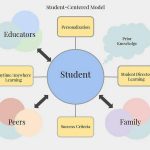
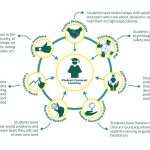
A teaching concept or method known as “student-centered learning” aims to personally satisfy the requirements of each student. Harrington and DeBruler in their post in 2019 in “What exactly are Student-Centered Learning?” shared that, “In a truly student-centered learning environment, teachers and students work collaboratively to co-create a learning plan or pathway that best suits the needs of each learner. In a student-centered learning environment, the teacher helps to create an environment that is personal to each student’s learning needs. The teacher serves as an architect of each student’s learning experience.”

Students are likely to use technology during student-centered learning, which may incorporate elements of customized learning or blended learning models like a flipped classroom, station rotation, or competency-based learning. True student-centered learning, however, goes beyond that. Regardless of the paradigm employed, student-centered learning will involve teachers and students cooperating to determine the learning route that is most effective for each student.
Theory: Student-Centered Design
In 1994, Soloway, Guzdian, and Hay published the first papers which laid the foundation for Student-centered design. Since then, their theory has been expanded upon and modified. Zharias and Poulymenakou created a full eLearning prototype in 1996. The design had five main focuses: letting students make their discoveries, having clearly defined learning objectives, using informative feedback, creating for student attention, leveraging visual components to increase meaning, and promoting social learning.
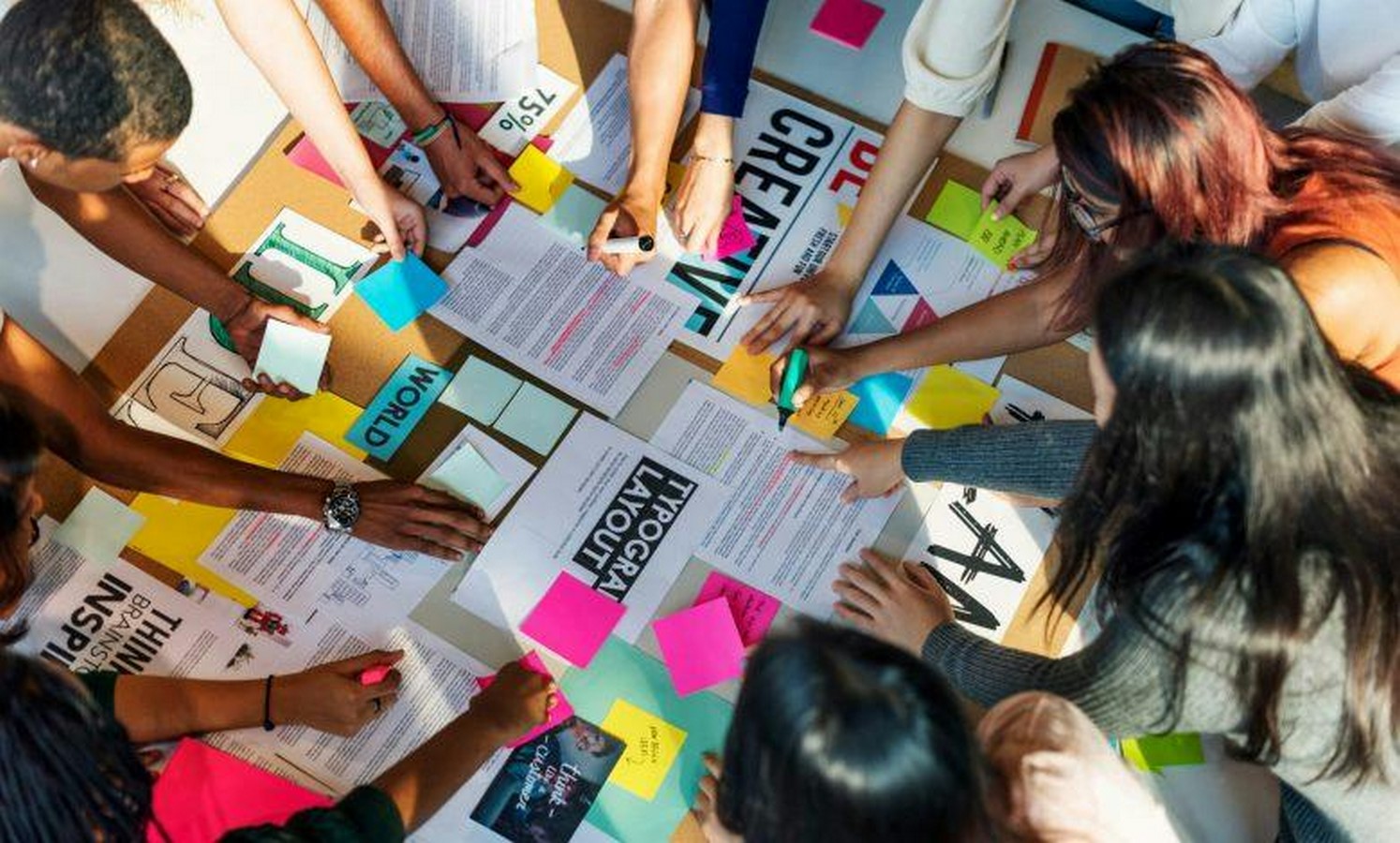
The ideal education integrates the student’s learning needs and interests, while also allowing the student to track, guide, and have a stake in their education process.The learner-centered design focuses on the person who will be learning; the interface and content are developed with that person’s thoughts and feelings in mind. The learner comes first; the materials are made with their experiences in mind. We don’t produce the resources and then provide them to the learner.
Student-Centered Design in Physicality
Technology is frequently a crucial element in a learning environment focused on the needs of the students since it can assist kids in developing the skills, they will need to continue their education after high school and/or to enter the workforce. Every student has a computer when technology is offered in a 1:1 ratio. Most student-centered learning model-using schools also typically feature some kind of digital curriculum.
In practice, student-centered learning appears extremely differently in each institution. The level of implementation that each district or school chooses to pursue will determine everything. When compared to the traditional teacher-led paradigm, some school districts’ student-centered learning environments resemble some degree of technology-rich personalized learning, blended learning, or customized learning, with the teacher acting more as a facilitator or guide. Some school districts may decide to go farther, adding extra features like flexible scheduling options, providing alternate graduation routes, grouping children into learning bands rather than traditional grade levels, etc.
Whatever the level of implementation, school districts that opt to switch to a more student-centered learning model do so because they understand that what has typically been done in the past, what is most convenient to continue doing because of what their traditional bell schedule permits, is not always what is best for students. Schools that decide to adopt student-centered learning are doing so because they understand that to meet any problems they may be up against; they may need to make challenging adjustments that are implemented with the student’s best interests in mind.
Principle of Student-Centered Design

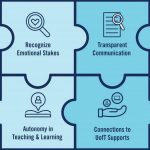
The following four are the principles of Student-Centered Designs to enhance the learning environment and experience,
- PERSONALIZATION AND CONTEXT
When teachers are aware of their students’ strong ties with them and can meet them when they are in their developmental stages, personalized learning takes place. The student and their learning should be relevant to their stages and need. The information should be relatable to the students which helps them to have a personal connection to their curriculum.
- CONSTRUCTION
Students should be able to relate new material to their personal experiences. Prior knowledge should be expanded upon by new information. A wonderful technique to make sure time is conserved and only fresh materials are presented to the student is by keeping a digital record of what has been covered.
- CONVERSATION
Deeper learning is facilitated through social learning. The topic should be open for discussion by students with a trainer and other students. In this case, eLearning is fantastic because the interfaces provide chat rooms and forums where students may readily and at ease discuss anything.
- COLLABORATION
The learner’s thoughts can change if they are exposed to others’ ideas. Though students will still establish their own opinions, it will aid in the development, testing, and analysis of concepts. The development of collaboration skills and exposure to concepts students may not have previously explored come through working collaboratively on assignments and making equal contributions to the final product.
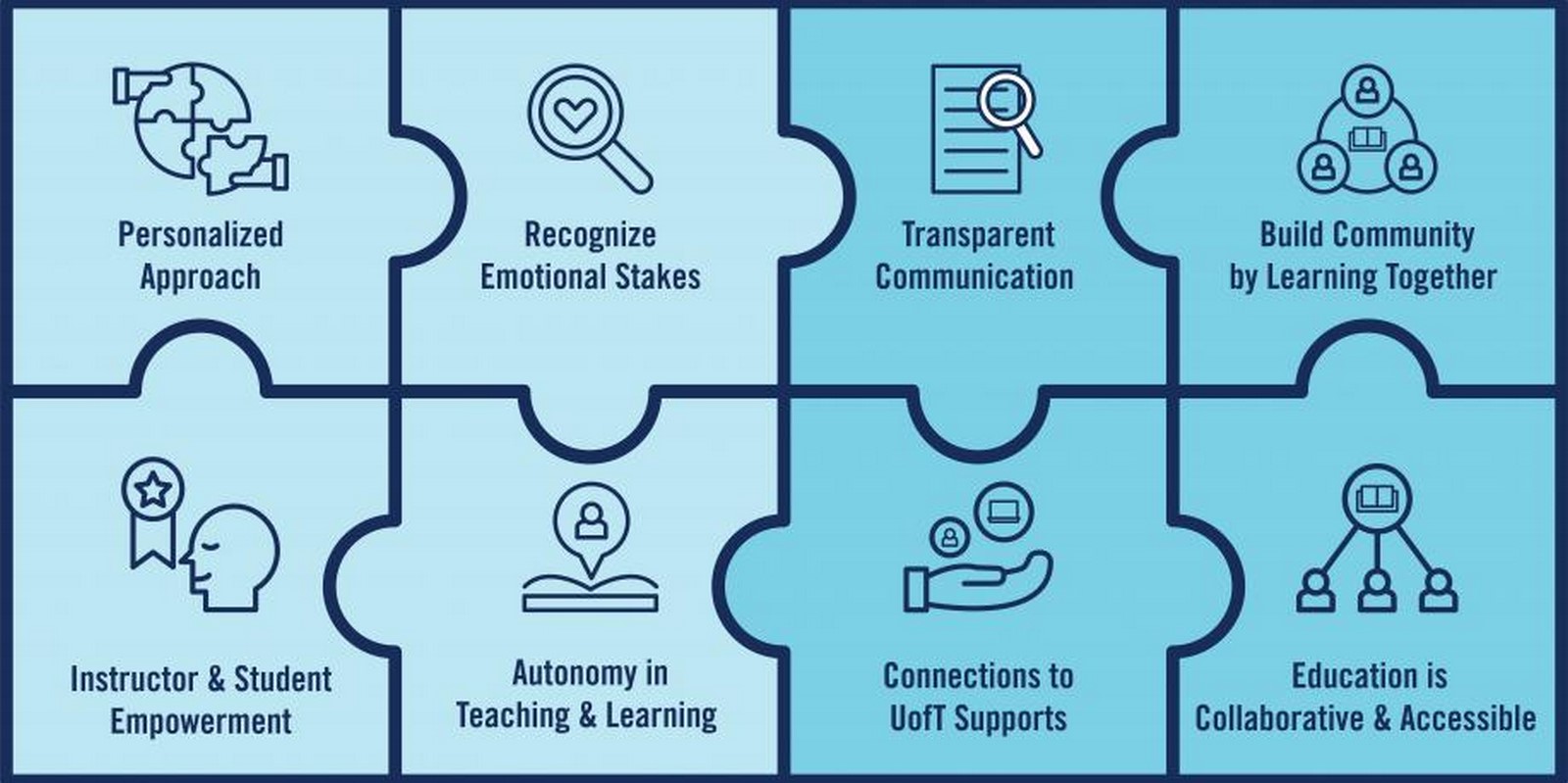
Giving students what they want when they want it and how they want it is a benefit of student-centered learning. It is built on adaptability, variety in the exercises, a wide range of various content, teamwork, and the usefulness of the knowledge and abilities acquired. Although it throws a lot of duty on both teachers and pupils, its advantages cannot be disputed.
Reference:
- About the Author: Kakuru Benard Kakuru Benard is a distinguished specialist in Digital Learning and teaching. A consultant trainer and researcher in ICTs and Kakuru Benard is a distinguished specialist in Digital Learning and teaching. A consultant trainer and researcher in ICTs (2022) Student centered learning, Ultimate Multimedia Training. Available at: https://www.ultimatemultimediatraining.net/student-centered-learning/ (Accessed: 21 September 2023).
- DeBruler, K. (2022) Student-centered learning: In principle and in practice, Michigan Virtual. Available at: https://michiganvirtual.org/research/publications/student-centered-learning-in-principle-and-in-practice/ (Accessed: 21 September 2023).
- ELM Learning (2022) Learner-Centered Design: An introductory guide, ELM Learning. Available at: https://elmlearning.com/blog/learner-centered-design/ (Accessed: 21 September 2023).