Sports facilities and complexes are effective marketing and branding instruments for sports teams and organizations. The architectural design of these venues is crucial in shaping the team’s identity, enhancing fan experiences, and enticing a larger audience. This essay examines the contribution of sports facilities to branding and marketing, highlighting successful architectural and design integration strategies. By investigating examples of architectural built forms and how they become iconic symbols, memorable fan experiences can be created and brand identities can be strengthened..
Iconic Architecture: Distinctive Structures Leave a Lasting Impression
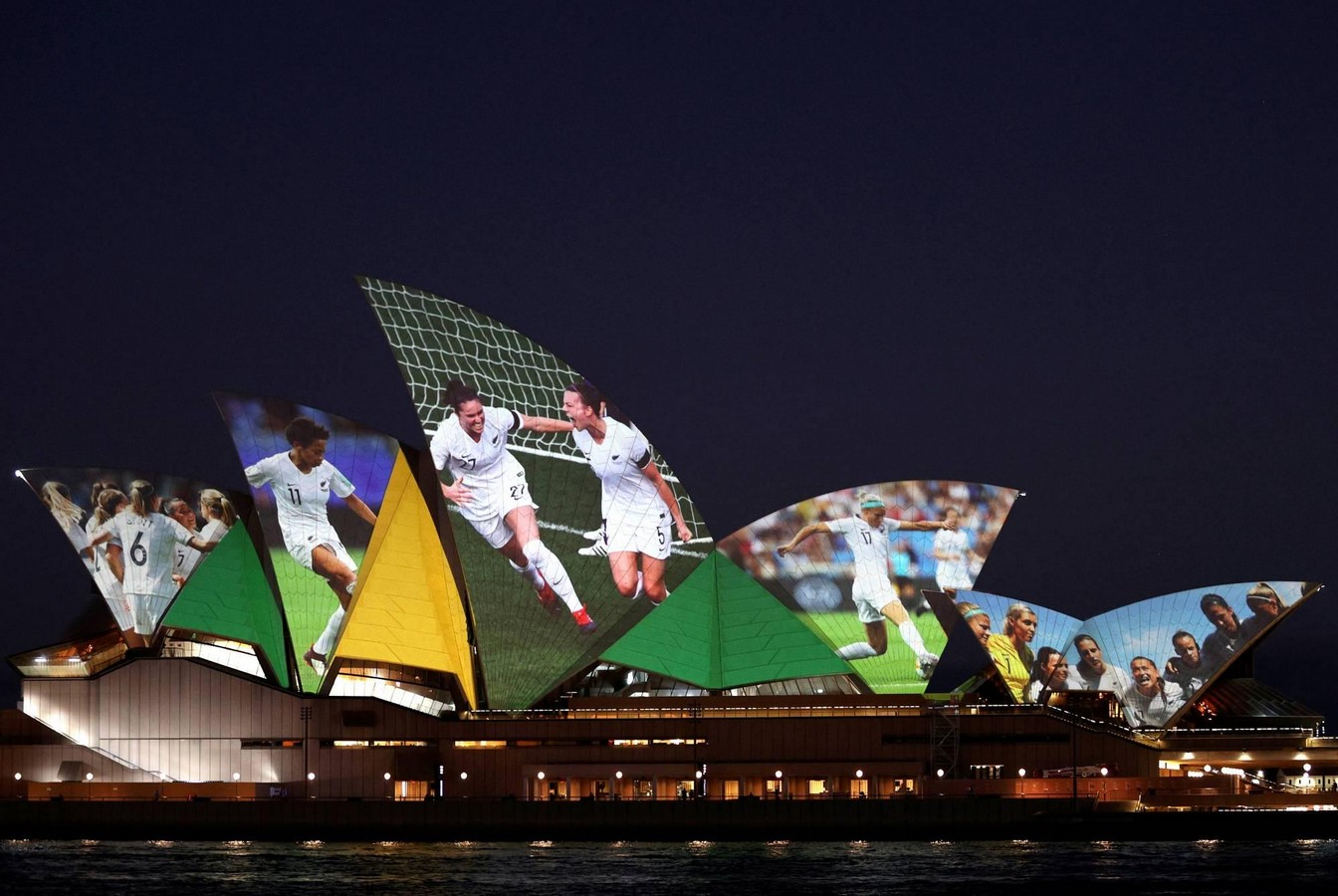
The teams and organizations that are represented by sports facilities with distinctive and iconic architecture become synonymous with those facilities. Their design functions as a visual representation of the brand, leaving fans and spectators with a lasting impression. Australia‘s Sydney Opera House is one such example. Its sail-like design, inspired by its waterfront location, has become an iconic symbol of Sydney and is frequently used in the branding efforts of the city’s numerous sports events and teams.
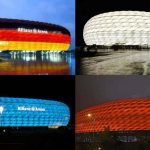
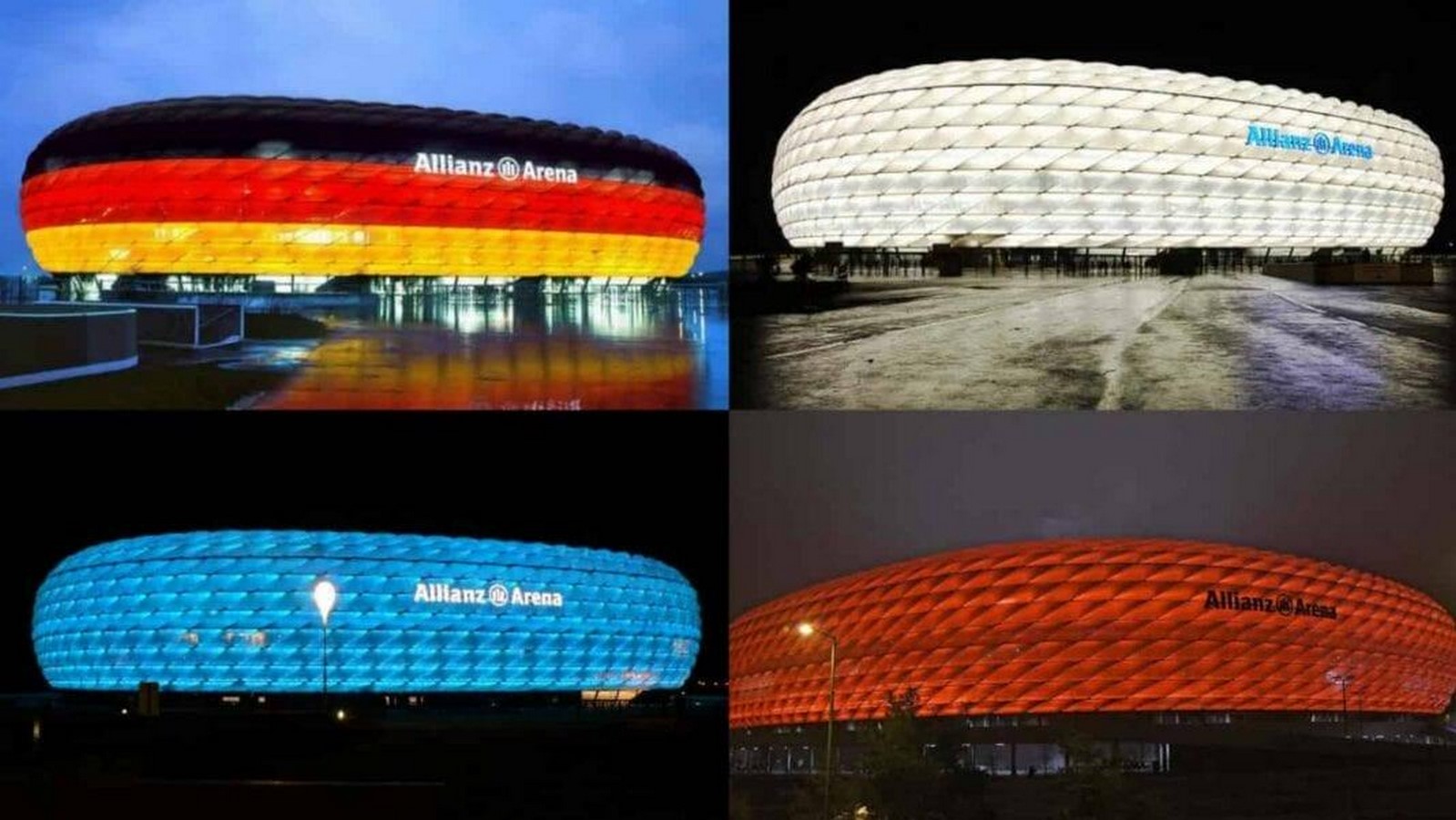
Another remarkable architectural achievement is the Allianz Arena in Munich, Germany. Its innovative translucent outer shell changes colours based on the home team playing, creating a visually dynamic experience and reinforcing the brand identity of FC Bayern Munich. This striking feature has become synonymous with the team and contributes to their branding and marketing efforts.
Enhancing Fan Experience: Creating Engaging and Delightful Spaces
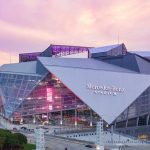
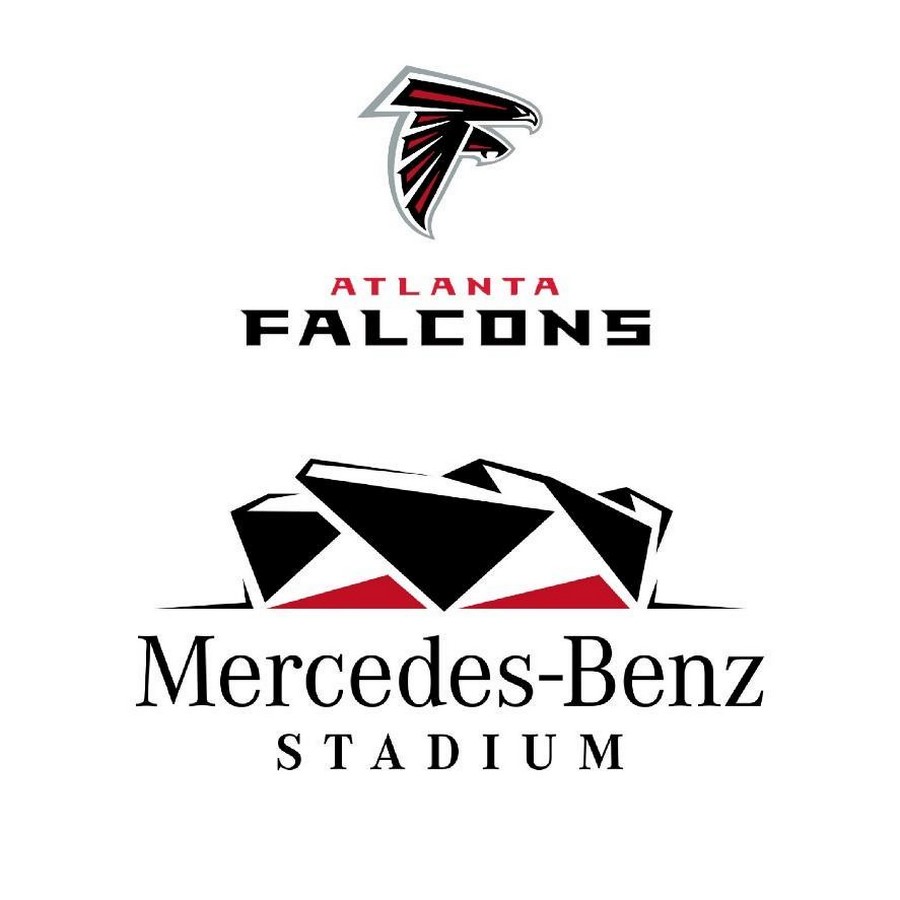
The purpose of sports facilities is to provide spectators with an exceptional experience that is consistent with the team’s brand and fundamental values. These venues allow for deeper fan engagement with the team, nurturing a sense of connection and loyalty. Atlanta, Georgia’s Mercedes-Benz Stadium is an example of this strategy. Its cutting-edge technology, which includes a retractable roof and a circular 360-degree video board, enhances the spectator experience and imparts a sense of opulence. The design of the stadium is consistent with the brand identities of the Atlanta Falcons and Atlanta United FC, enhancing their marketing efforts by providing a unique and immersive spectator experience.
The brand logo of Atlanta Falcons is innovatively represented through the front elevation of the built form, giving it the allure and integrity of form and function with the branding of the space.

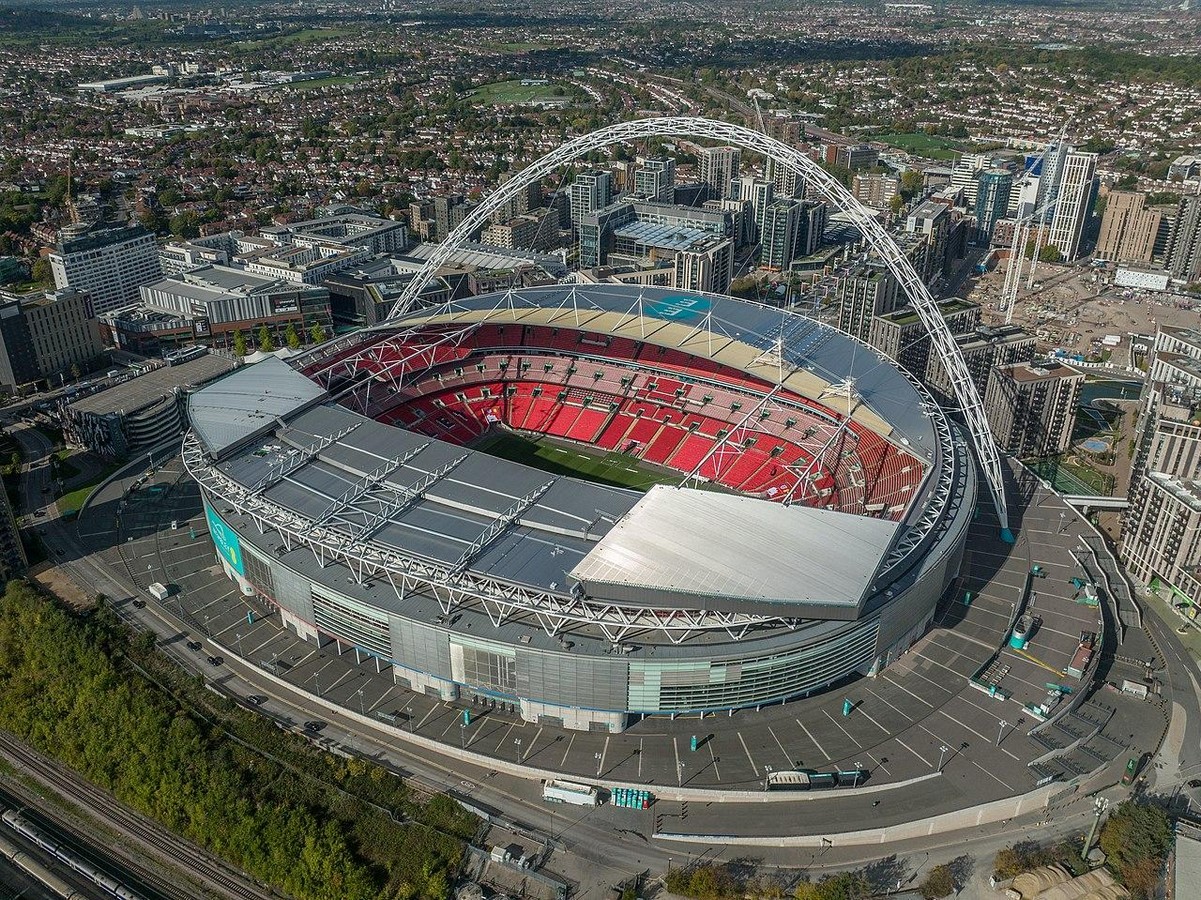
Similarly, Wembley Stadium in London, UK, is designed with a focus on excellent sightlines, modern amenities, and iconic features such as the arch. The stadium’s design enhances the fan experience and solidifies the brand identity of English football. The venue has become synonymous with high-profile matches and showcases, contributing to the branding and marketing efforts of teams and events held there.
Brand Integration: Seamlessly Incorporating Identity into Architectural Design
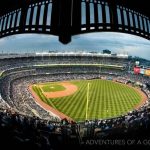
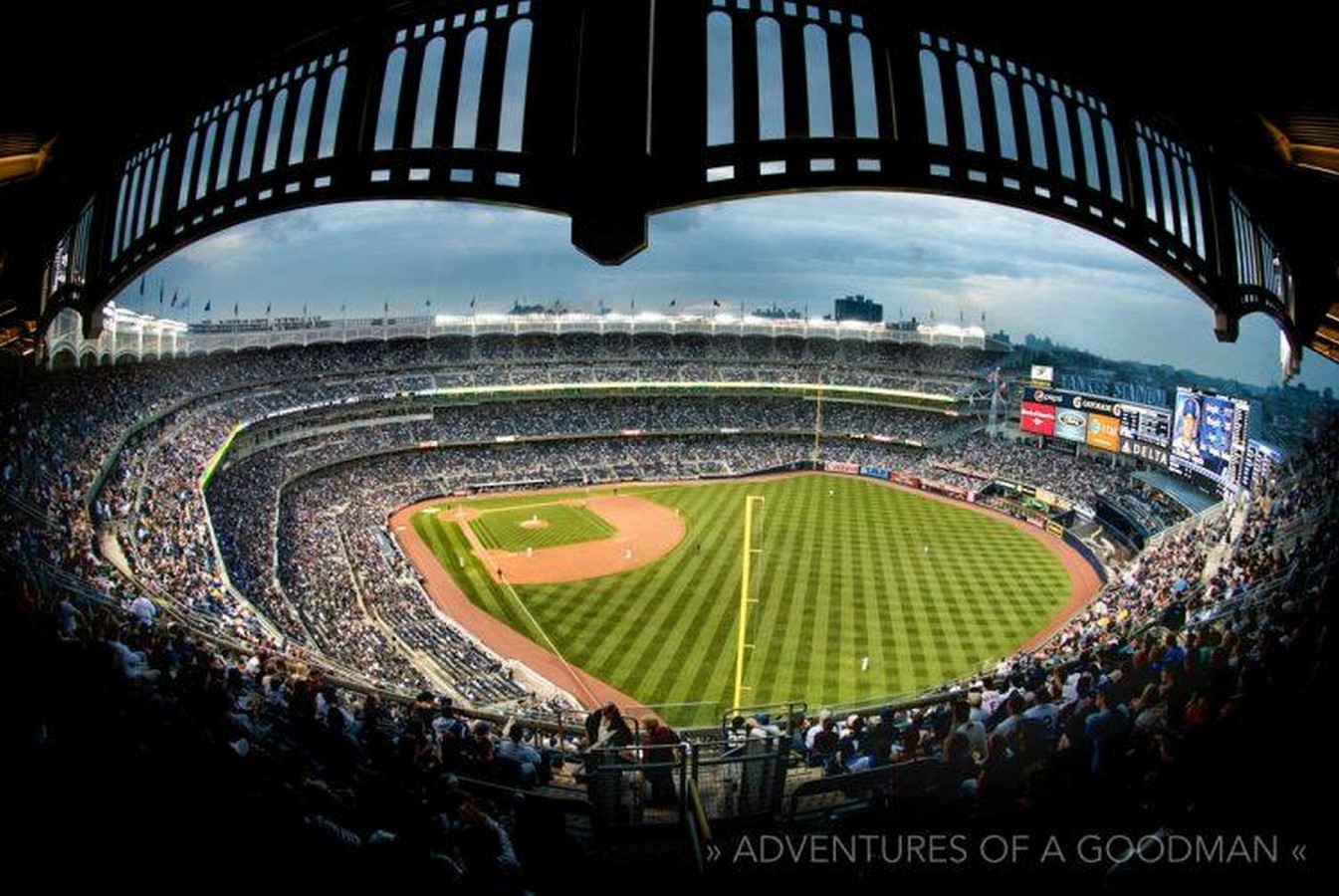
Sports facilities offer numerous opportunities for brand integration through architectural and design elements. By incorporating team colours, logos, and slogans throughout the venue, the team’s identity becomes ingrained in the fan experience, reinforcing brand awareness and loyalty. Yankee Stadium in New York, USA, provides an excellent example of effective brand integration. The stadium’s design incorporates elements from the original stadium, such as the iconic frieze and facade. These architectural features prominently display the New York Yankees’ brand identity, reinforcing their rich history and traditions.
FC Barcelona’s stadium in Spain, Camp Nou, incorporates the team’s colors and logo throughout the venue. Incorporating elements that reflect the club’s Catalan heritage, the design creates a strong sense of identity and connection with the supporters. This unified branding strategy strengthens the team’s marketing initiatives and improves the overall fan experience.
Multi-Purpose Usage: Expanding Reach and Revenue
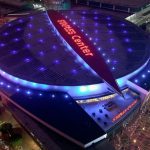
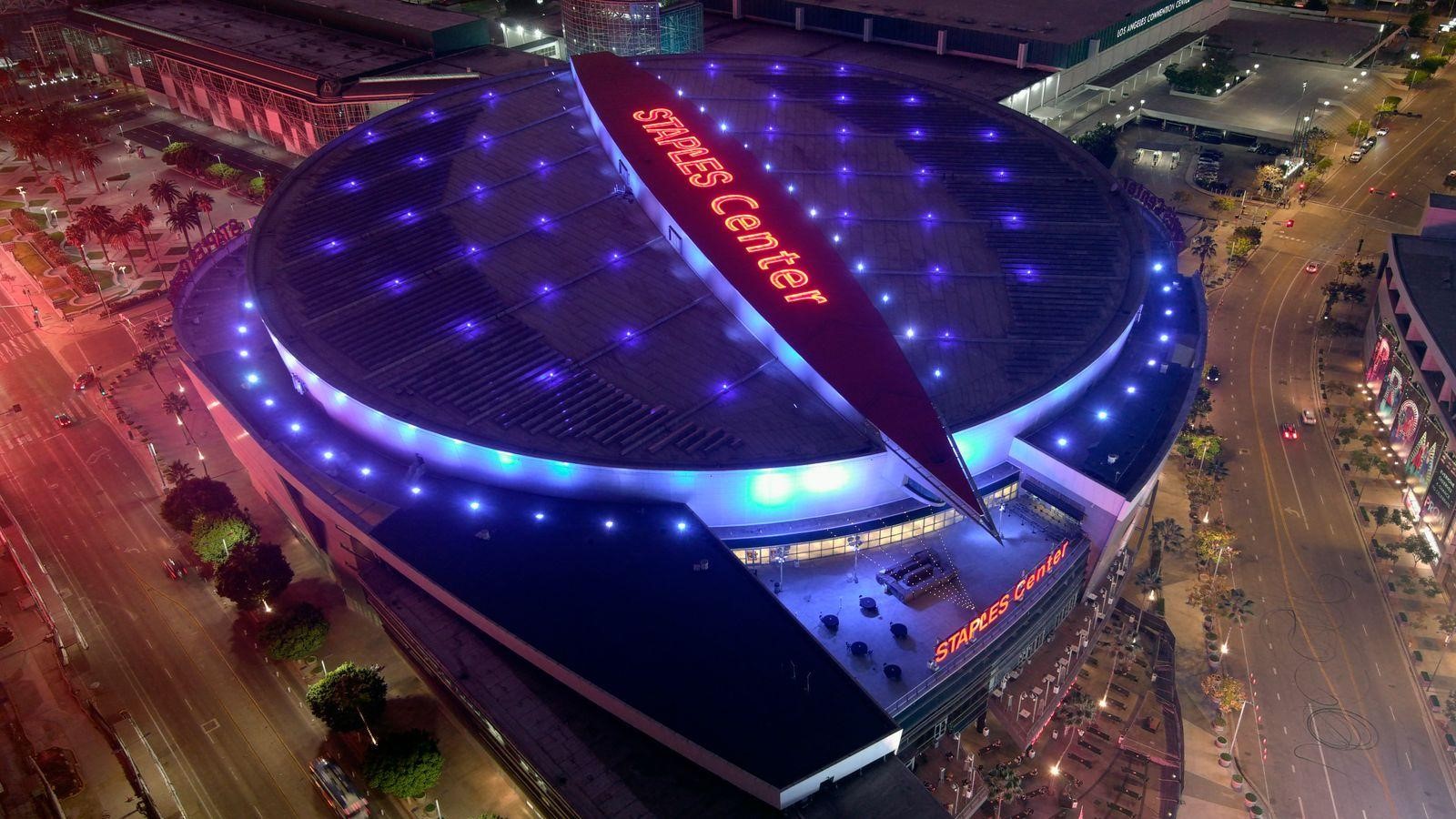
Multipurpose sports facilities can increase the team’s brand awareness and generate additional revenue streams. Teams and organizations can attract diverse audiences and improve their marketing efforts by hosting a variety of events outside of sports competitions. The Staples Center in Los Angeles, California, is an exemplary multipurpose venue. Multiple professional sports teams, including the Los Angeles Lakers, Los Angeles Clippers, and Los Angeles Kings, call the Staples Center home. Its adaptable design allows for seamless transitions between sporting events, concerts, and other forms of entertainment. This adaptability broadens the venue’s allure to a variety of audiences, thereby enhancing the team’s brand exposure and marketing opportunities.
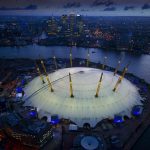
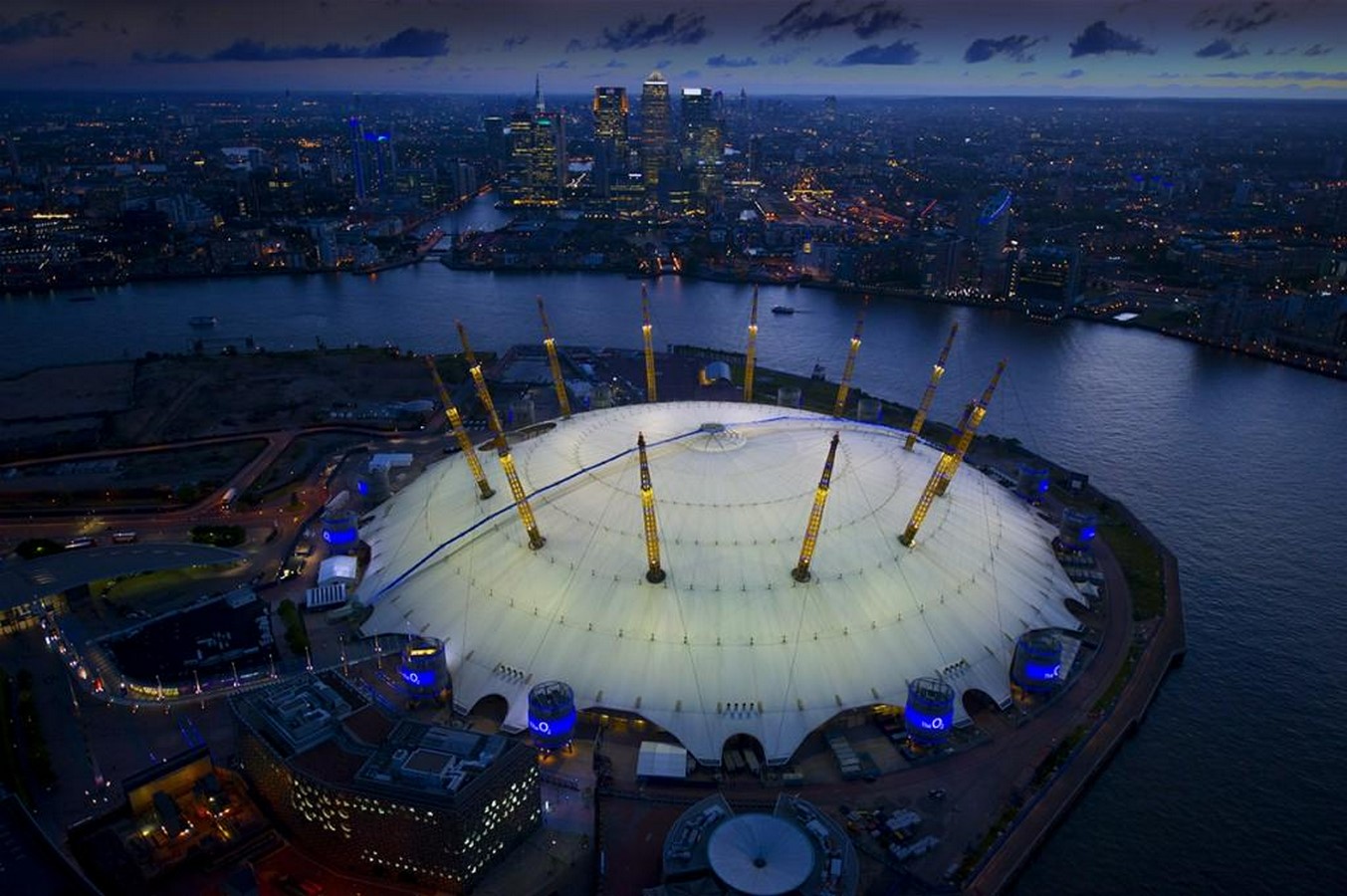
Another noteworthy example is The O2 Arena in London, UK. In 2005, O2 acquired the naming rights to the Millennium Dome and built a huge entertainment complex, ‘The O2’, around the massive dome. In addition to the breathtaking O2 Arena with 16,500 seats, it houses a multiplex cinema with 11 screens, the Entertainment avenue with cafes, restaurants and bars, the interactive British Museum experience exhibition and the ultramodern club ‘indigoO2’ with live music.
Its adaptable design enables quick configuration changes to accommodate various events, including sports competitions, concerts, and live performances. This versatility expands the reach and influence of the brands involved, contributing to their branding and marketing efforts.
Conclusion
The importance of sports facilities and complexes in branding and marketing efforts of sports teams and organizations. By virtue of their distinctive architecture, enhanced fan experiences, seamless brand integration, and multipurpose use, these venues become valuable assets that reinforce brand identities and attract larger audiences. Sydney Opera House, Allianz Arena, Mercedes-Benz Stadium, Yankee Stadium, Wembley Stadium, Camp Nou, Staples Center, and The O2 Arena are examples of successful strategies that incorporate architecture and design, thereby enhancing the impact of sports branding and marketing initiatives. By leveraging the synergy between sports architecture and branding, teams and organizations can create unforgettable spectator experiences and increase their market presence.
Citations
Sports Mob, (2020), Top facts about Mercedes Benz Stadium Atlanta Multi purpose Arena, sportsmob.com
Hudec Martin, Rollová Lea. Adaptability in the architecture of sport facilities. Procedia engineering. 2016;161:1393-1397.
Illuminating Stadiums. In: Futur Arc. Singapore 2007 first quarter, Vol 4, p.94-98.