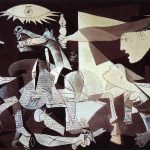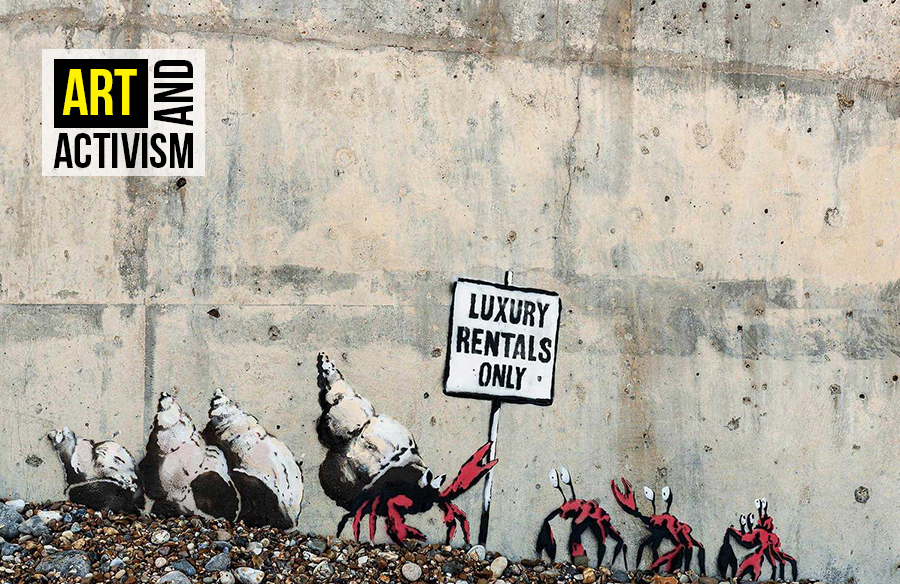
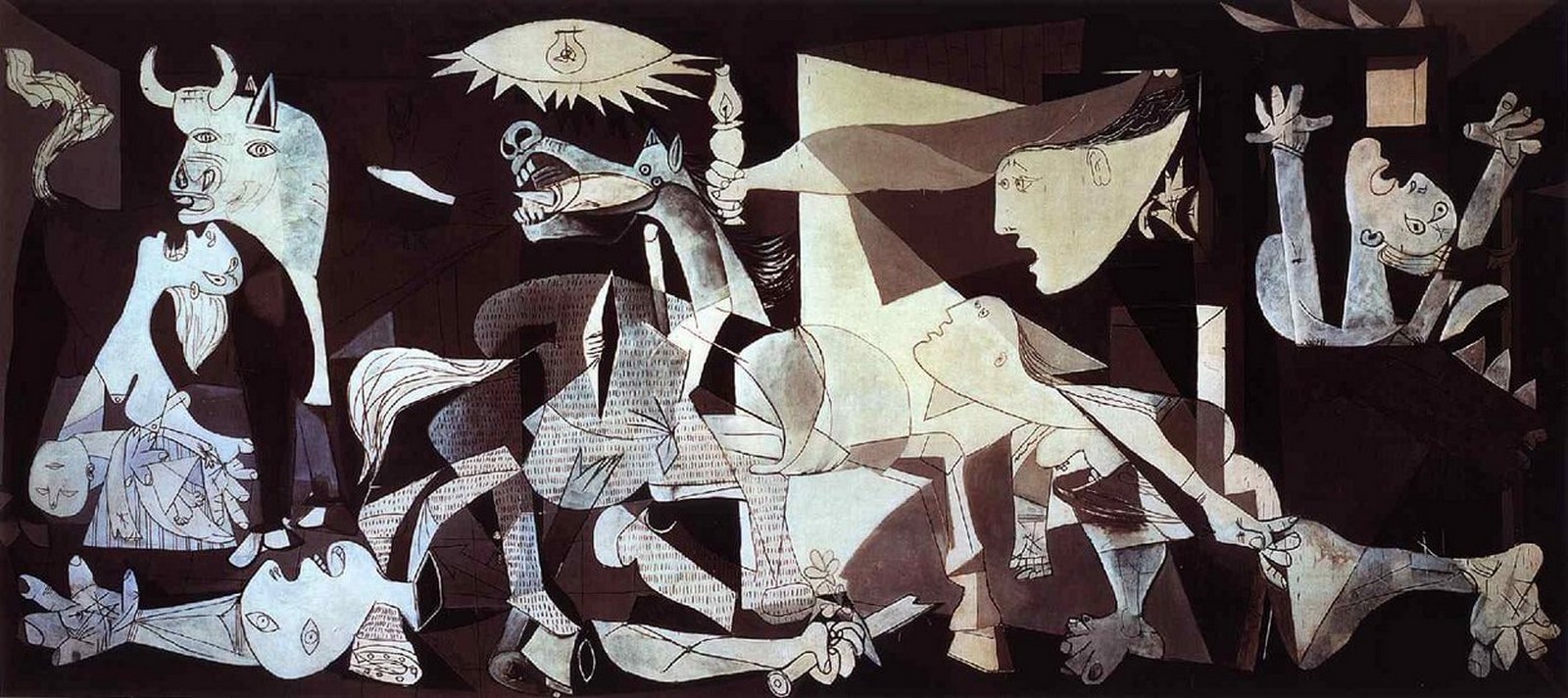
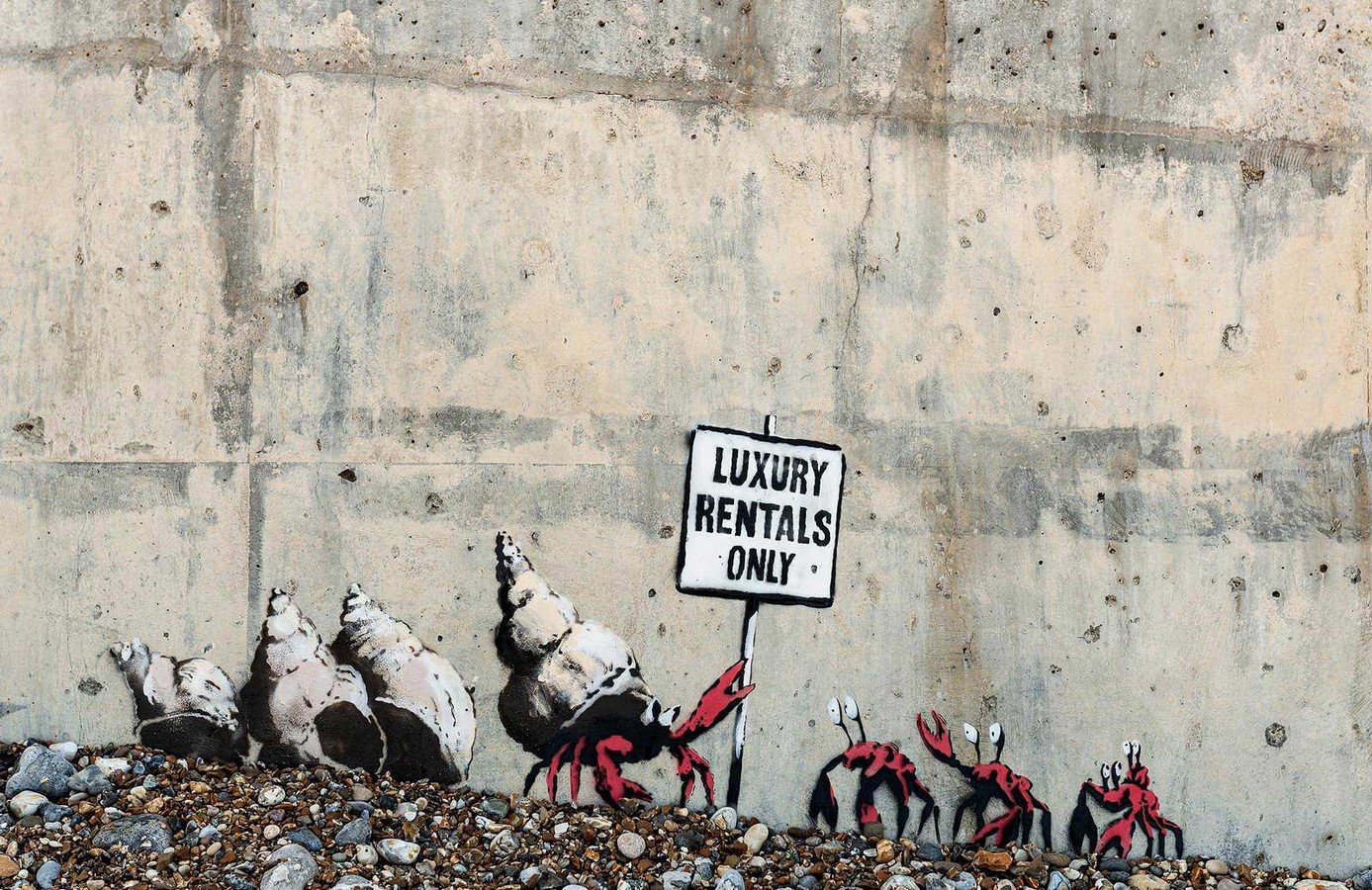
Art has long served as a catalyst for social and political transformation. From Picasso’s ‘Guernica’ to Banksy’s thought-provoking street art, artists throughout the ages have used their creative prowess as a potent medium to stir emotions, challenge the status quo, and ignite conversations that go beyond the confines of traditional mediums.
Art and activism have a long history of intersecting with each other. Artistic activism, also known as artivism, is a form of activism that uses creative expression to bring about social or political change. Artivism can take many forms, including visual art, music, theater, dance, and literature.
The Power of Expression
At the heart of art and activism lies the power of expression. Art enables artists to transcend language barriers and communicate profound emotions, grievances, and messages that resonate with a diverse audience. By wielding their creativity, artists can evoke empathy and encourage introspection among viewers, making them active participants in the struggle for change.
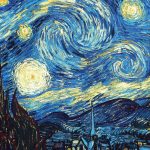
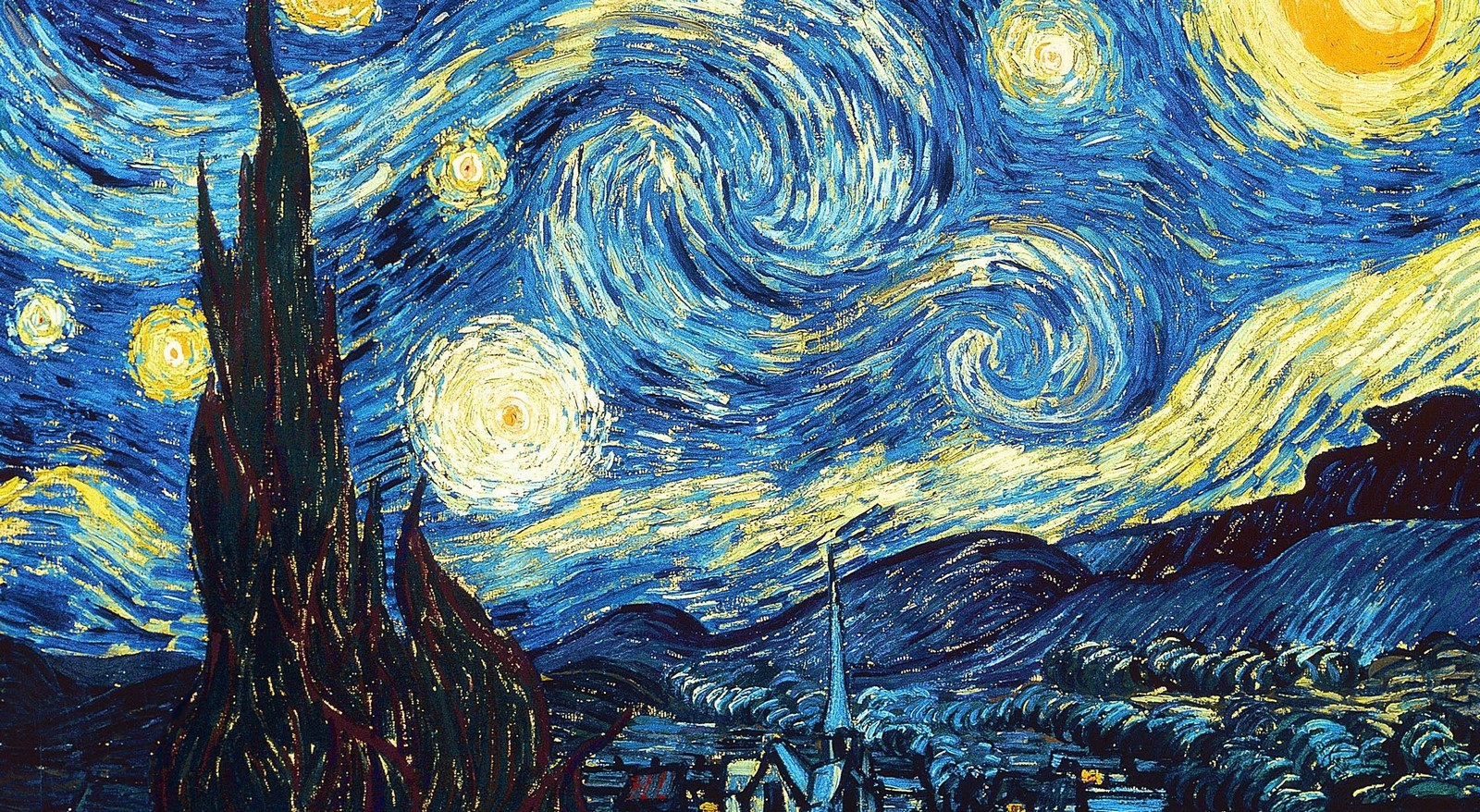
Artists utilize various mediums to express themselves, such as painting, sculpture, photography, performance art, and more. Each medium carries its own unique strength in conveying messages and stirring emotions. For instance, the vivid and evocative brushstrokes of Vincent van Gogh’s ‘Starry Night’ transport viewers into a world of emotion, illuminating the artist’s inner turmoil and offering a glimpse into the human condition.
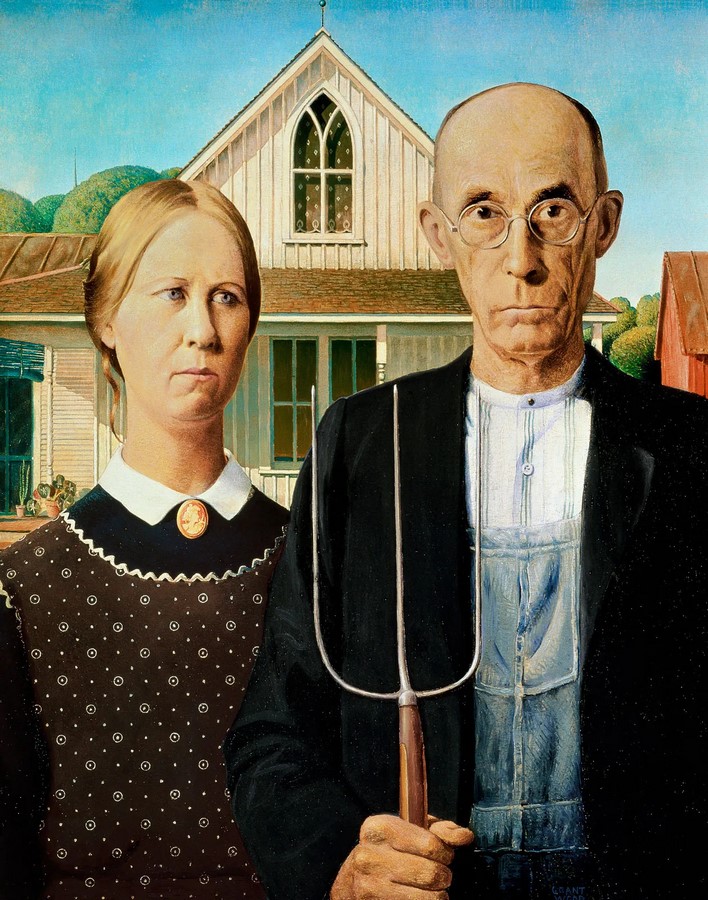
Some artists opt for bold and provocative aesthetics that demand attention and compel viewers to confront uncomfortable truths. Take, for example, Grant Wood’s ‘American Gothic,’ a subtle yet powerful social commentary challenging the notion of the American dream.
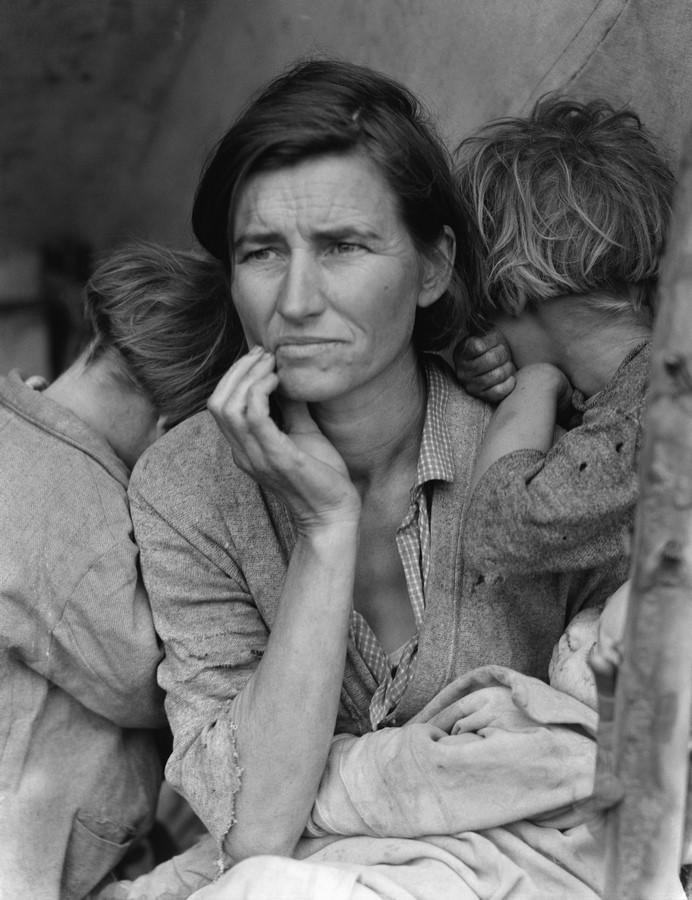
The iconic photograph ‘Migrant Mother’ by Dorothea Lange documents the plight of Great Depression-era migrant workers, encapsulating the desperation and resilience of a generation. The haunting image resonates with viewers, evoking compassion and shedding light on the struggles faced by marginalised communities.
A Vehicle for Social Change
Artists have the power to captivate, inspire, and influence society. They can challenge perspectives and provoke thought through their creations, blending aesthetics and critical discourse. By evoking emotions, art humanises complex issues, bridges the divide, and gives a voice to the silenced.
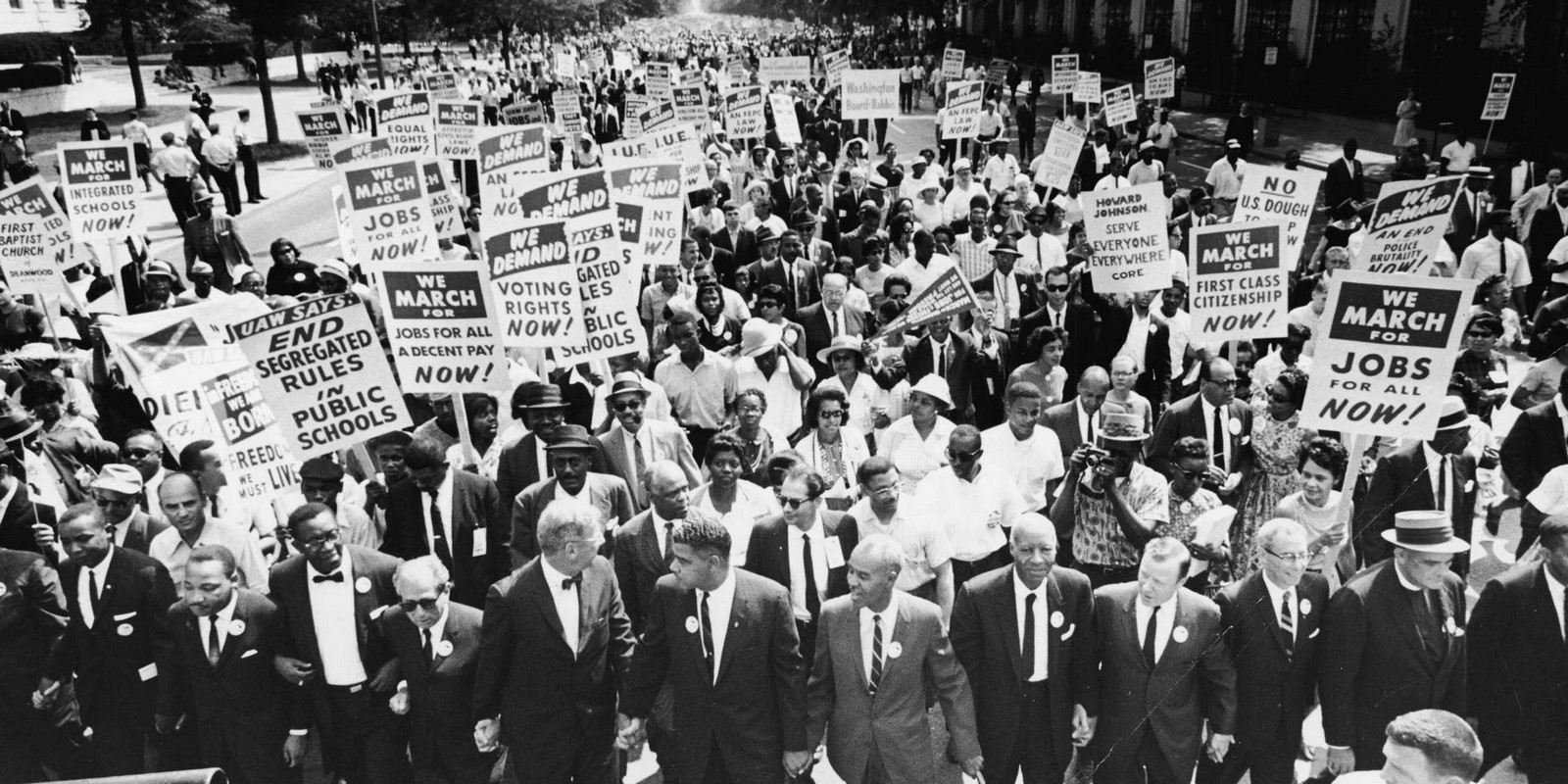
History has witnessed transformative social movements fueled by the alchemy of art and activism. One such iconic moment was the Civil Rights Movement in the United States, where powerful speeches and protest songs converged with visual art to mobilise people in the fight against racial discrimination.
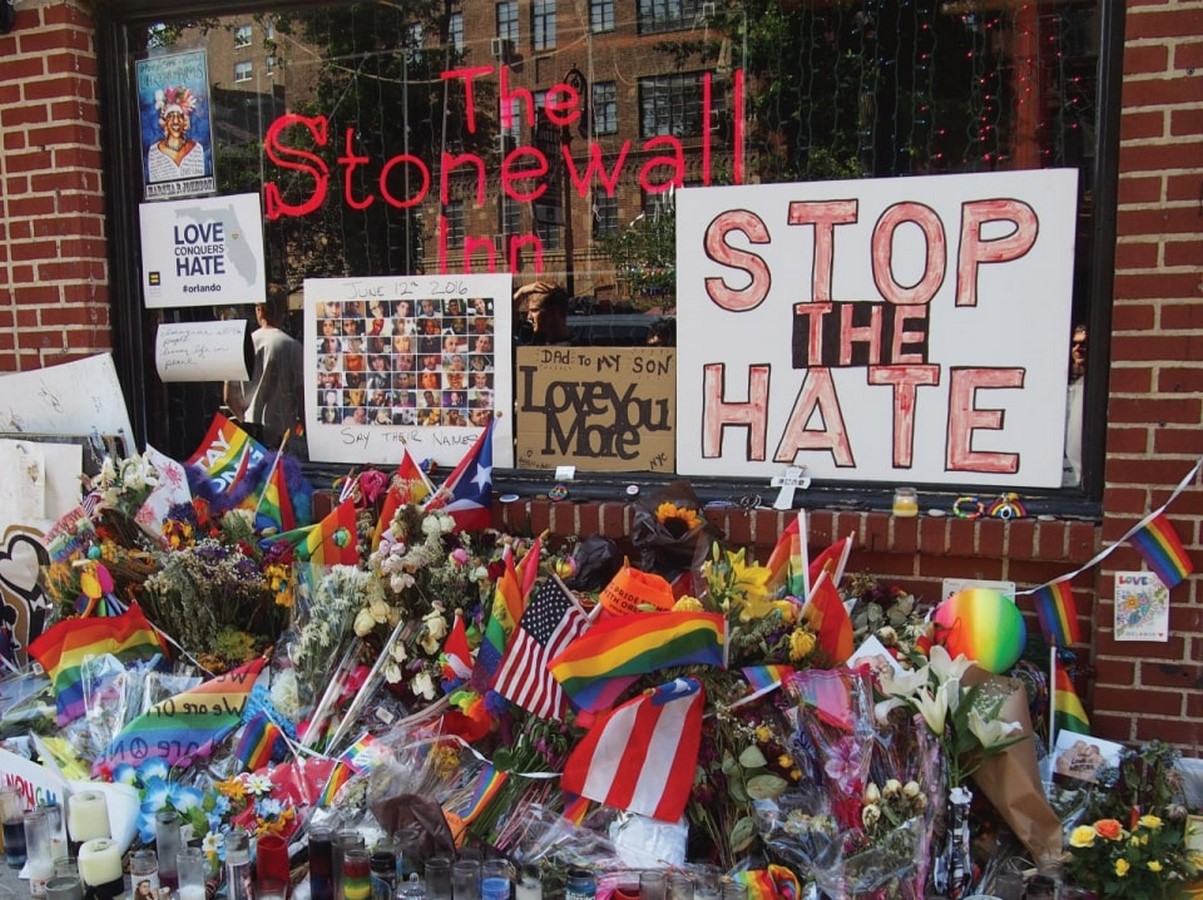
Similarly, the LGBTQ+ rights movement found solace in art’s embrace. The rainbow flag, designed by Gilbert Baker, became an emblem of unity, visibility, and pride. The flag’s multicoloured design is an enduring symbol of resilience and acceptance worldwide.
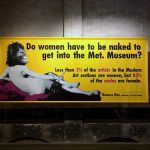
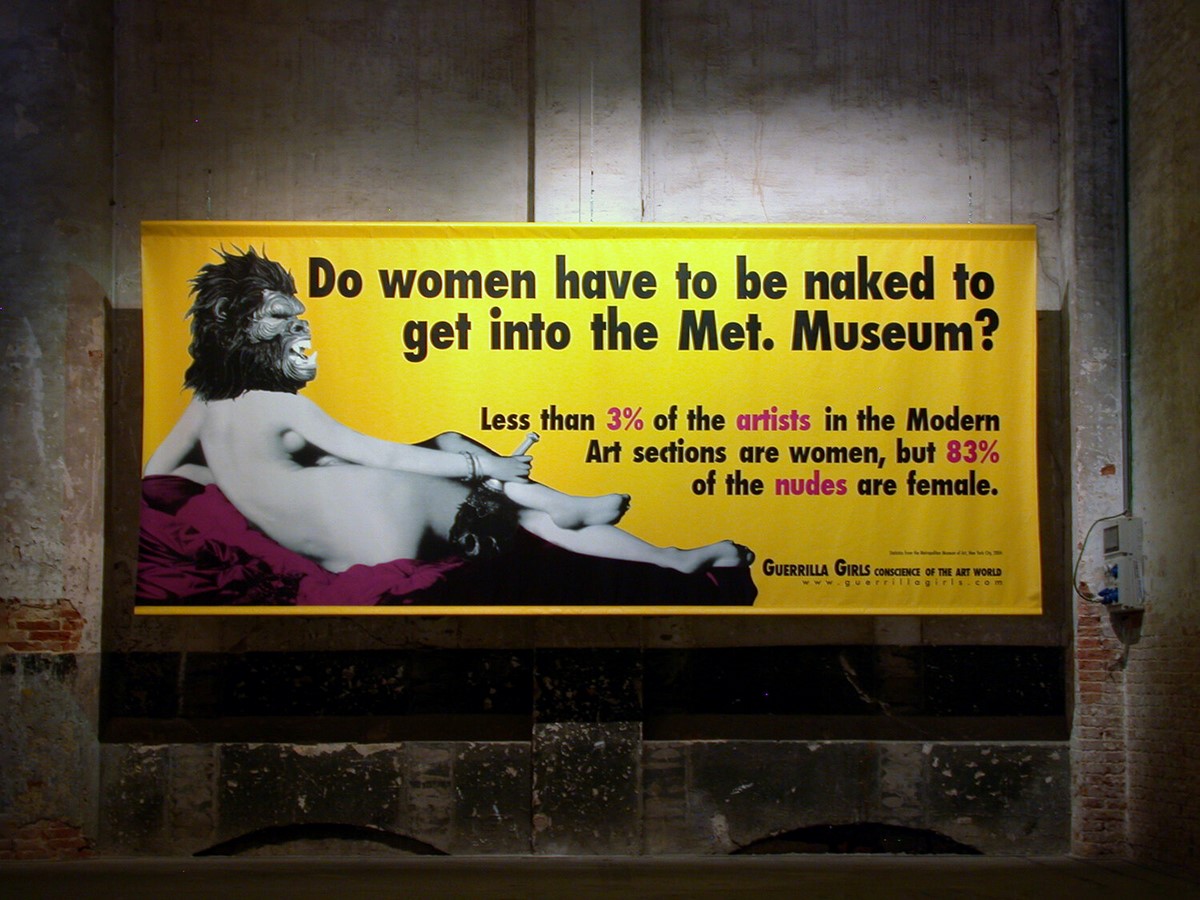
In the 1980s, the Guerrilla Girls emerged as a collective of feminist artists who addressed gender inequality in the art world. Wearing gorilla masks to conceal their identities, they utilized humour and provocative visuals to expose the underrepresentation of women artists and artists of colour.
Art as a Subversive Act
Artists disrupt societal norms by challenging conventional narratives and offering alternative viewpoints, correcting and expanding upon existing ideas. By subverting expectations and provoking thought, they ignite conversations that can lead to social change. This subversive act of artistic expression serves as a powerful catalyst for dismantling oppressive systems and fostering a more inclusive and diverse society. It challenges prevailing ideologies, social norms, and political systems by highlighting injustices, inequalities, and hypocrisies. Subversive art can be confrontational, provocative, or controversial, aiming to spark critical thinking, challenge assumptions, and inspire social change.
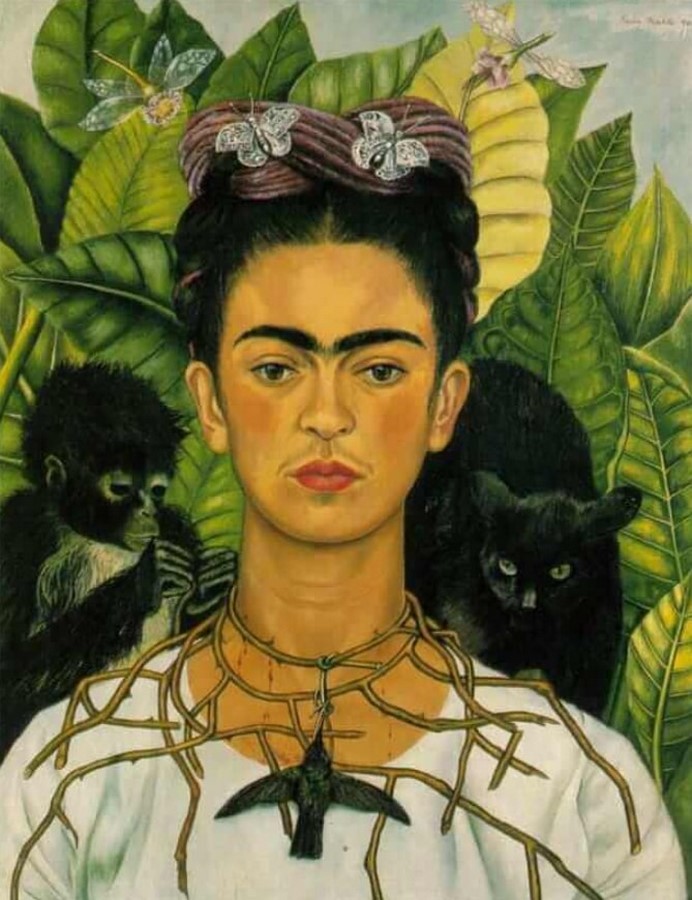
One example of an artist who disrupts societal norms is Frida Kahlo. Through her iconic self-portraits, Kahlo challenged the traditional norms of female beauty and gender roles. Her unapologetic depiction of physical and emotional pain and her exploration of her Mexican heritage defied the expectations placed upon women in both the art world and society at large.
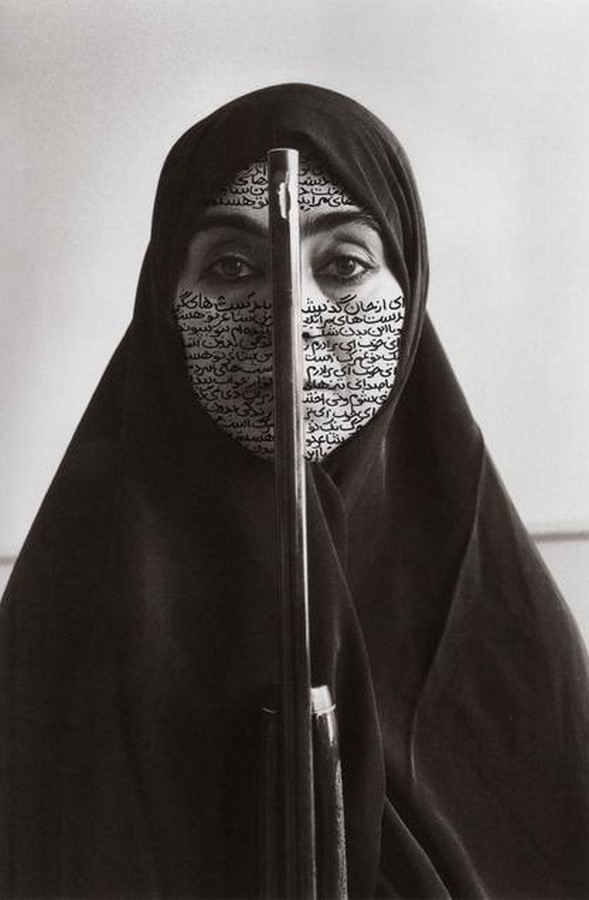
Another artist pushing the boundaries of conventional narratives is Shirin Neshat. Neshat’s photography and video installations explore themes of gender, identity, and the role of women in Islamic societies. Her powerful series ‘Women of Allah’ challenges stereotypical portrayals of Muslim women and confronts viewers with the complexity and diversity of their experiences.
The Digital Renaissance of Activist Art
Art and activism have a rich history of intersection, and with the advent of social media, activist artists are gaining even greater visibility. In the digital age, artists have wholeheartedly embraced technology, pushing the boundaries of artistic activism to unprecedented heights. Social media platforms have emerged as potent tools for artists to express their perspectives and engage with a global audience. Platforms such as Instagram and Twitter have witnessed a surge of artists sharing powerful illustrations, comics, and animations that address urgent social and political issues.
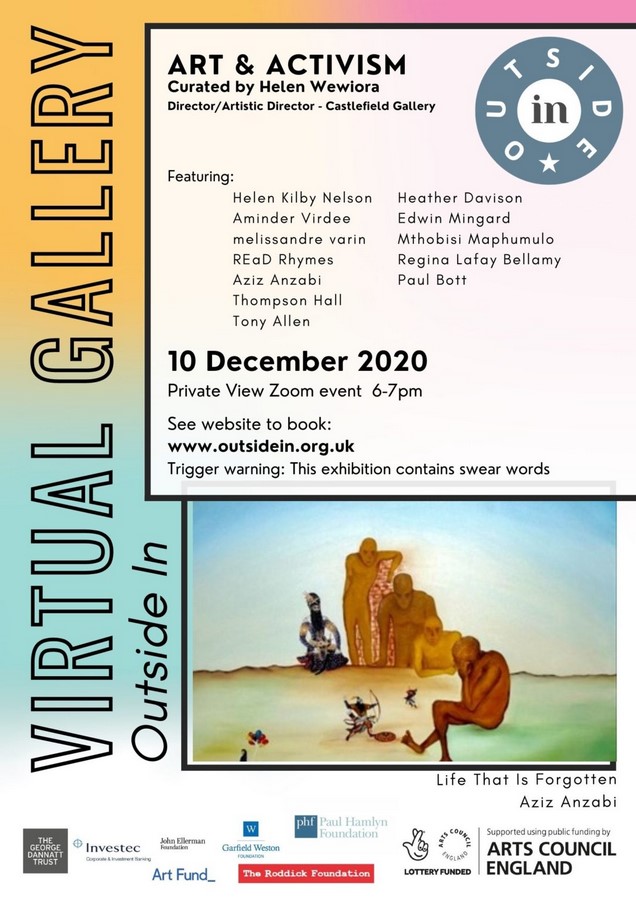
Today, the rise of virtual galleries, interactive installations, and digital platforms has opened up new avenues for engagement and participation in the artistic world. These advancements have ushered in an era of expanded artistic expression and involvement, creating immersive spaces for meaningful dialogue and impactful action.
References
Artincontext (2022) Banksy – the life and works of anonymous street artist banksy, artincontext.org. Available at: https://artincontext.org/banksy/ (Accessed: 30 June 2023).
Author links open overlay panelTeresa Sanz a et al. (2021) Does artistic activism change anything? strategic and transformative effects of arts in anti-coal struggles in Oakland, CA, Geoforum. Available at: https://www.sciencedirect.com/science/article/pii/S0016718521000841 (Accessed: 30 June 2023).
Civil Rights Movement: Timeline, Key Events & Leaders (no date) History.com. Available at: https://www.history.com/topics/black-history/civil-rights-movement (Accessed: 30 June 2023).
Dorothea Lange + migrant mother (no date) The Kennedy Center. Available at: https://www.kennedy-center.org/education/resources-for-educators/classroom-resources/media-and-interactives/media/media-arts/dorothea-lange-migrant–mother/ (Accessed: 30 June 2023).
Footprint modulation: Art, climate and displacement (2020) Crossing Footprints. Available at: https://crossingfootprints.com/footprint-modulation/ (Accessed: 30 June 2023).
Guernica, 1937 by Pablo Picasso (no date) 10 Facts About Guernica by Pablo Picasso. Available at: https://www.pablopicasso.org/guernica.jsp#prettyPhoto (Accessed: 30 June 2023).
An introduction to activist art (2023) TheCollector. Available at: https://www.thecollector.com/introduction-to-activist-art/ (Accessed: 30 June 2023).
Name (no date) Outside in virtual gallery: ‘art & activism’ curated by Helen Wewiora, Outside In. Available at: https://outsidein.org.uk/news/outside-in-virtual-gallery-art-activism-curated-by-helen-wewiora-2/ (Accessed: 30 June 2023).
Ruth Millington (2023) Activist artists: 12 famous protest art examples, Ruth Millington. Available at: https://ruthmillington.co.uk/12-famous-protest-art-examples/ (Accessed: 30 June 2023).
Self-portrait with Thorn Necklace and hummingbird, 1940 (no date) Self-Portrait with Thorn Necklace and Hummingbird, 1940, By Frida Kahlo. Available at: https://www.fridakahlo.org/self-portrait-with-thorn-necklace-and-hummingbird.jsp (Accessed: 30 June 2023).
Timberg, S. et al. (2015) Home, CultureCrash. Available at: https://www.artsjournal.com/culturecrash/2015/02/what-is-a-subversive-artist-anyway.html (Accessed: 30 June 2023).
Trancart, F.-X. (2022) Artwork Anaylsis: Starry night by Van Gogh, Artsper Magazine. Available at: https://blog.artsper.com/en/a-closer-look/artwork-analysis-starry-night-by-van-gogh/ (Accessed: 30 June 2023).
Why did grant wood paint american gothic? (2022) TheCollector. Available at: https://www.thecollector.com/why-did-grant-wood-paint-american-gothic/ (Accessed: 30 June 2023).
Young, Dr.A. and Young, Dr.A. (no date) Shirin Neshat, rebellious silence, women of allah series, Smarthistory. Available at: https://smarthistory.org/shirin-neshat-rebellious-silence-women-of-allah-series/ (Accessed: 30 June 2023).