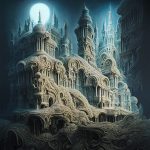
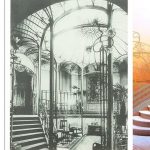
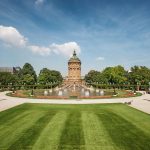
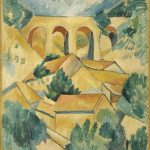
Art in Architecture combines art and science that revolves around space, events, movement, and time. Architecture has been described as ‘ art ‘ due to its creative nature and visual appeal. The fusion of art and architecture has resulted in inspiring and spiritually uplifting designs. Throughout history, different art movements have influenced architecture. In the late 19th and early 20th centuries, Jugendstil, an art nouveau style, emerged, inspired by organic forms and the relationship between humans and nature. This movement translated into architecture with organic lines, nature-inspired motifs, and engineered and natural materials. Another influential art movement was Dadaism, which emerged as a rebellious and revolutionary response to war and capitalist culture. Dada art featured irrational concepts and aimed to ridicule societal norms. These art movements have significantly impacted modern architecture, breaking traditional structures and focusing on simplicity, functionality, and multiple perspectives. These movements have shaped architectural styles globally, from vibrant colours in Art Nouveau to minimalism in the 1960s. Art in Architecture highlights the importance of creativity, emotion, and community beyond mere functionality in the built environment.


The impact of architectural design on art movements
While art has undoubtedly influenced architecture throughout history, it is essential to recognise the reciprocal relationship between the two disciplines. Architectural design has often catalyzed new art movements, pushing artists to explore new techniques and concepts. The Industrial Revolution, for instance, brought about significant changes in architectural design with the rise of steel and glass structures. This newfound architectural landscape inspired artists like Claude Monet and the Impressionists to capture the changing urban environment, resulting in a shift towards more experimental and vibrant artistic styles.
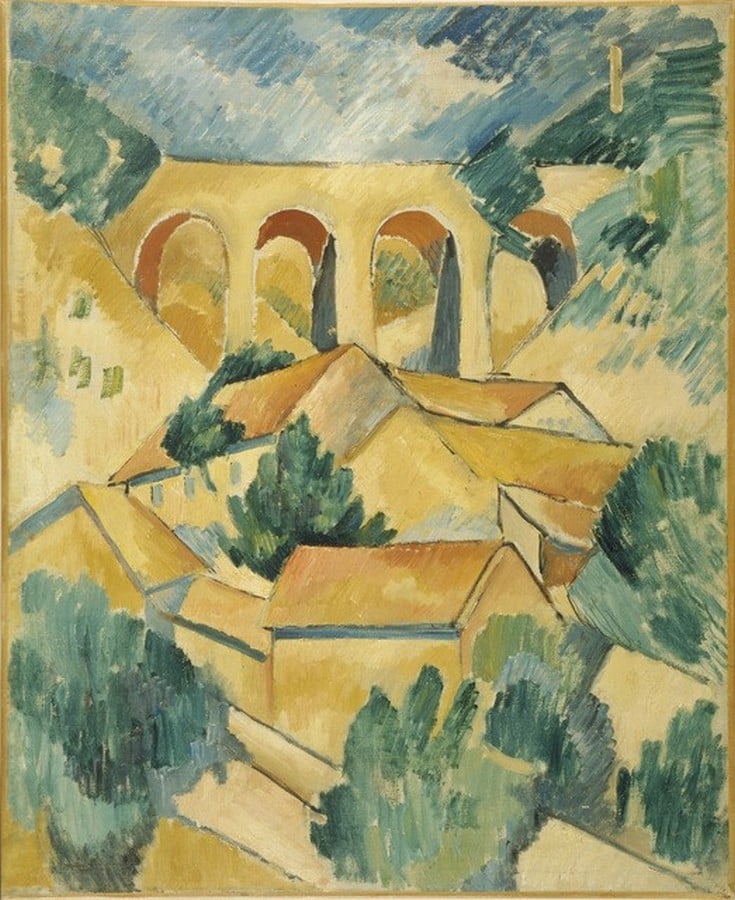
Similarly, the advent of modernist architecture in the early 20th century, characterised by minimalist forms and functional design, influenced art movements like Cubism and Constructivism. Artists like Pablo Picasso and Georges Braque, inspired by modernist architecture’s geometric shapes and clean lines, translated these principles into their paintings, revolutionising the art world. The interplay between art and architecture in this period challenged traditional boundaries and sparked innovation in both disciplines.
Case studies: Examining famous architectural works influenced by art
In order to improve the built environment, whether in cities, workplaces, healthcare facilities, or public green spaces, art and architecture must be interwoven. Eye-catching buildings like The Esplanade and Changi Jewel in Singapore showcase how art can be combined with architecture. Some people hold the opinion that architecture is an art form in and of itself and does not need the presence of artists in the design process. However, the fusion of art and architecture can create something greater than the sum of its parts. For millennia, artists and designers have been attracted to the union of art and architecture. Architects should consider art as a vital aspect of their work, as it can enhance the character of a space and create a more environmentally conscious society. Architecture must not only serve functional needs but also inspire and have an emotional impact. By incorporating art into the design of a structure, it can transform the space and evoke emotions in its occupants. Hanging art on the walls is a simple yet transformative design strategy that can be used to incorporate art into the overall design.
Contemporary examples: How art and architecture continue to intersect
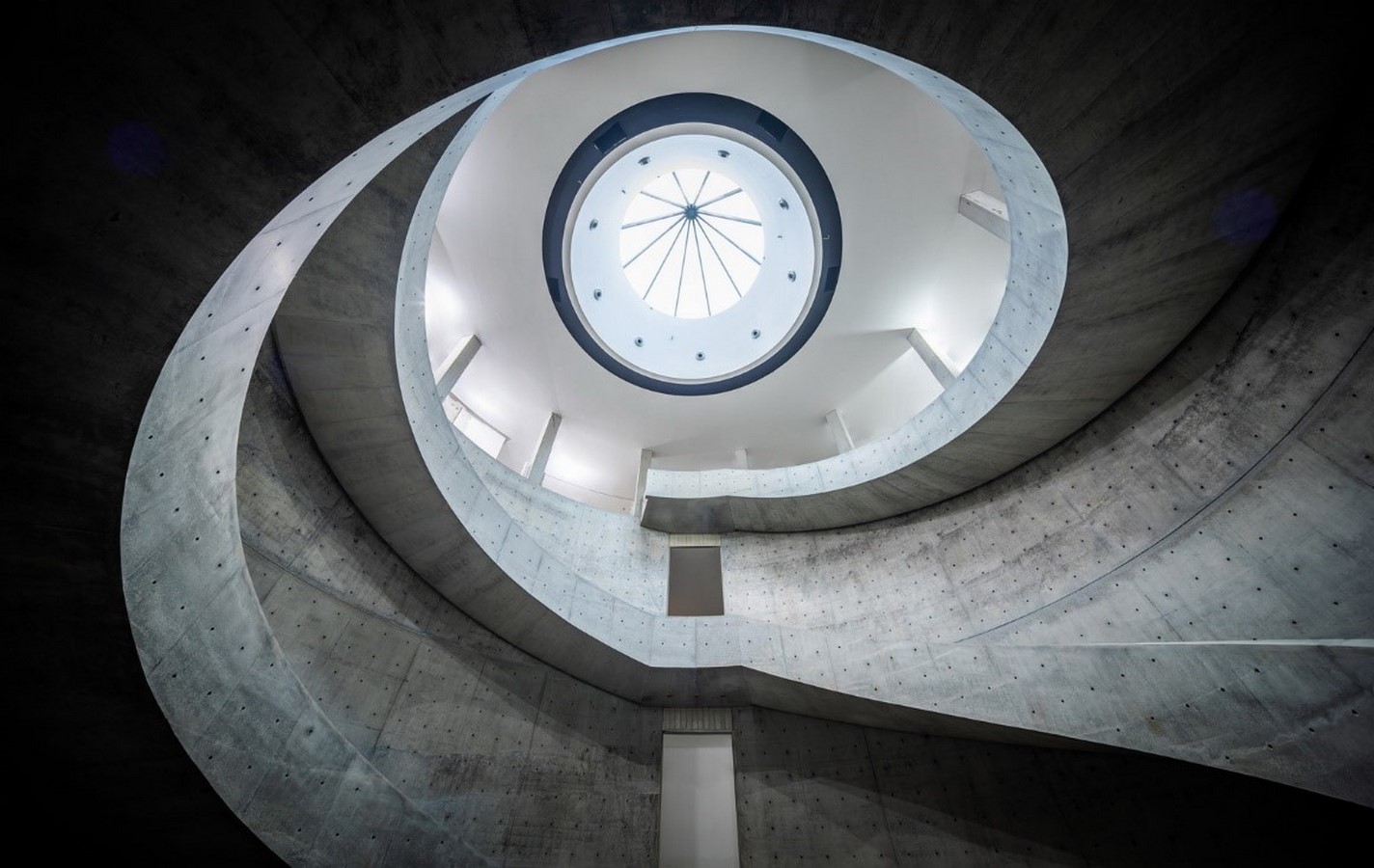
Art and architecture continue to intersect in fascinating ways in contemporary times, with architects and artists collaborating to create immersive spaces that engage and inspire. One such example is the Tokyo Skytree in Japan, designed by architect Tadao Ando. This towering structure, one of the tallest towers in the world, combines architectural prowess with artistic sensibility. Ando’s design incorporates elements of Zen philosophy and traditional Japanese aesthetics, creating a serene and harmonious environment for visitors. The observation decks, with their panoramic views of Tokyo, offer a unique artistic experience, merging the beauty of the cityscape with the architectural marvel.
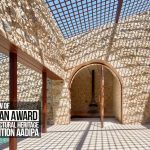
Another noteworthy example is the Louvre Abu Dhabi in the United Arab Emirates, designed by architect Jean Nouvel. This cultural institution combines art, architecture, and nature, creating a mesmerising experience for visitors. Nouvel’s design features a series of interconnected buildings covered by a stunning geometric dome that filters sunlight, creating a captivating play of light and shadows. The architectural design not only complements the art within the museum but also becomes a work of art in itself, blurring the boundaries between the interior and exterior spaces.
The Role of Technology in the Fusion of art and Architecture
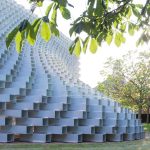
Technology has played a significant role in the fusion of art and architecture, offering new possibilities for collaboration and immersive experiences. The Serpentine Pavilion in London is an annual showcase for this fusion, with renowned architects incorporating interactive installations and digital art. Advancements in parametric design and 3D printing have also revolutionised architectural possibilities, allowing for intricate and innovative structures that blur the lines between art and architecture.

Criticisms and controversies surrounding the integration of art and architecture
Criticisms and controversies exist within this integration. Some argue that architectural designs can overshadow the art within a space, detracting from the intended experience. The allocation of public funds to integrate art into architectural projects is also a point of contention, with some questioning the practicality of such investments.
The future of art and architecture: Emerging trends and possibilities
In the future, sustainability and eco-conscious design will be increasingly important in the fusion of art and architecture. Architects and artists are incorporating sustainable materials and energy solutions into their creations. Additionally, the rise of interactive and immersive experiences through virtual, augmented, and mixed-reality technologies will reshape engagement with art and architecture. These technologies will democratise access to creativity and collaboration, transcending physical limitations.
Reference:
Admin (2021) How can art enhance an architecture, Minimalism.sg. Available at: http://minimalism.sg/how-can-art-enhance-an-architecture/ (Accessed: 02 July 2023).
Saha, S. and Chinurkar, K. (2023) Art in architecture: A strong influence, The Design Gesture. Available at: https://thedesigngesture.com/art-in-architecture-a-prime-influence/ (Accessed: 02 July 2023).
Art Nouveau Architecture: Features & Famous Examples (no date) Gira. Available at: https://www.gira.com/en/en/g-pulse-magazine/architecture/art-nouveau#origins (Accessed: 02 July 2023).