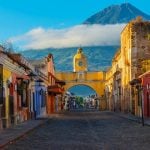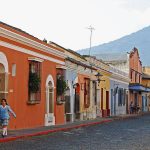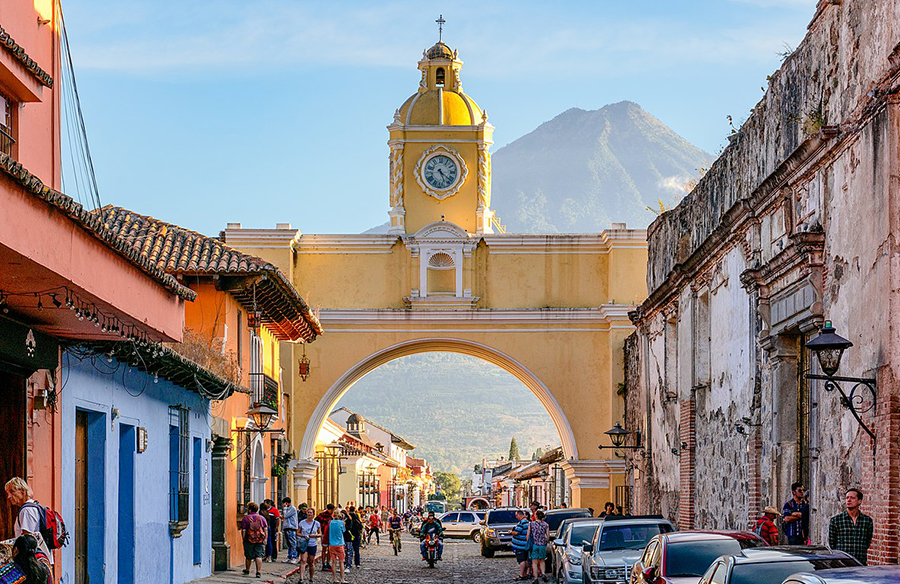
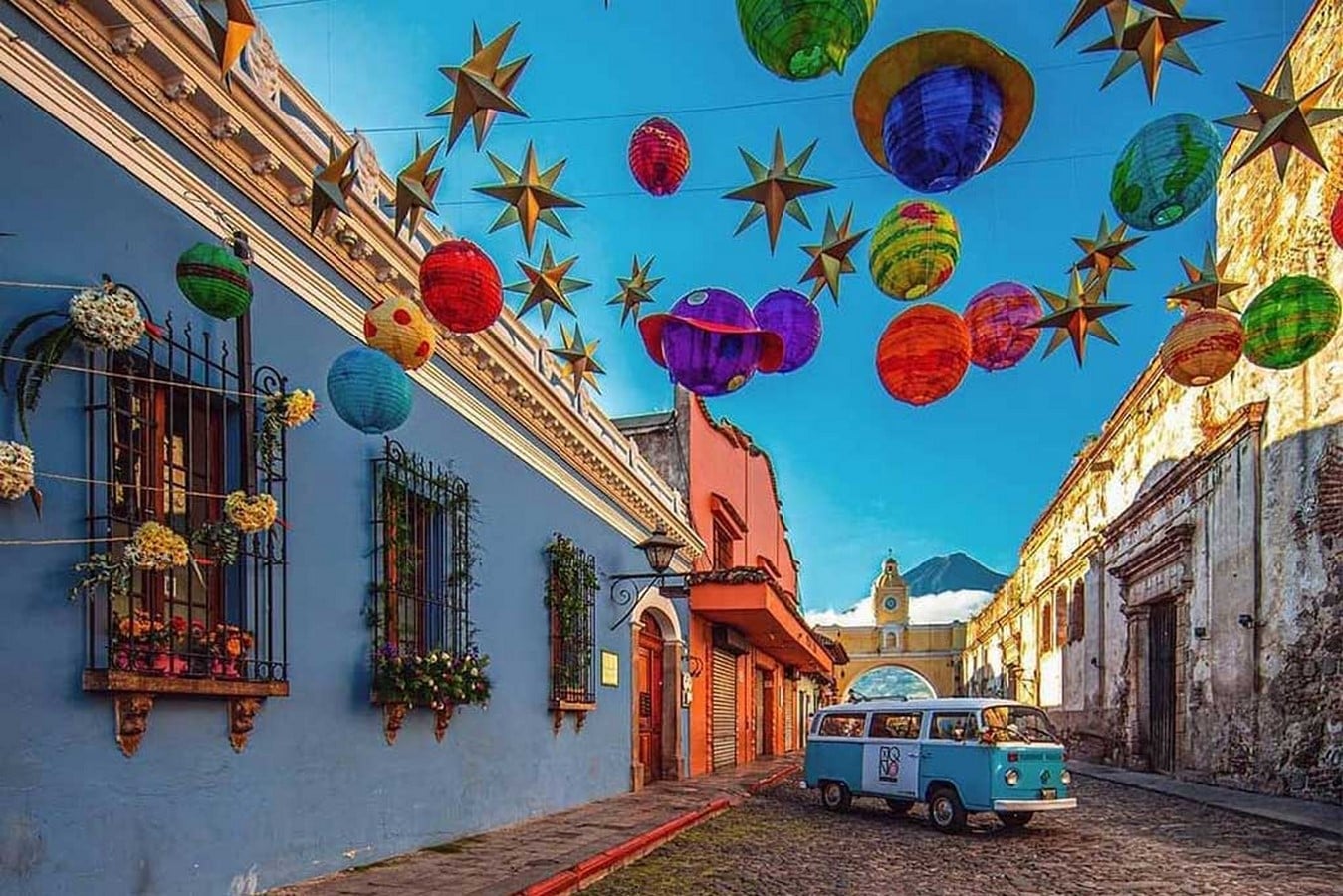
Antigua Guatemala is like your summer color palette before you start painting with a beautiful sunset. It is as colorful as all the different colored flowers we see in a nursery during the spring season, and as vibrant as the differently colored candies when one walks into a candy store. Now that there has been no suspense left in how colorful and vivid this city is, let’s stroll around the town of Antigua Guatemala, learning about it’s architecture, transformative history, and rich heritage.
Resilience of Antigua Guatemala
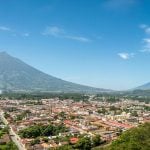
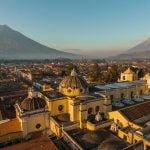
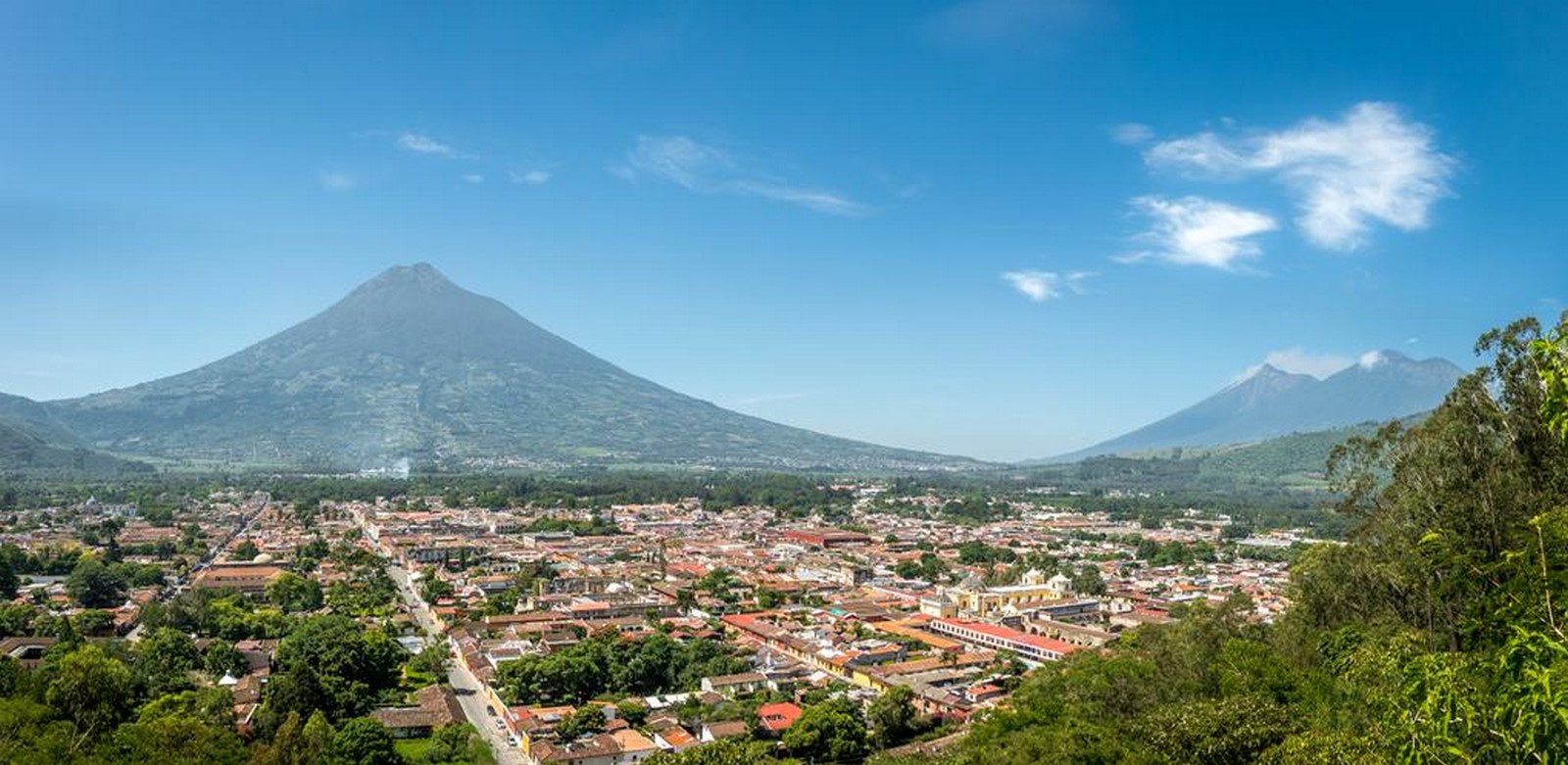
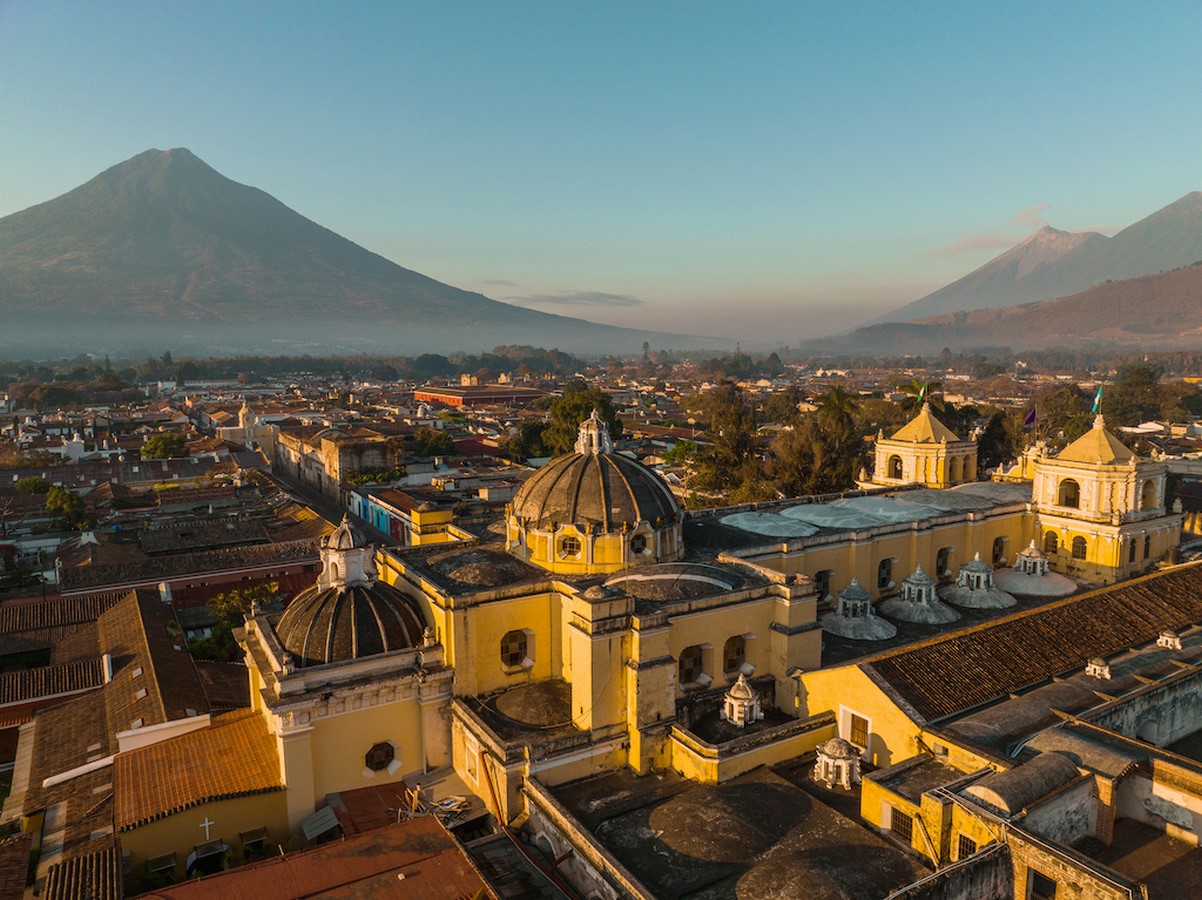
Antigua Guatemala, located in the south of Mexico, is the capital of the Sacatepequez department in the southwestern part of Guatemala. The city is framed by numerous active volcanos. Antigua had multiple starts and relocations before what we see today, the region faced rebelling attacks by the indigenous community and numerous natural disasters. The third relocation of Antigua was resilient against floods, volcanic eruptions, and disruptive earthquakes.
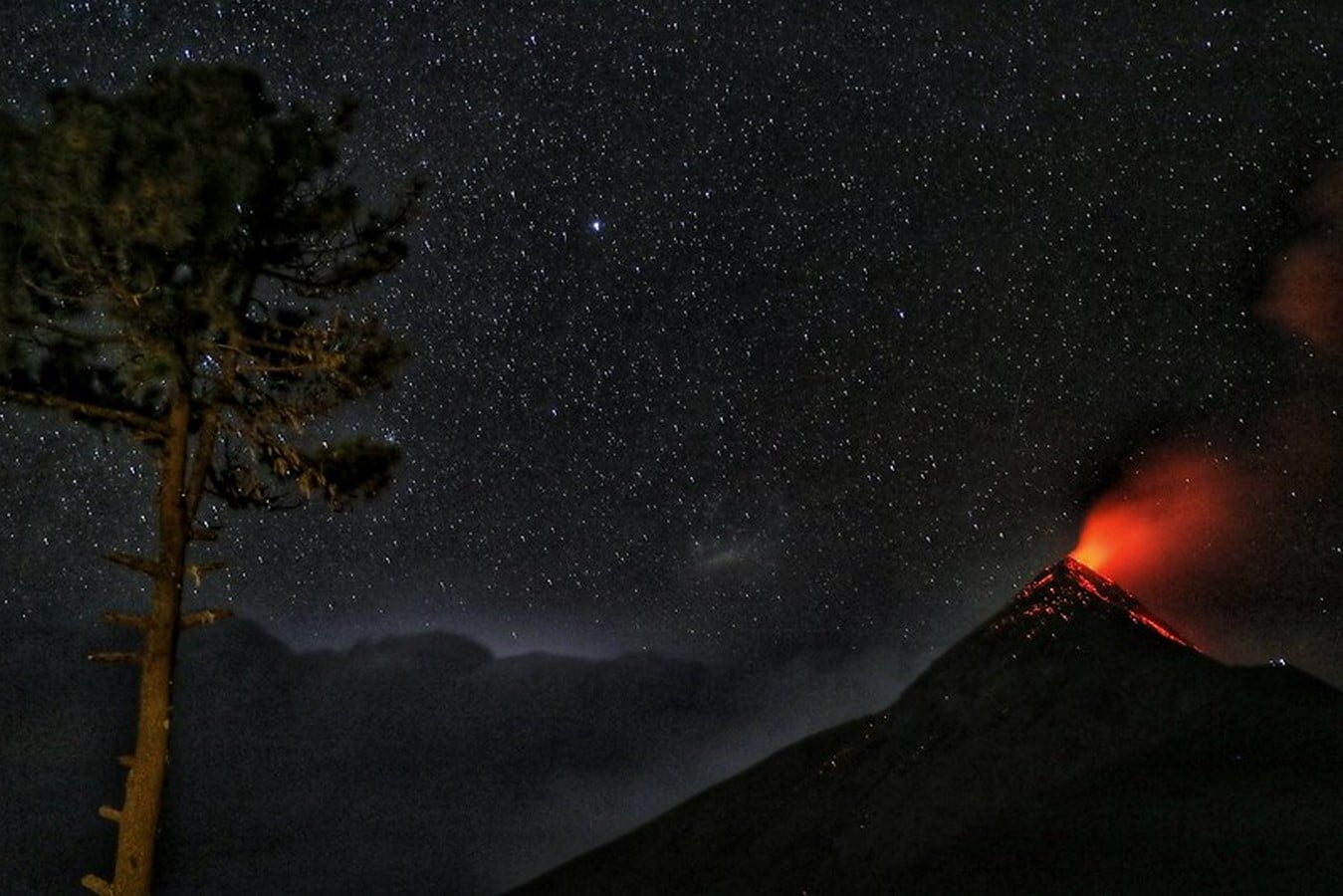
Founded in the 16th century, Antigua was the capital of the Captaincy-General of Guatemala, which survived natural disasters of floods, volcanic eruptions, and other severe tremors until the Santa Marta earthquake that destroyed this capital city in 1773. Few structures and monuments that survived this earthquake are preserved as ruins now. Antigua was an abandoned region until the mid-19th century, which sparked a growing interest when agriculture boomed. “It stands revived today with its vibrant, colonial Spanish architecture, cobblestone streets, and a few earthquake-ruined buildings to tell the story of its past.”
The City and it’s Grid-Pattern Planning
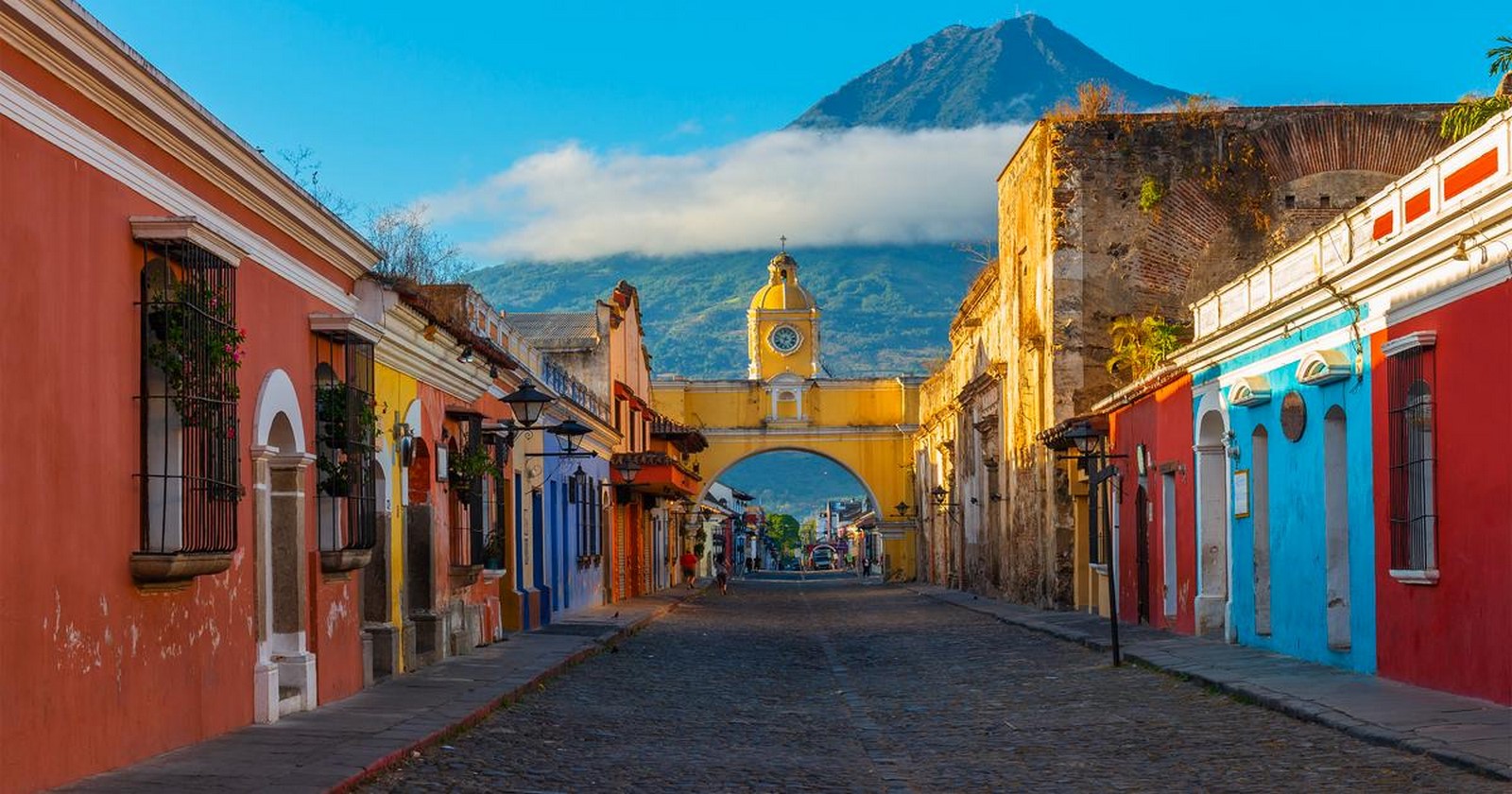
Antigua’s current structures are from the 17th to 18th centuries, although the city’s original 16th-century plan is still apparent and preserved. Antigua is planned and laid in an Italian Renaissance-inspired grid of north-south and east-west cobblestone streets. The idea of planning a city in a grid pattern is traced back to some ancient civilizations and cities of the Aztecs, Ancient Greeks, and the Maya. Guatemala’s indigenous community includes people from the Mayan civilization. The central park, or Parque Central, developed into the heart of the city, where all the activities converged, communities gathered, and businesses grew.
Architectural Time Capsule of Antigua Guatemala
The architectural style of colonial Antigua is an adaptation of Baroque called Barroco Antigueño. Due to technological advancements and industrialization, Baroque architecture and structures were full of complex shapes. Traditional Baroque style – tailored to weather earthquakes with single-story buildings, thick walls, and low bell towers. Distinctive characteristics of this architectural style include the use of decorative stucco for interior and exterior ornamentation, main facades with a central window niche and often a deeply-carved tympanum, massive buildings, and low bell towers designed to withstand the region’s frequent earthquakes.
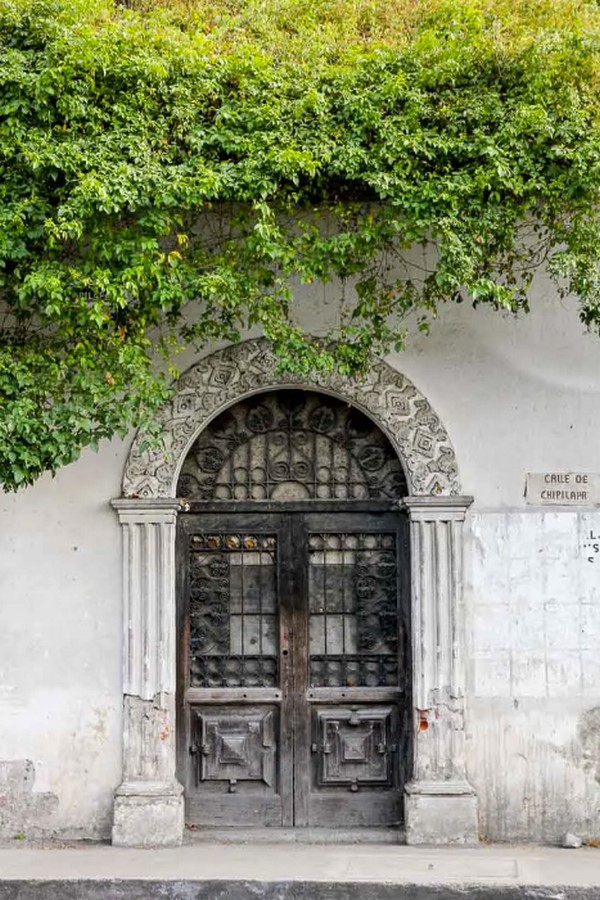
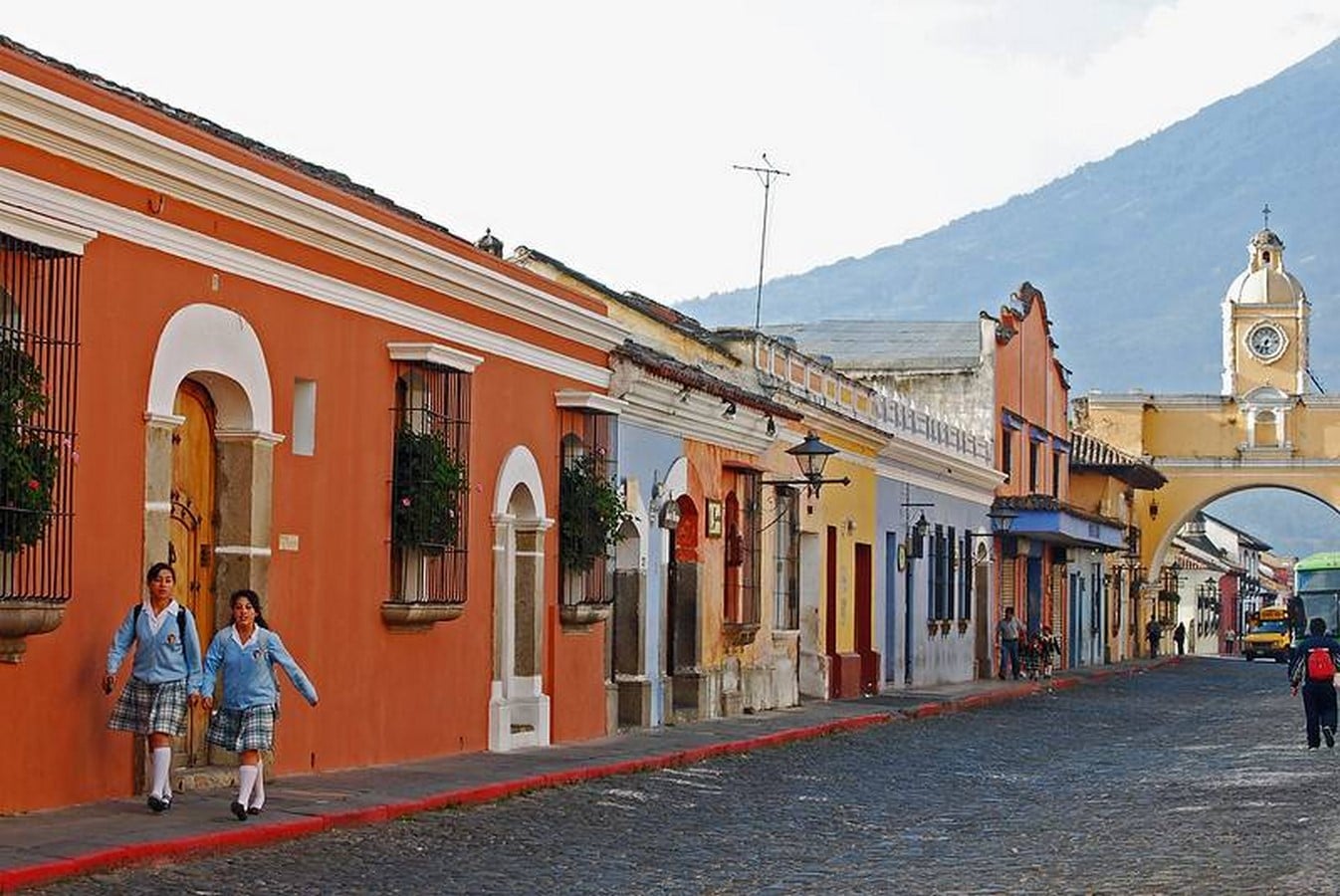
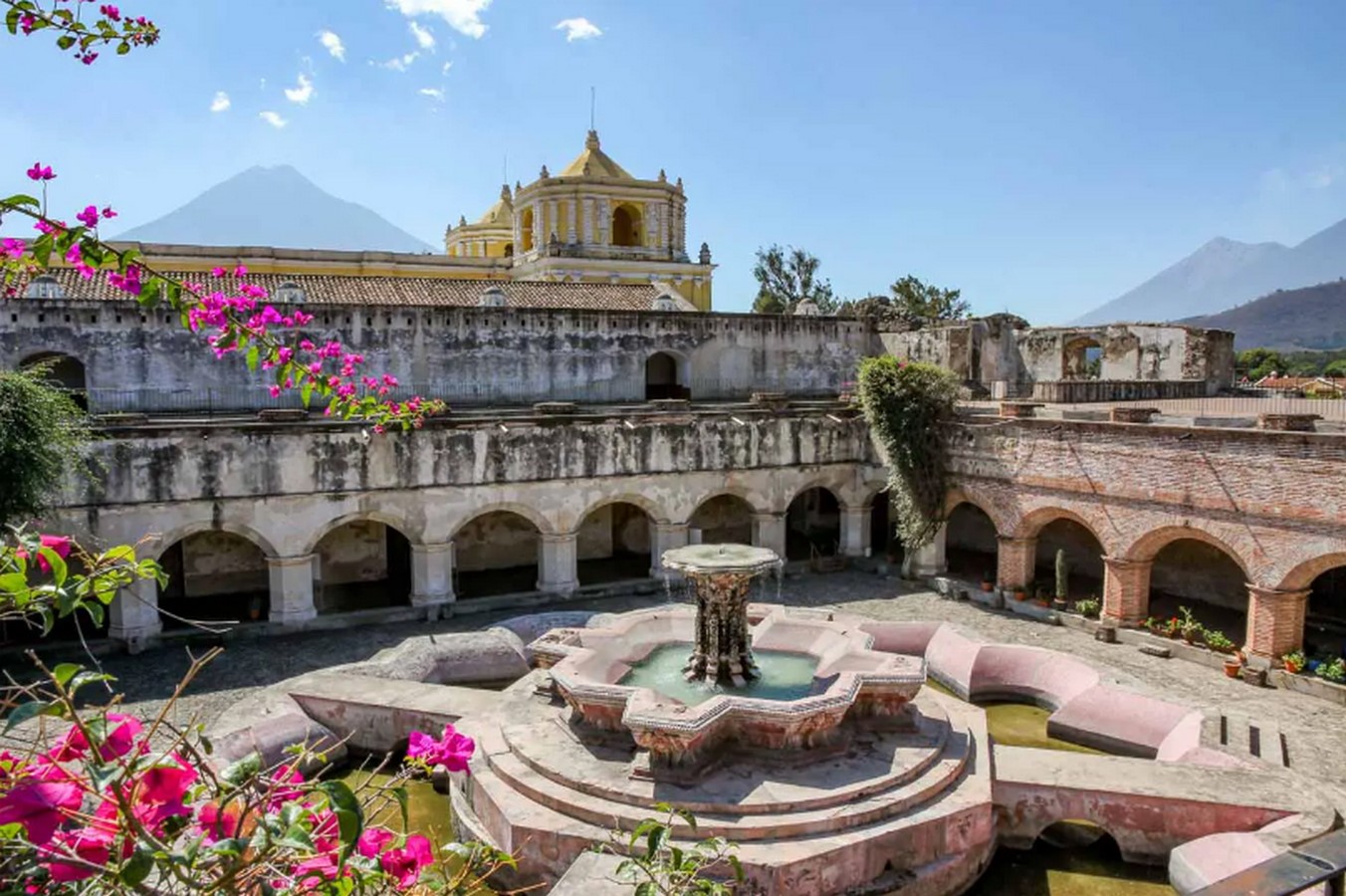
Most surviving public, religious, and civic structures from the 17th and 18th centuries, constitute magnificent examples of colonial architecture. These structures reflect a regional variation in the style known as Barroco antigueño. Some of the significant buildings of Antigua are – the Palace of the Captains General, San Jose Cathedral, the Universidad de San Carlos, and the ruins of churches and monasteries such as Las Capuchinas, La Merced, and Santa Clara.
Influences Seen in the Architecture
Antigua Guatemala has a well-preserved Spanish colonial style architecture, designated a UNESCO world heritage site, ensuring the protection and preservation of it’s architectural and cultural legacies.
Between the 13th and 16th centuries, the Mudéjar style of Architecture reached its peak, around the same time that Guatemala was colonized by the Spanish. In 1524, Antigua was established by conquering the Spanish. One can see numerous Spanish and Islamic influences in the architecture of Antigua. One of the prominent influences is the hexagonal and octagonal-shaped windows of Antigua, these shapes came from Mudéjar, which refers to the application of decorative Islamic art motifs and patterning to Iberian Christian styles of buildings. This style of architecture was prominent in the old Al-Andalus region, which was a Muslim-ruled region, and included Spain and Portugal.
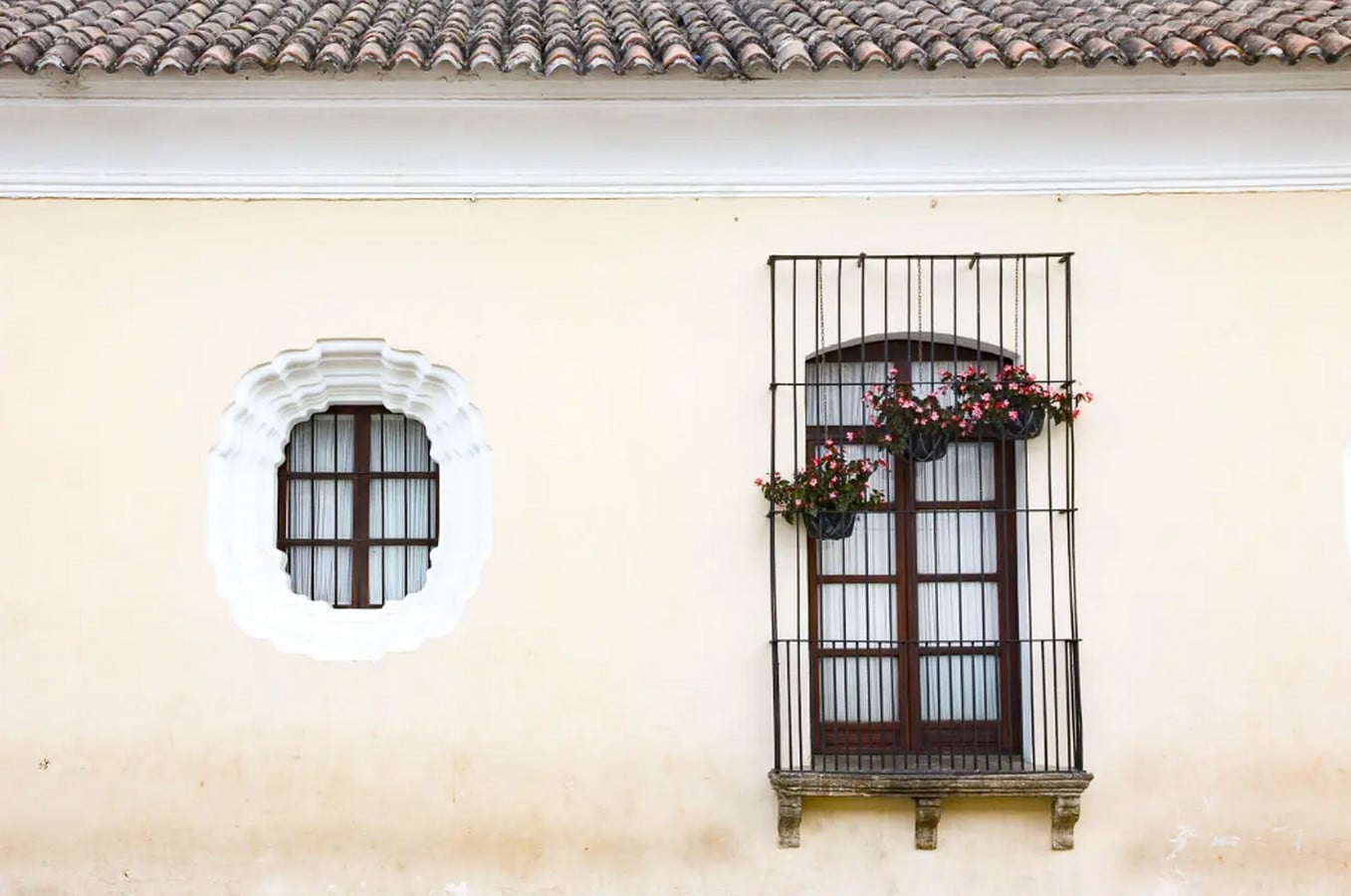
Few borrowed Architectural features from Spanish Baroque – Churrigueresque – decorative stucco carvings, Solomonic columns, and Cupolas – to let light in and smoke out.
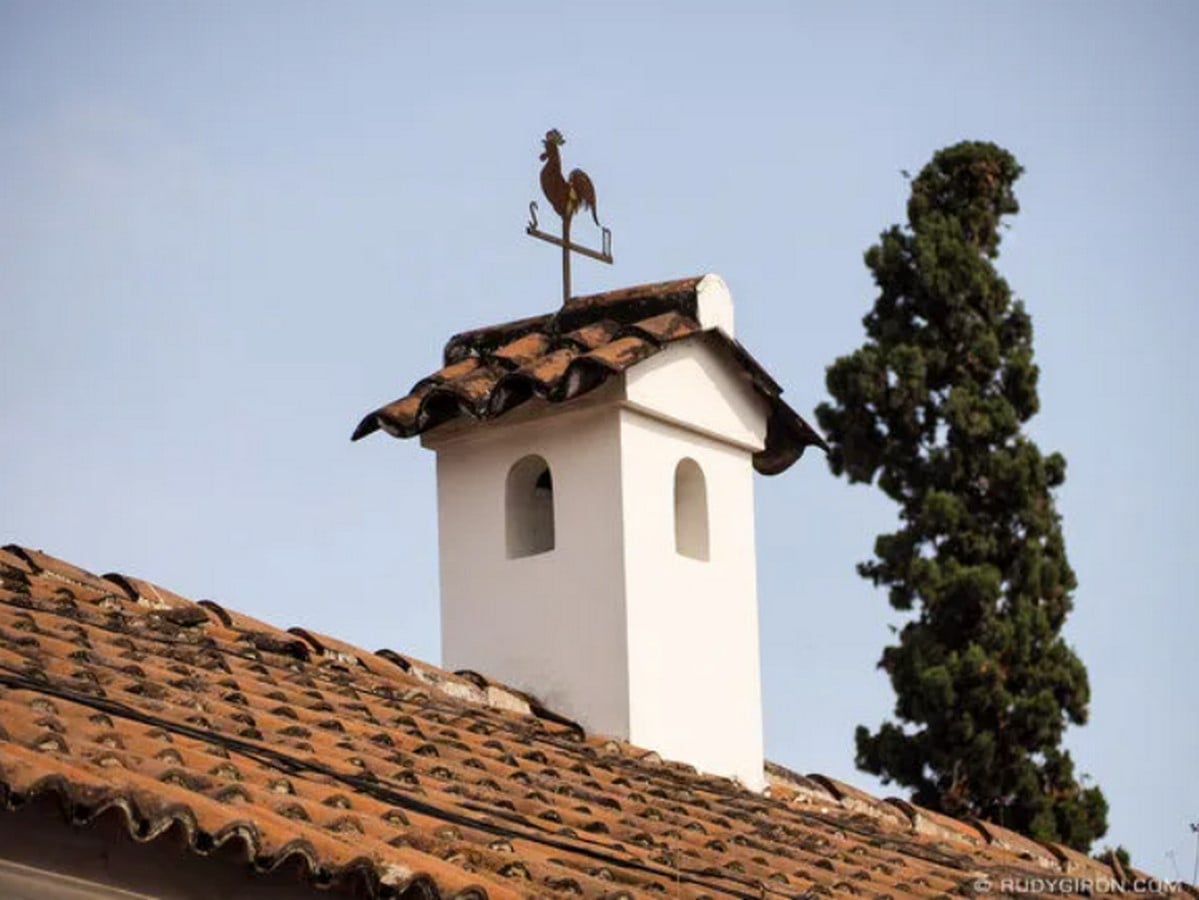
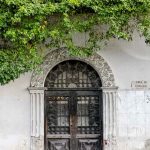
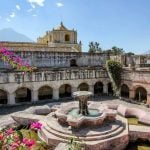
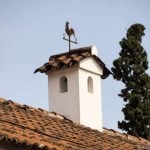
Mediterranean influences in Antigua Architecture include leafy courtyards, low-pitched roofs with terracotta tiles, wooden window grilles, and double heighted-wide wooden-framed openings, with smaller human-sized doors cut within.
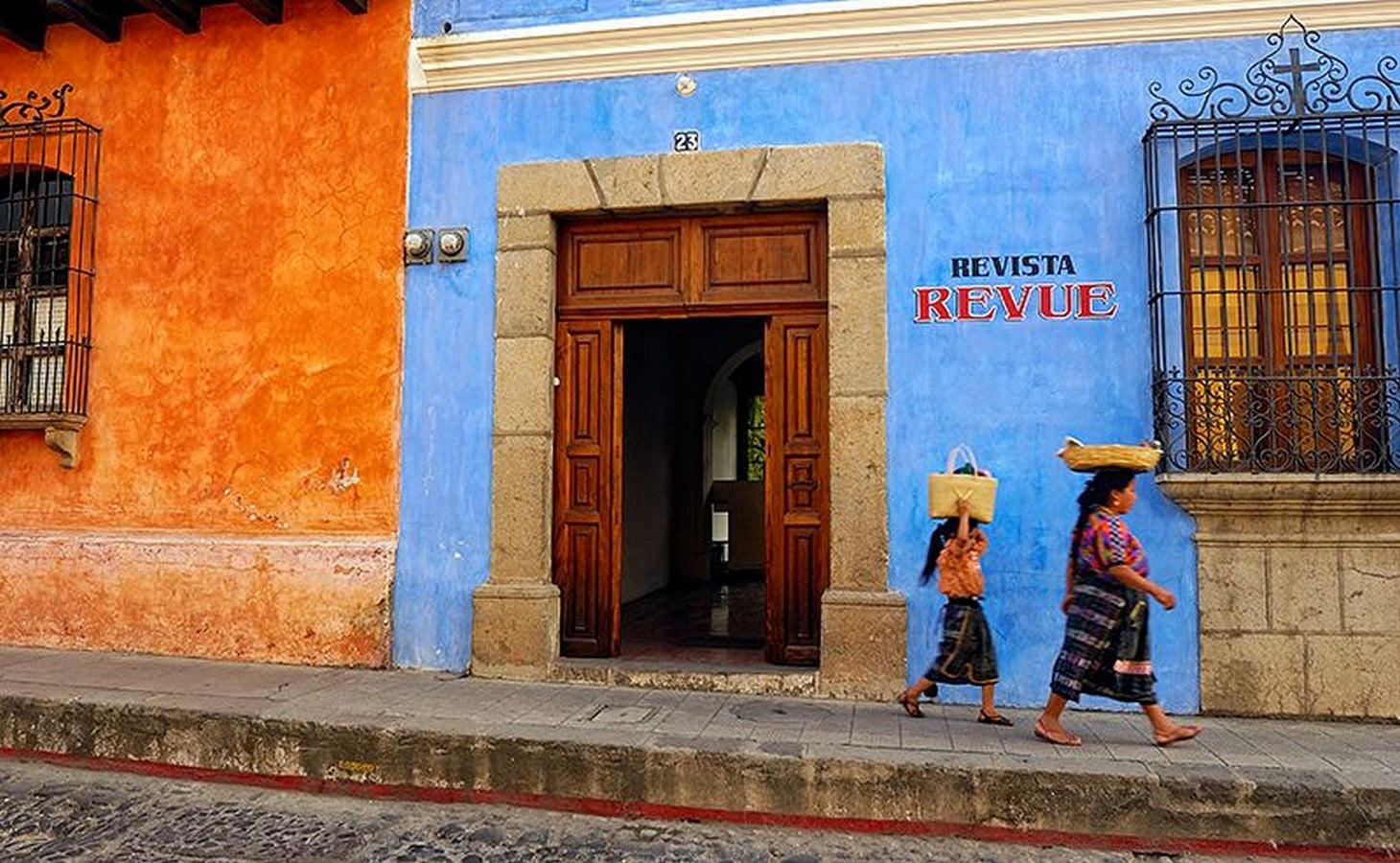
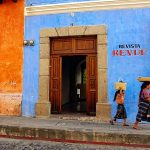
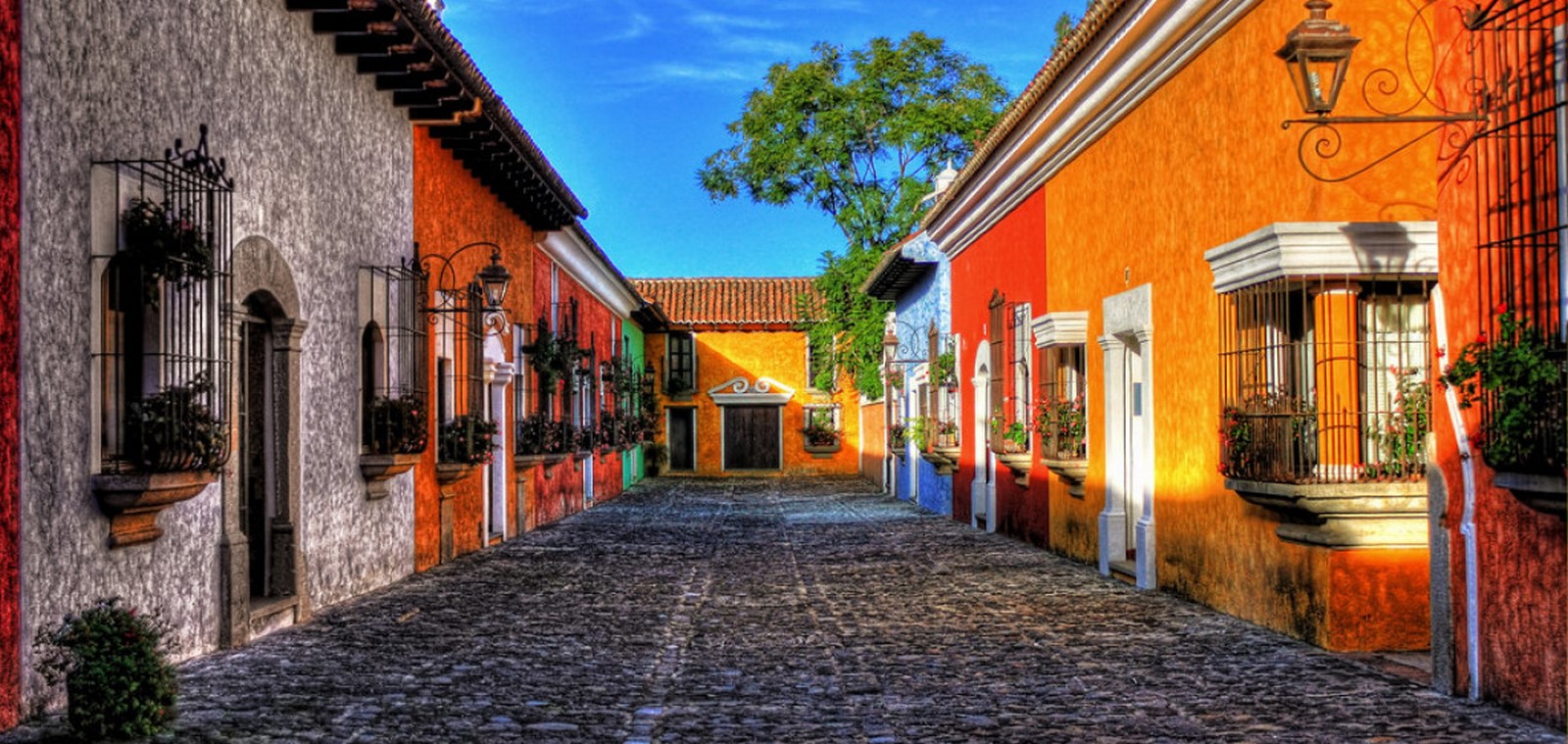
The National Council for the Conservation of Antigua Guatemala (CNPAG) regulates the rainbow of possibilities, with a list of official options based on archaeological studies of lime-based paints that date back to colonial times. The palette includes sky blue, rust, mahogany, ochre, white, and shades of yellow in mustard and maize.
Understanding the Culture
Approximately 40% of Guatemala’s population is indigenous people who are descendants of the ancient Maya. This region witnesses a mix of Spanish and Mayan heritages. Many of these indigenous people produce textiles and handicrafts by largely traditional methods. Their aesthetic is bold, colorful, and rich in symbolism.
References:
ZoZo, M. (2019, April 4). The Incredible Architecture of Antigua, Guatemala. Duende by Madam ZoZo. https://duendebymadamzozo.com/architecture-antigua-guatemala/
Heritage Centre, U. W. (n.d.). Antigua Guatemala. Antigua Guatemala – UNESCO World Heritage Centre. https://whc.unesco.org/en/list/65/
Trimble, M. (2019, January 21). A Guide to Antigua, Guatemala: A Candy-Colored City Framed by Volcanoes. https://www.nytimes.com/2019/01/21/t-magazine/antigua-guatemala-travel-guide.html
Godoy, S. (2022, March 14). The History and Culture of Antigua, Guatemala. Homeschool Spanish Academy. https://www.spanish.academy/blog/the-history-and-culture-of-antigua-guatemala/
ZoZo, M. (2019, March 14). Don’t Miss These Stunning Ruins in Antigua, Guatemala. Duende by Madam ZoZo. https://duendebymadamzozo.com/ruins-antigua-guatemala/
- (2022, July 30). 5 Things to do in Antigua, Guatemala. 5 Things to Do in Antigua, Guatemala – Peach’s Passport. https://peachspassport.com/2022/07/30/5-things-to-do-in-antigua-guatemala/