In today’s era of globalization, the field of architecture faces a unique challenge: striking a delicate balance between global relevance and the preservation of local cultural identity. As societies become increasingly interconnected, architectural designs risk losing their distinctiveness and cultural significance. This article explores the impact of globalization on cultural identity in architectural design and delves into how architects can navigate this landscape, incorporating global influences while reflecting local context.
Globalization has fostered a sense of universality in architectural design, with ideas and influences easily accessible across borders. While this interconnectedness has its advantages, there is a danger of homogenization, where buildings and spaces lose their cultural distinctiveness (Orf and Wafi #). Many contemporary architectural designs prioritize global influences, often favoring sleek and modernist structures that may overlook local context. These designs, while visually appealing, may fail to establish a meaningful connection with the community they serve.
Context Sensitivity Design
To address the challenge of preserving cultural identity, architects are increasingly recognizing the importance of context-sensitive design. Incorporating elements that reflect the local culture, history, and environment is crucial to ensuring that architecture remains a reflection of the community it serves. This can be achieved through the use of indigenous materials, traditional building techniques, and vernacular architectural styles (Ashfina #). By embracing these elements, architects can create structures that not only respond to the local climate and environment but also celebrate and preserve cultural identity.
Blending Tradition and Modernity
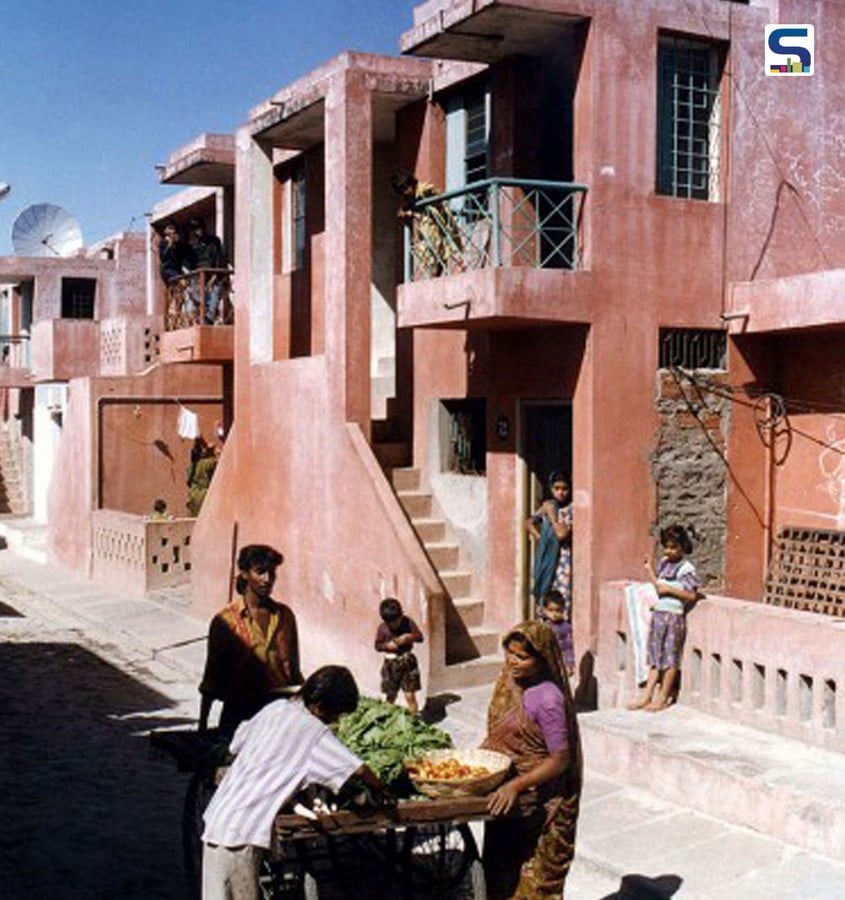
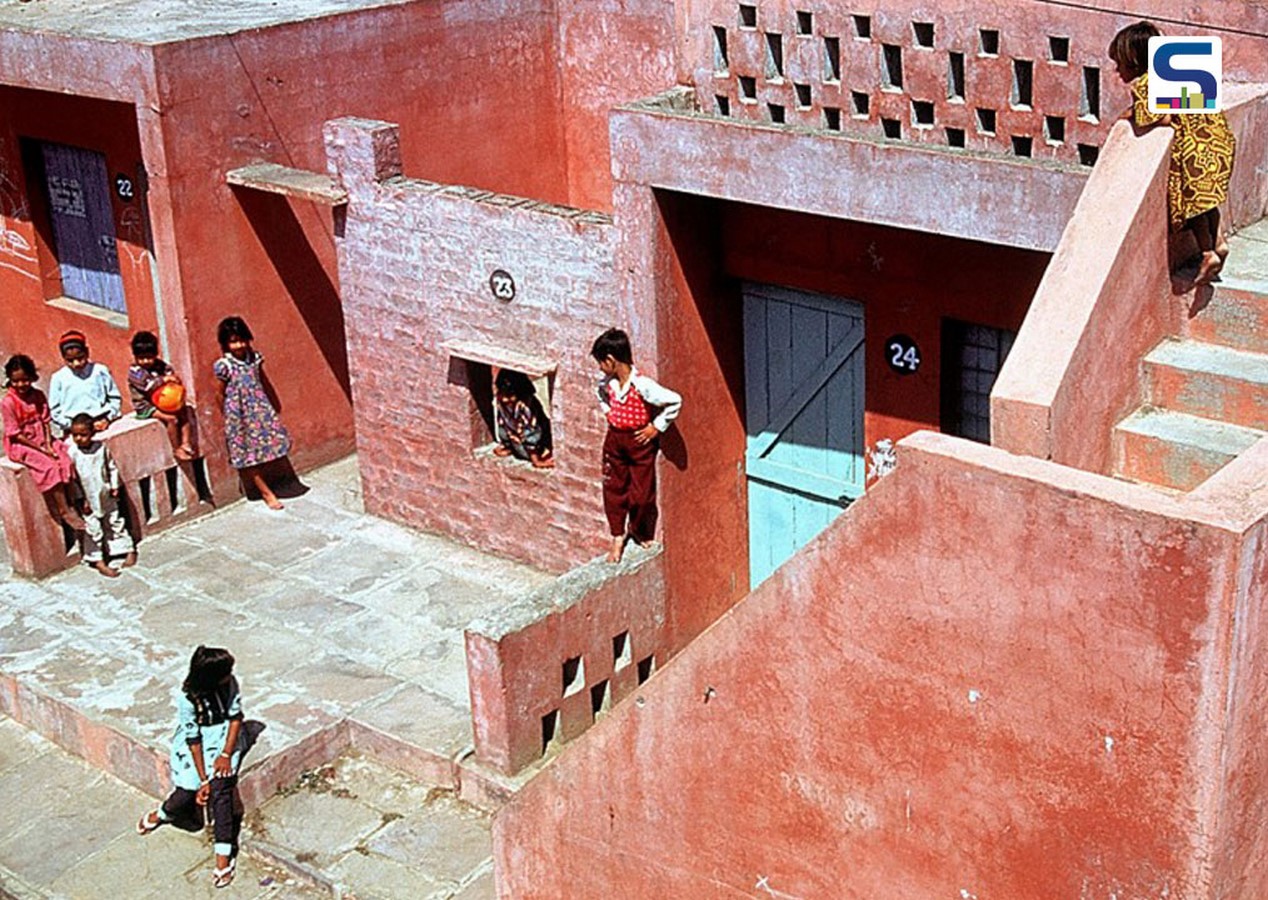
For instance, Architect Balkrishna Doshi is renowned for his approach to balancing the desire for global relevance with the need to reflect local culture and context. Doshi’s perspective emphasizes the importance of integrating global ideas and technologies while staying rooted in the cultural identity of the communities he serves. Doshi believes that architecture should be a reflection of the society it is built for. He recognizes that the process of globalization brings new ideas, materials, and technologies that can enhance architectural design. However, he also understands that an excessive emphasis on global influences can result in the loss of cultural identity and a disconnect from the local context.
To address this challenge, Doshi incorporates traditional Indian architectural elements and concepts into his designs. By embracing the principles of Indian architecture, such as the use of courtyards, passive cooling techniques, and spatial relationships inspired by Indian traditions, Doshi ensures that his buildings resonate with the local culture and environment. Doshi’s approach goes beyond surface-level aesthetics. He believes that architecture should be a response to the social, cultural, and environmental context in which it exists. For him, the design process involves deep engagement with the community and understanding their needs, aspirations, and cultural values (Balsavar). By involving the local community in the decision-making and design stages, Hei ensures that the final architectural solutions are shaped by the people who will inhabit and use the spaces.
Participatory Design and Community Engagement
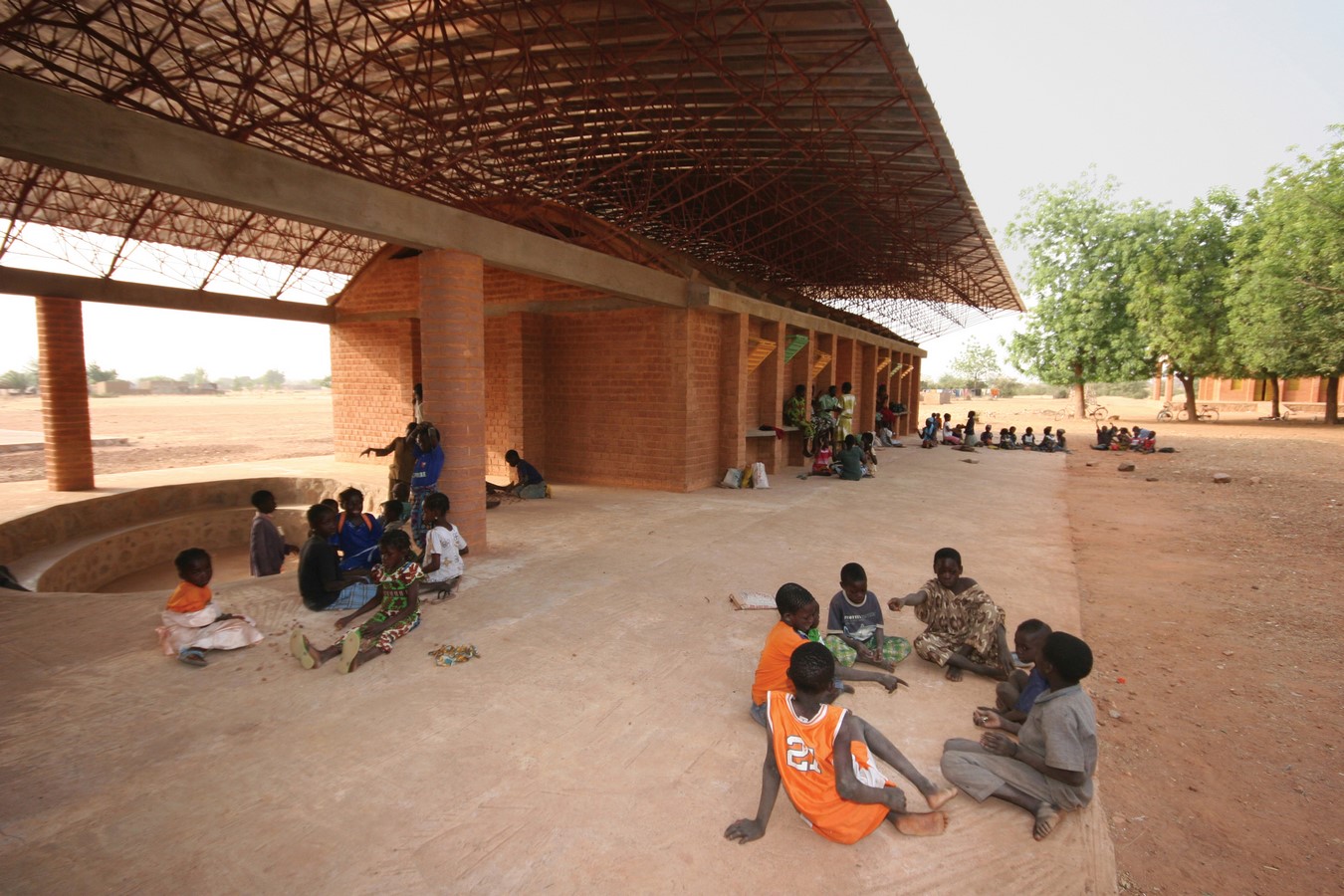
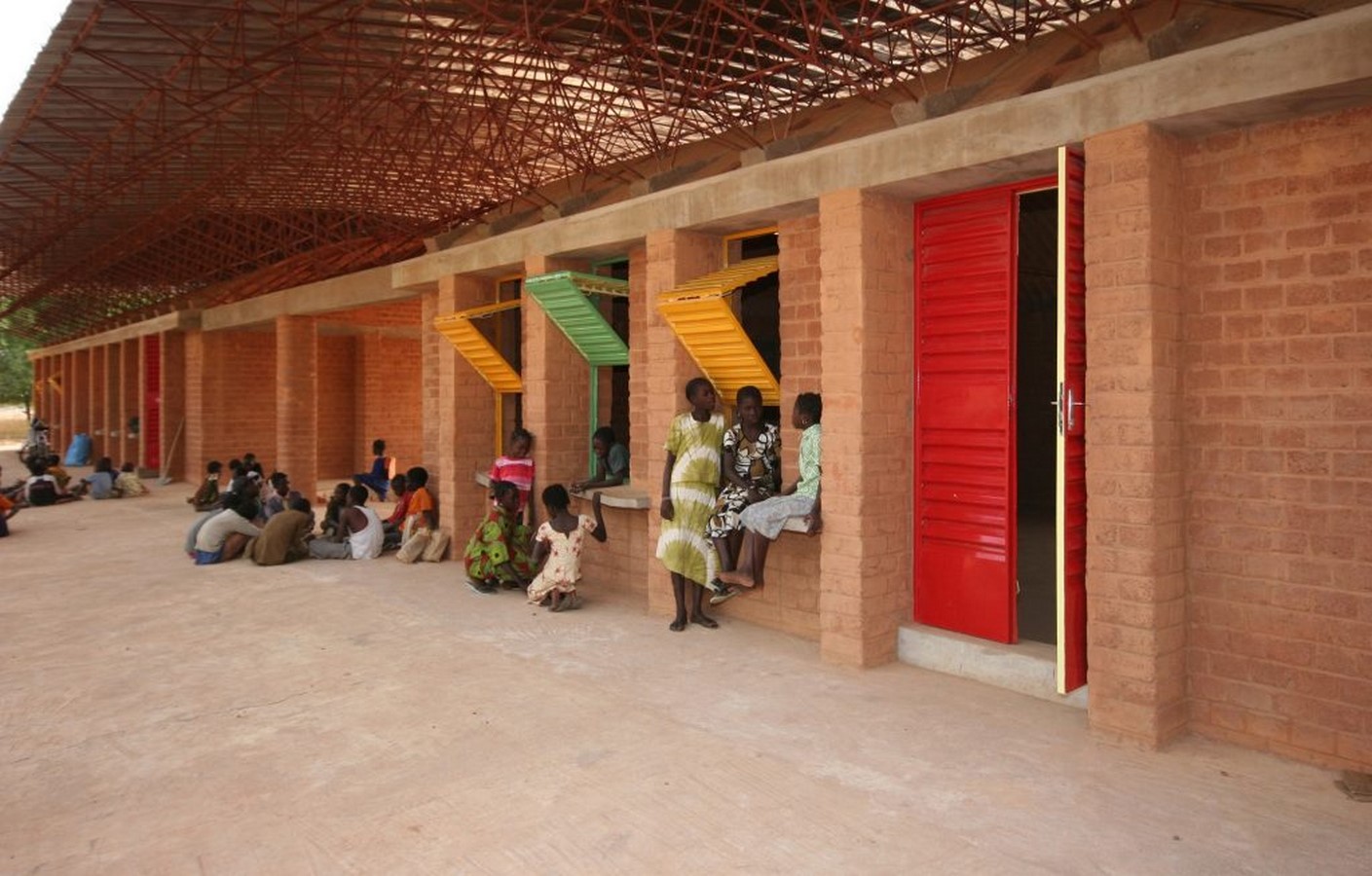
One way architects can ensure the preservation of cultural identity is by engaging local communities in the design process. Participatory design empowers the community and allows their voices, needs, and aspirations to be heard and reflected in the architecture. Architects can create spaces that foster a sense of ownership, pride, and cultural continuity by involving the community from the beginning. Architect Diébédo Francis Kéré from Burkina Faso is a prime example of community-centered design, with his collaborative approach and involvement of local communities in decision-making processes. In his projects, such as the Gando Primary School, he actively involves local communities, encouraging their participation and incorporating their insights. The Gando Primary School incorporates traditional building techniques, locally-sourced materials, and passive ventilation systems, all while adhering to modern educational standards (Denny). Kéré’s plans not only reflect the cultural values and aspirations of the communities they serve but also contribute to their social and economic development.
The Balance Between Globalization and Local Context
Balancing globalization and local context does not imply rejecting outside influences or isolating oneself from the world. Instead, it involves integrating global ideas and technologies with a deep understanding of local culture and context. Architects have a crucial role in this process. By approaching architecture as a bridge between tradition and modernity, they can create vibrant and meaningful built environments that reflect both global and local influences. This balance allows architecture to evolve while preserving cultural identity.
In an increasingly globalized world, the preservation of cultural identity in architectural design is of paramount importance. Architects play a vital role in this endeavor, navigating the challenges of globalization while maintaining a deep connection to the local context. By incorporating context-sensitive design, engaging local communities, and striking a balance between global relevance and cultural preservation, architects can create buildings and spaces that celebrate and reflect the unique cultural identities of the communities they serve. In doing so, architecture becomes a powerful tool for bridging tradition and modernity, enriching our built environments with both global influences and the rich tapestry of local culture.
Works Cited
Ashfina T. Redefining Cultural Identity Through Architecture, vol. 5, no. 7, 2014, pp. 159-164. chrome-extension://efaidnbmnnnibpcajpcglclefindmkaj/https://www.ijser.org/researchpaper/Redefining-Cultural-Identity-Through-Architecture.pdf. Accessed 11 06 2023.
Balsavar, Durganand. “Remembering B.V. Doshi (1927-2023): Visionary architect and institution builder.” Frontline, 27 January 2023, https://frontline.thehindu.com/other/obituary/remembering-bv-doshi-1927-2023-visionary-architect-and-institution-builder/article66440158.ece. Accessed 11 June 2023.
Denny, Phillip. “An In-Depth Look at Pritzker Prize Winner Diébédo Francis Kéré’s Radical Approach.” Architectural Digest, 26 May 2022, https://www.architecturaldigest.com/story/pritzker-prize-winner-diebedo-francis-keres-radical-approach. Accessed 11 June 2023.
Orf, Hazem Abu, and Sulaiman Wafi. Investigating the Relation Between Culture and Architecture: The Case of Rasem Badran’s Style of Architecture, 2022. SpringerLink, https://link.springer.com/chapter/10.1007/978-3-030-99480-8_11. Accessed 11 06 2023.