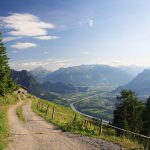
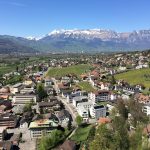
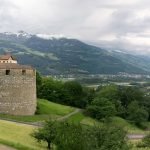
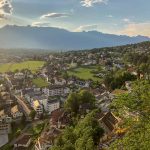
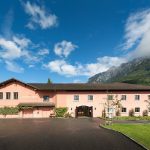
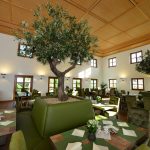
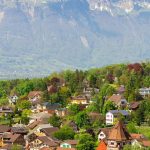
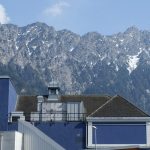
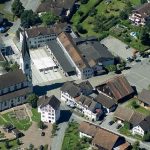
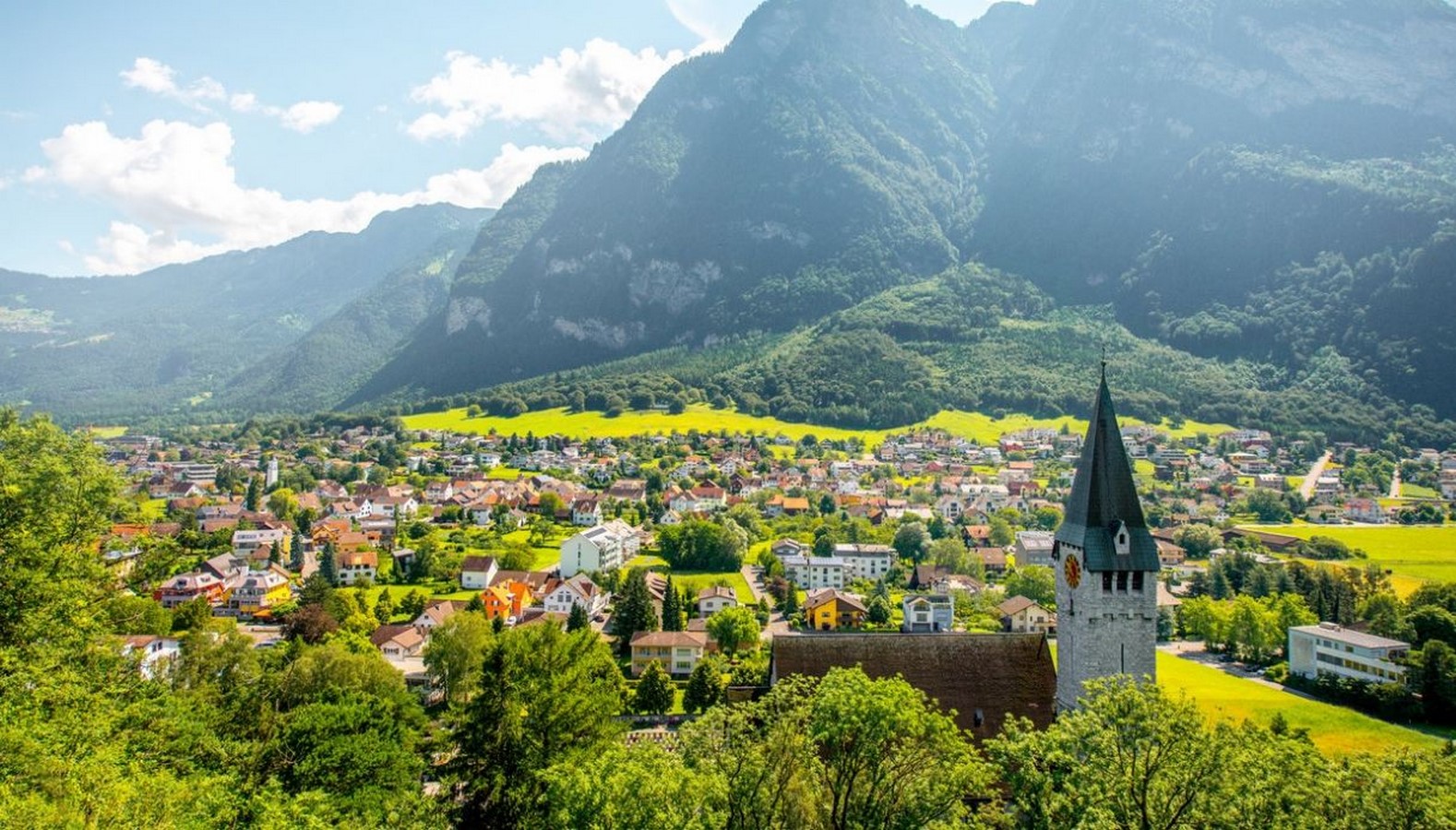
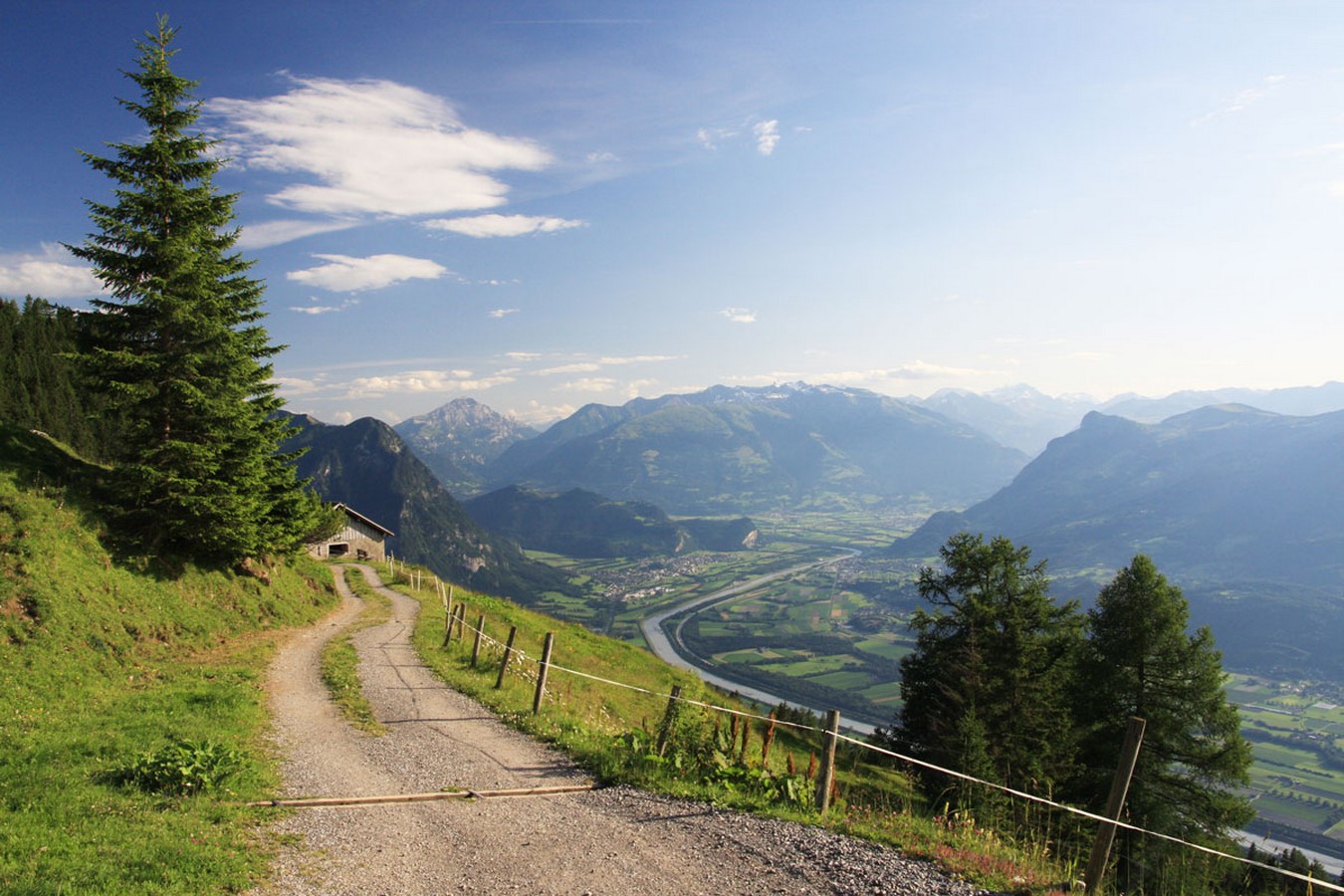
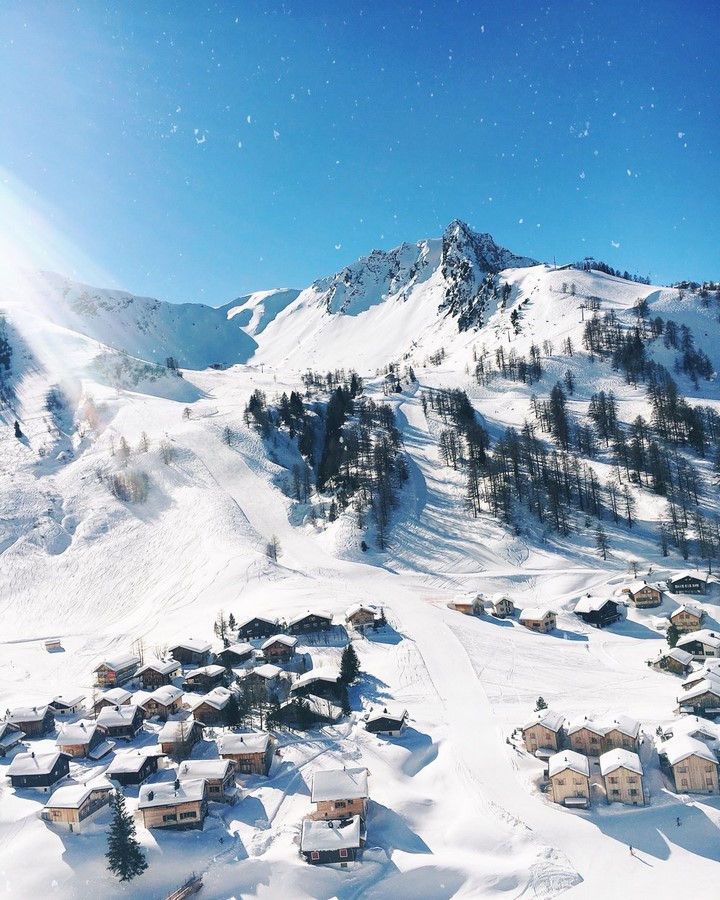
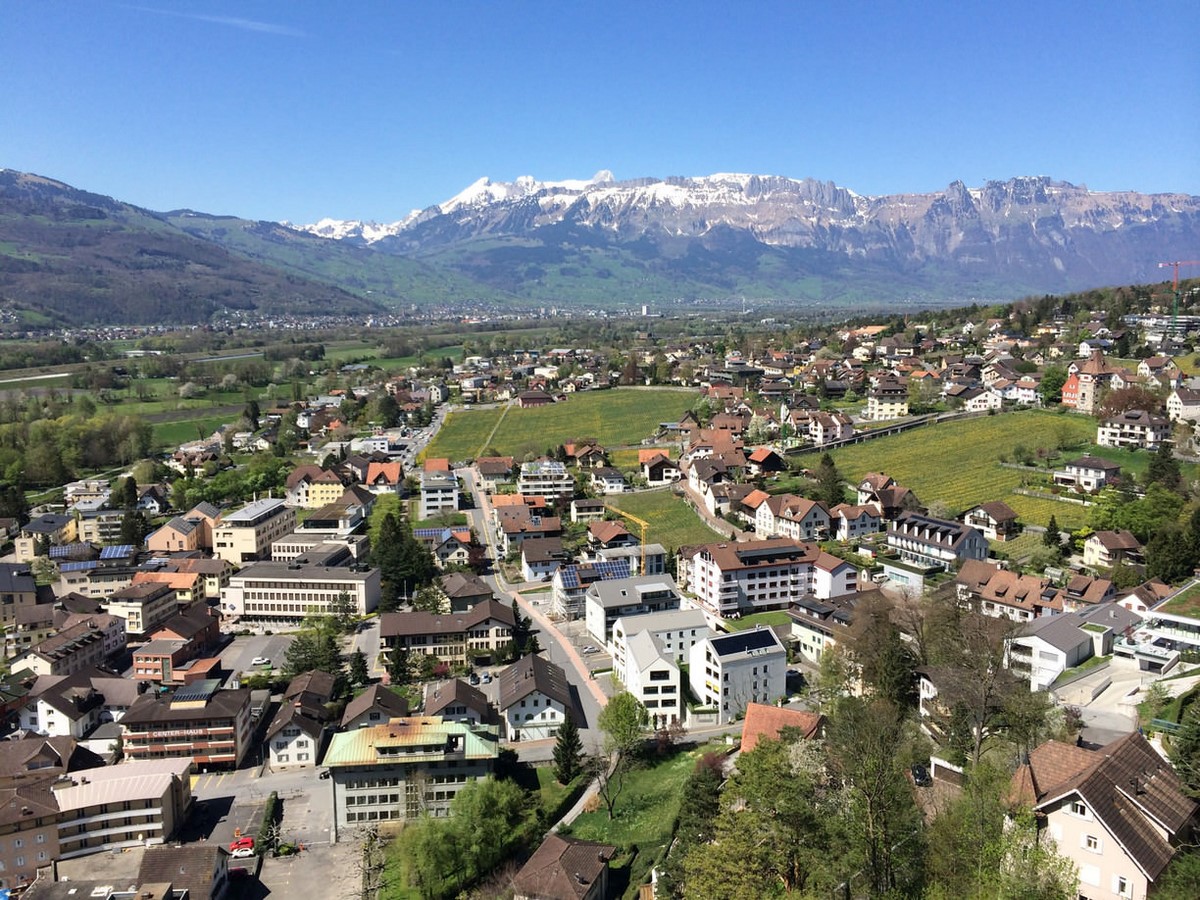
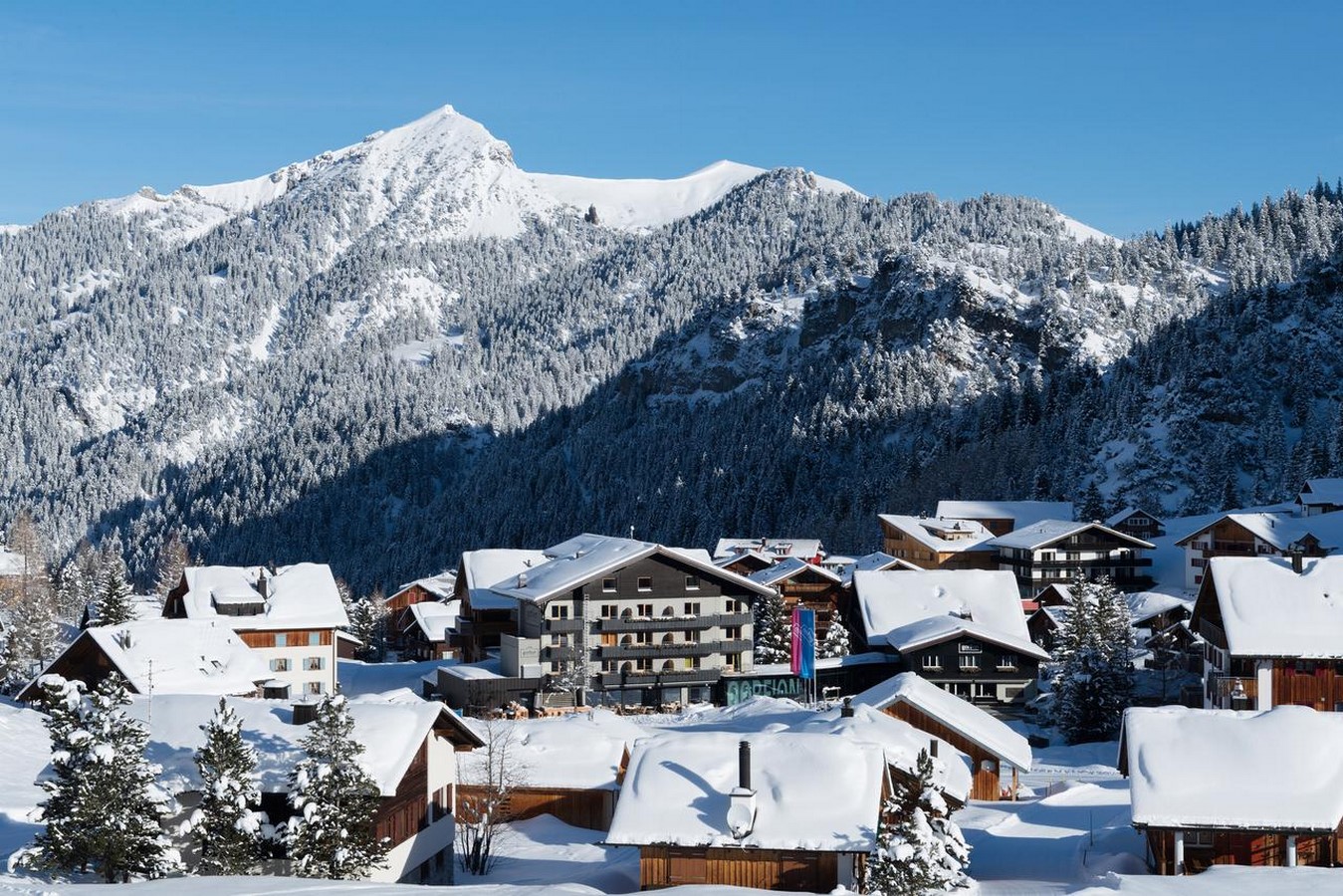
Liechtenstein, the sixth smallest country in the world situated between Switzerland and Austria is definitely not short on the wonderful places, views, and hikes it offers to its visitors. A fairy-tale country ruled by a monarch just celebrated its 300th anniversary as a sovereign state in 2019. Liechtenstein is a hidden gem, travelled by a few to ruin your sight-seeing is spread across an area of just 62 square miles; extending picturesque sights of the great Alpines and the river Rhine. An architect’s delight seeking cultural heritage Liechtenstein has some of the most unique museums, stunning historic sites, turreted castles, medieval villages, and cathedrals. Along with that, the country also offers beautiful hiking trails in summer, skiing in winters, and plenty of other outdoor activities.
Here is a list of 15 Places to visit in Lichtenstein for the Travelling Architect
1. Schloss Vaduz
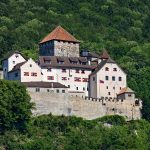
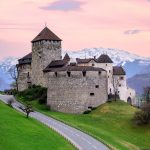
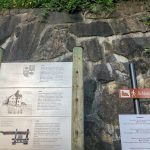
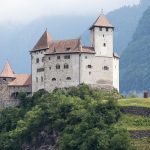
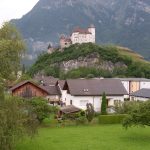
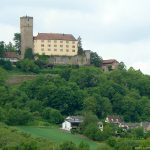
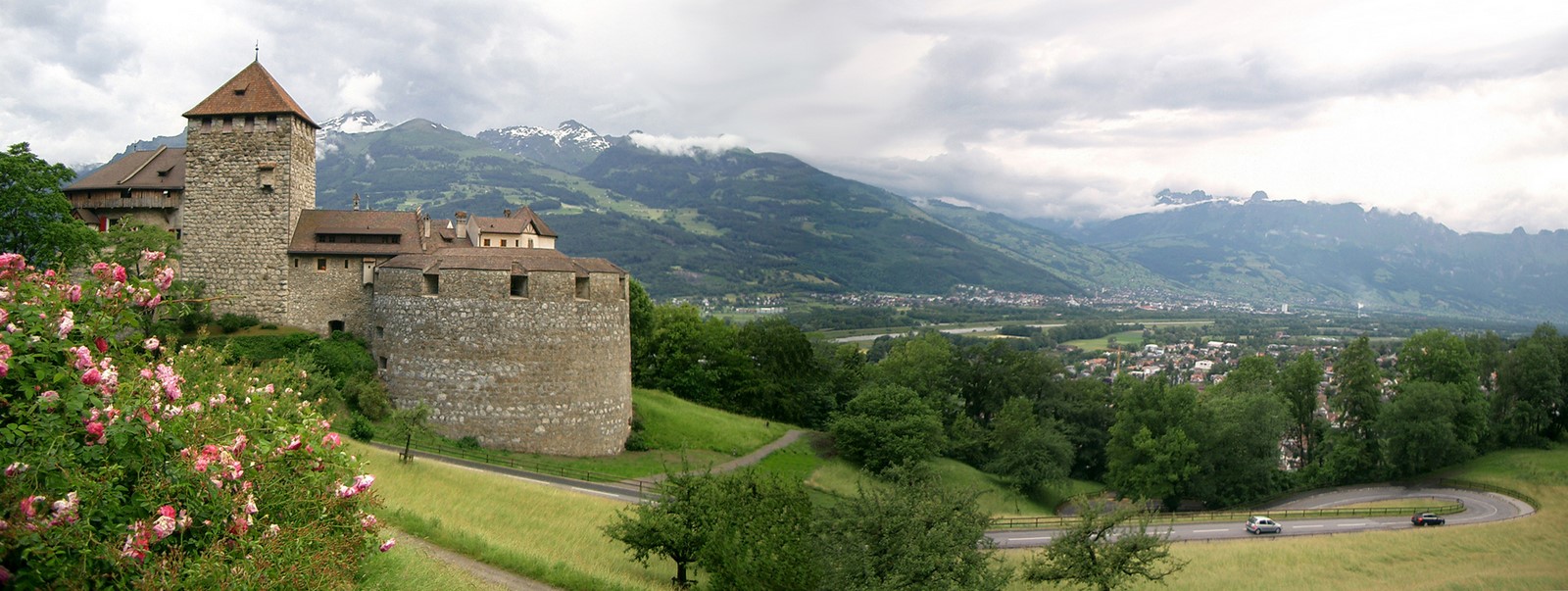
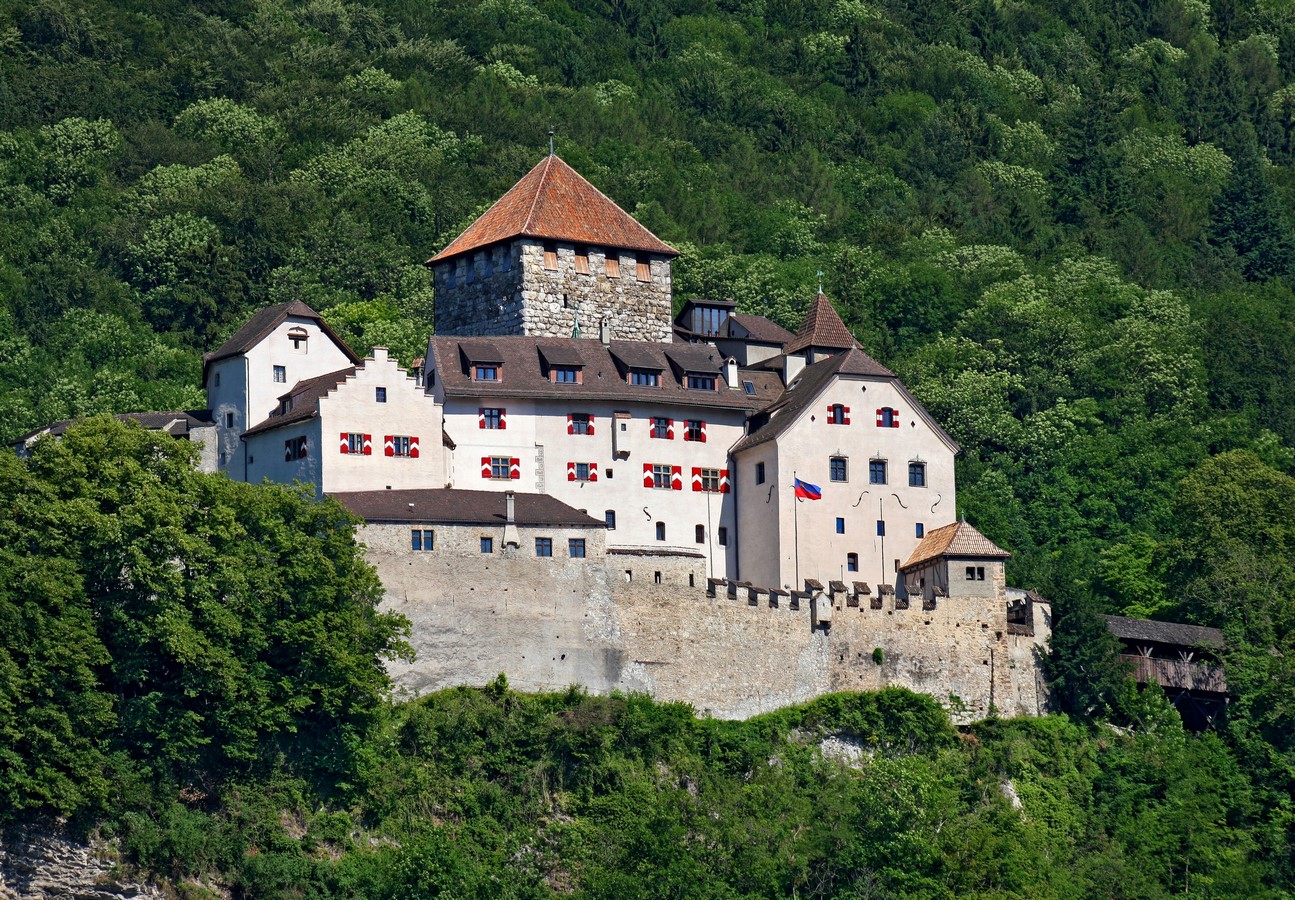
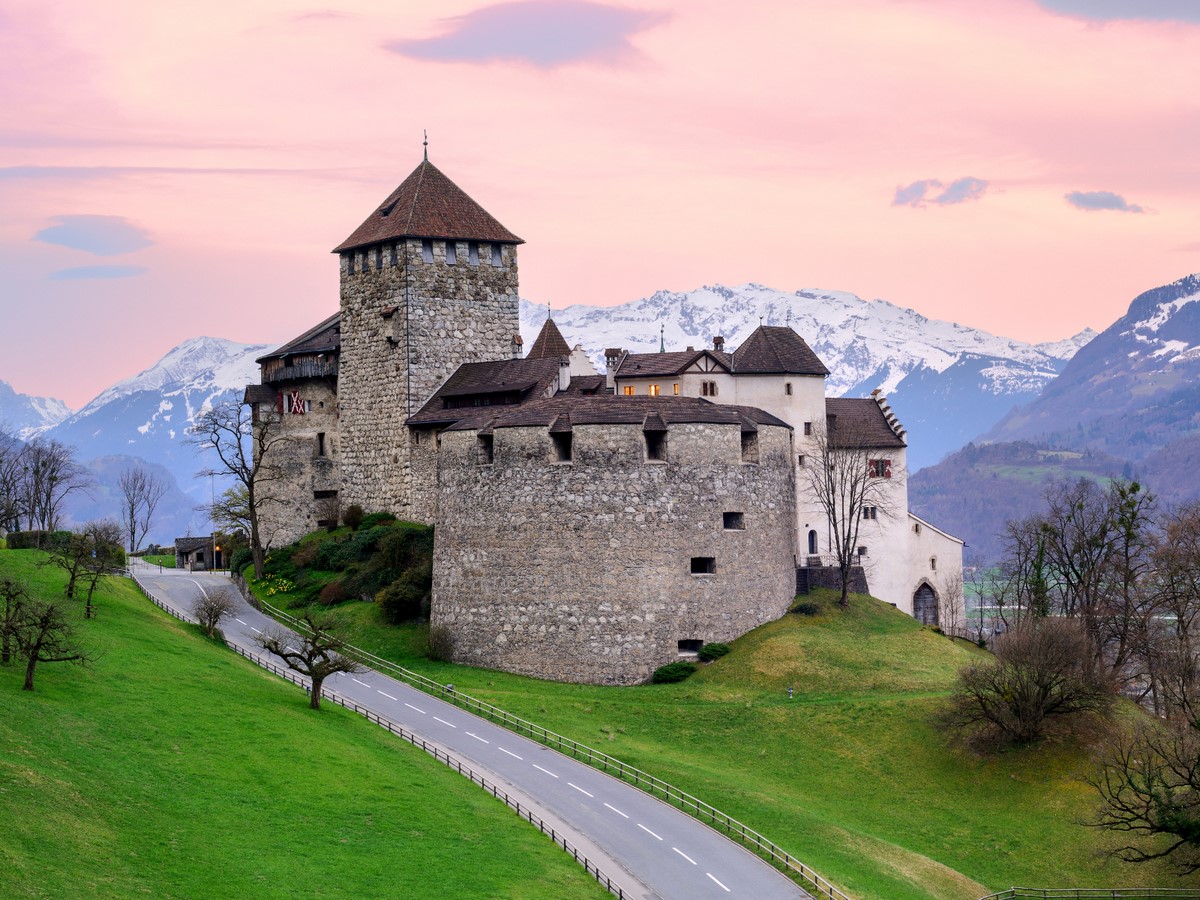
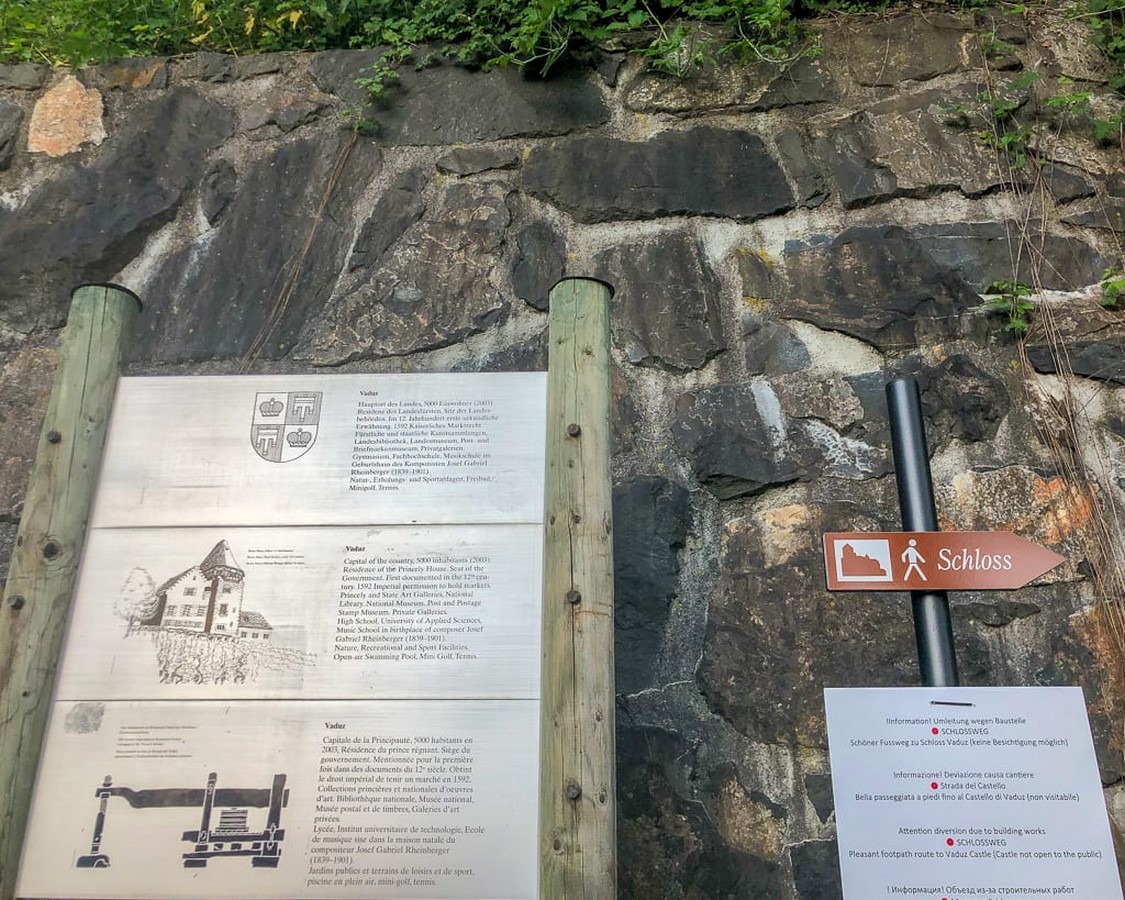
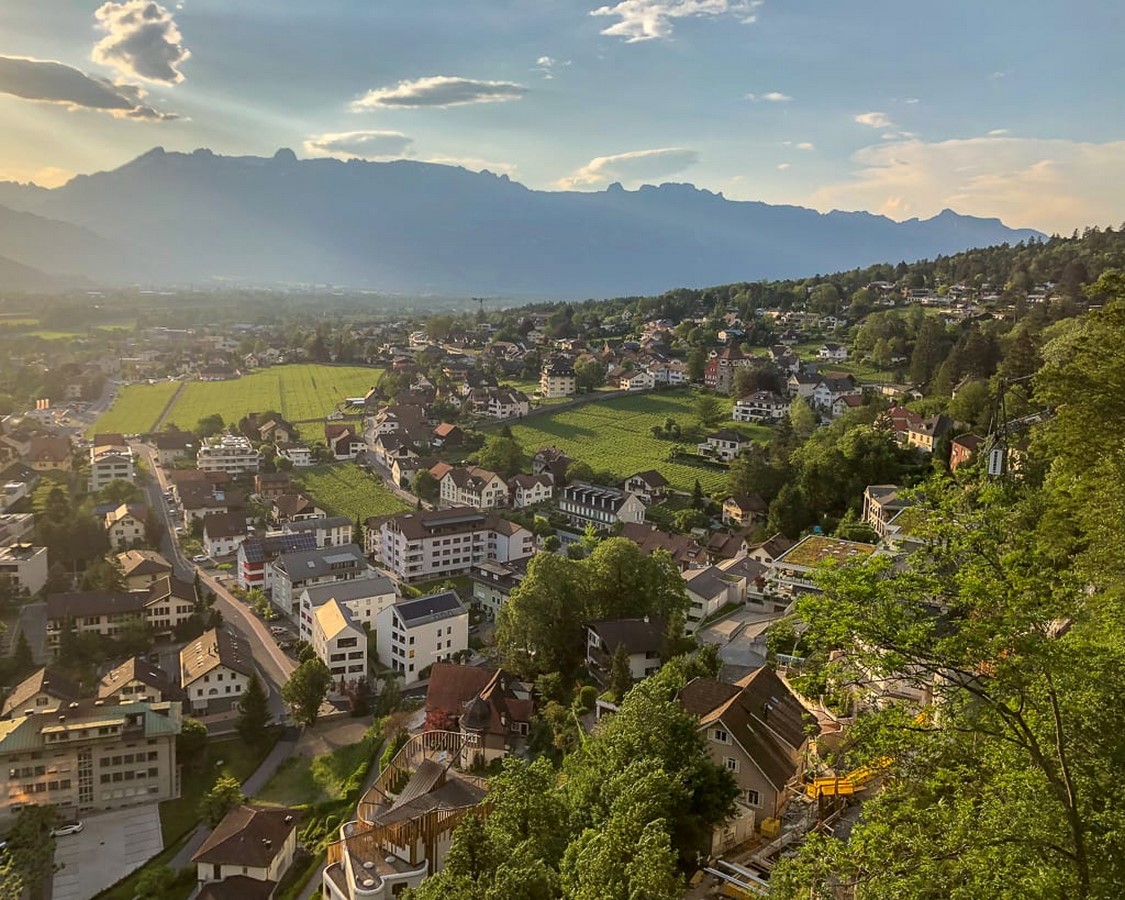
In the capital city of Vaduz, on a hilltop lies the symbolic palace and official residence of the Prince of Liechtenstein – Vaduz Castle. Built in the early 12th century as a fortress, it came into princely ownership in 1712. The eastern part of the castle is the oldest section that has a medieval tower – bergfried standing on the ground that is 12 by 13 meters. The western section reflects Baroque architecture as it was developed later. Inside it has priceless works of art, the inner courtyard where the family resides and private chapel of St. Anna having a late-gothic style altar. Though the castle is closed for an inside visit except for one day, it is worth climbing the trail to the palace that is lined with historic information and breath-taking views.
2. Kunstmuseum Liechtenstein
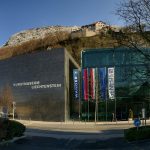
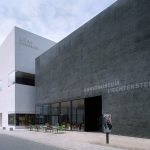
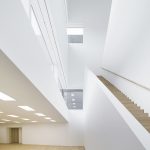
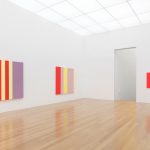
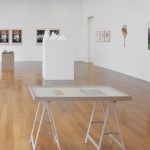
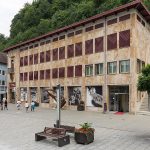
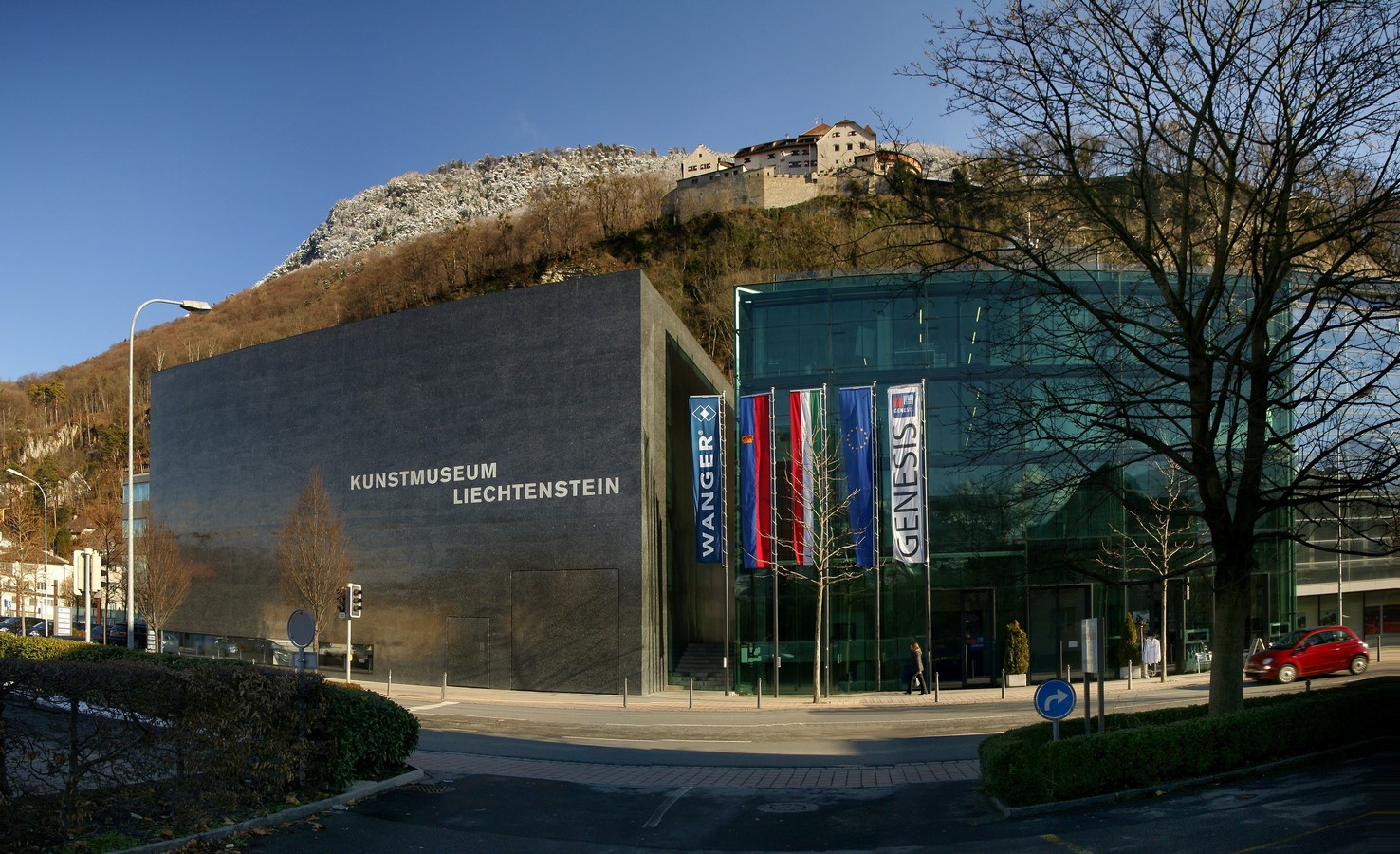
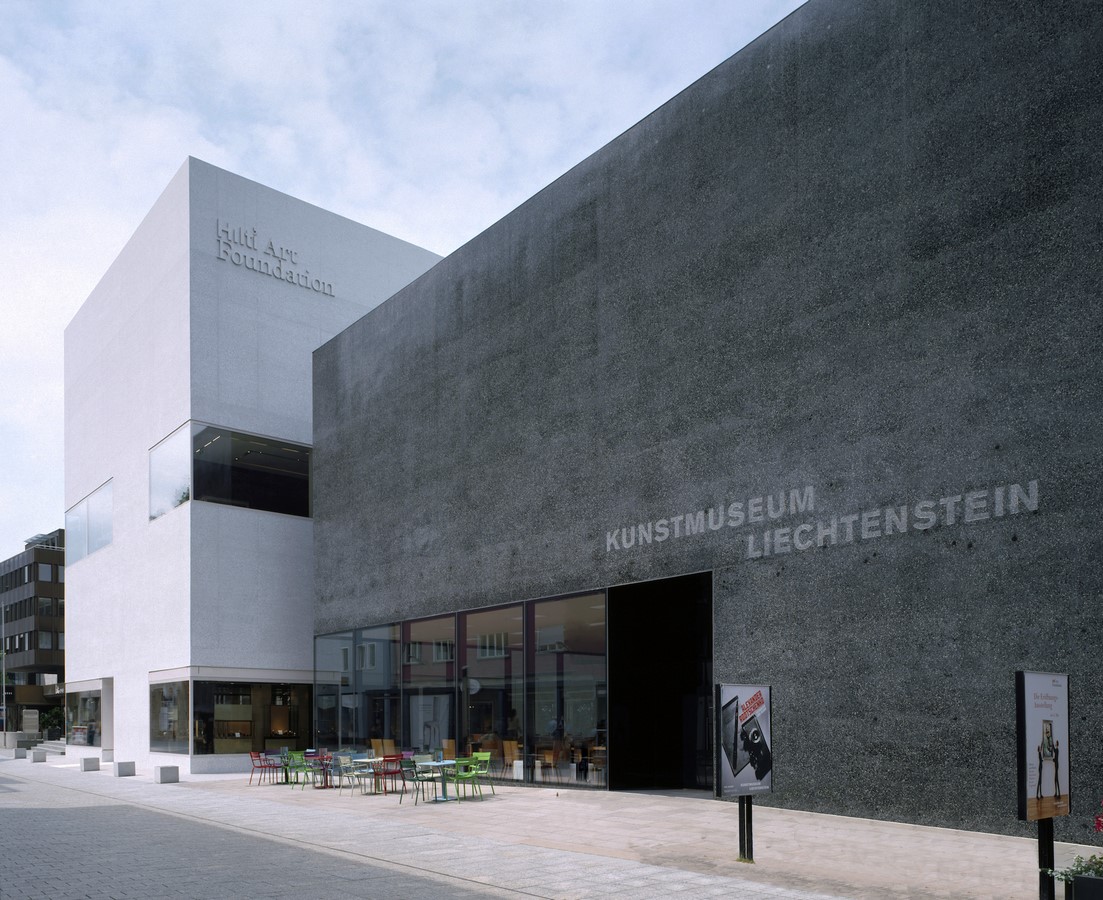
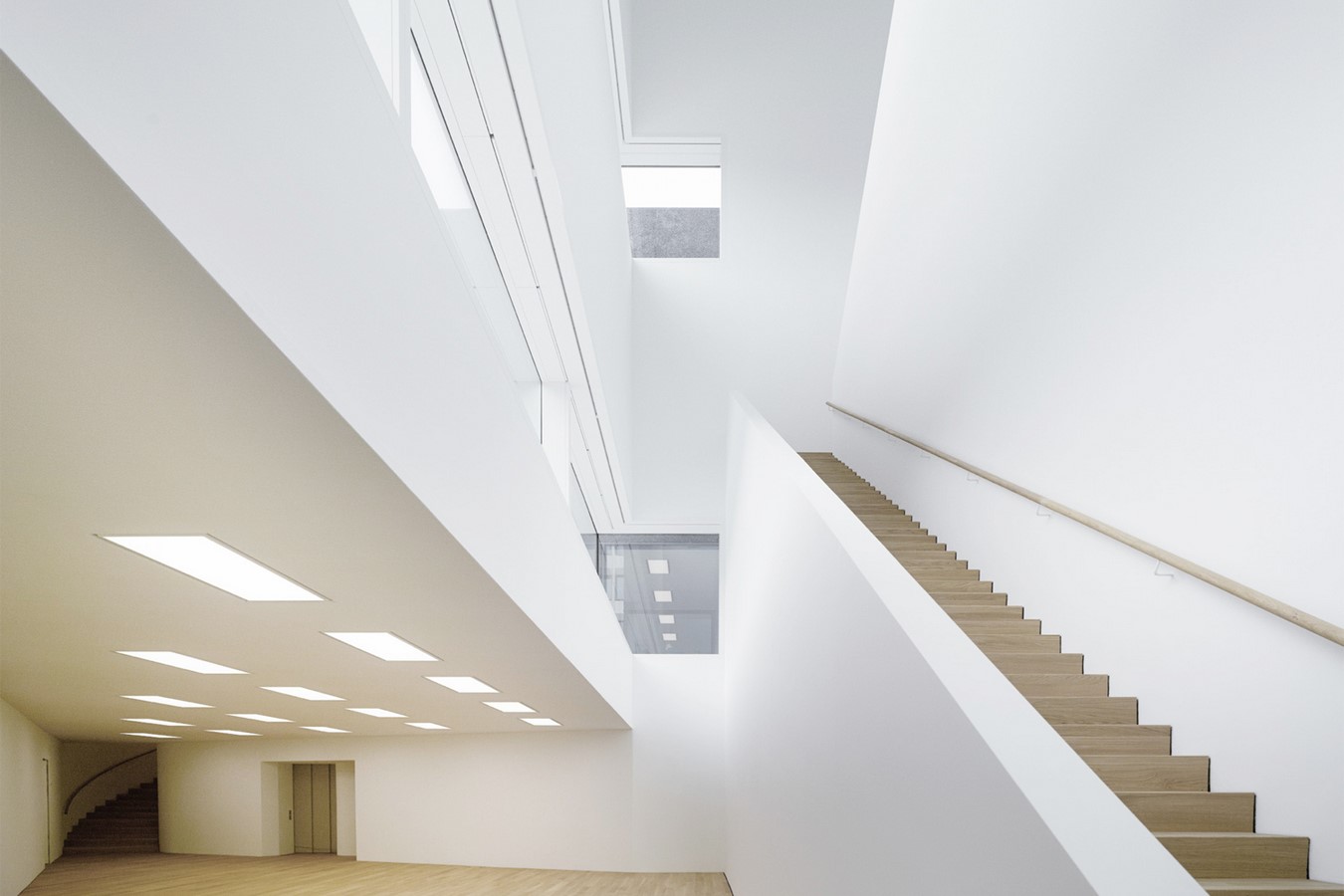
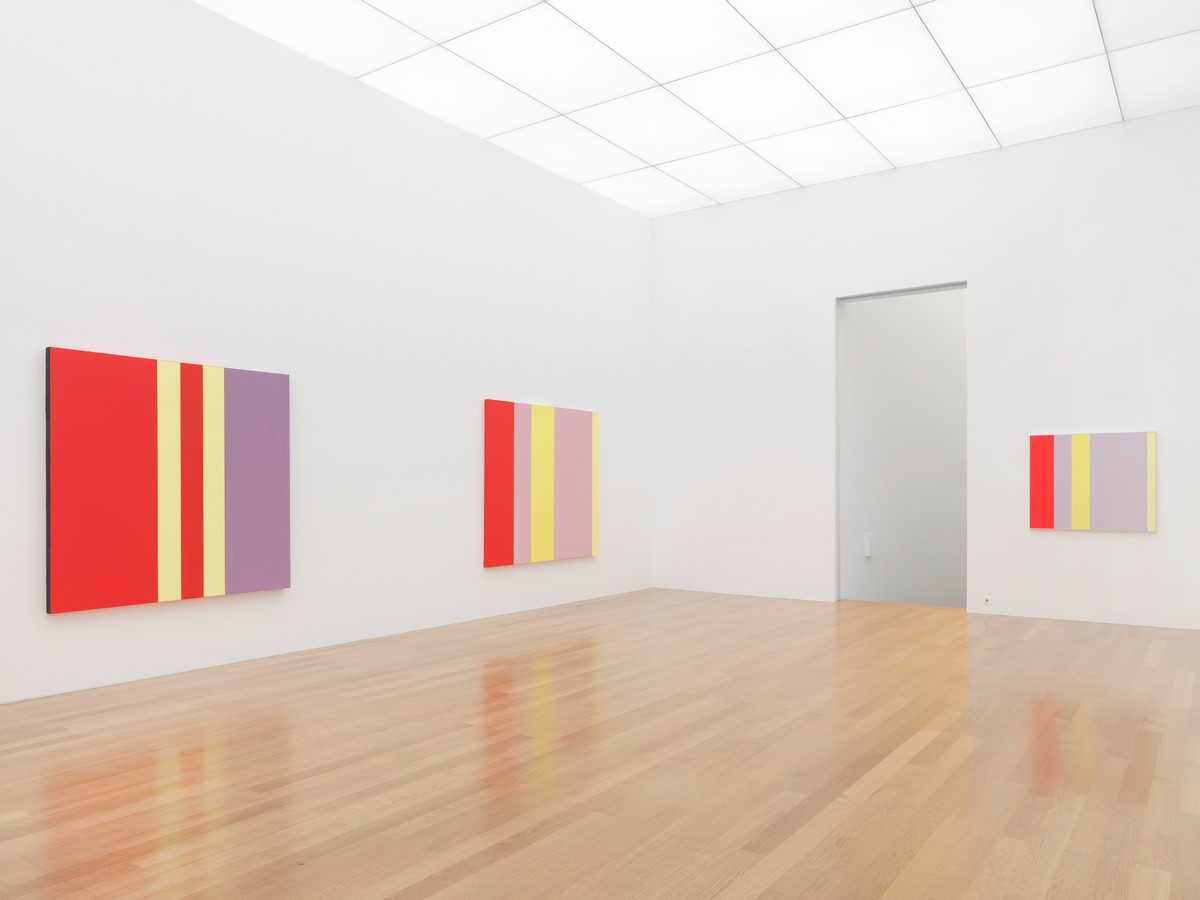
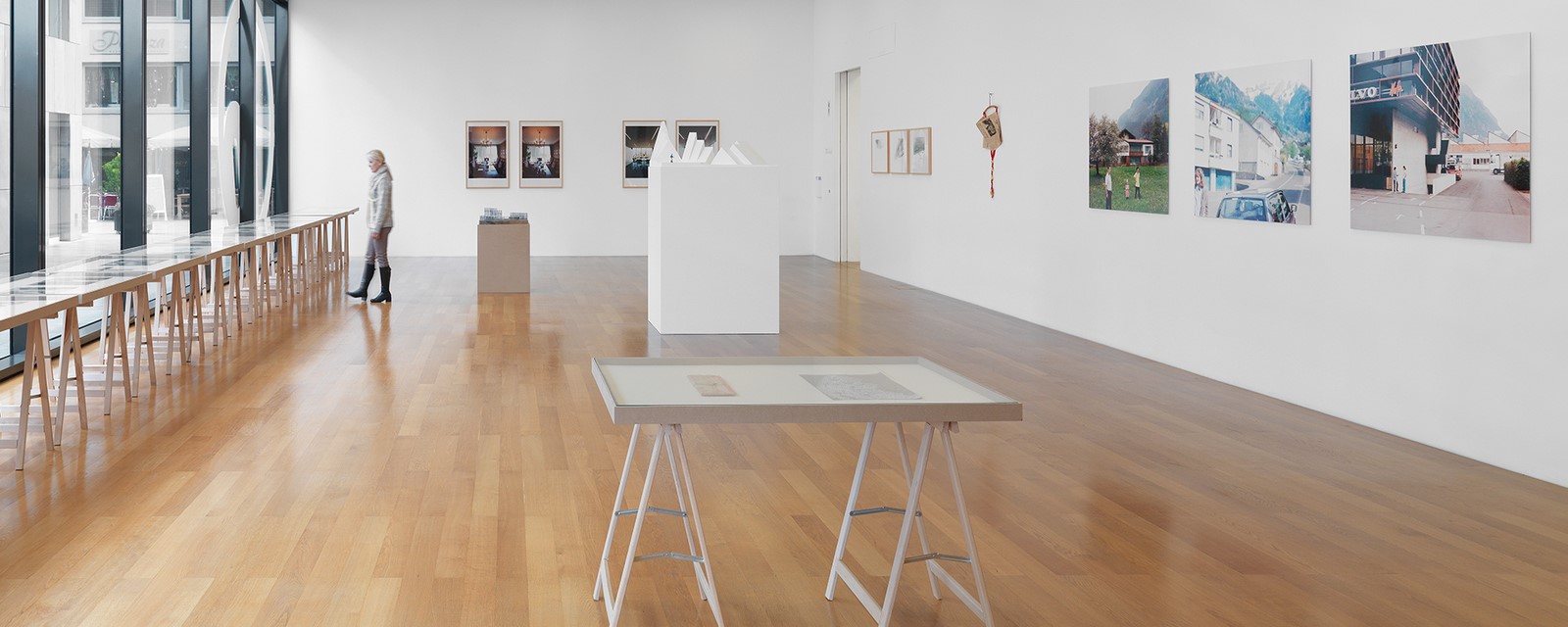
Designed by Swiss architects, Meinrad Morger, Heinrich Degelo, and Christian Kerez, the finer arts museum for modern and contemporary art is a must-visit. It is a visually appealing structure, a perfect black cube from the outside made up of concrete and hand-carved basalt surface with pebbles embedded from the Rhine Valley. Inside it is a white cube with large windows connecting outdoors, six exhibition rooms, diametrically opposite staircase, and beautiful play of light. Ground floor receives indirect lighting from the staircase, large exhibition rooms have completely artificial lighting and the third floor receives zenith daylight. The configuration and typology of the spaces achieve a conscious autonomy of access and exhibition.
3. Parliament Building
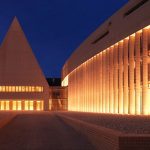
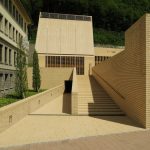
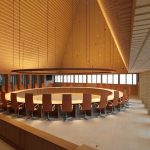
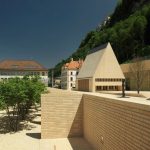
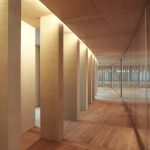
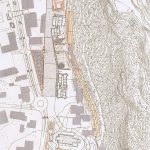
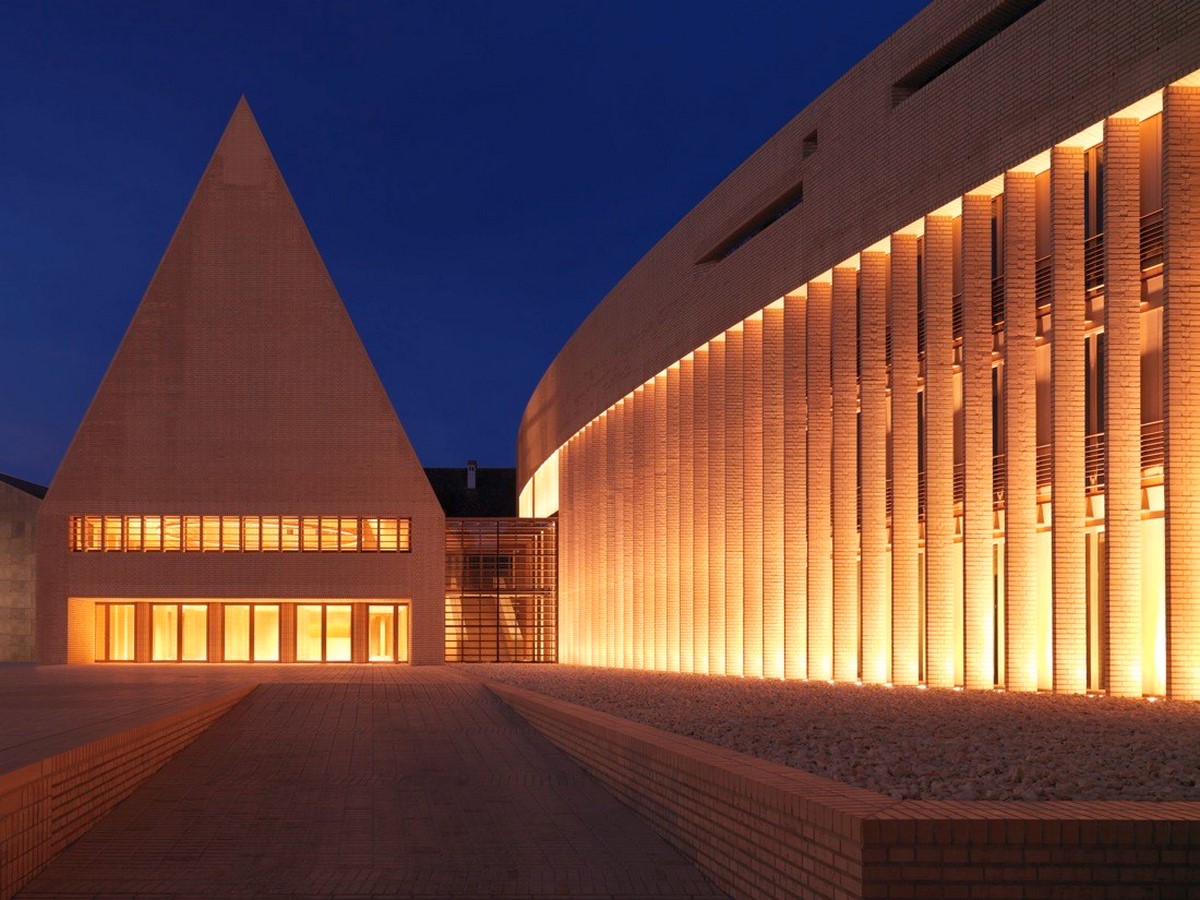
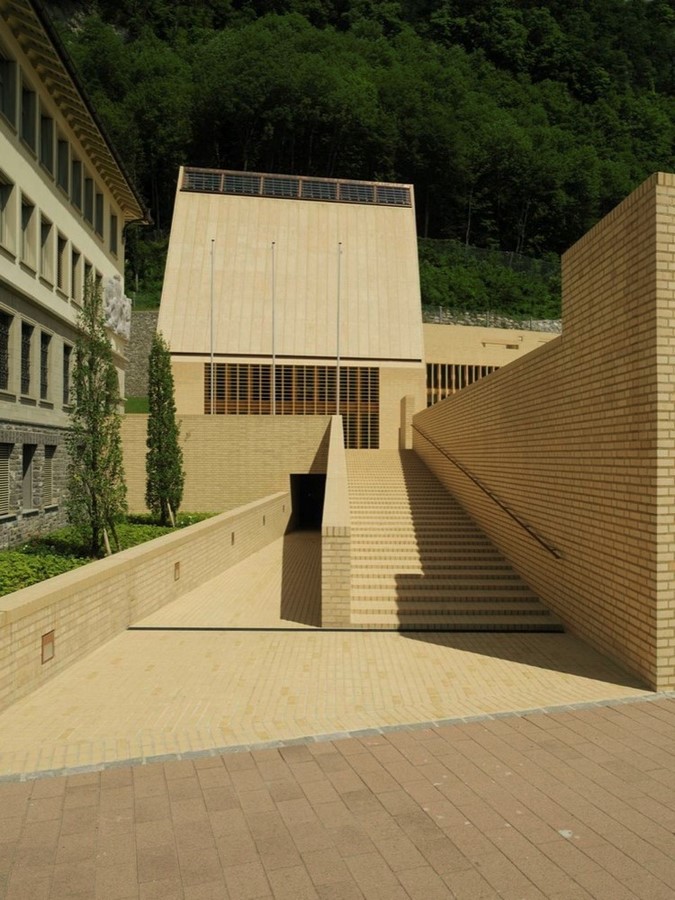
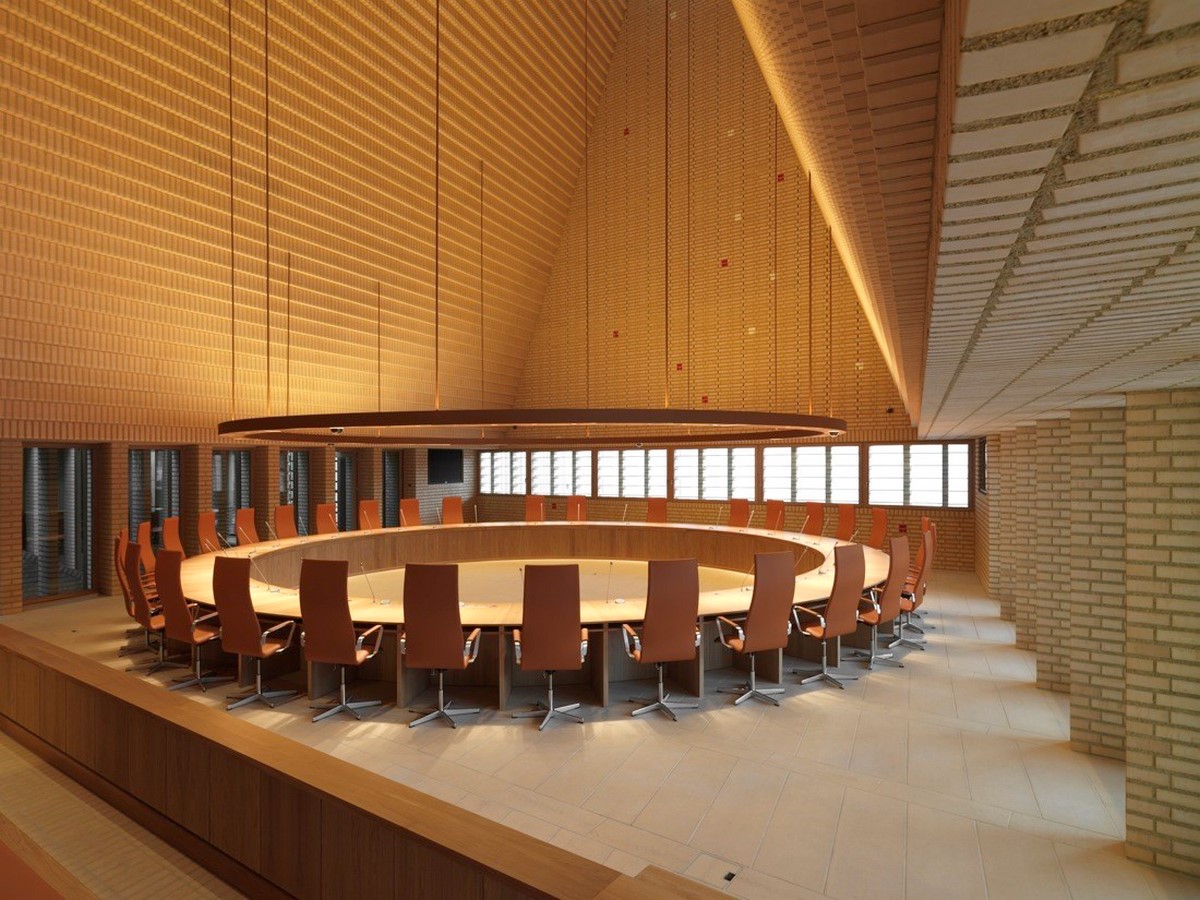
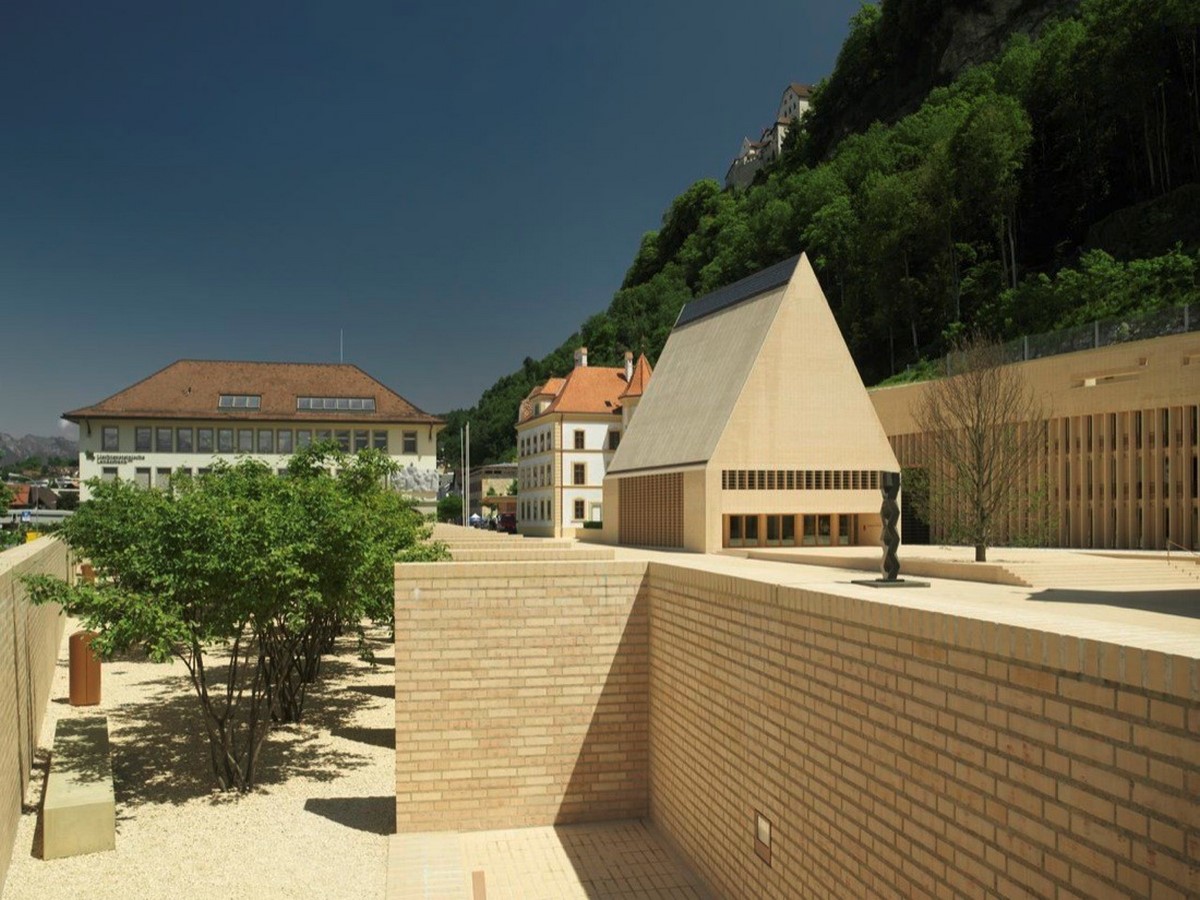
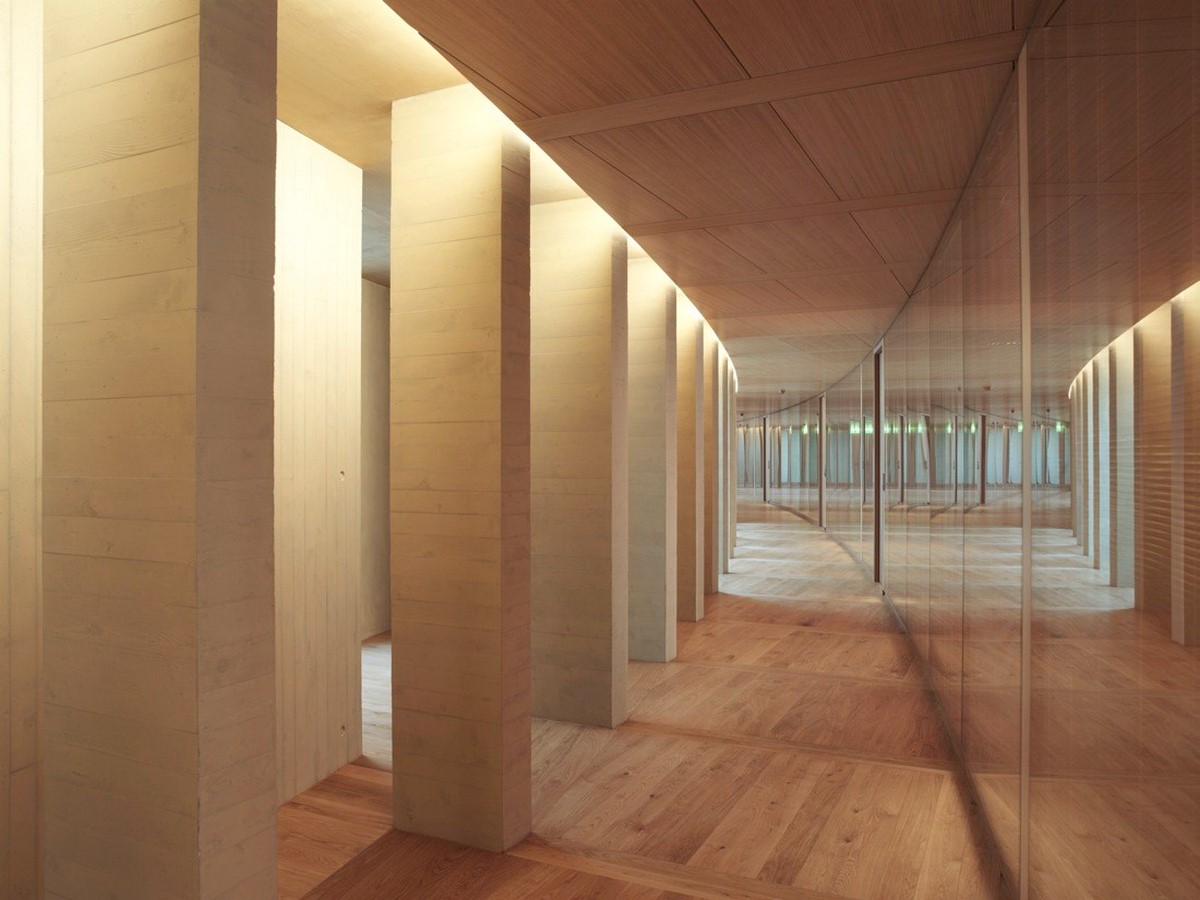
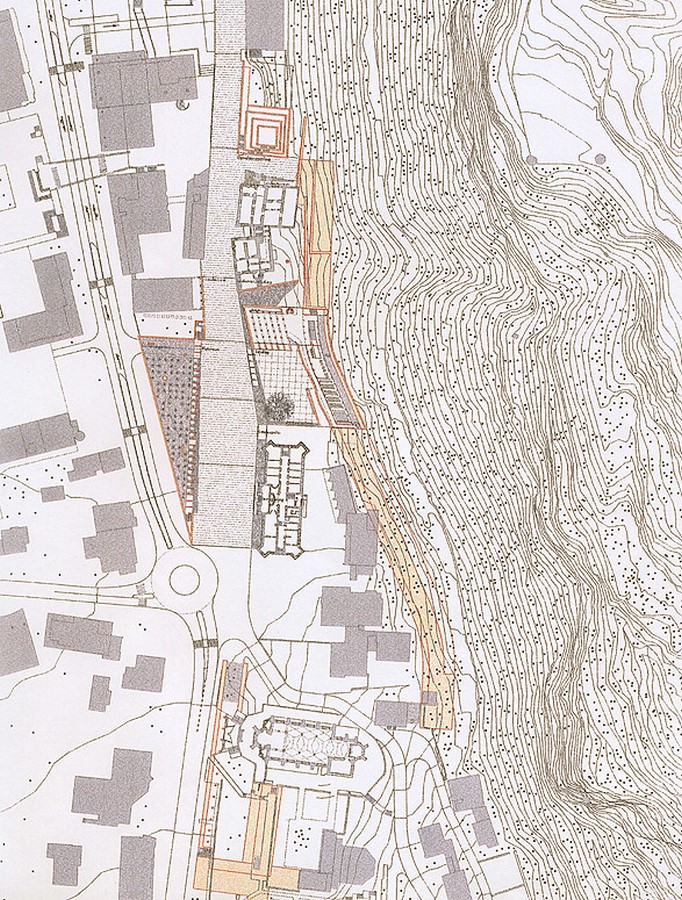
Built in 2008 by architect HansjörgGöritz the parliament complex is the image of Vaduz housing its 25 MPs. It consists of three distinct houses. In its heart lies the Peter-Kaiser-Platz Square named after a local historian. The ‘Long House’ is a three-storey structure with offices, a conference room, and terraces. The ‘High House’ is a two-storeyed structure with a characteristic pitched roof and a glazed structure in the between forms the ‘Joining House’. The parliament building is a must visit that strives for an architecture of space and timelessness.
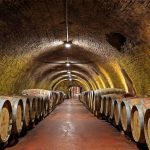
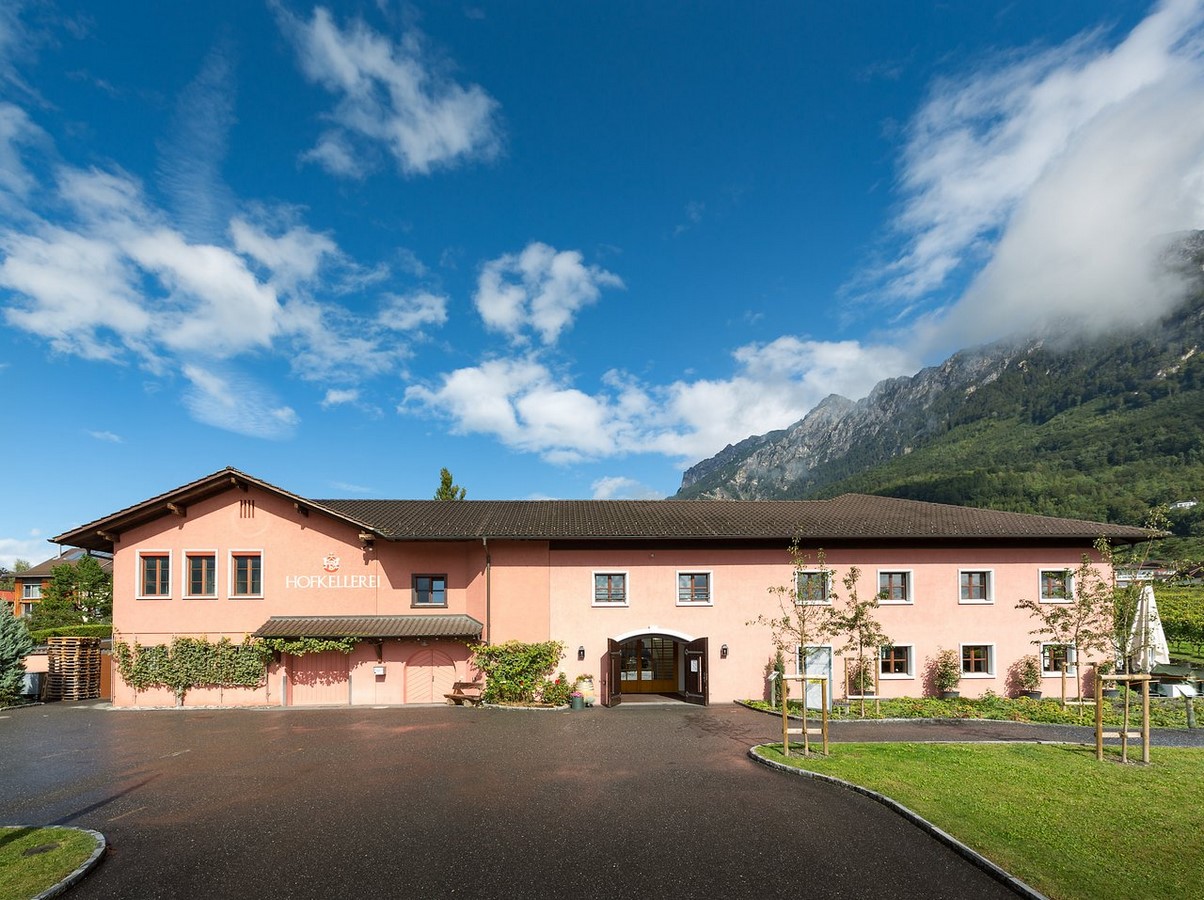
4. Hofkellerei
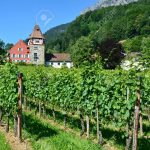
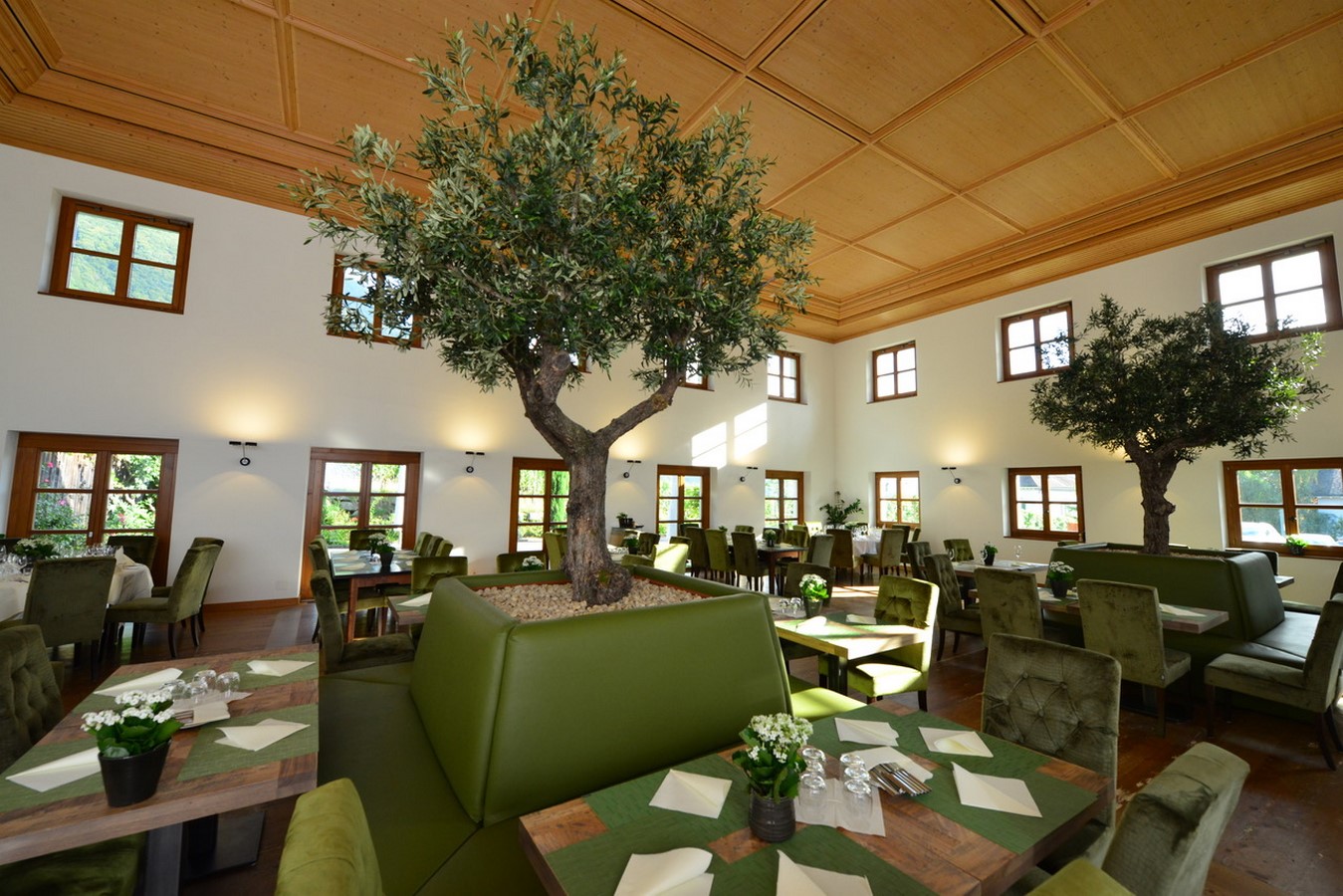
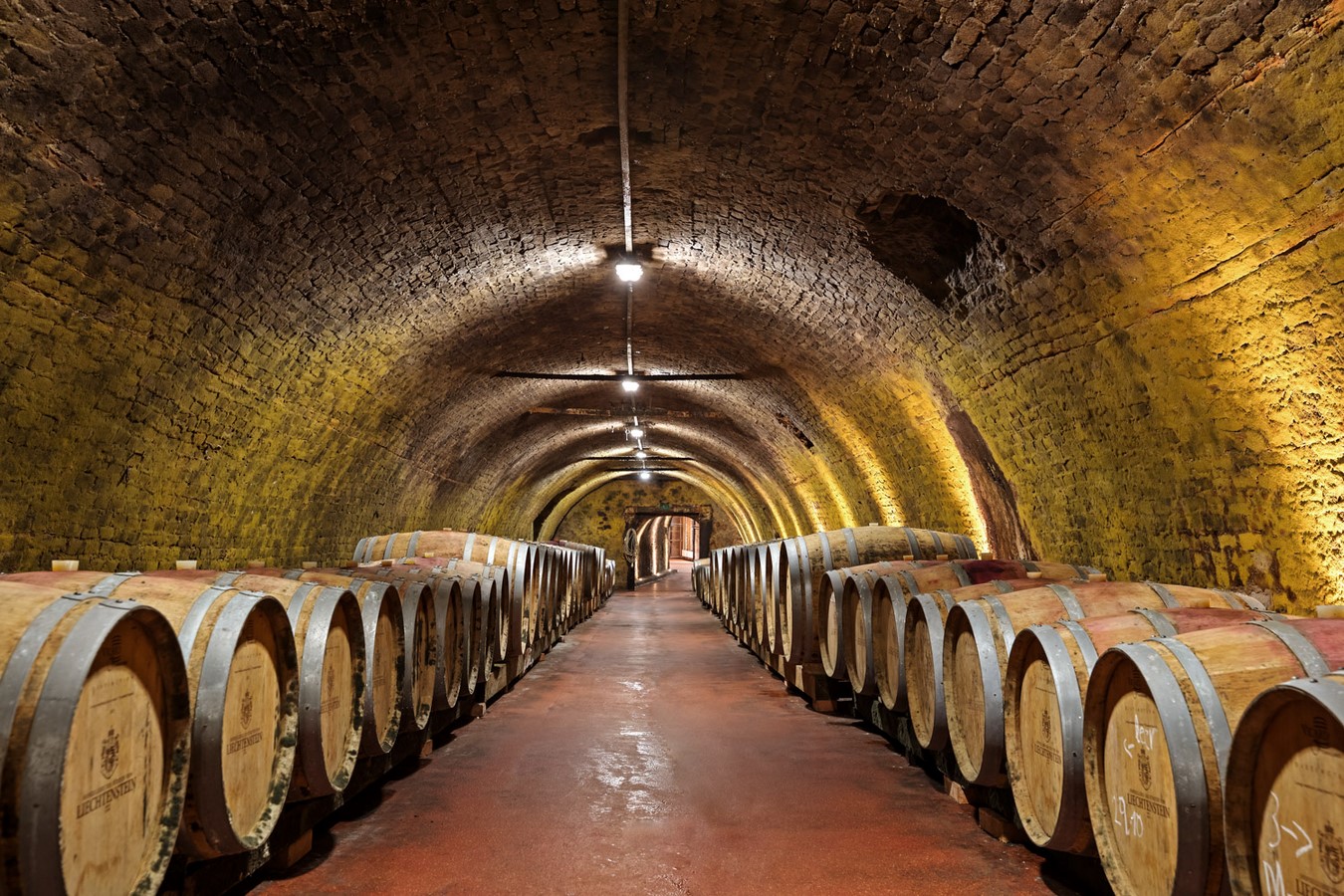
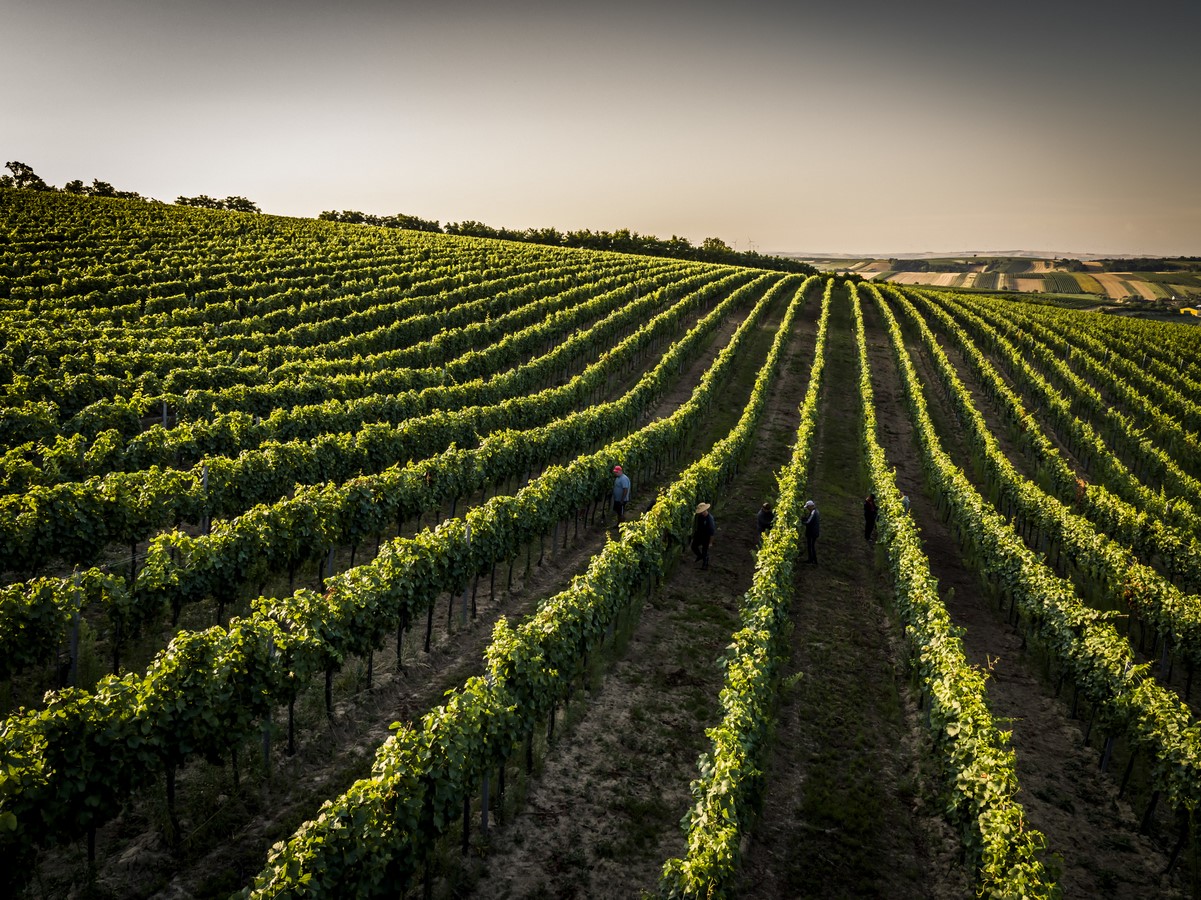
It is the Prince of Liechtenstein’s exquisite wine cellars. It has beautiful vineyards. The place gives its visitors an opportunity to walk along the wine trail and the winemaking process. One can relish the wine and enjoy the cosy feel of the space of the wine tasting area and the great wine cellars.
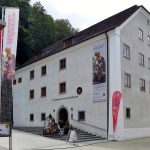
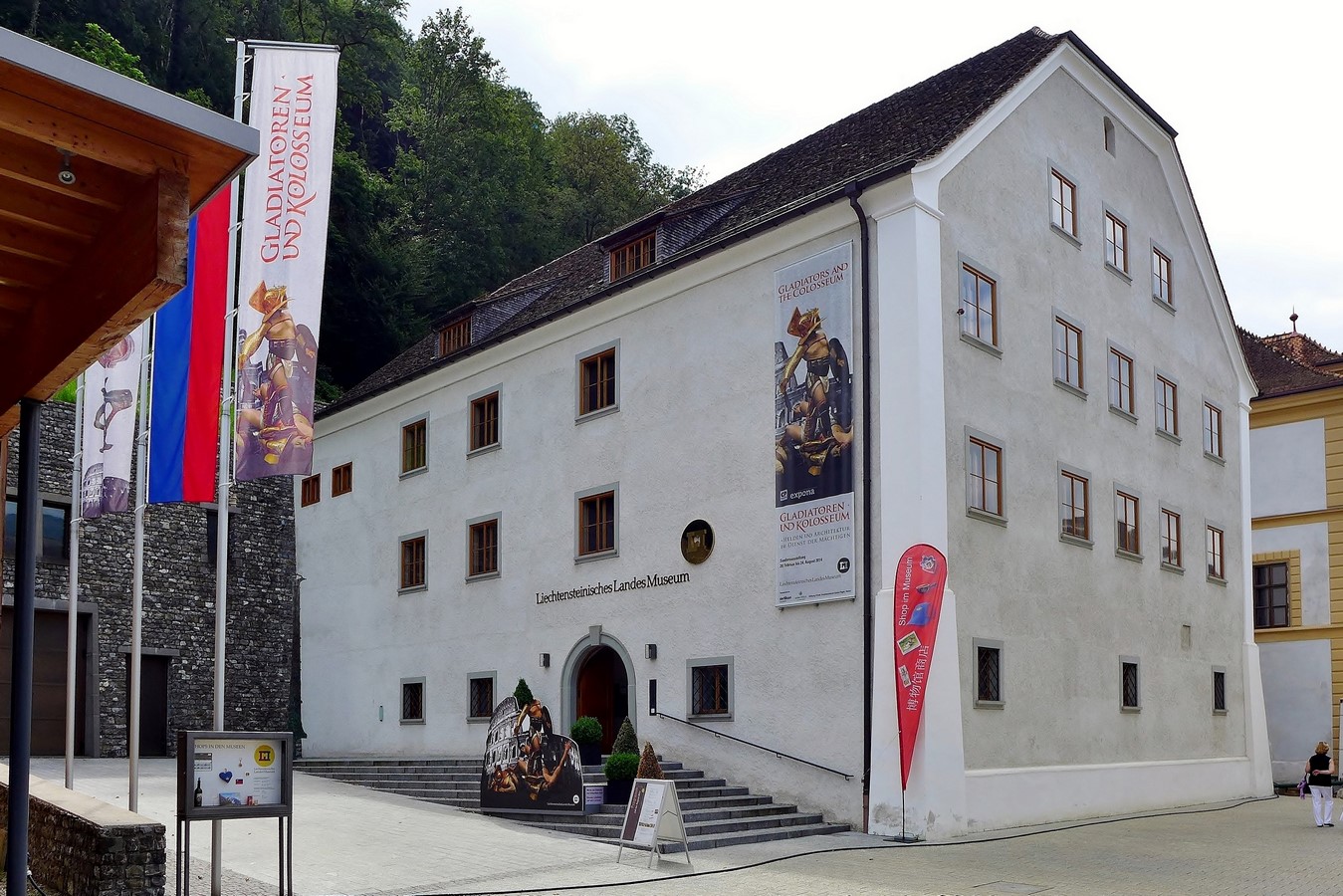
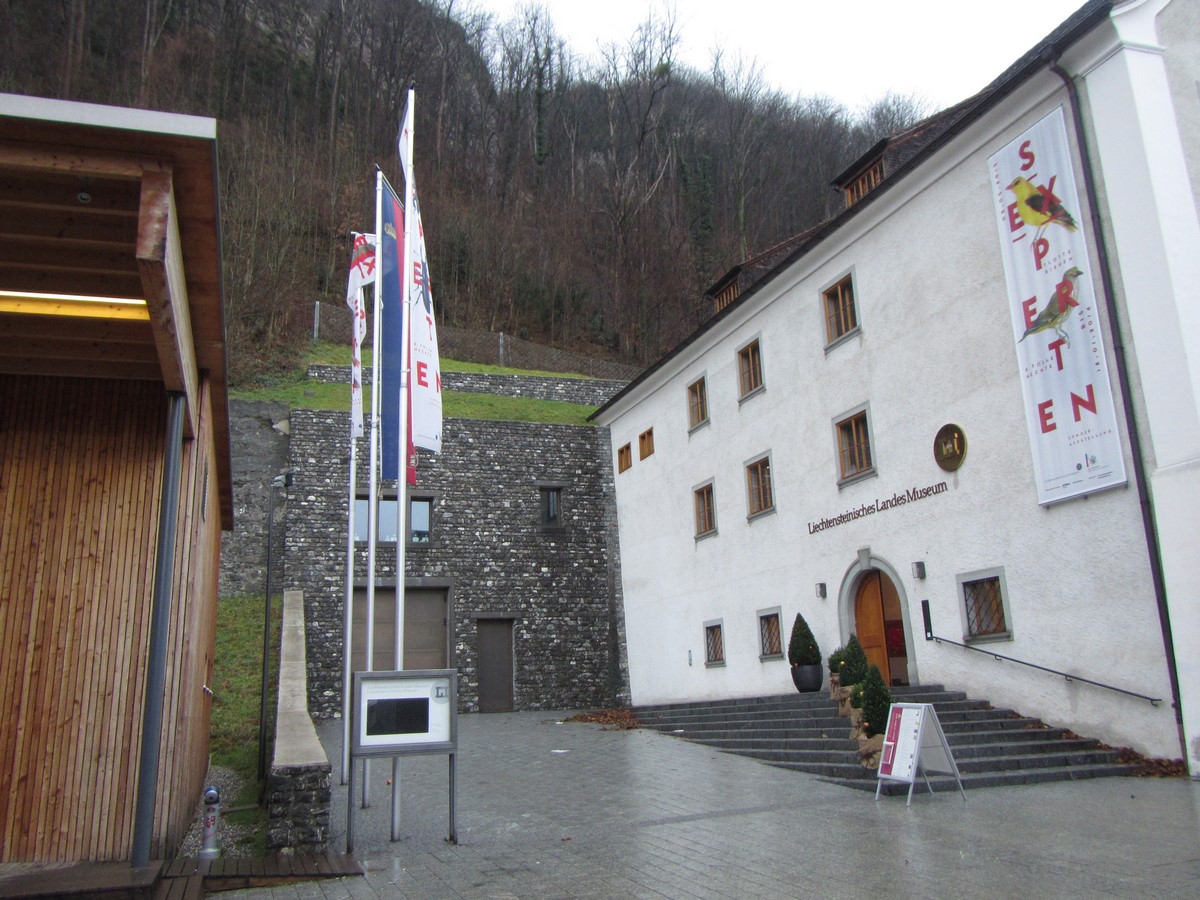
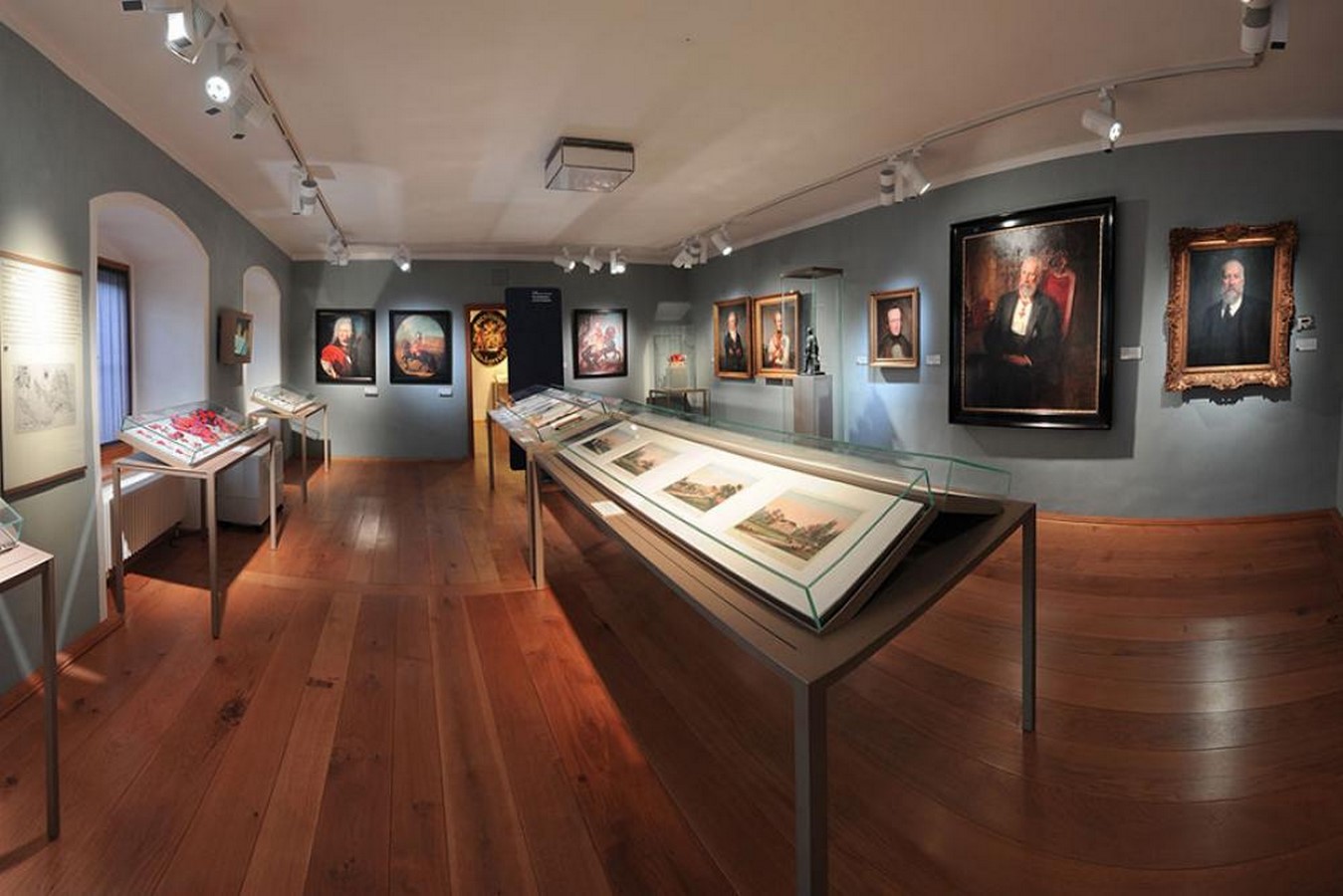
5. LiechtensteinischesLandes Museum
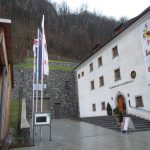
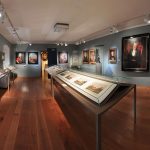
The museum narrates the story of the country and its journey of development. It is housed in a traditional inn that was built in the 15th century. The museum provides a fascinating This museum paints a fascinating history and a cultural heritage of the country, signature pieces being a religious artwork and display of traditional weaponry, archaeological finds, reliefs, church art, goldsmith works, coins, and much more.
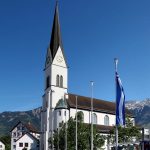
6. St. Florin Cathedral
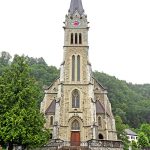
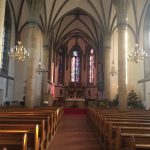
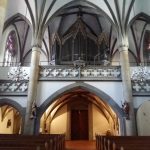
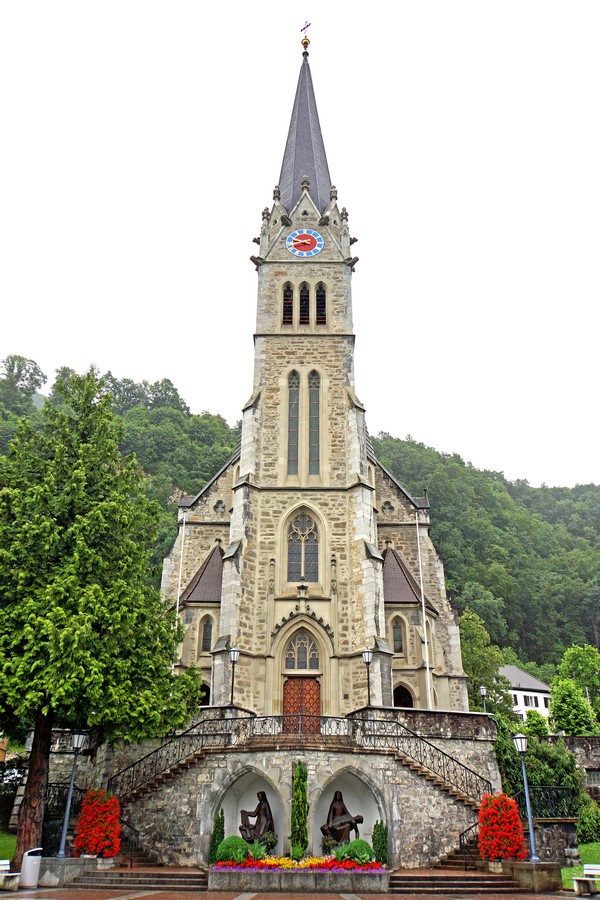
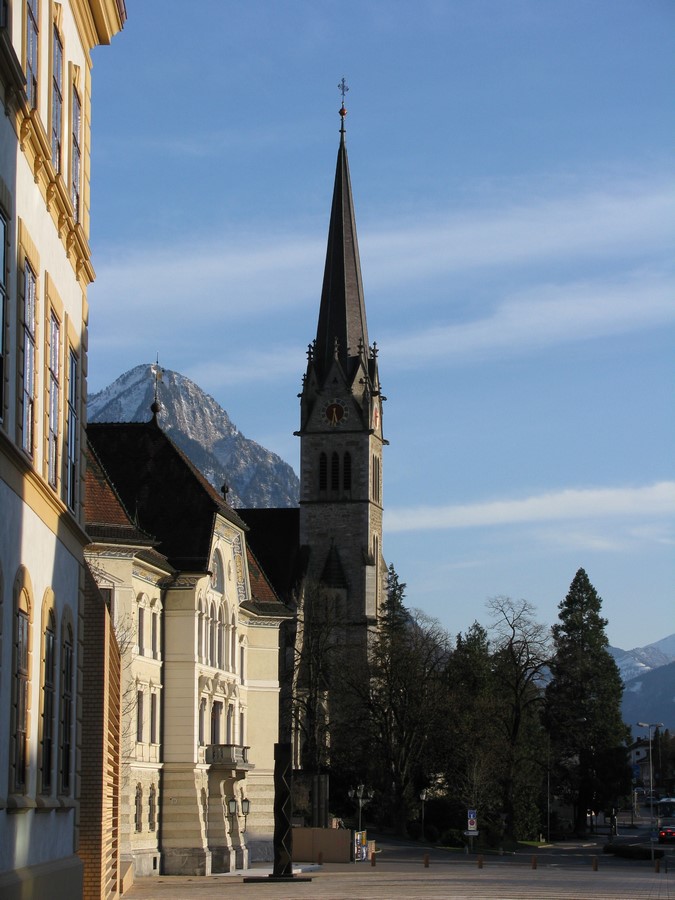
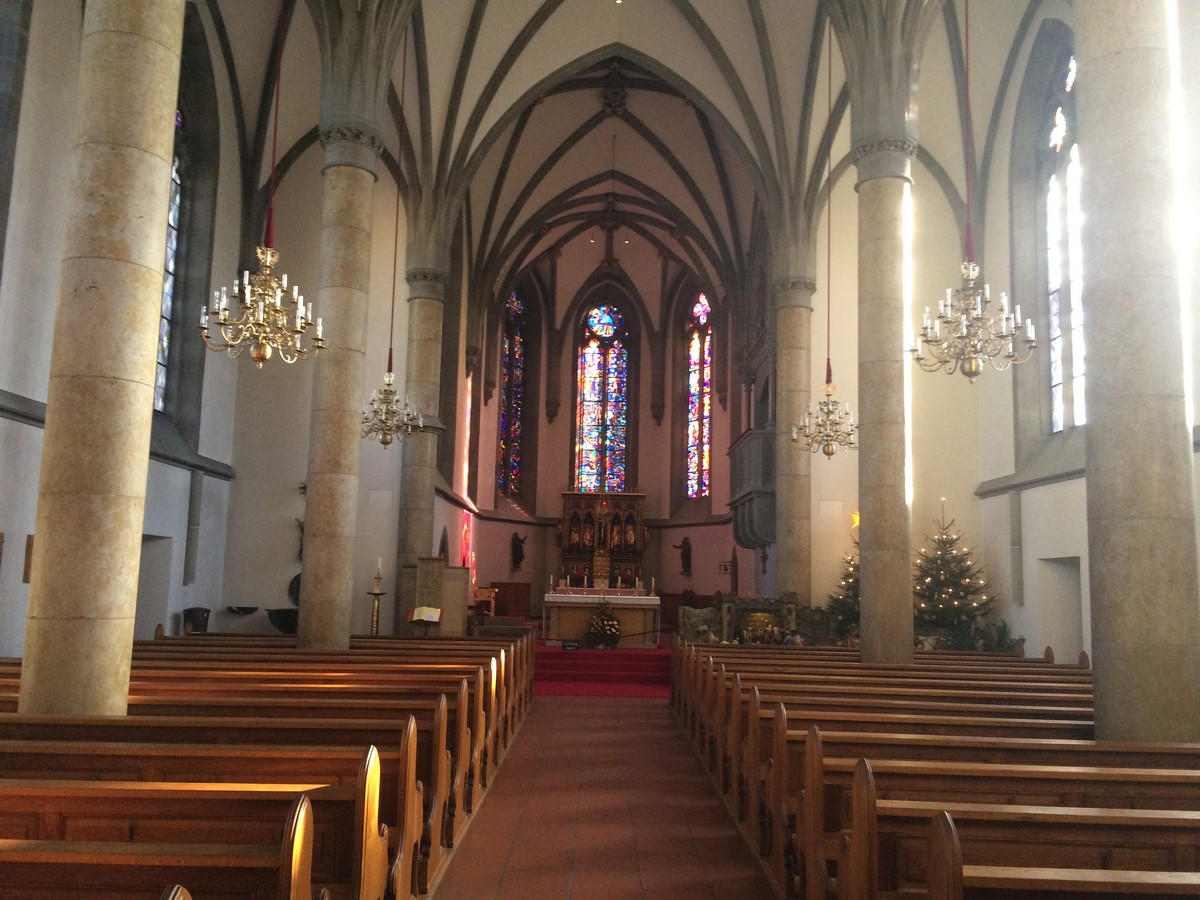
Built-in 1874 by Friedrich von Schmidt it was a small neo-gothic parish church. In 1997, it received the status of a cathedral. It consists of three naves, five-sided closed choir, and a central nave up to the gallery. The side naves are found under a cross vault and central nave under a stellar vault. The keystones of the vault depict the new special stamps decorated with symbols of Christ.

7. Burg Gutenberg
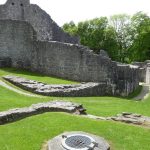
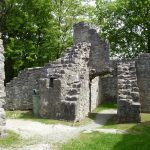
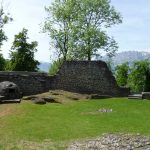
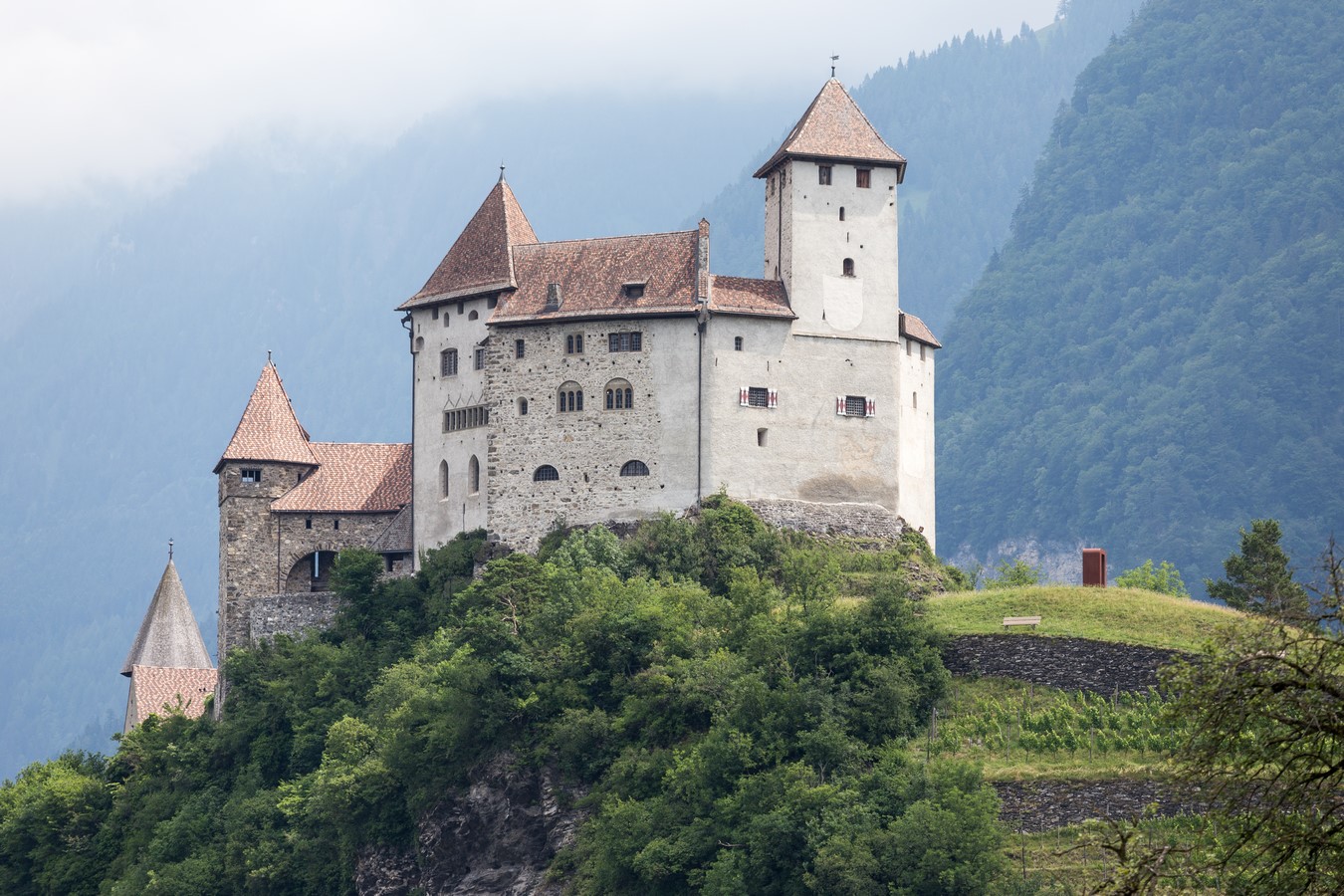
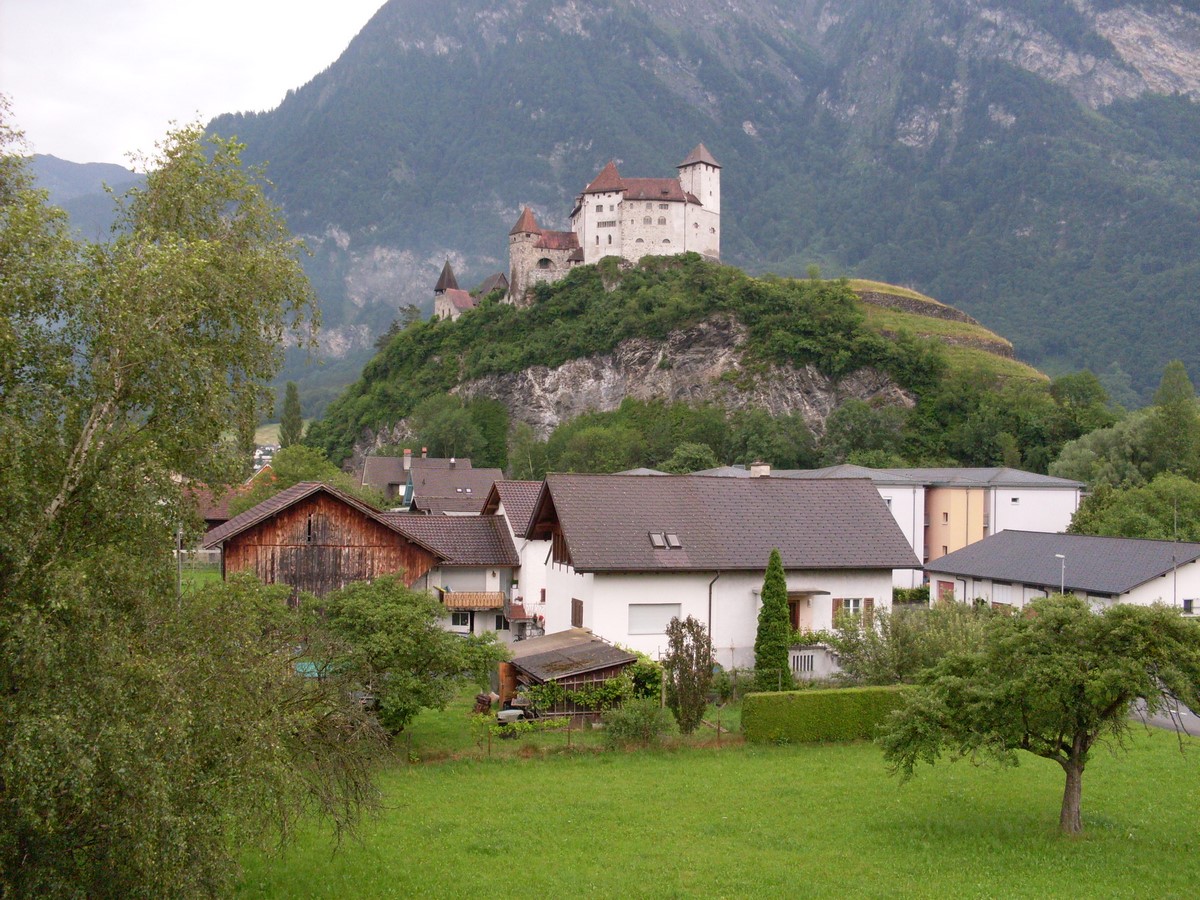
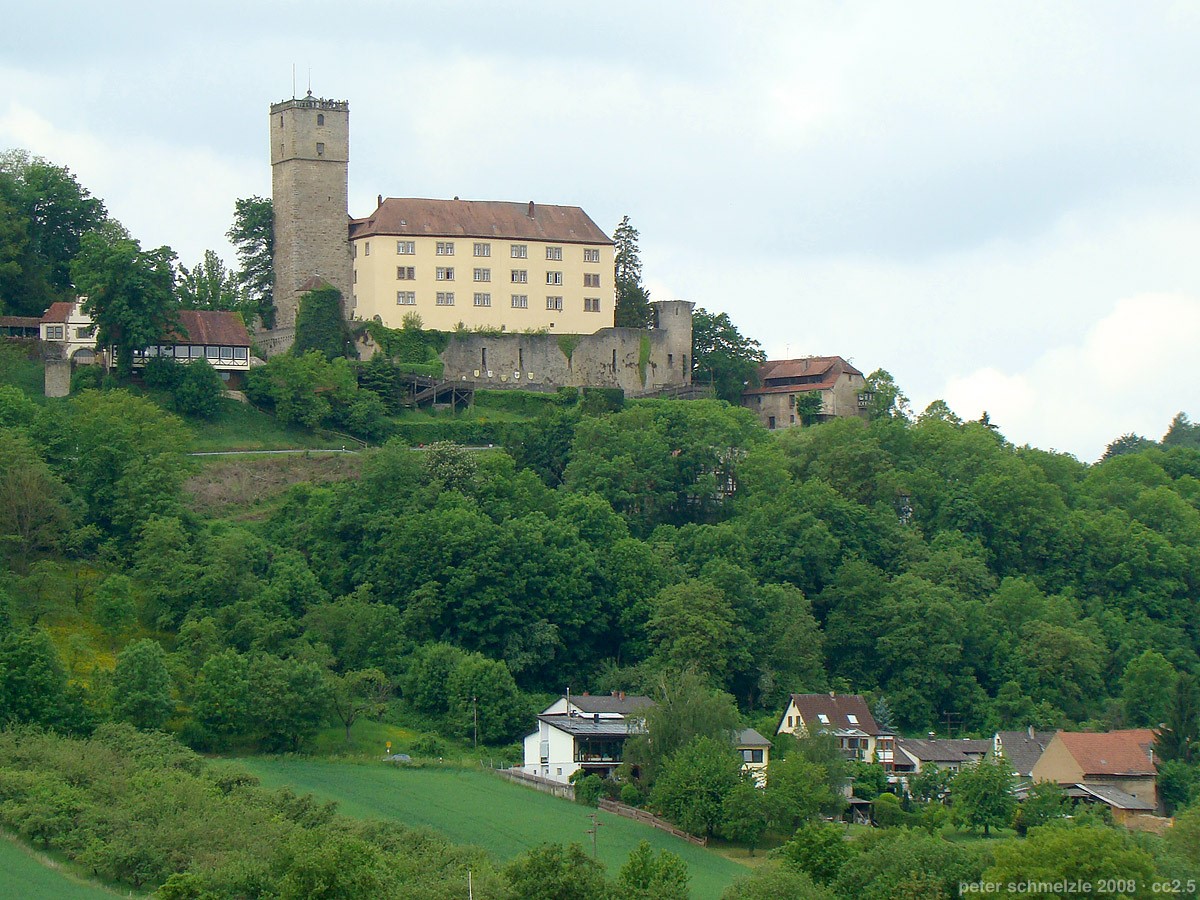
A 13th-century castle on a hill-top is the striking icon on the horizon of the Blazers. It began its existence as a cemetery, later a church, and then after handing over to various ownerships, it became a preserved castle in the town. It has been a sight for interesting archaeological discoveries, most significant being the – Mars von Gutenberg’s figuring measuring just 12 cm, on display in the national museum. The castle is today restored from ruins and definitely worth a visit.
8. The Red House
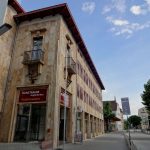
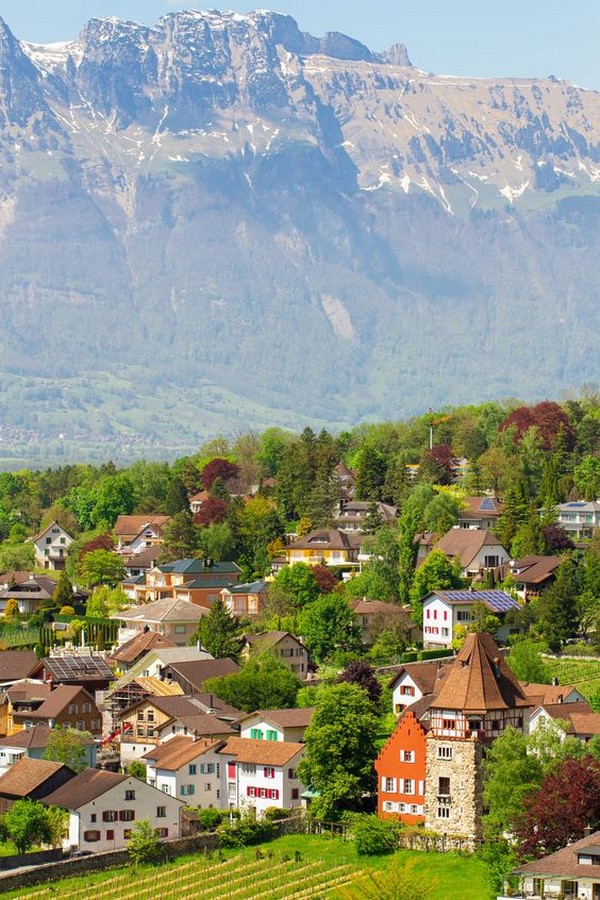
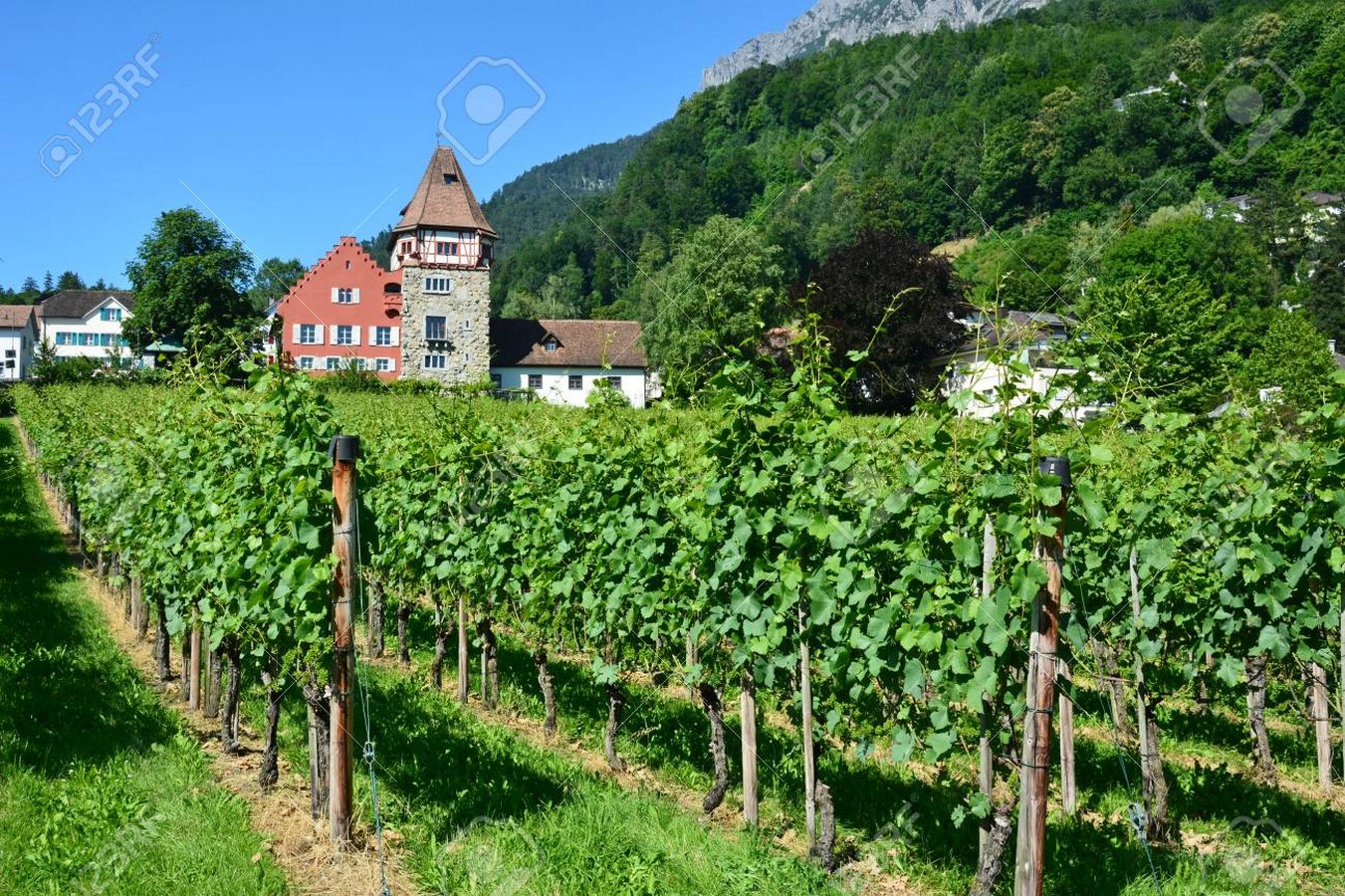
An adorable medieval architectural piece, the red house was built in 1338. However, the house extensions were done between 1902-1905 by the famous painter, sculptor, and architect from Liechtenstein – Egon Rheinberger. It is a beautiful gable stair structure with a catchy dark red façade from which it gets its name. It has a large tower containing living quarters located on the Mitteldorf area of Vaduz.
9. Post Museum
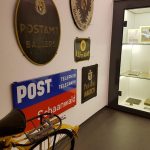
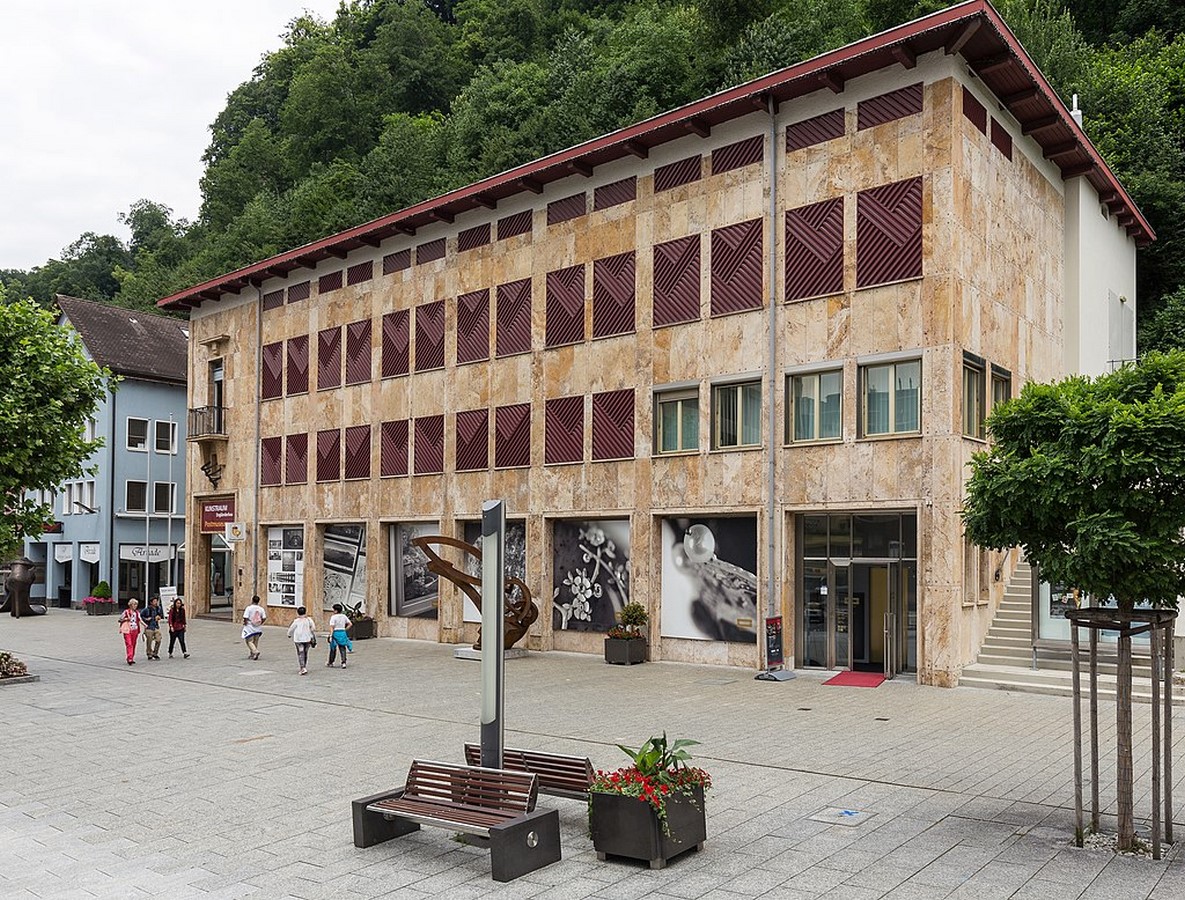
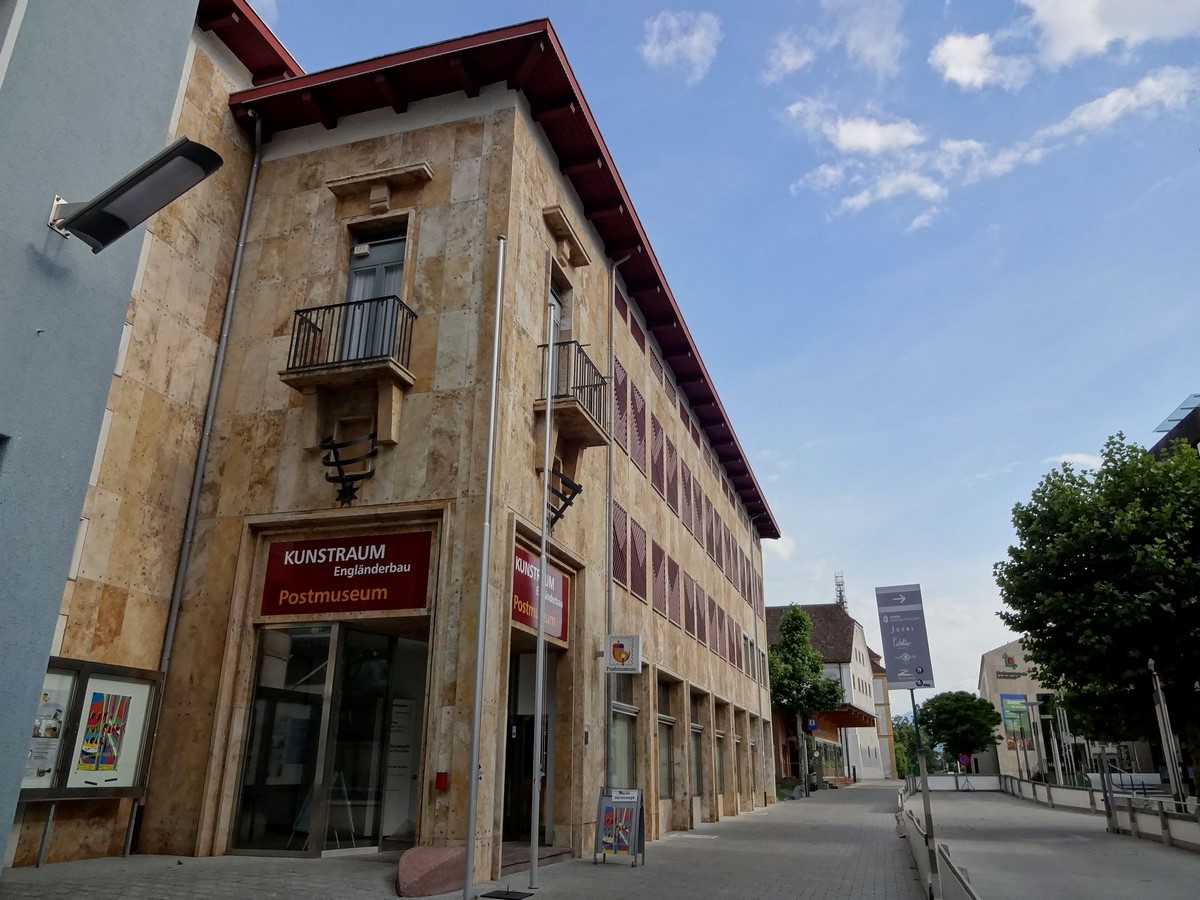
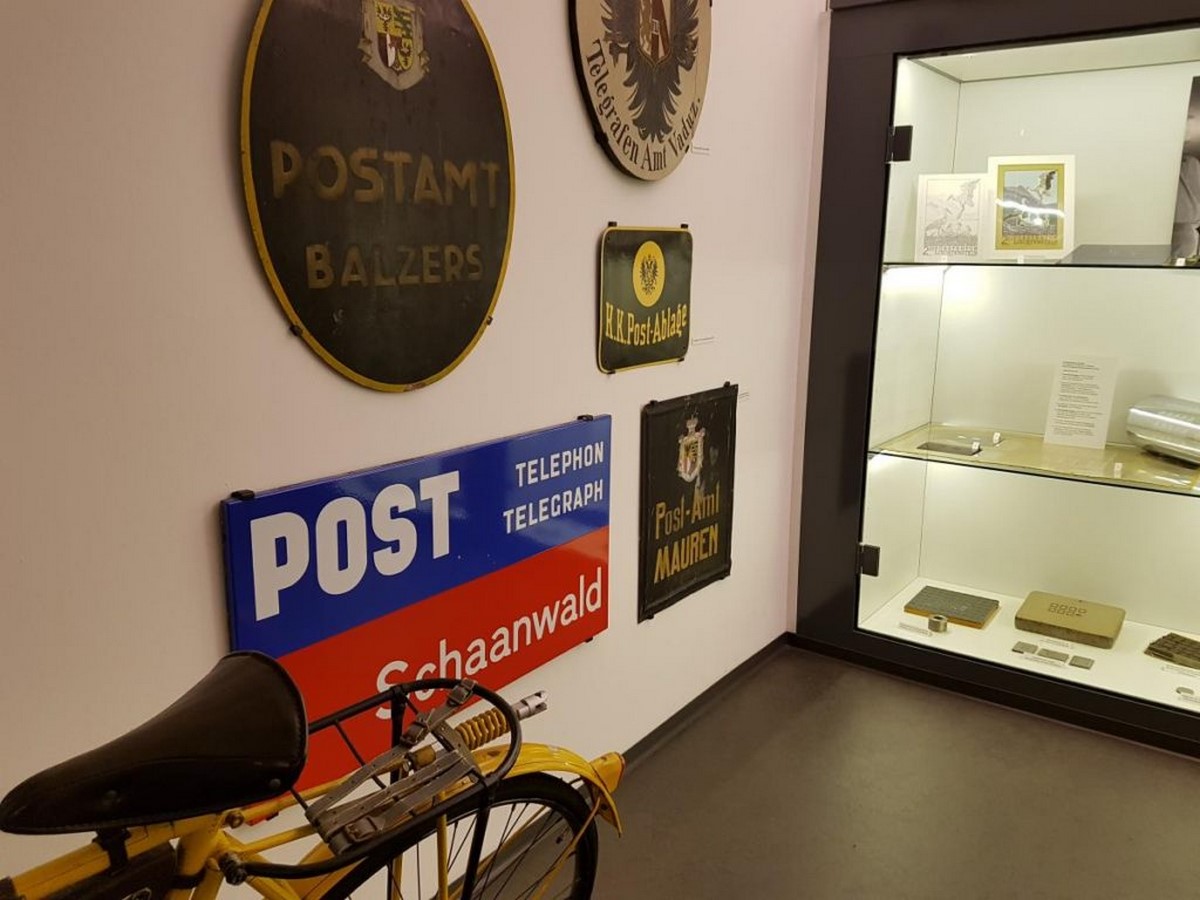
This interesting museum has all kinds of paraphernalia related to Liechtenstein’s philately and the history of its postal services. The museum has a very expansive collection of stamp issues from 1912 with their original designs, rare exhibits, historical documents, art-works by stamp designers, and much more. It is a very popular place among its visitors. One can view designs, test prints, needle plates, and the machines used by postal workers in the past and can get their passports stamped as well.
10. Schellenberg
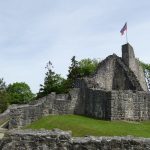
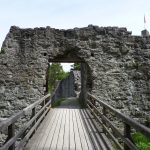
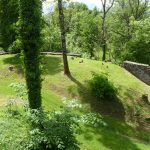
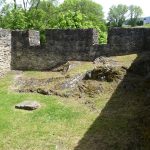
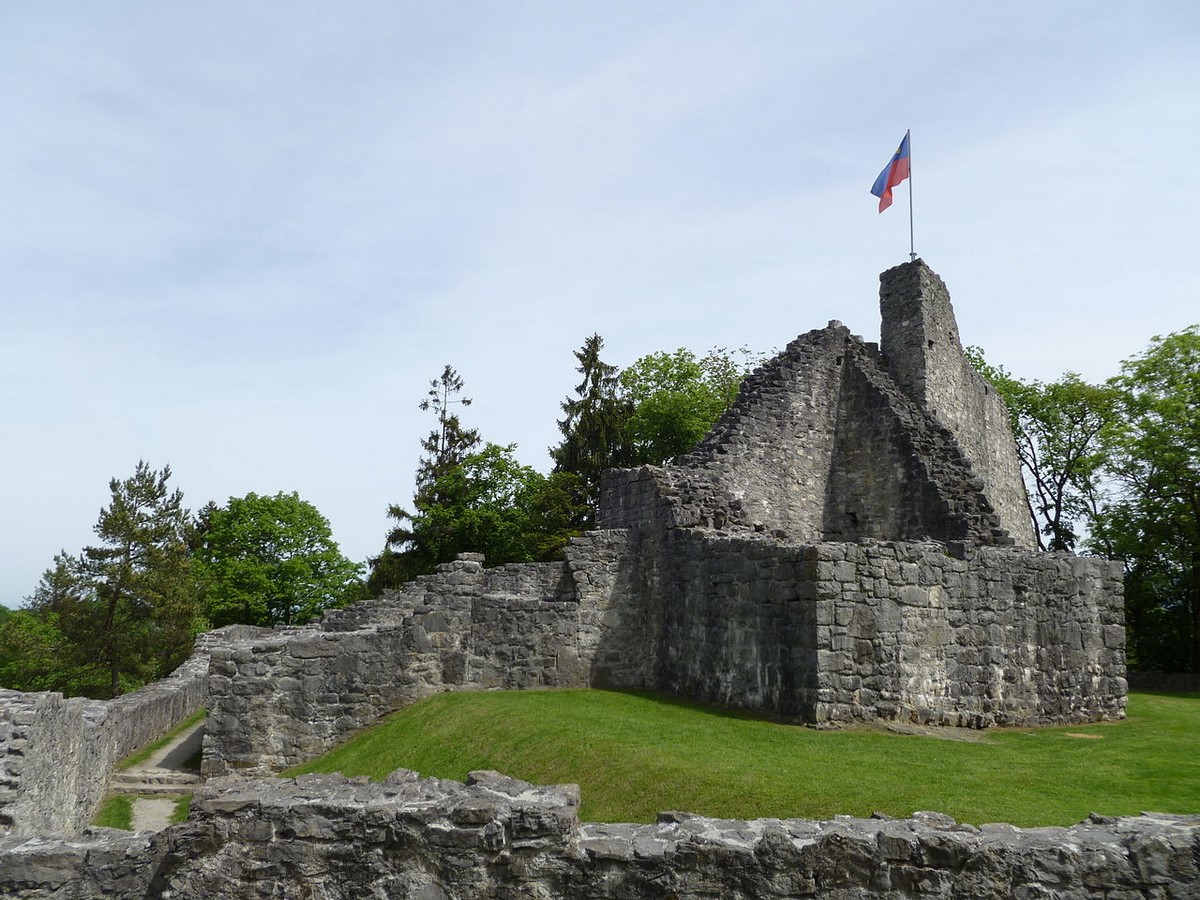
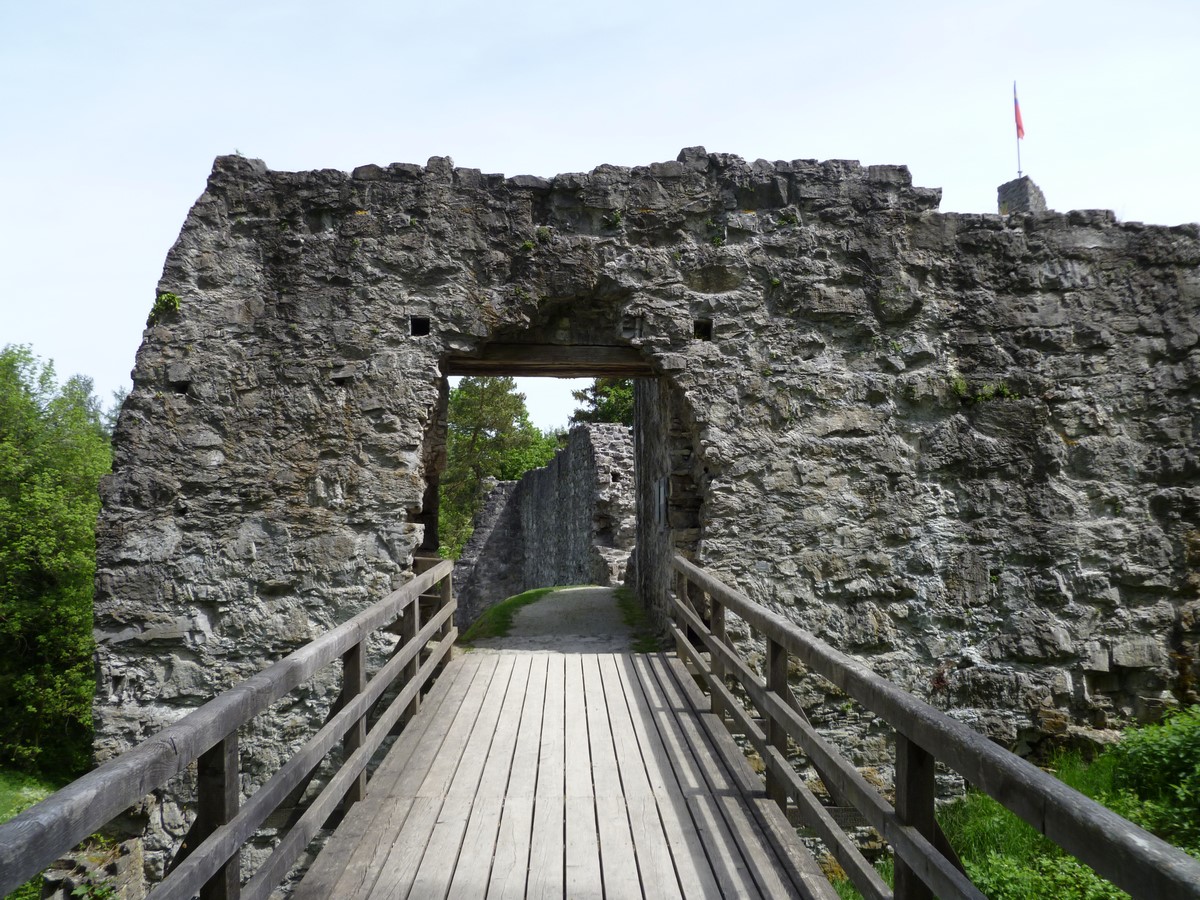
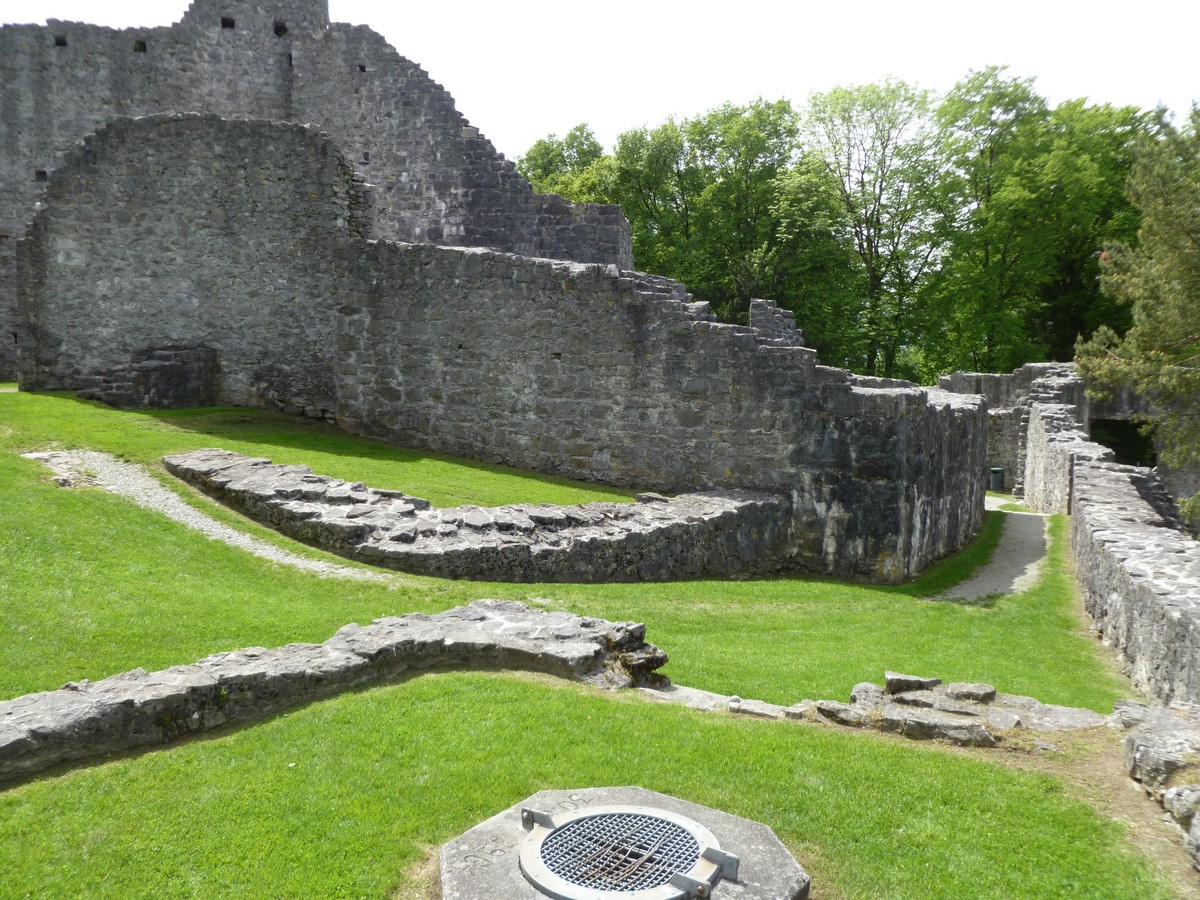
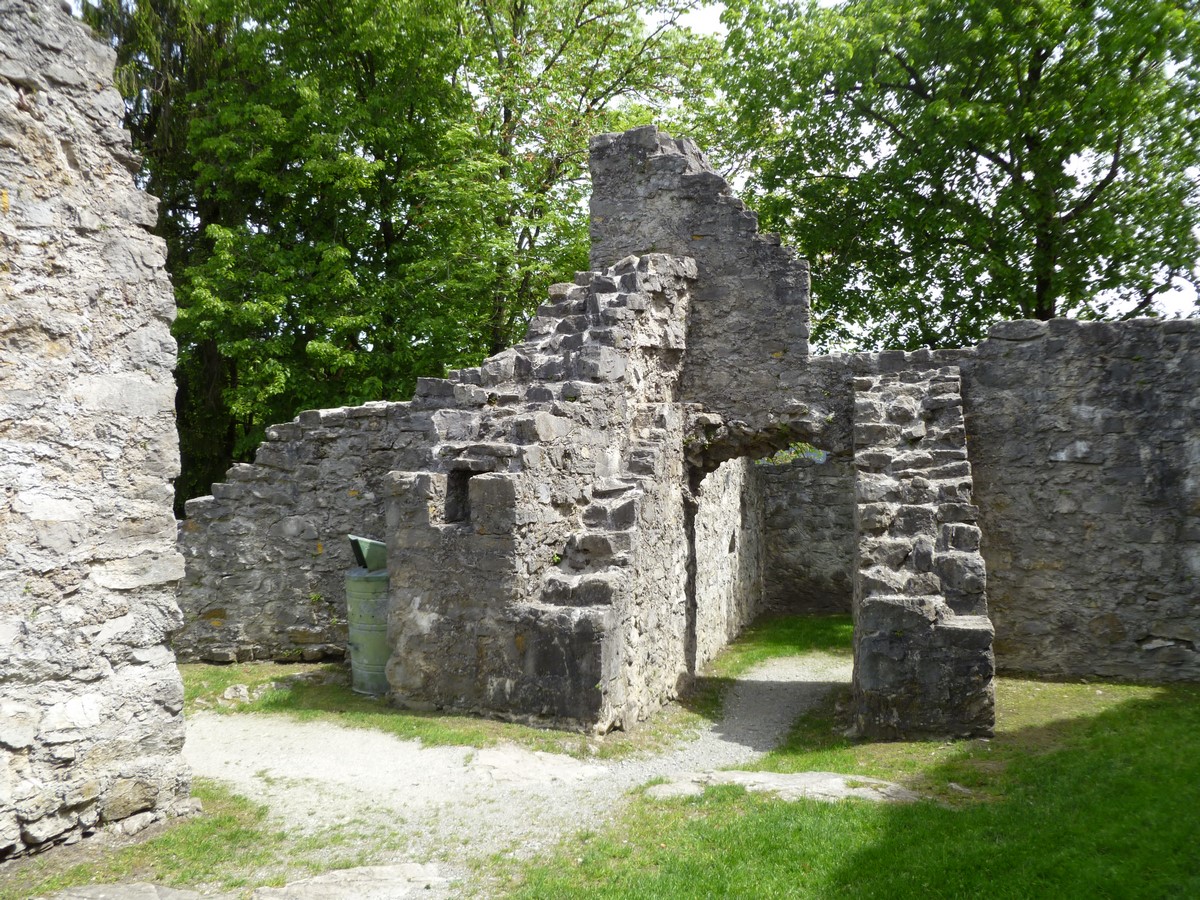
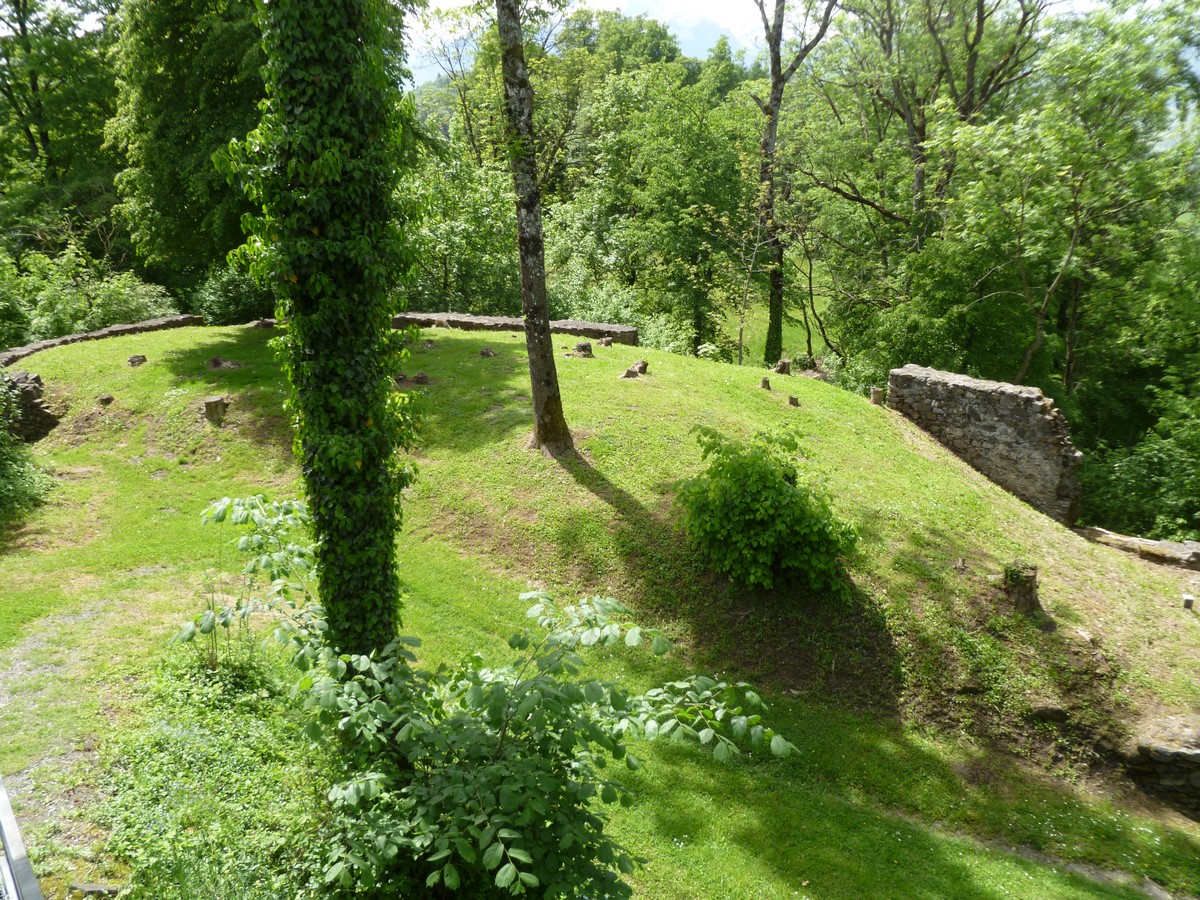
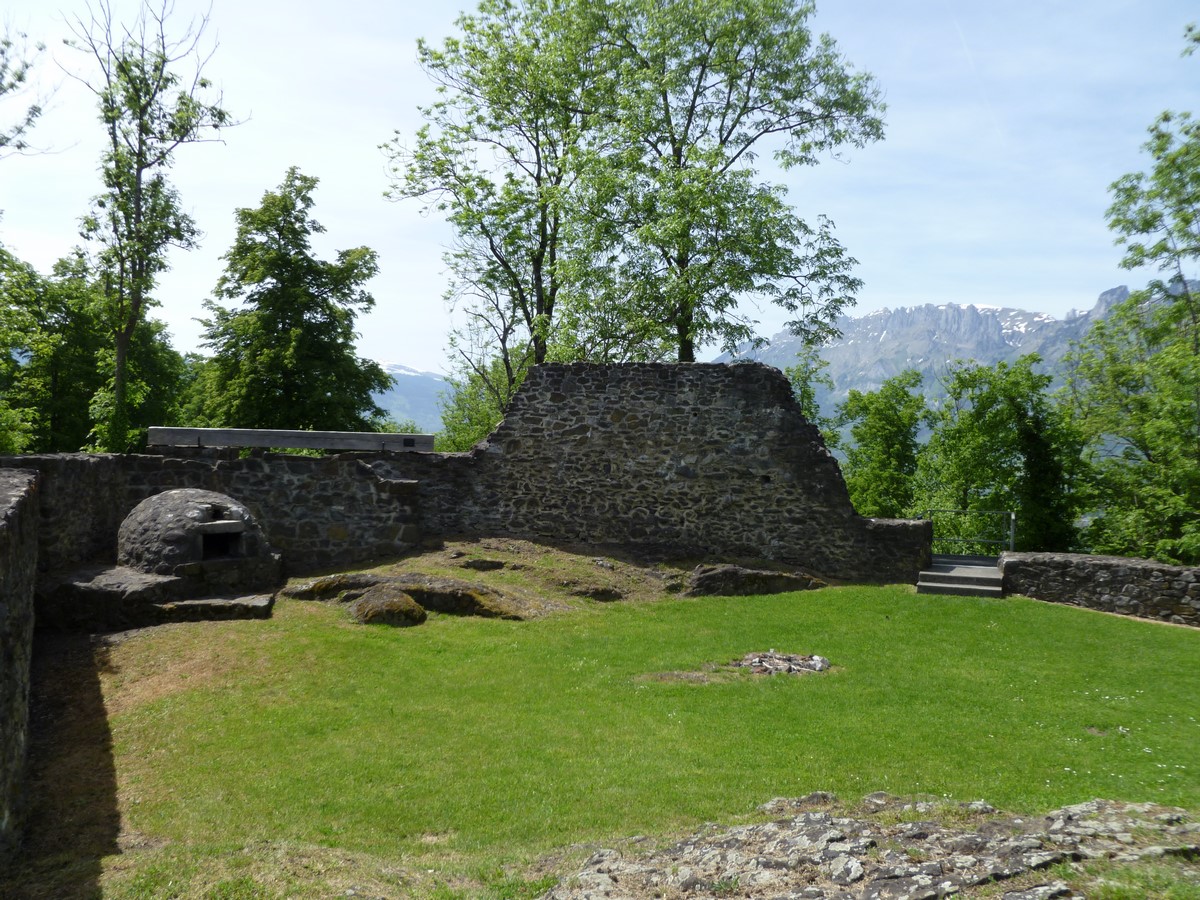
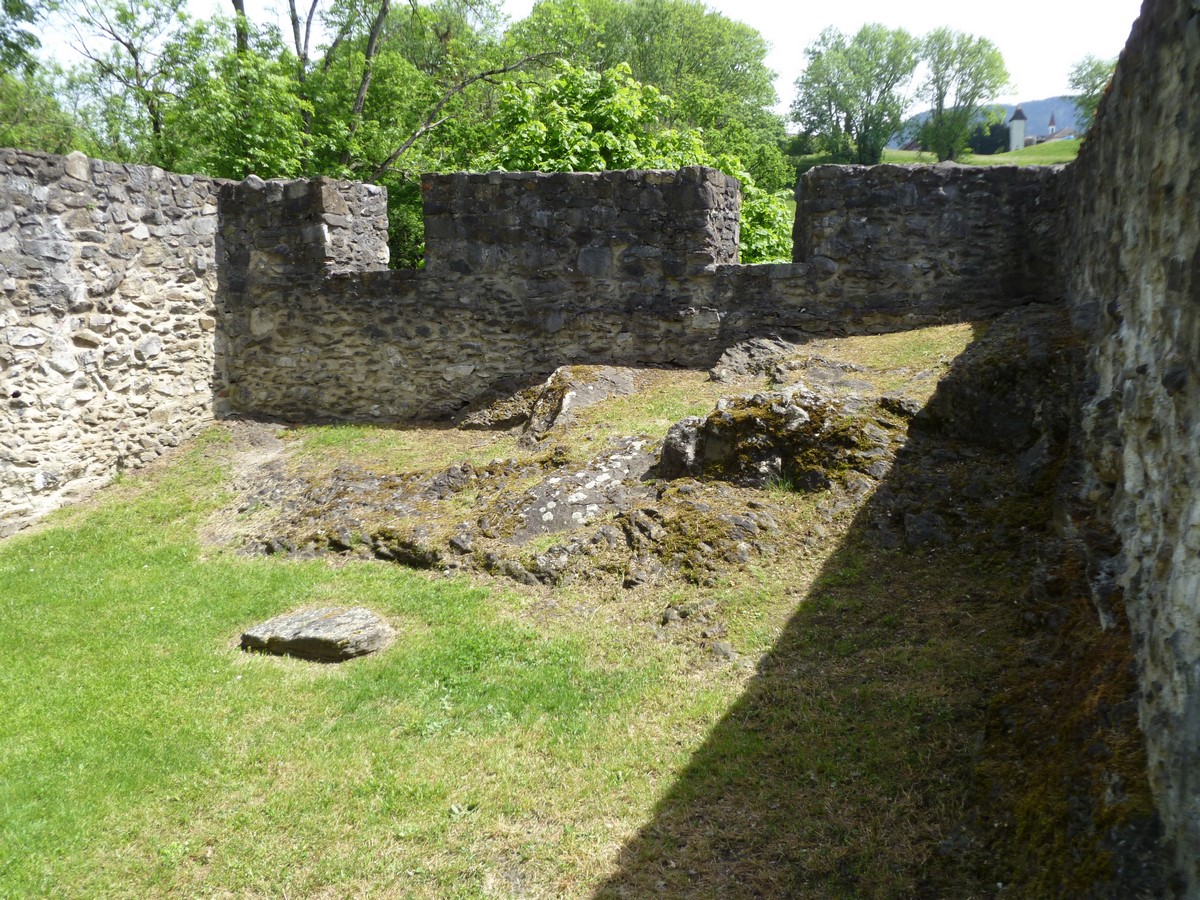
Schellenberg has two sets of castle ruins, the “Obere Burg” (“Upper Castle”) and “Untere Burg” (“Lower Castle”) constructed around 1200. The upper castle lies at the western edge of Hinterschloss easily accessible on foot. The Lower castle lies at the edge of a local forest and accessible by bike or footpath.
11. Old Rhine Bridge
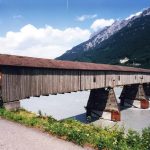
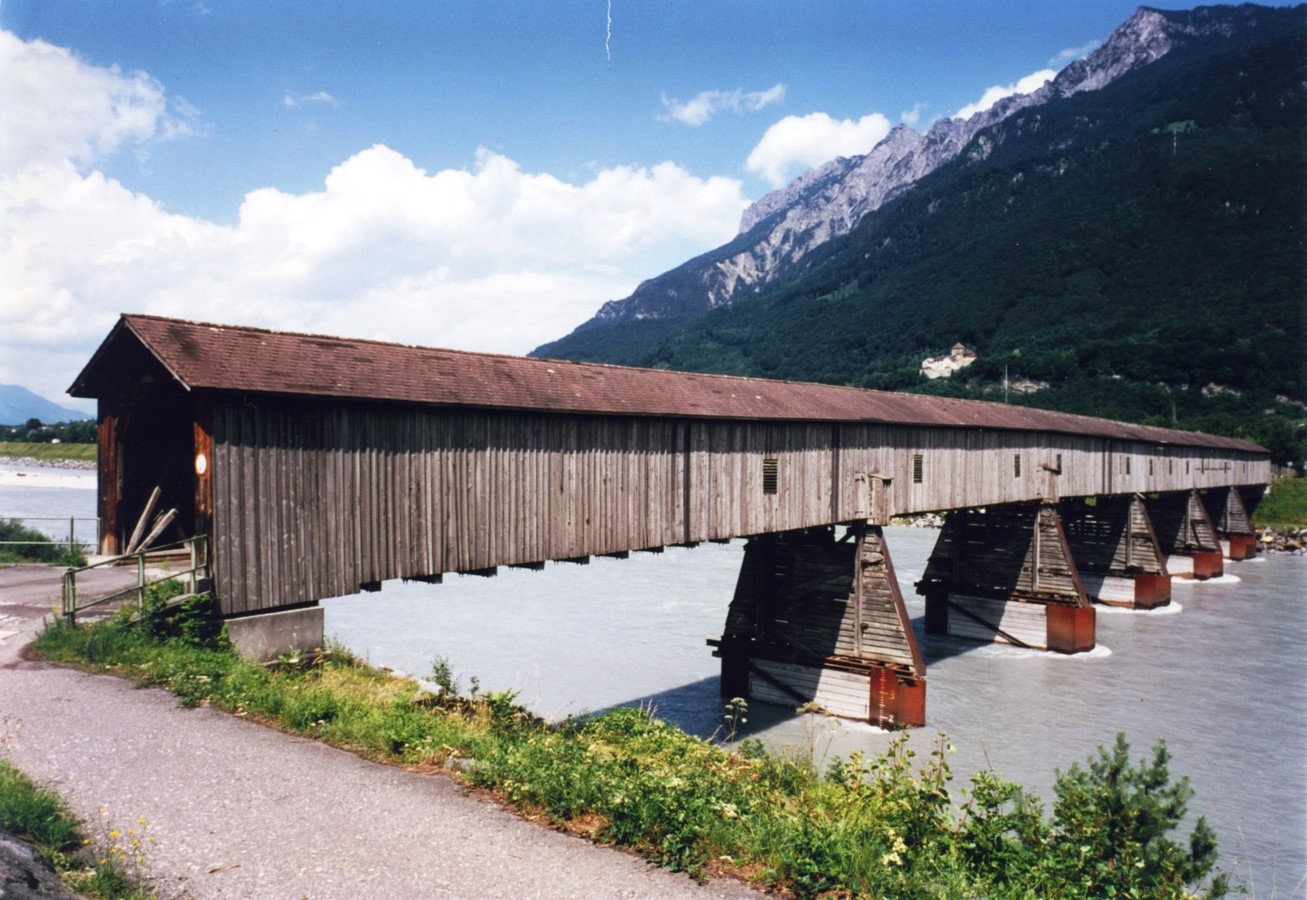
A significant example of early Swiss timber engineering, Old Rhine Bridge is 135m long and 6m wide is a wooden covered bridge linking the municipalities of Vaduz and Sevelen. It rests on five wooden double pillars that are reinforced with metal at the lower sections. The span between the pillars measures 26 meters in the two end sections and 20 meters in the four middle sections. Built-in 1901, it is the largest preserved and the only remaining wooden bridge spanning the river Rhine. It is very popular amongst cyclists and one of the easiest country borders to cross!
12. Walser Museum
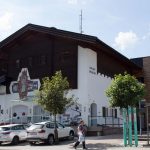
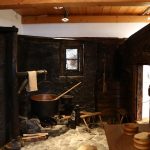
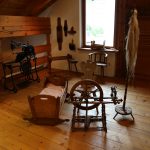
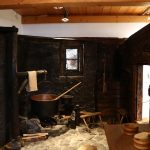
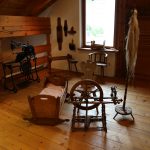
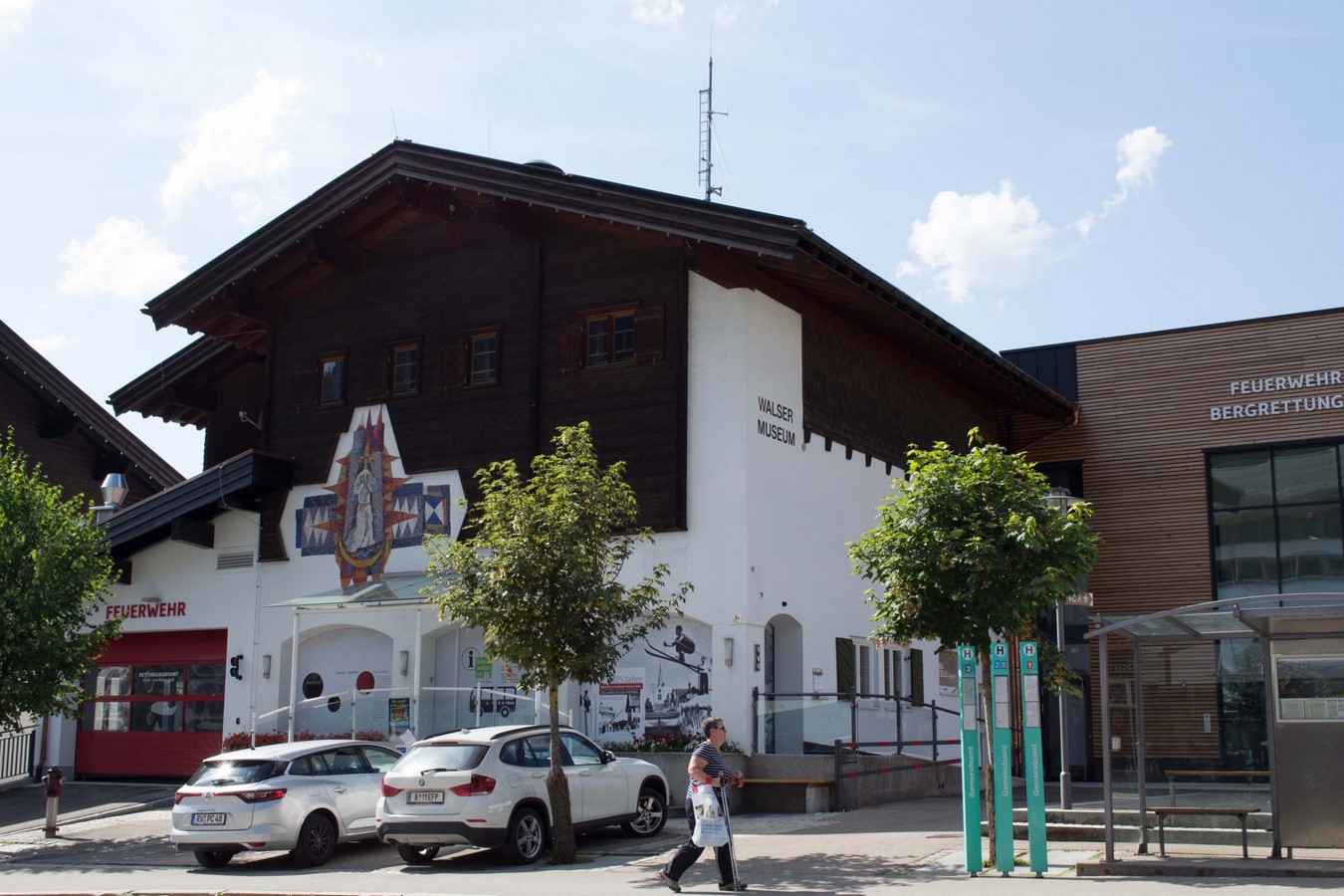
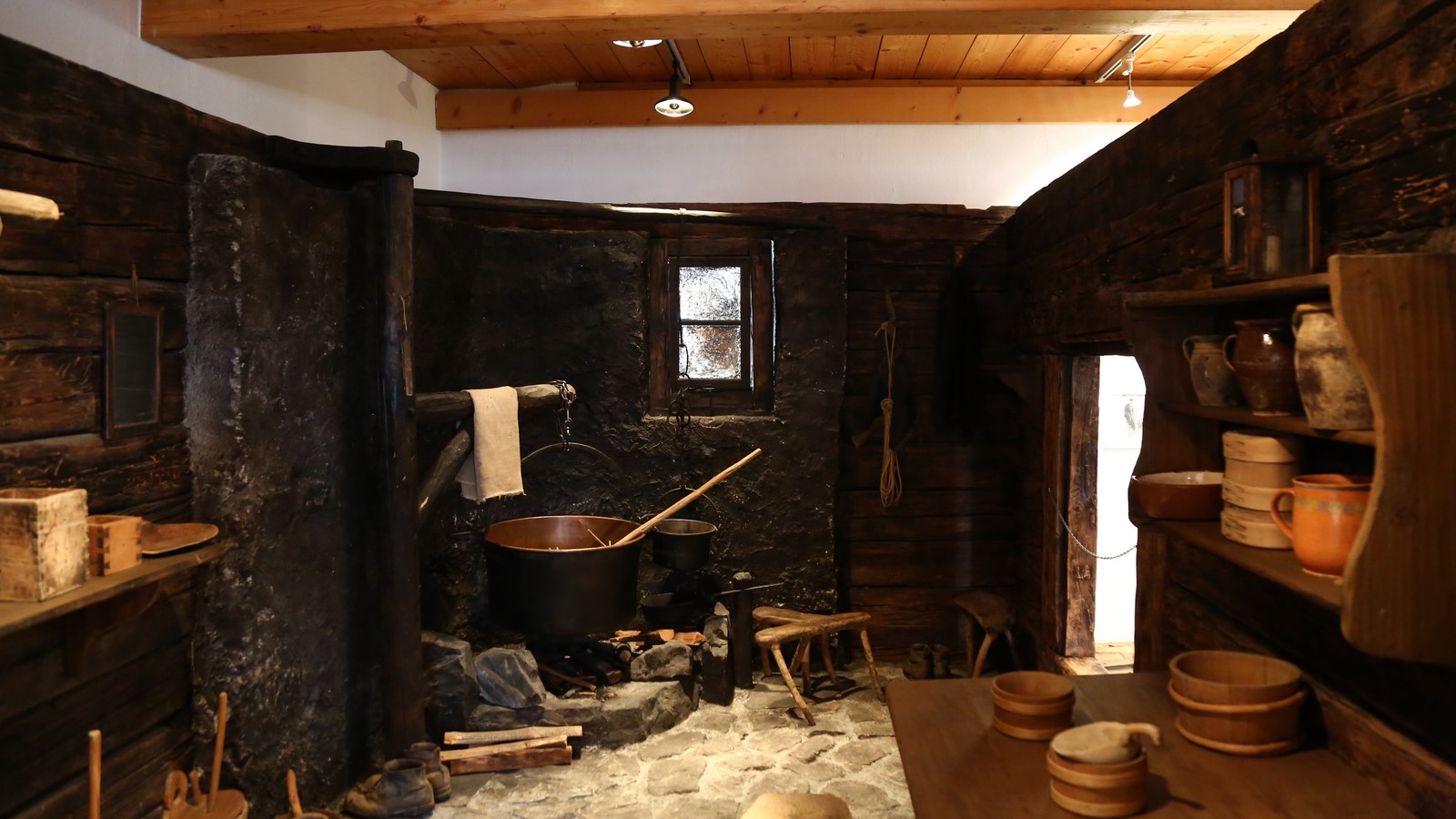
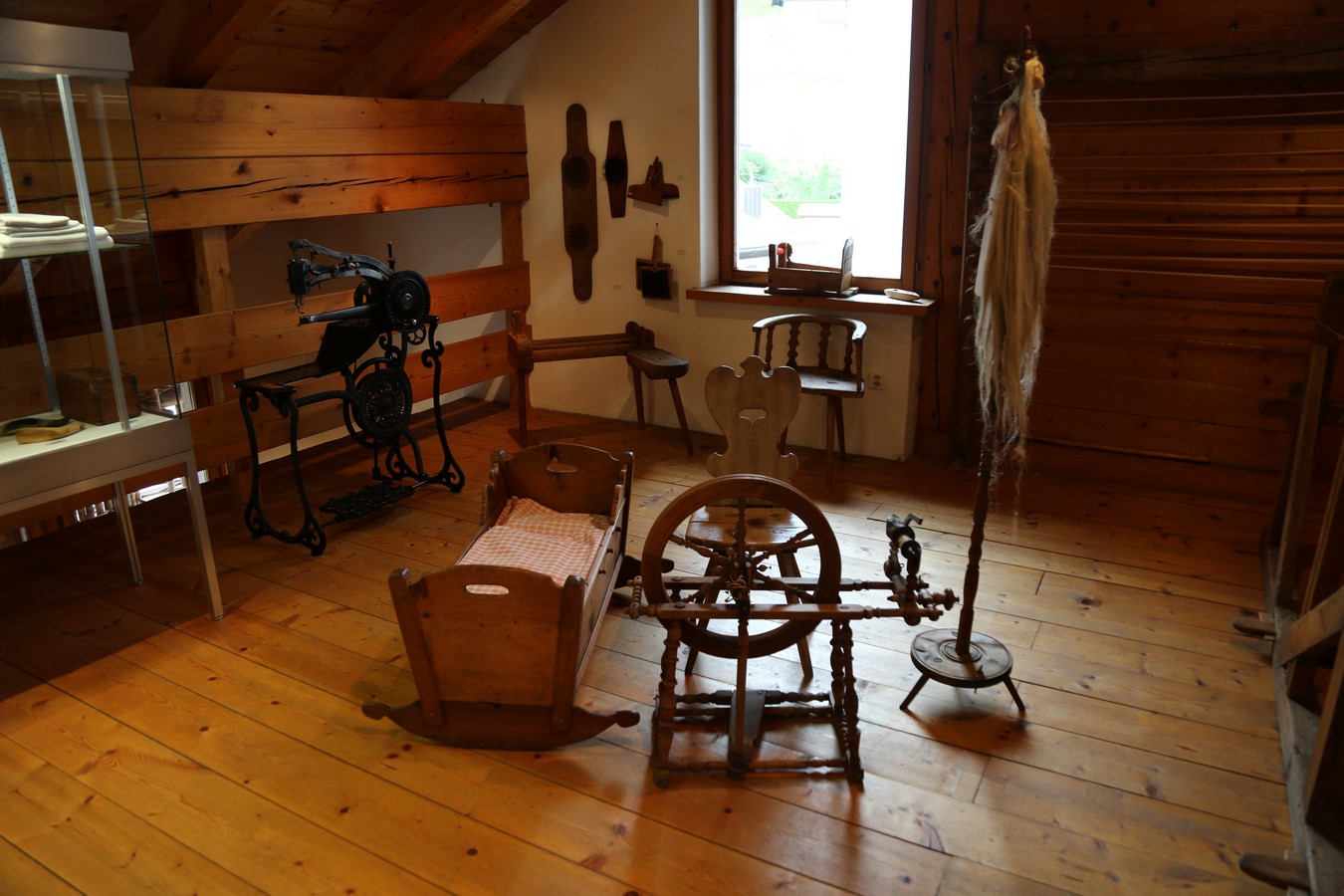
An interesting cultural museum that depicts the ethnographical collection of the Walser people who settled at Triesenberg in the 13th century; the main building in itself is an architectural marvel, 400-year-old Walser house. The museum throws light on the culture, traditions, customs, and 25-minute multimedia giving an insight into how the village has changed over the years that one should definitely not miss.
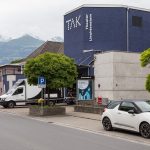
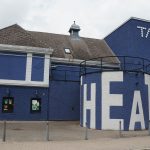
13. TAK Theater
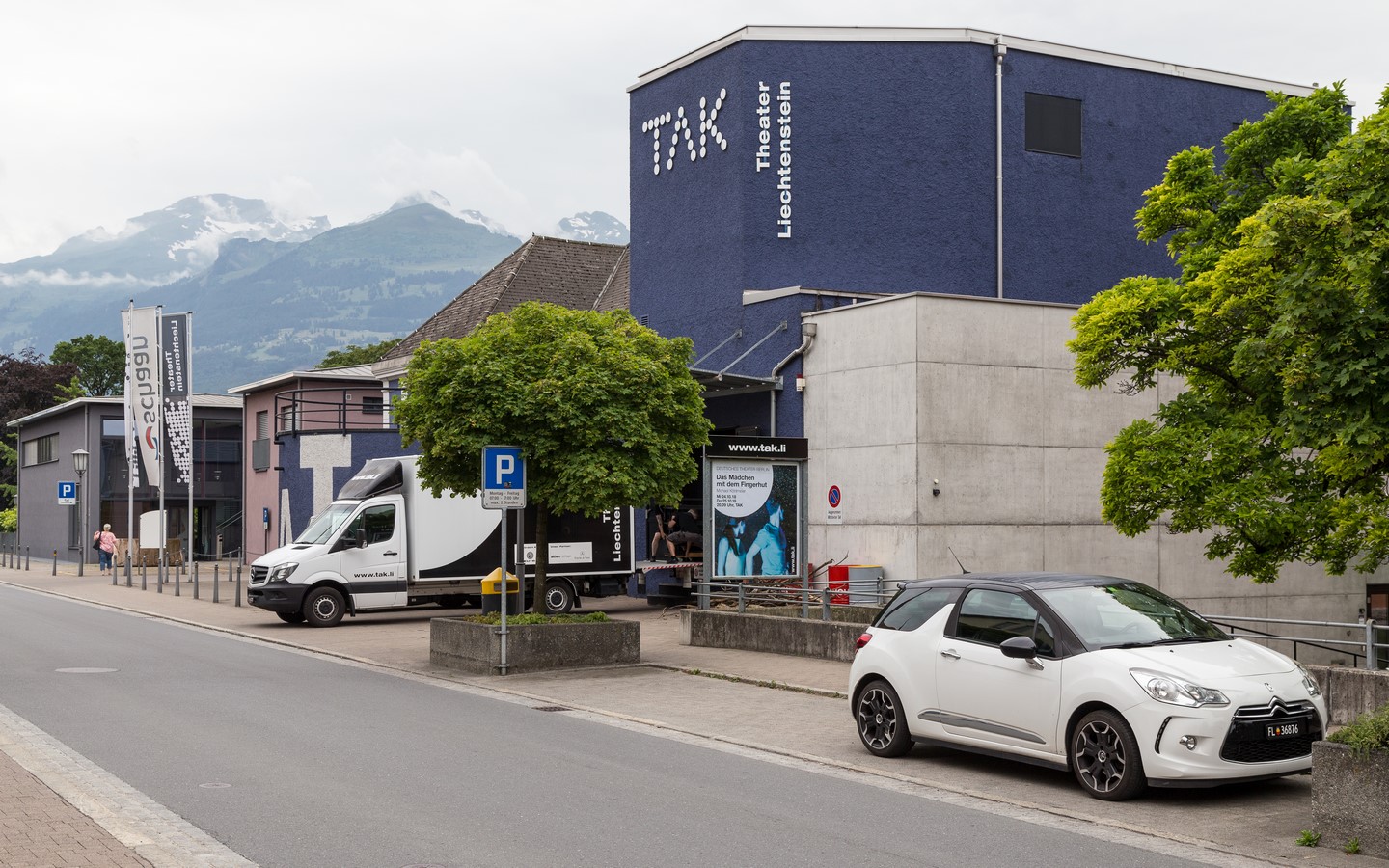
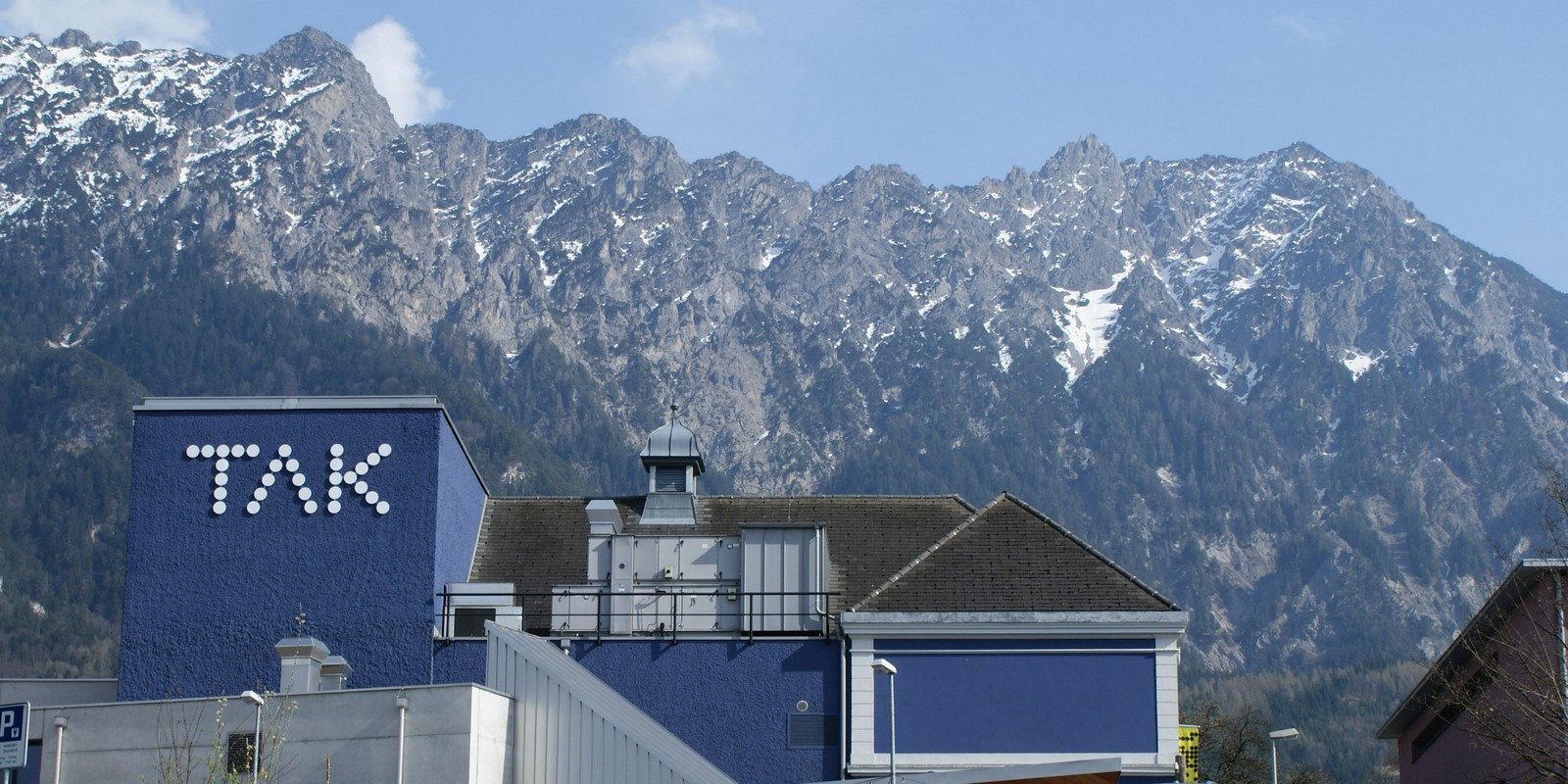
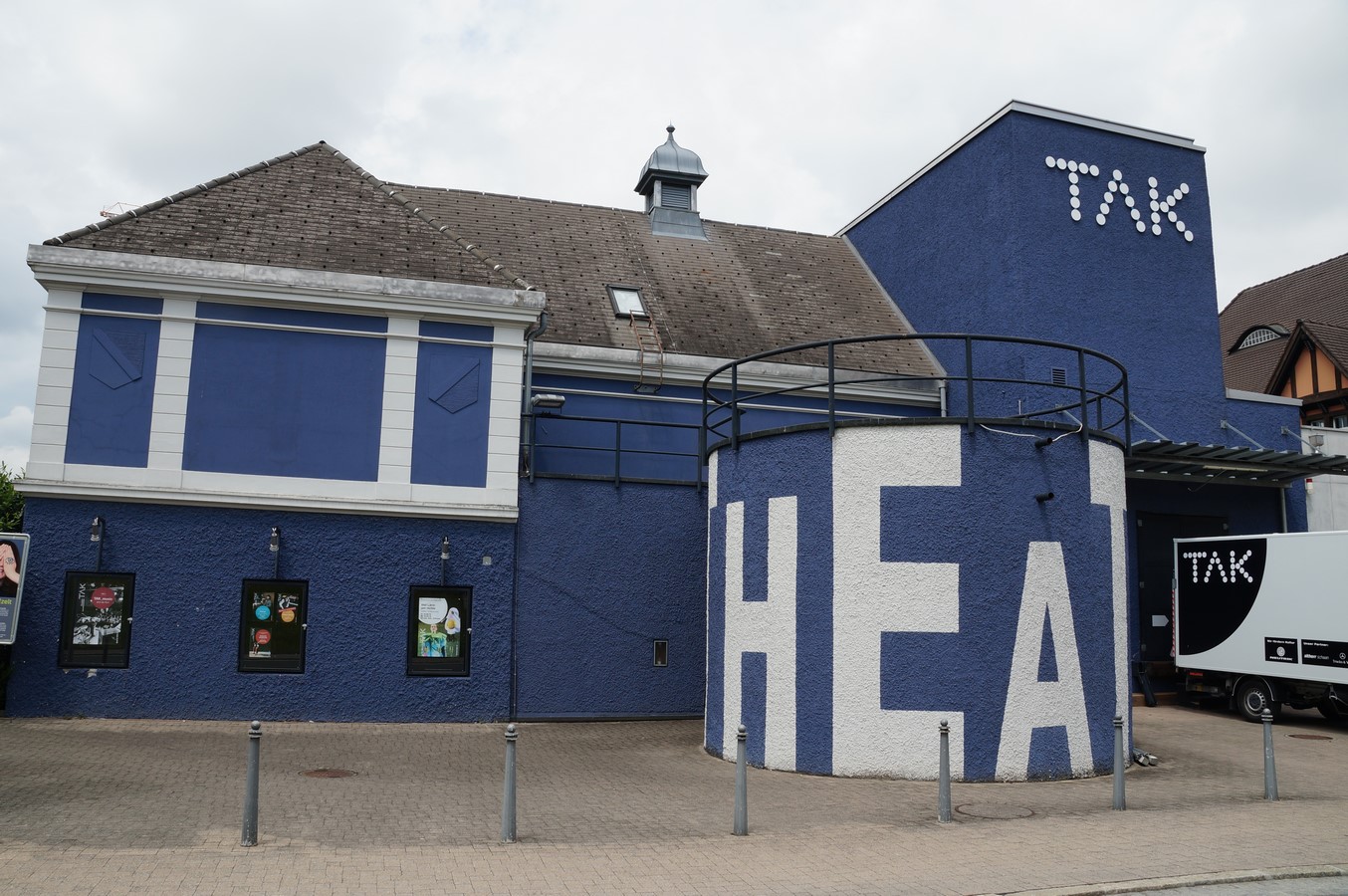
The TAK is the foundation of the theatre scene in the small country. It has been combining various forms of arts like acting, music, comedy, dance, literature at this once place. It has had various cultural programs by renowned artists and served as a platform for developing talents.
14. The Towns of Nendeln and Eschen
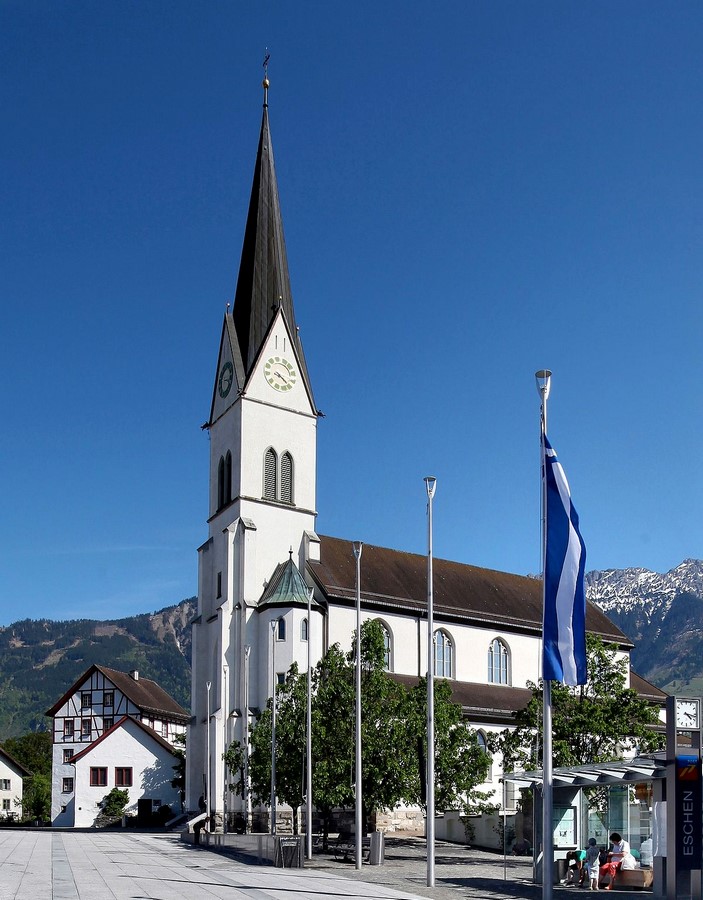
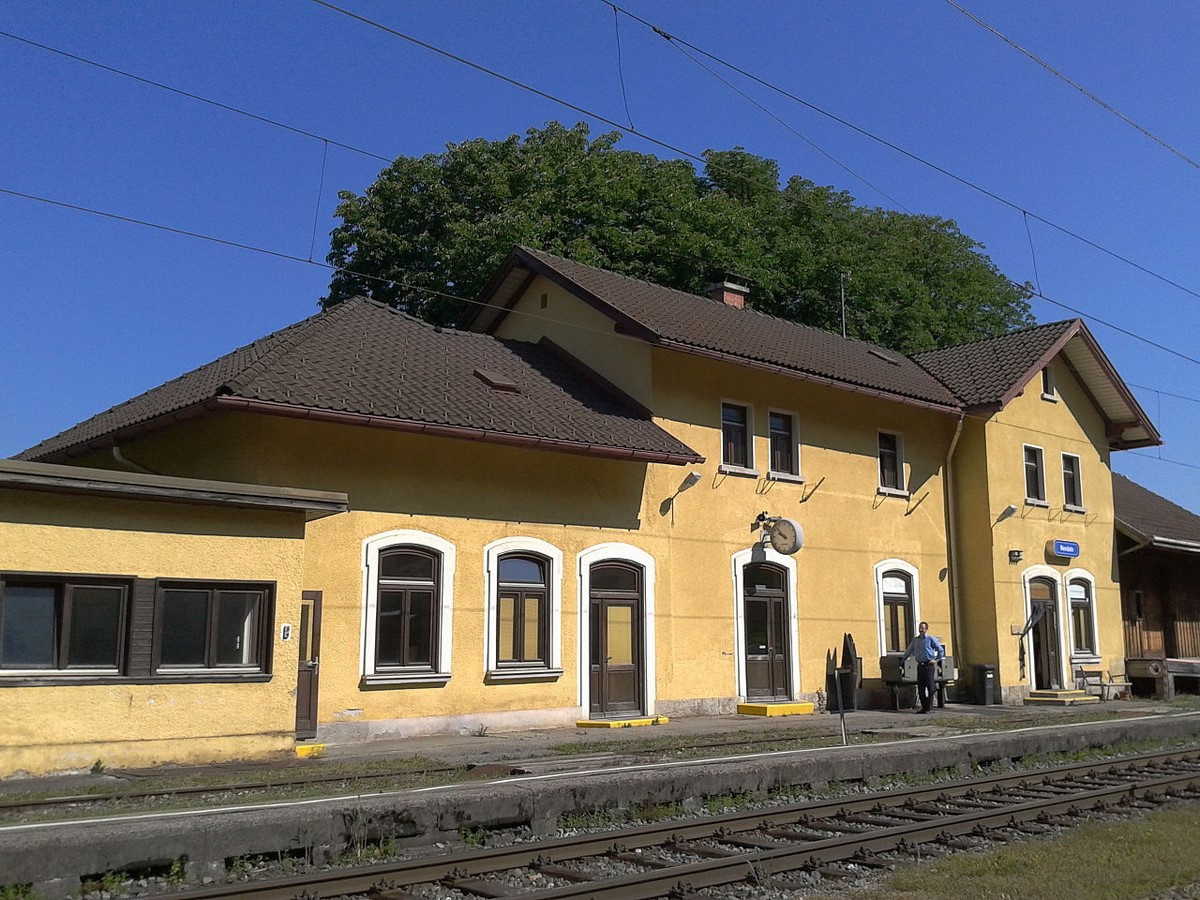
Just 3 kms north of Vaduz is this industrial town of Nendeln notable for its old Roman fort foundations, Schadler Pottery that was established in 1836 and the oldest craft workshop in the country. It is also famous for its stoneware, crockery, traditional tiled stoves, and a lot of other things. In Eschen, one can see the Pfrundhaus from the 14th century which displays the local art and the Holy Cross Chapel.

15. The Calculator and Typewriter Museum
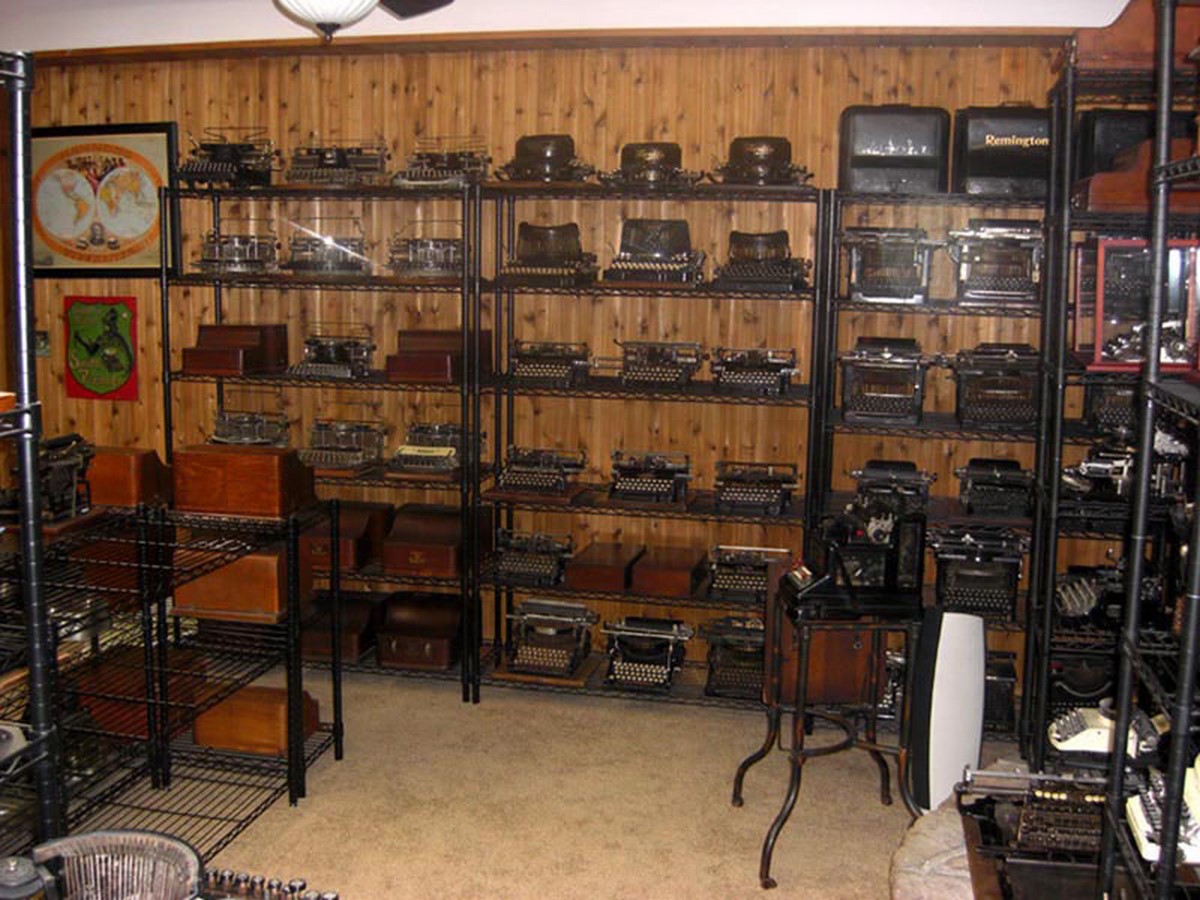
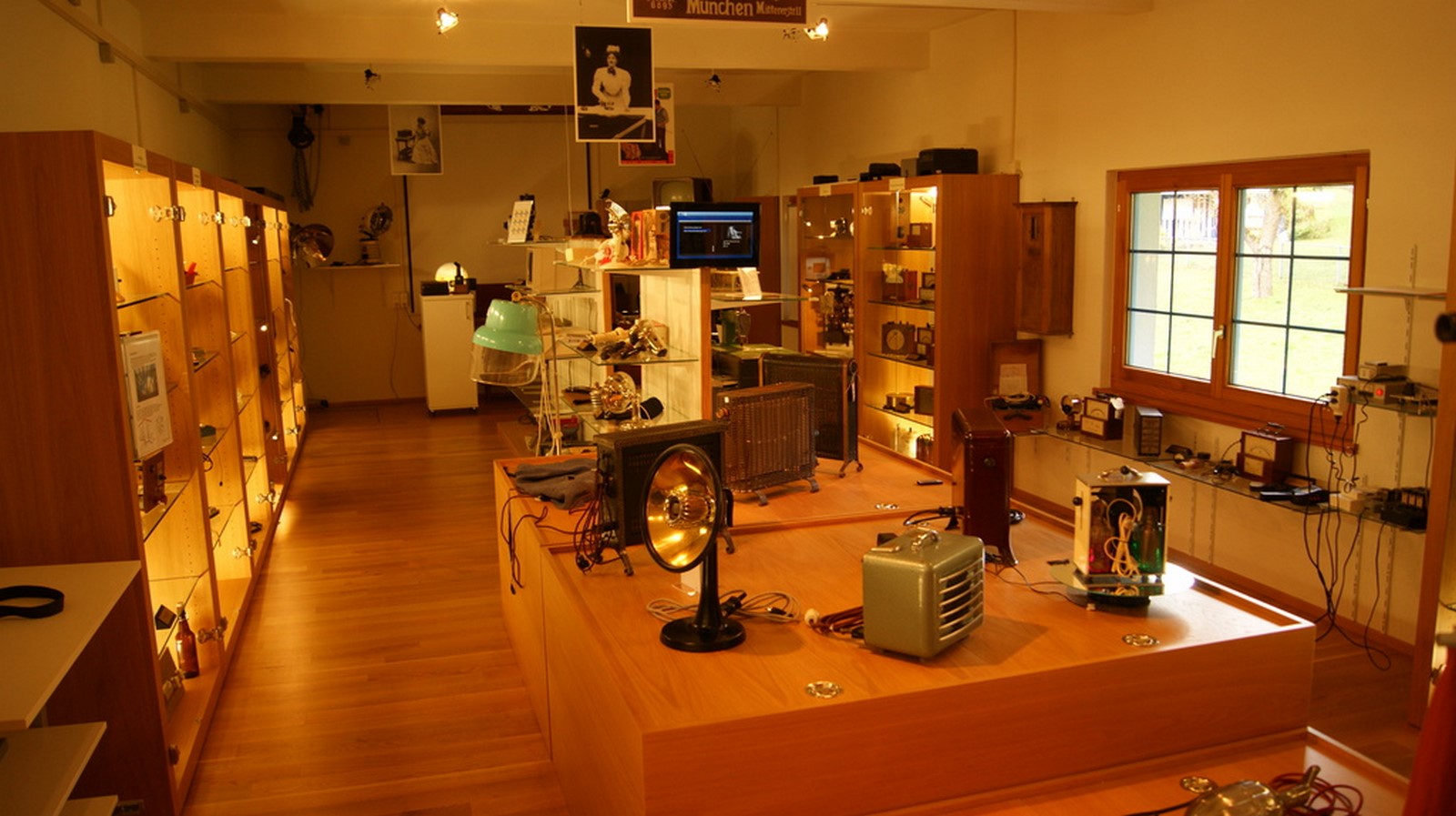
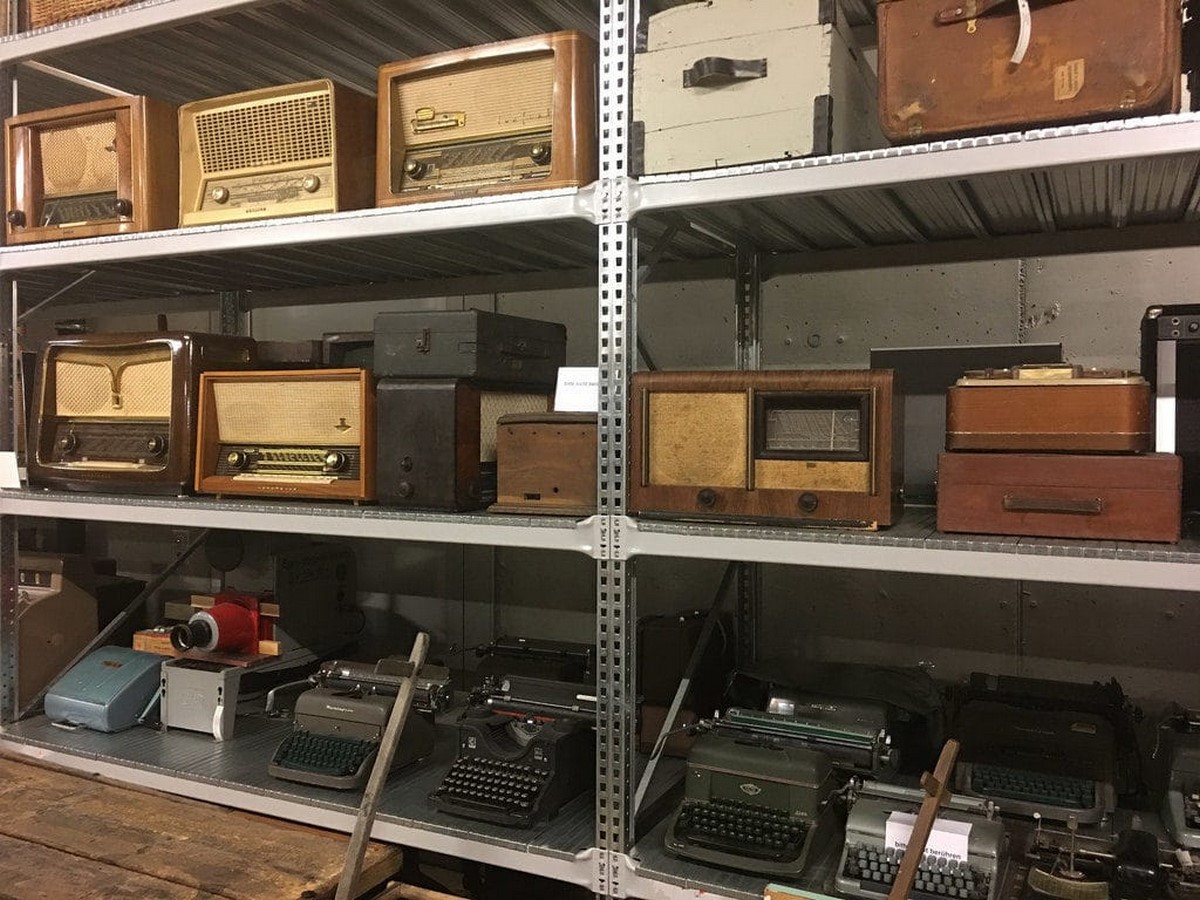
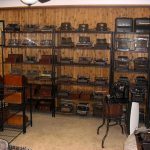
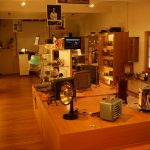
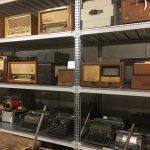
A treasure trove of calculators and typewriters, this expansive museum has the smallest mechanical calculator in the world. Not just that, the star piece is the ‘Enigma’ of the German Wehrmacht from the Second World War used to encrypt and send secret messages, a very interesting museum with an extensive collection of over 250 exhibits of these machines.