Payitaht: Abdülhamid is a renowned Turkish historical television series which focuses on the final 13-year reign of Sultan Abdülhamid II, the last influential leader of the Ottoman Empire. The show comprehensively elaborates on the Sultan’s undeterred fight against intense internal and external threats which were crumbling the Ottoman Empire in the late 19th century. The show highlights Sultan Abdülhamid’s remarkable intellect, strategy and intelligence to combat political, cultural, and social conspiracies against him and the empire. Set in modern Istanbul, the series has earned recognition for its architecture and spatial design, which clearly convey the story’s timeline and gracefully frame the political drama within the atmospheric nuances of 19th-century Istanbul: the cosmopolitan city life and palatial grandeur.
The Setting
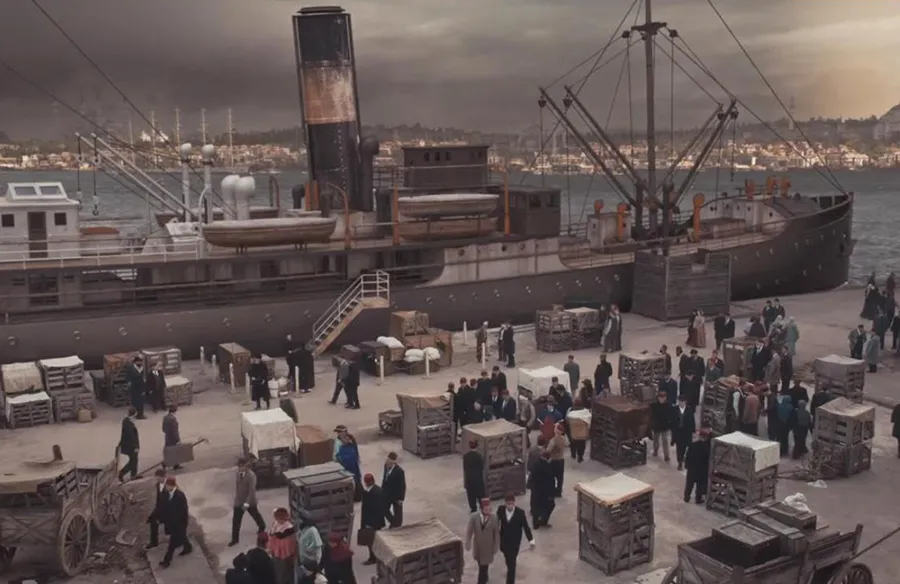
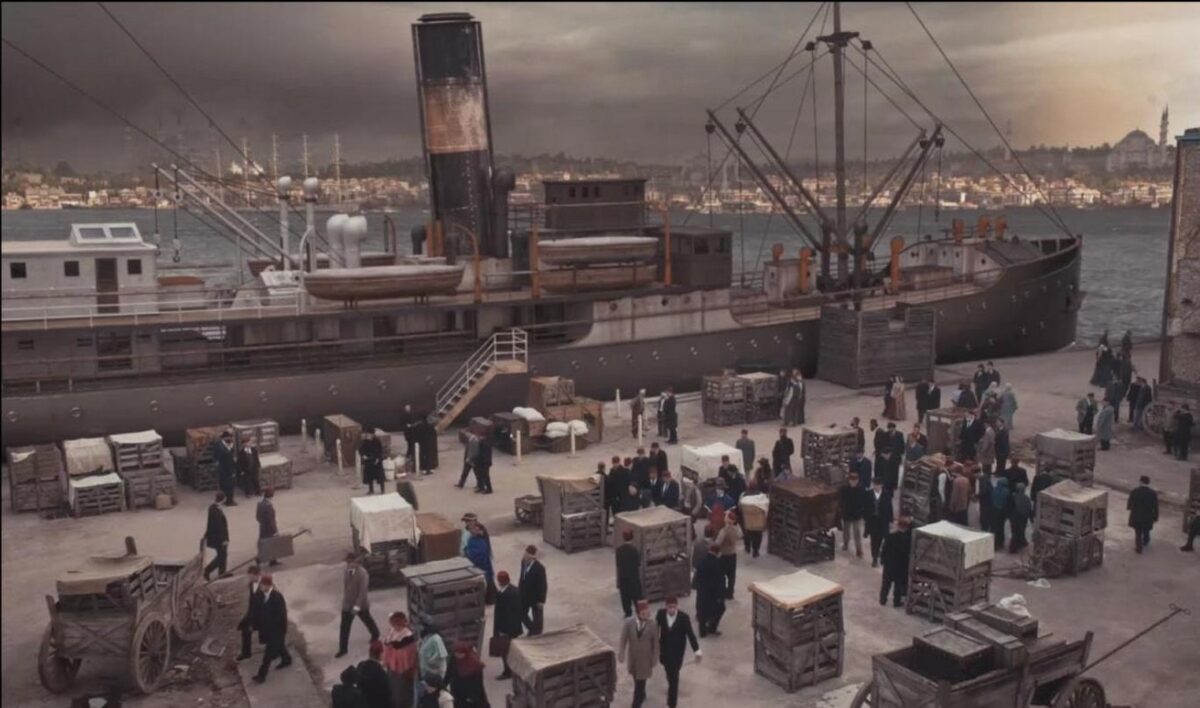
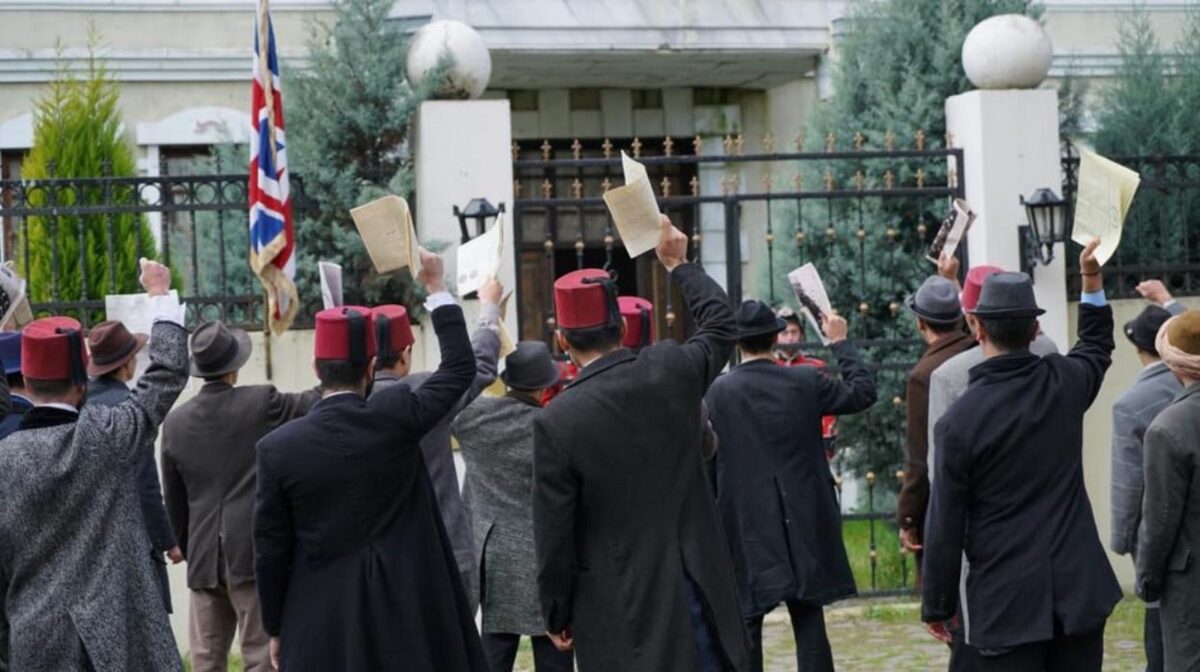
Unlike many historical Turkish television series which document the early years of the Ottoman Empire, Payitaht: Abdülhamid offers a perspective on how events actually unfolded in the modern Ottoman Empire. The plot of the drama is complex and comprehensive, revolving around themes of state politics, mystery, conspiracy, faith, resilience, propaganda, and advancement. The story is built around a detailed architectural landscape: ports, palaces, embassies, mansions, streets, neighbourhoods, shops, banks, and markets of 19th-century Istanbul, establishing the context for the intended narrative. The palaces and mansions showcase the imperial lifestyle, rule, and legislation; the urban streets show the interaction between architecture and everyday life, as well as setting the stage for the Sultan’s processions and, in contrast, protests, street fights, and chases for criminals and accomplices. These environments prepare the stage for the events that meticulously weave together the story..
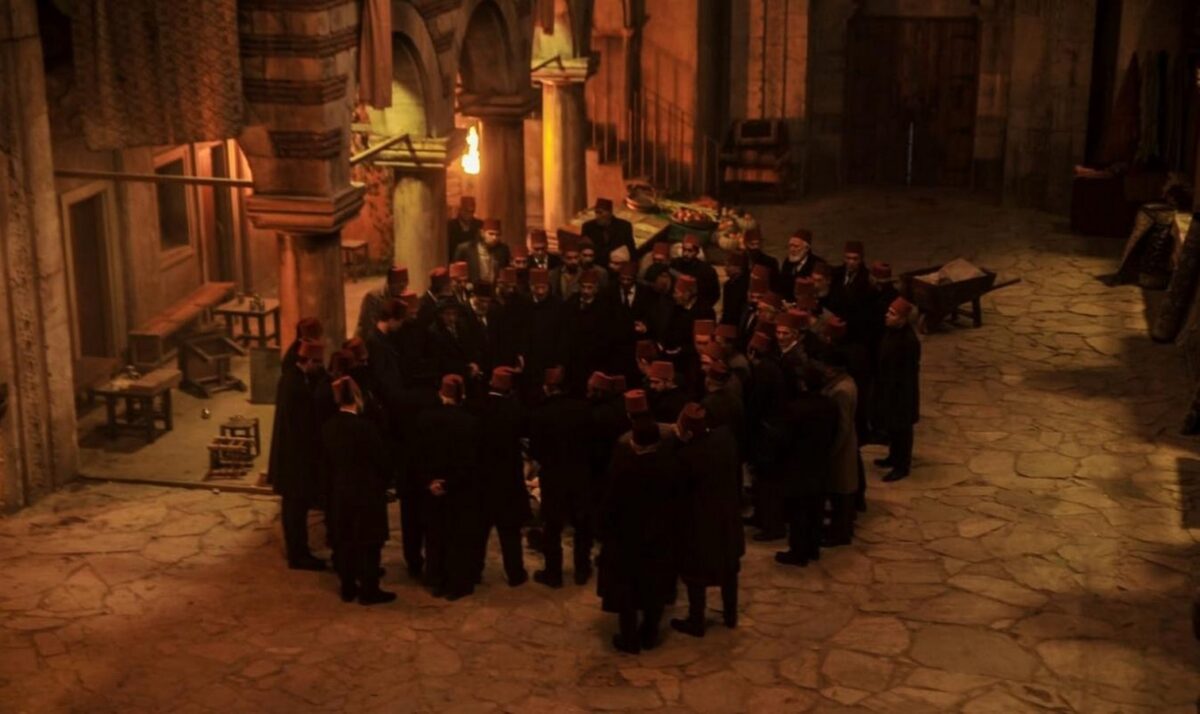
Architecture
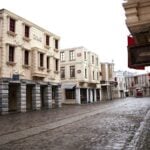
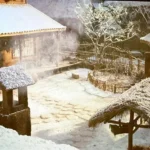
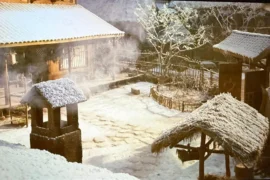
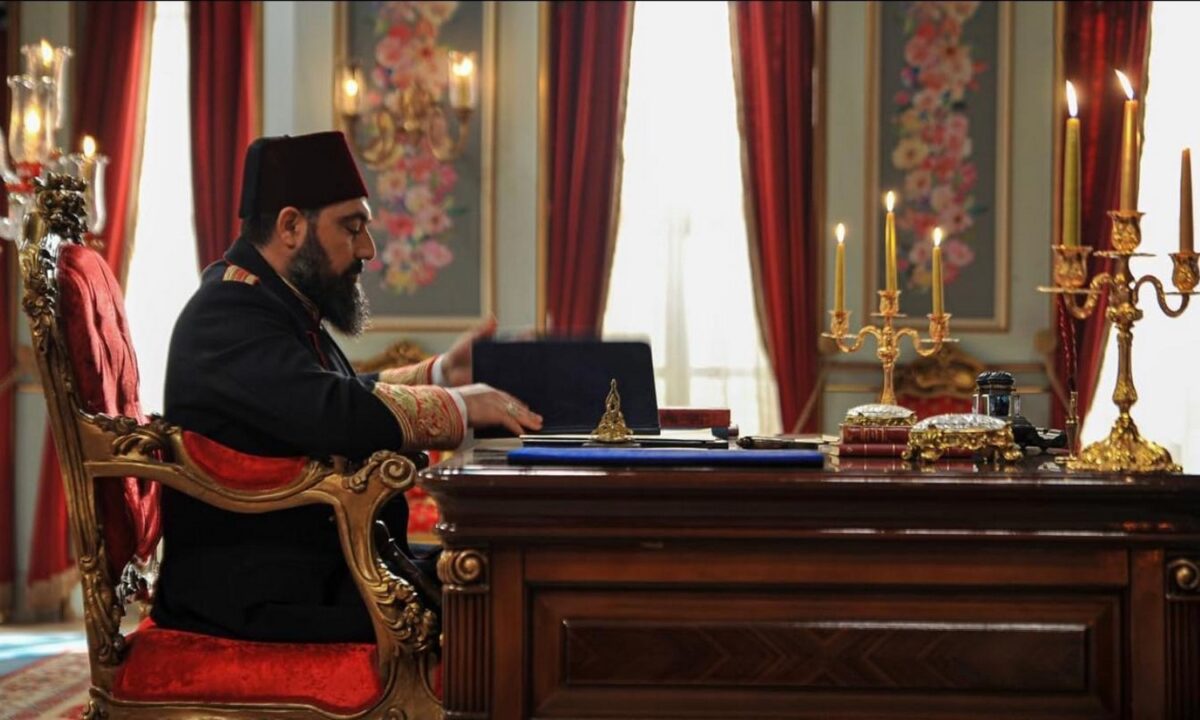
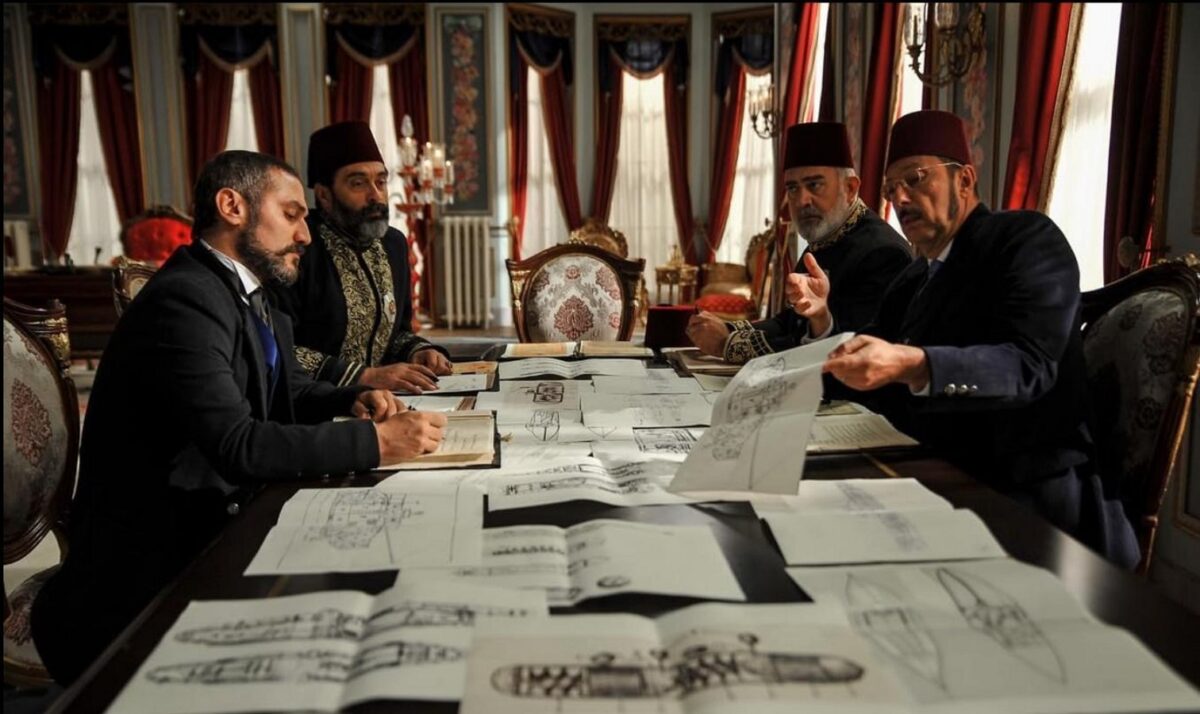
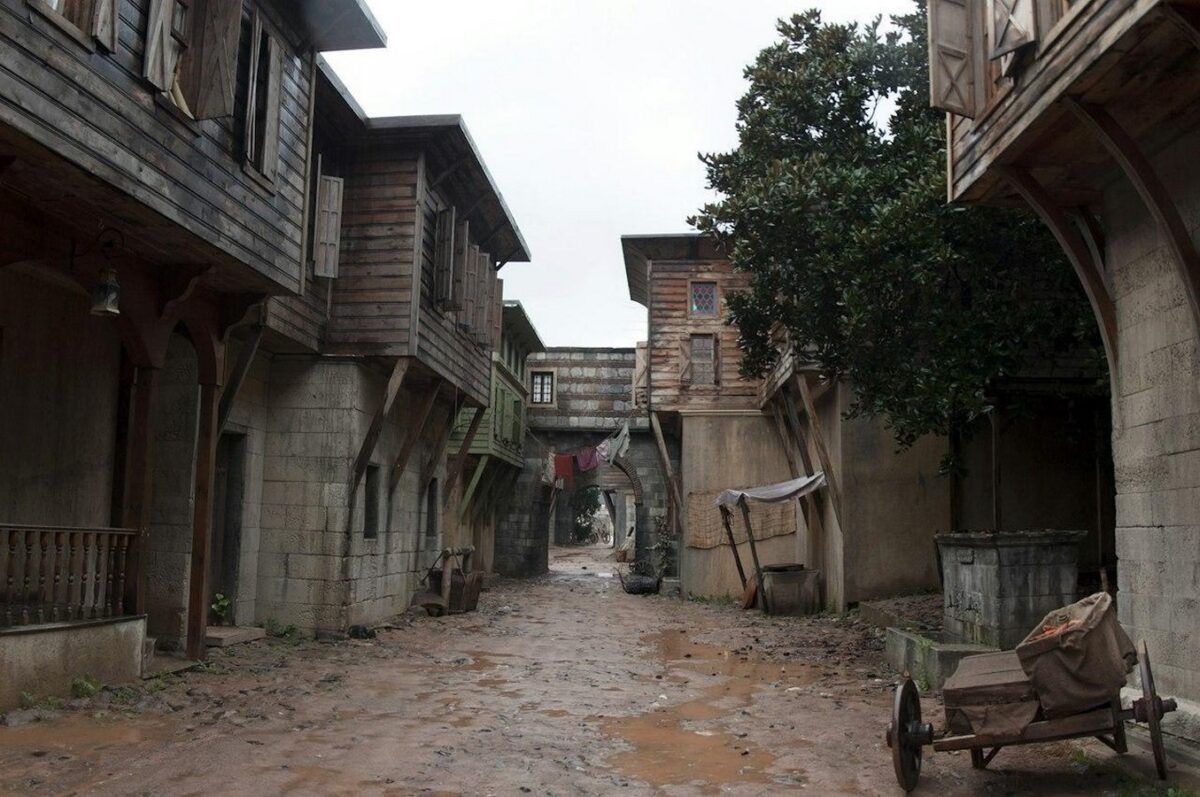
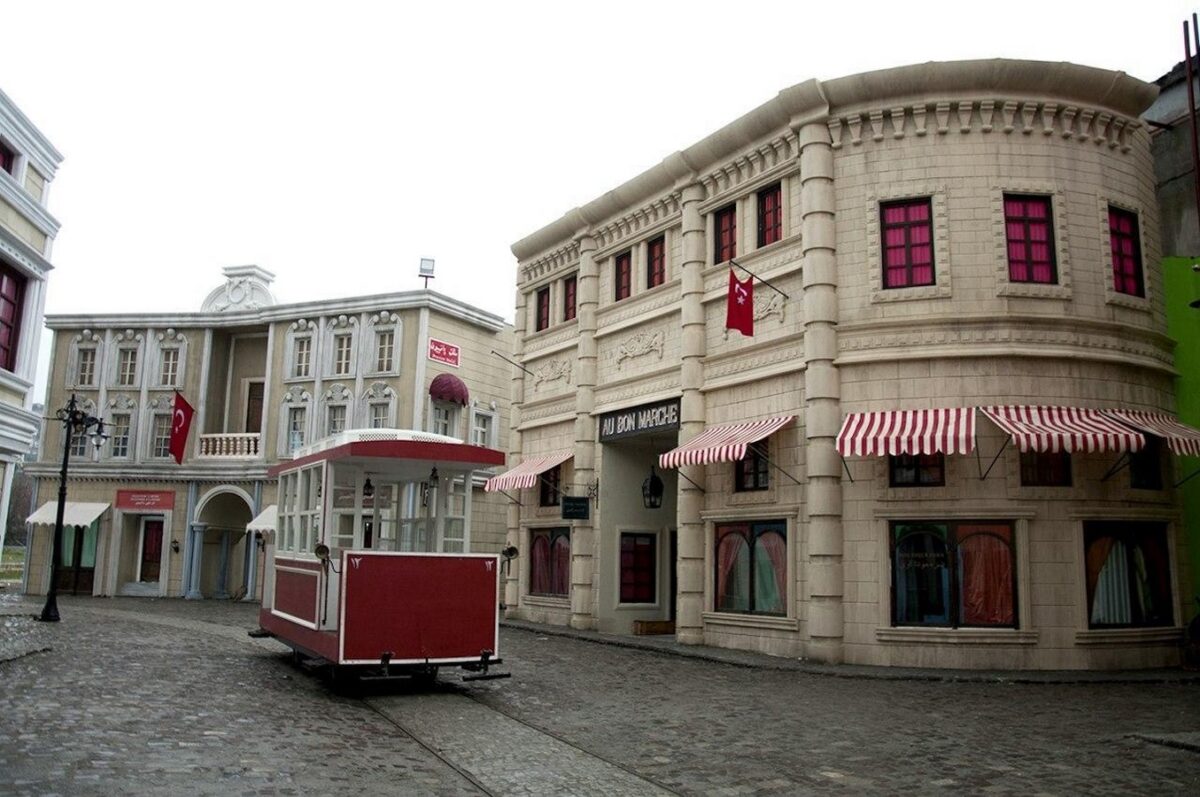
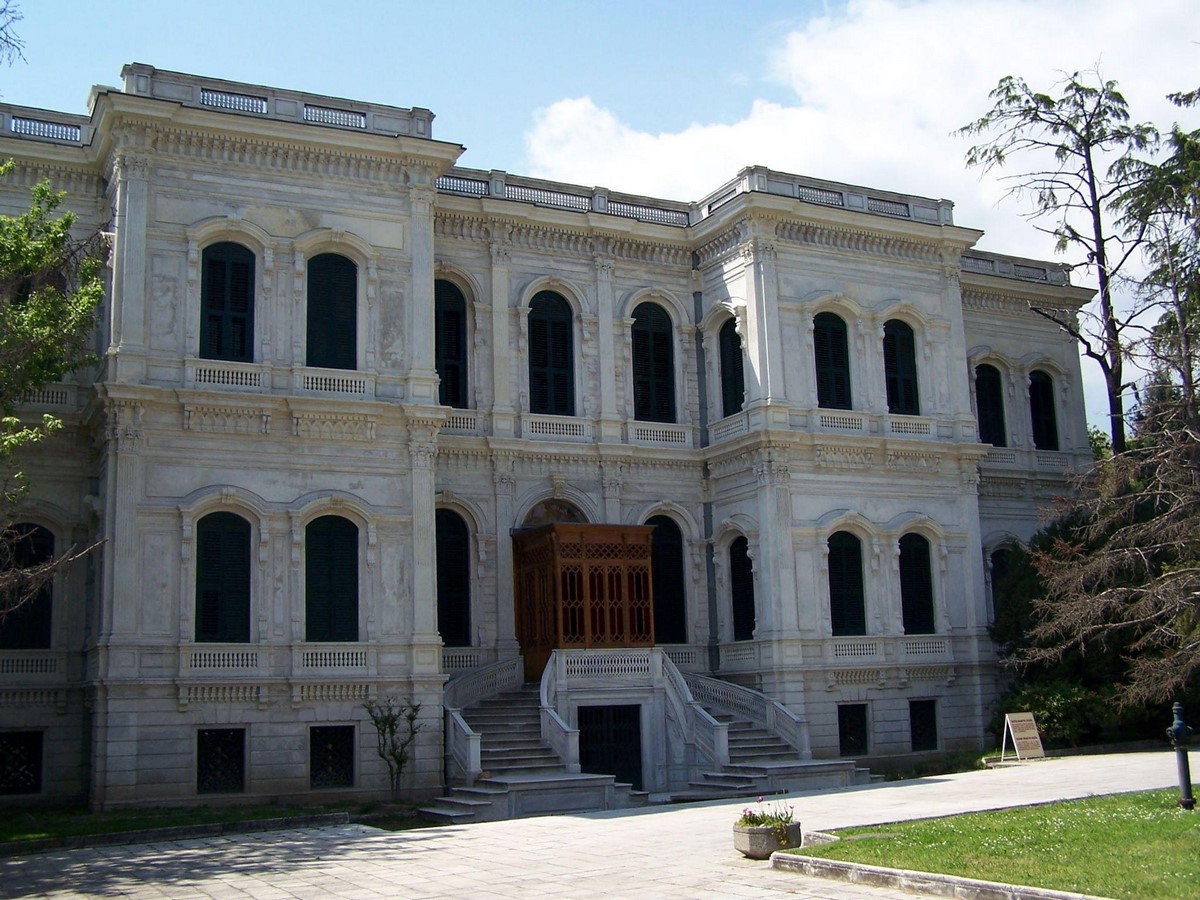
Payitaht: Abdülhamid features replicas of buildings in Neoclassical and Art Nouveau architectural styles, with a blend of Ottoman architectural details, a popular style across the empire at that time. The grand palaces and mansions exude palatial charm and grandeur with golden, red and blue interiors, gilded embellishments, marble facades, chandeliers, carved wooden furniture and elaborate decorative patterns. As the story shifts to streets and neighbourhoods, the scenes reveal fashion boutiques, cafes, shops and embassies around the city which boast a plain aesthetic with polished stone facades, columns, pediments, arches and cornices reflecting the influence of Western architectural styles in Istanbul during the 19th century. In the neighbourhoods, kahvehanes: Ottoman coffeehouses and konagı: houses of the indigenous population manifest a simple, subtle and rustic charm with wooden facades, balconies and verandahs.
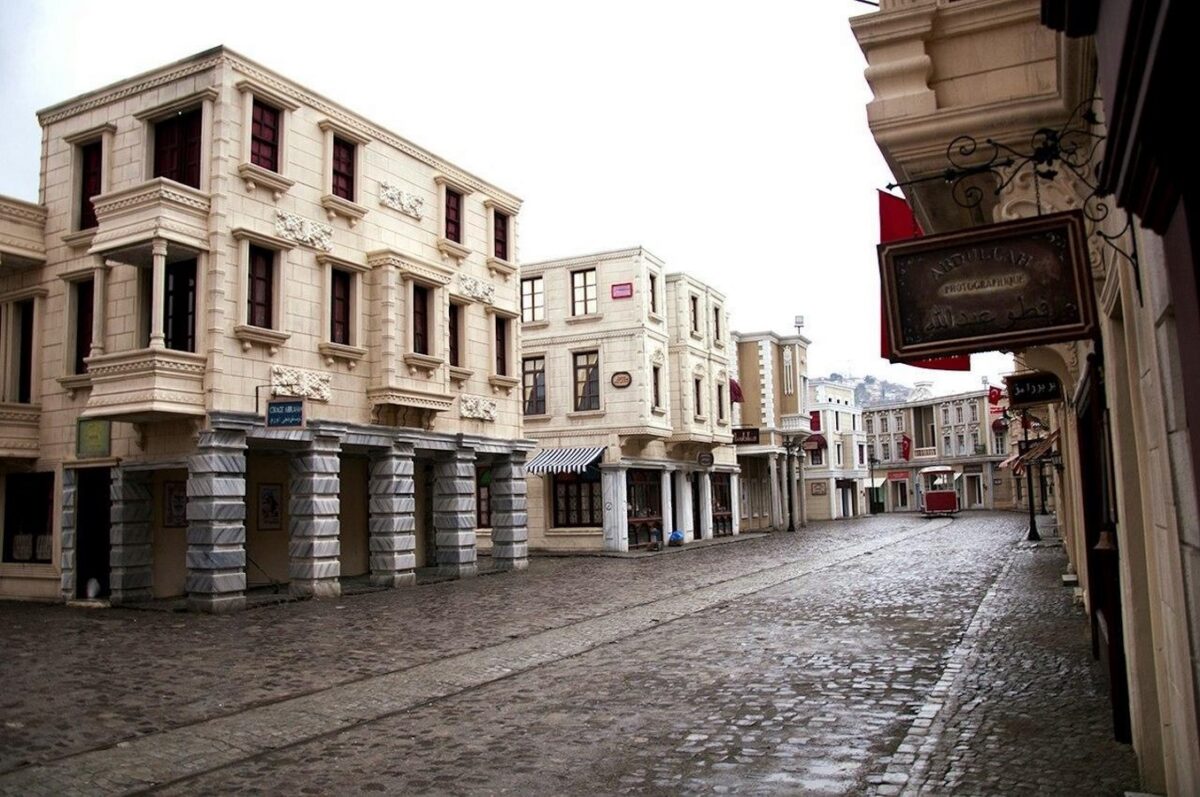
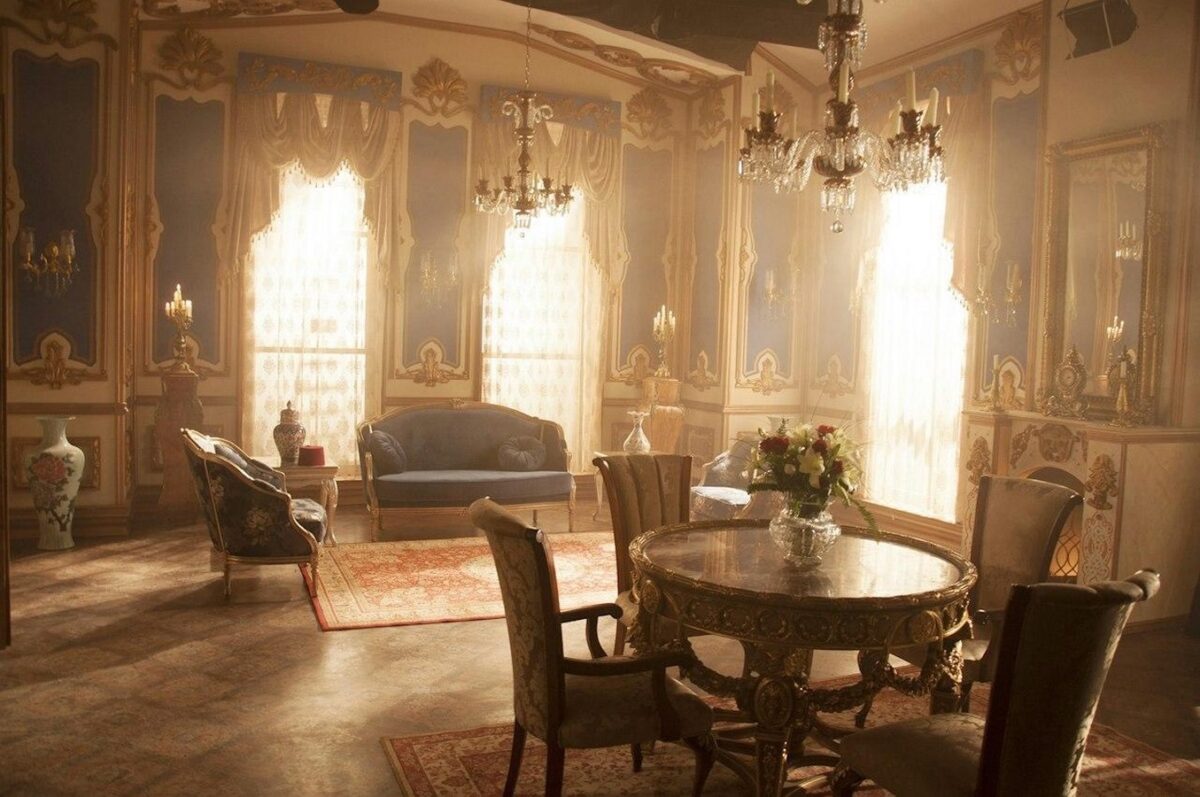
The built environment of the drama sketches the atmosphere, lifestyle and development of the time period in exhaustive detail, starting from the imperial level to the urban level. Cobblestone streets and alleyways, the grand palaces, the bustling public squares and markets, the buzzing limanı (harbour), the European-style cafes and the kahvehanes allow the viewers to traverse between the layers of stories and themes depicted in the drama.
Spatial Design
Payitaht: Abdülhamid does an astounding job at reconstructing the landscape and spirit of 19th-century Istanbul. The urban landscape is conceived with picturesque buildings sitting alongside cobbled streets with quaint horse carriages and trams passing by and in between. The landscape intangibly embodies the traditional, slow-paced lifestyle where people of different cultures, faiths and races interact and intermix. The Turkish flags on streets, bundles of maps, telegraph machines, and mechanical clocks embolden the 19th-century aesthetic and act as small yet powerful visual markers of the era.
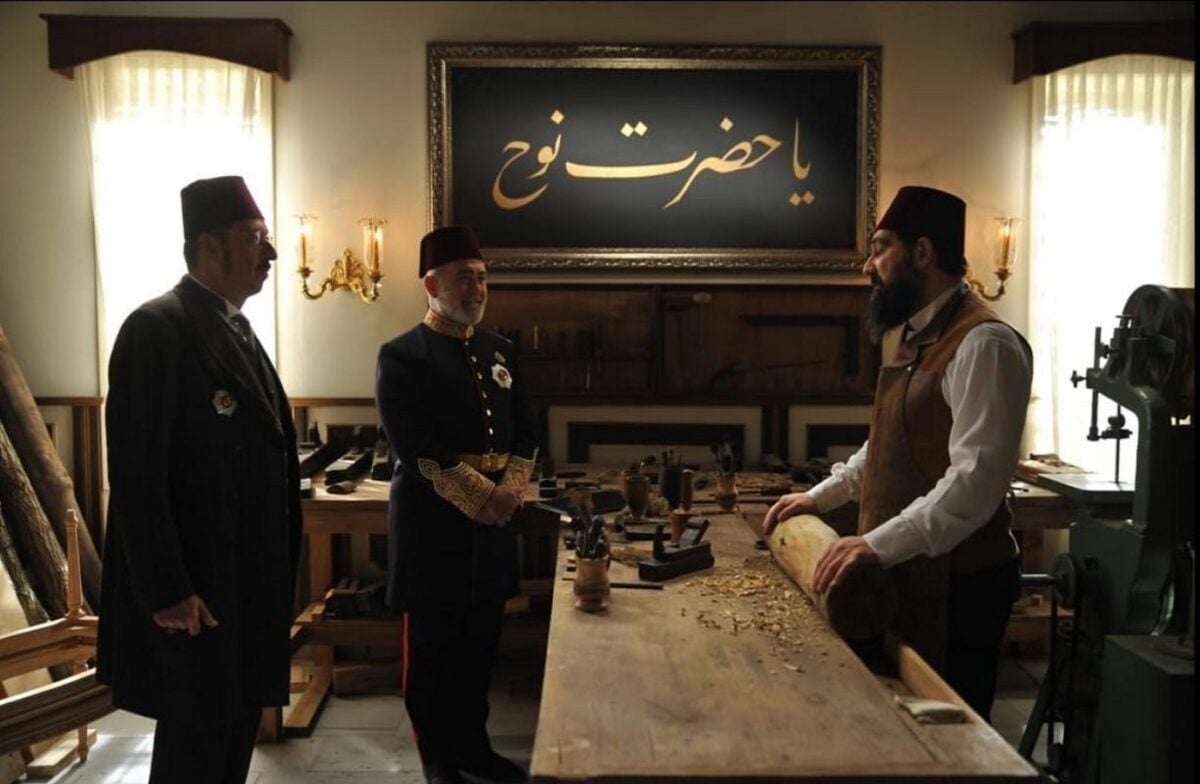
Within the palace, reception pavilions (büyük mabeyn and kücük mabeyn) become the centre for the discussion of matters of national interest and meetings with foreign dignitaries and ambassadors; libraries serve as vital spaces to read and memorise; grand staircases become stately transitional thresholds; sprawling gardens where the royal men and women relax and hold meetings; the carpentry workshop serves as a place of solitude for the Sultan where he extensively materialises his passion for woodwork; and mosques become spaces of deep reflection and religious gatherings for the people and the Sultan.
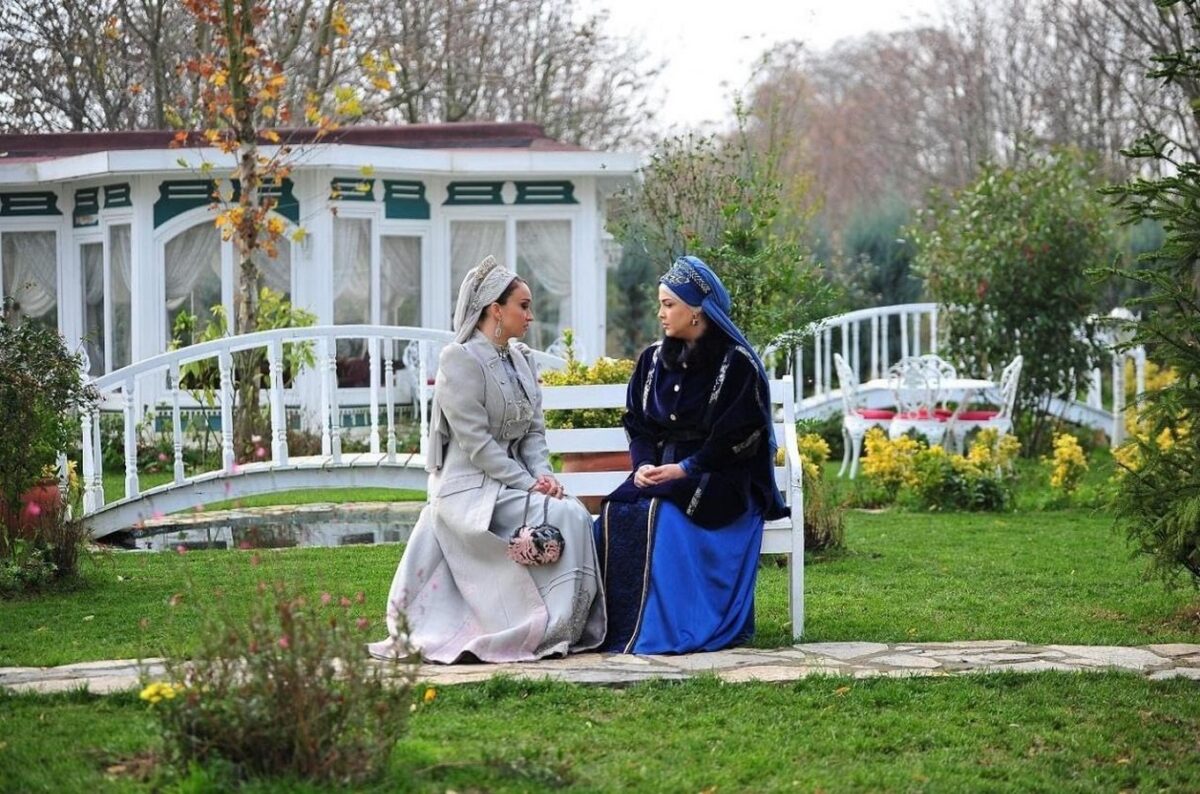
On the neighbourhood level, community discussions happen in the kahvehanes, spontaneous interactions occur at the drinking fountains or on the streets, and families gather together in the courtyards. Simultaneously, abandoned warehouses and factories, ports, cafes, streets, and back alleys are time and again utilised overtly and discreetly by the forces that conspire against the Sultan and the empire. The spatial landscape shifts across diverse contexts from palace gardens to military grounds to kahvehanes to a street chase but maintains the soberness and gravity of the narrative.
Play of Light
In all spaces, natural light shines through large windows, bathing the interiors in soft light, replicating the common design strategy of the era to allow maximum daylight ingress and enhance indoor and outdoor connection. Besides this, warm and golden lighting has been particularly employed in the interiors of the palaces and mansions to amplify the somberness and imperiality. This light shines through oil lamps, candlesticks and chandeliers. In common households, dull, warm light shines through oil lamps and candlesticks, dimly illuminating the interiors and imbuing the space with nostalgic, old-world charm.
Through its splendid execution of art, architecture and design, Payitaht: Abdülhamid is a masterclass in production. Whether it is the Sultan’s private chambers, the streets, or the palace gardens, the drama focuses on small details, from lighting to materials, to spatial character, to textures, to architecture, curating a cohesive visual language which immerses viewers deeply in the themes and timeline of the story. This drama proves how architecture and design can play an important role in establishing the context and influencing the narrative in storytelling.
References:
- Istanbul’s Yildiz Palace reopens after restoration. (2024). [Video] Directed by TRT World. YouTube. Available at: https://www.youtube.com/watch?v=lXdFucw-tew [Accessed 4 Nov. 2026].