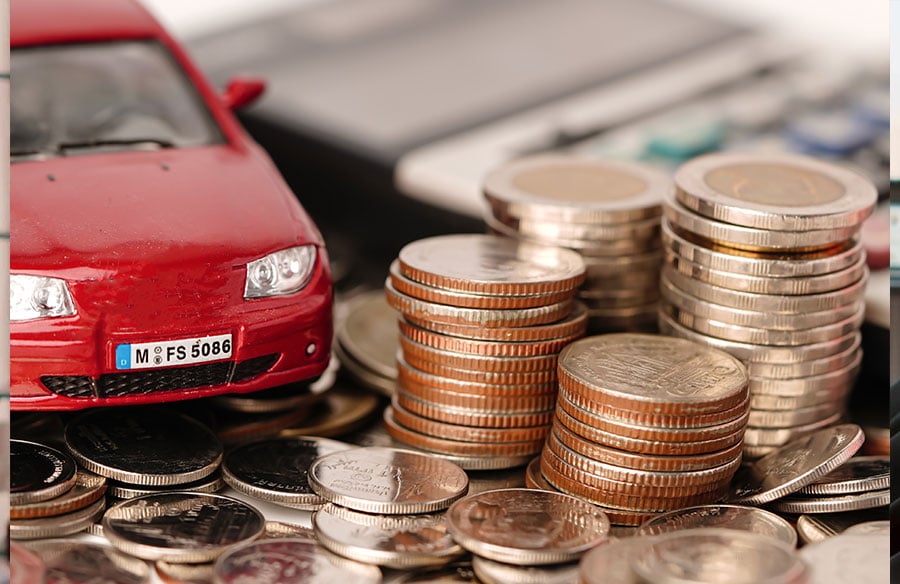
Owning a vehicle for several years can be a practical financial decision. It saves you from the pressure of purchasing a new car every few years, allows you to become familiar with your vehicle’s performance, and gives you greater control over your transportation needs. However, keeping a car on the road for the long term also comes with ongoing expenses. From regular servicing and fuel to insurance, replacement parts, and unexpected repairs, the costs can gradually add up.
The good news is that long-term vehicle ownership does not have to become a financial burden. With sensible purchasing decisions, consistent maintenance, and a little preparation, drivers can reduce avoidable expenses while keeping their vehicles dependable.
Here are nine practical ways to make long-term vehicle ownership more affordable.
1. Choose a Vehicle That Matches Your Everyday Needs
One of the most effective ways to control long-term vehicle expenses is to make a sensible purchasing decision from the beginning. A vehicle that looks attractive in a showroom may not necessarily be the most economical choice for everyday use.
Before purchasing, consider how you intend to use the vehicle. Someone who primarily commutes through busy city streets may benefit from a compact sedan with good fuel economy, while a family that regularly travels with several passengers might need a larger SUV. Similarly, drivers who frequently transport equipment or materials may require a pickup truck. Think beyond the purchase price and research the vehicle’s expected maintenance costs, fuel economy, insurance requirements, and reliability history. Some vehicles have more expensive replacement parts or require specialized servicing, which can make ownership costly over time.
It is also worth researching consumer reliability ratings and checking whether a particular model has experienced recurring mechanical problems. Information from organizations such as Consumer Reports and the National Highway Traffic Safety Administration can help buyers make informed decisions. The goal is to purchase a vehicle that comfortably meets your transportation needs without paying for features, size, or performance that you rarely use.
2. Follow the Manufacturer’s Maintenance Schedule
Regular maintenance is essential when you want to keep a vehicle for many years. Although routine servicing involves some expense, neglecting it can lead to more complicated mechanical problems and potentially expensive repairs. Every vehicle comes with an owner’s manual that outlines recommended maintenance intervals. These instructions cover important tasks such as oil changes, filter replacements, brake inspections, tire rotations, and fluid checks. Following the manufacturer’s recommendations helps ensure that important components receive attention at the appropriate time.
Engine oil, for example, lubricates moving parts and helps manage heat and contaminants inside the engine. Using the correct oil and replacing it according to the manufacturer’s specifications helps protect engine components from excessive wear. Other important maintenance tasks include inspecting brake pads, checking coolant levels, examining belts and hoses, and replacing air filters when necessary. The exact requirements depend on the vehicle’s make, model, age, and driving conditions.
It is equally important not to postpone scheduled servicing simply because the vehicle appears to be running normally. Many mechanical problems develop gradually and may not produce obvious symptoms during the early stages. Following a documented maintenance schedule helps drivers protect their vehicles and make repair expenses easier to anticipate.
3. Develop Good Driving Habits
The way you drive has a direct effect on your vehicle’s condition and operating expenses. Aggressive acceleration, sudden braking, excessive speeding, and unnecessary idling can increase fuel consumption and place additional stress on mechanical components. Developing smoother driving habits is a straightforward way to reduce unnecessary wear. Accelerate gradually, maintain a reasonable following distance, and anticipate traffic conditions so that you do not need to brake suddenly. On highways, maintaining a consistent speed within the legal limit can also help improve fuel efficiency.
Avoid carrying unnecessary heavy items in your vehicle. Additional weight requires more energy to move, which can increase fuel consumption. Roof racks and cargo carriers can also affect aerodynamic performance, particularly at highway speeds, so remove them when they are no longer needed. Another useful habit is combining errands into a single trip whenever practical. Several short journeys from a cold start can use more fuel than one longer journey covering the same general distance. These adjustments may seem minor individually, but consistent driving habits can contribute to lower fuel expenses and help reduce unnecessary strain on your vehicle.
4. Keep Your Tires Properly Maintained
Tires are among the most important components of a vehicle because they directly affect road grip, braking, handling, and fuel economy. Despite their importance, tire maintenance is sometimes overlooked until a warning light appears or a tire becomes visibly damaged. Check your tire pressure regularly and compare it with the manufacturer’s recommended pressure. This information is generally available on the driver’s door-jamb label or in the owner’s manual. Avoid relying on the maximum pressure printed on the tire sidewall, as that number is not necessarily the recommended operating pressure for your vehicle.
Underinflated tires can increase rolling resistance, reduce fuel economy, and generate additional heat. Overinflated tires can affect handling and contribute to uneven tread wear. Tire rotation is another important maintenance task. Rotating tires according to the manufacturer’s recommendations helps promote more even wear across all four tires. During inspections, pay attention to tread depth, sidewall damage, cracks, and unusual wear patterns.
If you notice that one tire repeatedly loses pressure, have it inspected by a qualified tire professional. The cause could be a puncture, damaged valve stem, or sealing problem. Taking care of your tires can help extend their useful life, maintain safe handling, and reduce the likelihood of unexpected replacement expenses.
5. Compare Insurance Coverage Regularly
Car insurance is an ongoing expense that can become increasingly significant over several years of ownership. However, staying with the same insurance provider indefinitely without reviewing your policy may mean missing opportunities to reduce your premium. Insurance costs depend on several factors, including your location, driving history, vehicle model, coverage limits, deductible, and insurance provider. This means that the policy offering the best value for one driver may not be suitable for another.
Make a habit of comparing insurance quotes from different providers at renewal time. When doing so, compare equivalent coverage limits and deductibles rather than looking exclusively at the advertised premium. It is also worth asking your insurer about available discounts. Depending on the provider, savings may be available for safe driving records, multiple vehicles, eligible vehicle safety features, or combining home and auto insurance policies.
If your vehicle has become older, review whether your existing coverage still reflects its current market value and your financial circumstances. However, do not remove important coverage without understanding the financial consequences. Liability coverage requirements differ by state, and a vehicle financed through a lender may also have specific insurance requirements. A careful annual review can help ensure that you are paying for appropriate protection rather than coverage that no longer suits your needs.
6. Understand Repair Protection Options Before You Need Them
Unexpected mechanical repairs can create significant financial pressure, particularly as a vehicle gets older. Major components such as the transmission, engine, and electrical systems can require expensive attention when problems arise.
For this reason, it is worth researching a vehicle protection plan before deciding how to manage potential repair expenses. These plans may cover certain mechanical or electrical failures beyond the original manufacturer’s warranty, depending on the agreement.
However, drivers should understand that not every plan provides the same protection. Coverage exclusions, waiting periods, deductibles, repair authorization procedures, and covered components can differ considerably between providers. Read the agreement carefully and establish whether routine maintenance, wear-and-tear items, pre-existing problems, and particular vehicle components are excluded. Also, check whether you can use your preferred repair facility or must visit an approved service network.
Consider the vehicle’s age, mileage, repair history, and remaining factory warranty before purchasing additional coverage. Compare the total contract cost with the repairs that are actually covered, and ask about cancellation and reimbursement conditions. This approach helps drivers make informed decisions instead of purchasing a protection product based solely on an appealing sales presentation. The objective is to understand what financial risks the agreement addresses and whether the coverage makes sense for the vehicle’s expected ownership period.
7. Find a Reliable Mechanic and Build a Long-Term Relationship
Choosing the right repair shop can make a noticeable difference to your vehicle ownership experience. A dependable mechanic can help identify developing problems, recommend appropriate maintenance, and explain which repairs genuinely require immediate attention.
Rather than selecting a repair shop based exclusively on the lowest advertised price, look for professionals with relevant experience, suitable diagnostic equipment, and a reputation for transparent communication. Ask whether the mechanic regularly services your vehicle’s make and model. Certain vehicles have specialized systems that require manufacturer-specific diagnostic tools or technical knowledge. Before approving expensive work, request a written estimate that clearly identifies the parts, labor charges, diagnostic fees, and applicable taxes. If a recommendation seems unclear or particularly costly, consider obtaining a second opinion.
It is also useful to ask about warranties on replacement parts and repair labor. A professional repair facility should be able to explain the terms of its workmanship guarantee. Over time, working with the same trustworthy mechanic can make vehicle maintenance easier. A technician who understands your vehicle’s service history may be better positioned to identify recurring concerns and recommend appropriate preventive work.
8. Maintain Detailed Vehicle Records
Keeping accurate maintenance and repair records is a simple practice that can provide considerable value throughout your vehicle’s life. Save invoices for oil changes, tire replacements, brake servicing, battery replacements, inspections, and major mechanical repairs. Record the date, mileage, work completed, and parts installed whenever possible.
These records create a useful maintenance history. Instead of relying on memory to determine when a particular service was completed, you can refer to documented information and plan upcoming work more accurately. Maintenance records can also be helpful when communicating with mechanics. If a similar warning light or mechanical issue appears again, previous repair documentation can provide useful diagnostic information.
Another advantage is that a well-documented service history can strengthen buyer confidence when you eventually decide to sell or trade in the vehicle. Prospective buyers often want evidence that a used vehicle has received appropriate care. Digital recordkeeping makes this process particularly convenient. You can store invoices and inspection reports in a dedicated folder on your phone or computer, making them easy to retrieve when needed. Good documentation helps turn vehicle maintenance into an organized process rather than a collection of forgotten appointments and unexpected bills.
9. Plan Ahead for Replacement Parts and Future Expenses
Long-term vehicle ownership becomes easier to manage when you anticipate expenses instead of waiting for something to fail. Some components naturally require replacement as a vehicle accumulates mileage. Brake pads, tires, batteries, filters, wiper blades, and certain belts are examples of parts that may need attention during the ownership period. The replacement schedule depends on the vehicle, component quality, road conditions, driving habits, and manufacturer’s recommendations. Therefore, avoid assuming that every component will need replacement at the same mileage.
Ask your mechanic to identify upcoming maintenance requirements during routine inspections. If your tires are approaching the end of their useful life or your brakes show signs of wear, knowing about the issue in advance gives you time to research replacement options. It is also sensible to establish a dedicated vehicle maintenance fund. Set aside an affordable amount regularly to prepare for routine servicing, replacement parts, registration expenses, and unexpected repairs.
Researching parts before purchasing them can also help control costs. Compare reputable manufacturers, check compatibility using your vehicle’s exact year and model, and consider whether original equipment manufacturer or quality aftermarket parts are appropriate. Avoid choosing replacement parts solely because they are inexpensive. Poor-quality components may have a shorter service life or fail to meet the required specifications. Planning ahead makes it easier to handle predictable maintenance requirements without disrupting your household finances.
Conclusion
Keeping a vehicle for the long term can be a sensible way to get more value from an important purchase, but affordability depends on how well you manage the years that follow. The initial purchase price is only one part of the financial picture. Fuel, insurance, maintenance, repairs, replacement parts, and depreciation all contribute to the overall cost of ownership. Fortunately, drivers can take meaningful steps to manage these expenses. Choosing an appropriate vehicle, following the manufacturer’s maintenance schedule, adopting responsible driving habits, maintaining tires, comparing insurance policies, and working with a reliable mechanic can all contribute to better long-term value.
Just as importantly, keeping accurate records and preparing for future maintenance requirements can help prevent small problems from becoming major financial setbacks. A dependable vehicle does not necessarily require constant spending on upgrades or unnecessary services. What matters most is understanding its needs, addressing problems promptly, and making informed decisions at every stage of ownership. With a thoughtful approach and consistent attention to maintenance, you can enjoy the convenience of your vehicle for many years while keeping ownership expenses under better control.