When architectural design was floating in the streams of cold, bloodless calculations of the human mind, it was a philosophy birthed from the fevered palpitations of the human heart. The belief that architecture is the ultimate triumph of reason over nature, a victory saga of mathematics, straight lines, and structural logic, caged the human spirit inside a perfectly erected cube.
 Yet, how does it unfold when the spirit breaks its constraints and refuses to be caged?
In the late eighteenth and nineteenth centuries, a monumental rebellion swept across Europe. This sweepingly emotional insurrection against the tyranny of the grid was given the name of “Architectural Romanticism”. On one hand, where Neoclassicism offered the blinding, sterile light of absolute reason, Romanticism offered moonlight, fog, shadows, and the terrifying majesty of the unknown. It became an era of declaration which established buildings as vessels that house the unbridled souls rather than mere shelters. (Galitz, 2004)
These new structures became the profound reflections of passion, nostalgia, and an aching desire to transcend the mundane. Ascending from mere shelters to a radical doctrine of human psychology.
To Build the Storm: Cult of the Sublime
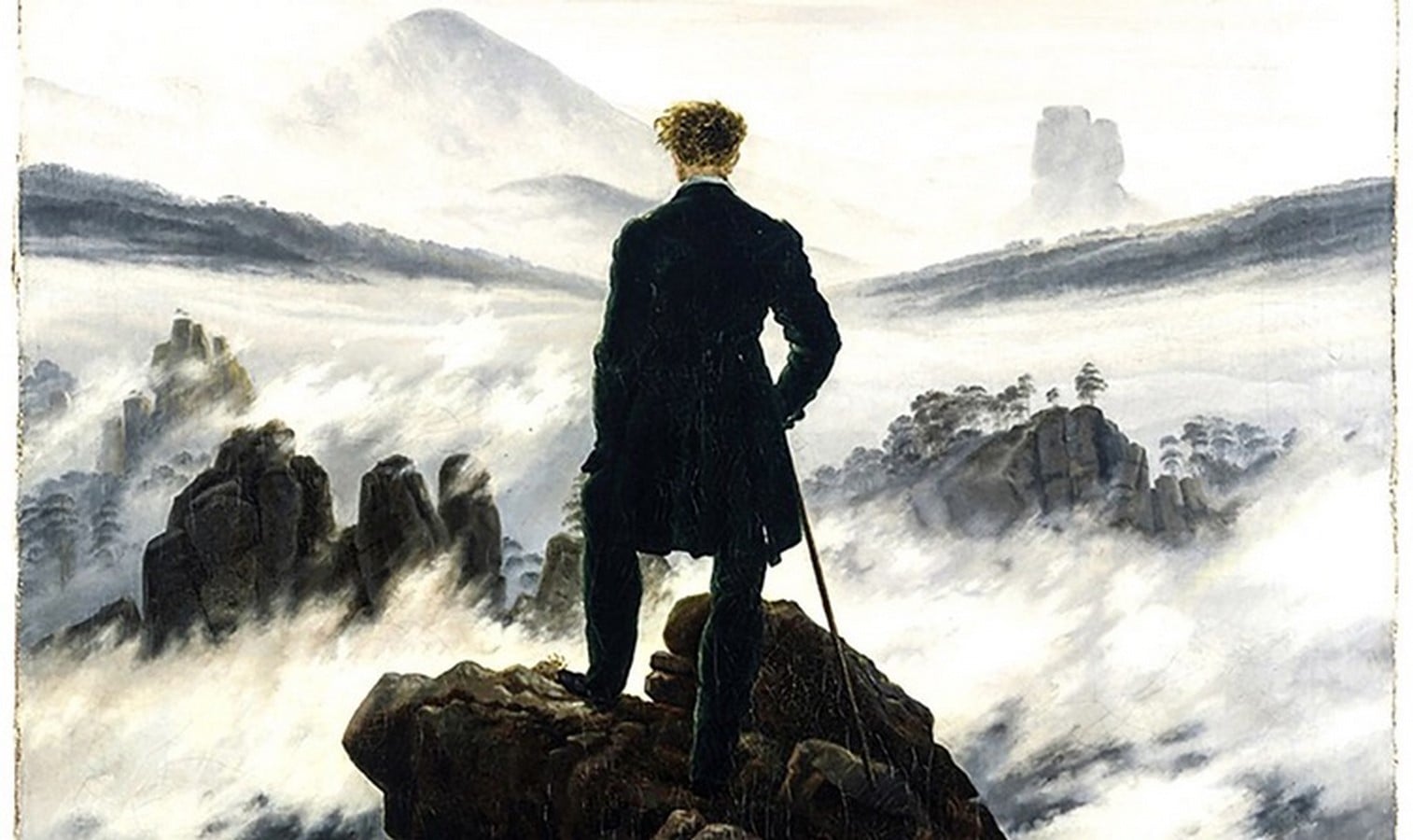
While understanding the soul of the Romantics, one must first confront “The Sublime”. A philosophical concept by Edmund Burke that became the catalyst for this movement. The concept of the sublime is not about aesthetics or beauty; it was a sensation of absoluteness. Beauty is pleasant, comforting, balanced and tamed, but the sublime was a feeling of awe infused with primal terror. A feeling of standing at the edge of a bottomless precipice, watching a violent thunderstorm piercing through the scintillating night sky. (Nigel Llewellyn, 2013)
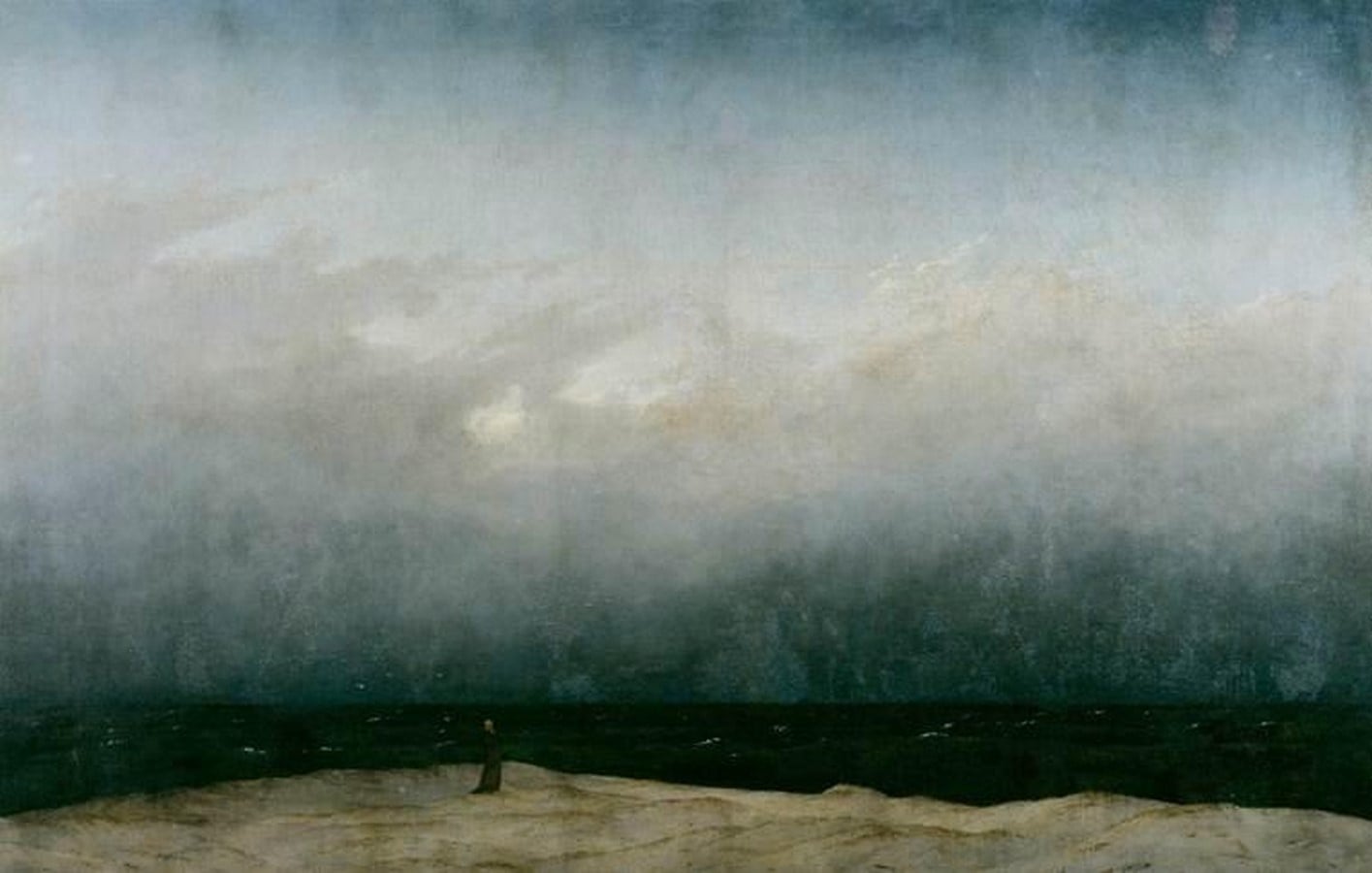
The architects of Romanticism wanted to capture the essence of storms and carve them into their designs. They grew a strong aversion towards the tailored geometries, manicured garden spaces, and symmetrical palaces of the French Baroque. Their preference for raw, untamed nature sparked a revolution: rather than dominating landscapes, buildings were designed to surrender to them.
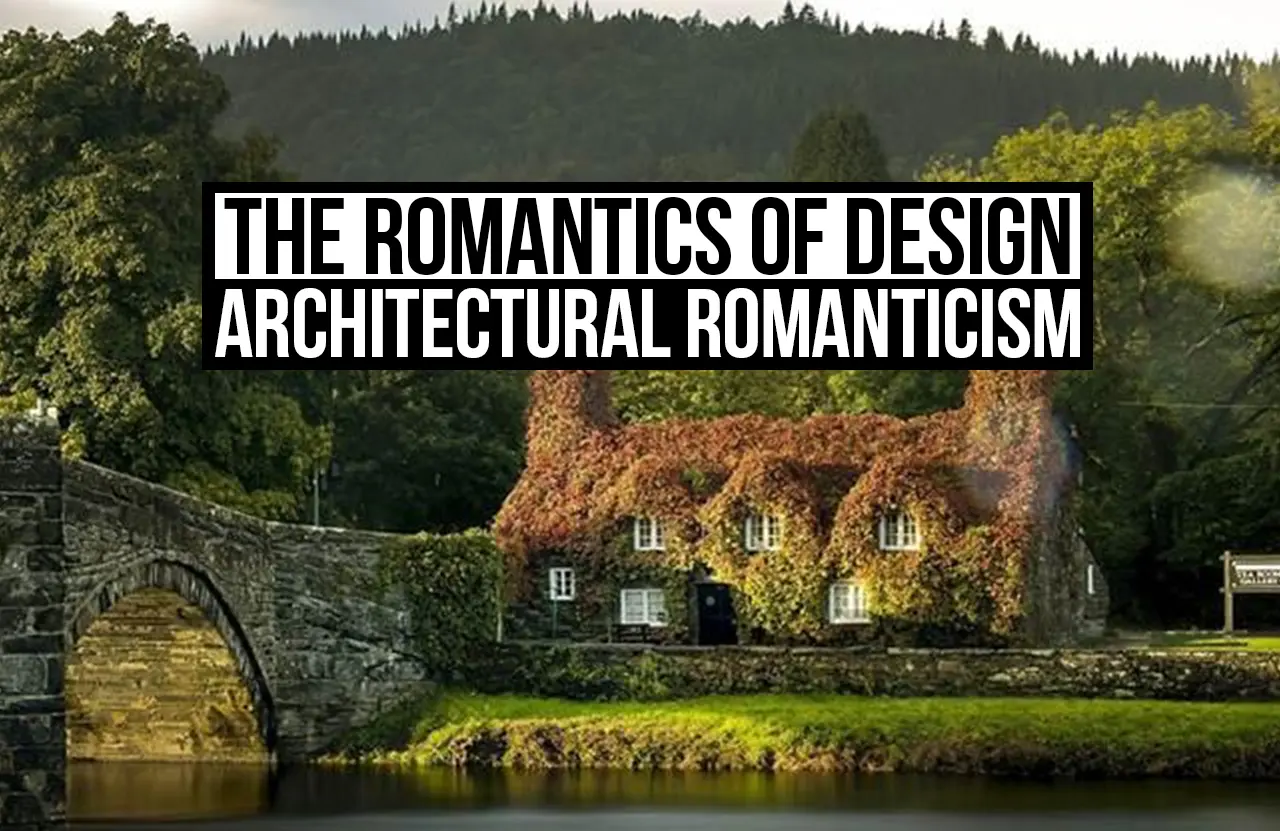
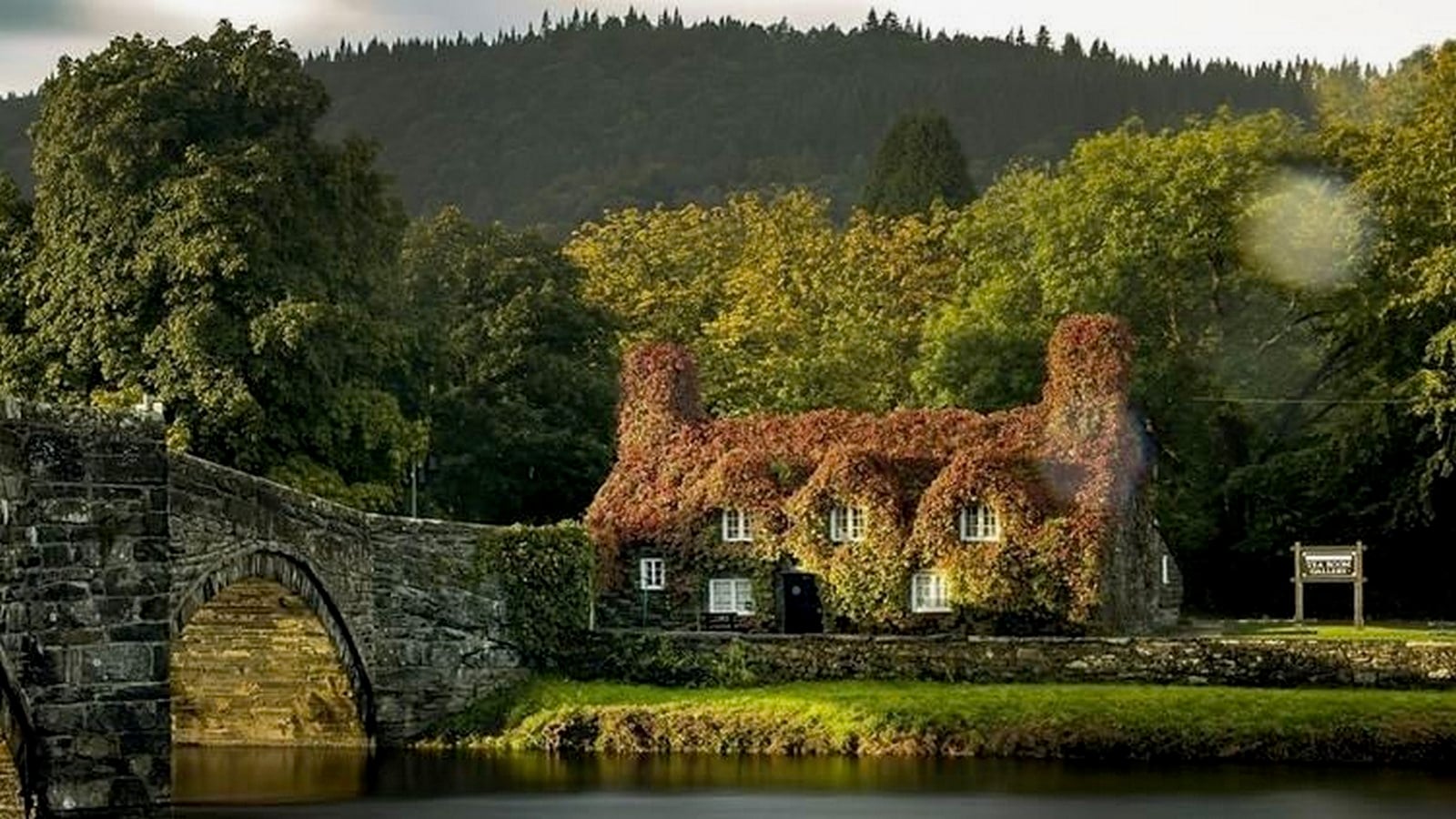
The art of Romanticism fueled the rise of the “Picturesque” movement. This unique aesthetic demanded that architecture resemble a dramatic piece of painting, an unrestricted zephyr. Following this style, the houses perched perilously atop jagged cliffs shrouded in wild ivy and weeping willows to evoke a deep, captivating melancholy became widely popular.
The Gothic Revival: The era of mystics
When Neoclassicism sought inspiration in the rational, illuminated world of classical antiquity, Romanticism brewed in the enigmatic depths of the Medieval mystics. Enchanted by the intense devotion, chivalric ideas and spiritual mystery, the Romantics breathed a revived soul into the old Gothic style of architecture.
This radical movement was far more than a simple shift in artistic tastes; it represented a spiritual quest. Architectural features like ribbed vaults, pointed arches, and menacing gargoyles served as profound symbols of transcendent yearning rather than mere physical components. Piercing the blues like stone fingers straining toward the infinite, the soaring spires of Gothic structures boldly challenged gravity itself.
In 18th-century England, Horace Walpole ignited the spark with his dizzying, theatrical home, Strawberry Hill.
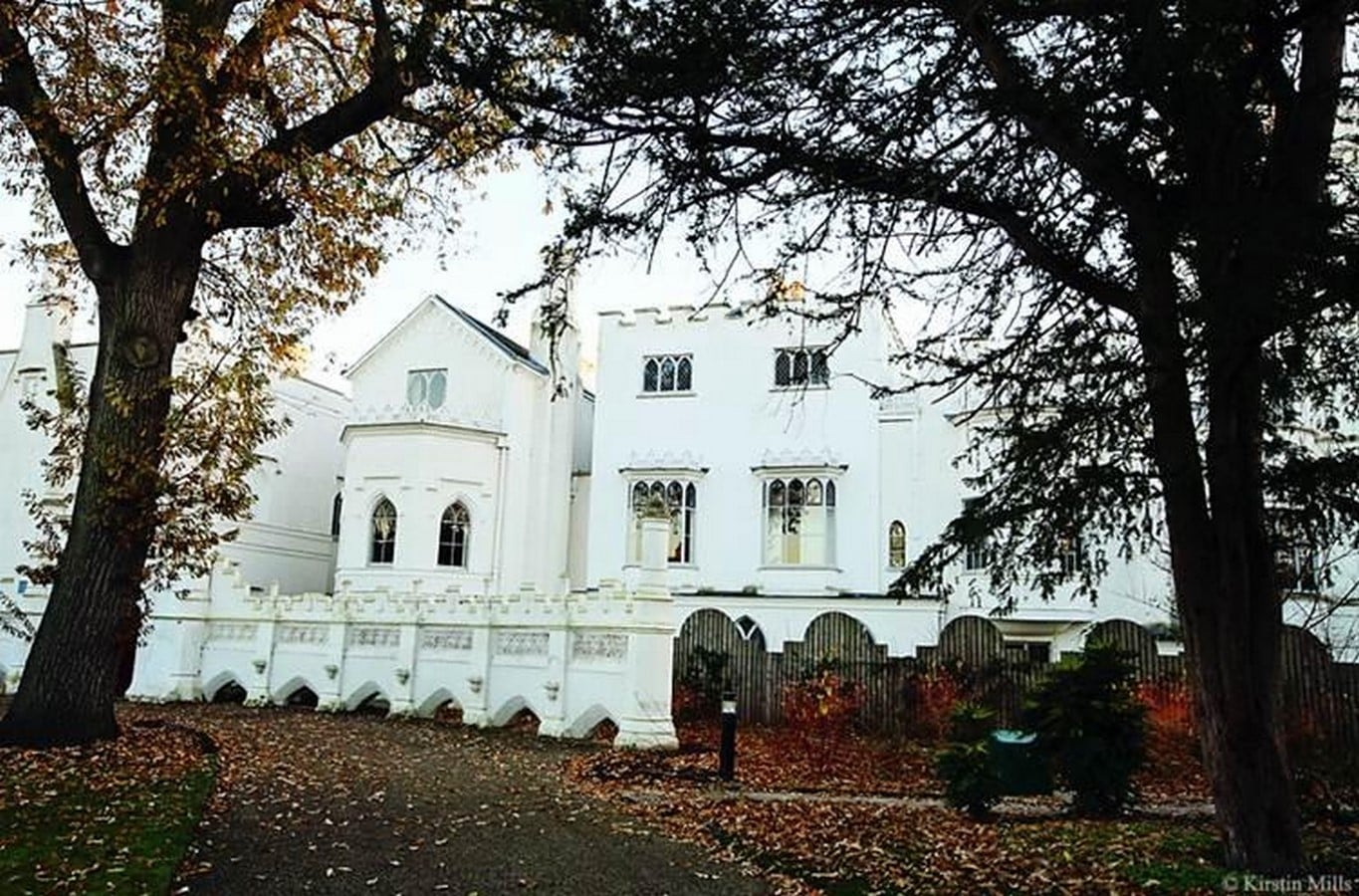
It was a fever dream of papier-mâché vaulting, stained glass, and gloomy corridors, designed specifically to evoke the terrifying thrills of his own Gothic novels. (Mills, 2017)
Ruin-lust: Romance in the decays
The most tragic obsession of Architectural Romanticism was the cult of the ruins. The Romantics harboured a poetic, deep fascination with decay. They firmly believed that a building achieved its aesthetic peak in decline. With roofs caving in, stones crumbling and nature reclaiming it, it became the most desirable.
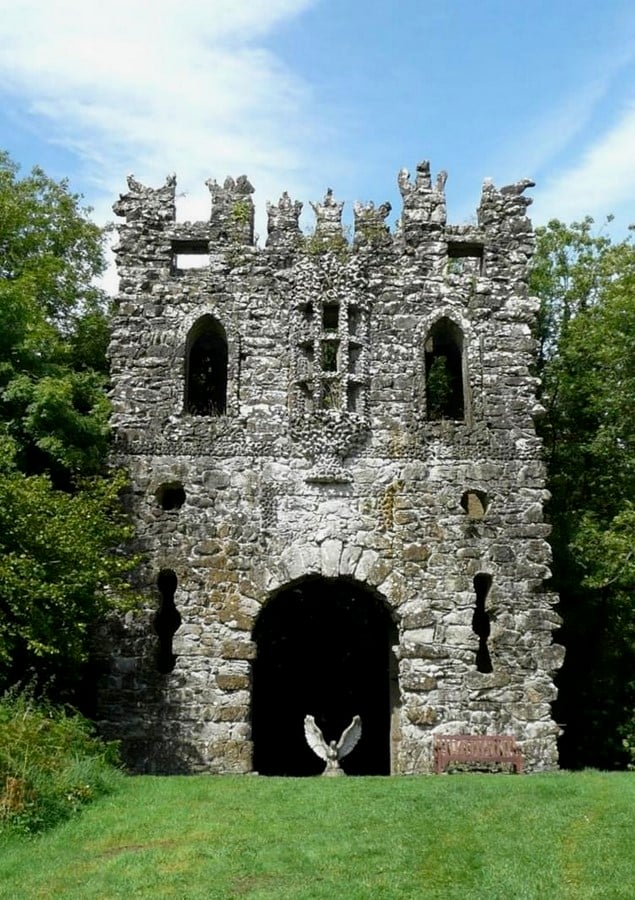
This concept of “ruin-lust” was a stark reminder of the inescapable triumph of time over the fleeting vanities of man. Deeply desired by wealthy aristocrats, unwilling to wait centuries for their castles to crumble, they actually hired architects to build “follies”. These were structures designed to look like ancient, shattered ruins. (Dillon, 2012)
Fake, broken towers were constructed with crumbling abbeys in wild gardens which served no practical purpose. It was made just for the sake of forceful visual contemplation; the architecture of weeping stone.
Conclusion: A symphony of stone
Architectural Romanticism echoed late into the nineteenth century, culminating in tragic, fairy-style visions, becoming a romantic escape from the realities of the world. However, with the flow of time, Romanticism eventually gave way to the mechanised glass and steel of modernism.
Although the cold rationality that the Romantics fought so bitterly to destroy eventually paved over their wild landscapes, the core ignition of Romanticism never truly extinguished. It survived in every shadowy corner of old cathedrals, in the weeping melancholy of graveyards, and in the sudden gasps of travellers witnessing a towering, gothic spire.
Romantics realised the truth that modern architects are ignoring: Humans are not machines; we are the creatures of myth, memory, mystics and passion. Our buildings are not just harbouring its residents, it houses longings, darkness, the untamed wilderness of human heart.
References:
Dillon, B., 2012. The Gaurdian. [Online]
Available at: https://www.theguardian.com/artanddesign/2012/feb/17/ruins-love-affair-decayed-buildings
Galitz, K. C., 2004. Metmuseum. [Online]
Available at: https://www.metmuseum.org/essays/romanticism
Mills, K., 2017. Kirstin Mills. [Online]
Available at: https://www.kirstinmills.com/blog/strawberry-hill-horace-walpole-gothic-castle-fairytale/
Nigel Llewellyn, C. R., 2013. ‘The Romantic sublime’. The Art of the Sublime, Tate Research Publication.