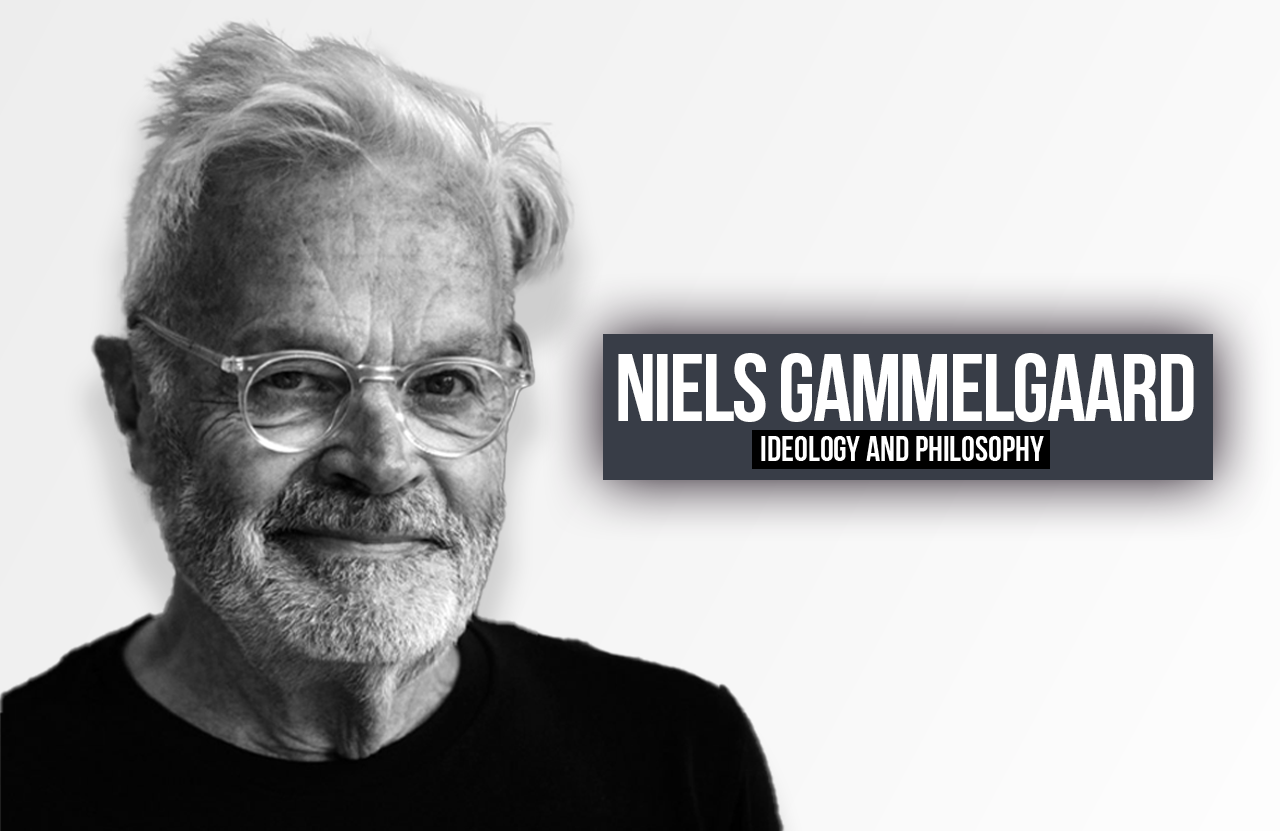
In a world where design is often associated with exclusivity, Niels Gammelgaard spent his career doing the opposite. For three decades, the Danish designer quietly shaped how millions of people around the world sit, work, and live — not through gallery exhibitions or limited-edition pieces, but through furniture anyone could afford to own. His name may not be as immediately recognised as some of his contemporaries, but his objects are among the most widely encountered pieces of twentieth-century design.
From Copenhagen to the World: Early Life and Education
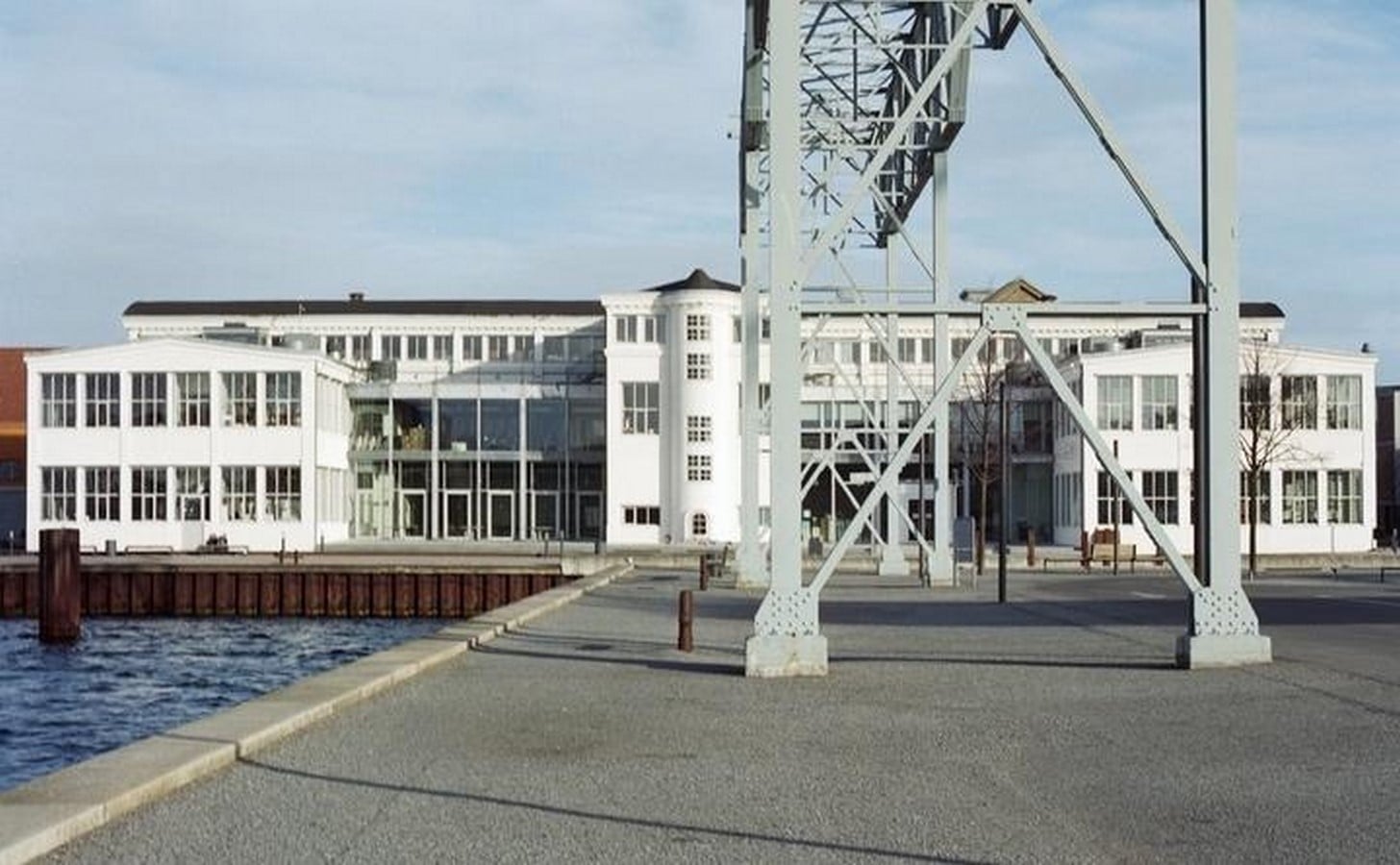
Born in Copenhagen in 1944, Niels Gammelgaard grew up in an environment shaped by the Scandinavian design tradition, where beauty and form were never seen as opposites. He studied at the Royal Danish Academy of Fine Arts, graduating in 1970 under the mentorship of Erik Herløw, a figure whose influence can be traced through Gammelgaard’s lifelong devotion to simplicity, material honesty, and human-centred problem-solving.
The IKEA Years: Bringing Niels Gammelgaard’s Vision to the Masses
The collaboration that came to define Niels Gammelgaard’s public legacy began in 1975, when he met IKEA founder Ingvar Kamprad in Denmark. Rather than simply buying Gammelgaard’s existing work, Kamprad issued a challenge: design a new type of chair using steel and plastic, materials that could be produced at scale and sold at a price that ordinary households could manage. Gammelgaard accepted and presented the sketches that would become the FOLKE chair, his first piece for IKEA and the start of a partnership that would extend over thirty years and produce over fifty designs.
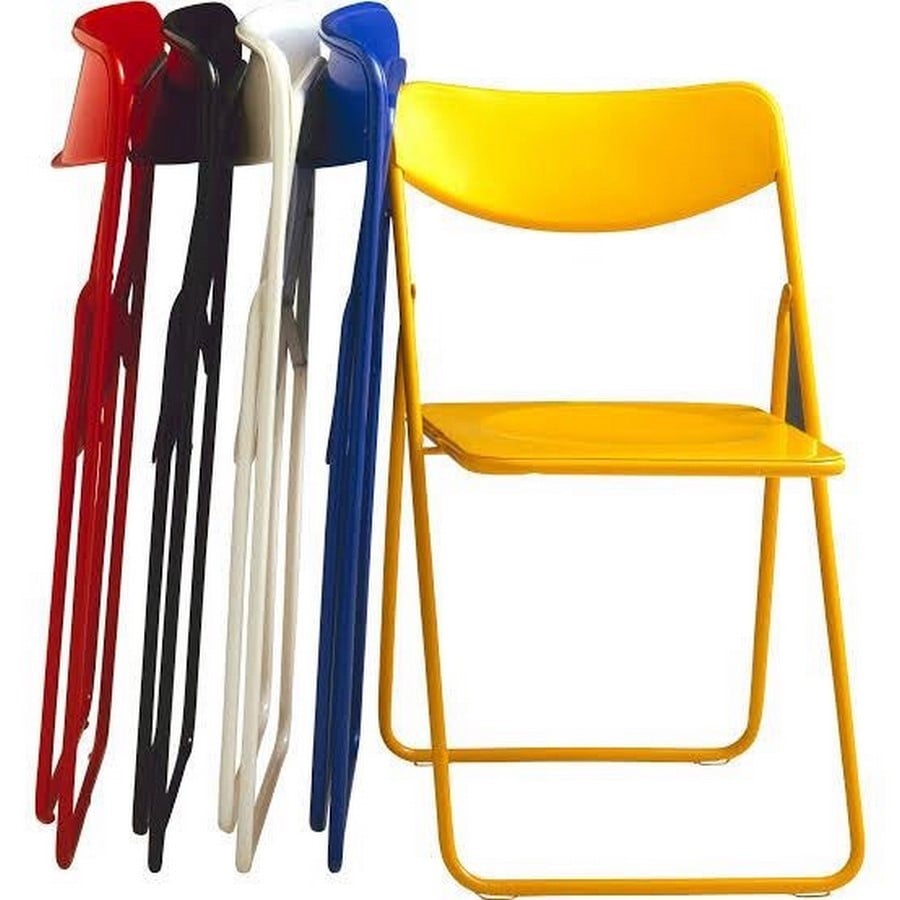
The foldable TED chair, created in 1978, became one of Niels Gammelgaard’s most celebrated pieces. The story of its creation is telling: walking through a large factory in Italy, Gammelgaard found his way into the model workshop and, working alongside the craftsmen there, developed TED on the spot. The chair was an immediate success and remained in IKEA’s range for a decade. Other significant contributions consist of the JÄRPEN wire lounge chair (1982), the MOMENT sofa and table (1984), the GUIDE bookshelf (1984), and the STOCKHOLM PS collection (2005). Each piece shared the same underlying logic — intelligent material use, structural efficiency, and a clean visual language that sat comfortably in homes without drawing attention to itself. In 2023, the Royal Danish Academy of Fine Arts awarded him the Thorwald Bindesbøll Medal, one of Denmark’s most prestigious design honours, in acknowledgment of his contributions to furniture design and his decades-long collaboration with IKEA.
Pelikan Design and the Broader Practice of Niels Gammelgaard
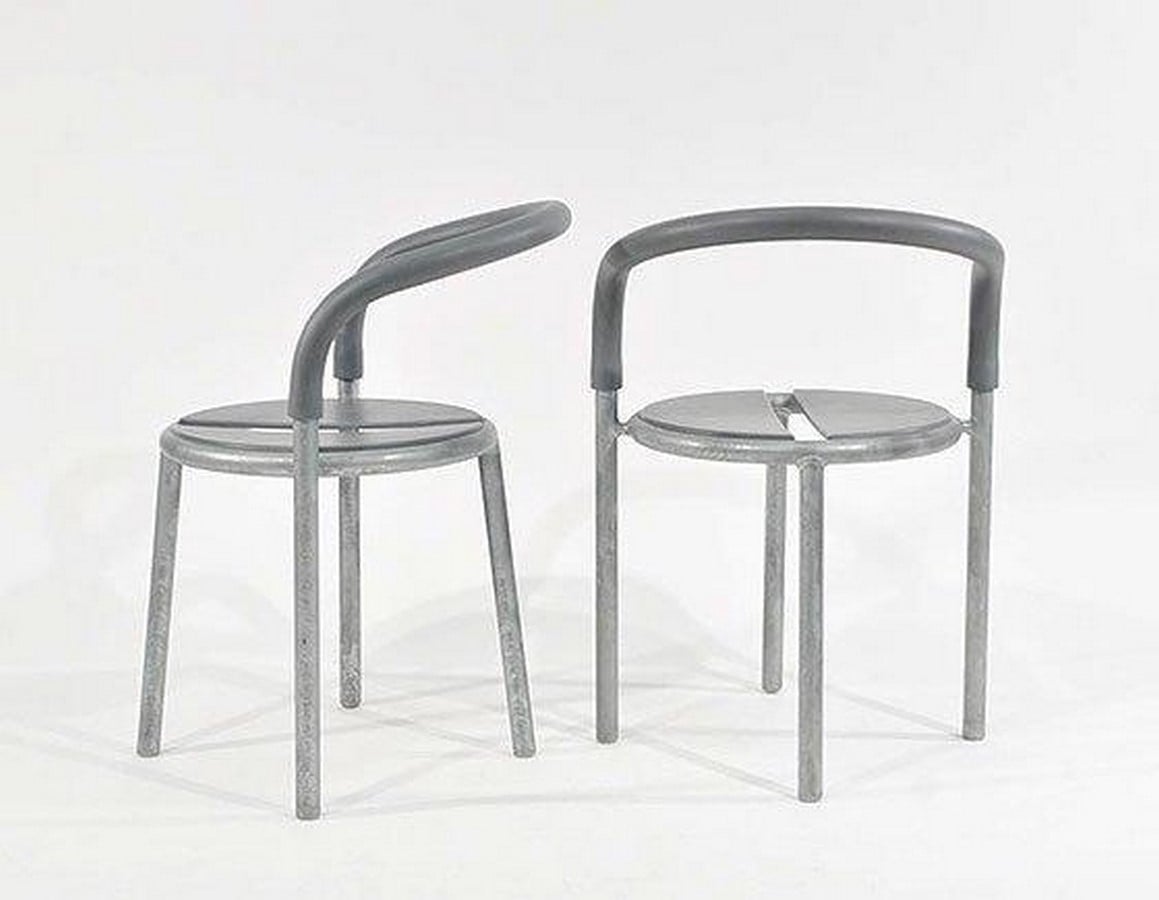
Alongside his work with IKEA, Niels Gammelgaard co-founded Pelikan Design in 1978 with architect Lars Mathiesen. The studio worked at a different register from the mass-market furniture that IKEA produced, collaborating with prestigious Scandinavian and European manufacturers including Fritz Hansen, Bent Krogh, Cappellini, and Herman Miller. Projects included the Café outdoor range (1983), the Decision sofa series (1986), the Luna chair (1988), and the Napoleon chair (1990) — pieces that demonstrated Gammelgaard’s ability to work across very different production contexts without compromising his core design principles.
In 1988, Gammelgaard and IKEA design director Lars Engman jointly founded Design Studio Copenhagen, a training ground for emerging designers. Among those who passed through the studio were Ehlén Johansson, Mia Lagerman, and Anna von Schewen — names that went on to grow influential in Scandinavian design in their own right.
The Design Philosophy of Niels Gammelgaard
At the centre of Niels Gammelgaard’s practice is a simple but demanding idea: that every detail on every product must earn its place. ‘I want to make an ordinary life a bit more comfortable. A bit more enjoyable. A bit more clever,’ he has said. This is not a statement regarding aesthetics in the conventional sense; it is a statement about ethics. Design, in Gammelgaard’s understanding, is not decoration applied to a useful object. It is the process of thinking through every aspect of an object’s construction, material, and use until the result is as good as it can be for the person who will live with it.
This philosophy connects Niels Gammelgaard firmly to the wider Danish and Scandinavian design tradition, which has long insisted on the social dimension of design — the idea that good design is not a luxury yet a right, and that the designer’s responsibility extends to all users, not only those who can afford to pay a premium. In this sense, his thirty-year collaboration with IKEA was not a commercial compromise but a direct expression of his values.
Legacy: Why Niels Gammelgaard Still Matters
Niels Gammelgaard’s legacy is visible in living rooms, offices, and public spaces worldwide; in the folding chairs stacked at the back of community halls, in the wire lounge chairs that have become collector’s items, in the bookshelves that have held decades of accumulated lives. His work has influenced generations of designers who came after him, and his insistence on functionality, material integrity, and accessibility remains as relevant today as it was when he first walked into Ingvar Kamprad’s office fifty years ago.
In an era of increasingly short-lived design trends and fast furniture, the abiding appeal of Niels Gammelgaard’s work suggests to us that the most powerful design is also the most considered. It does not shout. It does not perform. It simply serves, and in doing so, it lasts.
Image Credits:
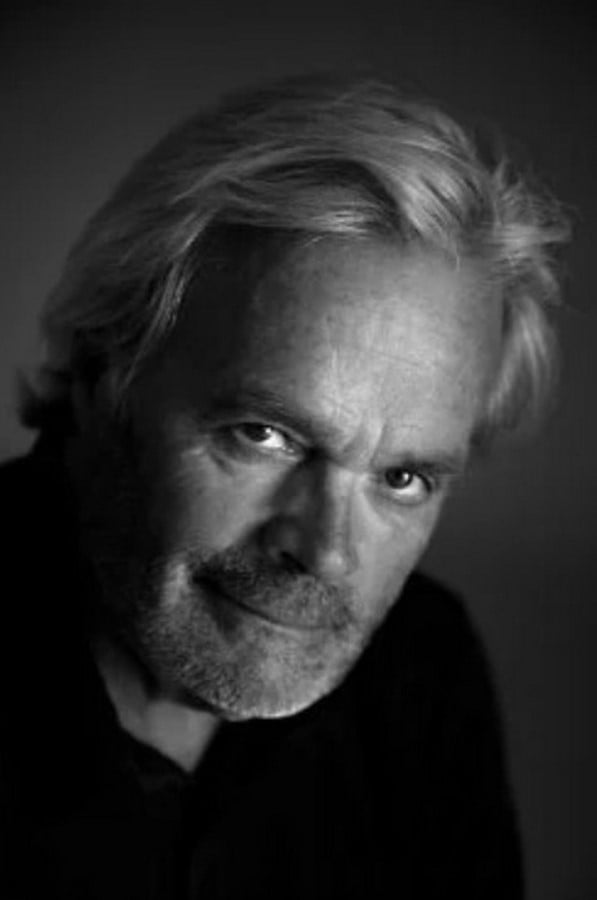
Image 01: Niels Gammelgaard, Danish industrial designer. Source: https://www.nielsgammelgaard.com/biography
Image 02: Royal Danish Academy of Fine Arts, Copenhagen, where Niels Gammelgaard studied. Source: https://uni24k.com/u/3750/
Image 03: The iconic TED folding chair by Niels Gammelgaard for IKEA, 1978. Source: https://ikeamuseum.com/en/explore/product-stories/ted-folding-chair-1976/
Image 04: Pelikan Design Studio product, Fritz Hansen Café chair. Source: https://nlstudio.eu/designers/pelikan