Physical Galleries and Their Legacy
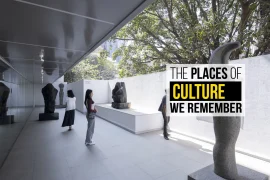
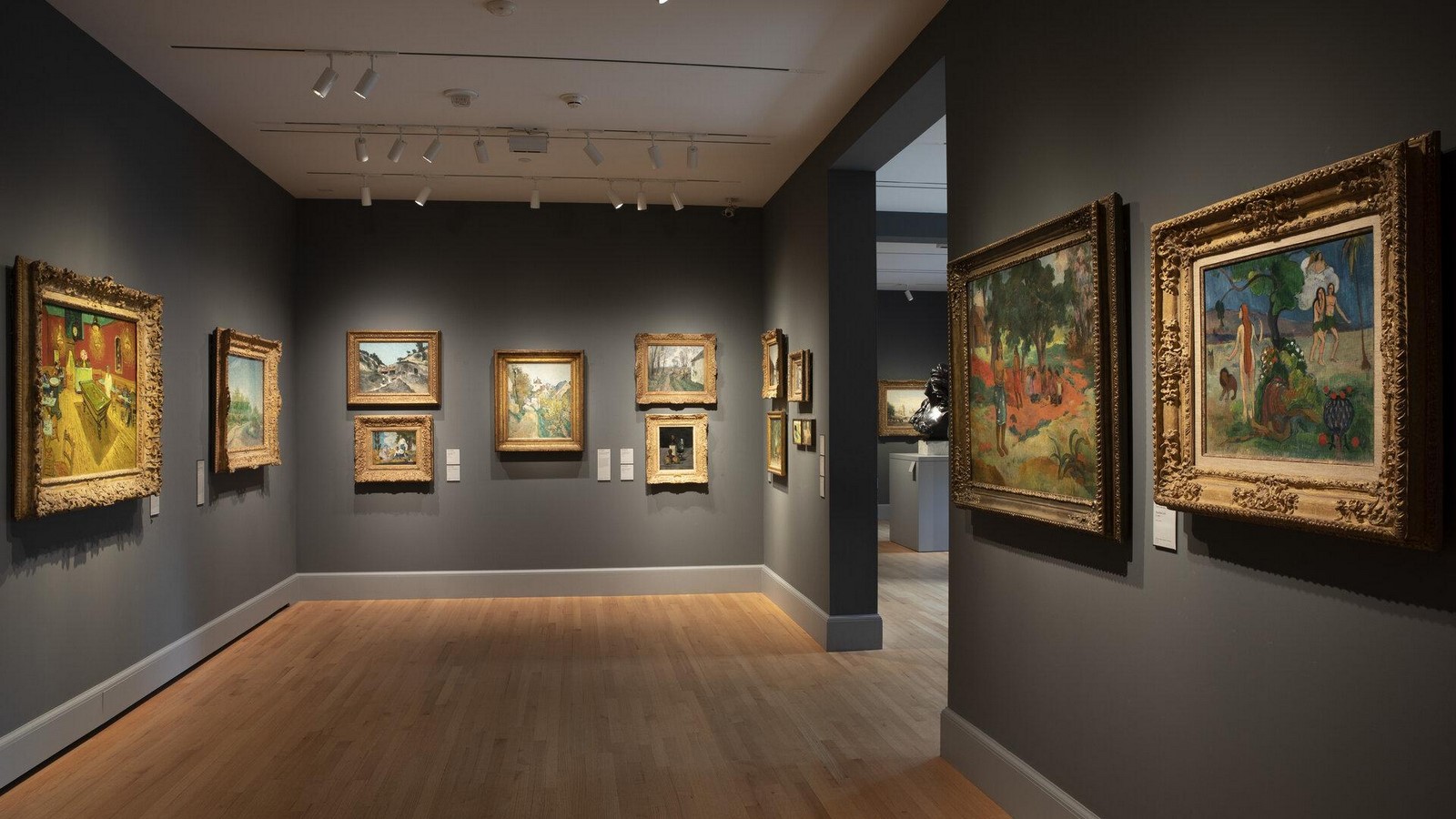
In today’s world which is increasingly defined by screens and virtual interactions, the art world and community have undergone a significant transformation. Traditional physical galleries and museums, while being original hubs of art display, timeless in their charm, have begun to explore the vast potential of the digital realm. Virtual galleries and online exhibitions are redefining how art is experienced, shared, and appreciated. Due to its nascence, it is still immensely dynamic. Physical galleries, on the other hand, have been the “authentic” way to experience art. They offer a space where artists can display their creations, and viewers can be entranced through sensory experiences. The galleries at times work in tandem with the art. Often spaces are altered and curated to provide a meaningful connection with the art displayed. One engages with the creation and basks in the ambiance of these hallowed halls. The authentic experience of standing in front of a masterpiece, observing its texture, scale, nuances, and human errors, is a singularly profound one. These layers play a major part in adding to the entire experience.
Virtual Galleries and Their Benevolence
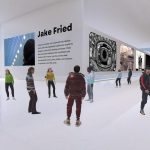
In this digital period, physical limitations are being dissolved. Virtual galleries are accessible from anywhere with an internet connection and provide an immersive art experience in the digital realm. These digital spaces replicate the traditional gallery layout, complete with virtual walls filled with artwork. Users navigate these spaces using their computers or virtual reality headsets, allowing for a complete holistic exploration. At times, art pieces are experienced through augmented reality where a screen becomes a medium through which one can see the result blend into real-world environments. Online exhibitions offer the convenience of visiting from the comfort of one’s home. One does not need to worry about schedules waiting in queues or dodging massive crowds. Virtual galleries can introduce interactive elements that go beyond what physical galleries offer. While physical artworks met with restraints such as scale and materiality, the digital medium is free of it all. Users can zoom in on artwork, access artist commentary, or even participate in virtual events. Art historian James P. says, “Virtual galleries have reimagined how we engage with art. It’s not just viewing; it’s interacting and learning.”

One of the First Virtual Galleries
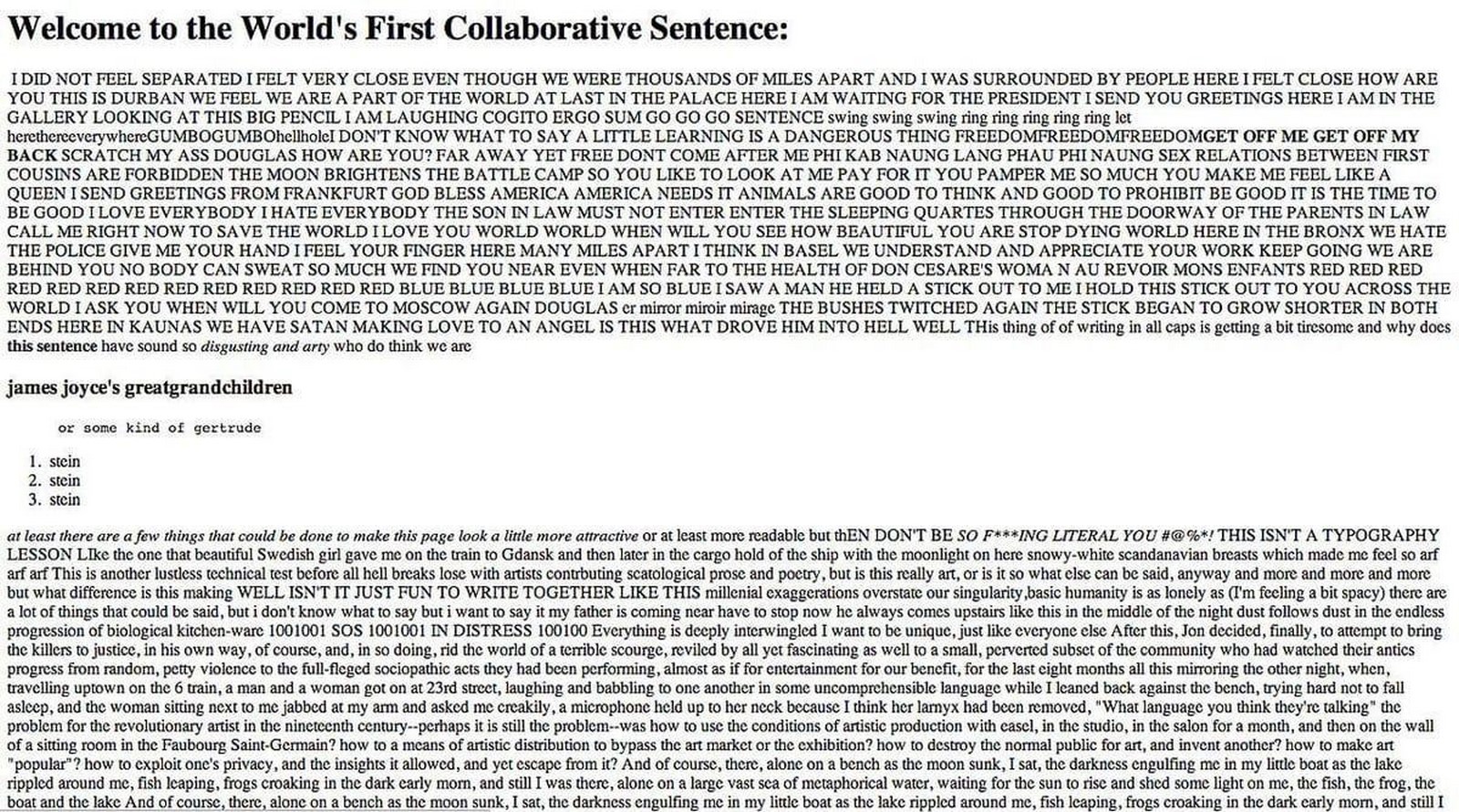
The first online exhibition marked a ground-breaking moment in the art world, demonstrating the potential of the digital realm to transform the way art is showcased and experienced. While there isn’t a single “first” online exhibition, as many early efforts predate the widespread internet, one of the earliest and most notable examples is “The World’s First Collaborative Sentence.” It was created by artist Douglas Davis, this pioneering online exhibition was hosted on a website. “” was a conceptual artwork that invited users from around the world to contribute to an ever-evolving sentence. Each participant could add a word to the sentence, continuing it in any direction they chose. The result was a collaborative and continuously changing work of art, demonstrating the power of collective creativity in the digital age. This online exhibition challenged traditional notions of art presentation and spectatorship. It blurred the lines between authorship and audience, as anyone with internet access could actively participate in shaping the artwork. It was a departure from the static, physical nature of traditional art exhibitions, embracing the dynamic, interactive possibilities of the digital medium.
Digital Art and NFTs
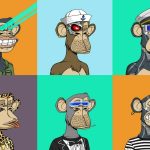
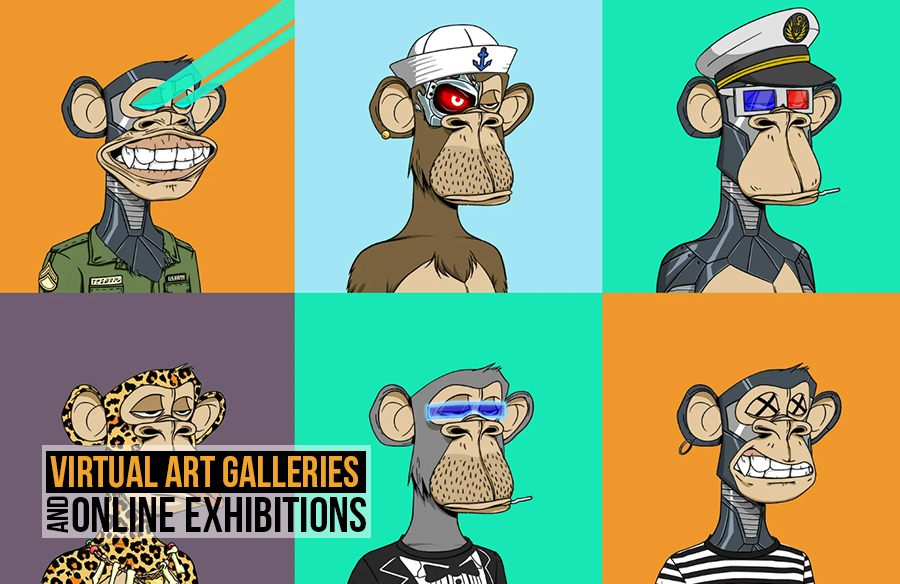
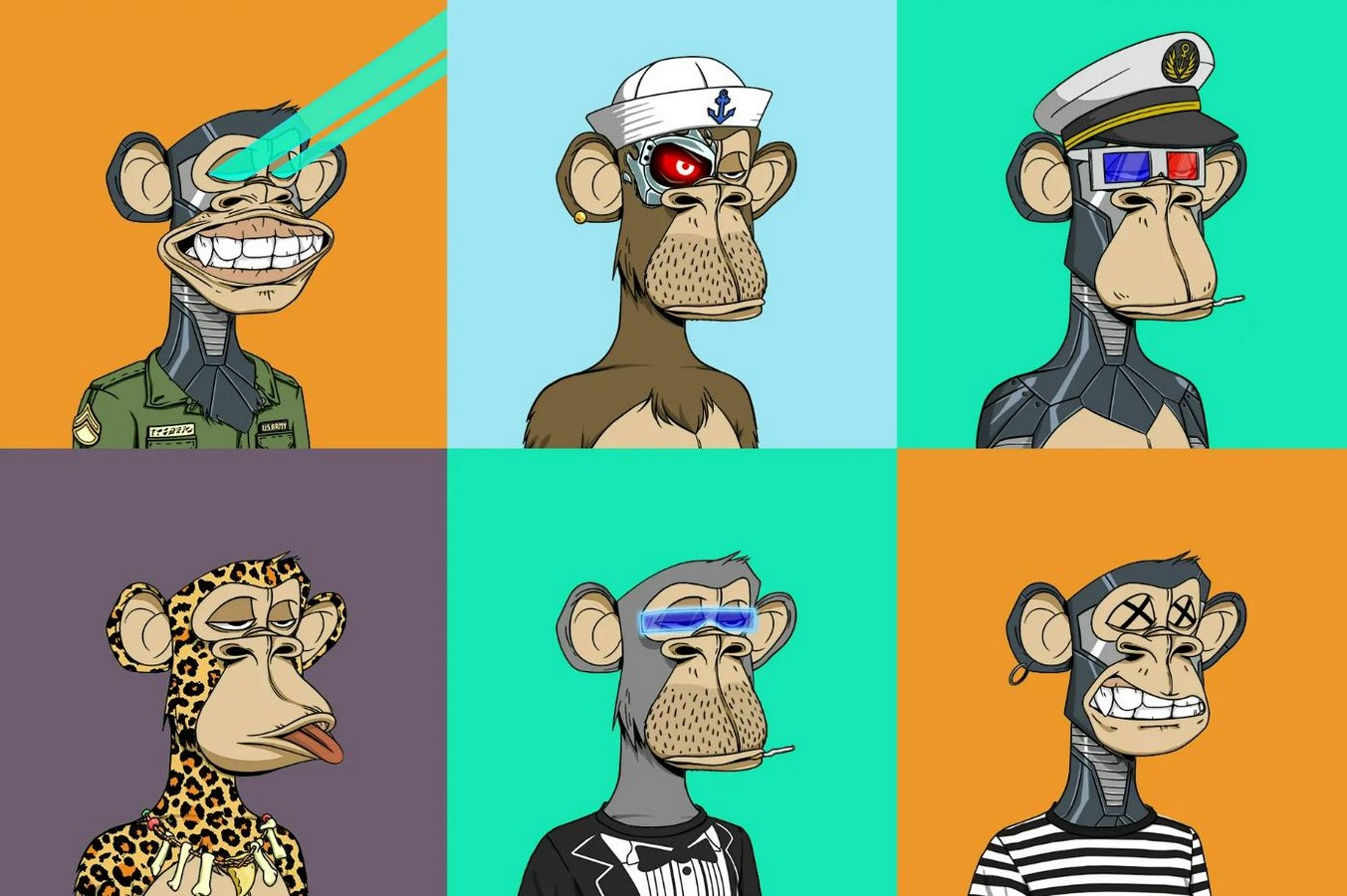
Morons is a physical art piece created by Banksy that features an auctioneer selling a framed photograph with the words: “I can’t believe you morons actually buy this shit.” The cryptocurrency company Injective Protocol paid $95,000 for it in March. Before selling a digital token of the art for $380,000, they burnt the original painting. The event was a marketing gimmick created to incite indignation, generate exposure, and generate revenue. However, the symbolism was strong: digital art will soon replace its physical forebear, and its increased value should reflect this. NFTs (Non-Fungible Tokens) are fundamentally changing how art is perceived, created, valued, and owned. NFTs blur the lines between physical and digital art. Art collectors who have traditionally focused on physical artworks are now considering digital collections, leading to a convergence of these two art worlds.
Virtual Galleries: An Extension
While the floor, ceiling, and lighting components are employed as orientation tools to display the highest level of approach to the work when any specific exhibition technique is performed, the utilization of wall surfaces is frequently given a particular priority in traditional exhibition methods. These restrictions on space utilization have since vanished, and the act of displaying has expanded to a larger space thanks to the creation of works employing digital techniques. In other words, the user or participant no longer perceives spatial boundaries. People’s bodily and psychological states alter if they are unaware of the surroundings they are in. However, there is no specific standard for this issue in digital art, and each piece results in a variety of behaviours. For this reason, issues like the person’s lack of experience because he doesn’t know what to do or how to behave are avoided by using the factors that serve to create the perception of the area. The art world is changing as a result of internet exhibits and virtual galleries. They are broadening the scope of art appreciation rather than taking the place of actual galleries. A worldwide audience can enjoy art to its fullest because of the accessibility, practicality, and involvement that the digital world affords. The merger of the physical and the digital in the art world will probably become even more interesting as technology advances, opening up new opportunities for both artists and art aficionados.

Citations
Unknown (2020) 10 of the world’s Best Virtual Museum and art gallery tours, The Guardian. Available at: https://www.theguardian.com/travel/2020/mar/23/10-of-the-worlds-best-virtual-museum-and-art-gallery-tours (Accessed: 25 September 2023).
Chayka, K. (2021) Why bored ape avatars are taking over Twitter, The New Yorker. Available at: https://www.newyorker.com/culture/infinite-scroll/why-bored-ape-avatars-are-taking-over-twitter (Accessed: 25 September 2023).
Karaoğlu, M. (2016) ‘How digital art affected exhibition spaces?’, Digital Arts: Challenges and Opportunities at the Intersections between Arts, Society and Technology, pp. 39–47. doi:10.1163/9781848884274_005.