To choose from something as vast as human psychology seems overwhelming. Do you start with Sigmund Freud or Mary Whiton Calkins? I think people tend to analyse, understand, assume, or experiment with their own ideas of how human psychology works. I tend to ask people that I interact with to understand how they perceive the world around them.
The conversation brought up thoughts related to navigating city life, different ways people react to situations, and how relaxing can make one feel guilty in today’s context. Each came from a place where one could relate to or empathize with.
With all the information and data we receive daily, everything feels accessible, and yet the way so many lives are lived remains restrictive.
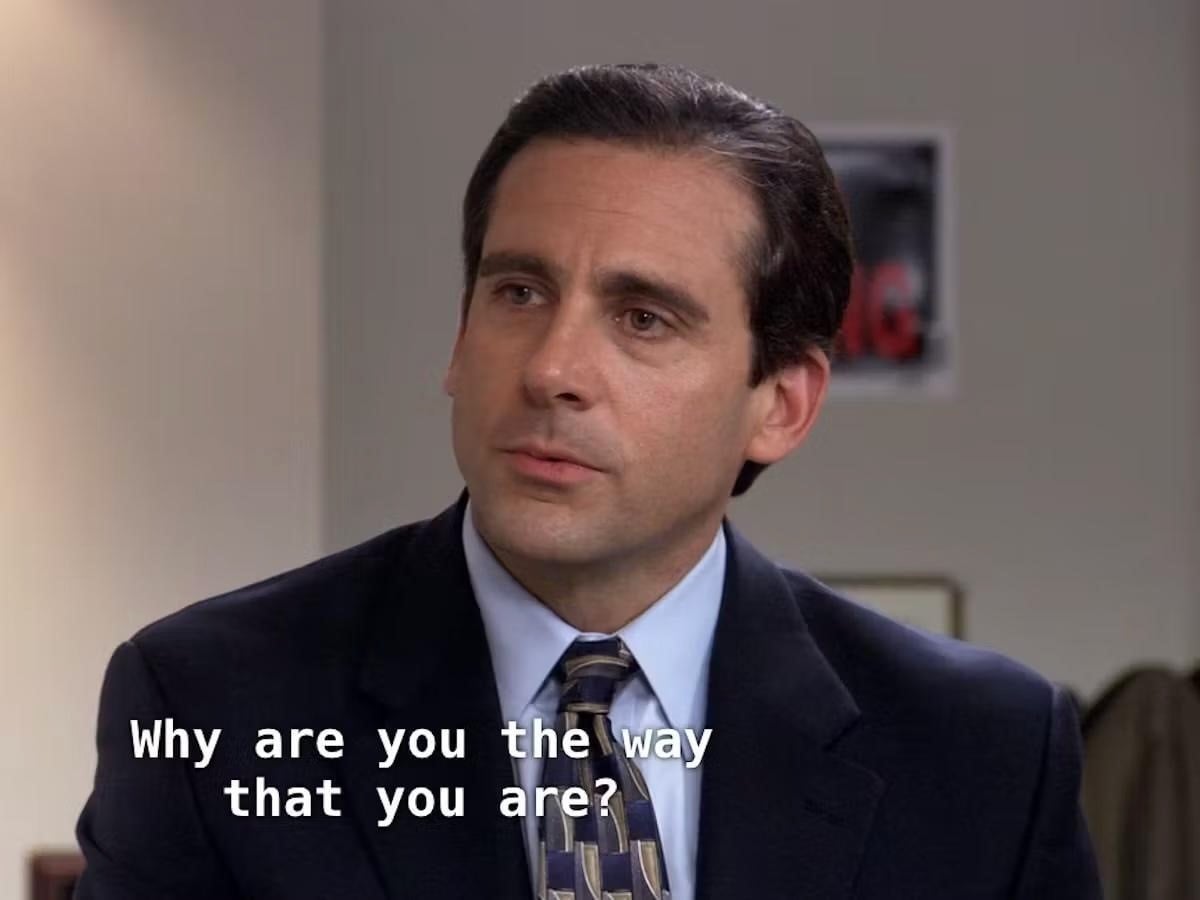
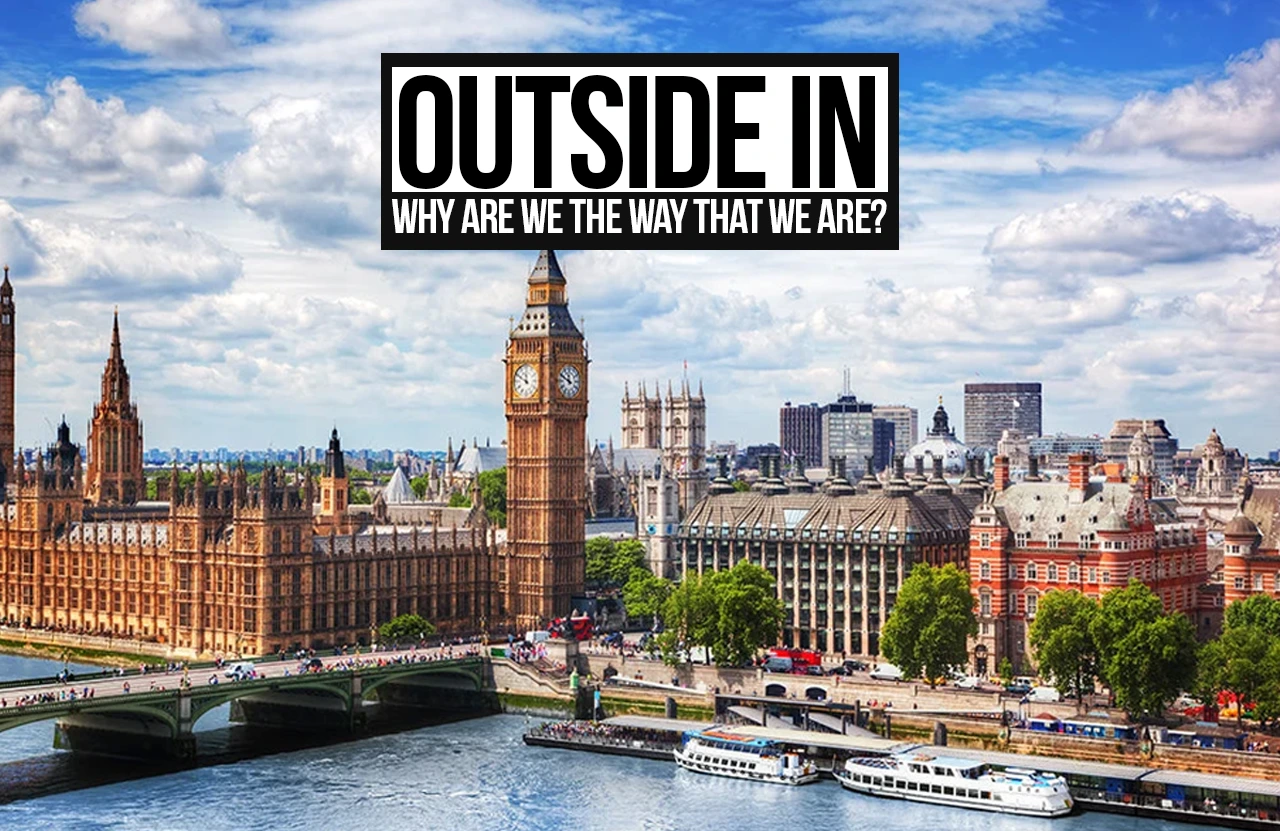
Are We Shaped By Our Surroundings?
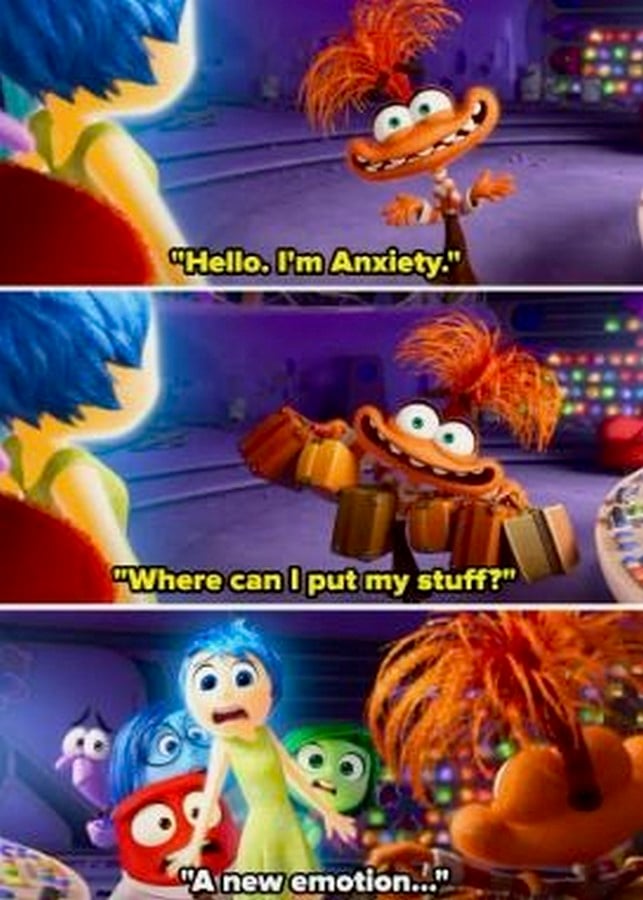
The complexity of a personality might be understood through the way movies choose to portray them. A movie like Inside Out delves into the different emotions that coexist within us and how these emotions make us experience the same world differently. Tamasha, on the other hand, explores this differently by showcasing how different environments can shape your personality. The version of the main character that exists within the expectations of the work and society he is surrounded by is different from when those expectations are removed. Neither film defines the character through a single characteristic; it makes us question how experiences, environments, and pressures bring out different parts of our personalities. Maybe that’s why people relate these stories differently as well. Things can be very personal for one and also mean very little for the other.
What is noteworthy is how one piece of art or information is perceived in multiple ways by different personalities. When people enter a space, they do not come in with the same experiences.
How much of who we are is really shaped by us, and how much is shaped by environments we repeatedly find ourselves in.
The way a person chooses to interact, put forward their thoughts, and give out to the world is not something that comes as a package. It could be an evolution of characteristics that develop over time. Why some personalities seem quiet, why some are loud, and why some choose to stay on the wrong side of history despite clear facts in front of them raises another question: how much of these characteristics are shaped by the contexts we grow up in and live in?
Information Shapes Identity?
In the present state, the availability of information on anything and everything, could even be fabricated to deceive people. This then makes personalities become selective in deciding what international, national, or state issue they should or shouldn’t stand for, while also supporting their narrative of what is right.
In these scenarios, our environments don’t have to be physical anymore. Social media, news, algorithms, and conversations are environments where we constantly find data that curates what happened, who is responsible, and what is good and bad based on one’s belief of right, wrong, and neutral. Political systems can also become part of these environments, influencing the narratives through which people understand events. In a digital environment, there are chances of the information getting curated to make one believe that the side they see is the right side, which may be a part of a larger story that is reinforced when the algorithm repeatedly presents that information to an individual. This makes the digital platform a complicated environment that can strongly affect how people perceive information and respond to it. One piece of information can produce very different reactions.

An Example
In the world we live in, things are not always black and white, but a lot of personalities tend to make it so. In this current state of events, one can see personalities get shaped by the systems around them.
A very recent example of this would be the incident that is being discussed online and reported by the Indian Express –
“A teenage boy and girl returning from coaching classes in Bihar’s Jamui were stopped by a group of men on Saturday evening, surrounded, questioned and subjected to assault and molestation before being allowed to leave.”
One would see this and think, “This is wrong! Who gave them the authority to harass these students?”
Someone else would ask, “What were they doing there at that time?”
And another person would question why the protests are happening, whereas someone else might dismiss them as politically motivated.
Some may even find it threatening to their existing opinions on the government, gender, religion, and ideology!
The same event and different psychological realities.
Maybe the question shouldn’t be about why these distinct opinions exist, but why do people feel personally attacked when factual information challenges their existing beliefs?
People don’t simply have different opinions; they live in environments shaped by social and political systems and may or may not believe what that system portrays.
While some can try to understand why people think so differently from them, others are too set in their own beliefs that any kind of judgement towards it seems like a threat. This could be where the psychology of people is dependent on the environments around them, and when belief becomes tied to their identity, then any kind of disagreement seems more like an attack on their identity than a difference of opinion. This discussion, as often seen in reality, could move from a simple conversation to hostility and, in some cases, violence.
We carry our own biases, experiences, and beliefs. Environments, information, and systems in a way have shaped what we see as right, wrong, or neutral.
Our surroundings influence us, but how much of the outside becomes a part of who we are?
REFERENCES:
- Merinvarghese (2026) Teen boy and girl returning from coaching stopped, assaulted and molested in Bihar; 3 arrested, The Indian Express. Available at: https://indianexpress.com/article/india/bihar-boy-girl-coaching-assault-molested-10887006/ (Accessed: 27 September 2026).