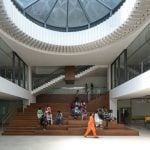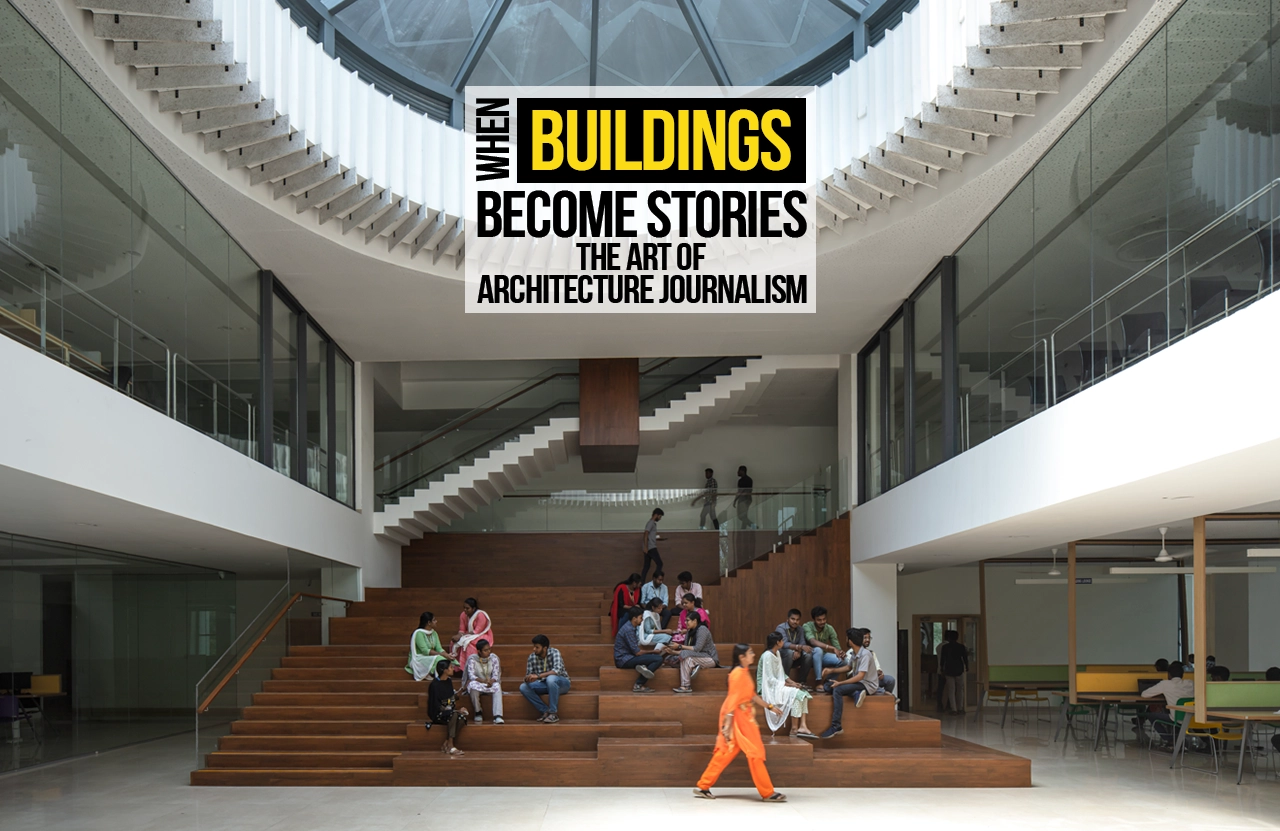
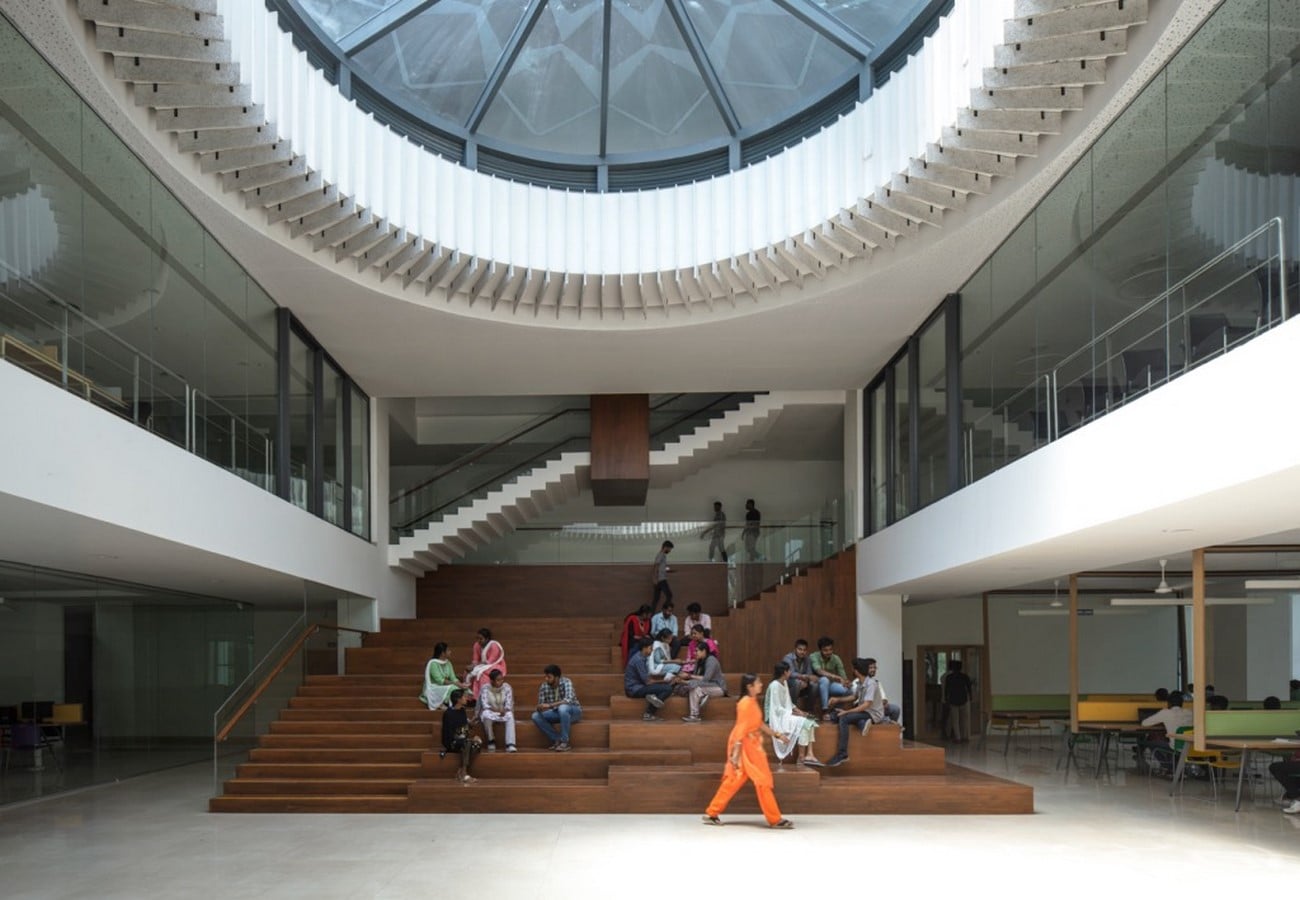
The first time I went through a public library that had been frequently photographed, I spotted the security guard before I saw the atrium. He was standing by the entrance, arms folded, keeping an eye on a group of teenagers who had taken up a wide set of steps that in the plans had been called a “reading terrace”. No one was reading; instead, they were doing the thing that teenagers do when a building provides them with a place to sit which is neither a classroom nor a bus stop. It appeared as though the guard’s job was to make sure they didn’t stay long. In all the photographs I had seen of that staircase, it had been empty, receiving sunlight and in a rather idealised manner. Actually, in person, it was a low-grade negotiation between architecture and authority that had never been mentioned in any of the captions.
Beyond the Photograph: Buildings in Real Life
The gap—which exists between the building as an image and the building as a real-life situation—is the point at which architecture journalism usually gives up.
The way in which a new project is reported usually has a foreseeable structure. You typically find the architect, often shown standing against their own building, commenting on aspects such as light or the surrounding environment or the “dialogue” between the old and the new. There is a mention of the materials used: board-formed concrete, reclaimed teak, and a facade that takes account of the sun’s angle. Plans and sections are included, together with several carefully arranged photographs taken before the building has been occupied, and eventually an award, or at least a place on a shortlist. Now, this isn’t dishonest in the strictest sense. It’s merely incomplete. Although you can see from a floor plan where the walls are, it can’t explain why a certain family avoids the courtyard after five in the evening or why the ground-floor shops, which were intended to “activate the street”, have remained empty for two years. To describe a building is not the same as telling its story, and the importance of this distinction is greater than is generally acknowledged.
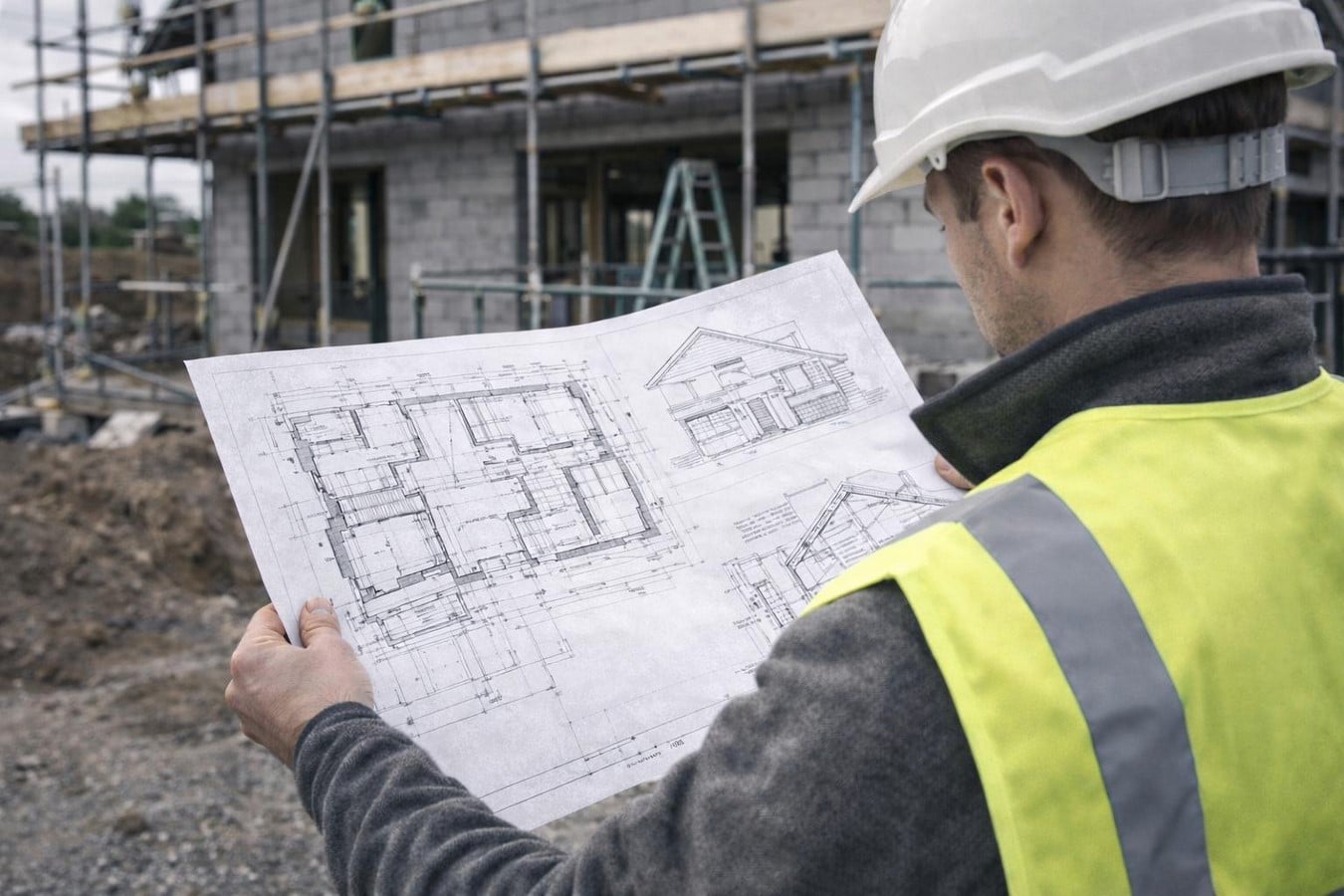
The story behind any completed building involves a lengthy discussion which the final building conveniently covers over. Someone wanted the project, a developer was after a tax break, the mayor wished to create a legacy, and an institution needed to appear up-to-date. The person who paid for it did so with conditions that influenced the design well before any architect had picked up a pencil. Money was spent and then cut. The public plaza which had been promised was reduced in size to make way for more leaseable space. A design that had won a competition was quietly altered after the construction bids proved to be too high, and the version that was actually built has only a familial similarity to the one that had won the award. Nothing about this is scandalous; it’s just normal. But it is also the aspect of the process that decides what a building can actually achieve for the people in the neighbourhood, and it is seldom included in the written accounts.
The Stories Buildings Leave Out
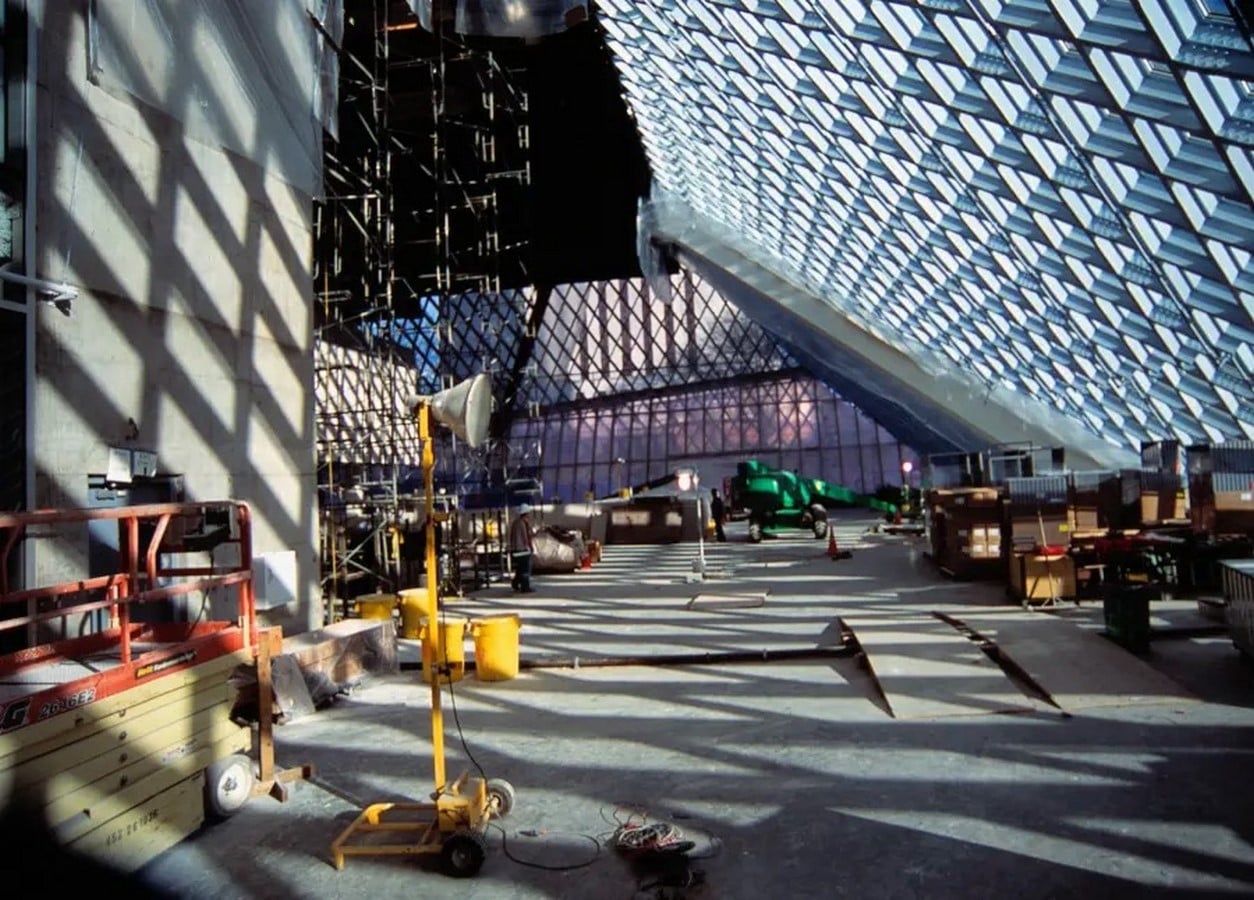
A similar silence applies to those who are completely left out of these narratives. The building workers who put the structure together, frequently without sufficient safety measures, are rarely given a name or photographed except as generic figures in hard hats. The maintenance personnel responsible for ensuring that the elaborate facade doesn’t leak remain unseen until a problem arises. Street vendors who previously operated on a sidewalk that has now been redesigned into a landscaped edge are seldom asked for their opinion about the change. A person who uses a wheelchair may find, after about four minutes of walking around a highly praised museum, the so-called seamless ramp results in an eleven-minute detour as compared to the stairs that everyone else takes. Architectural drawings do not record such friction; it is people who do.
That is the point at which architecture journalism moves into more uncomfortable territory: politics. Not politics in the sense of party politics, but politics in the ordinary sense of determining who gets to decide what a city looks like and who benefits from those changes. Even a brilliantly well-designed new development along the waterfront can still involve the quiet displacement of a fishing community that had used that stretch of shore for many generations. A government building may convey a sense of civic pride and at the same time clearly indicate which neighbourhood was given a new library and which one wasn’t. These facts do not have to be resolved into a judgement of good or bad; they are simply true at the same time, and a journalist who reduces this complexity to simple praise or criticism is failing his readers.
Failure deserves special attention since it is the aspect most people tend to ignore. Many buildings that are highly regarded end up with leaks, and public squares which were intended to be busy end up being exposed and deserted because no one considered where the shade would be at 2 p.m. Housing blocks are often altered by their residents, with balconies being enclosed and gardens paved over because the architect’s assumptions regarding how people would live there turned out to be incorrect. A transit hub which has been lauded for its tall roof may be hated by those who use it every day since the escalators constantly break down and no provision was made for their maintenance. A photograph taken on the day the building opened cannot possibly show any of this. It is sometimes only five years later, after the initial finish has worn off and the users have gradually changed the architect’s original intentions through their own habits, that we get the most accurate view of what went wrong with the design.
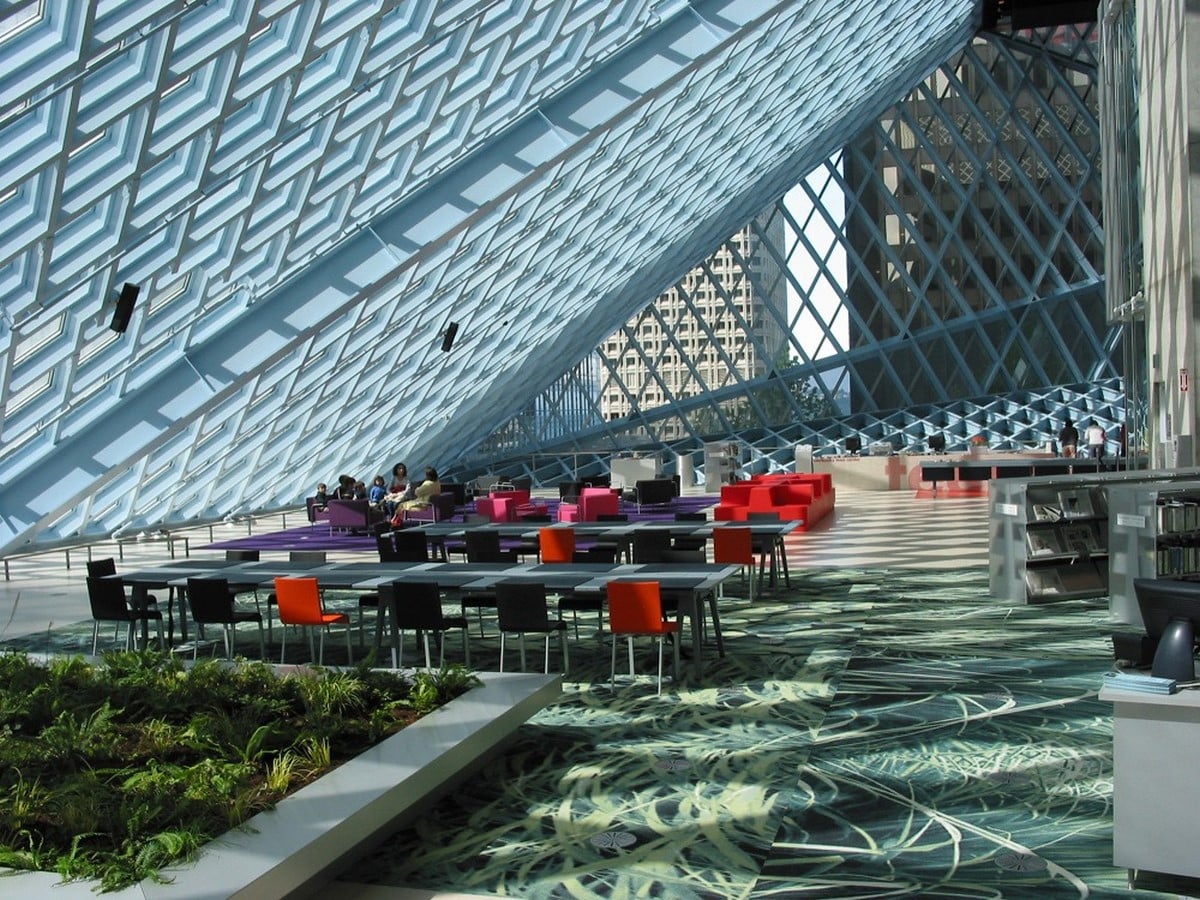
The main point to keep in mind is this: the intention of an architect and the actual function of a building are two separate matters, and it is in the gap between them that the most genuine writing takes place. This kind of writing is evident in little observations—such as which bench is used and which one is never used, where people wait when it is raining, and the fact that one corner of a plaza has become an informal market even though no one had planned for it. No elaborate theory is needed for any of this; all that is required is attention.
What relevance does all this have to a person who has never opened an architecture magazine? Well, buildings are among the most expensive and longest-lasting decisions that a society ever makes, and most people have to go through the effects of these decisions without ever realising how they came about. Good architecture journalism is able to explain why a street seems dead, why a public school was constructed without having a proper library, and why a park which has been much publicised remains locked most evenings. It is able to turn the decisions made in boardrooms and planning offices into results that become apparent when one carries out one’s daily activities. In its best form, it acts as a sort of link between those who make cities and the people who have to live in them.
The act of writing about a building does not cease when the scaffolding is taken down; instead, it continues to gain meaning through use, neglect, adaptation, and the passage of time, long after the architect has moved on to his next project. The more interesting question has always been not merely what a place looks like but who made it possible, whom it was really built for, who was left out of that story, and what all of this reveals about the society which first built it.
References:
- Jane Jacobs. The Death and Life of Great American Cities. Modern Library, 1992 [Jane Jacobs | The Death and Life of Great American Cities (1992)] Publisher’s reference [Accessed: 27 August 2026].
- Paula Cano. Can Architectural Journalism Shape the Future of the Profession? ArchDaily, 2023. ArchDaily article [Accessed: 27 August 2026].
- Stewart Brand. How Buildings Learn: What Happens After They’re Built. Penguin Books, 1995. Publisher’s reference [Accessed: 27 August 2026].
- Diogo Borges Ferreira. The Architect as Writer: Expanding the Discipline Beyond Buildings. ArchDaily, 2025. ArchDaily article [Accessed: 27 August 2026].