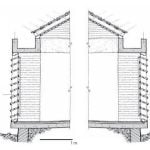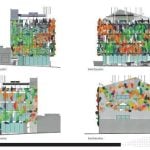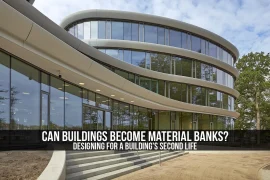
The beauty of architecture sometimes isn’t just what we see on a macro scale but is found in the small details. Usually, facade, materials, and form catch our attention first when we observe a building. Architecture isn’t just these large-scale strategies. Architectural details can also tell a story about the building. Details can be more than just decorative elements; it is where an architect’s vision takes physical shape. The visualisation and execution of a detail, though small, is very critical to its lifecycle.
Function, Construction and Aesthetics
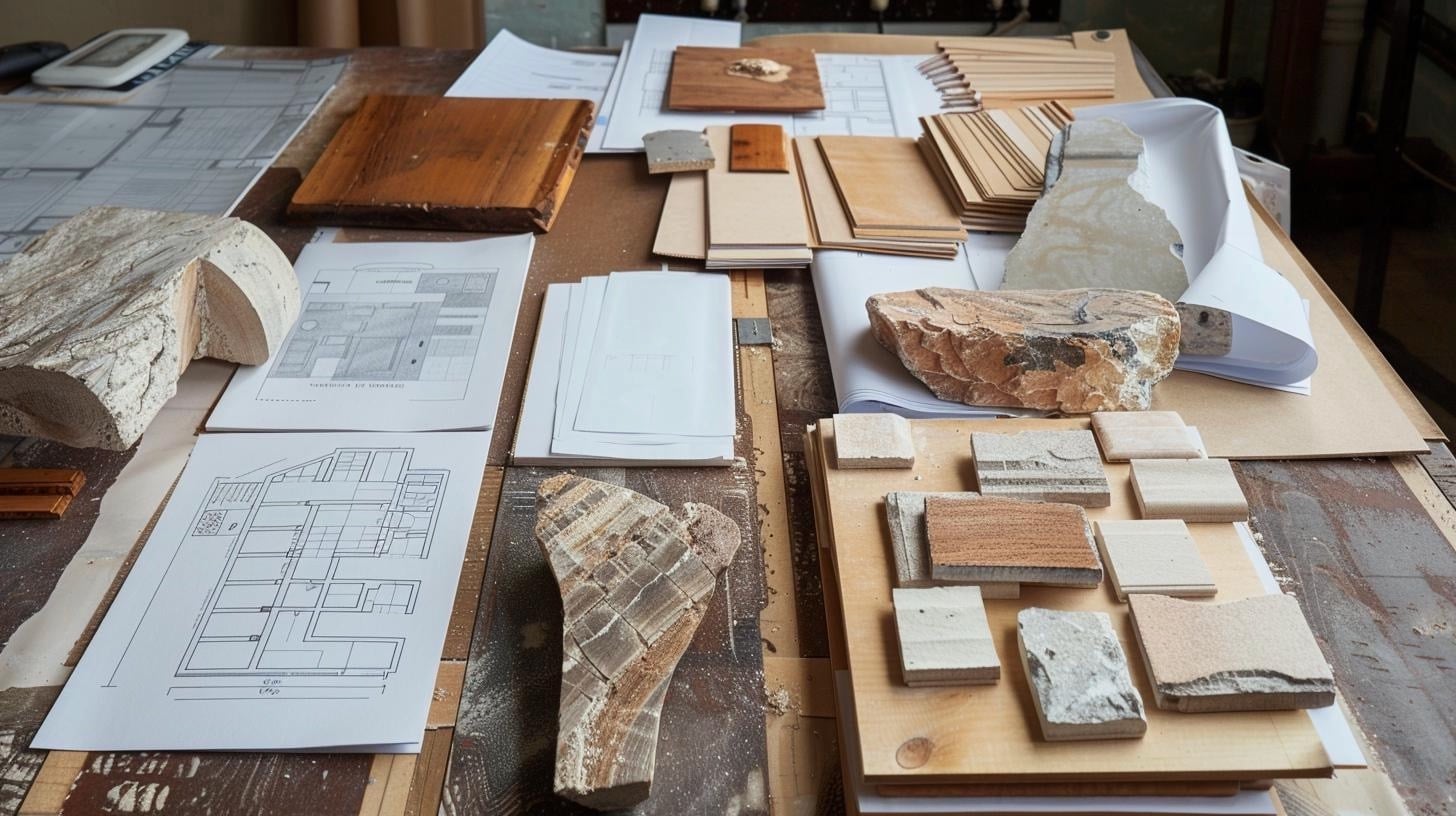
A detail should be easy to construct, work properly, and at the same time add to the appearance and experience of the building. When these things come together, it becomes a good detail. This brings together three aspects of architectural detailing:
Function: It solves a fundamental physical problem. A well-thought-out detail should serve both form and function.
Construction: This stage must be approached with great precision to avoid mistakes and make sure that the vision is executed correctly. Construction makes it possible to connect the idea of the architect with the actual building.
Aesthetics: It isn’t just the visual treatment of a space; it is an experience. Details have played a vital role in how we experience a space.
The God is in the Detail
The phrase “God is in the details” is often attributed to Ludwig Mies van der Rohe. This is a prime example that shows the importance of architectural detailing. Ludwig Mies van der Rohe’s other famous motto, “Less is more,” reflects his clean minimalist aesthetic. Mies van der Rohe approaches detailing as a study of proportion, structure, and texture. His eye for detail can be seen in his refined structural forms and the detail of material joints, which he has left in their unadorned state. Mies van der Rohe treats every component of the building carefully; joints and column intersections are done without breaking the visual harmony. Hence, his buildings have a strong sense of order and simplicity, while still being visually beautiful.
The beauty of a good detail can be seen as the building ages. A thoughtful detail during the design stage remains functional and visually consistent for years. Good detailing not only protects the present appearance of a building but also its future. For example, a poorly designed joint, gutter, or connection between materials can lead to water damage, maintenance problems, and deterioration over time. Hence, architects must think about construction and maintenance, as these small decisions can have larger consequences in a building.
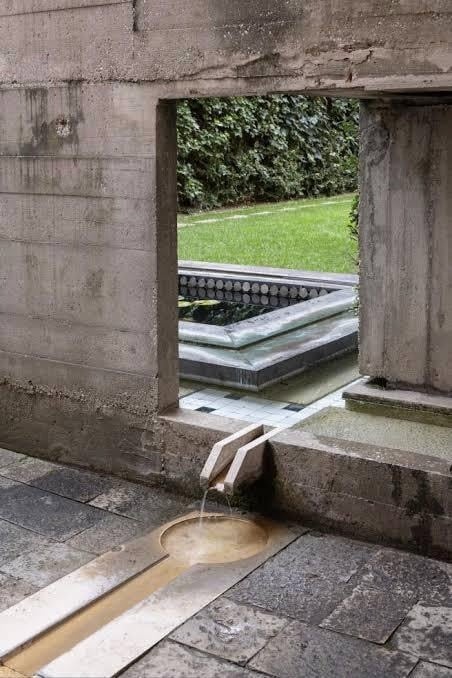
Joints are where different materials or building elements meet. The way a joint is designed reflects how carefully the architect has considered the materials and their behaviour. When the joints between two materials are exposed, it shows us how the building is actually put together. Joints communicate more than just technical information. They reflect care, precision, and respect for the materials being used.
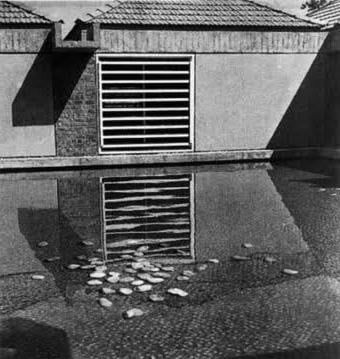
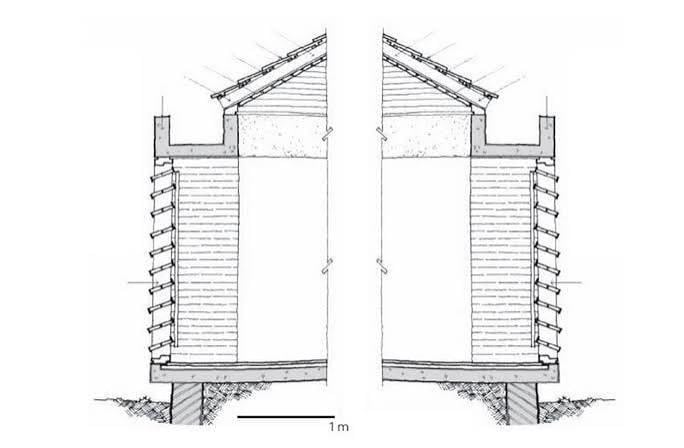
Gutter details are also an important part of the building. A failure in this detail can cause staining, dampness, corrosion, and material deterioration. This affects the structural integrity of the building. Architects sometimes incorporate gutters within the roof or express them as part of the architecture, depending on the design approach. For example, the gutter detail in Gandhi Smarak Sangrahalaya design by Charles Correa reflects Mahatma Gandhi’s philosophy of frugality, transparency, and simplicity. The gutter is a U-beam; it is both a structural and functional element that is deep enough to handle indian monsoon and drain directly into open-to-sky brick courtyards.
Environmental Responsibility
Architectural detailing in terms of sustainability has seen a shift from linear consumption processes to a circular economy. A Sustainable design values a material’s durability and future adaptability. This means the detail should allow materials to be disassembled and reused to extend the building’s lifespan and hence reduce environmental impact. Extending the life of a building can reduce the need for demolition and new construction. Today, Building performance is not a second thought. Detailing can transform these sustainable requirements into aesthetic opportunities.
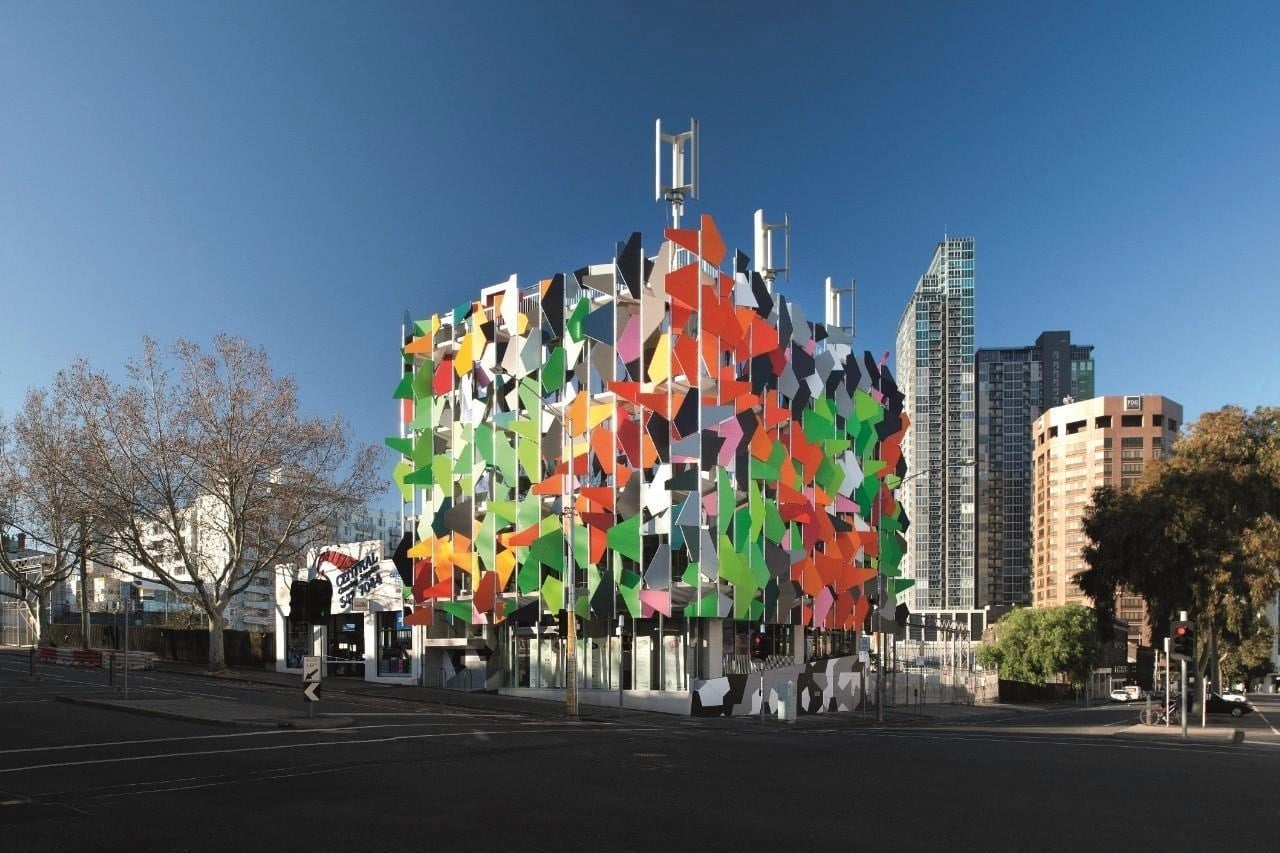
The following are the three factors affecting Ecological Detailing.
Shading: elements such as eaves, overhangs, and façades can control solar gain and reduce the dependence on mechanical heating and cooling systems
Light Modulation: The fenestration can modulate daylight penetration, ensuring that the internal environment is comfortable.
Thermal performance: Integrating thermal breaks and natural ventilation pathways directly into the visual language of the material joints.
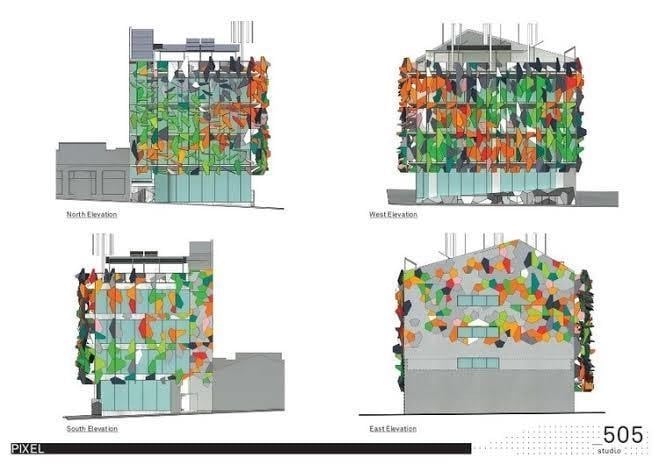
Pixel Building, Australia, uses these three strategies. The coloured louvres are fixed precisely at an angle to create a comfortable indoor environment for working. The double-glazed window wall in the office space eliminates the need for artificial lighting during daytime.
The Importance of Details
Architectural details can communicate a much larger story. it shows us how a building has been designed and how it is expected to perform over time. They’re not just about solving technical problems or making the building look pretty. They show what, where, and for whom we design. They help turn the design idea into something that we can actually see and experience. An architect’s eye for detail must respect the materials, the environment, and the people who inhabit it. It shows that someone put thought into it and took responsibility.
References:
ArchDaily (2011). Pixel / studio505. [online] ArchDaily. Available at: https://www.archdaily.com/190779/pixel-studio505 [Accessed 22 Aug. 2026].
Studio 505 (2015). Work – Studio 505. [online] Studio505.com.au. Available at: https://www.studio505.com.au/work/project/pixel/8.html [Accessed 22 Aug. 2026].
Water360.com.au. (2025). Blocked. [online] Available at: https://water360.com.au/smart-water-fund/the-pixel-building-achieves-six-star-green-rating/ [Accessed 22 Aug. 2026].
Gupta, A. (2020). Sabarmati Ashram, Ahmedabad by Charles Correa: Beyond bricks and stones. [online] RTF | Rethinking The Future. Available at: https://www.re-thinkingthefuture.com/rtf-design-inspiration/a1874-sabarmati-ashram-ahmedabad-by-charles-correa-beyond-bricks-and-stones/#google_vignette [Accessed 22 Aug. 2026].
Charles Correa and Naveen Kulshreshta (1963). Gandhi Smarak Sangrahalaya at Sabarmati Ashram. Daedalus, [online] 128. Available at: https://architexturez.net/doc/az-cf-123736 [Accessed 22 Aug. 2026].
Charles Correa Foundation. (2022). Gandhi Smarak Sangrahalaya. [online] Available at: https://charlescorreafoundation.org/2022/02/23/gandhi-smarak-sangrahalaya/ [Accessed 22 Aug. 2026].
Journal. (2023). “God Is in the Details”: 9 More Architectural Moments to Make Mies Proud. [online] Available at: https://architizer.com/blog/inspiration/collections/god-is-in-the-details-mies/ [Accessed 22 Aug. 2026].
Byler, M. (2024). Behind the Scenes: The Role of Architectural Detailing in Interior Design. [online] Anne Carr Design. Available at: https://www.annecarrdesign.com/design-blog/behind-the-scenes-the-role-of-architectural-detailing-in-interior-design?srsltid=AfmBOoo-q5Z-R_o8iDjDi9UqCUvRRWE0ChCr2y9Ecs0z_UGD5UV-xLsC [Accessed 22 Aug. 2026].
Verwers, T. (2021). God is in the Details. [online] TVA. Available at: https://www.toddverwers.com/post/god-is-in-the-details [Accessed 2 Aug. 2026].
First In Architecture. (2024). God Is in the Details. [online] Available at: https://www.firstinarchitecture.co.uk/god-is-in-the-details/ [Accessed 22 Aug. 2026].
WilkinsonEyre. (2001). WilkinsonEyre. [online] Available at: https://wilkinsoneyre.com/thinking/god-is-in-the-details [Accessed 22 Aug. 2026].
Von Dohre, M. (2025). Why Architectural Details Matter and Why They are Important. [online] Read the Plans. Available at: https://readtheplans.com/https-readtheplans-com-architectural-details/ [Accessed 22 Aug. 2026].
plexus r + d | Modern Architecture Firm | Atlanta, GA. (2025). Plexus Research & Design. [online] Available at: https://plexusrd.com/blog/the-importance-of-detail-in-modern-architecture/ [Accessed 22 Aug. 2026].
Images:
Anon, (n.d.). [Photograph-1] Available at: https://webberstudio.com/creating-character-how-architectural-details-elevate-a-homes-style/
Anon, (n.d.). [Photograph-2] Available at: https://atlantearchitetturacontemporanea.cultura.gov.it/fondazione-querini-stampalia-2/.
Anon, (n.d.). [Photograph-3] Available at: https://architexturez.net/doc/az-cf-123736.
Anon, (n.d.). [Photograph-4] Available at: https://www.re-thinkingthefuture.com/rtf-design-inspiration/a1874-sabarmati-ashram-ahmedabad-by-charles-correa-beyond-bricks-and-stones/#google_vignette .
Anon, (n.d.). [Photograph-5] Available at: https://www.archdaily.com/190779/pixel-studio505.
Anon, (n.d.). [Photograph-6] Available at: https://www.archdaily.com/190779/pixel-studio505.