Some buildings seem to easily survive for centuries, while others struggle to make it through a few decades. The difference does not just lie in how they were built but also in how they were maintained. As traditional construction practices disappear, it is important to ask what happens to buildings when the knowledge used to care for them is no longer around.
Architecture before Cement:
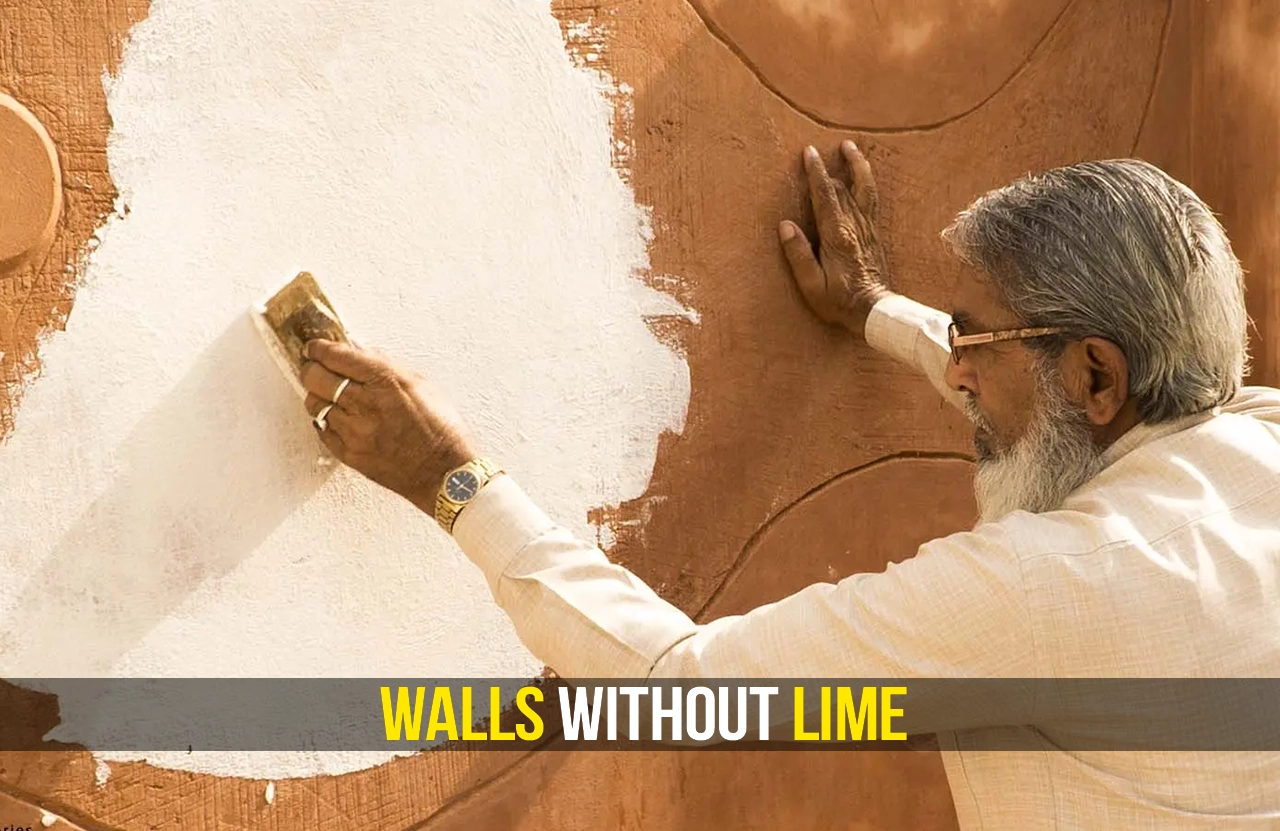
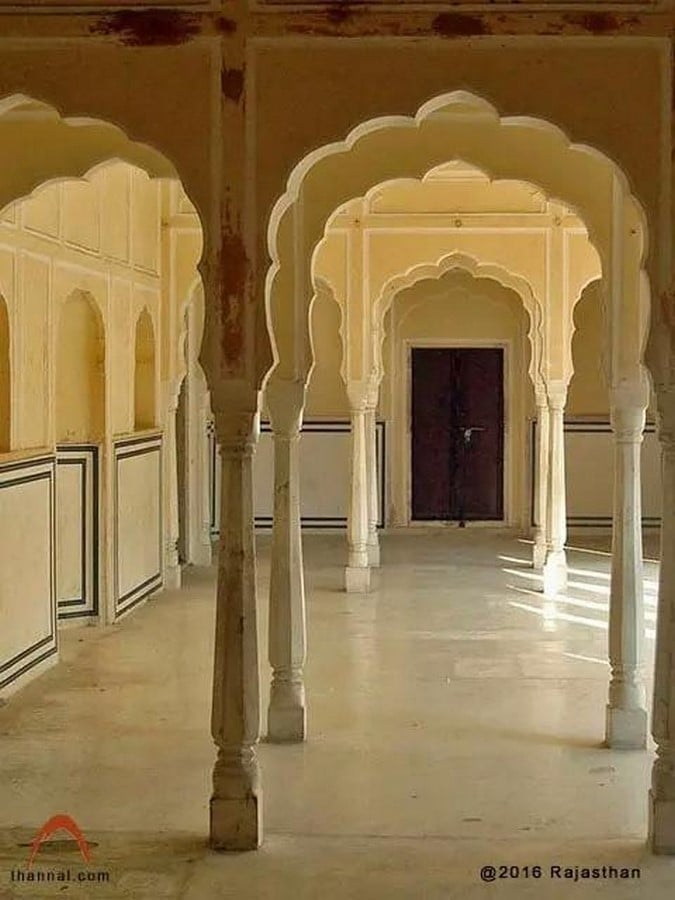
Before modern-day materials like cement came into the picture, buildings were built with materials available in their surroundings that worked in their environment. Lime as a material allowed for a building to age beautifully without losing any structural stability. It wasn’t just another decorative surface layer; it was a system of response to the environmental conditions that defined how the building would function over time.
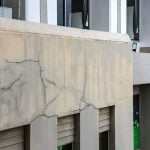
Traditional masonry structures relied on lime’s ability to breathe; it allowed for the moisture absorbed by the walls to evaporate, preventing the accumulation of dampness. This allowed the structure to adapt easily and prolong its life. Unlike modern materials that are rigid, lime allowed for some minor movement in masonry, which took care of natural settling, preventing any damage it could have caused. Small cracks would gradually heal due to the carbonation of lime, which would allow buildings to recover.
Picture this – a 200-year-old courtyard house develops hairline cracks post-monsoon. But no one panics. A lime plasterer arrives and patches all the cracks. The walls start breathing again, moisture evaporates, the cracks disappear, and the walls are as good as new! In this manner the building lives on and grows older without becoming weaker. The key takeaway in this case would be that the house was never treated as a finished product; it was treated as a living system – one that required maintenance and repair from time to time. And that is something most architects today seem to have forgotten. A building that is treated as a finished object and therefore a job done is bound to deal with limited longevity. So lime was breathable, flexible and self – healing. But was repair the only purpose lime held?
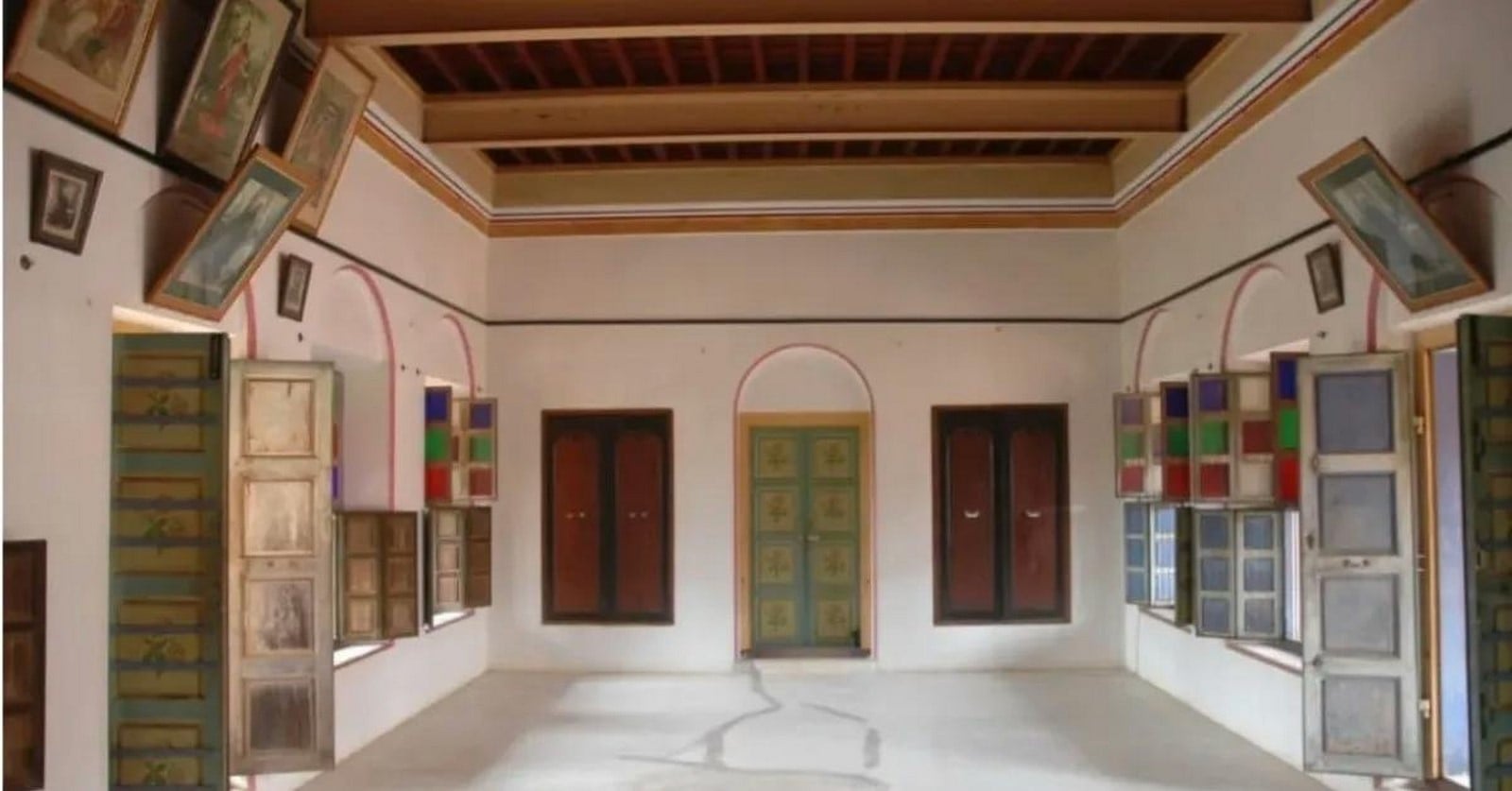
Lime plaster also contributed to thermal comfort by slowing down the absorption of heat during the day and the release of heat at night, which helped in regions facing extreme heat during the day and cooling at night. Its breathable walls allow moisture to be absorbed and released naturally. It worked as part of a larger building system that was climate responsive.
Relevance of lime today:
Lime plaster’s relevance in architecture today is concerning. It is well recognised for its purpose in heritage conservation projects. However, it is largely absent from modern architecture. While historic buildings rely on lime for restoration and recovery, the number of skilled artisans who understand the working and usage of lime is declining at an alarming rate.
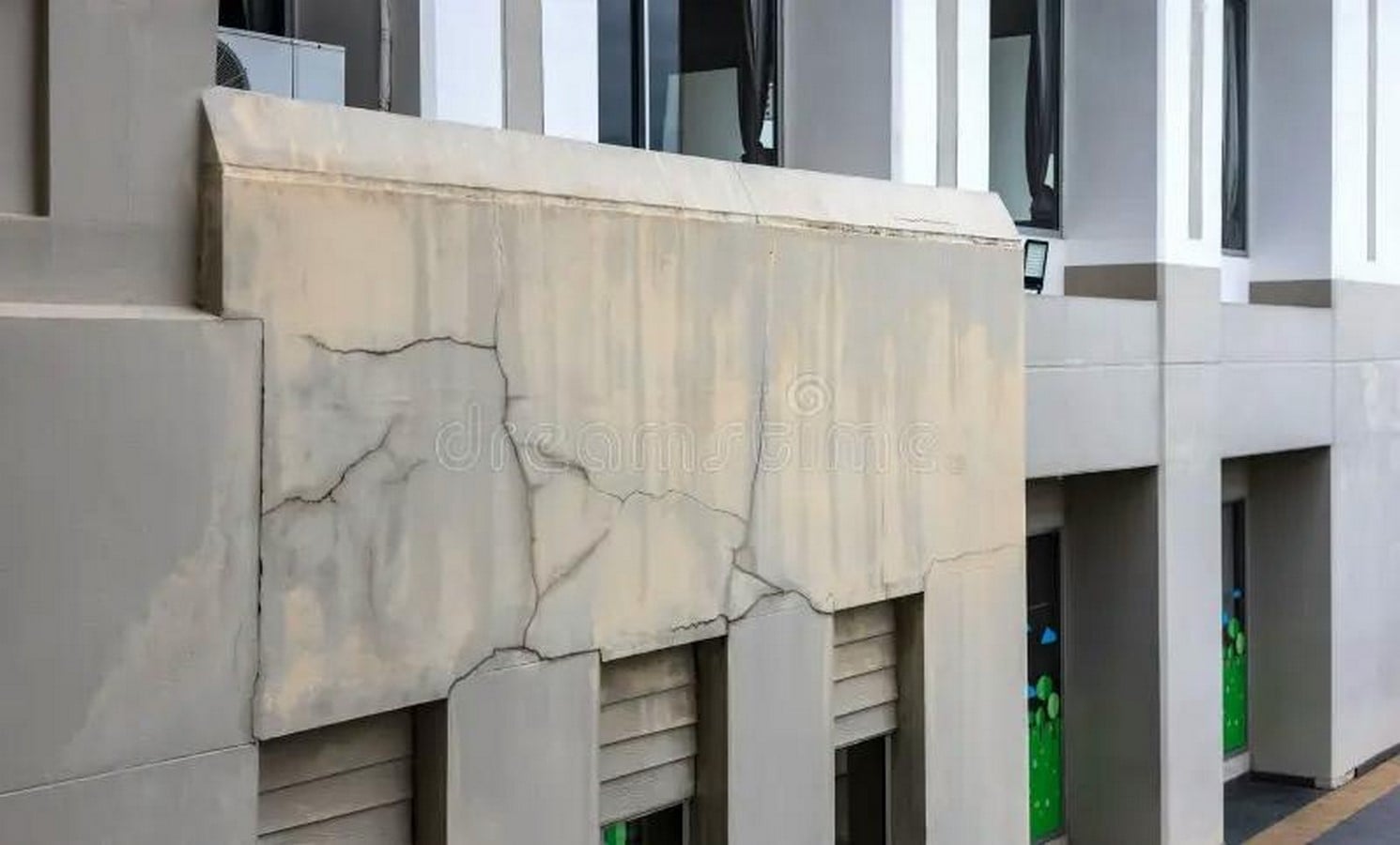
Modern construction techniques have switched to the use of materials that promise speed, uniformity and ease of application. Cement-based plasters in particular have replaced lime-based ones since they offer quicker results and do not require skilled labour. For these reasons a building ages very differently. The longevity and the performance specifically decrease if the building is restored with cement alternatives instead of lime.
Why should the retirement of the last lime plasterer be of any concern?
The idea of the last lime plasterer retiring isn’t indicative of the end or failure of a building. The building will continue to stand, but how the building ages will transform. The retirement of the last lime plasterer would thus be symbolic of a new manner of aging for buildings. When cracks finally appear, moisture seeps in and plaster begins to fail; the building loses access to a material that would have ensured it aged well. The building is now left with no option but to repeatedly resort to quick fixes that keep cutting short the building’s lifespan with each usage. Unlike breathable lime, these materials trap moisture in masonry, accelerate salt crystallisation and create rigid surfaces that cannot accommodate minor movements in masonry.
As time passes, a strategy that is deemed harmless causes more harm than good with regards to material authenticity, structural stability and the character of the building as a whole. Walls that once regulated moisture would now be susceptible to dampness and thus cracks and would be prone to replacement instead of repair. As the building’s repair cycles become progressively frequent and invasive, the building becomes incapable of adaptation and is left to be replaced. The greater loss would thus not be the absence of lime but of the disappearance of a maintenance system that allowed for a building to live on.
What happens to restoration projects if the last lime plasterer retires?
Restoration projects are focused and founded on the principles of preserving the structure, the materials and construction techniques. Lime plaster serves a crucial role as a material and method of preservation. Although the intentions are in the right place, their realisation becomes difficult when the expertise that executes it is no longer around. That is exactly why it is as important to preserve the artisans as it is to preserve the culture of using lime. Architects, in drawings, can definitely instruct the usage of lime, but only the artisans who have worked with lime for centuries will understand how important the process of its preparation, curing and application are. In the absence of lime, restoration projects resort to cement-based substitutes or simplified techniques that replicate the facades and exteriors of traditional architecture but do not help preserve the authentic material and techniques. Restoration projects at this point risk becoming an exercise of visual imitation of historic structures over material authenticity. Historic buildings therefore do not change in how they look, but they lose the essential qualities that helped them endure to begin with. The challenge is not just to preserve historic structures but to also preserve the knowledge systems that helped maintain them.
Another matter of concern that isn’t addressed enough is that future generations may only inherit buildings that have been preserved in terms of appearance. They may manage to restore facades, the details and maybe even the aesthetic but the buildings will still lack the behaviour of the original material; they will lack climate responsiveness and traditional repair systems.
The concern would no longer be the absence of historic structures but instead that they survive as replicas of themselves.
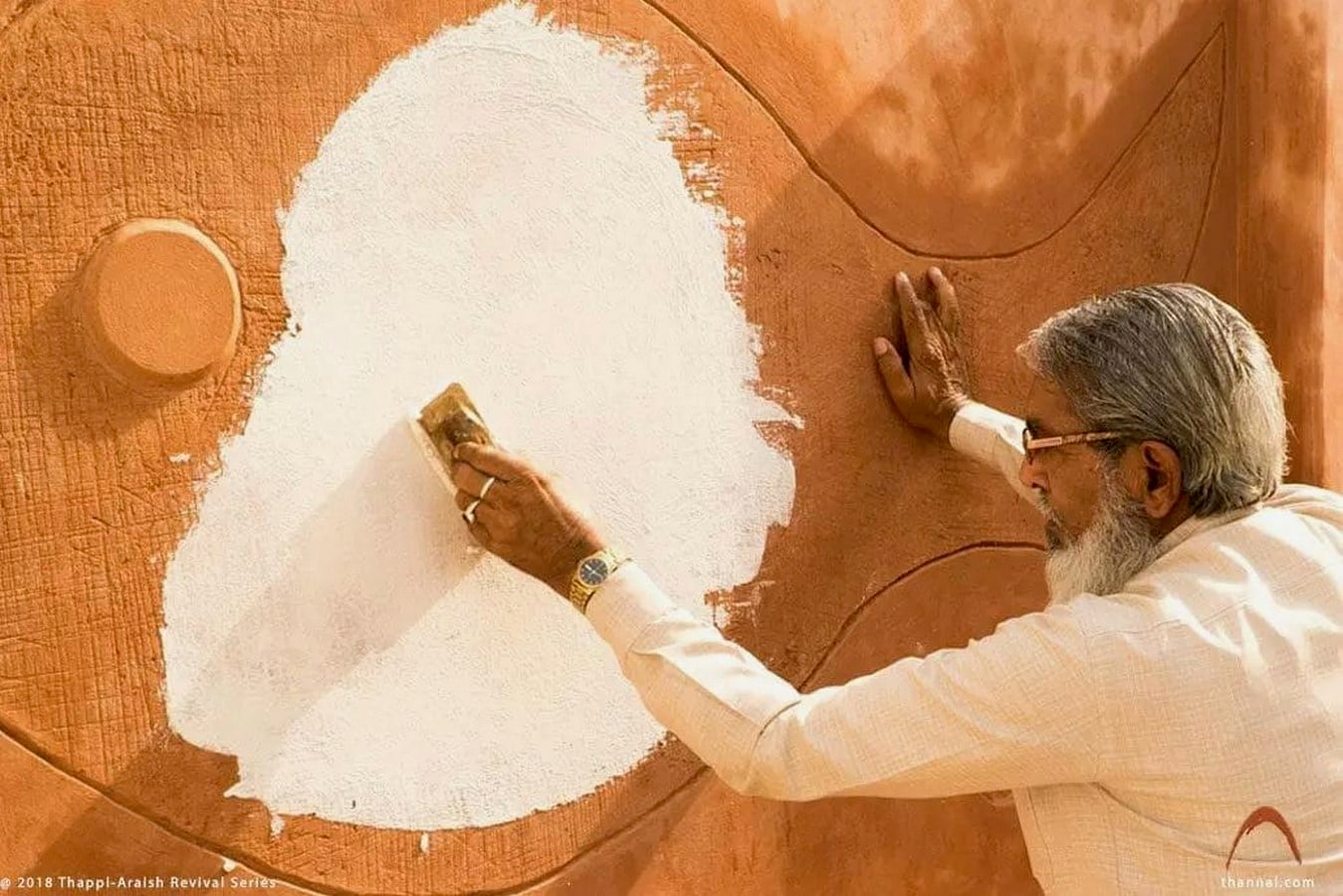
It is thus safe to say that the last lime plasterer’s retirement wouldn’t just be the end of a profession; it would redefine architecture’s understanding of longevity. Old buildings thrive on invisible forms of care, and preservation cannot simply mean redoing the walls; it would mean the preservation of the systems that allowed it to live.
Citations:
- Thannal (2022). Understanding Lime With A Sprinkle of Shayari (Poem). [online]. Available at: https://thannal.com/understanding-lime-with-a-sprinkle-of-shayari-poem/
- Green Fortune (2025). Lime Plaster vs Cement Plaster: Which is Better for Indian Homes. [online]. Available at: https://thegreenfortune.com/lime-plaster-vs-cement-plaster-key-differences-for-home-walls/
- Instakrete (2026). Is Lime Plaster Good for Heritage and Restoration Projects in India?. [online]. Available at: https://instakrete.in/is-lime-plaster-good-for-heritage-restoration-projects-in-india/