The relationship between artistic composition and interior space through colour, form, texture and spatial arrangement When we look at art and interior design, we see that they have some things in common. One of these things is composition. Composition is the way in which things are arranged to create a sense of structure and meaning. This is true for paintings, sculptures, photos and interior spaces. They all have things like colour, form, texture and space that work together to create a whole.
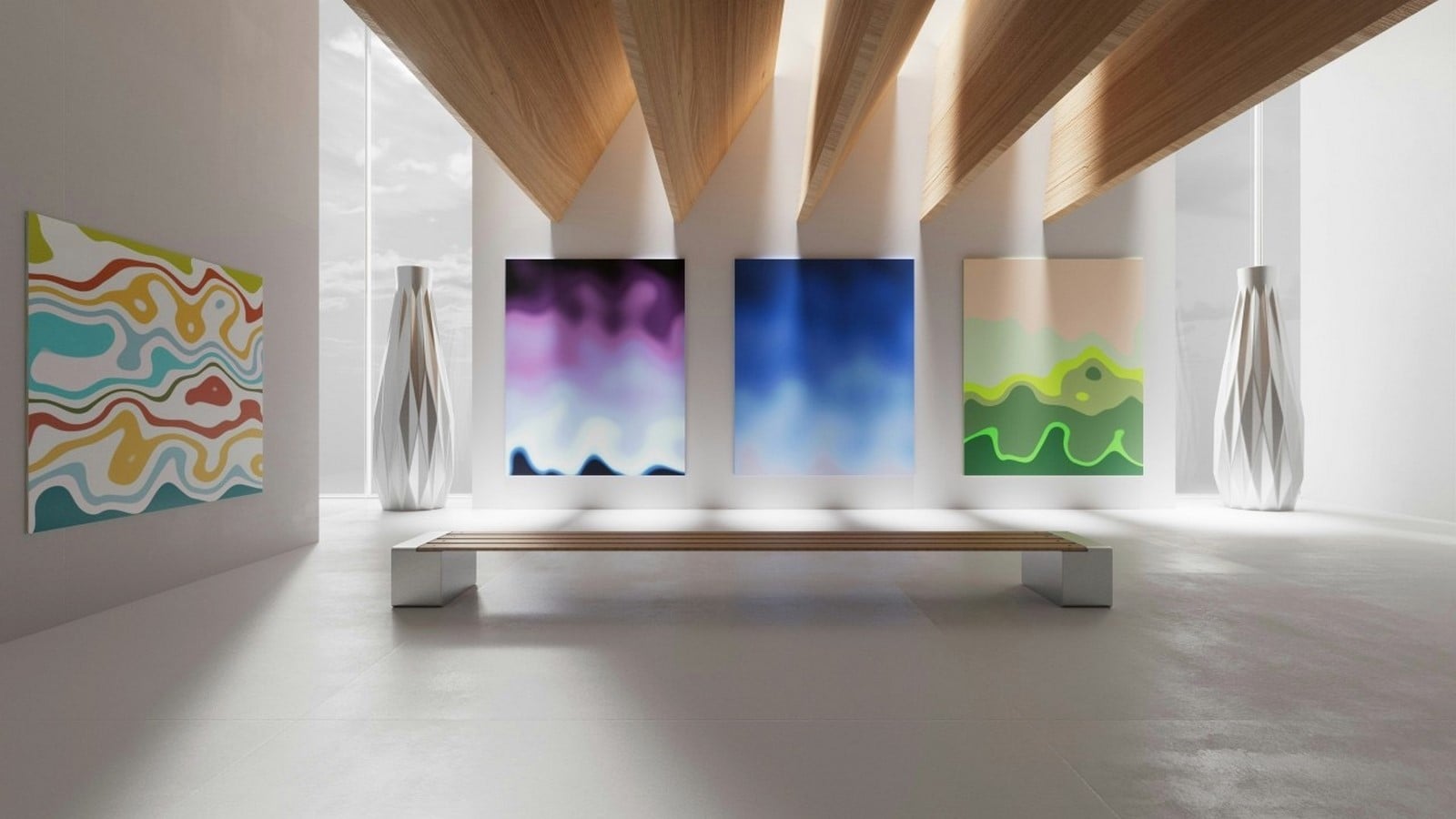
Art is mostly about what we see. The artist arranges forms, colours, lines and space to create a picture. Interior design is similar. It also tries to create an experience of being in a space. This means that the person looking at the space becomes a part of it, touching, feeling and moving around the objects in it. The way space is organised is similar in art and interior design.
Common Principles of Composition
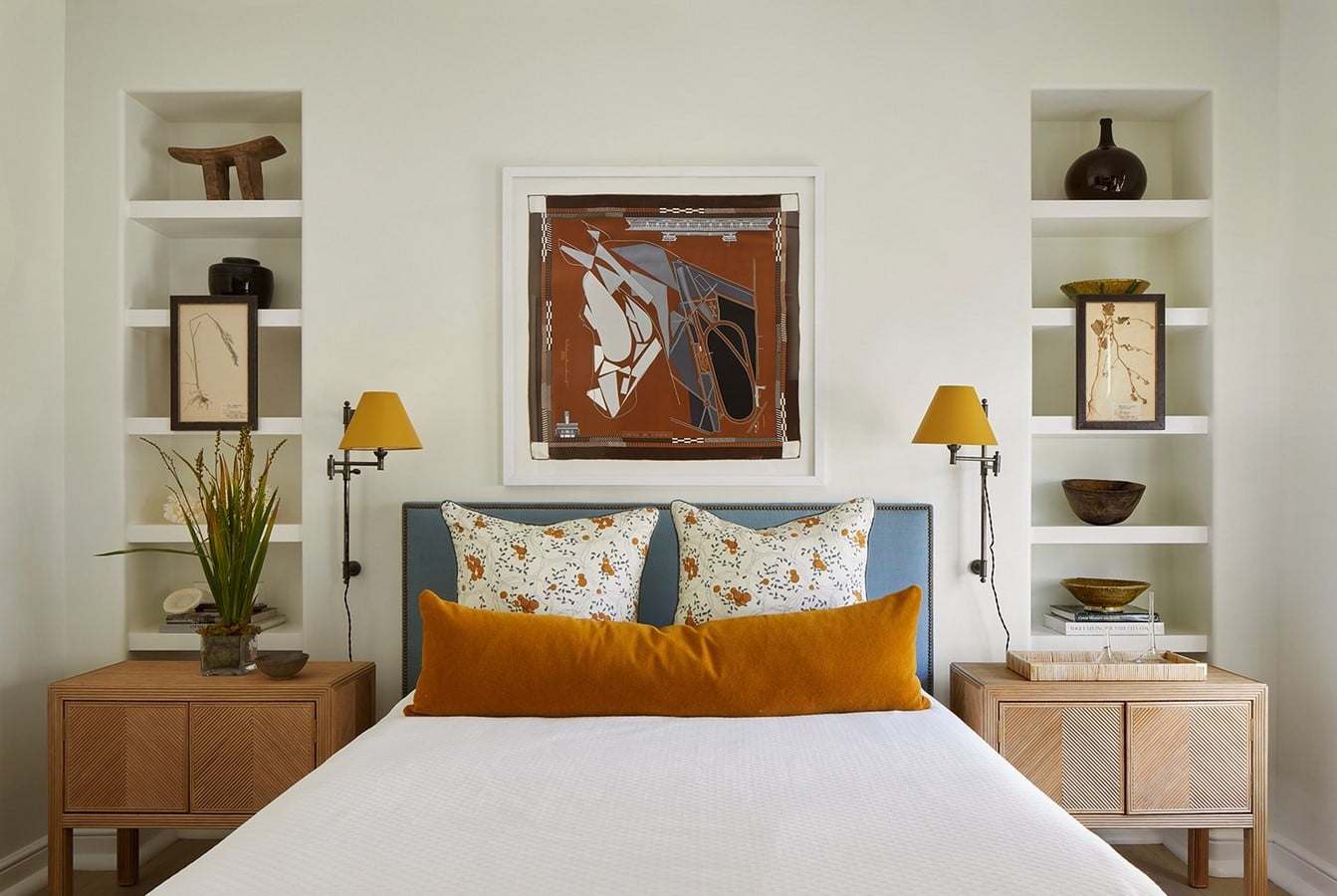
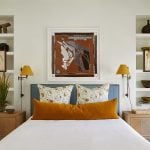
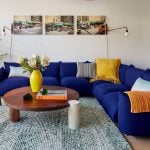
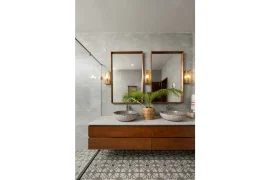
Balance and symmetry in interior composition through the arrangement of furniture, colour, and decorative elements. One of the principles of composition is balance. Balance is about arranging things in space so that they look stable and comfortable. When a space is balanced, it feels calm and organised. If it is not balanced, it can create a sense of movement. For example, an interior designer can balance a room by arranging furniture, doors and other things in a way that looks good.
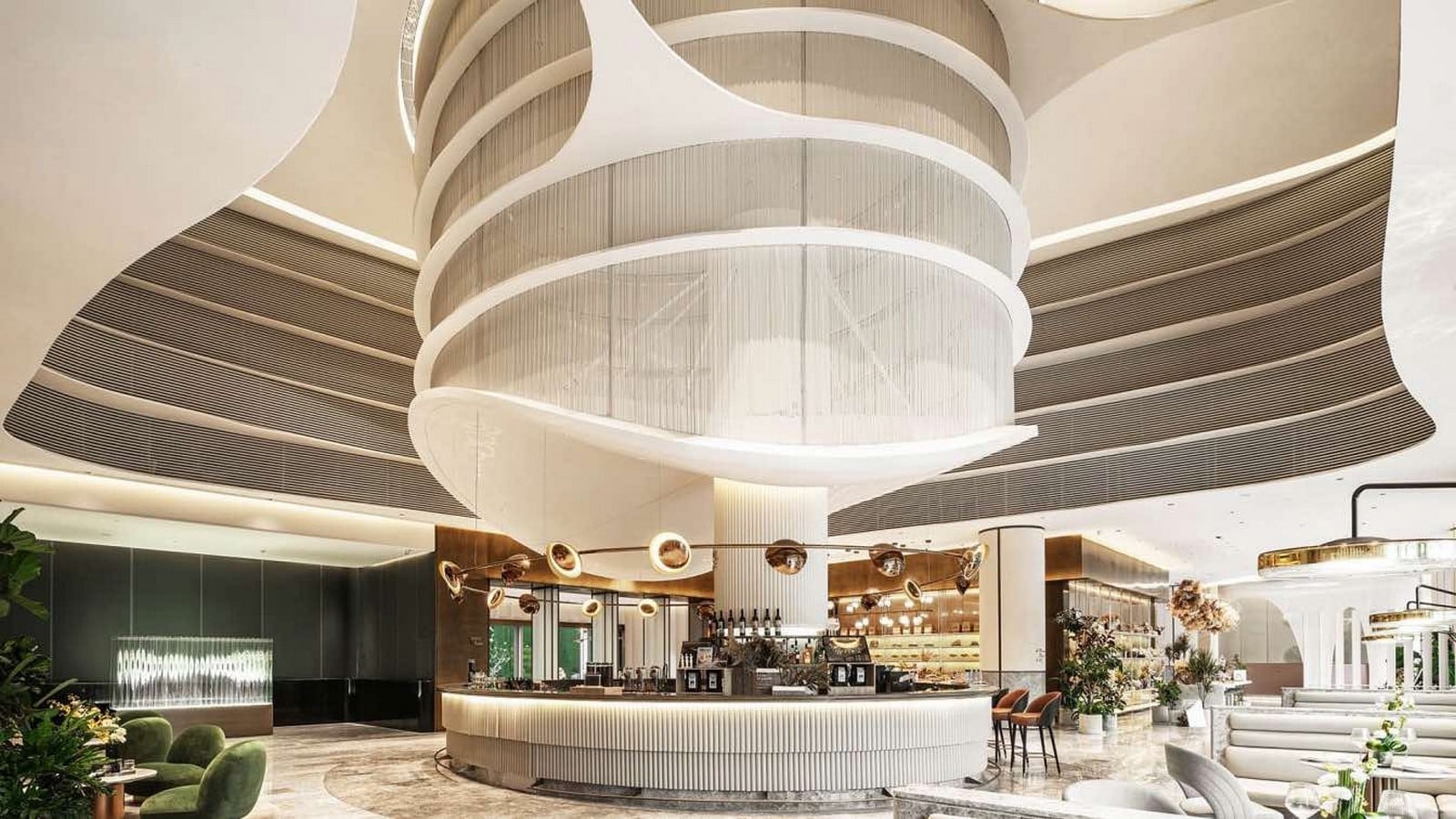
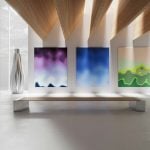
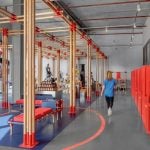
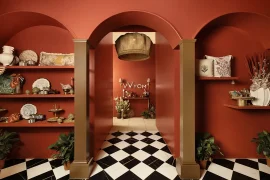
Rhythm is created through the repetition of curved forms, lines, and lighting elements, producing movement and visual unity. Another principle is rhythm. Rhythm is about creating movement by repeating forms or colours. This can make a space feel dynamic. We can see rhythm in the way things are repeated, like columns or lights. This creates a sense of unity and movement in a space.
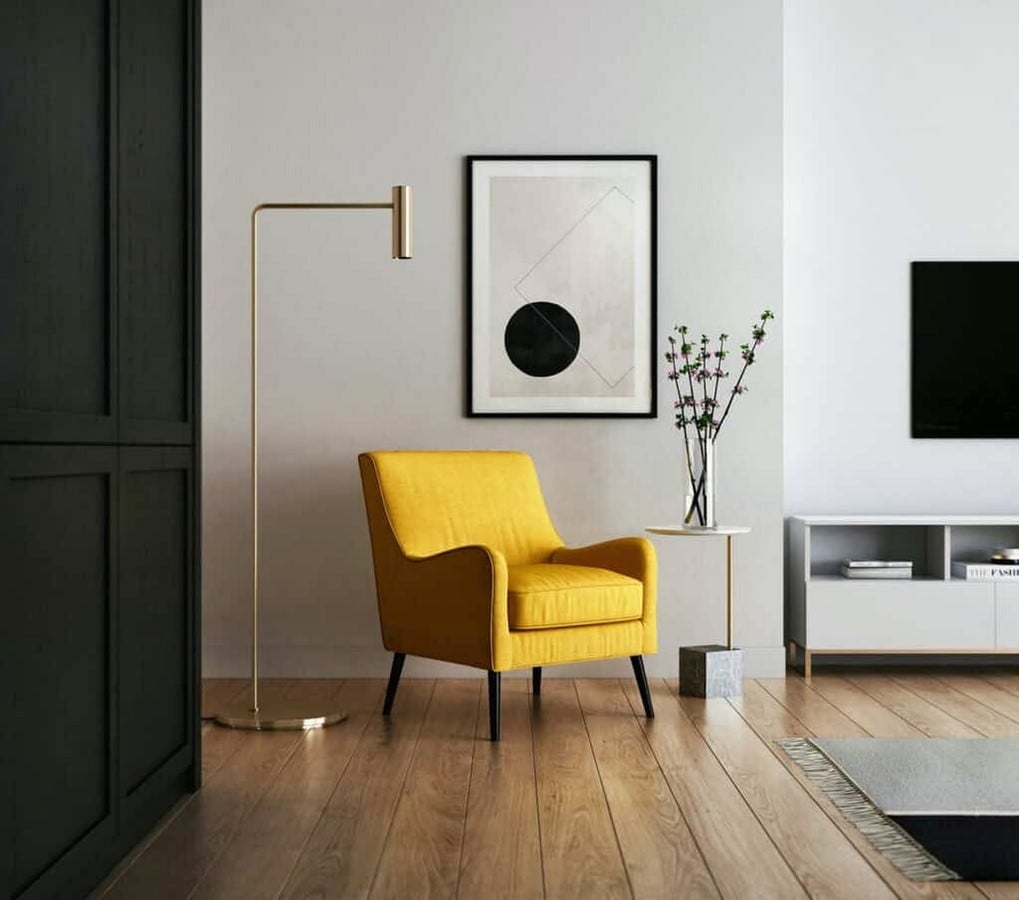
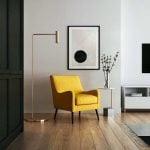
Emphasis is also important. Emphasis is about drawing attention to things in a space or picture. This can be done with contrasts like using colours or unique forms. In design, emphasis can be created with architectural and decorative objects.
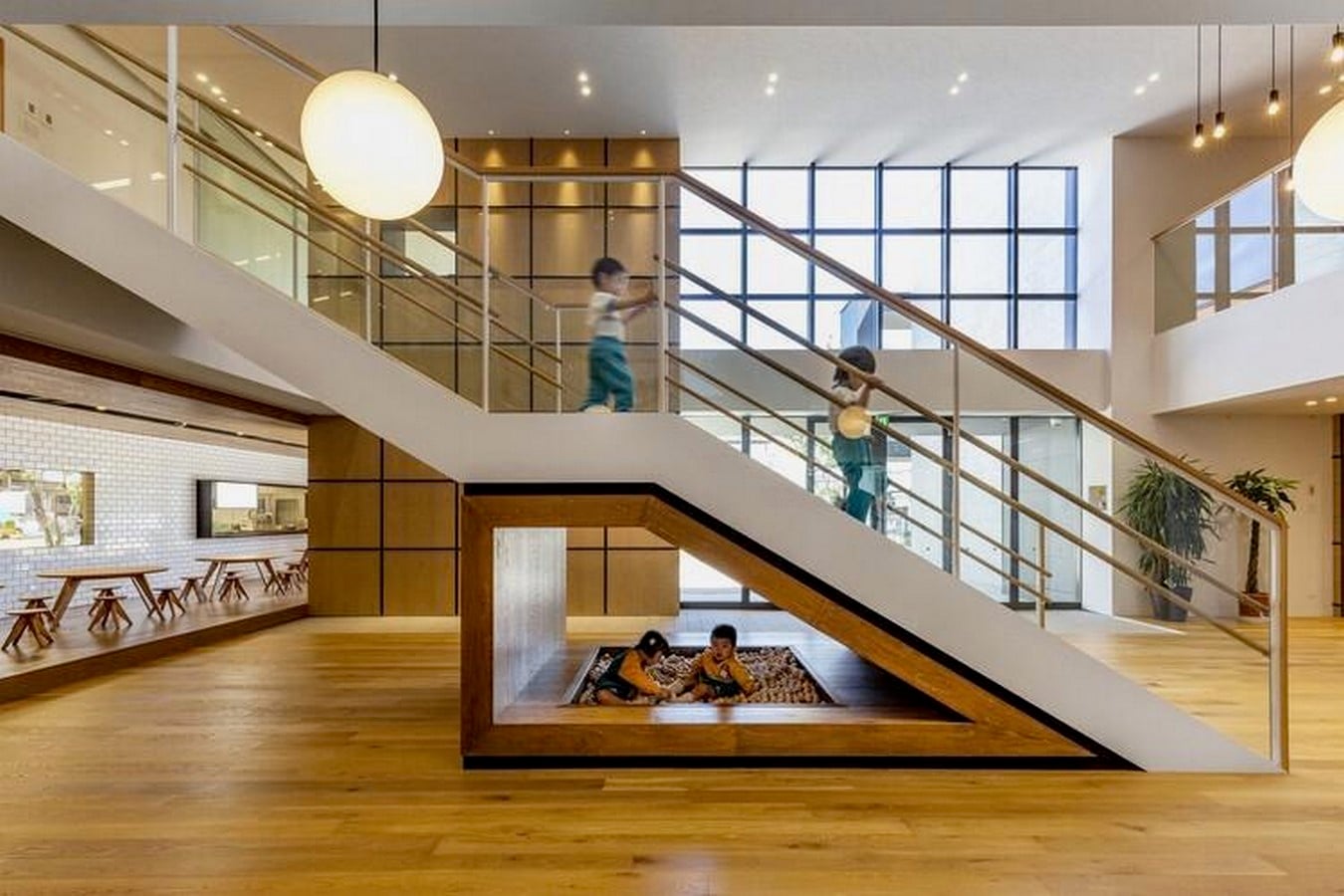
Proportion and scale are also crucial. Proportion is about the size of things in relation to each other. Scale is about the size of things in relation to people. If things are the right size, a space can feel comfortable and attractive. If they are not, it can feel strange.
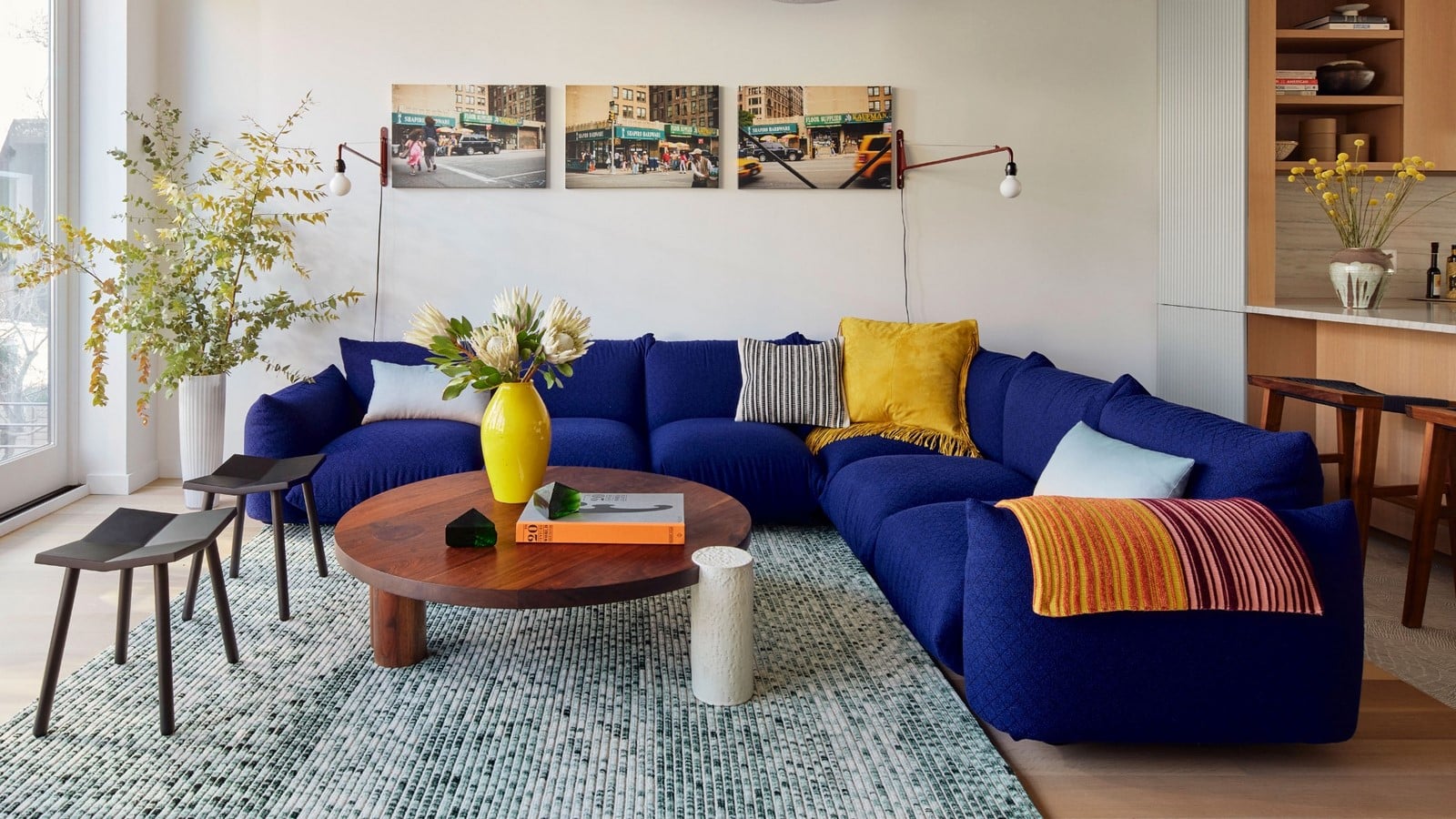
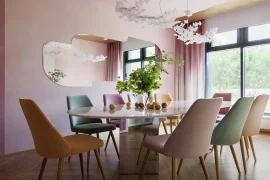
Contrast is another principle. Contrast is about opposites, like light and dark. This can create interest in a space or picture. In design, contrast can be used with materials, colours and lighting.
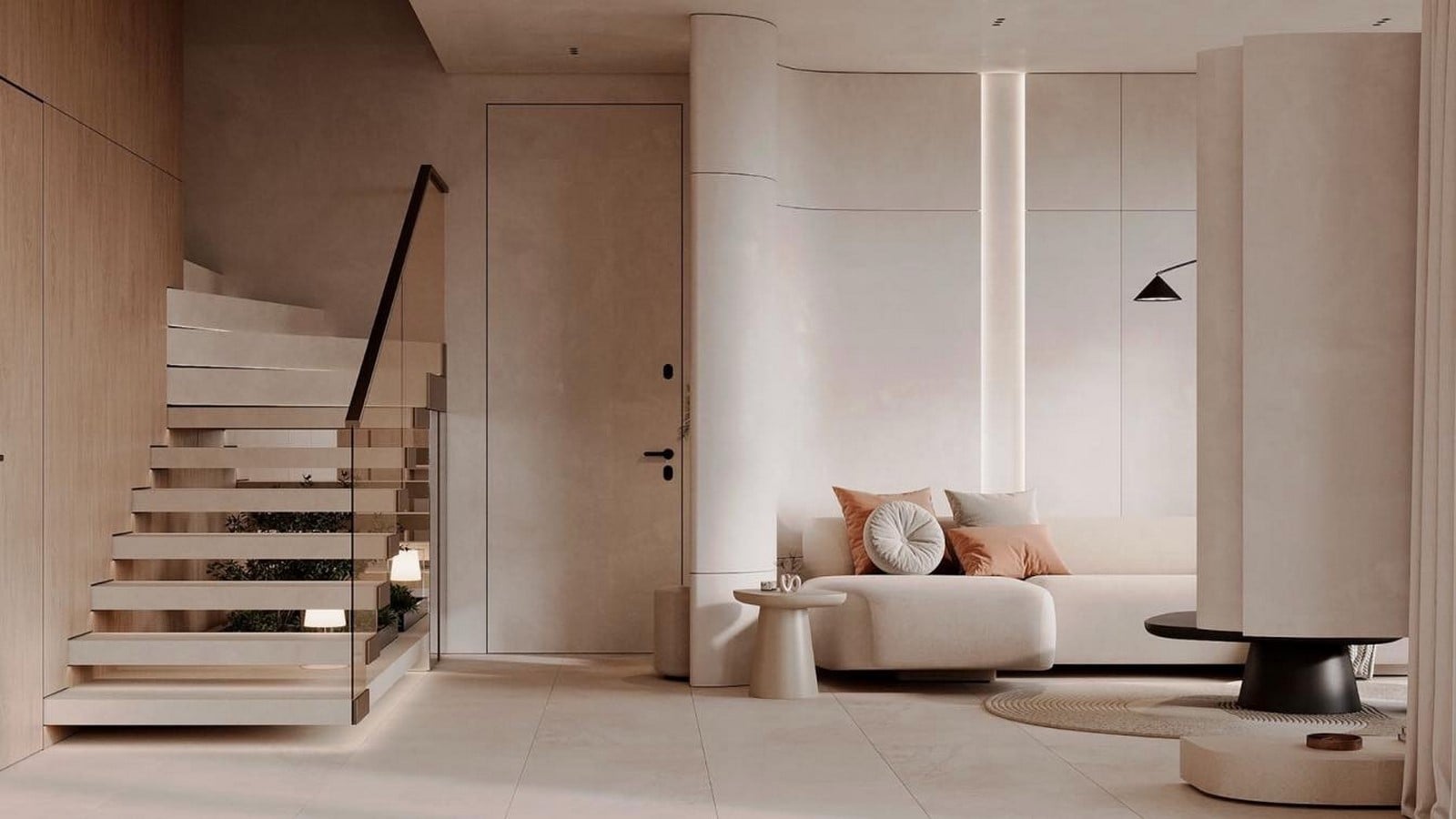
Finally, unity and harmony are important. Unity is about creating a sense of cohesion by repeating things. This can make a space feel calm and organised. Harmony is about creating a sense of balance and stability.
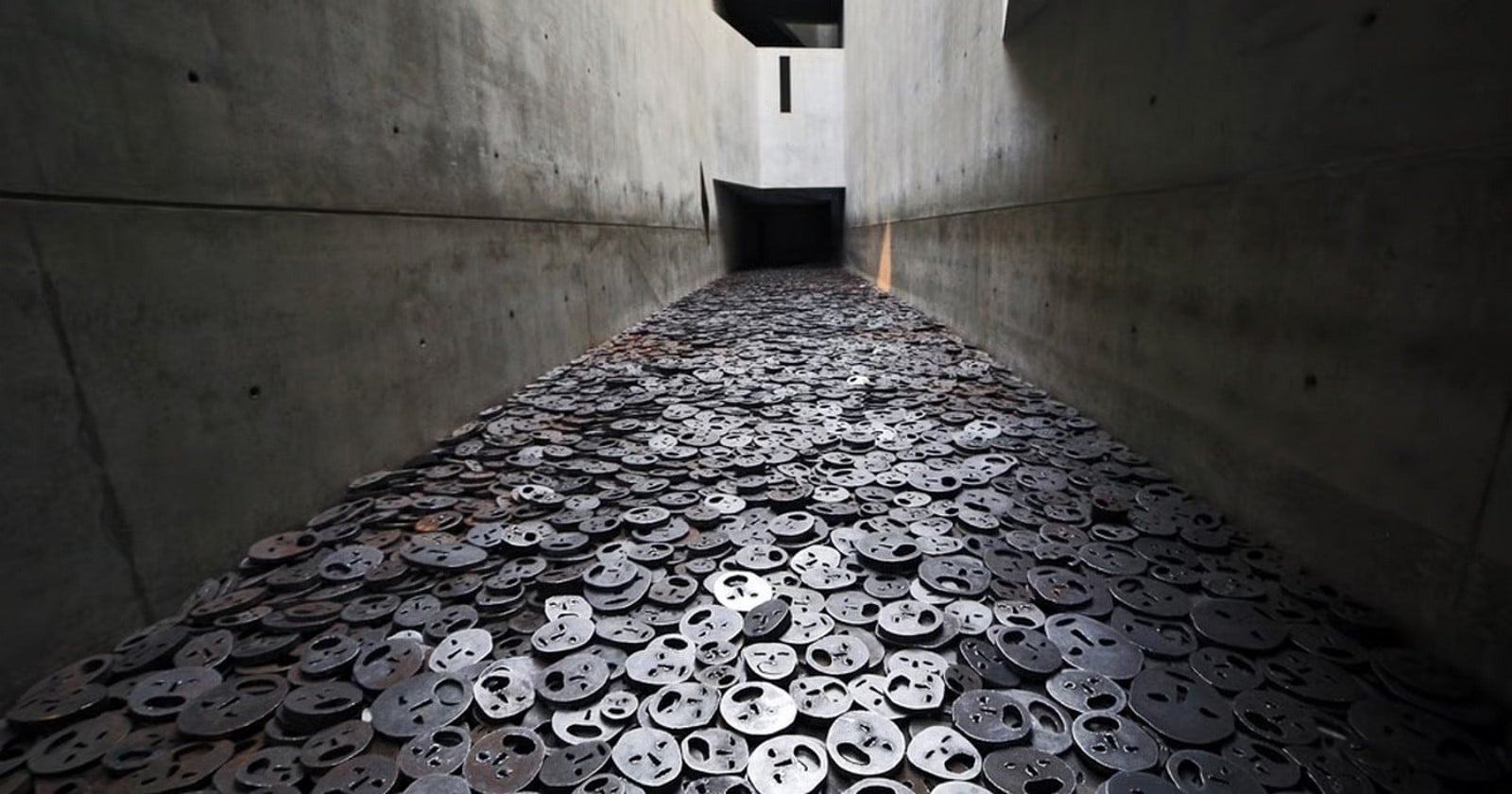
The Jewish Museum Berlin demonstrates how powerful spatial composition can be in shaping emotional experience.
Emotions
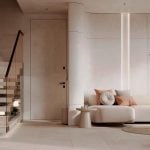
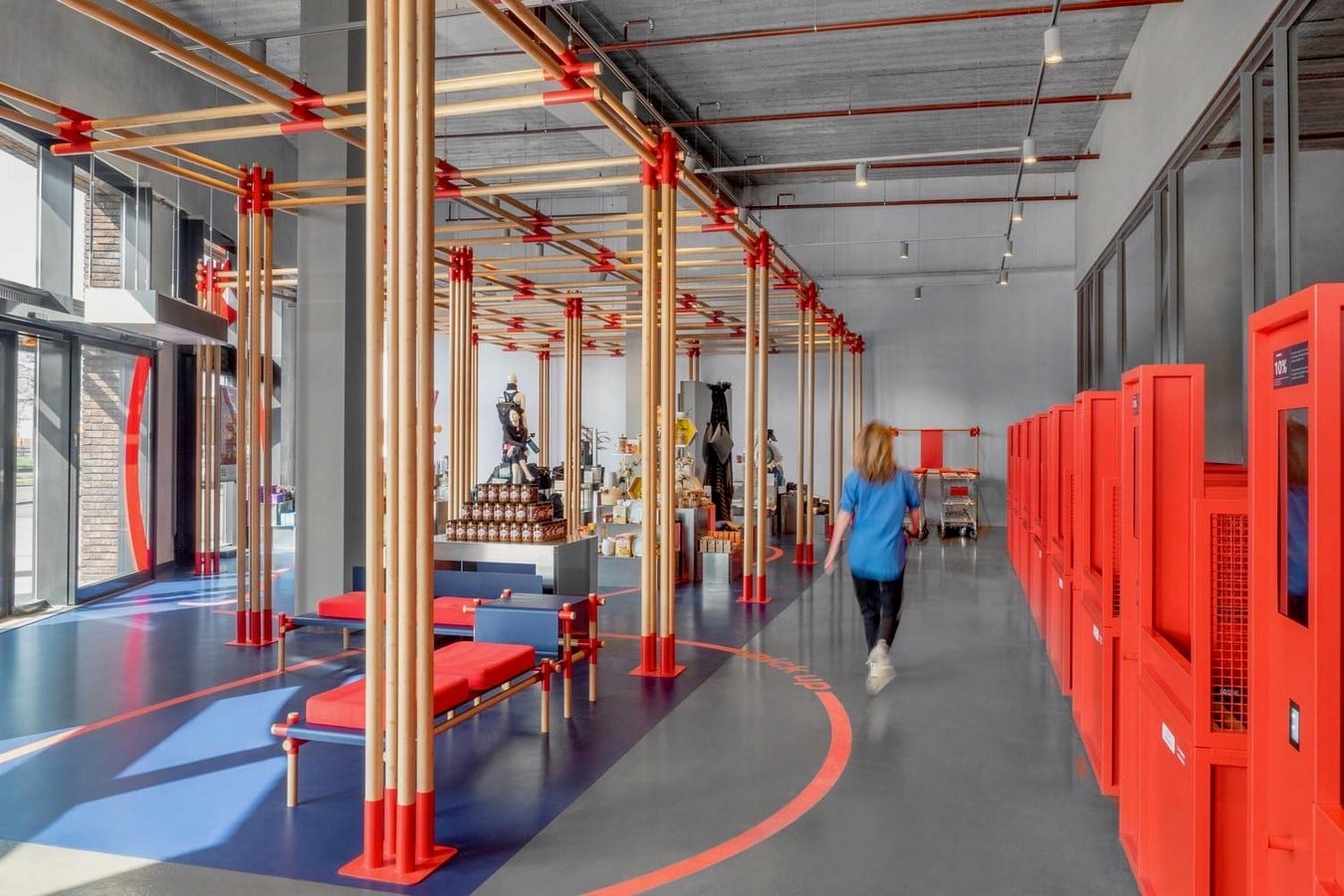
The principles of composition can instill certain emotions in people. The principle of composition with the use of contrast and neutral colors will help to develop the feeling of peace, which is found in the meditation rooms and art galleries. In contrast, the composition with the use of contrast, lively forms and bright colors will help to create excitement; examples are entertainment places and restaurants.
Warmth and coziness are other elements that have an impact on emotional health. Warmth and coziness can be created through the use of man-sized objects, lighting, and natural materials. Coziness will facilitate interaction in the room; grandeur and authority can be achieved through the use of scale, proportion, and symmetrical composition – for example, government offices and museums.
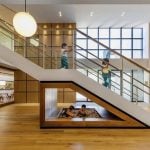
Curiosity and exploration can be inspired through the arrangement of objects and space.
From Visual Composition to Spatial Experience
The difference between art and interior design is that interior design adds a human factor. This means that it creates an experience that engages people on many levels. A painting is something to look at, but an interior space can be touched, felt, and moved around in. An interior designer creates a space that’s visually attractive but also engaging and interactive.
Art and interior design are different. They share the same principles of composition. These principles create an appeal and guide the behaviour of people in a space. Interior design is similar to art. It adds a spatial factor that creates an immersive experience. The principles of composition are the tools that artists and designers use to create works that affect people’s perceptions, feelings, and behaviour. Any work of art or interior arrangement is an arrangement of visual elements that creates attraction, focus, comfort, and other factors that influence people’s experiences.