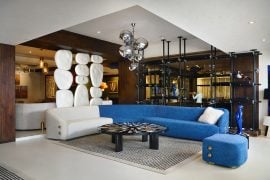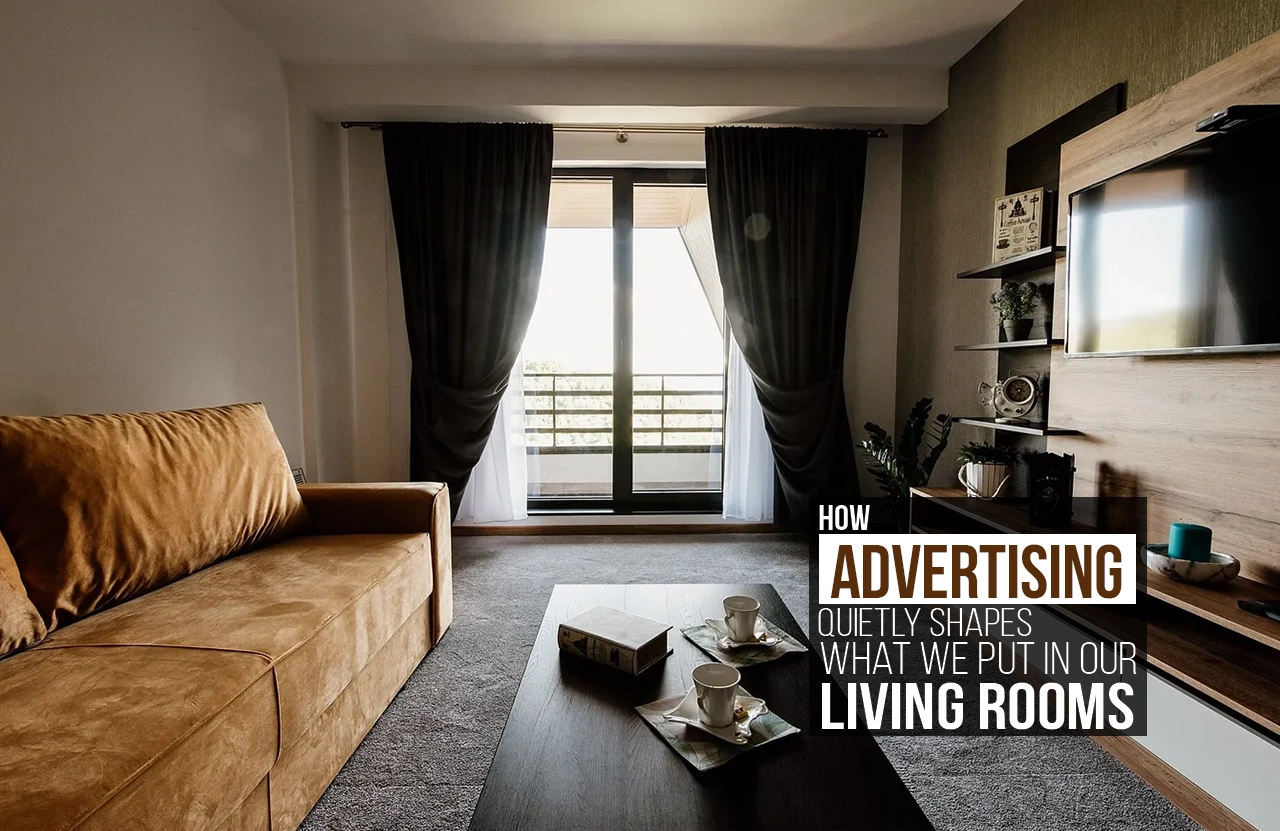
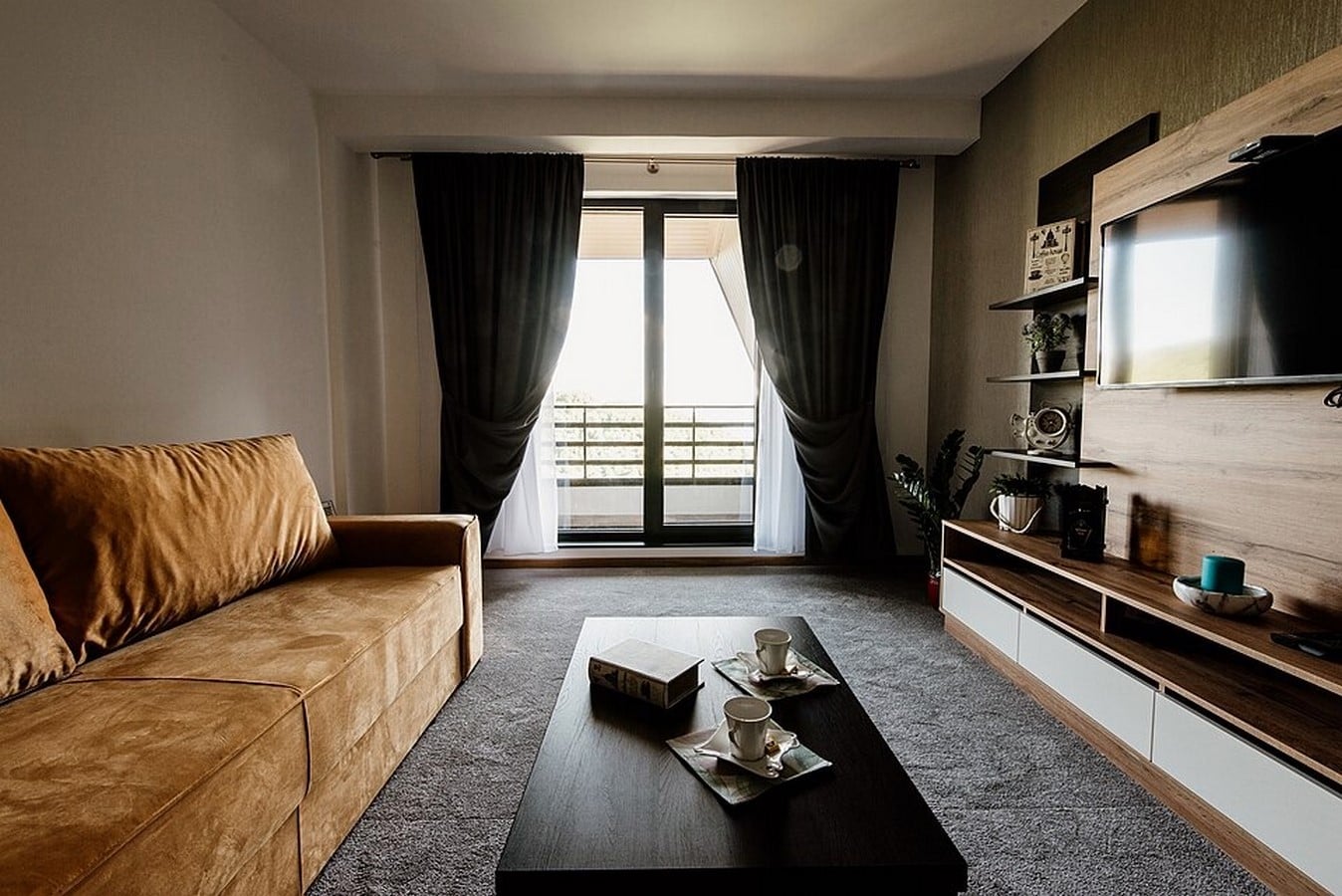
A beige sofa, a muted olive accent wall, a bedroom with white-finished wardrobes, a gingham throw pillow and other such curated décor have quietly become the blueprint for the “ideal” living room. When strayed too far from this palette, the space risks looking too flashy or too unsophisticated to live in.
This narrow definition of taste did not emerge on its own. It was gradually normalised through decades of television advertisements, glossy catalogues, meticulously staged furniture showrooms, and, more recently, algorithm-driven social media feeds.
With enough repetition, these interiors have now stopped feeling like marketing and have begun to resemble personal preference.
A century ago, the objects displayed in a living room reflected where a family came from. Handcrafted wooden furniture, woven textiles, heirloom cabinets, and locally made artefacts carried the memory of place. Today, living rooms separated by thousands of kilometres often look remarkably alike.
Soft neutrals, minimalist furniture, textured fabrics, and uncluttered shelves. This is what is expected from living spaces irrespective of whether walking into an apartment in Bengaluru, an Airbnb in Copenhagen, or a house in Seoul, despite the differences in culture, climate, and everyday life.
This article explores how advertising quietly influences our living rooms through behavioural psychology, digital media, and changing consumer culture. It also examines the consequences of these influences on design diversity, sustainability, and our relationship with the spaces we call home.
The Living Room Became a Showcase, Not Just a Space
For much of history, homes were furnished out of necessity rather than aspiration. Furniture was built to last, often crafted by local artisans using materials that reflected regional climates and traditions.
The living room, known as the parlour in many nineteenth-century households, served as a formal space for receiving guests, celebrating important occasions, and displaying cherished family heirlooms. Its character was shaped by the lives of the people who occupied it.
The Industrial Revolution marked the beginning of a gradual shift. As mass production made furniture more accessible, households were no longer limited to locally crafted pieces. By the mid-twentieth century, post-war prosperity had transformed homeownership and consumer spending across many parts of the world. The arrival of television further redefined domestic life. Living rooms evolved into the social centre of the home, with seating arrangements organised around a television set instead of a fireplace or a central gathering space. This new focal point also introduced households to a constant stream of visual advertising that extended beyond products and into ideals of modern living.
At the same time, furniture retailers began presenting interiors as complete compositions rather than collections of individual objects. Catalogues displayed coordinated living rooms instead of standalone sofas, while model homes and furniture showrooms encouraged consumers to imagine themselves inhabiting carefully curated spaces.
For instance, purchasing a coffee table was no longer simply about function; it became part of creating a particular atmosphere, identity, or lifestyle.
This transformation fundamentally changed the role of the living room. It was no longer just a space to live in, but a space through which people communicated taste, aspirations, and societal identity.
Advertising: Selling an Ideal Life Through Furniture
Furniture advertising does not win people over with practicality or durability anymore.
In the present time, it is all about selling a feeling. It does this by staging a version of domestic life that looks and feels so appealing that consumers want to step inside it.
Two behavioural patterns explain exactly how this works.
-
The first is the Gruen Transfer.
Named after architect Victor Gruen, it originally described how shopping centres are designed to disorient visitors just enough that they lose track of their original purpose and become open to unplanned purchases.
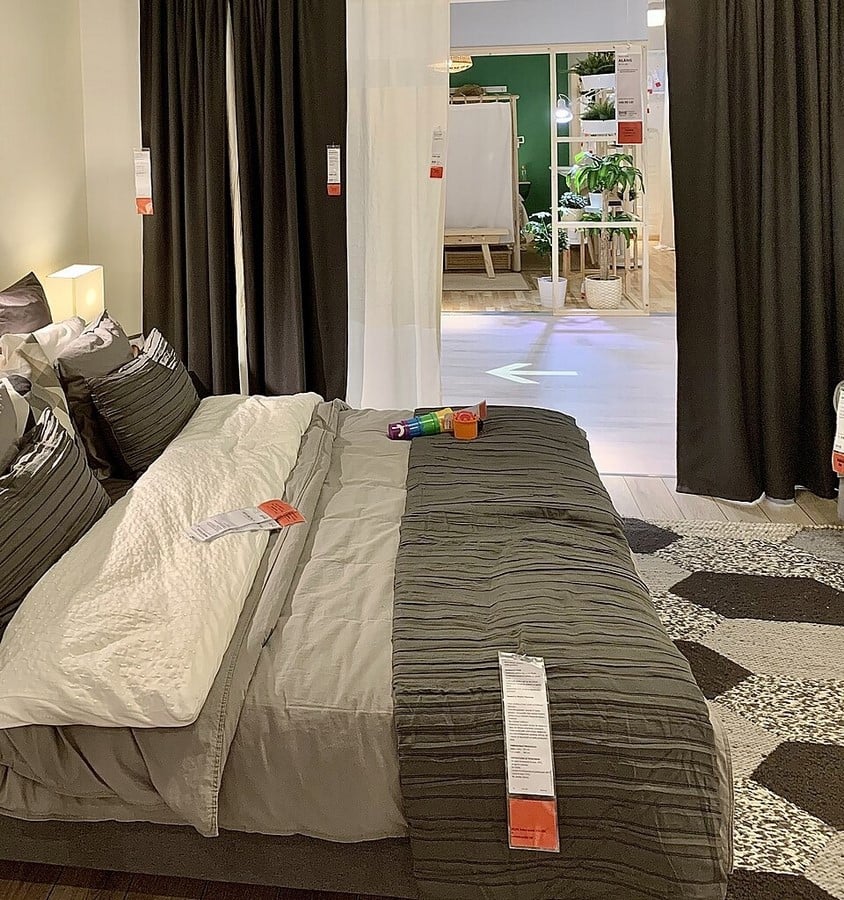
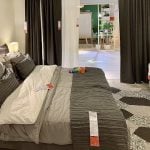
Even furniture retailers use the same principle. For example, when you walk through an IKEA showroom with an idea of purchasing a mattress, you don’t just look at a mattress. You walk through a fully furnished apartment, with every lamp, rug, and cushion built into one coherent story. Warm lighting, a coffee table surrounded by children, friends mid-conversation- none of which is selling furniture directly. It’s selling a belonging. This way, you are more compelled to buy the mattress laid on that cot instead of a mattress lying alone.
2. The second is the Diderot Effect.
In the eighteenth century, philosopher Denis Diderot received an elegant scarlet robe as a gift, only to find it made every other object in his home look shabby by comparison. That prompted him to replace every object one after the other to make it look as good as the red robe. One purchase demanded the next.
The same chain reaction plays out today: a new sofa makes the old rug look worn, so when we replace that, it in turn makes the curtains feel wrong, which makes the coffee table feel out of place, so on and so forth.
Together, these two patterns explain why advertising rarely sells one item. It sells completeness, an entire aesthetic that leaves no room for what came before.
Why Homes Around the World Are Beginning to Look the Same
Every image saved on Pinterest, every reel watched on Instagram, every home tour played on YouTube teaches a platform what a user likes, and the platform responds by showing more of the same, until a trend stops feeling like a trend and starts feeling like the obvious choice.
Airbnb makes this especially visible. Check into a rental in almost any city, and you’ll likely find the same palette: light timber, neutral textiles, minimalist furniture, open shelves styled just so.
These interiors are built to photograph well, appeal broadly, and read as calm and sophisticated to the widest possible audience. Guests leave inspired, and carry that same visual language home with them, into their own living rooms, in their own cities.
Trends like Japandi interiors, bouclé upholstery, and millennial grey have spread the same way because clean lines and muted tones photograph well and travel easily through recommendation feeds. Algorithms don’t just reflect taste anymore; they manufacture it.
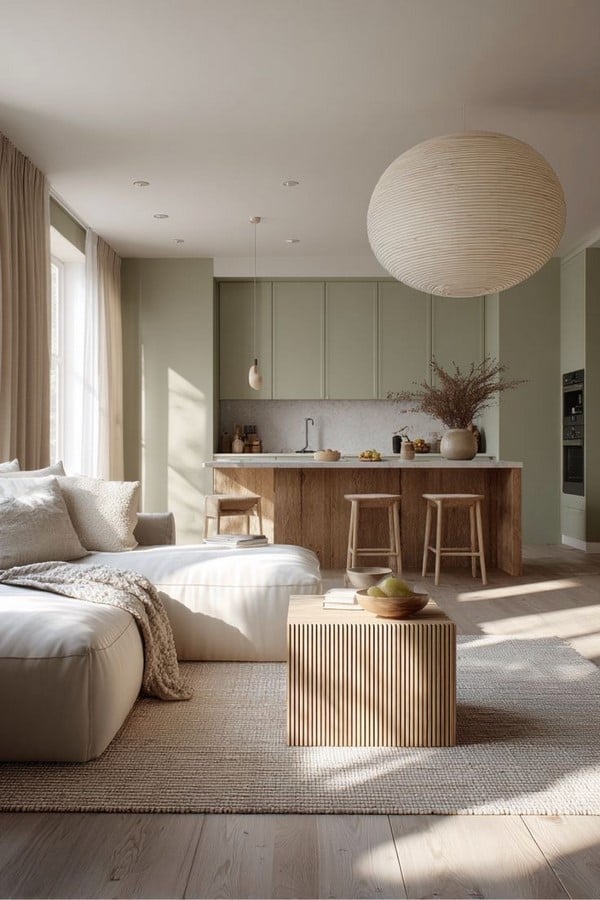
Though this is fine as is, it has gradually diminished individuality in our homes. A home in Rajasthan once used stone and lime plaster to respond to heat; a Scandinavian interior used timber and light to answer to long winters. They were how the buildings were adapted to place. Globally marketed aesthetics erase that distinction.
When Homes Become Disposable
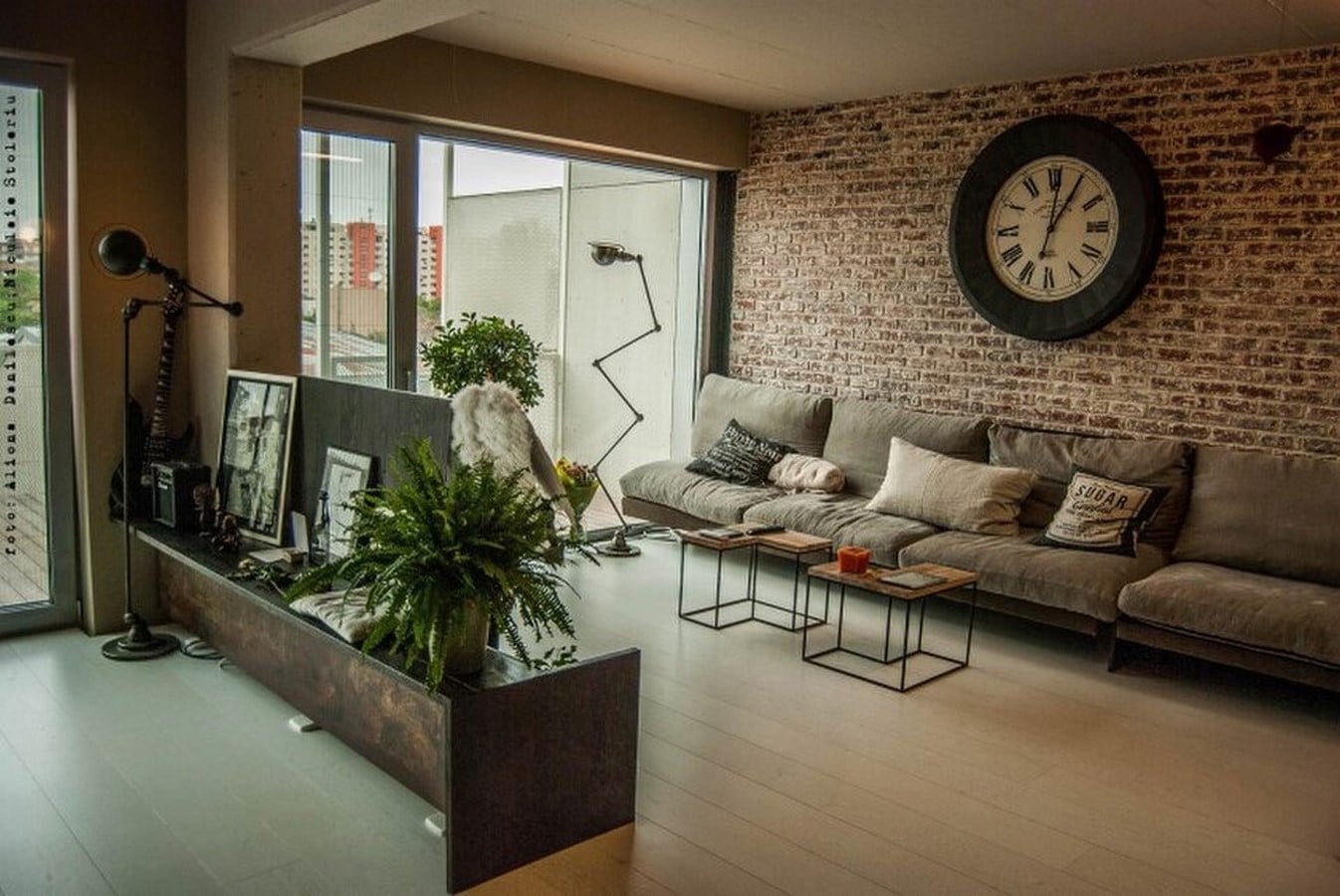
Styles that once remained popular for years now disappear within a matter of months, replaced by a new colour palette, a different fabric, or another “must-have” piece of furniture. As advertising and digital media accelerate these cycles, homes are increasingly treated as spaces that require constant updates rather than places that gradually accumulate meaning.
This shift has fuelled the rise of fast furniture, often described as the interior design equivalent of fast fashion. Designed to be affordable and trend-driven, much of this furniture is manufactured using engineered wood, particle board, or medium-density fibreboard (MDF), making replacement easier and, in many cases, cheaper than repair. Consumers are encouraged to refresh their interiors whenever trends change, even when the furniture they already own remains perfectly functional. What was once a long-term investment has become a short-term purchase.
Design researcher Jonathan Chapman offers a way out with the idea of emotional durability. The furniture people keep longest, he argues, isn’t the best-made; it’s the furniture that means something.
Some examples include a dining table that’s hosted years of family dinners, an armchair passed down generations, a teacup that belongs to the 90’s, and more. These hold value that has nothing to do with how they look. Trend-driven design erases that, teaching people to see furniture as temporary by default.
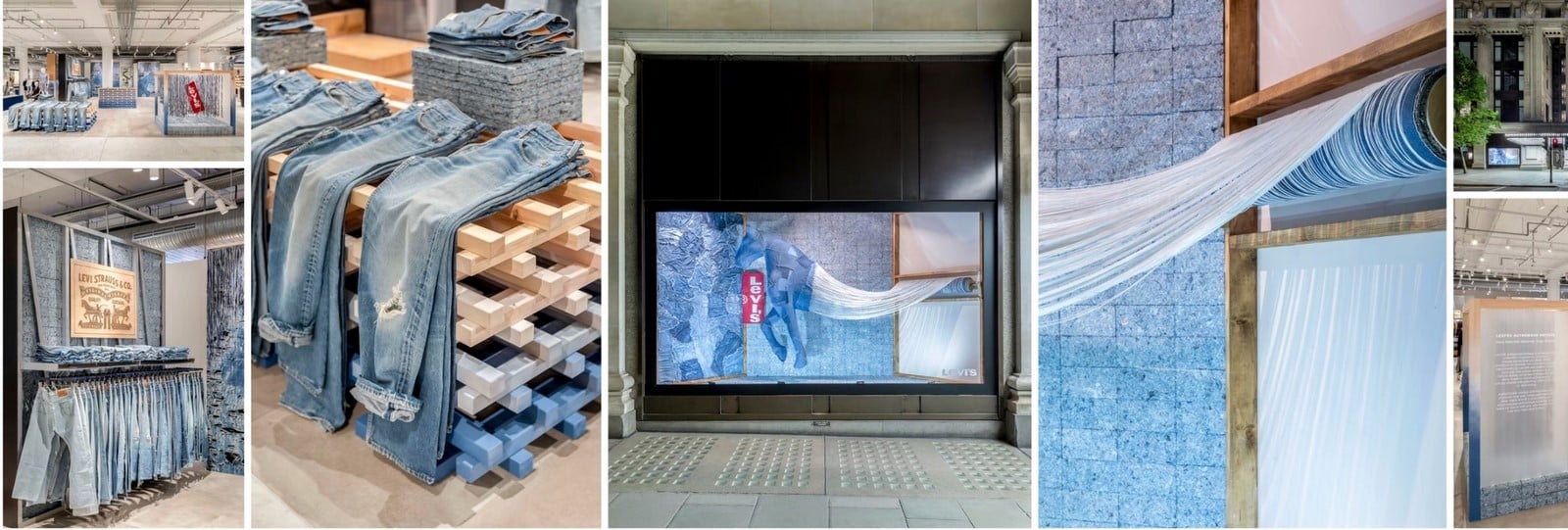
Some designers are already rejecting this cycle entirely. Rather than asking how to create the next desirable product, they are exploring how existing materials can be given new life. French architect Clarisse Merlet, founder of FabBRICK, transforms discarded textiles into architectural bricks that offer acoustic and thermal insulation while diverting fabric waste from landfills. Her work demonstrates that innovation in design does not always come from producing something entirely new; it can also emerge from rethinking what already exists.
The future of the living room may not depend on keeping up with the next trend at all. It may depend on building interiors people actually want to keep.
Through staged imagery, behavioural psychology, and algorithms that learn what we like only to feed it back to us, advertising has shaped what comfort and taste mean inside the home, until living rooms once rooted in local craft and climate started speaking the same visual language everywhere.
None of this makes design itself the villain. Ideas have always travelled, and exchange has always enriched how homes look. The real question is when inspiration quietly turns into imitation, when what feels like personal taste is really just repeated exposure.
A home should change because the people in it change, not because a feed decided what’s next. The path forward isn’t rejecting influence altogether; it’s building rooms that hold a story no algorithm handed you.
References:
Books
- Bourdieu, P. Distinction: A Social Critique of the Judgement of Taste. Harvard University Press, 1984.
- Chapman, J. Emotionally Durable Design: Objects, Experiences and Empathy. Routledge, 2005.
- Kahneman, D. Thinking, Fast and Slow. Penguin Books, 2011.
- Norman, D. A. Emotional Design: Why We Love (or Hate) Everyday Things. Basic Books, 2004.
Academic Articles
- McCracken, G. “Culture and Consumption.” Indiana University Press, 1988.
- Miller, D. The Comfort of Things. Polity Press, 2008.
Reports & Websites
- FabBRICK. “About FabBRICK.”
- IKEA. “Life at Home Report.”
- Airbnb Newsroom or Design resources discussing host design trends.
- Ellen MacArthur Foundation. Circular Economy and the Built Environment.
- UNEP. Global Status Report for Buildings and Construction (latest edition).