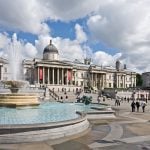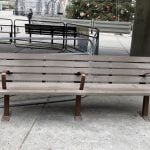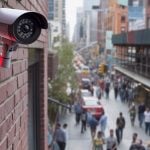
A city’s identity is not just expressed via its architecture, but also through the spaces between its buildings. Parks, squares, streets, sidewalks, and other public areas are public spaces open to everyone to engage, socialise, and communicate freely. However, the public space may not be as neutral as it seems. In fact, a variety of public space elements, such as streets, benches, fences, cameras and regulations, indicate which people are allowed and what activities can take place within such spaces.
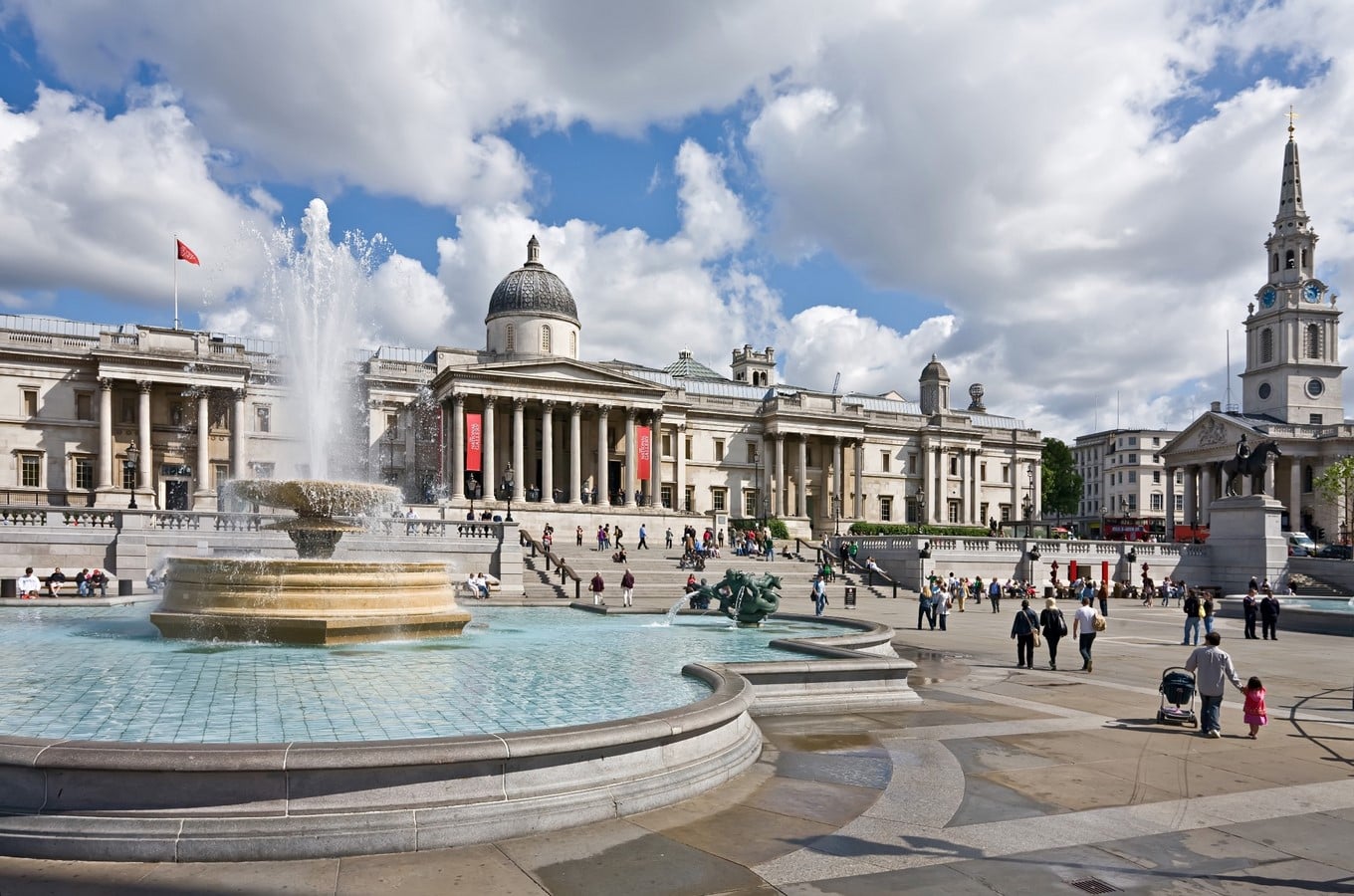
There is a simple connection between public spaces and power. City rulers throughout history have always used plazas, monuments, wide avenues, etc., to convey authority to the public. Ancient forums, royal courtyards, and modern civic squares were always places where people assemble, but became symbols of political power at the same time. Today, the structure of these places still affects people’s behaviour in society. For example, a large square is a place that encourages numerous activities, while barriers prevent people from participating in these activities. Thus, architecture plays a considerable role in the life of a public space.
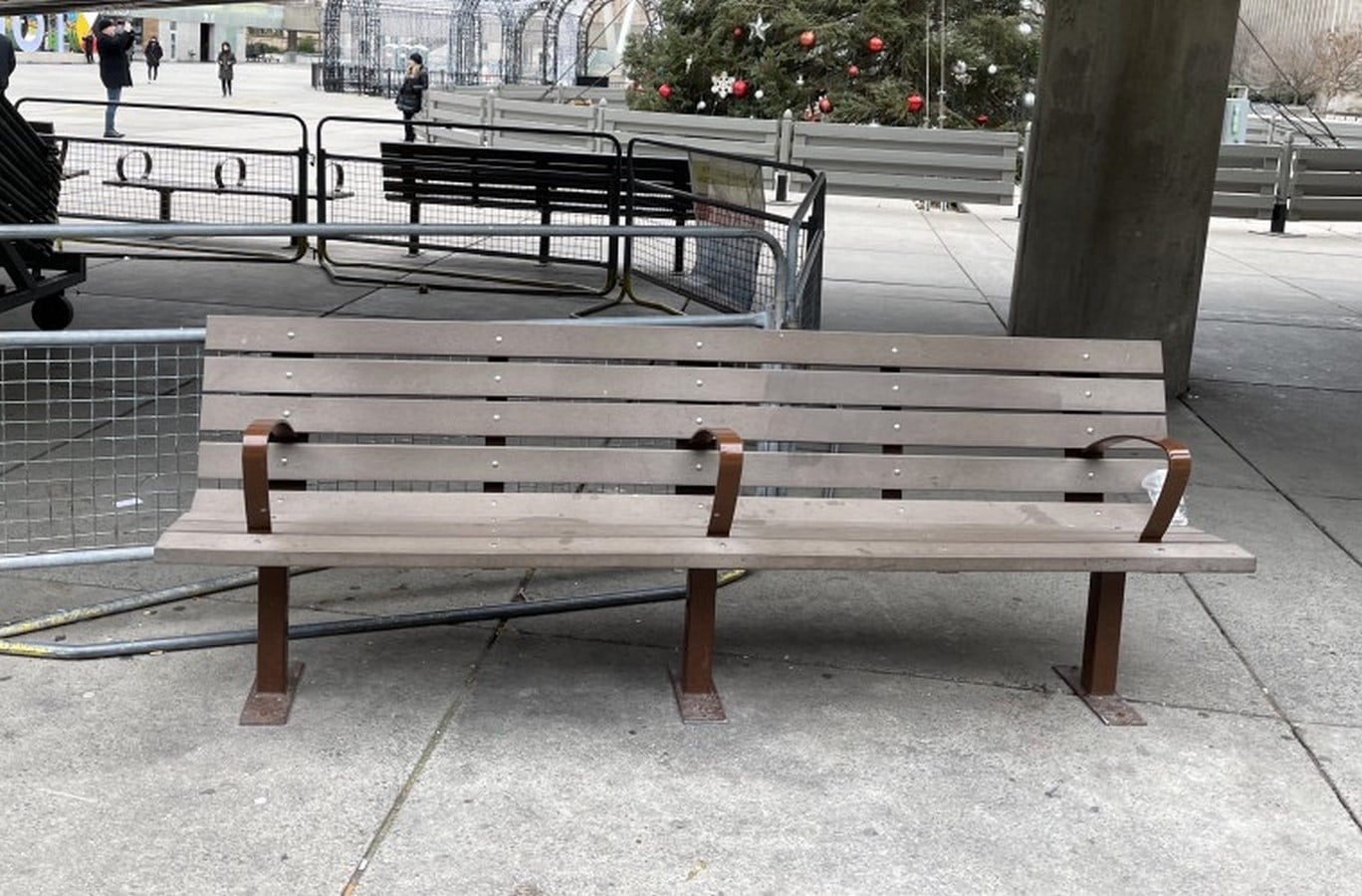
The presence of hostile architecture shows how politics can interfere in the public space. Cities build benches comprising metallic dividers, spikes on surfaces, or sloping seating to deter sledders, especially the homeless, from using that space. Although the municipal authorities claim that these features serve to keep the living environment clean and safe, these measures also raise the question of the actual purpose of public space. Thus, rather than solving the problem of homelessness, some cities limit the visibility of the homeless by redesigning public space, which turns architecture into a means of exclusion instead of inclusion.
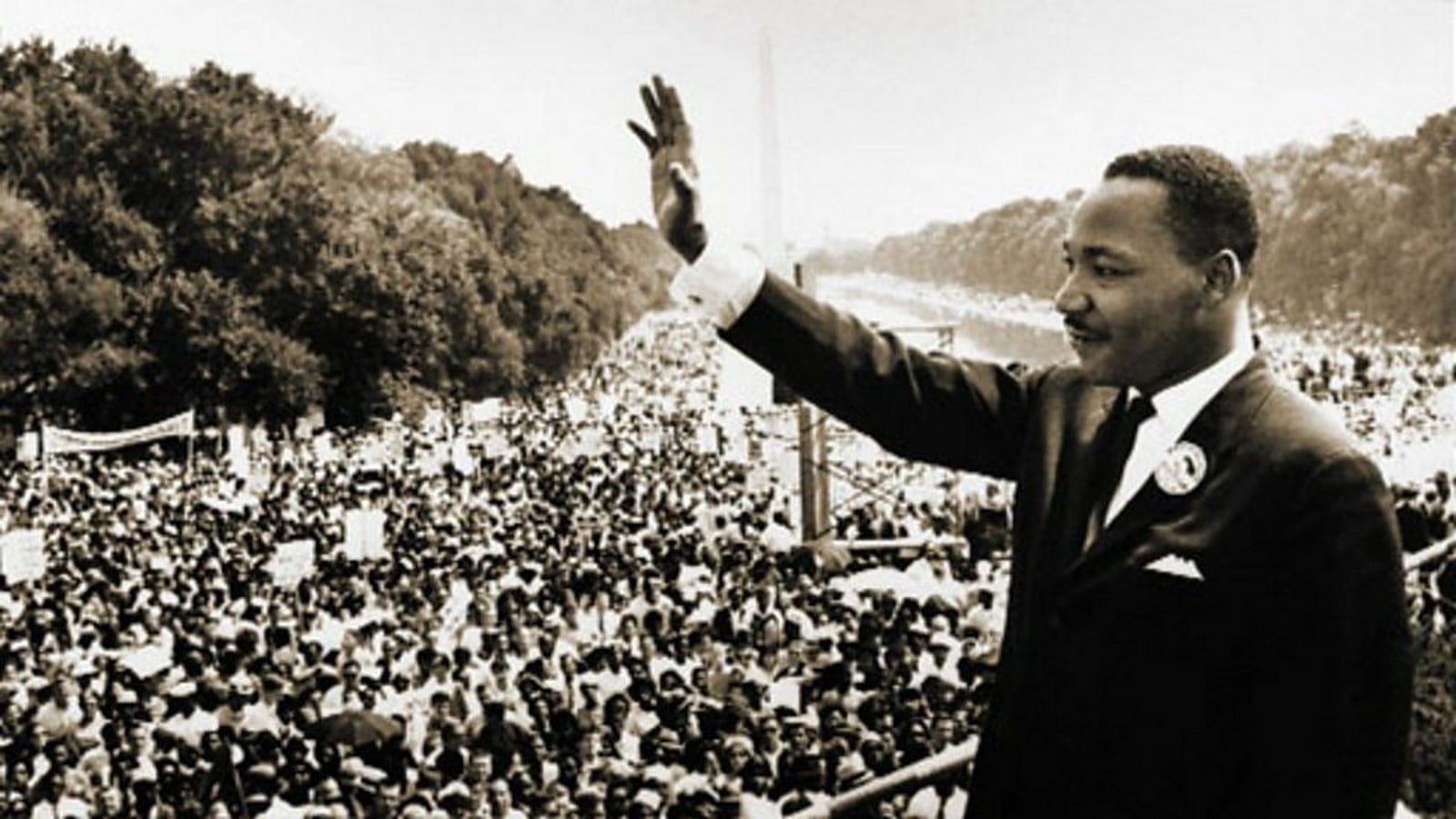
Public areas are important for democracy. They give people a place to express their views. Peaceful protests, cultural events, and community events depend on accessible public areas where citizens can meet. For instance, the National Mall in Washington, D.C., is known for being the site of many demonstrations in American history. One notable event is the March on W
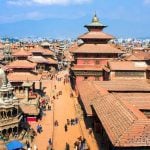
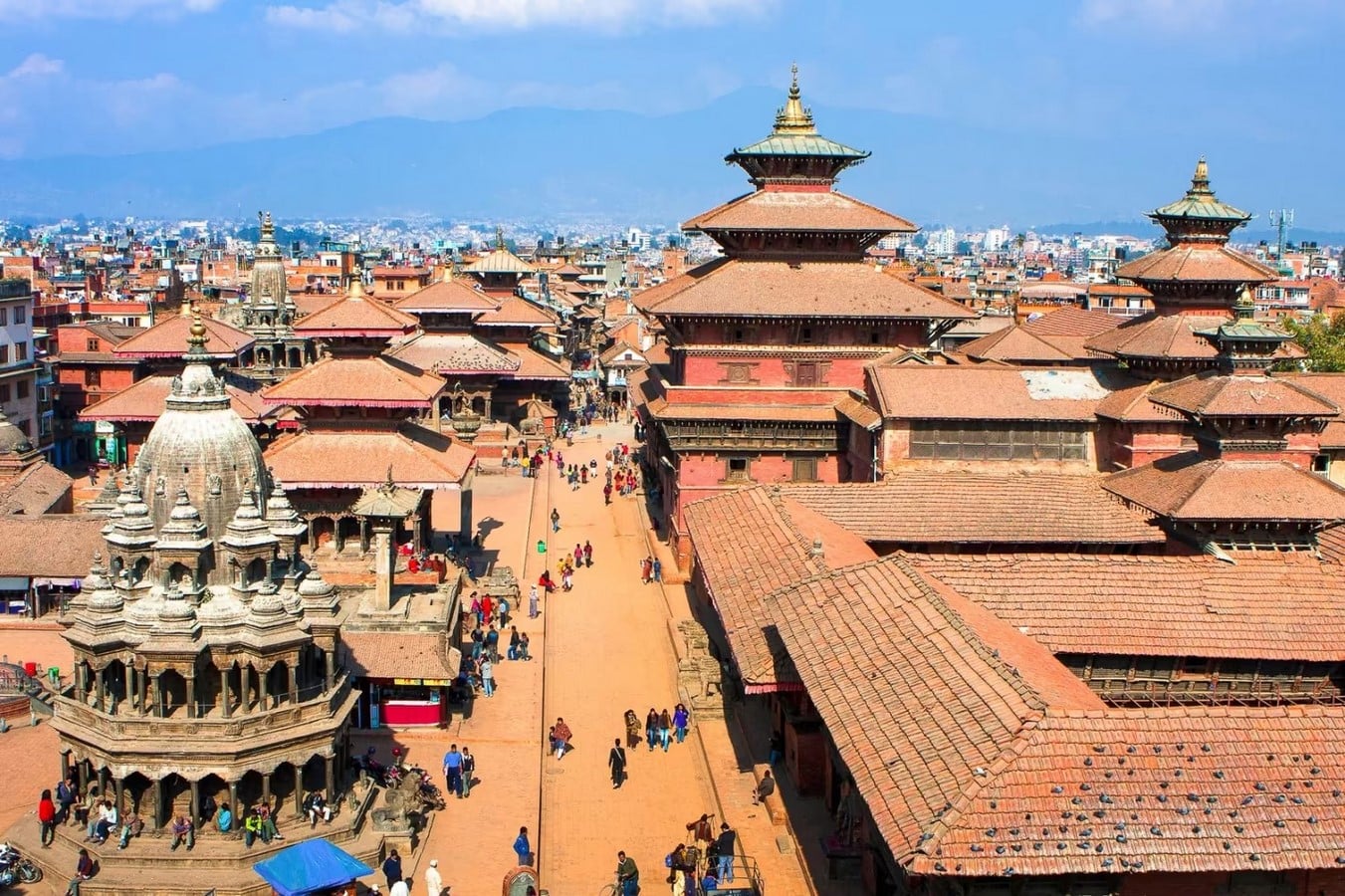
In Nepalese society, the significance of public spaces is well recognised in the cases of Kathmandu Durbar Square and Tundikhel. These places are known as the stage of significant political actions and public events due to their significance as cultural symbols. They are the places where important moments of the country’s history have taken place. However, fast urbanisation coupled with commercialisation, traffic jams, and unregulated building continue to create problems for these spaces. Protecting them means preserving more than just old architecture..
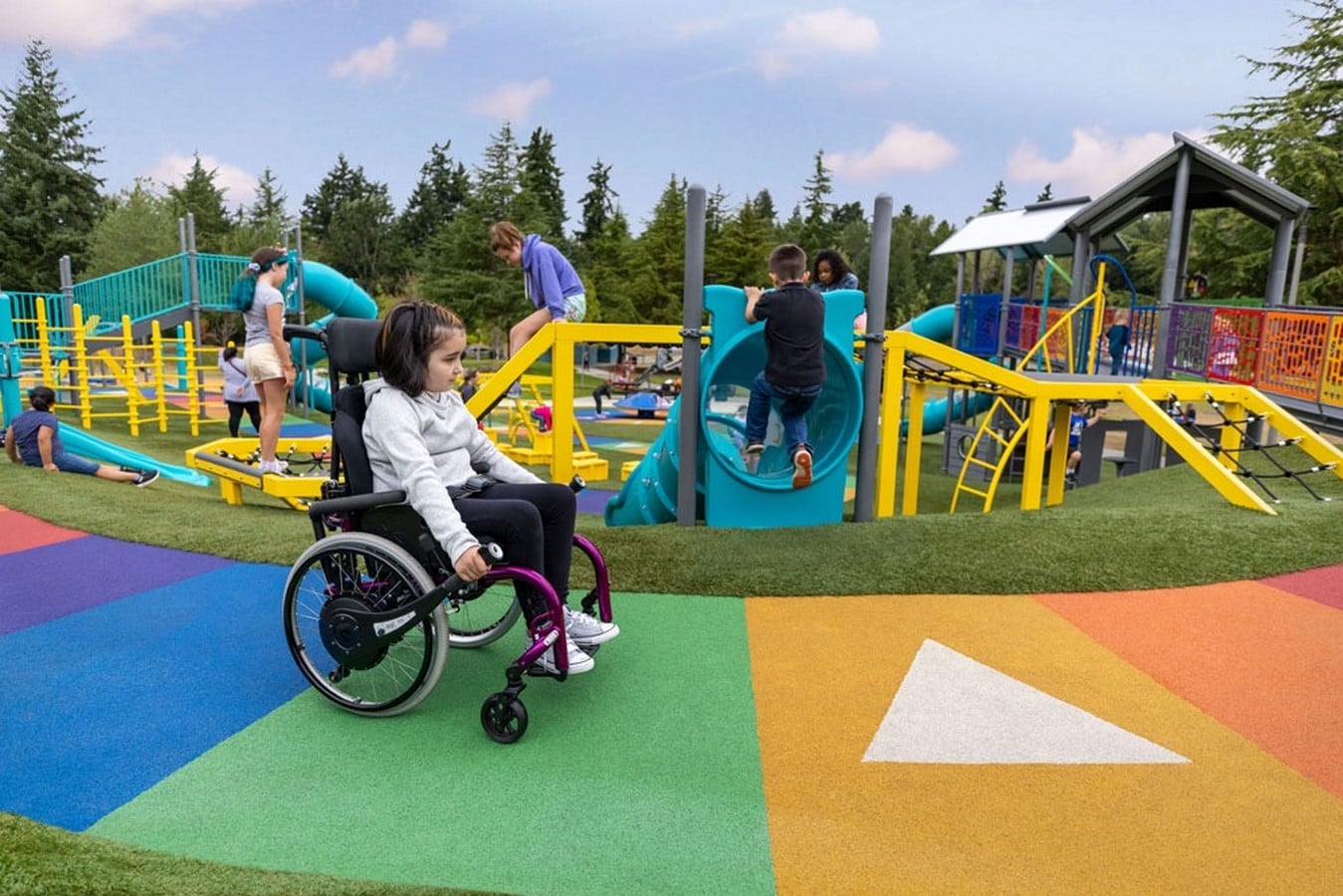
The public spaces experience is not uniform for a variety of reasons. The experience of a space is shaped by several factors such as gender and age, disability, and economic status. A park lacking adequate lighting may seem unsafe for women at night. On the other hand, inaccessible pavements and stairs rule out mobility for people with disabilities. In the same way, inclusive space has to provide a place to rest for both the elderly and children, as they both have specific needs like the availability of shade and safe walking routes.
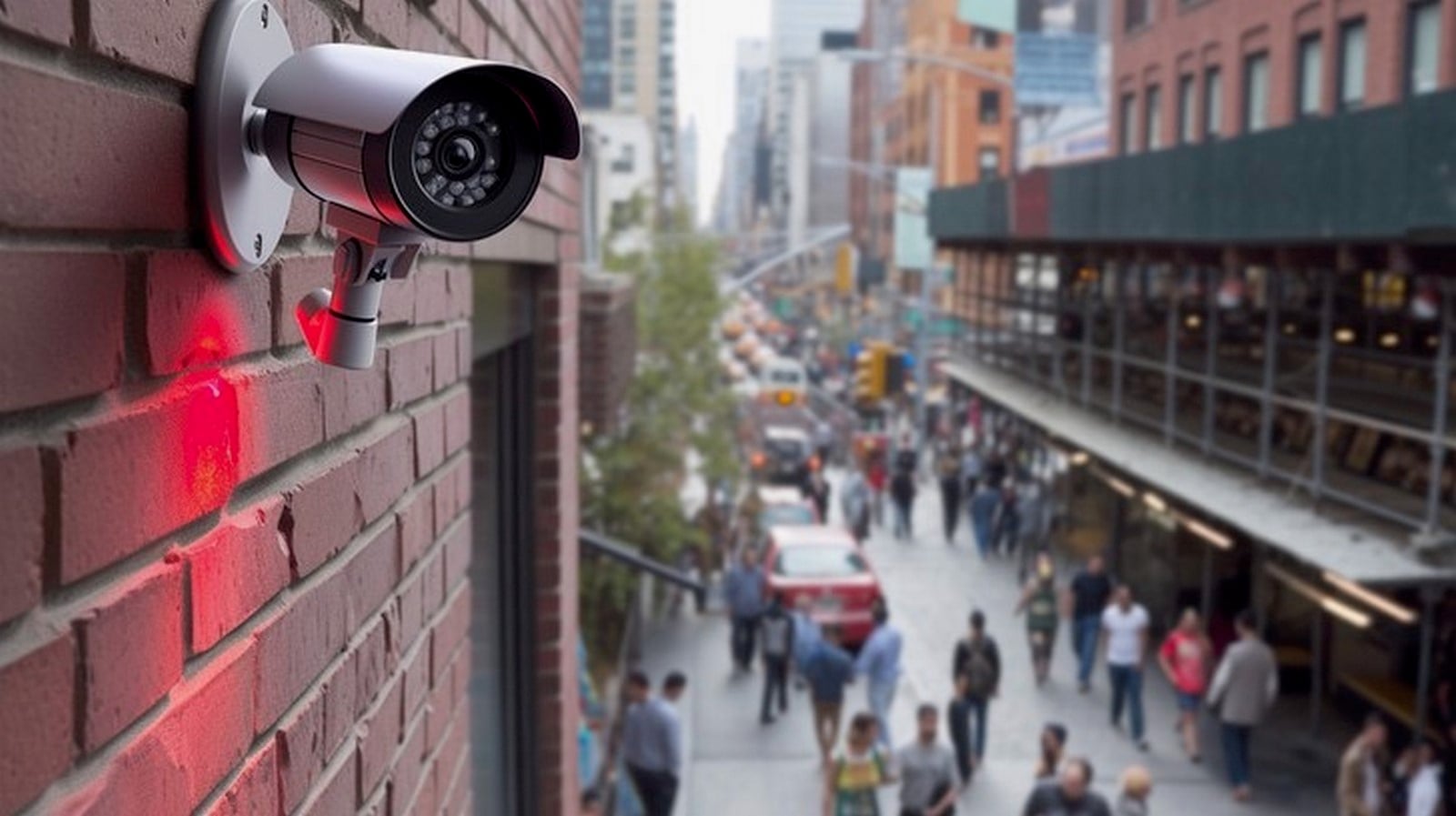
Technological advancements have added a political angle to public space via surveillance. Security cameras, computerised facial recognition systems, and digital tracking are becoming commonplace in urban areas. While these surveillance technologies can enhance public safety and curb criminal activities, they raise concerns over privacy and freedom. The challenge is for the authorities and city planners to ensure a balance between ensuring security and granting civil liberties on public space.
Ultimately, the politics of public space teaches us that cities are built for people, as opposed to mainly just buildings. Every design choice made concerning a bench, park, street, or square shows political choices about inclusion, accessibility, and freedom. Well-designed public spaces promote social interaction and community building, whereas badly designed public spaces lead to division and disenfranchisement. Considering the importance of these decisions, urban architects, planners, and policymakers have to work together on designing public spaces that are open and equitable.