Status update… feed….stories…..the metrics…. Notifications…. filters…..group chats
This makes a new definition of a social network. While we now look for the digital feeds to ‘stay connected ‘, the pols of Ahmedabad stood as a legacy to a typical social setting. The connections were built not on the algorithms, but on the very character of the streetscape.
The Human Network
A firm handshake, eye contact, shared laughter over coffee, and the subtle nuances of body language. These face-to-face interactions highlight deep empathy and psychological safety. In a social context, human networking is the engine of mentorship, career growth, and collaboration. It operates on the principle that people converse with people they like and trust. The value of this network isn’t just about what someone can do for you today, but the enduring social wealth built over years of genuine connection.
Human networking requires an investment of our most significant resources—time, presence, and attention—and it carries a higher emotional value. Treating someone to a cup of tea or showing up to support them at a live event says, You are worth my physical time. That investment creates a sense of mutual loyalty and psychological safety.
In these shared physical spaces, we don’t just exchange photos and travel diaries; we exchange stories, shared struggles, and laughter. We connect over our flaws and humanity, not just our curated, polished successes.
Human space as a Social Network
Social networking platforms are often optimised for engagement rather than connection, sometimes measuring the emotional values to mere metrics—likes, followers, and views. This can lead to superficial connections, where we are “connected” to thousands but truly known by very few.
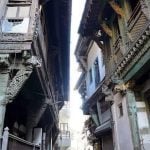
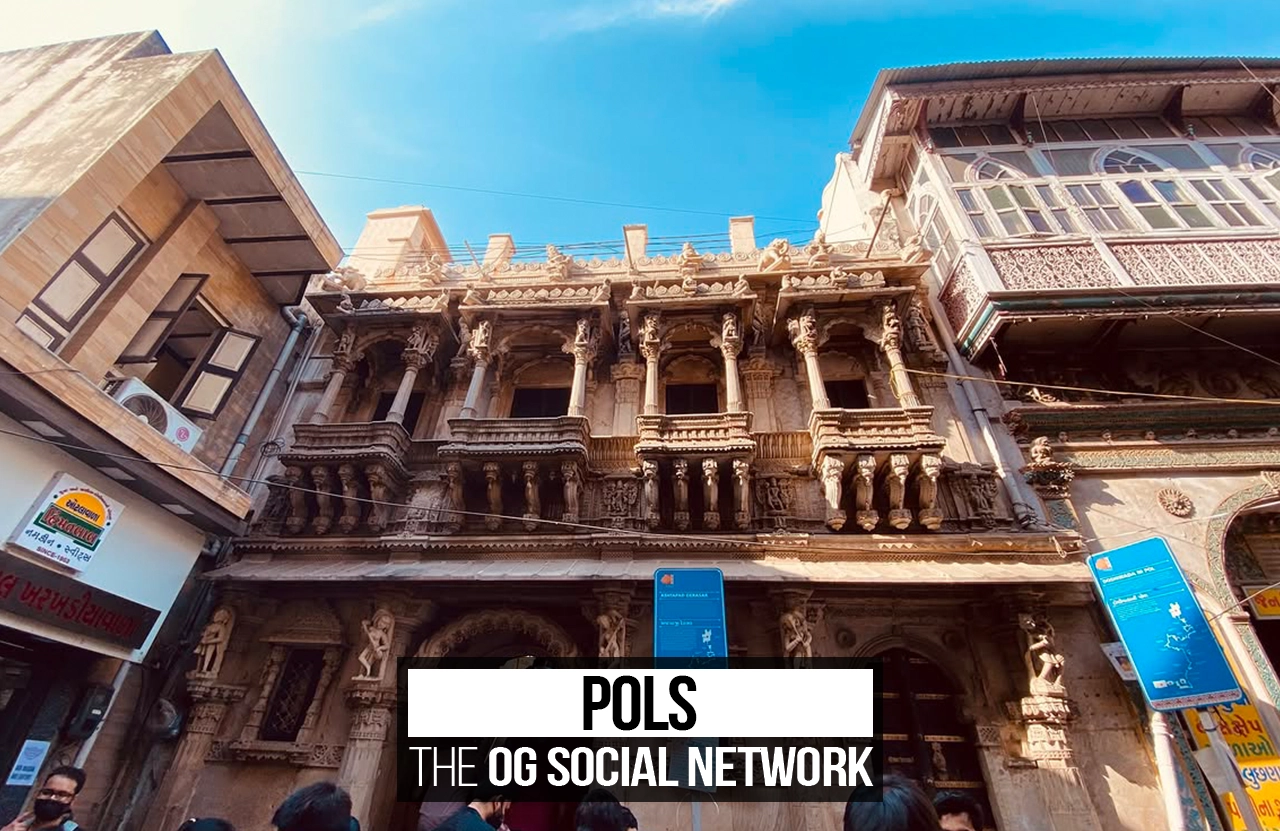
A fine morning, sunshine hitting a typical narrow road of a Pol, flanked by shops below with residential balconies peeping out from above. The doodhwala, the sabjiwala, the paperwalas, enter the pol without any prior permissions or two-step verifications. In the Pols of Ahmedabad, the street doesn’t end at the front door; it evolves.
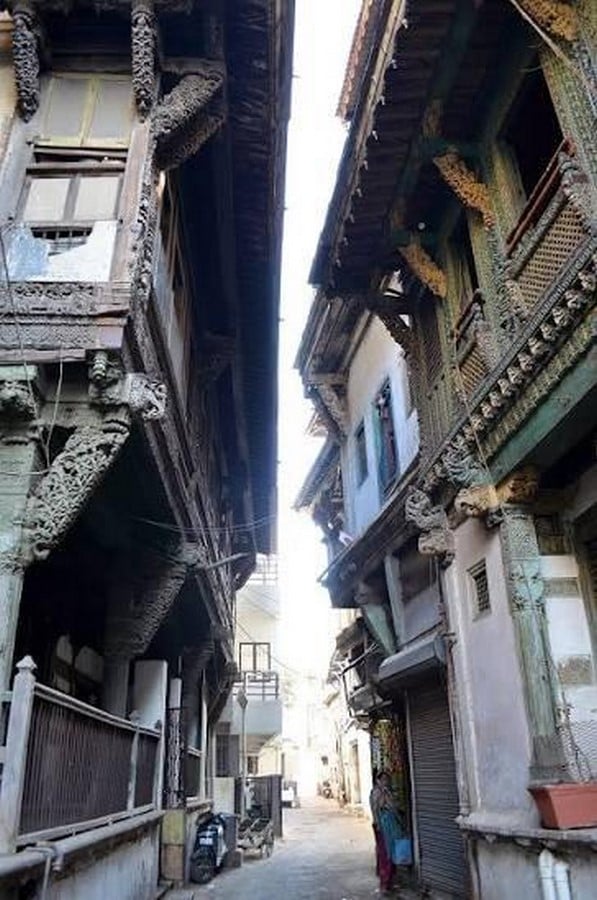
The UI
Every pol starts with an entrance gate- A Khadki, as it is locally known in Amdavad. It truly resonates with the modern-day social media homepage. Khadki serves as a user interface (UI), acts as a filter, and manages access to the public data for vendors and visitors – to enter the private world of the community. The narrow streets forming the bottleneck urban form of the khadki is no less than a firewall. It lets the people ‘announce’ their entry through the vibrant footsteps and the rattling latch of the gate. These were the Pol’s own system of notifications and announcements before anyone sees the face. Anonymity was blocked by the architecture of the pol.
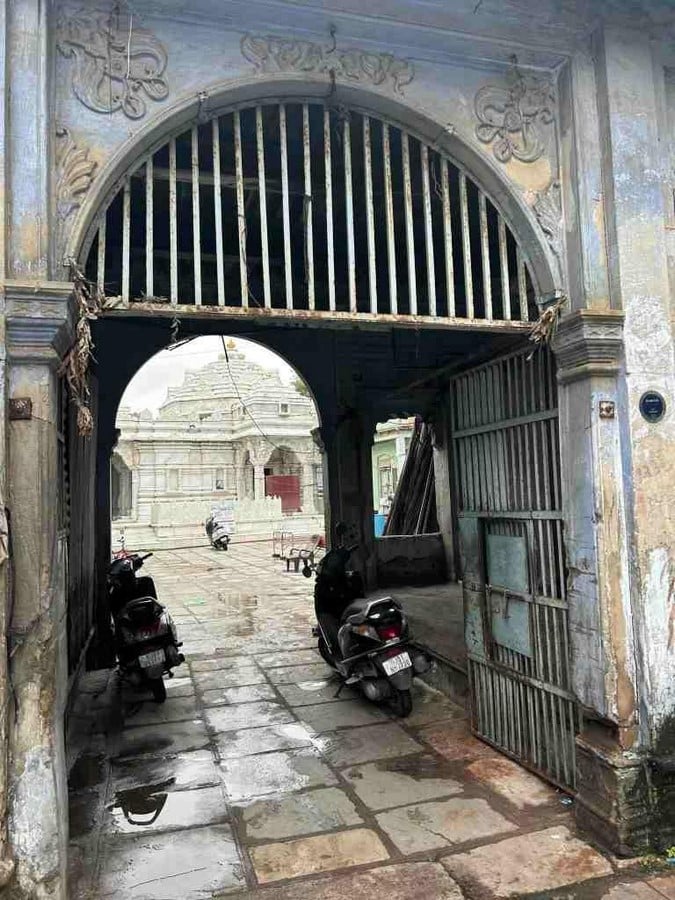
The Dashboard
Beyond the gate, the otlo — the raised front platform of each home — functioned as something we would today call a personal dashboard. On the otlo, residents remain permanently ‘online’, perched to consume a manual ‘feed’ of bustling street activities—transforming every passerby into a live ‘story’ or a fleeting ‘post ‘. The entire observation of the street and the ‘live feed’ is broadcast by them through active engagement in live conversations, just giving an analogy to microbloggers. You cannot mute a neighbour or unfollow a friend.
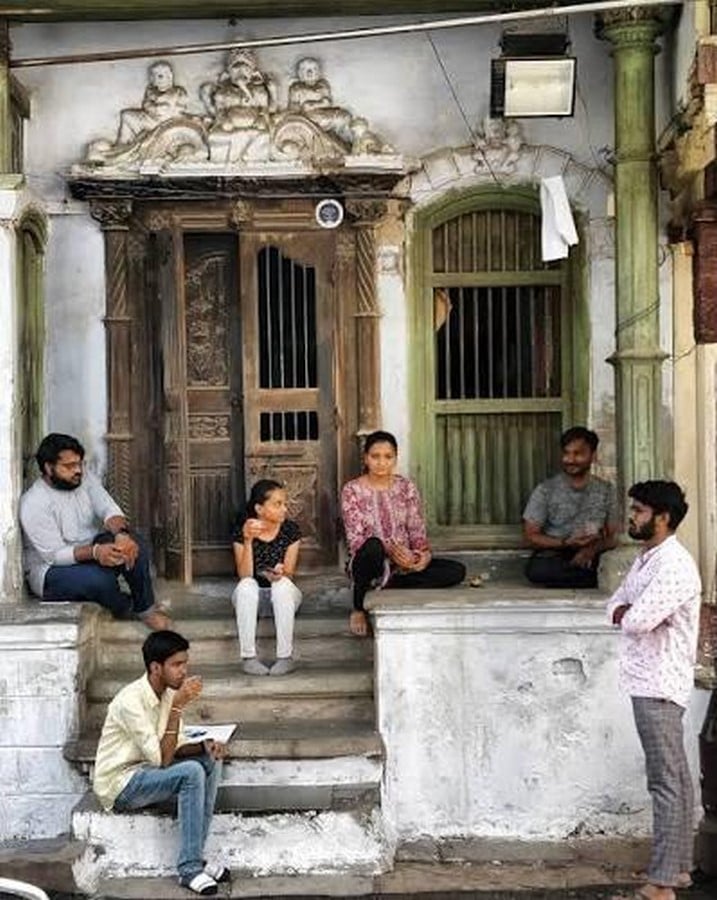
Broadcasting
The Status update is often shown by the visual presence in the jharokhas. A woman leaning out of the window to share a story or have a casual conversation with someone on the street creates a multi-level communication setting. Information was broadcast through the vertical planes of the street. A mere silhouette in the jharokha communicated availability, mood, and participation. It said: I am here. I am watching. I am part of this.
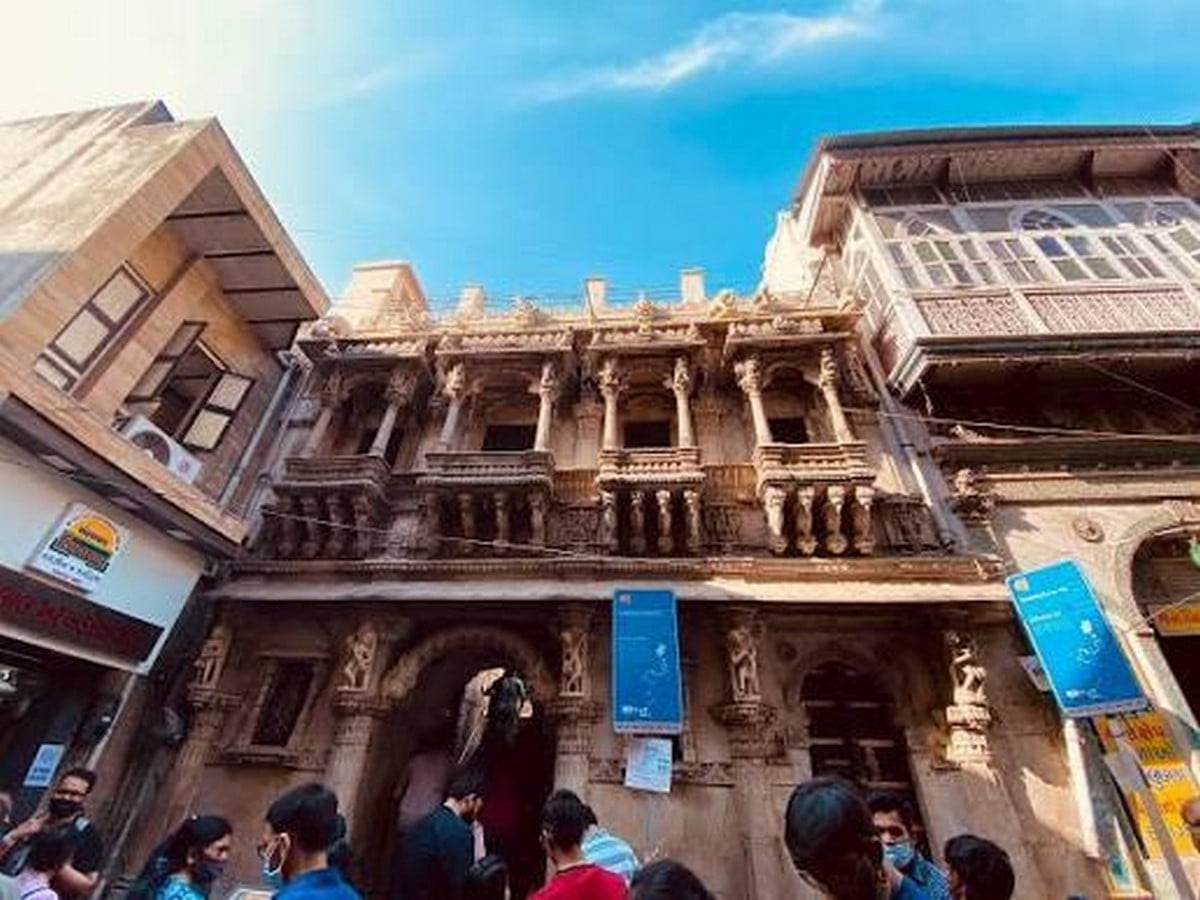
The Social Circle
The heart of the pol, the lanes converge into the chowk or the courtyard, acting as a community hub or group call where major celebrations and conversations take place. Disputes were resolved. News went viral from this point onward. Subscription to this space was free, and even non-members were allowed to join the community.
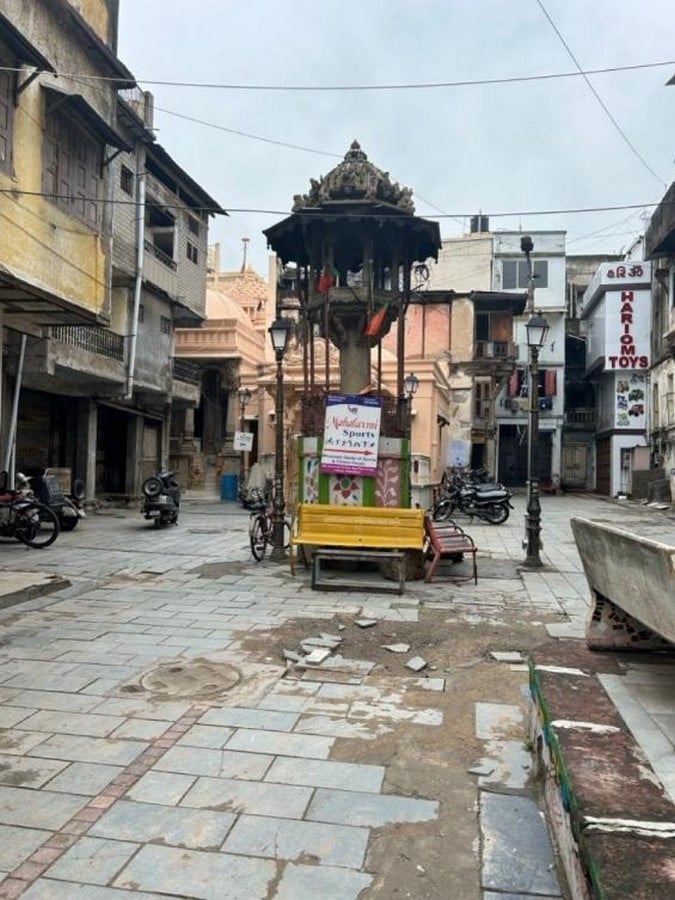
Just as an architect might study a building’s history before visiting, social media users scout profiles to reduce uncertainty before a first meeting. In the Pol, this was done by “asking around” the neighbourhood; today, it’s done by scrolling through a feed.
We did not invent social networking. We translated it — from stone and lane and rattling gate into glass and code and infinite scroll. The Pol was always already a network. Its architecture was its algorithm. The changed landscape of interaction makes us think whether we are going in the digital era or whether resonance shows the deep roots of our culture holding the soil and keeping us grounded. While Khadki requires physical presence and movement, digital social media removes those barriers, creating a different set of psychological and structural rules.