Look at the buildings around: grand, expansive glass facades, towering heights, iconic. These types of buildings dominate almost every city’s skyline. Everyone is moving towards big apartments, housing complexes, and large metro cities in search of a good lifestyle. Also, there is a continuous trend of making grand malls and offices to show perfectionism and grandness in their design. Now try to recall traditional homes, where a verandah serves as a gathering place in the summers, grandparents enjoying mangoes, and children playing in a large green area nearby. The smell of damp soil in the courtyards after rain, in the evening, everyone gathers to play and to have a conversation.

Nowadays, buildings are designed to be ‘flawless’ but not ‘humane’. Buildings became emotionally hollow due to a lack of meaning in them. It just becomes a body with no soul. From when we decided to inhabit buildings like these?
Modern Architecture vs Traditional: What We Lost in the Shift
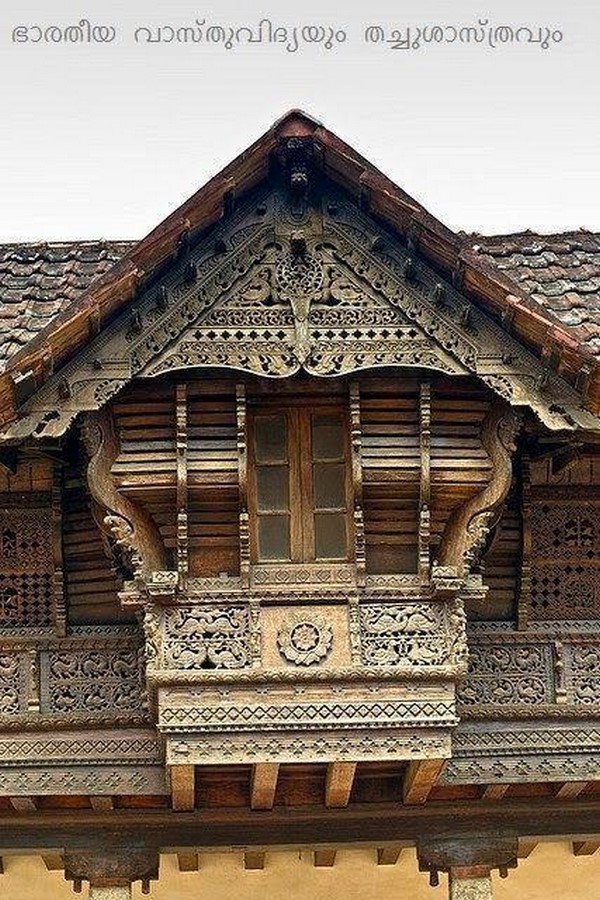
Modernity brings a lot of advancements, and new materials have made our construction and designing process easy, but these technologies have lost the idea of depicting humans through the buildings. The idea of presenting cultures, stories, and emotions through them. Every place evolves from a history that gives it a unique identity. When people try to carry forward, it becomes their culture, and buildings always remain a medium of such perseverance. They always tell a story of one’s past and from where it belongs, memories associated with them. Every material used tells about the resources of the cities, ornamentation about their beliefs, and construction about the knowledge they have regarding their climate and its context. Bustling markets, the smell of rain, chaos in the corners, penetration of lights—this is all that we find in our cities. It builds a narrative with that, and it tries to symbolize something of humanity as a medium. This culturally rooted design approach once shaped the essence of our cities.
Why Cities Are Filled with Repetitive Architecture?
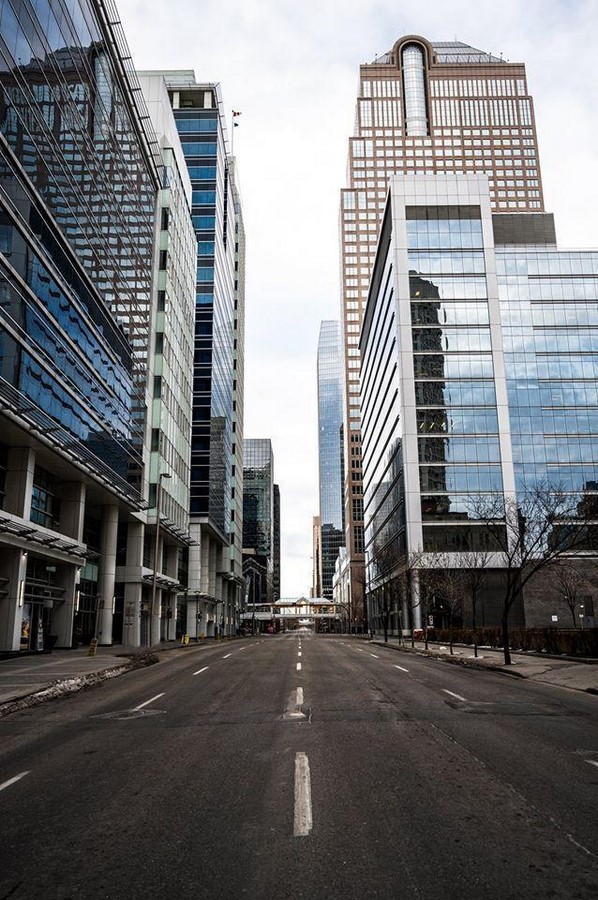
People evolved, and their needs and lifestyles changed. Also, the population increases in the urban areas, which leads to the immediate and urgent need for resources. This leads to the unification and universalization of every aspect. The same type of building can be found almost everywhere. Everything can be fabricated in the factories with the same materials. You can’t even tell where it belongs. Other factors can also be taken into consideration, like the time taken and budget constraints. Commercializing and developer-driven architecture left it with no identity. Lack of engagement with locals to know their needs and collaboration with them. Global pressure to look the best also contributes to this. Designs are made for quantity, not quality. This leads to the repetition of the same designs, muted buildings that only function but don’t feel or tell anything. This problem reflects the growing issue of modern architecture repetition.
How Architects Are Reviving Storytelling in Design

Now the designers, architects, and NGOs have started working on reviving what belongs to them. People started realizing that a building with steel trusses, concrete columns, and slabs didn’t bring it to life. That is why the culture of storytelling in architecture is significant even through our designs and spaces. It is not some fancy trend that needs to be followed, but a tribute to roots. Narrative architecture that makes it unique and local to them. Early techniques had their limitations, but let’s now reinterpret them to our contemporary needs. This can either be directly or indirectly in an abstract form: house design with a courtyard design in between, murals within interiors, a community center with local dying crafts, a school with jharokha-inspired patterns—the possibilities are endless. It ultimately depends upon how people can integrate culturally rooted elements into their spaces in one form or another.
The Future of Architecture: Tech Meets Tradition
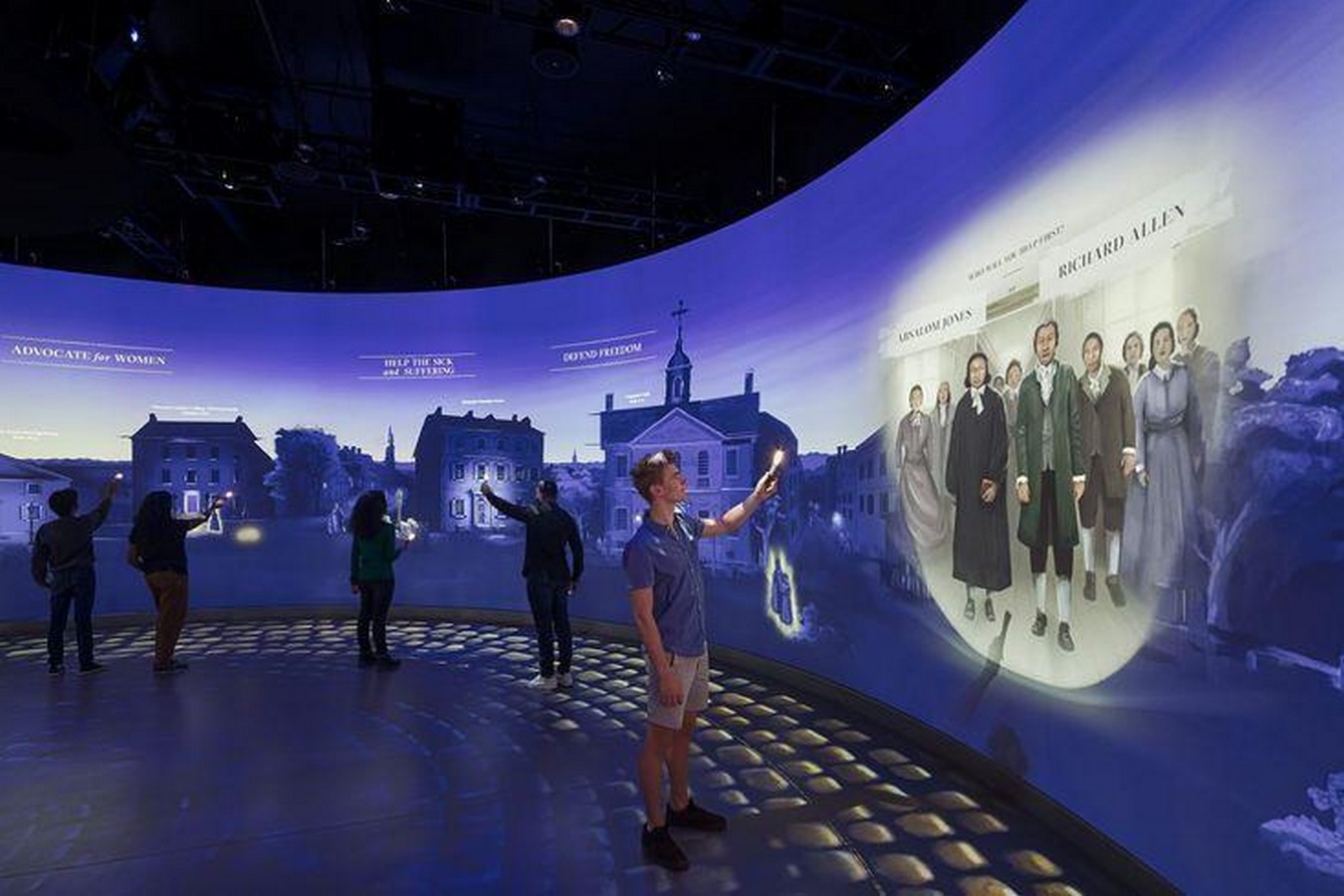
Tomorrow’s future of architecture is not only a fully AI-automated one but a narrative that has been passed down through generations. Yes, there may be new technologies, materials, and systems that will cater to the needs and sustainability standards of the world, but they will also have a sense of belonging to our history. Imagine a courtyard in a house whose skylight adjusts itself as per climatic change, a wall in a museum that will automatically change as per visitor preferences, the traditional sitting that adjusts as per the anthropometry required by the user, or a pavilion that depicts the stories and can be assembled or disassembled on its own. The use of local materials with the integration of new technologies will lead to a harmony of what is known to us and what we can achieve with it. The future of architecture will advance but with gentle inferences. It will have the consciousness and awareness about the community with a hint of locality in that. It will bring new concepts but still feel familiar. Architecture that resonates emotionally, aligns with sustainable design, and carries intergenerational memories will be the future we must work toward.
Why Storytelling in Architecture Is More Than Aesthetic
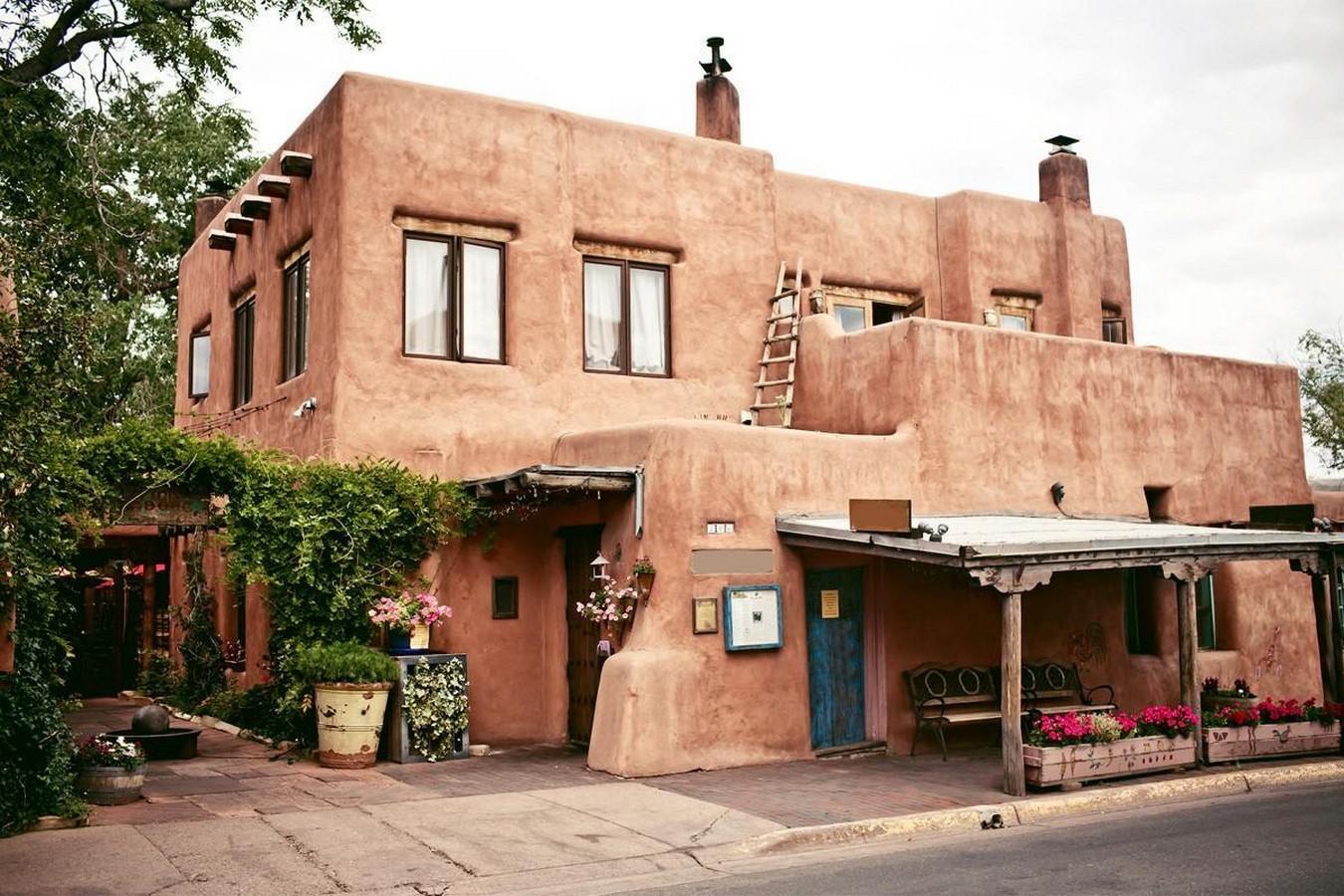
Storytelling is often considered a poetic and aesthetic integration in a building, but in reality, it addresses the real world. This quality makes its inclusion essential in our future. Traditional buildings are climate-responsive; they respond to the local thermal comfort of the inhabitants. Passive cooling and heating techniques are not just for aesthetics but also function effectively. These efforts make us emotionally and ecologically grounded. Another key aspect is a sense of belongingness and inclusivity for all communities, as it belongs to everyone, not just to the elites. It stays and continues with them irrespective of their gender, caste, and social order. Incorporation of such things in our city will engage people, making them feel content. With a large amount of migration every year, these things will not destroy the essence of the place and serve as an awareness among them. Architect B.V. Doshi once said, “Architecture is not a building, it is a backdrop for life.” And life is made up of stories. Architecture that forgets that may function, but will fail to connect. Emotional architecture is not a luxury—it’s a necessity.

Buildings may function today, but they will speak in the future. The architect of tomorrow will write the stories of origins and thoughts. They will become the storytellers through the buildings. Let’s understand that these aspects are valuable treasures. Make the best use of this while understanding the changes and demands of the world. The future will not be a mindless repetition of material, thoughts, and designs. It will be the future of our past that stays, understands, and remembers our origins. To move forward, we must build with memory, emotion, and identity—because the future of architecture is, in essence, storytelling.