Every day we walk by dozens of buildings and don’t really see them. A local school, a bus stop, a small terraced house or an old post office can often become part of the background of everyday life. But these Everyday Structures are subtly infused with the lives, ambitions and shifting priorities of the communities around them. The idea is to make buildings, not to make monuments to impress people. Not great, but what they are is they’ve been gathering stories for decades.
Architects often talk of buildings as documented in brick, timber, concrete and steel. Every extension, patched wall, faded signboard or altered entrance says something about those who built, occupied or adapted the space.
But looking closely at everyday structures allows us to understand social history in a way that museums or textbooks rarely can. Rather than focusing on famous landmarks, this article explores several overlooked examples whose silent details speak volumes about everyday life.
-
Schools That Reveal Changing Ideas About Education
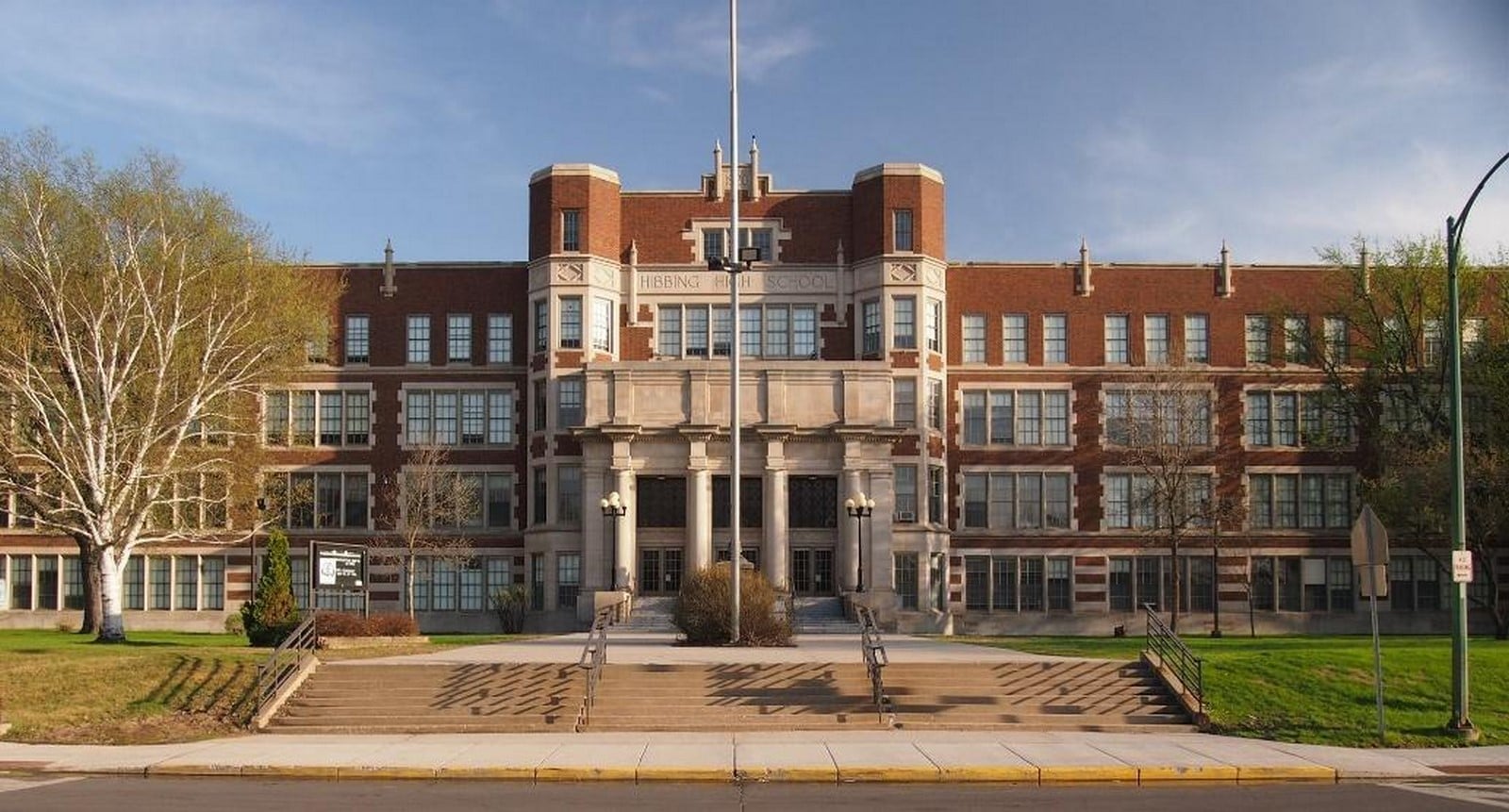
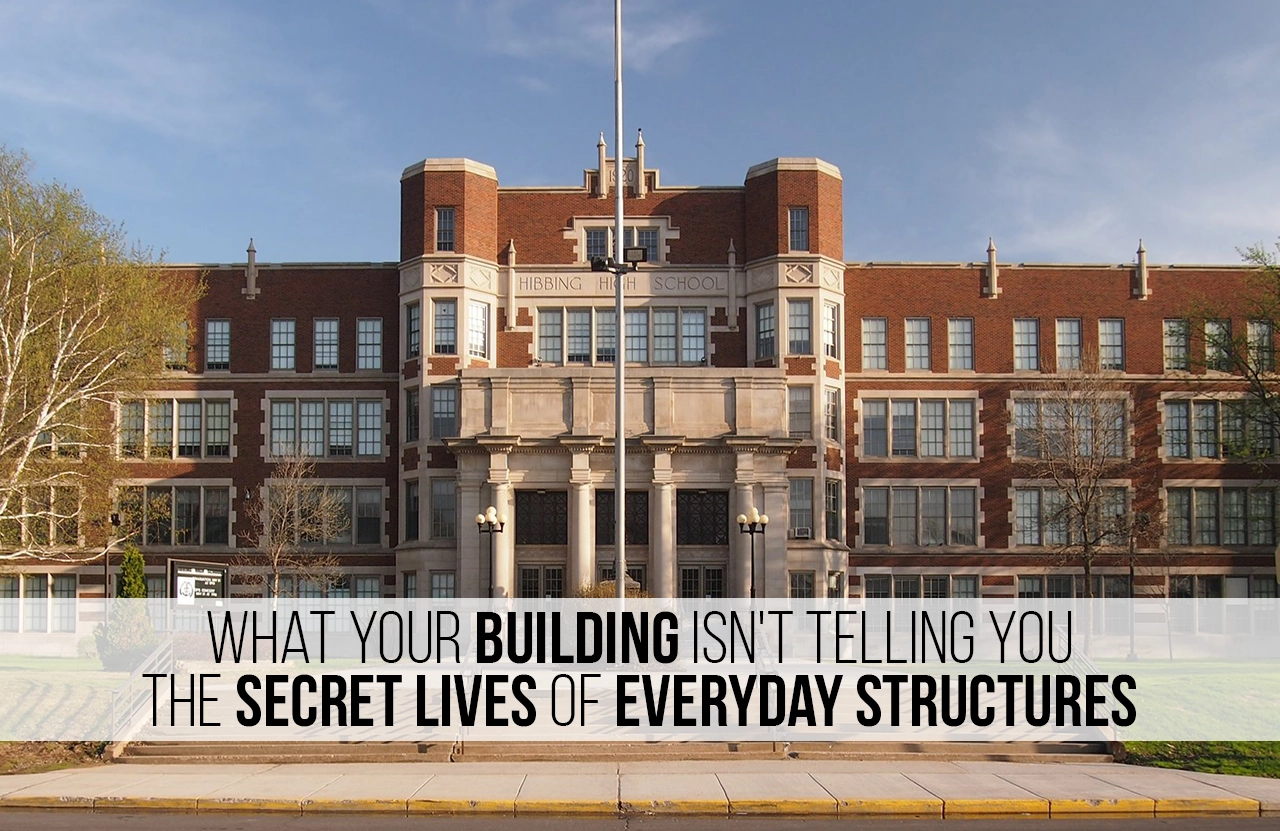
Schools are among the most revealing everyday structures because they reflect how each generation understood childhood, discipline, and learning.
Many Victorian schools across Britain, for example, feature tall windows positioned high above eye level. While they filled classrooms with natural daylight, they also reduced distractions by limiting pupils’ views outside. Narrow corridors, separate entrances for boys and girls, and large assembly halls reflected the educational values of order, morality, and hierarchy during the nineteenth century.
Government schools built during the colonial period in India tell a different story. Thick masonry walls, high ceilings, and deep verandahs were practical responses to hot climates. However, their formal layouts also reflected administrative systems introduced during British rule. Many continue serving communities today, carrying architectural traces of both colonial planning and local adaptation.
As educational philosophies evolved, schools built during the 1960s and 1970s introduced open-plan classrooms, flexible learning spaces, and greater interaction between students. These architectural changes reveal how Everyday Structures evolve alongside changing ideas about education rather than remaining frozen in time.
-
Bus Stands: The Beating Heart of Local Communities
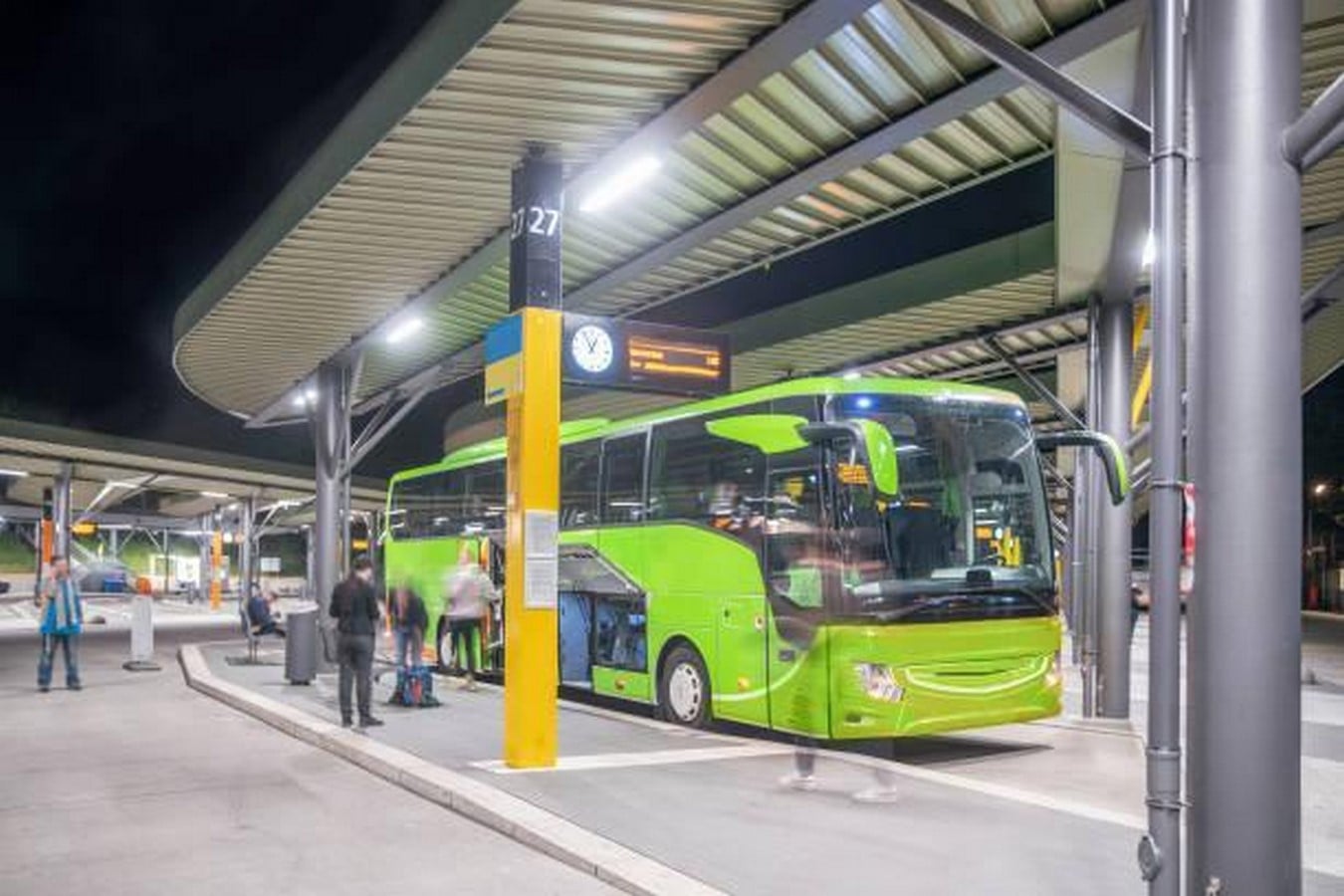
Few people think of bus stands as culturally significant, yet they are among the most dynamic Everyday Structures in any town or city.
A rural bus stand often becomes much more than a transport facility. Tea stalls, newspaper vendors, fruit sellers, and informal waiting areas gradually emerge around it. Over time, these additions transform the space into an important social hub where people exchange news, conduct small businesses, and build community relationships.
Even seemingly minor design choices reveal changing priorities. Older bus shelters frequently relied on simple concrete benches and minimal roofing, reflecting limited public investment. More recent facilities incorporate digital displays, accessible ramps, dedicated seating for elderly passengers, improved lighting, and CCTV systems. These features demonstrate society’s increasing emphasis on accessibility, passenger comfort, and public safety.
The constant adaptation of bus stands shows how Everyday Structures respond to changing patterns of mobility, technology, and urban life without losing their essential public role.
3. Old Houses Preserve Generations of Family History

An old house often tells a richer story than any family photograph album. Every renovation reflects changing lifestyles, financial circumstances, and family needs.
Traditional Indian courtyard houses, for instance, were designed to maximise ventilation while providing private outdoor spaces where multiple generations lived together. As family structures became smaller and lifestyles changed, many courtyards were enclosed to create additional bedrooms or living areas. These alterations reveal changing patterns of domestic life rather than simply changing architectural preferences.
Similarly, many Victorian terraced houses in Britain have undergone decades of gradual modification. Coal fireplaces disappeared as central heating became common. Small kitchens expanded into open-plan living areas. Outdoor toilets moved indoors, reflecting improvements in sanitation and living standards. None of these changes was originally intended by the builders, yet together they document social progress more effectively than architectural drawings ever could.
Through these accumulated adaptations, Everyday Structures become living records of ordinary families navigating extraordinary changes over time.
- The Hidden Messages Found in Small Architectural Details
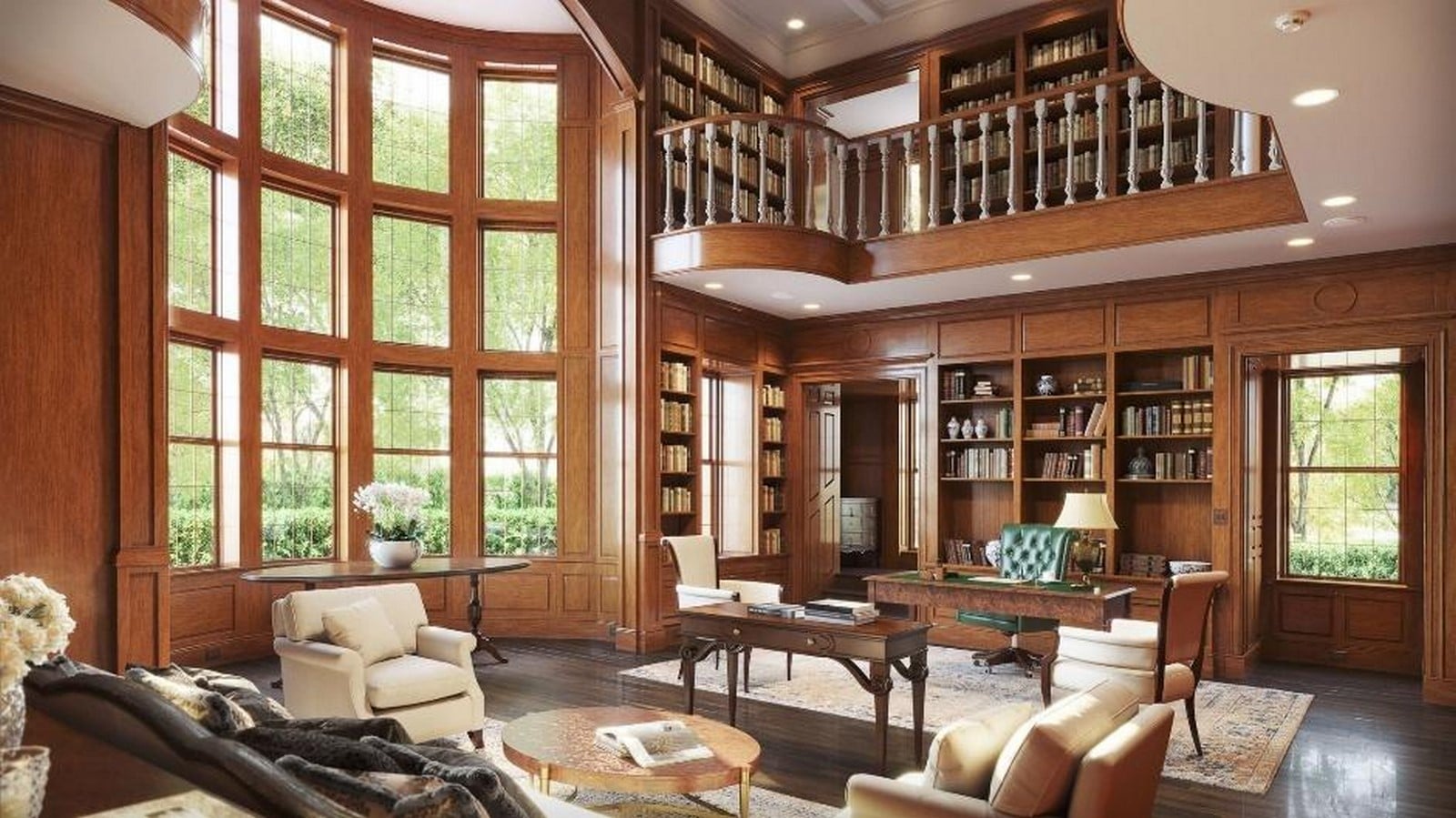
Many stories within Everyday Structures are hidden in details that are easy to overlook.
A blocked doorway may indicate where neighbouring buildings once stood before redevelopment. Different brick colours often reveal later extensions or repairs following floods, fires, or structural damage. Worn stone steps indicate decades of heavy foot traffic, while faded painted advertisements on exterior walls preserve traces of businesses that disappeared generations ago.
Even street-facing verandahs, balconies, or shopfronts reflect shifts in climate adaptation, commercial activity, or local regulations. These seemingly insignificant features become valuable clues for historians, conservation architects, and urban researchers trying to reconstruct the everyday experiences of previous generations.
Rather than treating buildings as static objects, observing these details encourages us to see architecture as an ongoing conversation between people and place.
Why Preserving Everyday Buildings Matters
Historic preservation often focuses on castles, temples, churches, or famous public buildings. Yet Everyday Structures deserve equal attention because they represent the experiences of ordinary people rather than political leaders or wealthy patrons.
When an old neighbourhood school, local post office, or traditional family home disappears, communities lose more than bricks and mortar. They lose physical evidence of how previous generations learned, travelled, worked, celebrated, and adapted to changing circumstances.
Conserving ordinary buildings does not always require freezing them in time. Sensitive renovation can allow them to meet modern needs while preserving the architectural details that connect communities with their shared past. In many cities, adaptive reuse has successfully transformed former schools into community centres, warehouses into libraries, and old houses into cafés or cultural spaces without erasing their historical character.
Recognising the value of Everyday Structures encourages more thoughtful urban development, ensuring that progress does not come at the cost of collective memory.
Looking Beyond the Ordinary
The next time you pass a modest school building, wait at a neighbourhood bus stand, or visit an old family house, pause for a moment. Notice the worn steps, patched walls, changing rooflines, or carefully added extensions. These details are not imperfections but chapters in an ongoing story.
The greatest architectural lessons are often hidden in the most familiar places. While landmarks celebrate exceptional moments in history, Everyday Structures quietly record everyday lives: the routines, aspirations, struggles, and resilience of ordinary people. By paying closer attention to these overlooked buildings, we begin to see that every street contains its own archive, waiting patiently to be read.