“At Architecture school, you learn two things: first, how to think architecturally; and then how to apply your architectural thinking.” -Portico
We all know how gruesome architecture college can be from the long studio nights to the gut-wrenching presentations. However, even when the course kicks you down, we can all agree that the lessons learned are worthwhile and not only apply to architecture but life. Most people often think that we go to architecture school to learn how to draw plans, but it’s a lot deeper than that.
The main thing school teaches us is to have an ‘Architect’s Mindset’, i.e., to think architecturally and have the ability to apply your architectural thinking. Architectural thinking does not solely rely on project work but should be an approach to how you see the world.

What is Architectural Thinking?
Once architects walk into space they are constantly playing ‘spot the problem.’ It is almost impossible for us to walk into a room and not spot design flaws and immediately start to think of solutions.
Our brains are nurtured into a Design Thinking approach where we are taught to study a problem from all angles, analyze the situation, study precedents and offer a series of suitable solutions. It’s the ability to offer a holistic approach with a prototyping mindset by moving between problem and solution spaces.
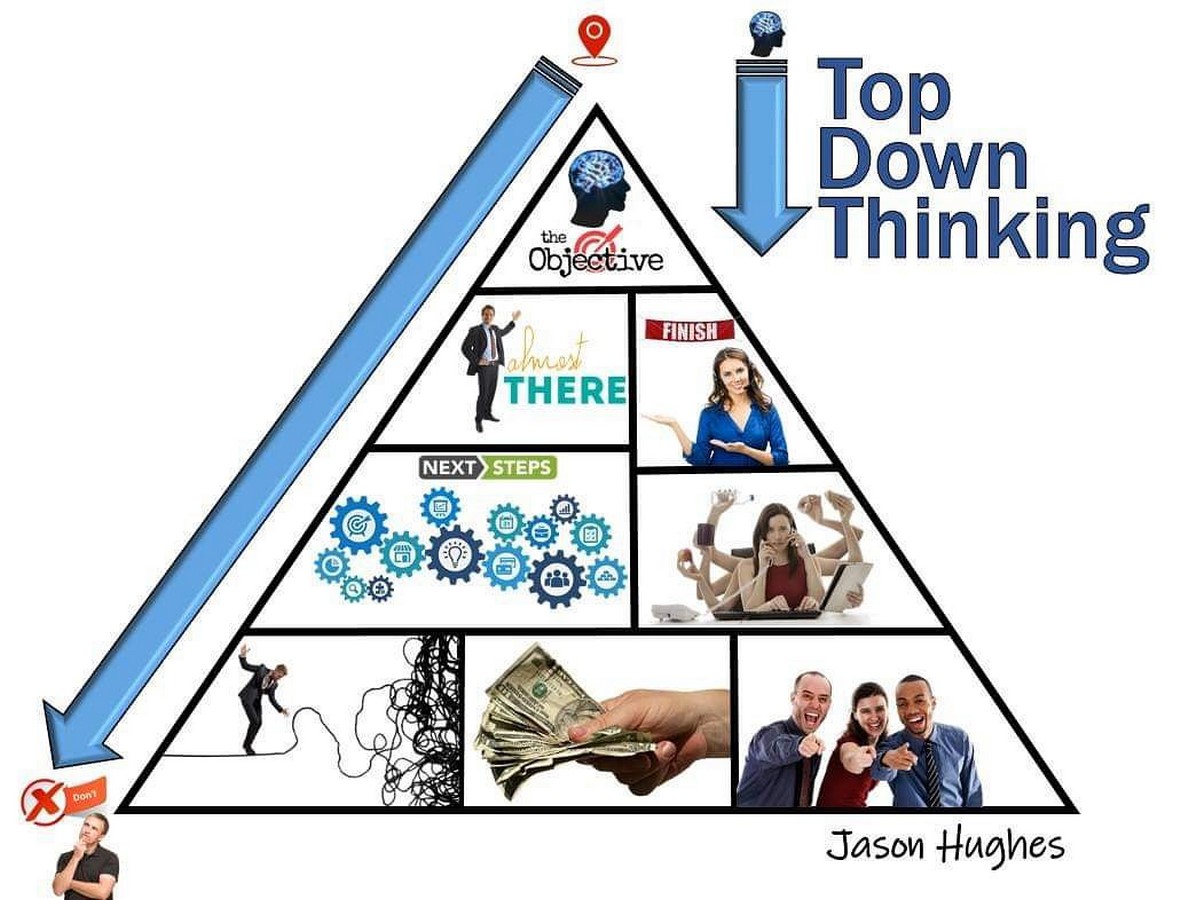
Architectural thinking and top-down thinking are interrelated as this approach teaches you how to formulate hypotheses and test conclusions. This differs from bottom-up thinking which focuses on assembling data and finding patterns. To explain it better I can use a project.
Would you rather first go through the site analysis phase, identify problems reconceptualize them as opportunities, and design based on this information Or would you rather work backward and design the project and then try to force the design decisions taken (I know I’ve tried this approach before and all I can say is DON’T DO IT).
Essentially top-down thinking teaches you how to compartmentalize things so that you operate more efficiently and focus more on the outcome as opposed to the problem
Architecture is Not About Buildings
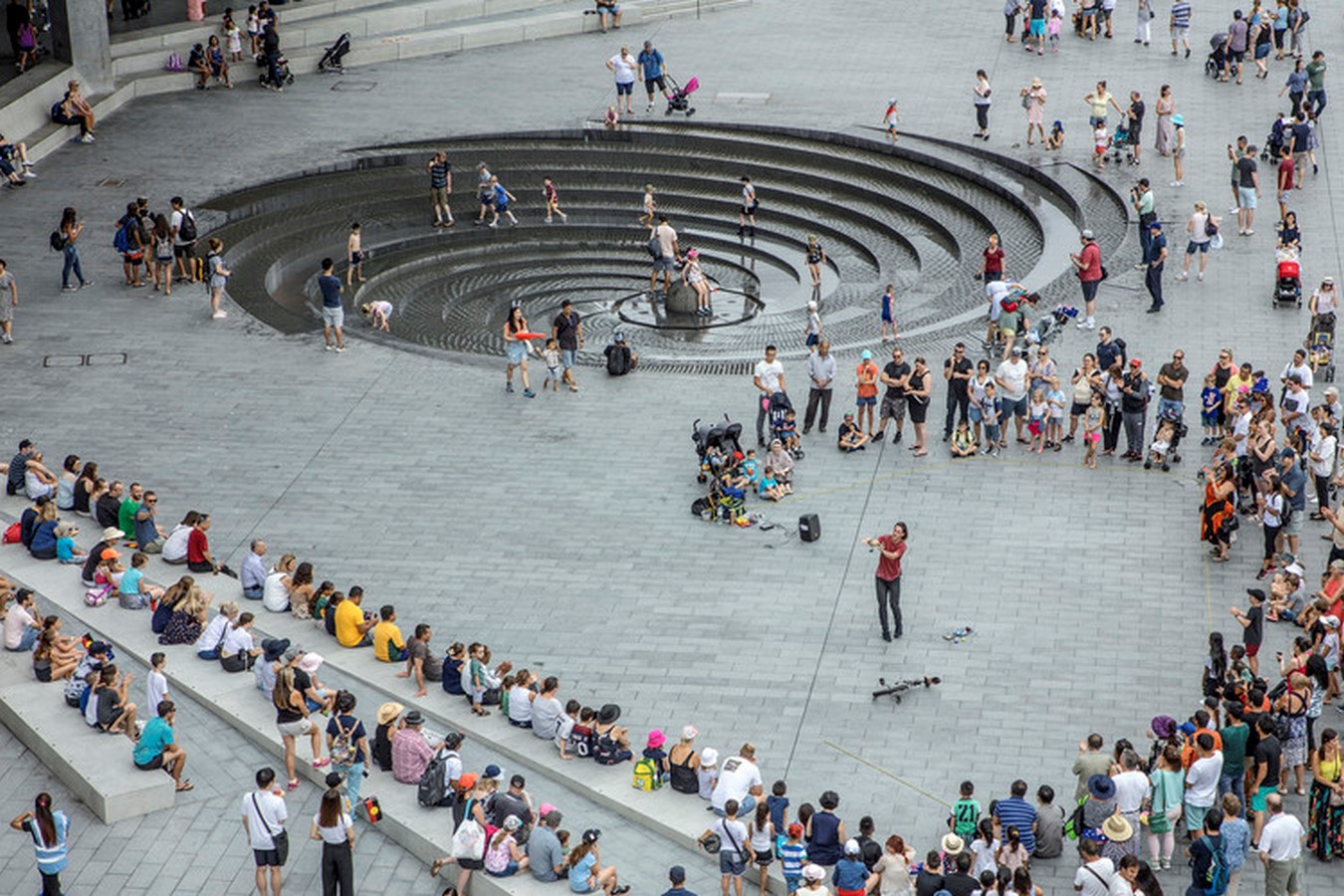
Before I joined the architectural school, I thought that to be a great architect meant I had to build skyscrapers. That was the gold standard by which I defined architectural skills and thus I journeyed into architecture school with the hope of building the tallest skyscraper in Africa. Flash forward into the future and it didn’t take me long to learn that not only is architecture Not! About skyscrapers but it’s not about buildings either. It’s about the people that are going to occupy these spaces.
Your job as an architect is to design a space to meet the comfort needs of the users. Architecture then falls into the category of social science. This is because architecture has the power to give direction to society. We know that throughout time, architectural movements sync; time, a spirit of place and people to construct a new way of thinking. Therefore, architecture is unavoidably social as it links people, communities, and their built environment.
The Poetic Nature Of Architecture
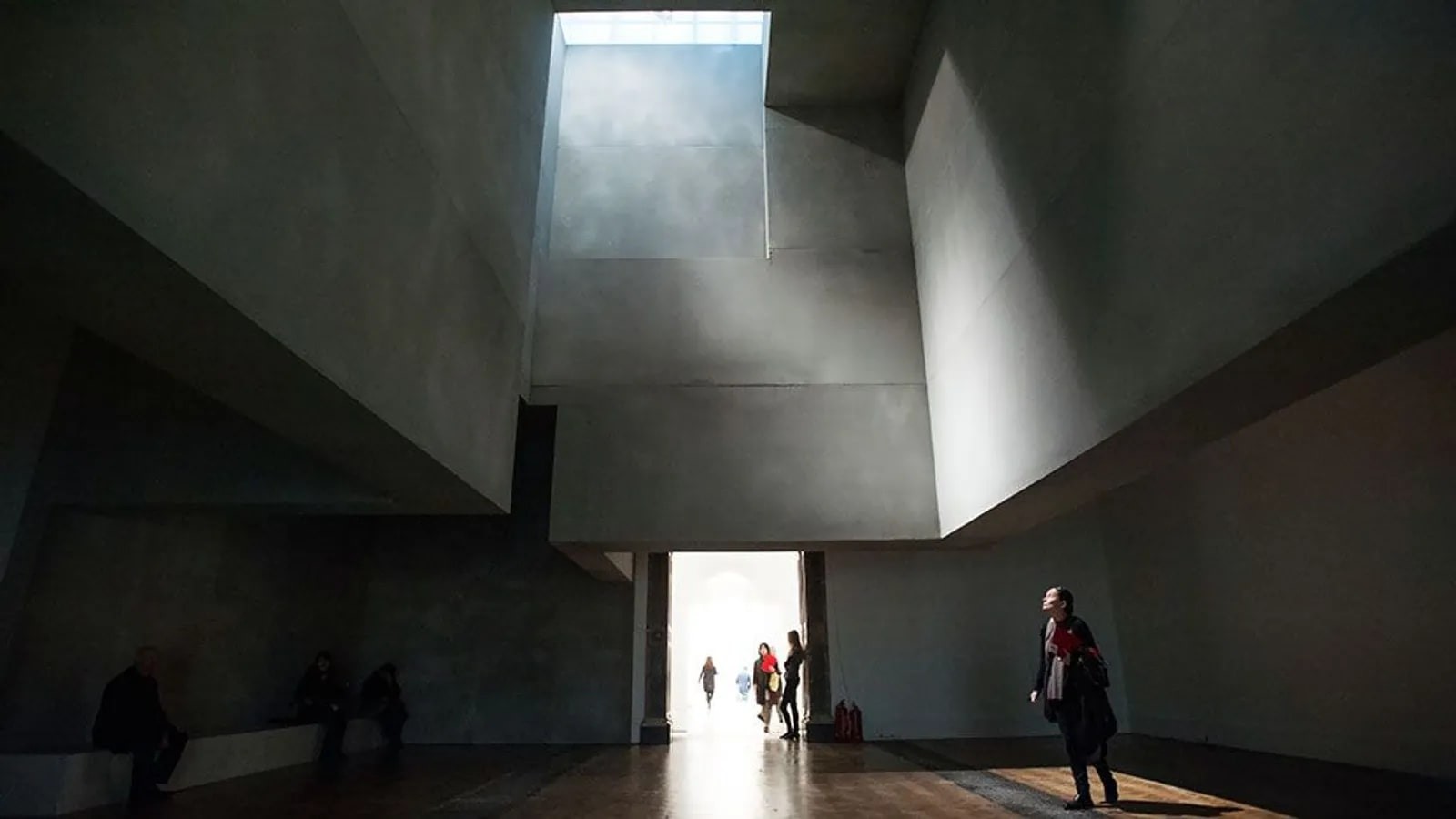
The first time I visited our school chapel was on a beautiful sunny day at around midday, I entered the space and the altar was showered with light from above as if God was casting his light into space. I was immediately transported both spiritually and emotionally and dare I say I felt a spiritual presence linger in the room. Architecture has the power to evoke emotions whether it’s with the design of a grandiose church or the ability to tell a story through a memorial.
Like everything in life, architecture is poetic. After all, it tells a story, because it can touch its occupants on an emotional and psychological level. The Space can transcend its material self and start to offer hope, meaning, and a new sense of awareness. And we know that architecture is capable of being a symbol for something more when it touches on human senses and inspires you to preserve it
Life skills
When I look back, I learned that architecture school taught me life skills I very much needed but wasn’t ready for. These include but are not limited to:
1. Taking Criticism
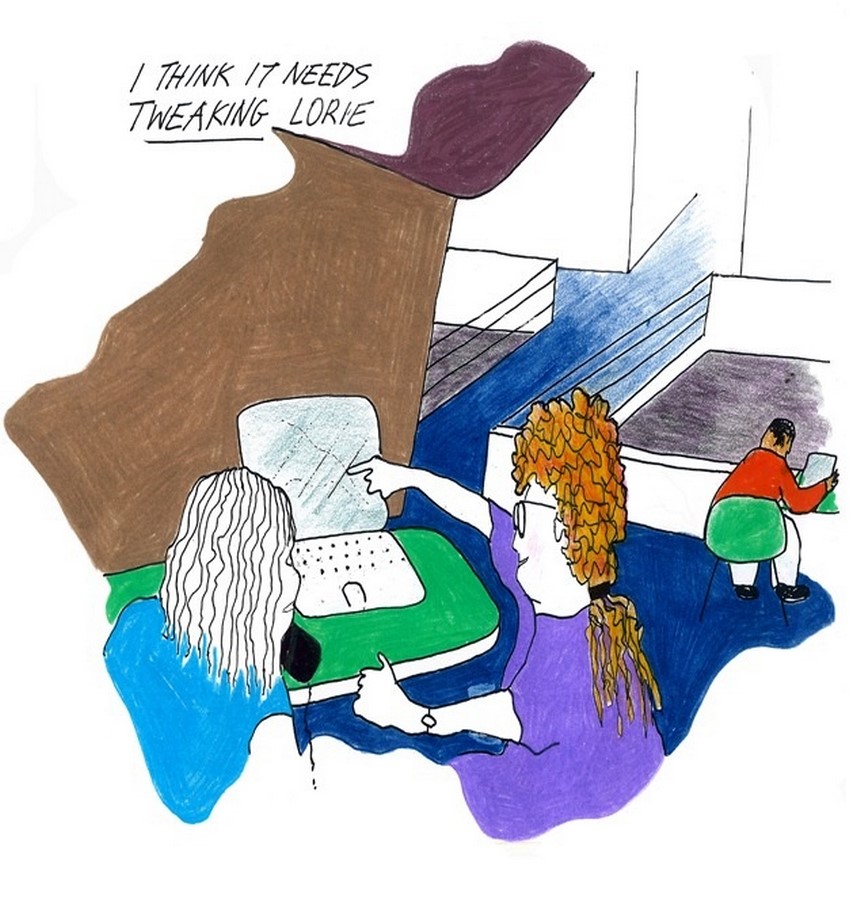
It took a long time for me to understand the criticism was a response to the level of work I produced and not in any way a comment on my character. When you’ve thrown yourself into a project and get emotionally attached, there is your first wrong move. Besides, beyond this, any comment on your work is as good as telling a mother her baby is not cute (Caution: Do not try that at home).
Positive criticism is aimed towards building your level of resilience as architecture much like life is not a straight line thus it requires a lot of back and forth to finally get it right. Chin up you can’t get it right on the first try.

2. Public speaking
Before Architecture school, for the life of me, I could not speak in public. I would shy away on various opportunities that required me to do so because well you know the feeling; heart thrumming, hand sweating, voice breaking, stammering, eating words. I was a wreck but if you could see me now the level of confidence and stage presence well let’s just wait for my ted talk.

3. Timekeeping (not really)
Procrastination and last-minute work were our daily bread because timekeeping just seemed albeit to cliché to us. We live for the thrill of rushing deadlines its quite eccentric actually at the 11th hour is when creativity sparks and the light bulb goes off. Well at least that what we told ourselves every single time, learn to make timetables and stick to them architecture school didn’t teach how to keep time but taught the adverse effects for when I did not.
4. Failing is part of life

Yes, it is! Don’t beat yourself up, instead, learn from it. See where you went wrong, adjust, try again, fail again and repeat until you finally get it right. This is an important life lesson that builds your character and rethinks your mindset. You’ll eventually see yourself taking more risks because the fear of failure is no longer holding you back.