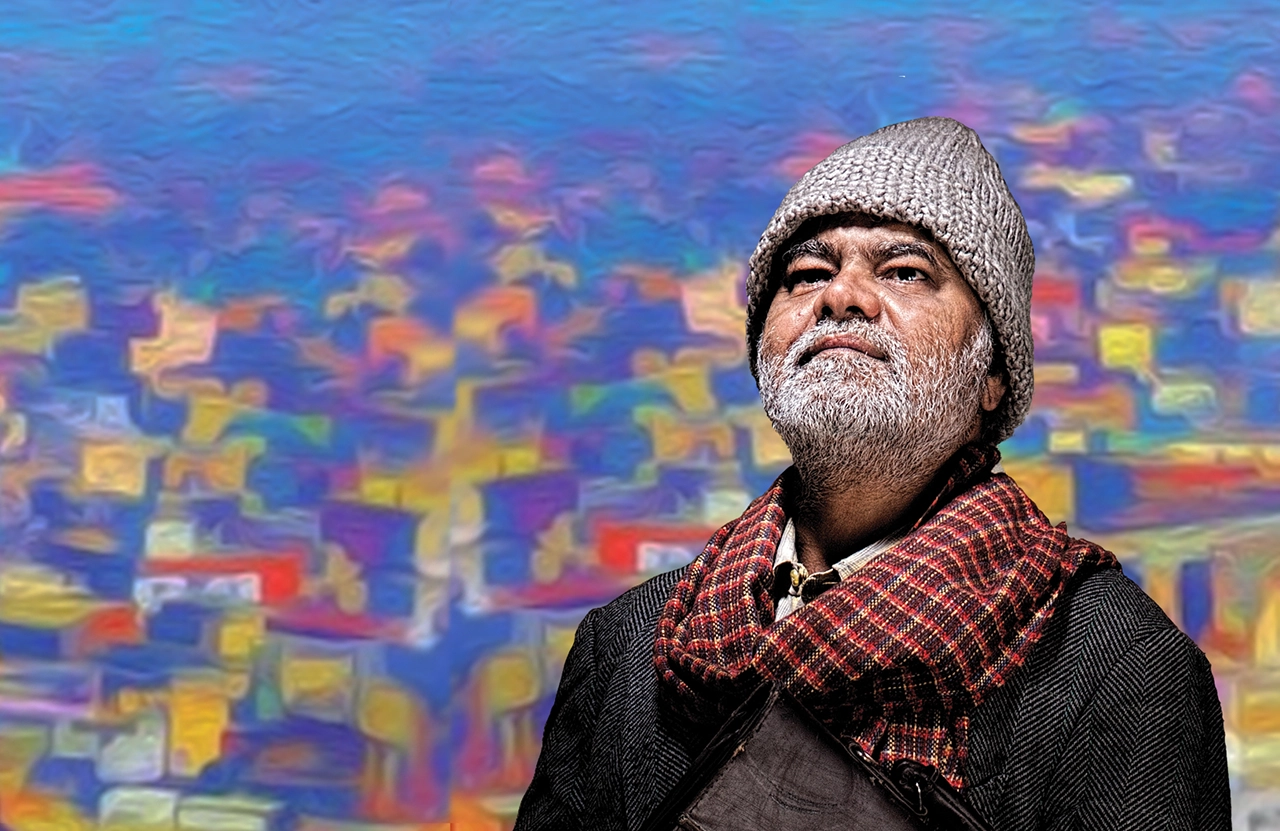
Movie Name – Ankhon Dekhi (2014)
Director – Rajat Kapoor
Star Cast – Sanjay Mishra, Rajat Kapoor, Seema Pahwa. Maya Sarao
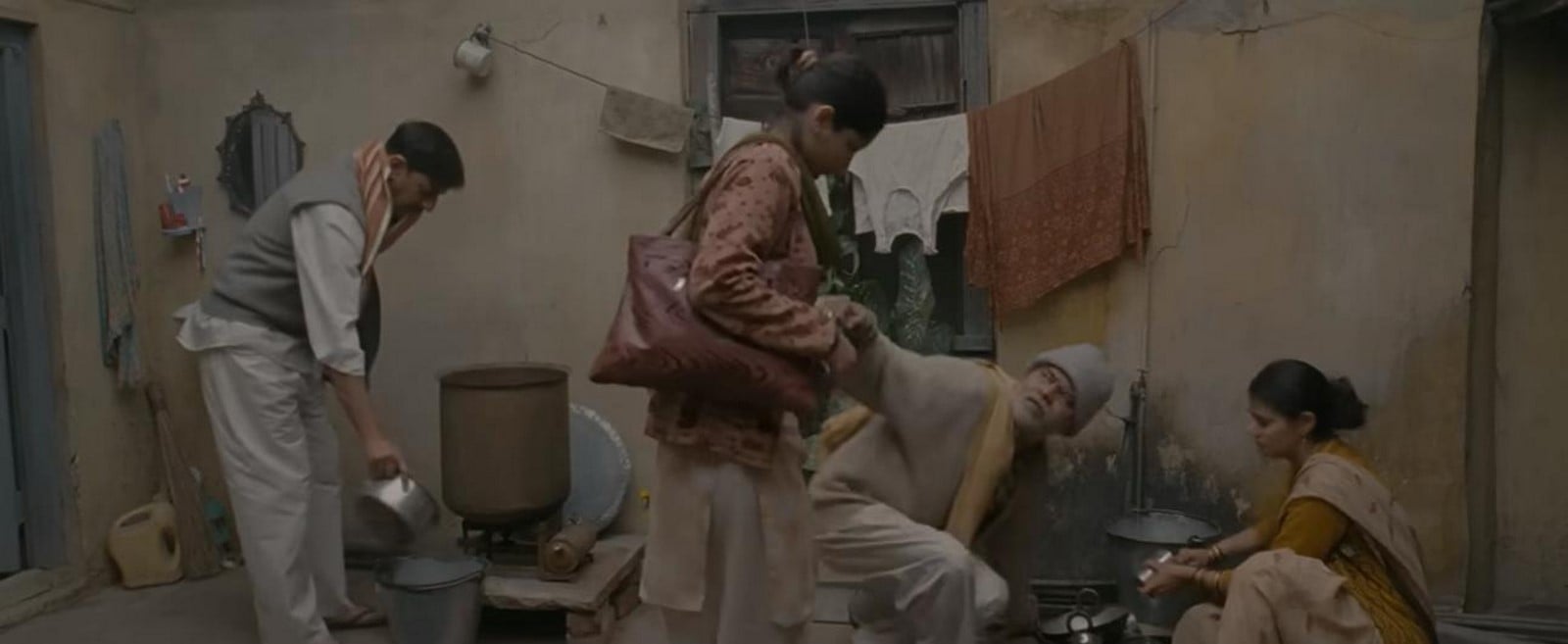
In a world where films often rely on spectacle and fast-paced storytelling, Ankhon Dekhi takes a remarkably different path. Directed by Rajat Kapoor, this award-winning Hindi film doesn’t seek to entertain through grand twists or visual excess. Instead, it quietly asks a question that stays with you long after the credits roll: How much of what we believe is truly our own?
While Ankhon Dekhi is not a film about architecture, design, or creativity on the surface, it offers profound lessons for architects, designers, and every creative professional. It reminds us that before creating something meaningful, we must first learn to observe the world without prejudice. More importantly, it suggests that sometimes, we must unlearn what we think we know before we can truly learn again.
A Story That Invites Reflection
Without revealing any major plot points, Ankhon Dekhi follows an ordinary man whose outlook on life changes after a deeply personal realisation. Instead of accepting ideas simply because society tells him they are true, he begins questioning everything through his own experiences.
This seemingly simple premise unfolds into a thoughtful exploration of perception, truth, curiosity, and human behaviour. Rather than forcing answers upon the audience, the film encourages viewers to think for themselves.
Its pacing is slow, deliberate, and deeply immersive. Every conversation feels natural, every silence carries weight, and every frame feels grounded in reality. The performances, especially by Sanjay Mishra, are sincere and emotionally layered, making the characters feel less like fictional creations and more like people we might encounter in everyday life.
If you’re looking for a commercial entertainer filled with dramatic highs, this may not be the film for you. But if you enjoy cinema that quietly challenges your thinking, Ankhon Dekhi is a rewarding experience.
What Can Designers Learn from Ankhon Dekhi?
This is where the film becomes especially relevant for architects and designers.
-
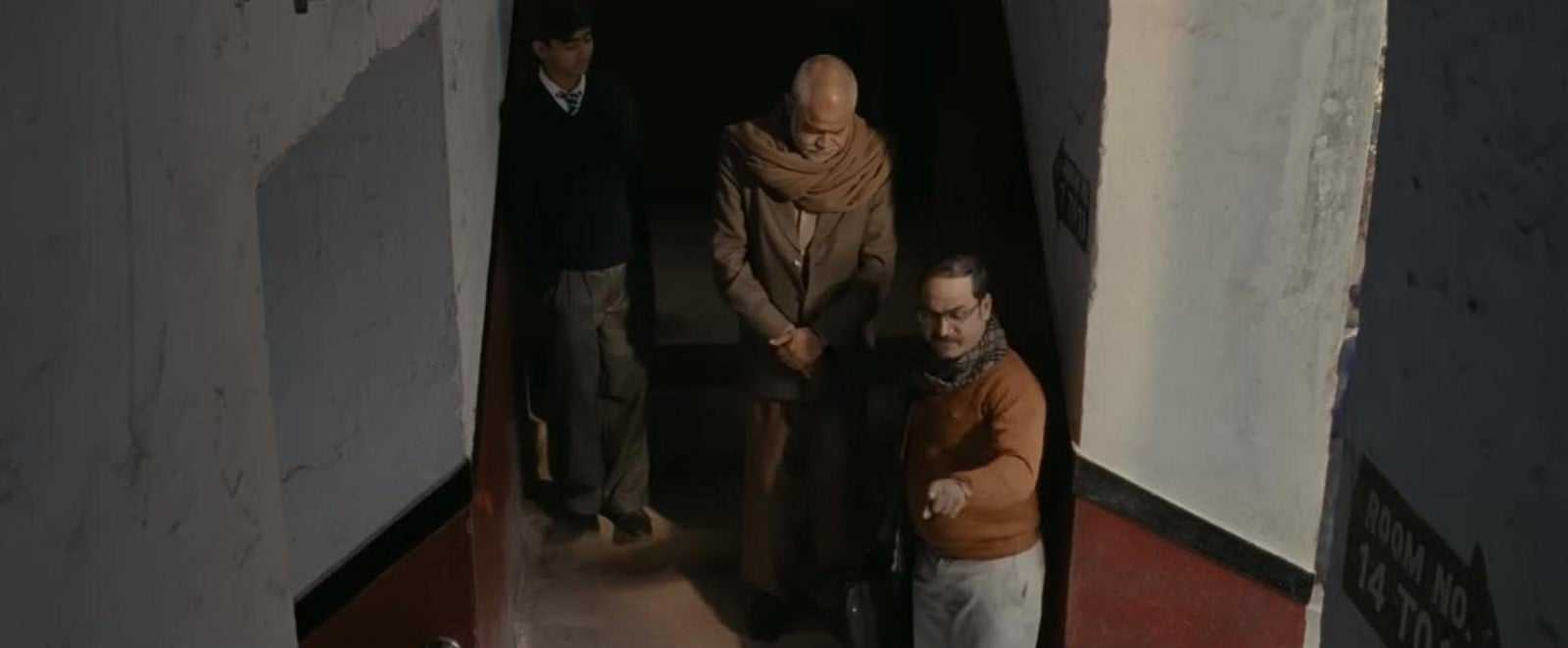
Observe Before You Design
Design education often teaches us to analyse, sketch, and solve problems. However, the film reminds us that every meaningful solution begins much earlier—with observation.
Before designing a school, an architect must understand how children naturally interact with space. Before designing a café, an interior designer must observe how people gather, work, and socialize. Before proposing an urban intervention, a planner must watch how streets actually function rather than how drawings suggest they should.
Ankhon Dekhi quietly reinforces this principle: genuine observation always precedes meaningful creation.
-
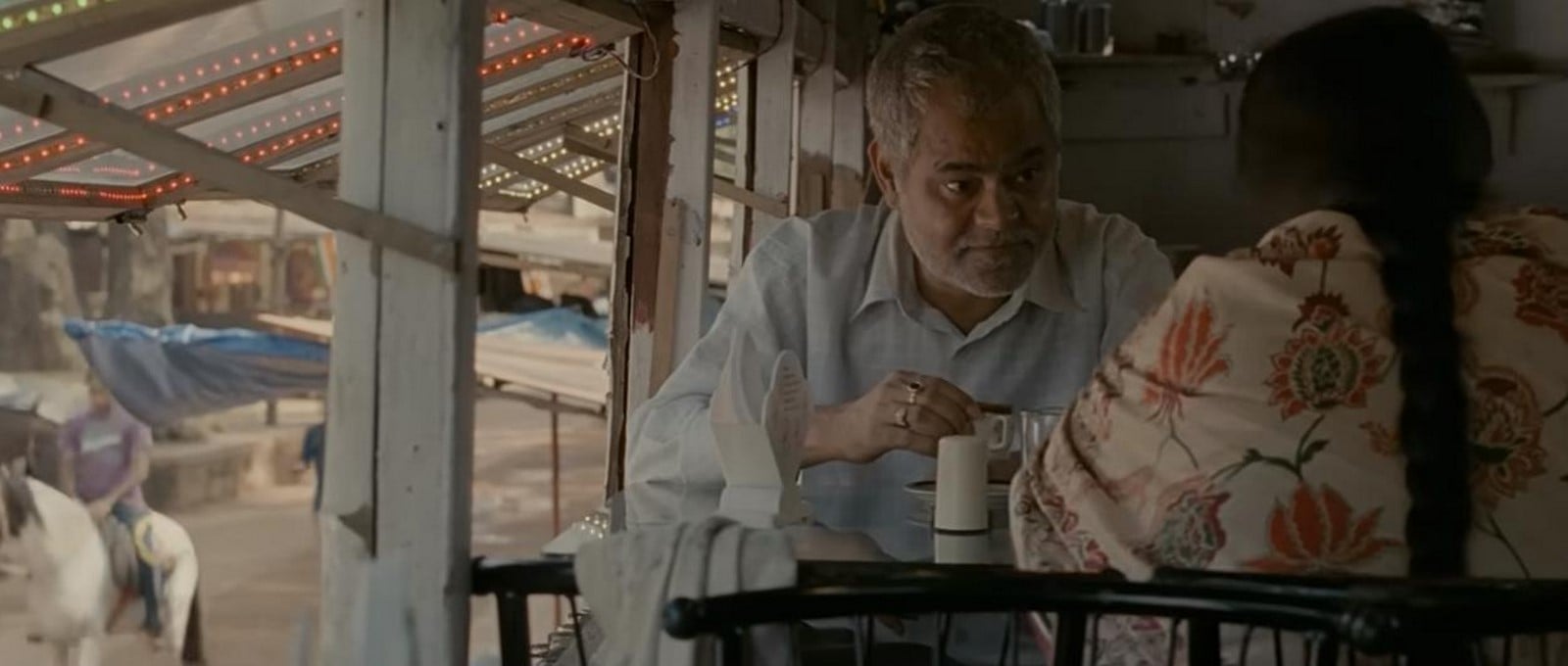
Sometimes, We Need to Unlearn
Perhaps the film’s greatest lesson is that learning isn’t always about acquiring new knowledge. Sometimes, it is about letting go of old assumptions.
As designers, we are constantly influenced by trends, precedents, Pinterest boards, Instagram feeds, and architectural icons. While these references are valuable, they can also become invisible limitations. We begin designing based on what has already been accepted rather than questioning whether it truly serves the people we design for.
Unlearning doesn’t mean rejecting knowledge. It means creating enough mental space to ask fresh questions.
What if the conventional solution isn’t the best one?
What if users behave differently than we expect?
What if experience matters more than aesthetics?
The film gently reminds us that curiosity often begins where certainty ends.
-
Empathy Is More Powerful Than Expertise
One of the most overlooked qualities in design is empathy.
Beautiful buildings are remembered not because of expensive materials or dramatic forms, but because they make people feel comfortable, understood, and welcome.
Ankhon Dekhi encourages us to look beyond appearances and appreciate lived experiences. For architects, this translates into designing spaces around human behaviour instead of personal preferences.
After all, people don’t experience floor plans—they experience light, sound, movement, comfort, and emotion.
-
Simplicity Creates Depth
There is nothing extravagant about the visual language of Ankhon Dekhi.
The film embraces ordinary neighbourhoods, familiar homes, and everyday conversations. Yet this simplicity never feels ordinary. Instead, it allows the audience to focus entirely on the ideas.
The same principle applies to architecture.
The most memorable buildings are not always the loudest or the most expensive. They are often the ones that quietly improve everyday life through thoughtful planning, honest materials, natural light, and human-scale spaces.
The film demonstrates that simplicity, when intentional, can be profoundly powerful.
Should Designers Watch Ankhon Dekhi?
Absolutely.
Not because it teaches architecture.
Not because it showcases iconic buildings.
But because it teaches something even more fundamental—the mindset behind thoughtful design.
Whether you are an architect, interior designer, urban planner, product designer, or creative student, Ankhon Dekhi offers a valuable reminder that great ideas rarely emerge from assumptions. They emerge from observation, curiosity, humility, and a willingness to rethink what we believe we already know.

Final Thoughts
There is a famous quote by futurist Alvin Toffler that feels particularly relevant here:
“The illiterate of the 21st century will not be those who cannot read and write, but those who cannot learn, unlearn, and relearn.”
Watching Ankhon Dekhi, I was reminded that this philosophy applies just as much to design as it does to life.
As architects, we often believe our job begins with a sketch. This film suggests otherwise. It begins with seeing—truly seeing—without filters, assumptions, or preconceived notions. Every project, every client, every site asks us to begin again with fresh eyes.
In many ways, the film isn’t asking us to become better designers. It is asking us to become better observers. And perhaps that is where every timeless design truly begins.