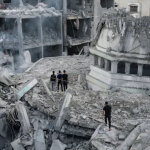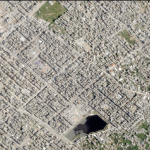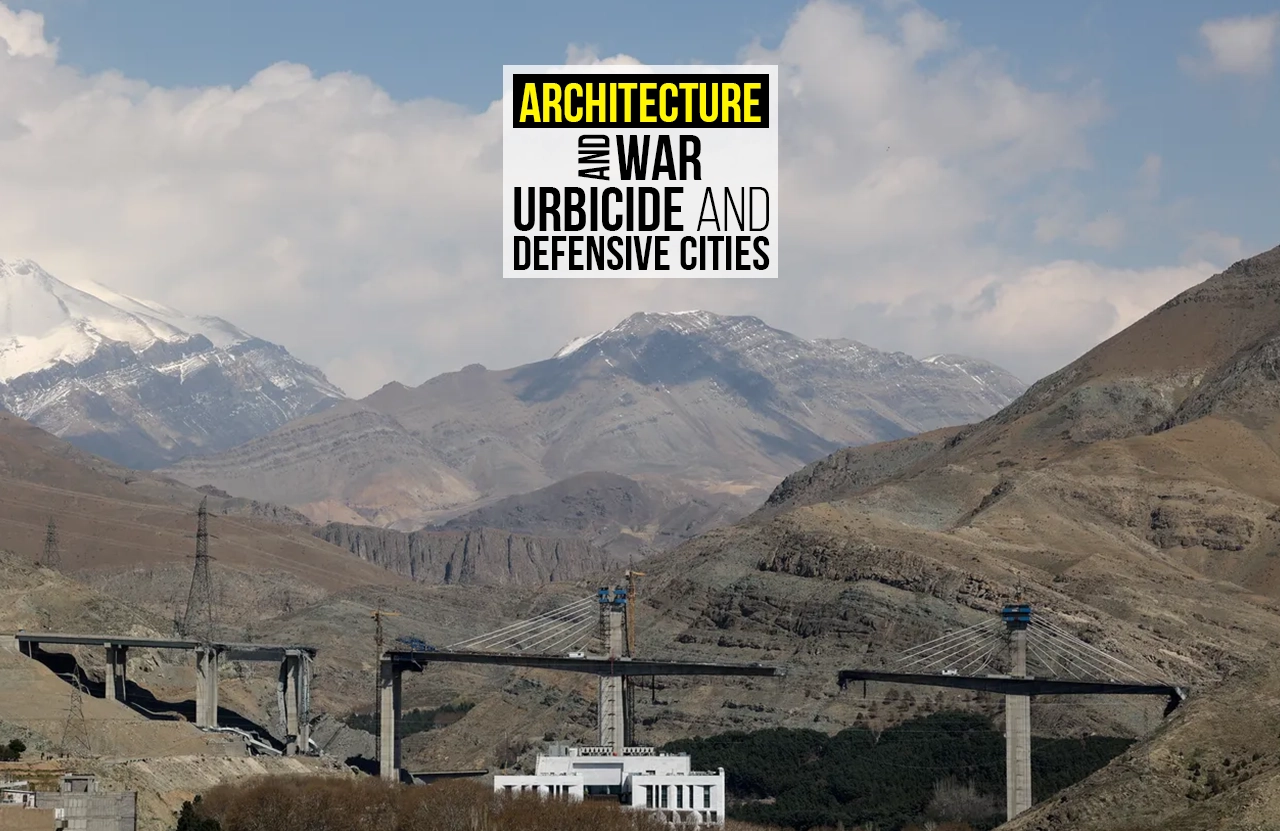
It takes the soul of humanity to construct beautiful, peaceful cities where everyone lives in peace, yet nothing stops the urge of the same human breed to tear them down. In the modern age, when the world expects peace-making policies and organizations to be effective in harmonizing the world, the opposite is the case. The combat zones of humans have migrated from remote borders and muddy trenches into the metropolis. Because of this, architecture now is an active casualty and silent combatant, acting as an armour or defensive architecture, yet also becomes the victim of Urbicide. These sacrifices of slaughtering of memories and human beings are so brutal that we all should pause to listen, reflect, and find solutions to put an end to it.
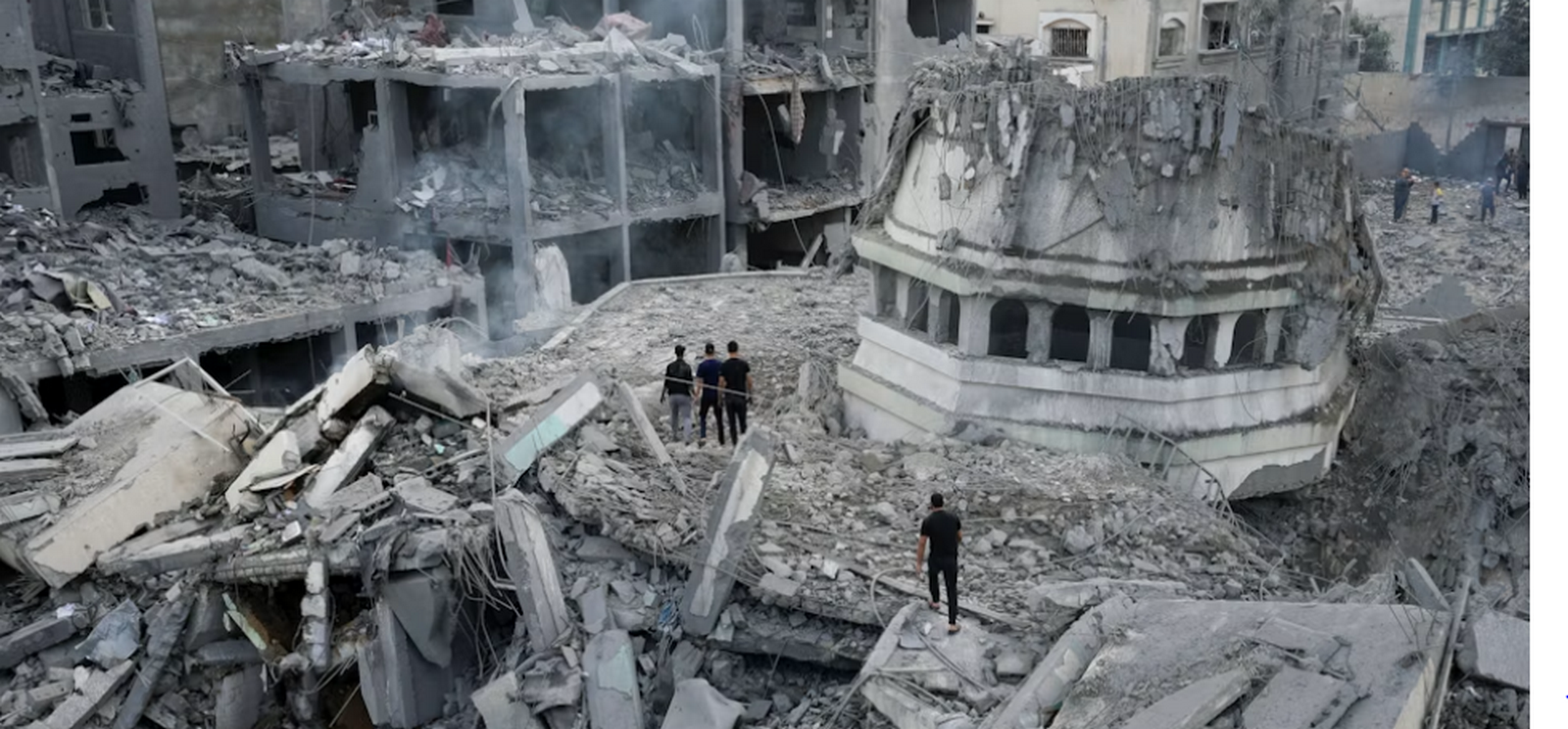
Urbicide or the “Killing of a City”
War brings corruption and only corruption. With the physical wipe-out comes the cultural and urban genocide. War not only brings mass extermination of humanity but also a systematic destruction of architecture, memory, and identity. A city undergoes Urbicide, which is a deliberate attempt to shatter a city into pieces by erasing not only the living but also their memories and attachments, causing a city to die. This is an innate nature of human beings for so long; to turn knowledge, places of hospitality, dwelling, and spirituality into ashes.
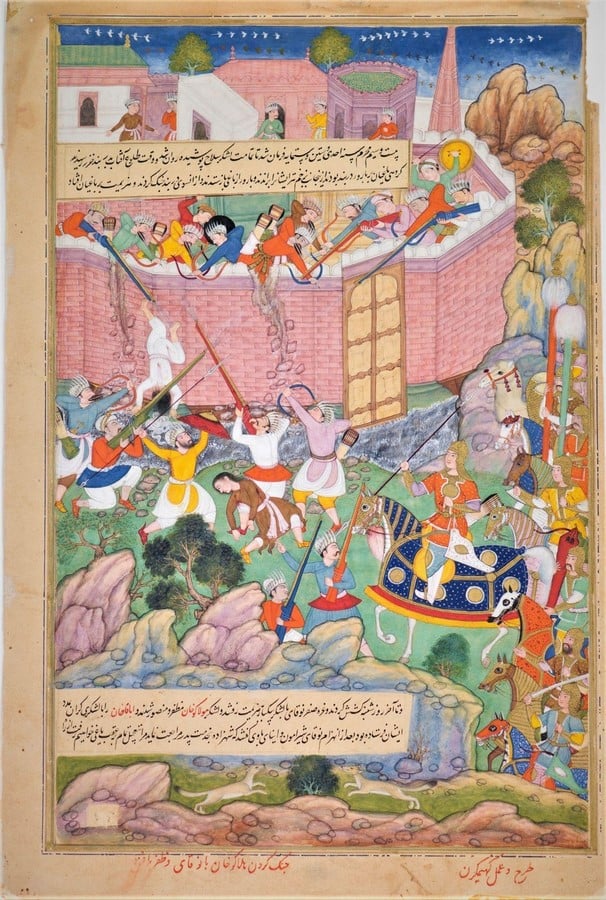
The illustration shows the Fall of Baghdad, after which the whole city was burned down along with the House of Wisdom. Historical manuscripts indicate that the River Tigris was stained black with ink after countless books and valuable scriptures were discarded into its waters.
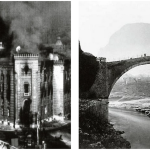
First coined to describe the intentional leveling of cultural spaces during the Balkan war of the 1990s, urbicide recognizes that a city is far more than a physical settlement. A city possesses a collective soul woven out of its plazas, centuries-old bridges, houses of worship, historic neighborhoods, archives, and libraries. Without these architectural anchors, a community loses its narrative, making it fundamentally easier for an occupier to overwrite its future or ensure that displaced citizens have nothing left to return to.
During the Balkan War, 50 or so urban cores of Bosnia-Herzegovina and Croatia were partially or completely destroyed. The layered density of different cultures and histories was once prominent in the cities. The architect Bogdan Bogdanović, who was mayor of Belgrade, calls the destruction caused by the war “ritual murder of the city”
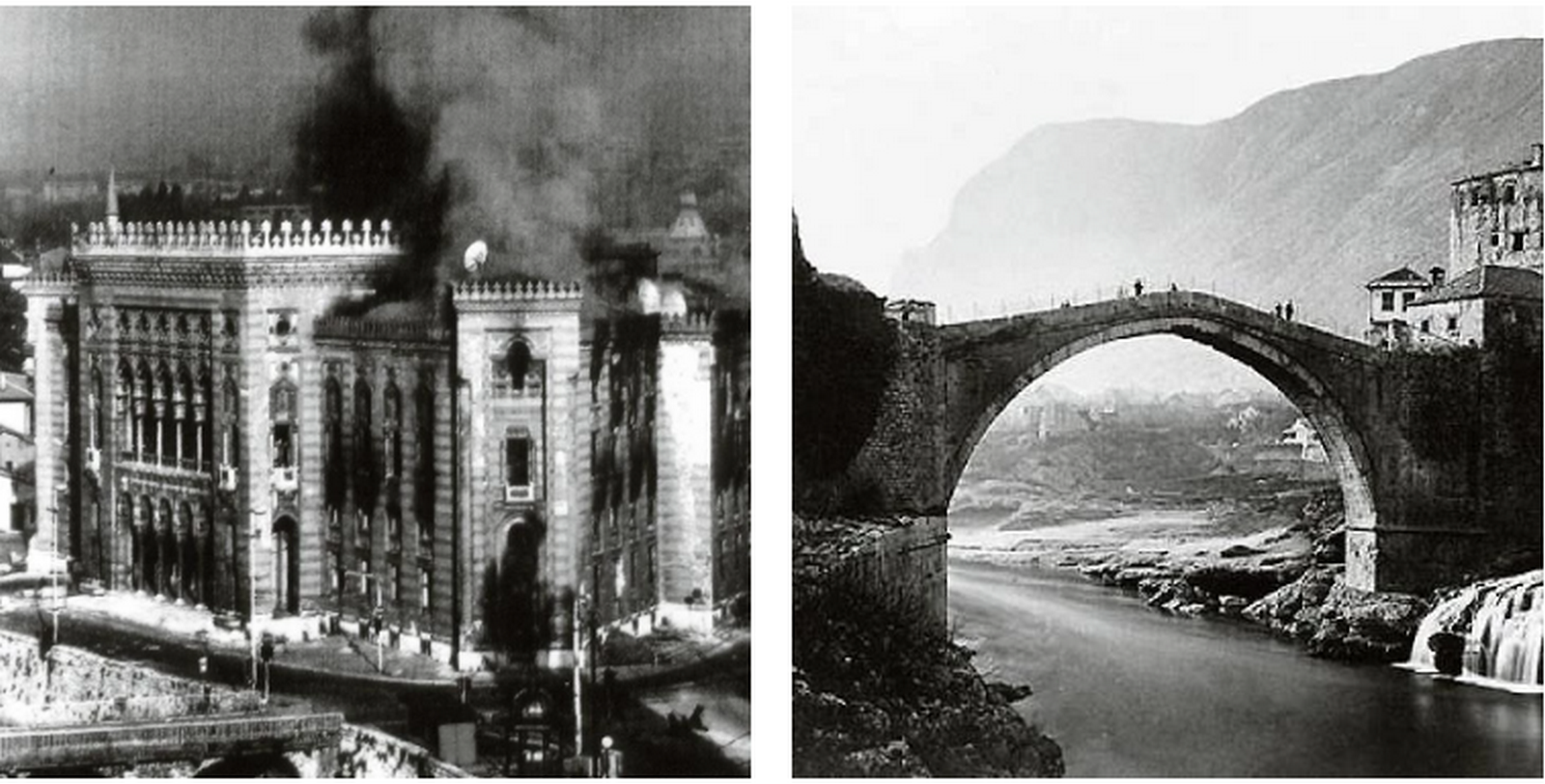
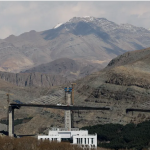
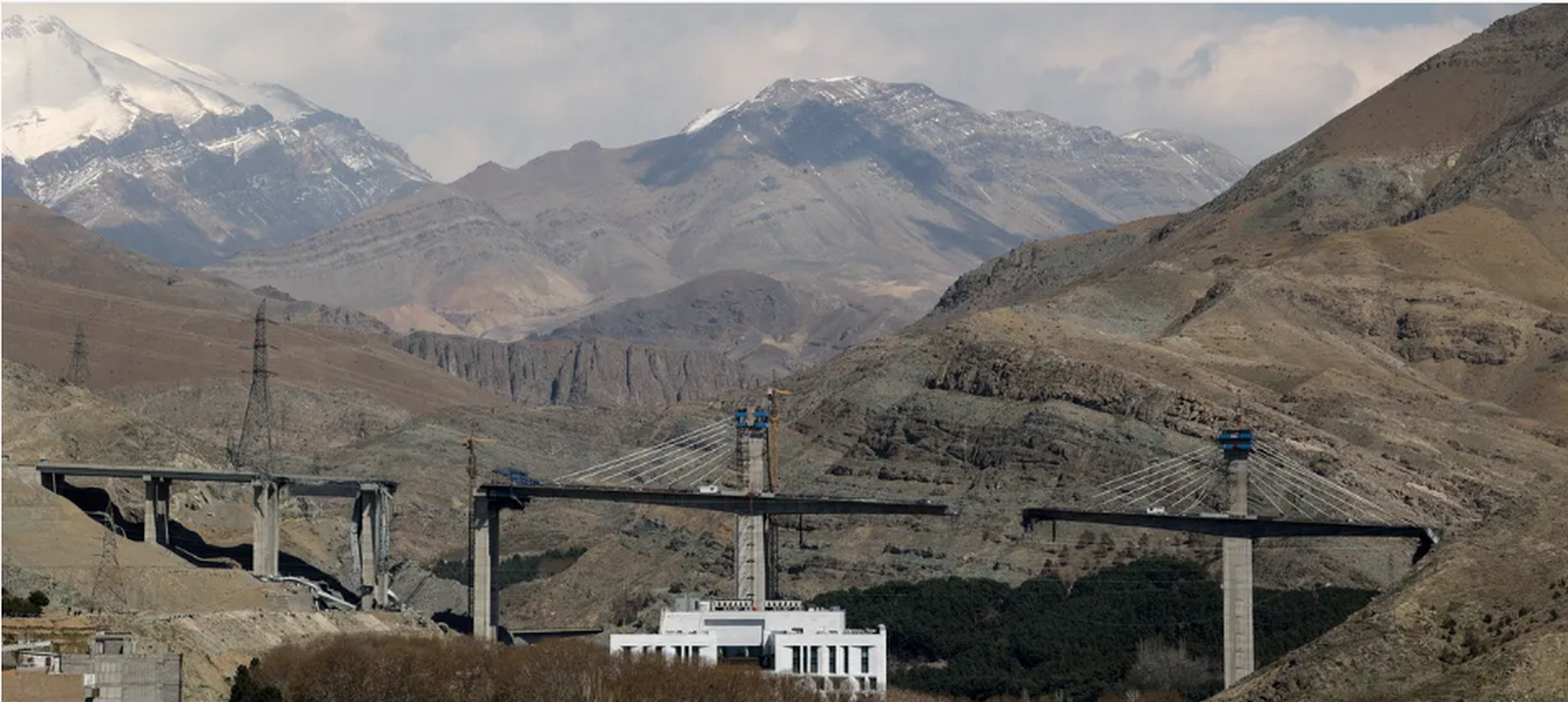
Not only that, infrastructure and high-density areas, such as roads, bridges, schools, and hospitals, are deliberate targets in wars. The recent cases are the US attack on a major bridge in Iran near Karaj.
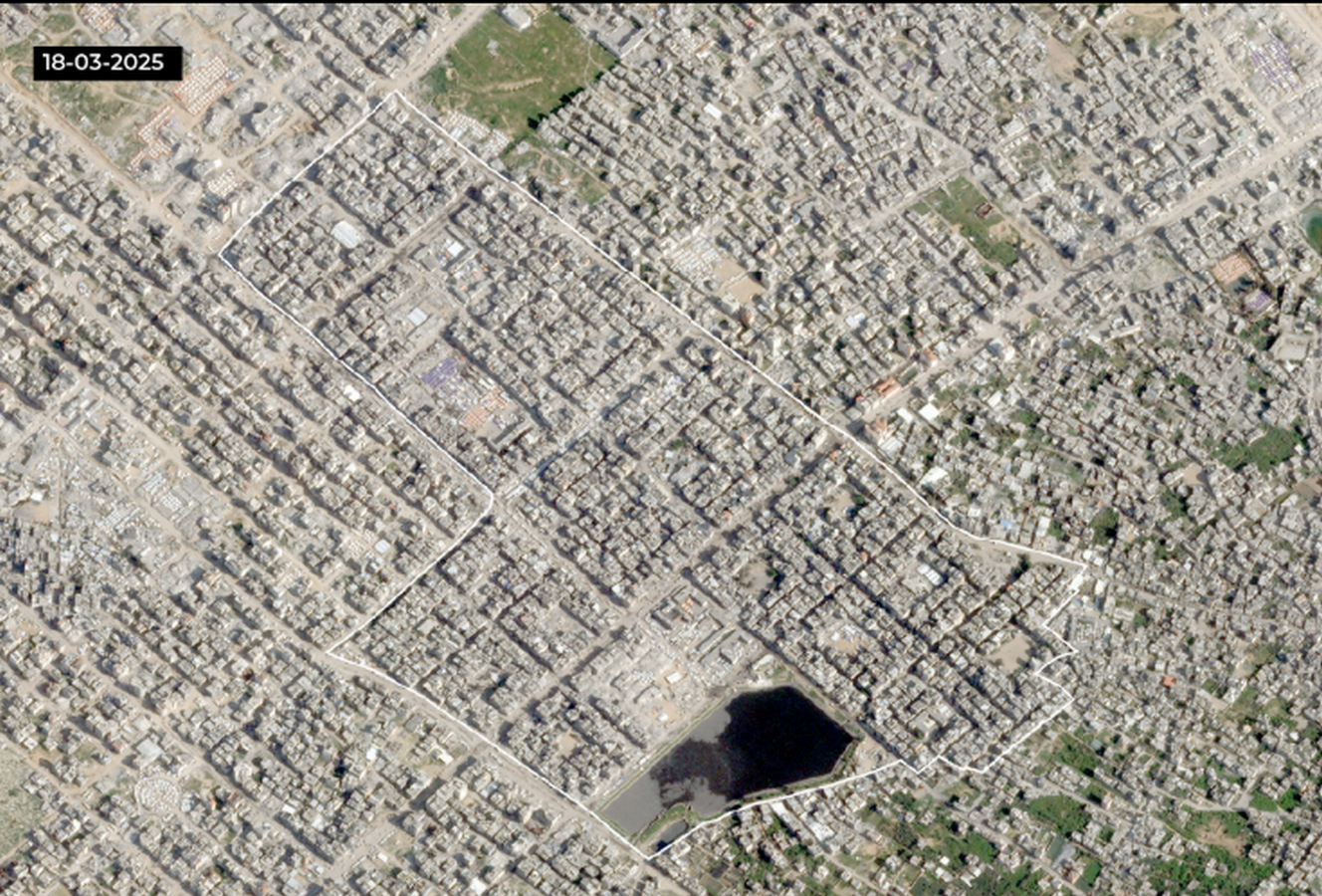
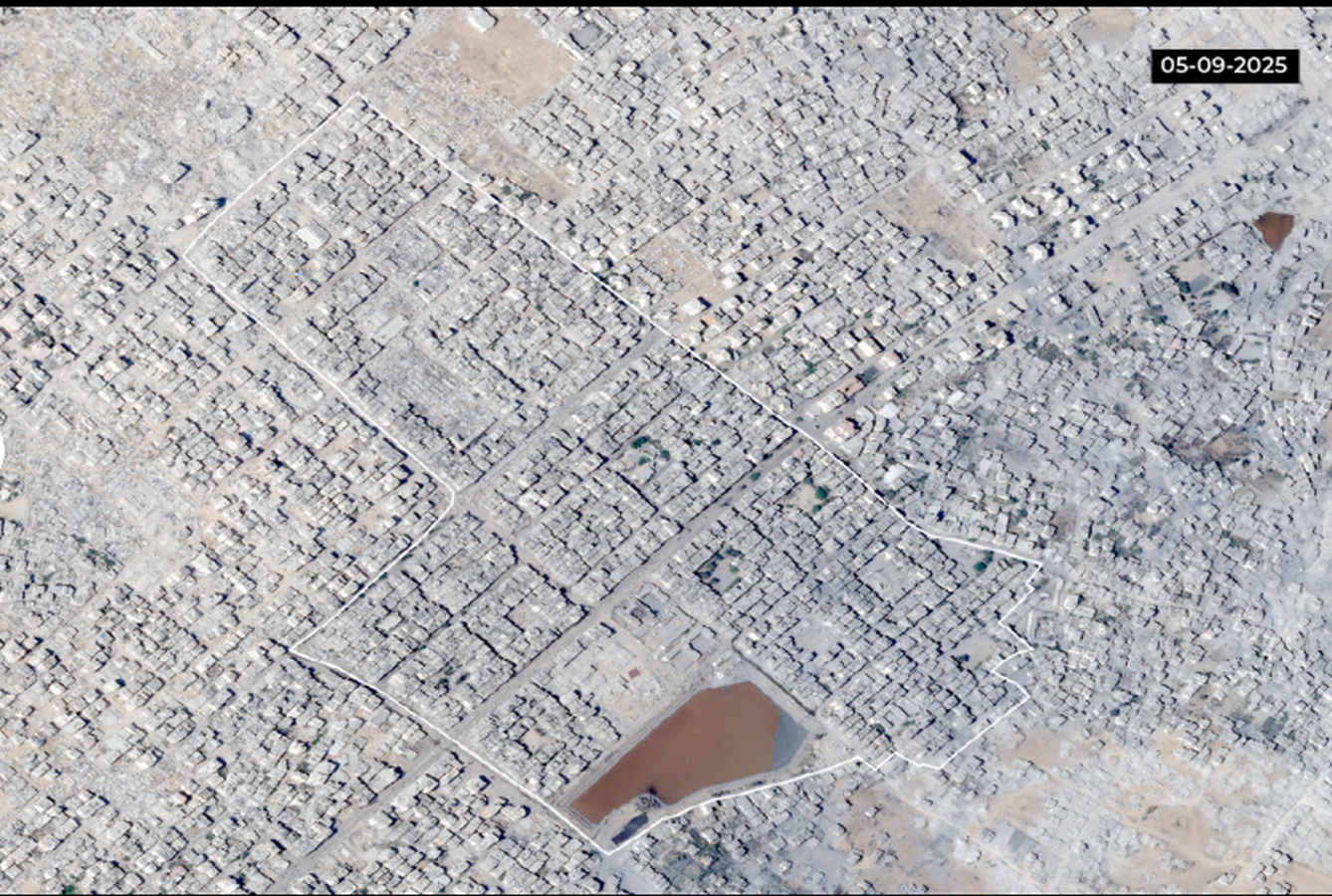
Defensive Architecture: The Invisible Armor of a City
There are ways architecture can serve as an armour or a passive defensive shield to prevent urban warfare from succeeding. Many architects, engineers, and planners have been trying to discover ways in order to protect civilians’ lives and to minimize the effects of explosives. They are utilizing a concept called Crime Prevention Through Environmental Design (CPTED) for warfare and counter-terrorism.
Haussmann’s Design, the Blueprint of Control:
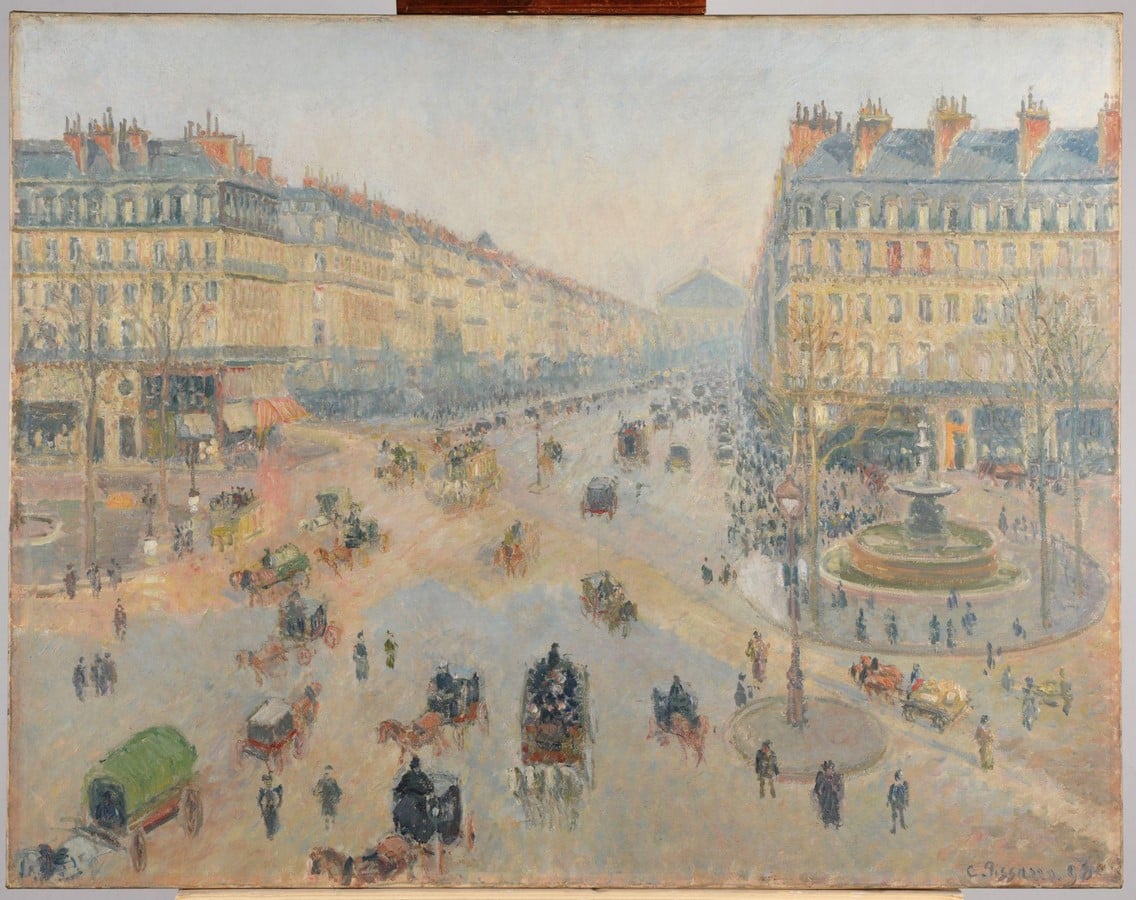
In the 19th century, Paris was redesigned with wide and aesthetic boulevards by Baron Haussmann. The massive streets made it incredibly difficult for revolutionaries to build effective barricades and allowed the state military to easily deploy cavalry and artillery.
Electromagnetic Shielding Films:
Modern buildings like command centers, ministries, or embassies are being constructed using specialized materials like copper mesh layers woven into the concrete or glass coated with electromagnetic-shielding film. This helps in absorbing or scattering the heat, making the building less visible to the thermal imaging cameras used by modern drones.
Subterranean Living:
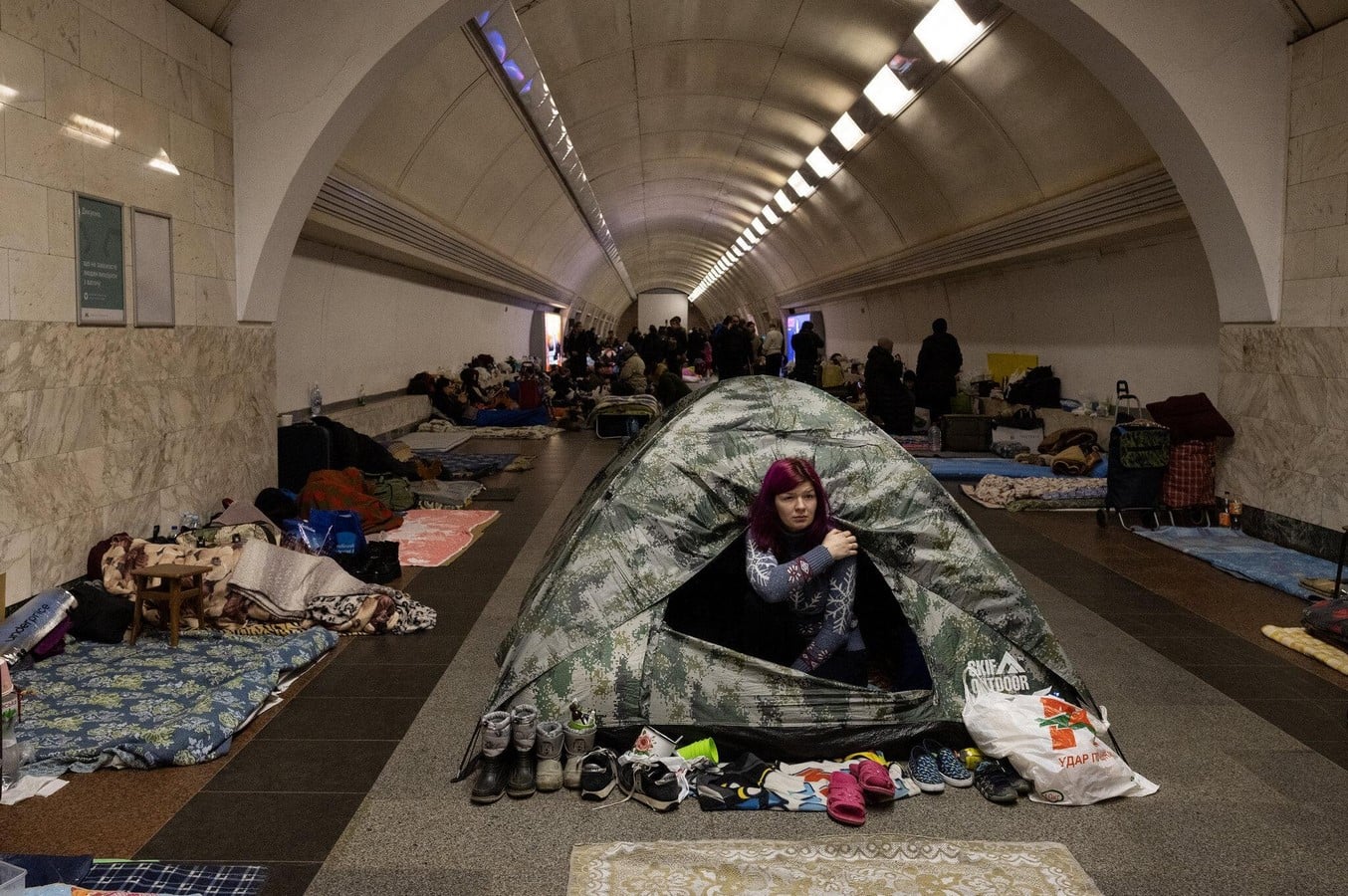
Cities like London, Moscow, Kyiv, and Beijing have built subway systems that serve a dual purpose. In peacetime, they move millions through their subway system, but in wartime, they instantly transform into heavily fortified, climate-controlled nuclear bomb shelters. The architecture of transit is secretly used as the architecture of survival, or giving a Subterranean living.
Camouflaged Urban Furniture:
In current times, most of the capitals use everyday street furniture that hides defensive utility. Sculpted public benches, heavy concrete planters outside government plazas, and reinforced architectural columns are calculated anti-ramming barriers designed to halt explosive vehicle impacts while also maintaining the aesthetic illusion.
Blast-Resistant Aerodynamics:
Modern architecture uses fluid dynamics to survive explosions. Newer skyscrapers and government facilities are now being built with curved, aerodynamic facades, sloped walls, or triangular geometries. When a blast happens, a flat wall absorbs 100% of the shockwave’s energy, which can cause structural failure. A curved or angled building allows the shockwave to wrap around the sides of the structure, reducing the impact pressure and allowing a taller, glass-faced building to stand even after a nearby explosion.
As architecture is a tool of massive-scale destruction, humanity loses more than just concrete. Ultimately, the history of urban conflict proves that while walls can be breached and landmarks can be leveled, the memory and attachment to architecture are commendable. Humans, as much as they are progressing in destroying places and sites, are trying to protect what is precious and finding ways through which architecture can serve as a means of defense.
Reference Links:
Al Jazeera, 2025. Before and After Satellite Images Show How Israel Has Destroyed Gaza City. Available at: https://www.aljazeera.com/news/longform/2025/9/12/before-and-after-satellite-images-show-how-israel-has-destroyed-gaza-city [Accessed 21 June 2026].
Arquitectura Viva, 2022. Urbicidio Balcánico. Available at: https://arquitecturaviva.com/articles/urbicidio-balcanico [Accessed 21 June 2026].
Structure Magazine, 2014. Protective Design Strategy of Blast-Resistant Structures. Available at: https://www.structuremag.org/article/protective-design-strategy-of-blast-resistant-structures/ [Accessed 21 June 2026].
The New York Times, 2022. Russia-Ukraine War Shelters. Available at: https://www.nytimes.com/2022/03/02/world/europe/russia-ukraine-war-shelters.html [Accessed 21 June 2026].
TRT World, 2026. Iranian Engineers Mourn Their Tallest Bridge, Destroyed in US Air Strike. Available at: https://www.trtworld.com/article/9f84a1865ef4 [Accessed 21 June 2026].
Wikipedia, n.d. Haussmann’s Renovation of Paris. Available at: https://en.wikipedia.org/wiki/Haussmann%27s_renovation_of_Paris [Accessed 21 June 2026].
World History Encyclopedia, 2022. Painting of the Siege of Baghdad. Available at: https://www.worldhistory.org/image/11273/painting-of-the-siege-of-baghdad/ [Accessed 21 June 2026].