Starchitecture has transformed the skyline of cities for the past three decades. Cities from Bilbao to Beijing now commission spectacular buildings designed by internationally renowned architects such as Frank Gehry, Zaha Hadid, Norman Foster, Ludwig Mies van der Rohe, hoping to create a legacy of their own. This trend is not merely about aesthetics; it represents a powerful intersection of globalization, urban economics, and cultural branding that has reshaped how cities compete for investment, tourism, and global attention.
The Rise of Starchitecture and the Bilbao Effect
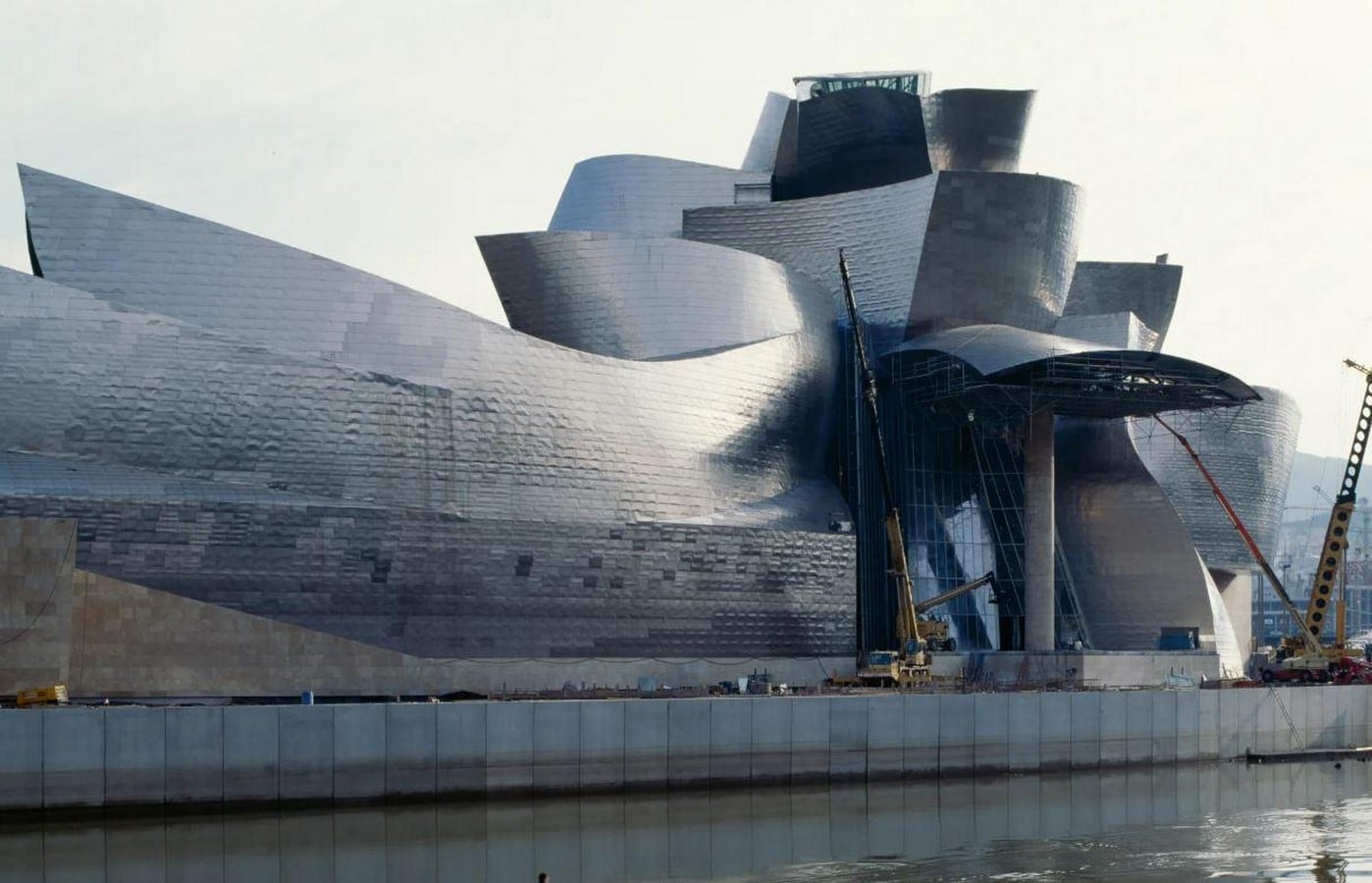
The boom in starchitecture was catalyzed by Frank Gehry’s Guggenheim Museum in Bilbao, inaugurated in 1997. Bilbao was a struggling and polluted industrial port city with high unemployment. The museum’s revolutionary design, featuring glistening titanium sheets, captivated international attention, making it an architectural icon.
The museum’s impact gave birth to the “Bilbao Effect”. In its first three years, the museum drew nearly four million tourists and generated roughly $500 million in economic activity, recovering its construction costs. This success prompted cities worldwide to pursue similar “Guggenheim strategies” by hiring celebrity architects to attract global investments. However, Bilbao’s success was an exception as similar attempts to replicate it in cities like Graz, Austria, and Lucerne, Switzerland, failed to produce the same economic turnaround.
The Human Cost: Labor and Ethics
The architectural profession is facing issues with human and ethical costs in the era of globalization. Abu Dhabi‘s Saadiyat Island project, which hosts branches of the Louvre, the Guggenheim, and New York University (NYU), has been a focal point for labor rights scrutiny. Reports from organizations like Human Rights Watch have highlighted severe labor abuses of migrant workers from countries like Bangladesh and Nepal.
Abuses reported included the confiscation of worker passports, illegal recruitment fees (often exceeding $2,500), and poor housing facilities. In 2013, when hundreds of workers went on strike to protest low wages, they were met with arbitrary arrest and summary deportation by state authorities.
Cultural Identity, Homogenization, and the Local Context
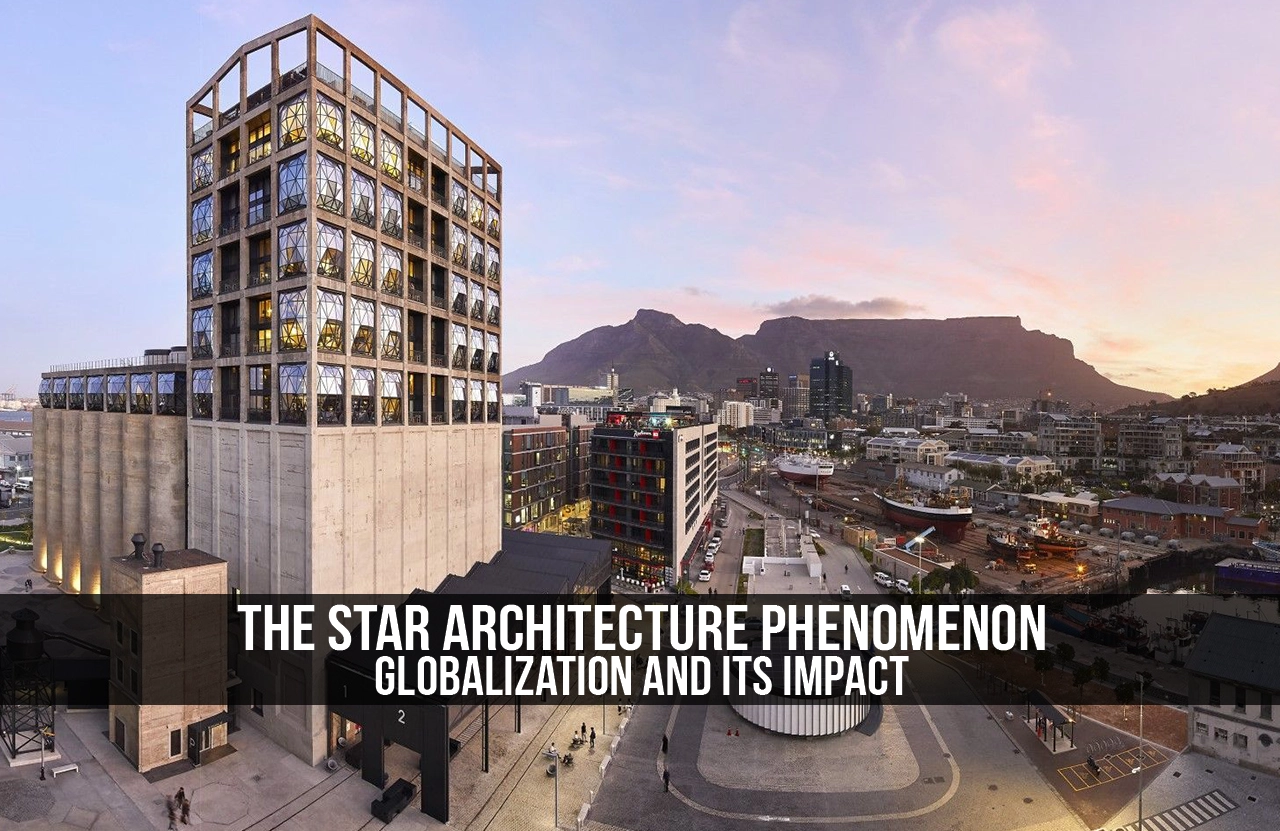
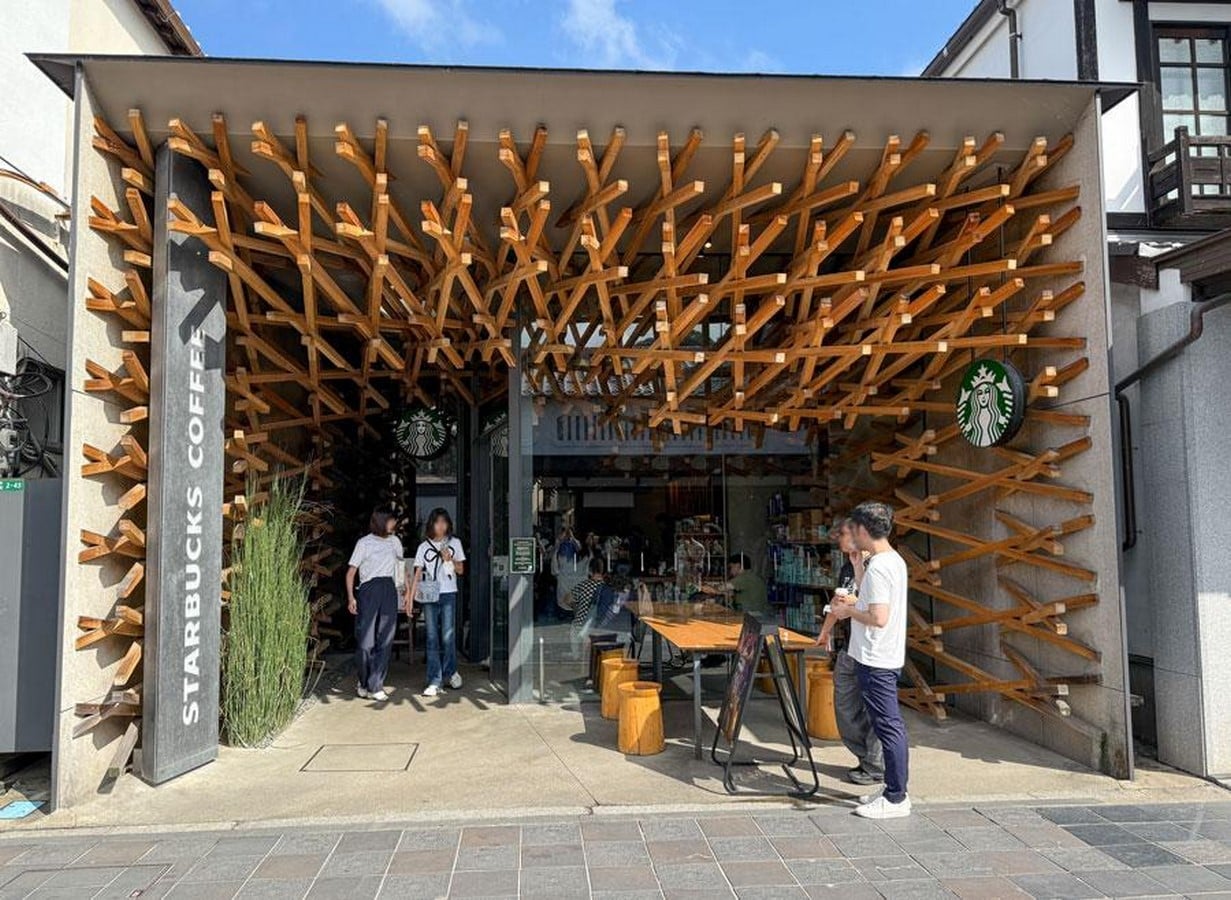
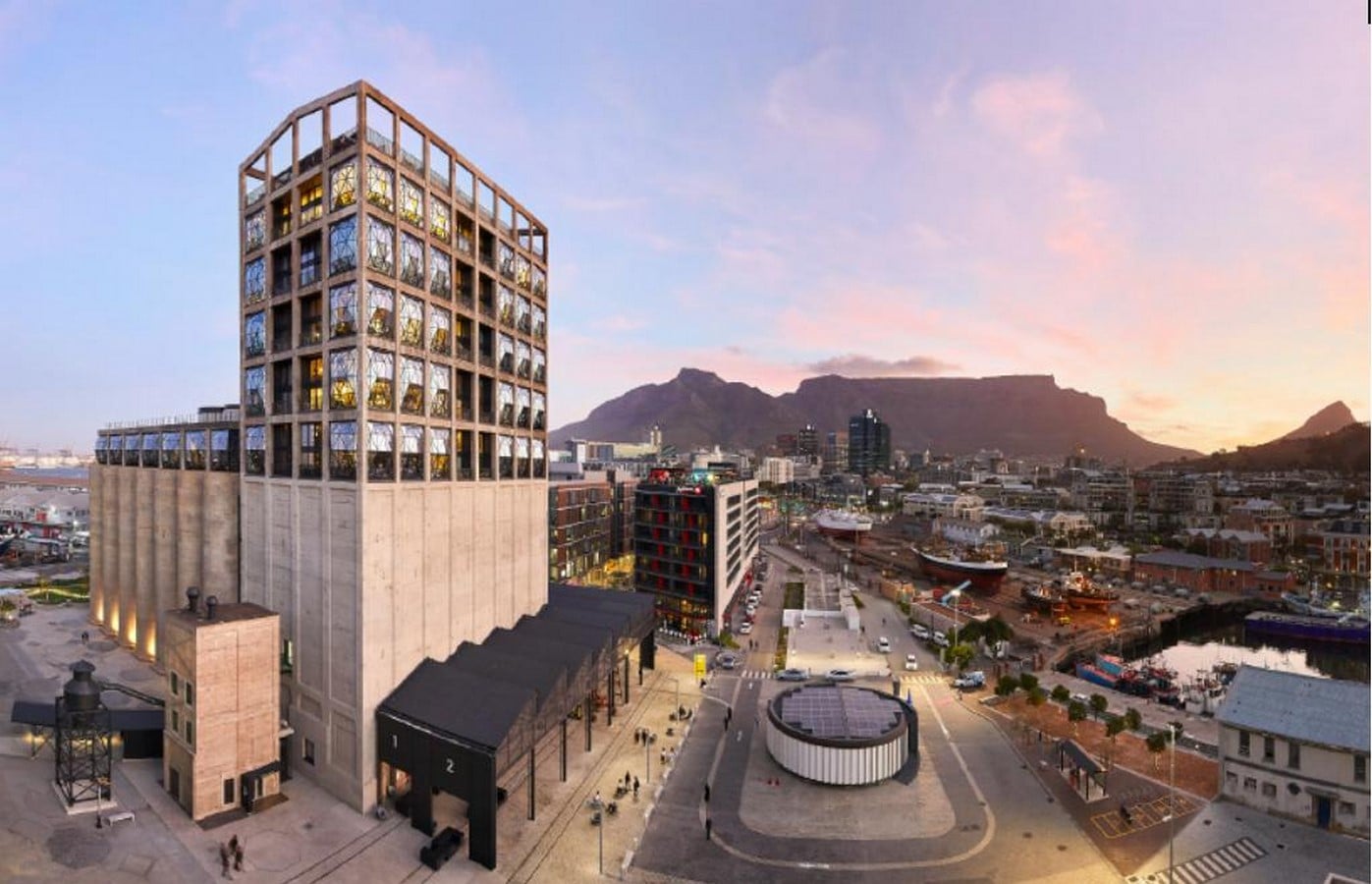
The impact of starchitecture has created a constant dilemma of forging civic sense and risking cultural homogenization in the local context. While these iconic structures often act as powerful tools for rebranding cities, they also raise concerns about the eradication of vernacular architecture. Contemporary projects attempt to combine regional concepts with global design standards. Starbucks Dazaifu Tenmangu, designed by Kengo Kuma, uses a lattice of 2,000 wooden batons to evoke Japanese vernacular. Zeitz MOCAA, designed by Thomas Heatherwick in Cape Town, transformed a complex of apartheid-era grain silos into a museum by hollowing out the original tubes, preserving a piece of industrial history while creating an iconic destination.
However, cities face pressure to balance global demands while maintaining local identity preservation. Profit is often prioritized over heritage, favoring quick construction with imported materials over slow, culturally meaningful building processes. Such buildings feel alien to local populations, weakening the connection between place and identity that has historically anchored communities.
From Starchitecture to Locatecture
Preserving local identity is increasingly achieved through large-scale adaptive reuse, where starchitects blend modern functions with historic structures. The excesses of the starchitecture era have prompted a movement toward “Locatecture”. This shift emphasizes on local practices who possess an experiential understanding of a city’s specific building patterns, quality of light, and historical materials. By moving away from the celebrity model of style over substance, the industry is beginning to prioritize sustainability and social equity as the true measures of a building’s value to its community.
Financial Risks and the Burden of Iconic Projects
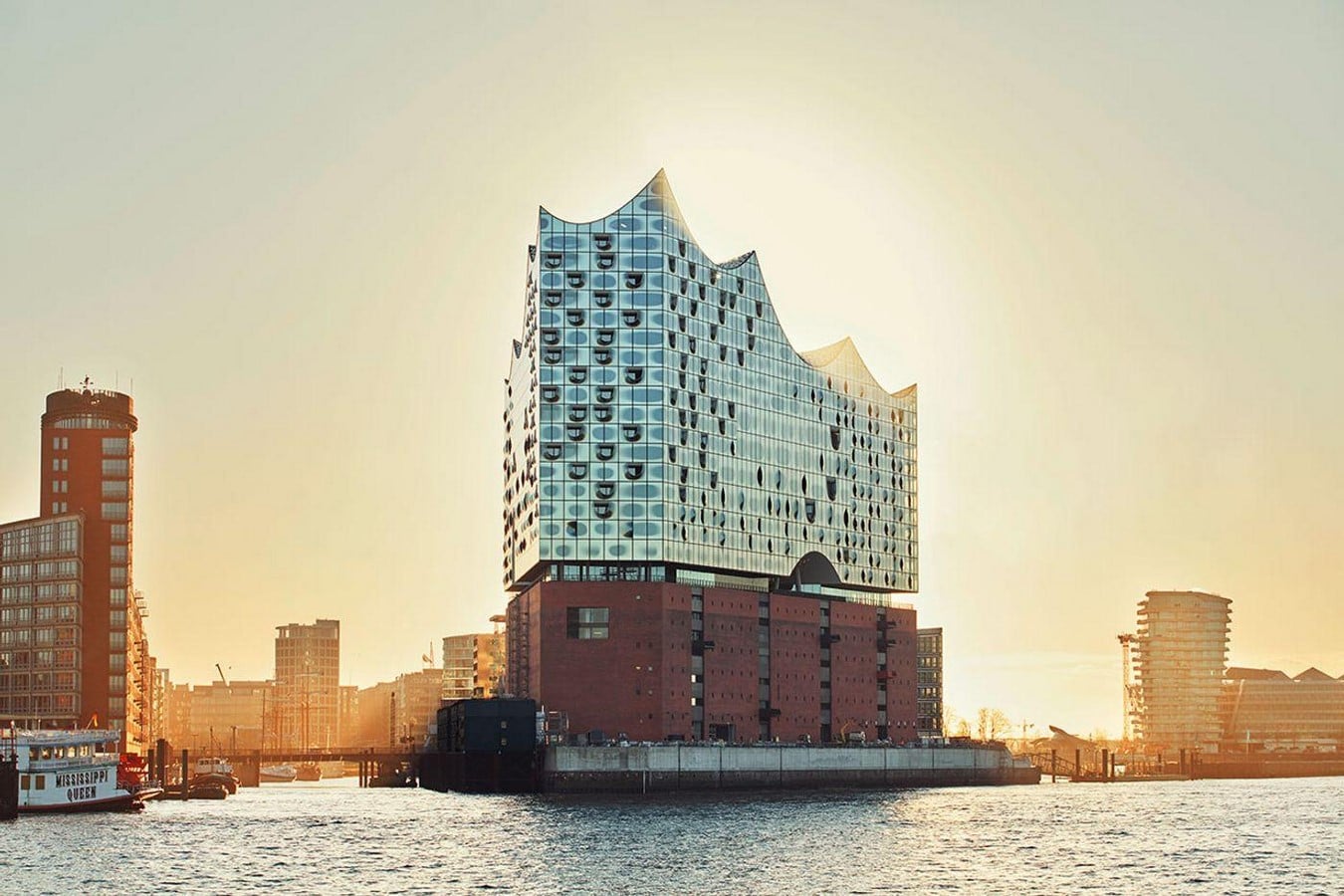
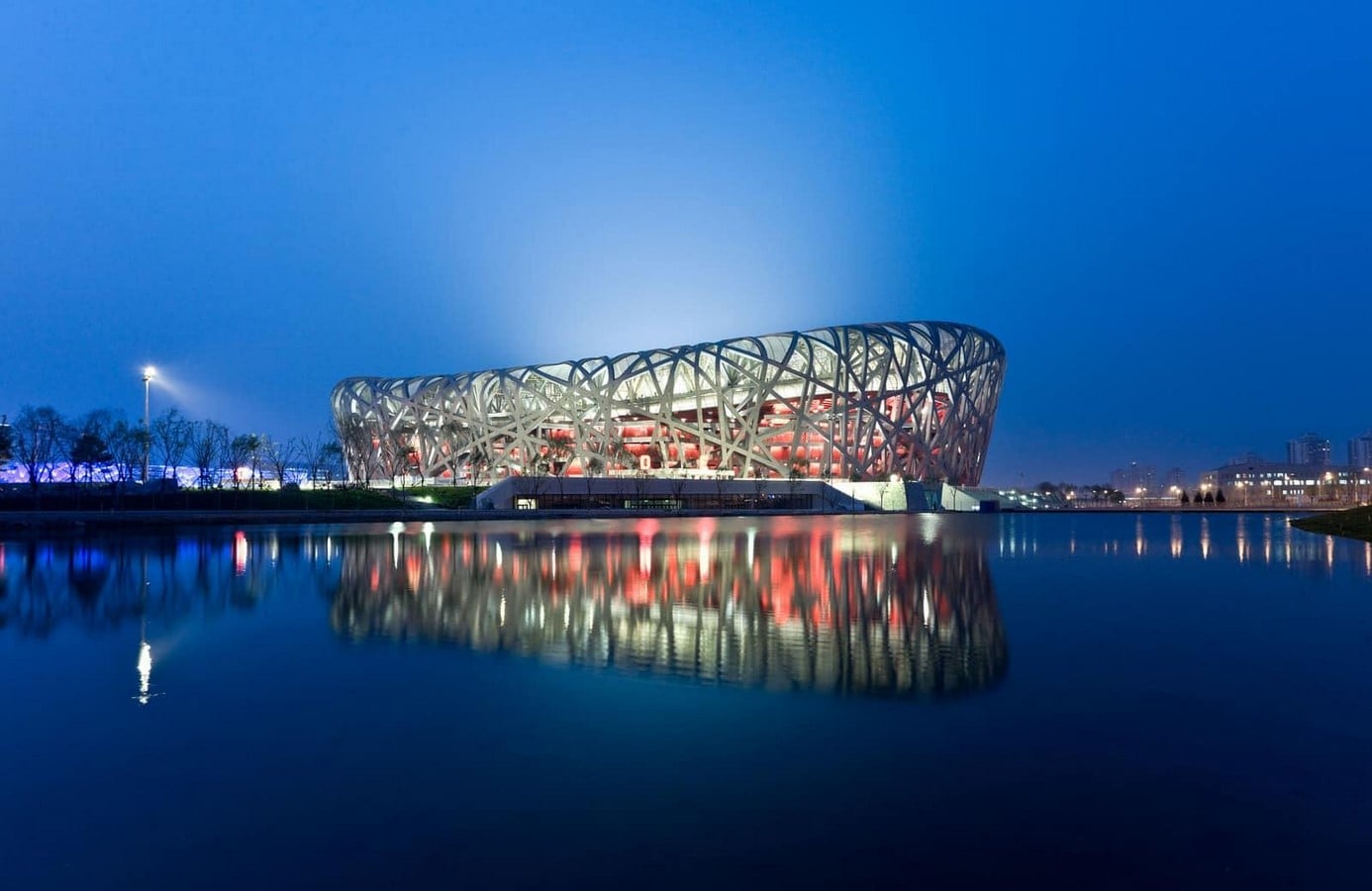
The starchitecture buildings contain high financial risks. Since these buildings are highly visible, the materials and designs are often unique, making expenditures quite high, which must be justified to the public if the money spent belongs to the public. Hamburg’s Elbphilharmonie, designed by Herzog & de Meuron, was initially budgeted at €77 million but eventually cost €789 million and opened seven years later. The budget exploded due to highly customized requirements, including 1,000 hand-blown lamps and 10,000 uniquely carved acoustic panels. These projects have become “white elephants” with expensive structures that are underused upon completion. For example, the Beijing National Stadium (“Bird’s Nest”) faces annual maintenance costs of $11 million despite being underutilized after the 2008 Olympics.
Environmental Responsibility in Contemporary Architecture
The current era is increasingly defined by environmental responsibility due to climate change rather than just creating the “wow factor”. This includes practices such as adaptive reuse, prioritizing energy performance (e.g., LEED, BREEAM) over sculptural drama, and designing buildings that harmonize with their surroundings rather than seeking to overshadow them.
Toward a Globally Informed and Locally Rooted Future
While starchitecture produced undeniable technical and aesthetic marvels, it also intensified social inequality, triggered financial crises, and ignored ecological limits. The larger-than-life persona of the individual starchitect is being replaced by highly managed, multidisciplinary project groups to safeguard the history of a city while adopting sustainable practices. As globalization continues accelerating, the most promising path forward lies in designing buildings that are globally informed yet deeply rooted in the local context, honoring both progress and tradition. Starchitecture will likely remain a feature of global urban development, but its success will depend on whether it can create meaningful, sustainable impacts while preserving local architecture.
Citations-
- https://www.azuremagazine.com/collections/azure-best-of-the-decade-architecture-design/#the-10-most-influential-architecture-projects-of-the-decade
- Ong A. Hyperbuilding: Spectacle, Speculation, and the Hyperspace of Sovereignty, Available at:https://irpcdn.multiscreensite.com/7cf4a121/files/uploaded/Hyperbuilding%2C%20Spectacle%2C%20Speculation%20%26%20Hyperspace.pdf
- Temel C(2014).Bilbao’s Bilbao effect, Available at: https://www.iaacblog.com/programs/bilbaos-bilbao-effect/
- Prelikj K. From Sensationalism to Subtlety: Why Starchitecture Lost Its Shine, Available at: https://architizer.com/blog/inspiration/stories/why-starchitecture-lost-its-shine/
- Jeannerod B(2017). The Louvre Abu Dhabi’s Unlovely Back Story, Available at: https://www.hrw.org/news/2017/11/08/louvre-abu-dhabis-unlovely-back-story