A pool is one of the most permanent design decisions a home can make. Poured in the wrong place or shape, it fights the house forever. Designed well, it becomes the feature every other space orients around.
Treating a pool as architecture, not an accessory, changes everything. In Stratham, New Hampshire, homeowners increasingly plan Pool Design & Installation in Stratham alongside the home itself rather than as an afterthought. That integration is what separates a resort-grade result from a generic rectangle.
Why Should a Pool Be Designed With the House?
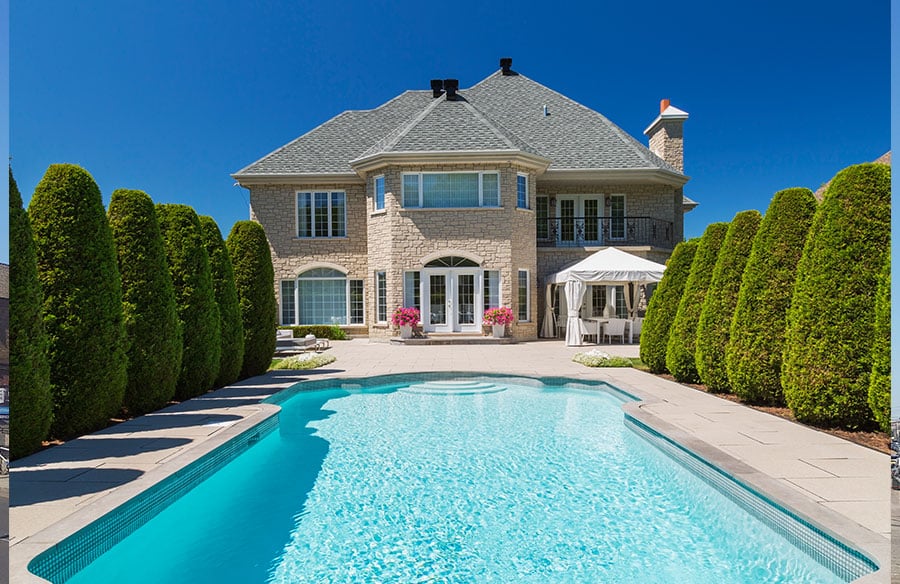
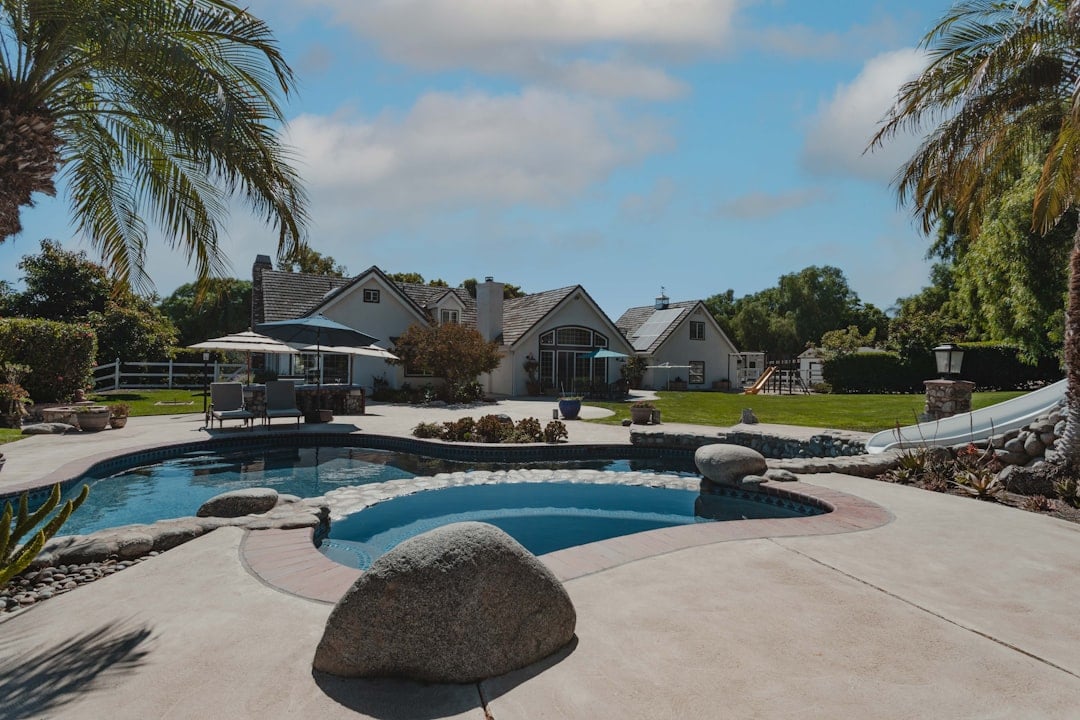
A pool competes with or complements the architecture, never sits neutral. Its lines, materials, and placement all speak to the building behind it. When they agree, the whole property reads as one idea.
Siting is the first design act. The pool should relate to the home’s main sightlines, sun path, and outdoor rooms. A pool you see from the kitchen and living areas earns its keep far more than one tucked out of view.
Proportion matters just as much. A pool scaled to the house and lot feels inevitable, while an oversized one crowds the yard. Good design fixes these relationships before a single yard of soil moves.
Climate shapes the brief too, especially in the northeast. A pool in New Hampshire needs a plan for a short season, winter cover, and freeze protection. Designing for those realities up front keeps a beautiful pool practical year after year.
What Are the Main Types of Residential Pools?
Form follows both use and site. A short list covers the common architectural choices.
- Lap pools. Long and narrow, ideal for exercise and tight, linear lots.
- Plunge pools. A plunge pool is a small, deep pool designed for cooling off, not laps.
- Infinity pools. A vanishing edge that visually merges water with a view.
- Geometric pools. Clean rectangles and L-shapes that suit modern homes.
- Freeform pools. Organic curves that soften naturalistic settings.
How Do Materials Shape the Design?
Materials decide how a pool ages and how it reads. The 3 main shell materials are gunite, fiberglass, and vinyl. Gunite is a sprayed concrete used to form fully custom shells, while fiberglass and vinyl offer faster, more limited options. A well-built gunite pool can last 20 years or more before a major resurface.
 Standards underpin the durable choices. Material and construction safety standards guide everything from concrete mixes to slip-resistant surfaces. Building to them is what keeps a beautiful pool sound for decades.
The edge is where design shows. A pool’s coping is the capped edge where the water meets the deck. Matching coping and decking to the home’s stone or concrete ties the whole composition together.
What About Safety and Siting?
Great design and safety are not in tension. A few layers can be designed in without spoiling the look:
- Barriers. A 4-foot fence or wall enclosing the pool area.
- Covers. A safety cover rated to hold real weight.
- Alarms. Gate and immersion alarms for early warning.
- Sightlines. Clear views of the water from the main rooms.
Planning these early avoids ugly retrofits later.
The stakes are real, which is why guidance on drowning prevention stresses layered protection like fencing and alarms. A well-designed pool treats these as architectural elements, not afterthoughts. Fencing can echo the home’s lines rather than fight them.
Drainage and grading round out the siting. Water must move away from both the house and the pool deck. Getting this right protects the foundation and keeps surfaces safe underfoot.
How Do You Get the Design Right?
The surest route is to design pool and outdoors together from day one. A single vision keeps materials, lines, and levels in agreement. Reviewing the materials to use around a pool early helps clarify what suits the home.
Detail choices then reinforce the concept. Coordinated finishes, and even a matching poolhouse design, keep the palette tight. Restraint reads as luxury far more than variety does.
A design-build team keeps that intent intact. One group handling both design and construction means fewer translation errors between plan and pour. Trade-offs get weighed against the whole design, not one line item at a time. The result looks composed rather than assembled.
What to Keep In Mind
- A pool is a permanent architectural decision, not a backyard accessory.
- Siting to sightlines, sun, and outdoor rooms is the first design act.
- Pool type should follow both use and the shape of the lot.
- Gunite allows fully custom shells; fiberglass and vinyl trade shape for speed.
- Safety features like fencing can be designed to match the architecture.
- Designing pool and home together produces the most cohesive result.
Designing Water Into the Home
The best residential pools never look added on. They share the home’s materials, lines, and logic, so the water feels like part of the plan. Design a pool as architecture, and it rewards the whole property with beauty and value for decades.
FAQ
What Is the Most Durable Pool Material?
Gunite, a sprayed concrete, forms the most customizable and long-lasting shells. Fiberglass is quick to install and low-maintenance but limited in shape. Vinyl is the most affordable but needs periodic liner replacement.
How Do I Choose a Pool Shape?
Match the shape to how you will use it and to the lot. Lap pools suit exercise and narrow sites, while geometric forms fit modern homes. Freeform shapes soften more natural settings.
Can a Pool Be Both Safe and Attractive?
Yes. Fencing, covers, and alarms can be designed to complement the architecture. Planning safety early keeps it from looking like an afterthought.
Should I Design My Pool and Yard Together?
Designing the pool alongside the wider outdoor plan produces the most cohesive result. It keeps materials, levels, and sightlines aligned. Phased builds still benefit from one master plan up front.