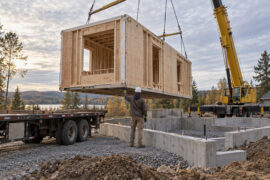
At first glance, building a home and constructing an office, retail space, or warehouse may seem to involve the same basic process. Both require planning, permits, materials, skilled labor, and careful project management. In practice, however, residential and commercial projects differ significantly in scale, regulations, scheduling, budgeting, and stakeholder expectations. Understanding residential vs commercial construction helps explain why general contractors must adapt their methods depending on the type of property they are responsible for delivering.
Project Scope and Complexity
One of the clearest differences between residential construction and commercial construction is the typical scope of the work. Residential projects often include single-family homes, renovations, additions, and smaller developments, while commercial projects may involve offices, hotels, retail properties, warehouses, or mixed-use buildings. The distinction is not only about size. Commercial sites usually involve more complex systems, larger teams, and multiple stakeholders. For example, general contractors from Miami may manage very different structural, logistical, and environmental demands depending on the property type. Residential work can also require extensive customization based on the homeowner’s preferences.
Codes, Permits, and Regulatory Requirements
Both project types must comply with building codes, zoning rules, and permit requirements, but commercial construction often faces additional layers of regulation. Requirements may cover accessibility, fire protection, emergency exits, occupancy limits, structural loads, and specialized mechanical or electrical systems. Residential projects follow their own inspection and permitting procedures, which may vary depending on whether the work involves a new build, addition, or renovation. Contractors must understand the applicable requirements before work begins, as missed permits or failed inspections can lead to redesigns, fines, and scheduling delays.
Scheduling and Project Phasing
Scheduling is important in all construction, but the level of coordination can differ considerably. A residential project may follow a relatively straightforward sequence involving site preparation, structural work, utilities, finishes, and inspections. Commercial projects often require several trades to work simultaneously or in carefully planned phases. Contractors may need to coordinate large material deliveries, specialized installations, inspections, and partial handovers. When work takes place in an occupied commercial property, certain tasks may need to happen outside normal business hours to reduce disruption to employees, customers, or tenants.
Budgeting and Cost Control
The financial structure of residential vs commercial projects can also differ. Residential clients often focus closely on individual material choices, finishes, and upgrades because these decisions directly affect how they will use the property. Commercial budgets may involve larger procurement packages, formal reporting requirements, and stricter cost controls across multiple phases. General contractors must track labor, materials, equipment, subcontractor expenses, and change orders throughout the build. On larger commercial projects, even a short delay can create substantial additional costs, making accurate forecasting and contingency planning especially important.
Subcontractor and Workforce Coordination
Commercial projects generally involve a larger number of specialized subcontractors. In addition to electricians, plumbers, carpenters, and concrete crews, the project may require specialists in fire suppression, elevators, security systems, access control, data infrastructure, or industrial equipment. Managing these teams requires detailed scheduling and clear communication. Contractors must prevent one trade from delaying or interfering with another. Residential construction usually involves smaller crews, but coordination remains essential. A delay in plumbing, electrical work, or inspections can still prevent later stages from moving forward.
Client Communication and Decision-Making
Communication structures often differ between the two sectors. On a residential project, the contractor may communicate directly with the homeowner, who makes decisions based on personal preferences, budget, and lifestyle needs. This can involve frequent discussions about layouts, finishes, fixtures, and design changes. Commercial construction may involve developers, architects, engineers, investors, property managers, and corporate representatives. Decisions may require approval from several parties, creating a more formal process. Contractors often need to provide detailed progress reports, schedules, cost updates, and documentation before changes are authorized.
Materials, Equipment, and Building Systems
The materials and systems used in residential and commercial buildings can vary significantly. Homes typically use systems designed for smaller loads and lower occupancy levels. Commercial properties may require higher-capacity HVAC systems, complex electrical infrastructure, fire protection, security systems, elevators, and commercial-grade finishes. Equipment requirements can also differ, with larger sites sometimes needing cranes, lifts, loaders, or other specialized machinery. Procurement planning is therefore critical, particularly when custom components or major mechanical systems have long lead times.
Safety and Site Management
Every construction site requires effective safety procedures, but commercial projects often involve more extensive site-management systems. Larger crews, heavy equipment, multiple subcontractors, and public access can create additional risks that must be controlled. Contractors may manage access points, conduct regular safety meetings, document inspections, and coordinate work across several active areas. Residential sites may be smaller, but hazards such as falls, electrical work, power tools, and structural changes still require careful supervision. Consistent safety practices are essential regardless of project type.
Final Thoughts
The residential vs commercial distinction affects nearly every part of a general contractor’s job. Project scale, regulations, budgets, communication, workforce coordination, and building systems all influence how the work is managed. Successful contractors adjust their processes to match the demands of each project, helping ensure that construction remains organized, compliant, safe, and aligned with the client’s goals.