Introduction: The Macro and Micro of Spatial Experience
In contemporary architectural discourse, significant emphasis is placed on the macro-elements of design: volumetric flow, fenestration patterns, structural frameworks, and the seamless transition between indoor and outdoor environments. Yet, the human experience of architecture is inherently tactile and micro-scaled. A user does not merely inhabit a blueprint; they interact directly with the surfaces, textures, and objects that populate a space.
Among these interior elements, furniture acts as the ultimate intermediary between the rigid, unyielding parameters of built structures and the soft, organic requirements of the human body.
The wooden sofa—a staple of both vernacular and modernist interior typologies—epitomizes this design challenge. While the exposed timber frame provides a celebration of structure, grain, and permanence, it demands an equally thoughtful counterpart to fulfill its functional purpose: the cushion. Rethinking the design, ergonomics, and materiality of the wooden sofa cushion is not merely an exercise in interior styling; it is a fundamental consideration of how we construct comfort within the modern home.
1. The Materiality Paradox: Rigid Timber vs. Pliant Textile
At its core, the pairing of a wooden frame with upholstered cushioning represents a classic study in material juxtaposition. Timber is architectural; it possesses tectonic strength, predictable load-bearing capabilities, and an aesthetic that matures over time through patination. Conversely, cushioning introduces the element of ephemerality—softness, flexibility, and thermal comfort.
When designing for high-end residential or commercial spaces, architects and interior designers must navigate this material dialogue. The choice of timber—whether the deep, rich tones of solid teak, the pronounced grain of sheesham, or the pale minimalism of ash—dictates the visual weight of the furniture. However, the cushion defines the tactile interface.
The Tectonic Language of Seating
When a cushion is poorly specified, it creates a discordance in the design language. A cushion that is too soft collapses entirely, forcing the user onto the hard wooden support beneath and defeating the purpose of the ergonomic frame. Conversely, an overly rigid cushion masks the welcoming nature that residential spaces require. The objective is to achieve a balanced composition where the pliant textile honors the clean lines of the wooden chassis without sacrificing structural comfort.
2. Ergonomics and the Psychophysiology of Comfort
Comfort is rarely subjective; it is a measurable science governed by anthropometrics and ergonomics. When applied to wooden furniture, the geometry of the seat frame must work in tandem with the compression dynamics of the cushioning.
Compression and Foam Architecture
The interior composition of a high-quality cushion typically relies on a layered foam core. To optimize seating over extended periods, designers look at two critical metrics: Density (measured in $kg/m^3$) and Indentation Load Deflection (ILD).
- The Base Layer: A high-density, high-ILD polyurethane foam forms the foundational core. This layer ensures that the cushion does not bottom out against the wooden slats or solid base of the sofa cushion set of 10.
- The Comfort Layer: A lower-density memory foam or a plush layer of natural latex wraps the core, providing the initial “sink-in” feeling that accommodates the natural contours of the pelvis and lumbar spine.
- The Wrapping: A final encasement in polyester dacron or natural down feathers softens the edges, preventing the cushion from looking clinical or boxy, while giving the textile cover a smooth, tailored fit.
Design Note: In modern hybrid living environments, where the living room sofa frequently doubles as a casual workspace, proper ergonomic support reduces muscle fatigue and promotes spinal alignment. The cushion must support an optimal seating angle—typically a 100° to 105° backrest inclination relative to the seat pan.
3. Typologies of the Modern Cushion: A Spatial Analysis
The silhouette of a cushion significantly alters the perceived volume of a room. For example, low-profile, continuous bench cushions accentuate horizontal lines, making a mid-century modern living room feel more expansive and grounded.
| Cushion Typology | Architectural Impact | Best Suited For |
|---|---|---|
| Box Cushions | Clean, geometric profiles with distinct side panels (welting); emphasizes structural alignment. | Minimalist, Scandinavian, and Modernist frames. |
| Tufted/Buttoned | Introduces shadow lines, texture, and traditional craftsmanship; breaks up flat planes. | Industrial lofts, eclectic spaces, and classic colonial woodwork. |
| Knife-Edge Cushions | Tapered edges that create a casual, relaxed aesthetic; minimizes bulk. | Organic modernism, coastal spaces, and lightweight accent chairs. |
| Split-Back Cushions | Divides the seating plane vertically; allows for modular movement and visual rhythm. | Large sectional wooden sofas and contemporary open-plan layouts. |
By manipulating these typologies, an interior designer can either camouflage the wooden framework or turn it into the focal point of the room. A box cushion nested perfectly within an inset wooden frame honors the rules of precision architecture, whereas an overlapping, overstuffed cushion introduces a casual, organic counterpoint to the timber’s discipline.
4. Sustainability and the Principle of Circular Longevity
As the architectural community shifts toward circular design economies, the longevity of interior elements has come under intense scrutiny. Fully upholstered sofas present a notable ecological challenge: when the fabric tears or the internal springs sag, the entire piece of furniture often ends up in a landfill because separating the materials for recycling is notoriously difficult.
Herein lies the environmental brilliance of the wooden sofa system. A solid wood frame can easily last for generations, requiring nothing more than occasional oiling or refinishing. The cushion, meanwhile, represents a modular component that can be maintained, recovered, or completely replaced without compromising the core asset.
Sustainable Material Selection
To align with green building certifications (such as LEED or BREEAM), the specification of the cushion’s components must match the sustainability of the certified timber frame:
- Textiles: Prioritizing natural, biodegradable fibers like Belgian linen, organic hemp, or heavy-duty wool. These materials offer high durability—often rated via the Martindale method to over 30,000 rubs—while remaining breathable and chemically inert.
- Fillings: Replacing petroleum-based foams with natural rubber latex derived from rubber trees, or using recycled post-consumer plastic fibers for outdoor wooden furniture applications.
- Removability: Ensuring all covers utilize high-quality hidden zippers. This allows for frequent cleaning, extending the lifespan of the textile and keeping the interior environment hygienic.
5. Curation: Integrating Color, Texture, and Light
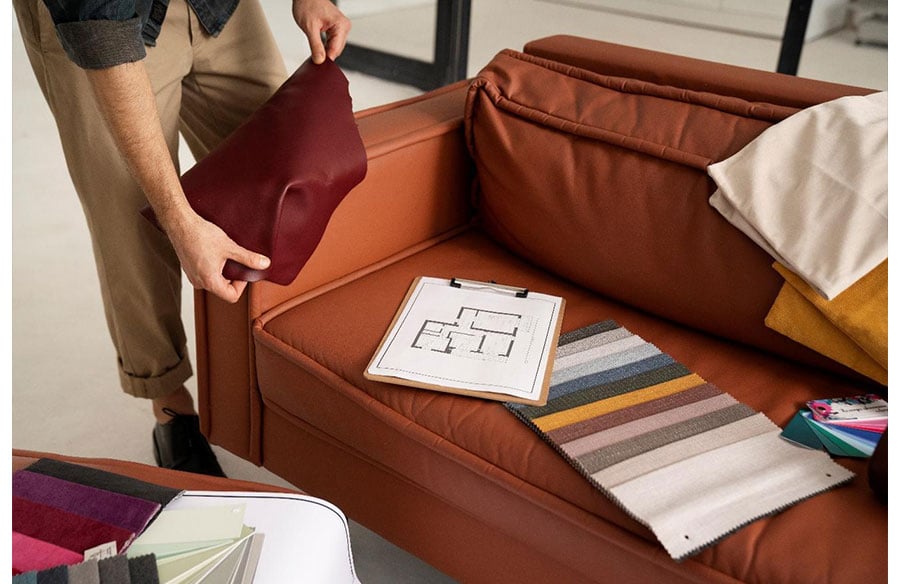
From a purely aesthetic standpoint, the cushion is the primary vehicle for introducing color and texture into a timber-heavy space. Wood inherently absorbs light and exudes warmth through its earthy undertones. The upholstery of the cushion can either harmonize with this warmth or offer a stark, deliberate contrast.
The Interplay of Light and Texture
In spaces featuring abundant natural light, heavily textured fabrics like bouclé, tweed, or deep-weave jacquard create a dynamic interplay of light and shadow across the cushion’s surface. This texture balances the smooth, flat planes of polished timber.
Color palettes also dictate spatial mood. Neutral tones—oatmeal, charcoal, and warm taupe—create a serene, gallery-like atmosphere that allows the natural beauty of the wood grain to stand out. On the other hand, bold jewel tones like emerald green, sapphire, or burnt terracotta can draw the eye inward, transforming a functional seating arrangement into an sculptural anchor within an open-plan layout.
Conclusion: Synthesizing Structure and Comfort
The ultimate success of an interior space relies on the harmony of its constituent parts. When we analyze the built environment through the lens of human interaction, furniture design reveals itself to be architecture at its most intimate scale.
The wooden sofa is an enduring icon of design because it celebrates structural honesty. However, its architectural narrative is incomplete without proper cushioning. By carefully evaluating foam density, ergonomic geometry, textile sustainability, and spatial typology, designers can ensure that these seating elements provide an unparalleled tactile experience. Ultimately, rethinking the internal components of the home ensures that our spaces are not merely beautiful to look at, but deeply restorative places to live.