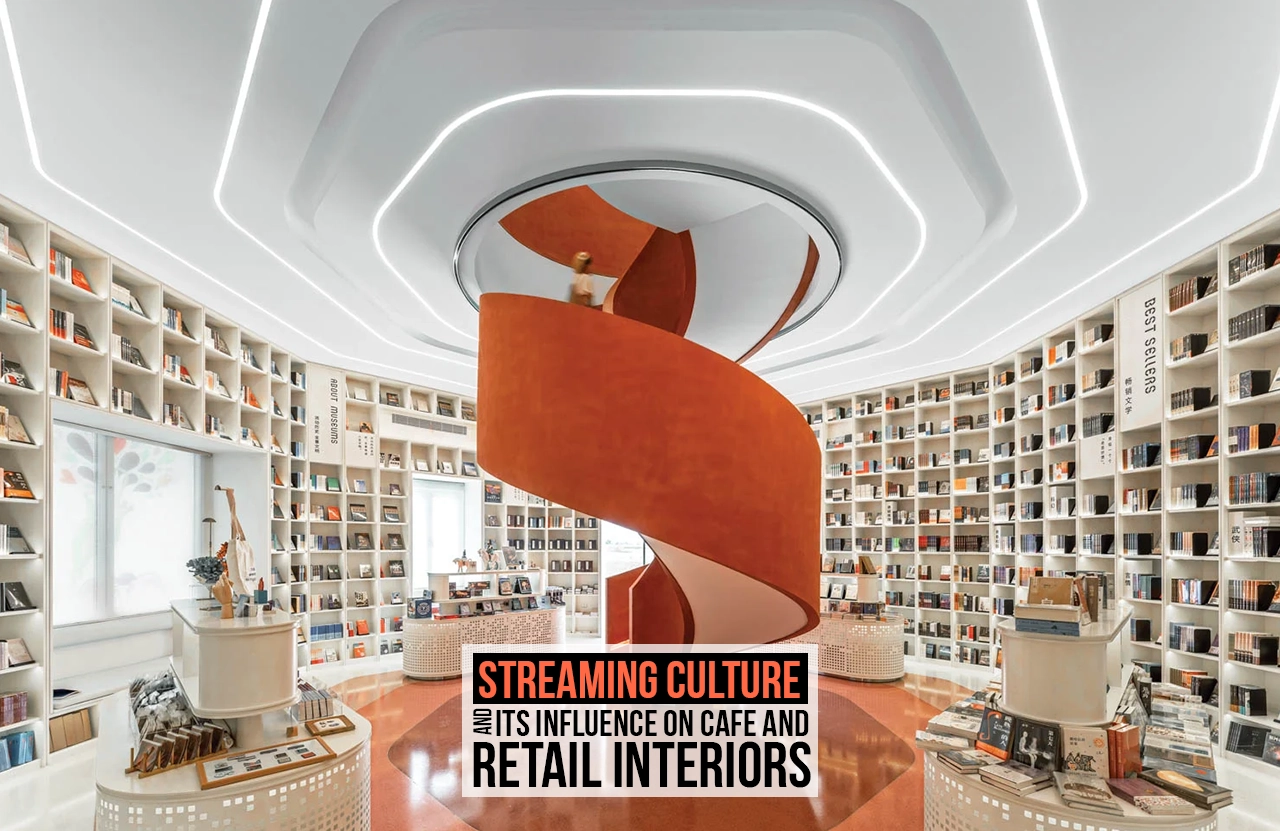
In 2026, we live in the age of social media, where influencers and content creators are thriving, each one trying to surpass the next to tap into the latest microtrend before the rest. With attention spans dwindling and media literacy following suit, it’s easy to see the impact social media has on people’s lifestyles and preferences. One of which, most notably, is clear in the interior design of spaces. Cafes are ranked by “aesthetics” and whether they’re “Instagrammable,” and designers are pushed to follow trends and create spaces catered to the masses. The same can be seen in retail spaces. Stores follow the latest fashion and lifestyle trends, and their interiors are designed to reflect these trends. But how exactly is the internet age bleeding into the design of interior spaces, and how do brands step out of this cookie-cutter mould that a viral reel slaps on?
The Internet Age
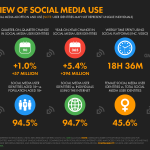
With rapidly evolving technology and the pressure to keep up, people with internet access are constantly fed information. Be it advertisements, short videos, posts, or even movies and shows, there is someone behind a screen telling people, “You need this, this one thing changed my life. It made me rethink my choices before it. You should try it, too.” This has been the case throughout the ages (for as long as communication existed, really), with people getting influenced to do or produce things they like because someone else told them to. But this phenomenon seems to be the most widespread right now. As of 2025, around 74% of the world has access to the internet (World Bank Open Data, 2025), and as of April 2026, “The latest figures indicate that 94.7% of the world’s internet users, regardless of age, now use social media each month.” (DataReportal.com, 2026)
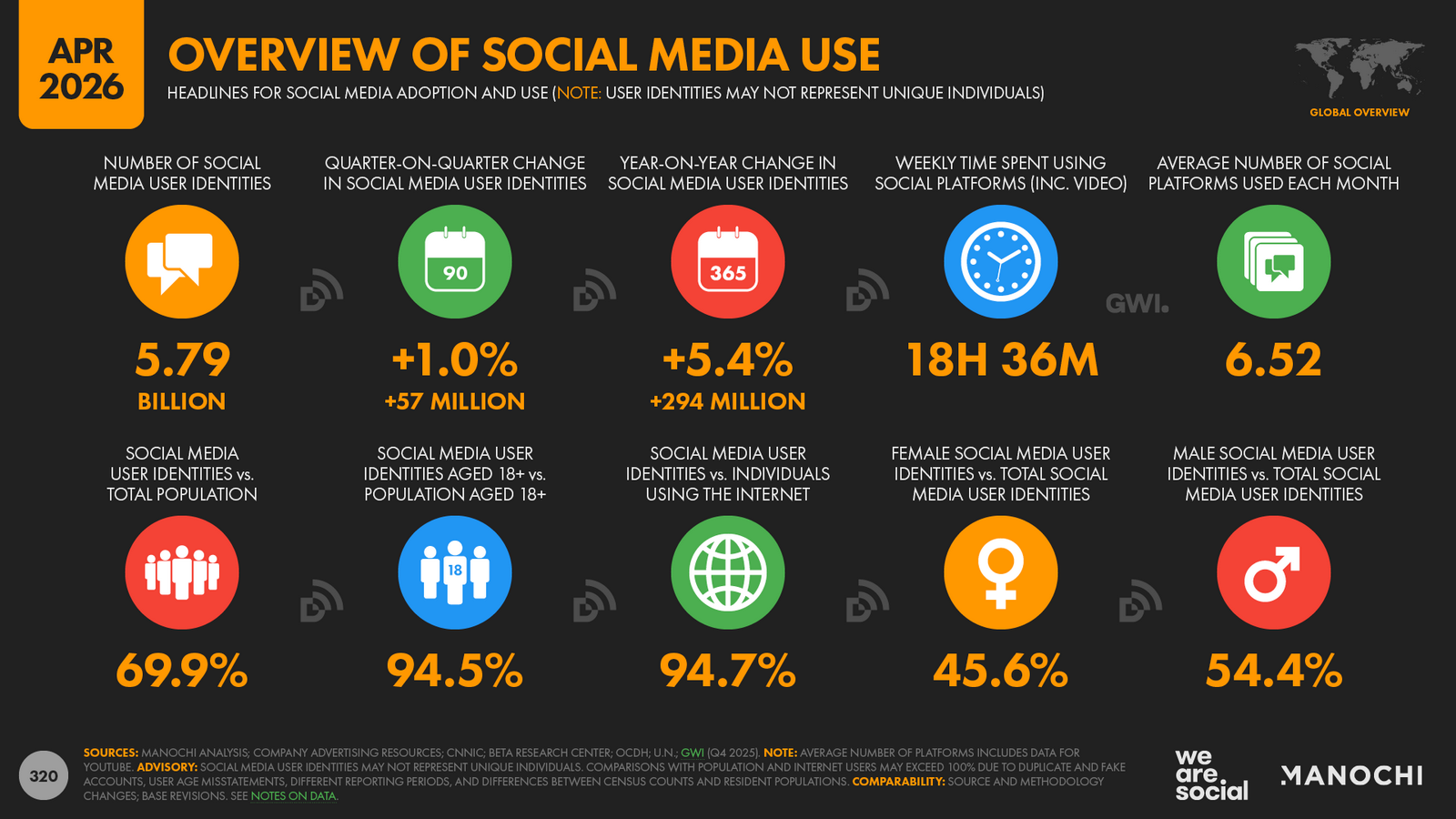
While this widespread reach across the globe is all well and good, it has a significant impact on decision-making, particularly in the case of interiors and interior design. The rapid pace of change leads to mass production across every niche. Sometimes it’s as simple as everybody wanting the latest IKEA floor lamp after seeing their favourite influencer buy one for their own room.
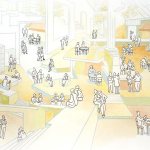
But another perspective on this is the use of cafes and retail spaces as a sort of “third space”, a public place for gathering and relaxation. On social media, cafes are often described as having vibey or cosy interiors, cute drinks and menu items, and romanticised for the general public. These spaces become aesthetic hangout spots, cute date places, or even a list of places to visit while cafe-hopping. Retail spaces have corners with selfie points, and many trial rooms are designed to be attractive for customers to experience and subsequently post about.
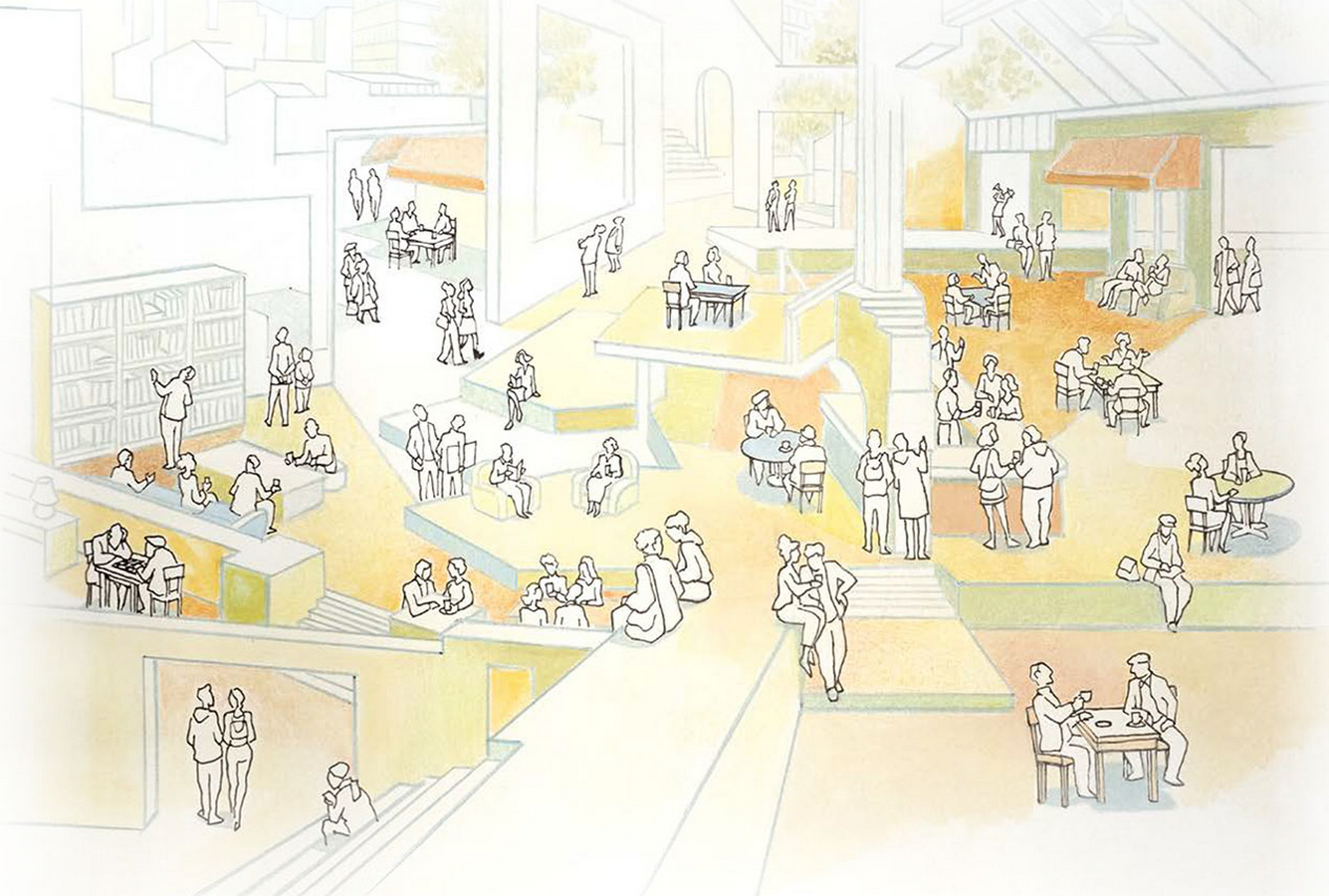
This extends to the interior design of retail spaces and cafes, where the spaces are designed through a camera lens, creating a focus on views and aesthetics as a core part of the consumer experience. But while this draws towards a more negative perspective, there are also positives to all the media attention. Many such spaces have been growing into their own niches and styles, adding personal touches to their designs to make them more interactive within the community.
Instagram-Worthy Cafes
We’re all guilty of it. The pictures you take of the cafe while you wait for your order, the pictures of the table when your order finally arrives, the pictures of yourself before leaving the restaurant in that one aesthetic mirror strategically placed in a convenient corner. You may not even realise it, but about thirty people before you might have taken the same pictures to share on their respective social media pages. This is the power of interior design catered to an audience immersed in the internet.
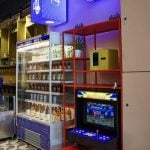
However, say you visit another cafe, and here they’ve followed the analogue trend not with your typical photobooth but a mini version on a shelf just above an arcade video game. Just click the button, and it prints your picture onto a roll of thermal paper! This is the case at Ba Da Bom cafe in Pune. The bright yellow box (with the tiny screen and camera) sits on a red shelf, contrasting with the cafe’s blue and butter-yellow tiling, tying together the space’s bright, colourful ambience.
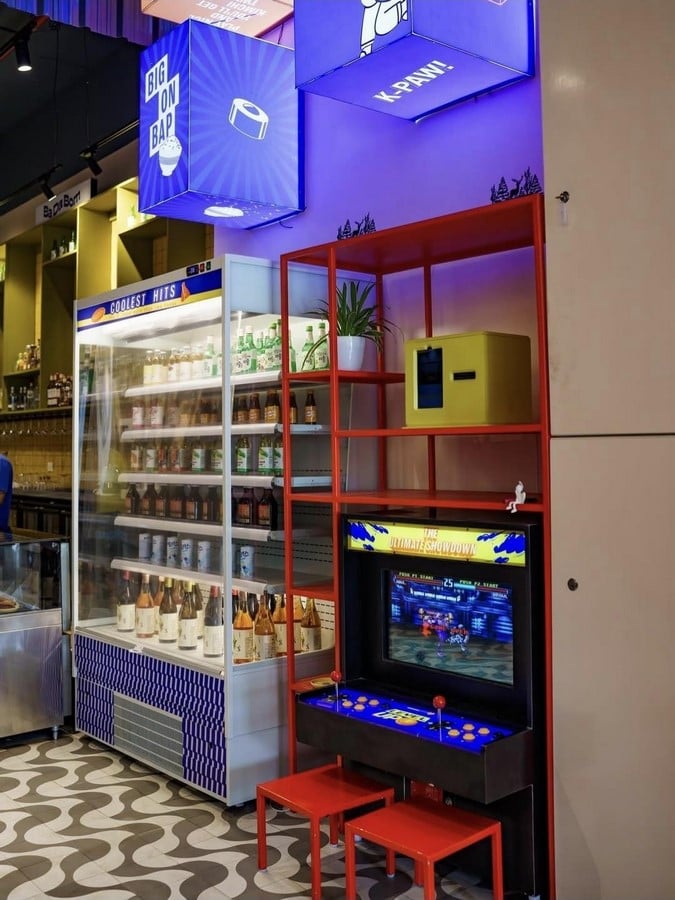
This cafe went viral on social media, not just for the menu and drinks, but also for its aesthetics. Here, it’s clear the team worked on the interior design to preserve the restaurant’s branding while creating a fun, vibrant place that was “Instagrammable”.
Picturesque Retail Spaces
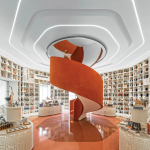
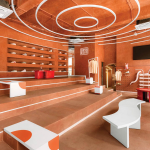
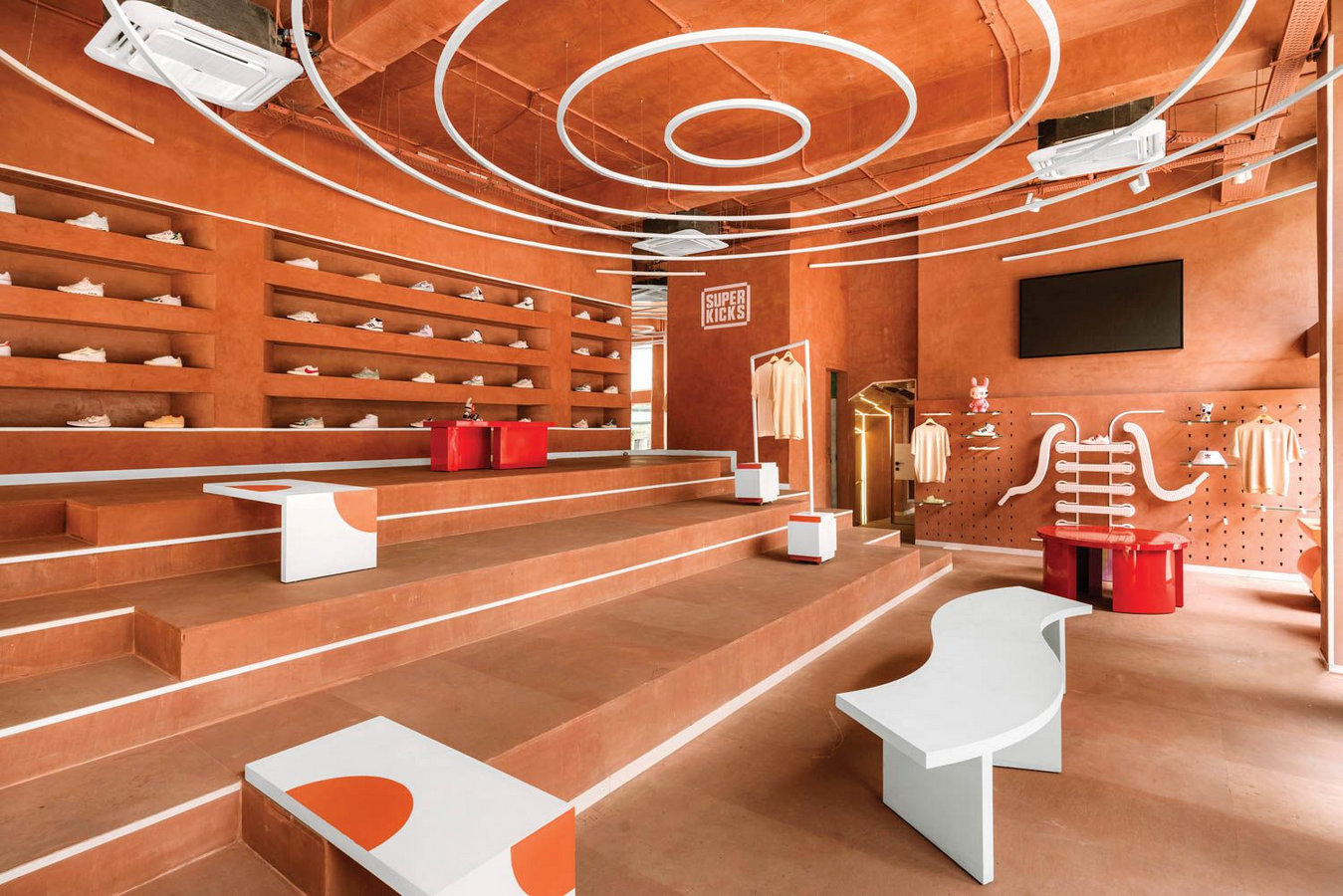
In the case of retail interiors, social media engagement varies compared to that of cafes and restaurants. Instead of catering the whole space to the niches and trends that correspond to the goods and services being sold, many of these spaces use specific elements to increase engagement and interaction both online and offline. These elements include decorative mirrors, accent walls, funky seating, and even different light fixtures, all of which coordinate with the brand and the space’s overall interior design.
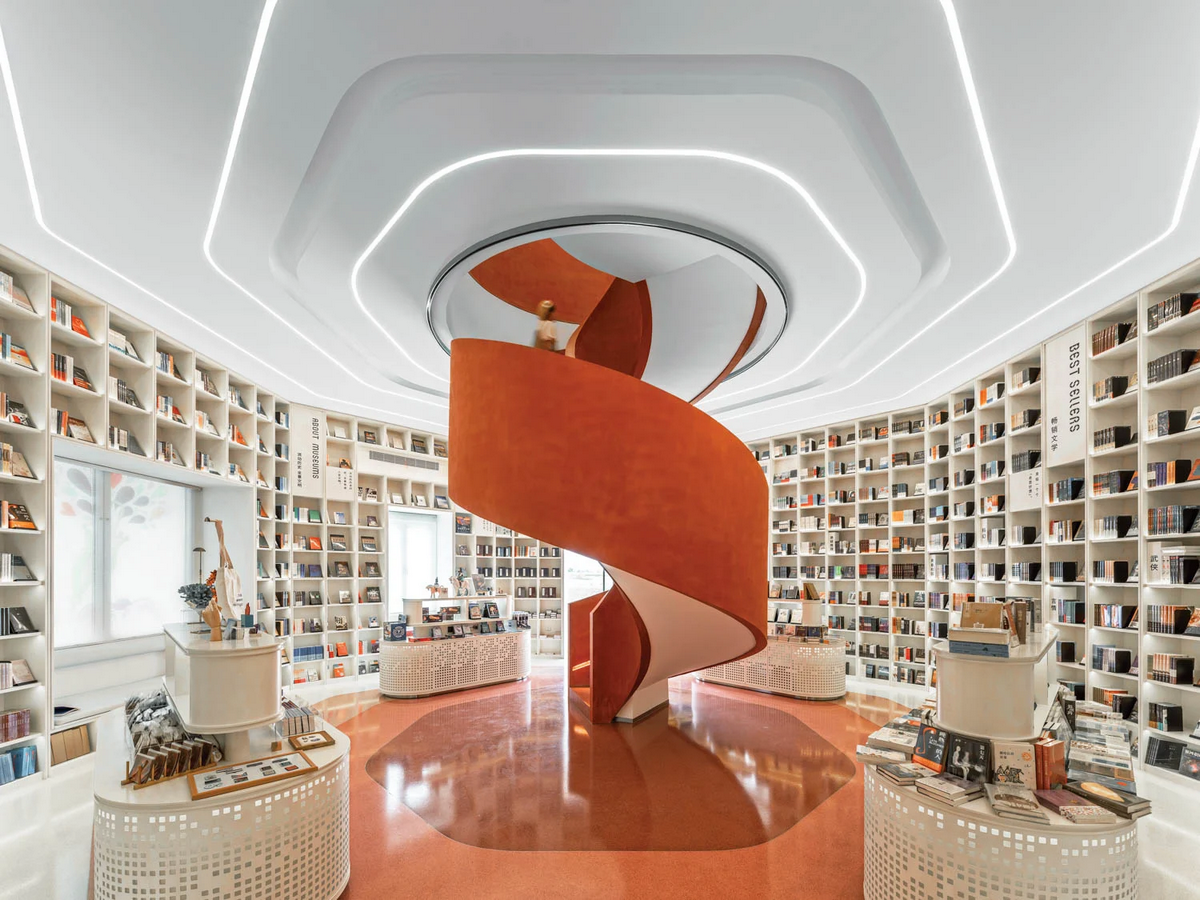
These elements are not just visually appealing; if they’re innovative and striking enough, they might land on the For You Page of hundreds of potential consumers. Influencers filming their content in these stores give viewers a good look at the spaces and interior design. The lighting in these spaces is usually professional, with ample circulation to walk around the store and look around with ease. This not only supports influencers streaming their content but also supports brand events.
Brands set up their layout to optimise visibility, but sometimes with the focus being visibility through a camera lens. Products are staged to generate interest, and the interior design is shaped by the brand identity, trending product(s), and seasonal sales. By using dynamic surfaces, interesting lighting fixtures, and colour, brands create a marketable space that appeals to users.
The Good Kind of Viral
Ideally, both cafes and retail spaces would benefit from some online traction, given that a majority of the world today is online and active on at least one social media site. In a way, this would be a good kind of going viral, where interactive interior design evokes a sense of curiosity and interest in the space, albeit through a screen. While some downsides to rapidly evolving technology may be apparent, businesses can harness the power of the internet wave to sail through it, generating strong online footfall that eventually translates into at least a fraction of that footfall showing up offline and in person. The use of dynamic design will inevitably appeal to the human mind, especially when entwined with a personal touch that is visible even through a six-inch screen.
References:
- Chaugule, A. (2024) ‘Redefining Coffee Culture and social media interaction calling a “third place”’, International Journal For Multidisciplinary Research, 6(3). doi:10.36948/ijfmr.2024.v06i03.19814.
- Global Social Media Statistics – DataReportal – Global Digital insights (no date) DataReportal. Available at: https://datareportal.com/social-media-users (Accessed: 10 June 2026).
- Individuals using the internet (% of population) (no date) World Bank Open Data. Available at: https://data.worldbank.org/indicator/IT.NET.USER.ZS (Accessed: 10 June 2026).
- Johnston, C. (2024) Neuropsychology of Space: Designing environments for emotional well-be, American Society of Interior Designers. Available at: https://www.asid.org/news/the-neuropsychology-of-space-designing-environments-for-emotional-well-being (Accessed: 10 June 2026).
- Quizon-Colquitt, A. (2023) Third places: What are they and why are they important to American culture?, English Language Institute. Available at: https://esl.uchicago.edu/2023/11/01/third-places-what-are-they-and-why-are-they-important-to-american-culture/ (Accessed: 10 June 2026).
- Syed, S. (2017) Instagram is changing how we design spaces (and creating incredibly lucrative businesses), ArchDaily. Available at: https://www.archdaily.com/876903/instagram-is-changing-how-we-design-spaces-and-creating-incredibly-lucrative-businesses (Accessed: 10 June 2026).