The Sidewalk as the Red Carpet
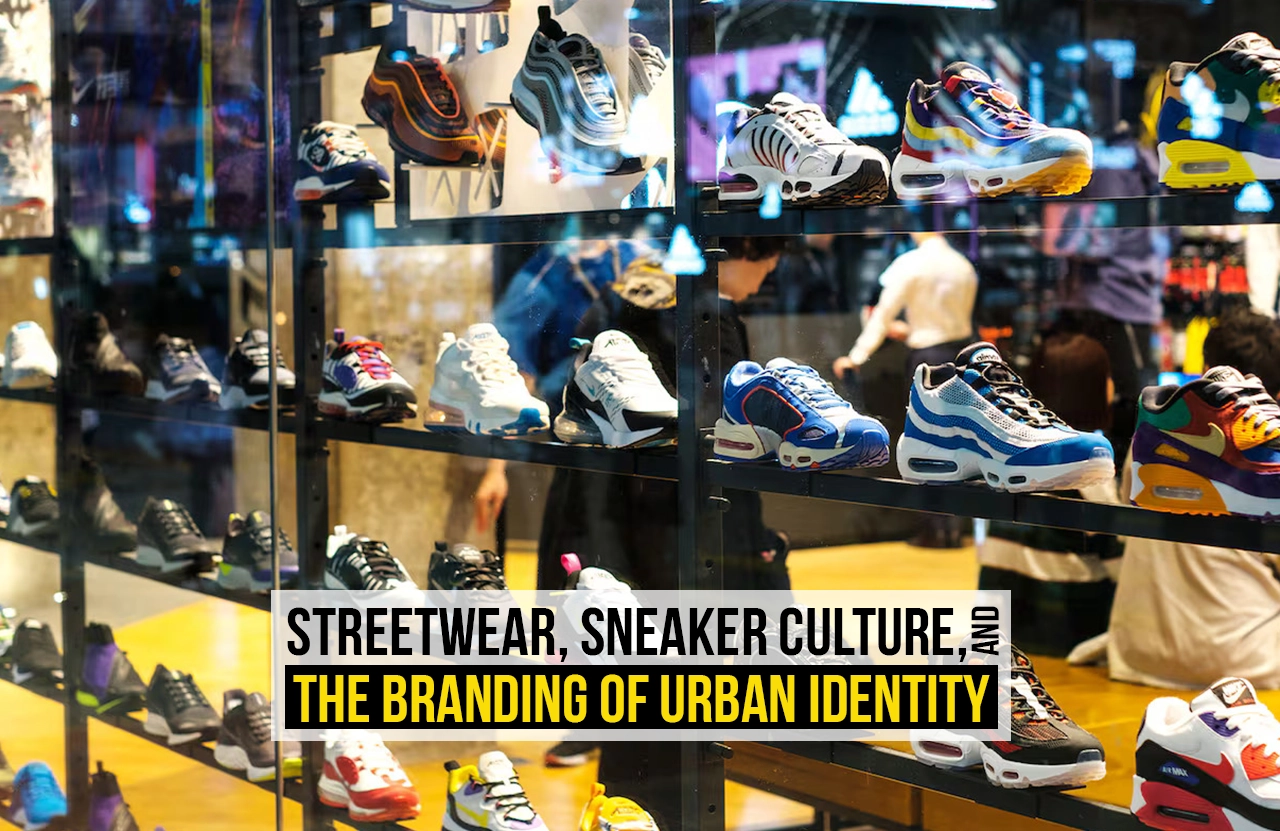
In the modern metropolis, choosing what to wear has become an essential part of our life choices. The urban context dictates our clothing and fashion sense. Today, streetwear and sneaker culture have evolved from niche, localized subcultures into the dominant language of global fashion. This movement is not merely about clothes or footwear; it is a visual dialect. It is a dynamic system of branding urban identity, shaping the social, economic, and geographic landscapes of a city as people display exactly who they are and where they come from.
The Origin of Streetwear and Subculture
Tracing back to the roots to understand how streetwear brands’ urban identity emerged, the footwear emerged from the regional subcultures in the late 20th century.
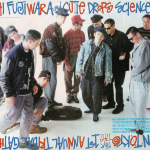
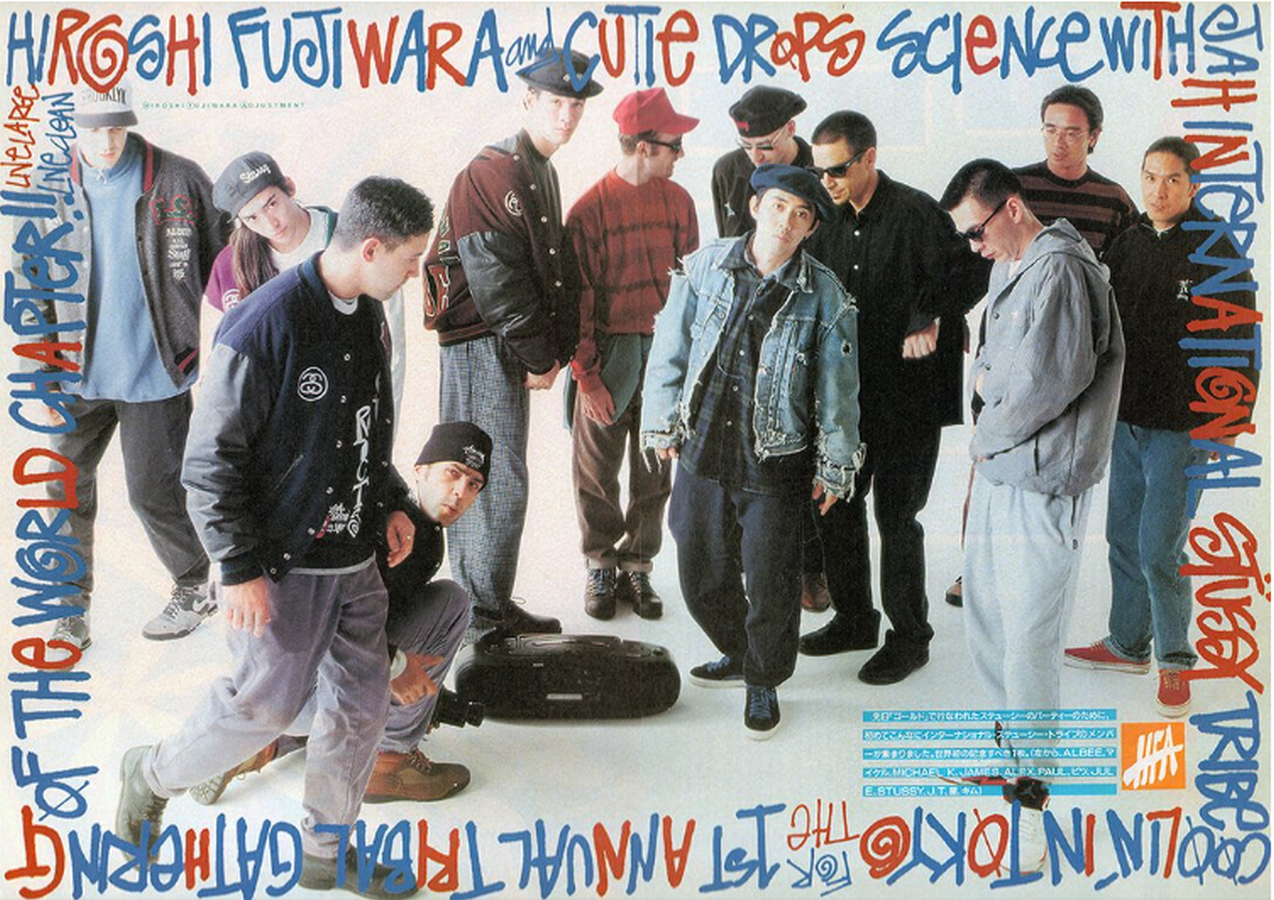
In these early days, streetwear was linked to the physical geography of a space. Wearing a specific brand meant you literally or figuratively “repped” a specific block, neighborhood, or city. Fashion stores weren’t just retail spaces; they were community town squares where sportsmen, artists, and the youth gathered. Taking the example of the Trinity of Influence i.e. Southern California’s surf and skate scene, established by the “godfather of streetwear”, Shawn Stüssy and his famous signed graphic tee; Dapper Dan’s hip hop scene, infusing luxury logos for the inner city, and creating regional pride; and in Tokyo, Hiroshi Fujiwara and Nigo (known for his brand A Bathing Ape) mastering the art of FOMO (Fear of Missing Out) and cult branding.

Sneakers as the Ultimate Urban Identity
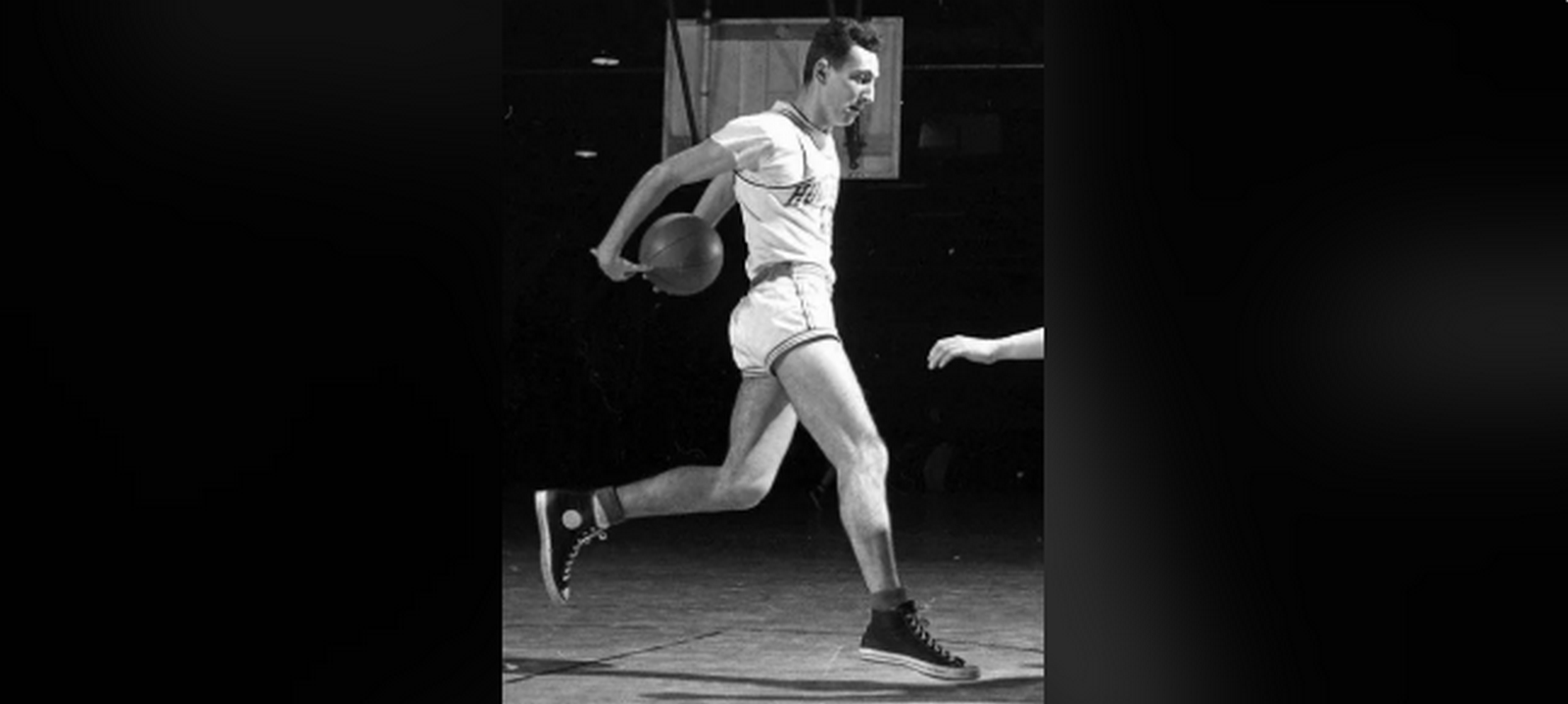
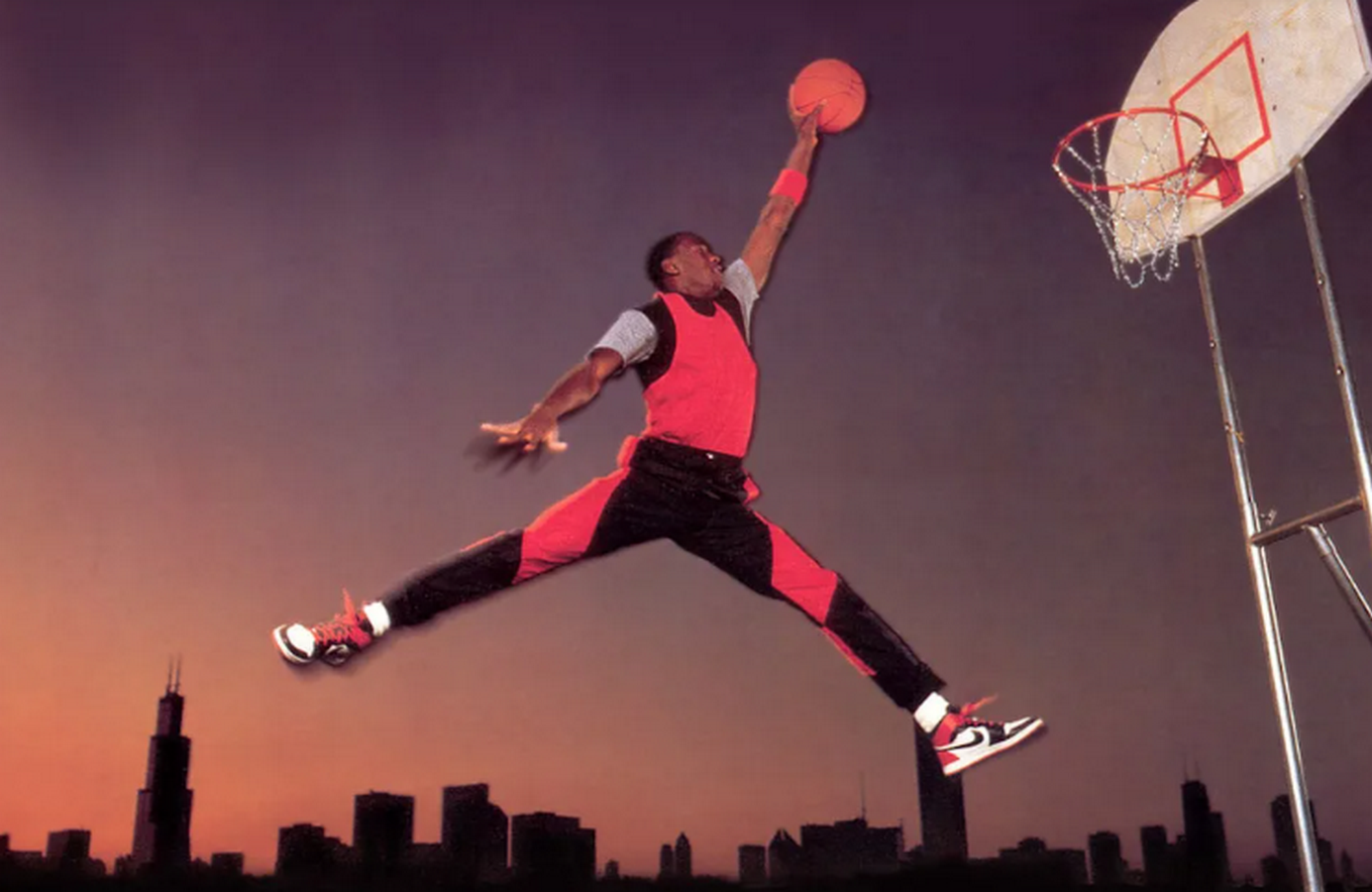
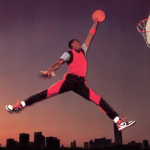
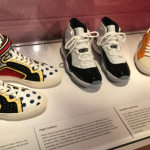
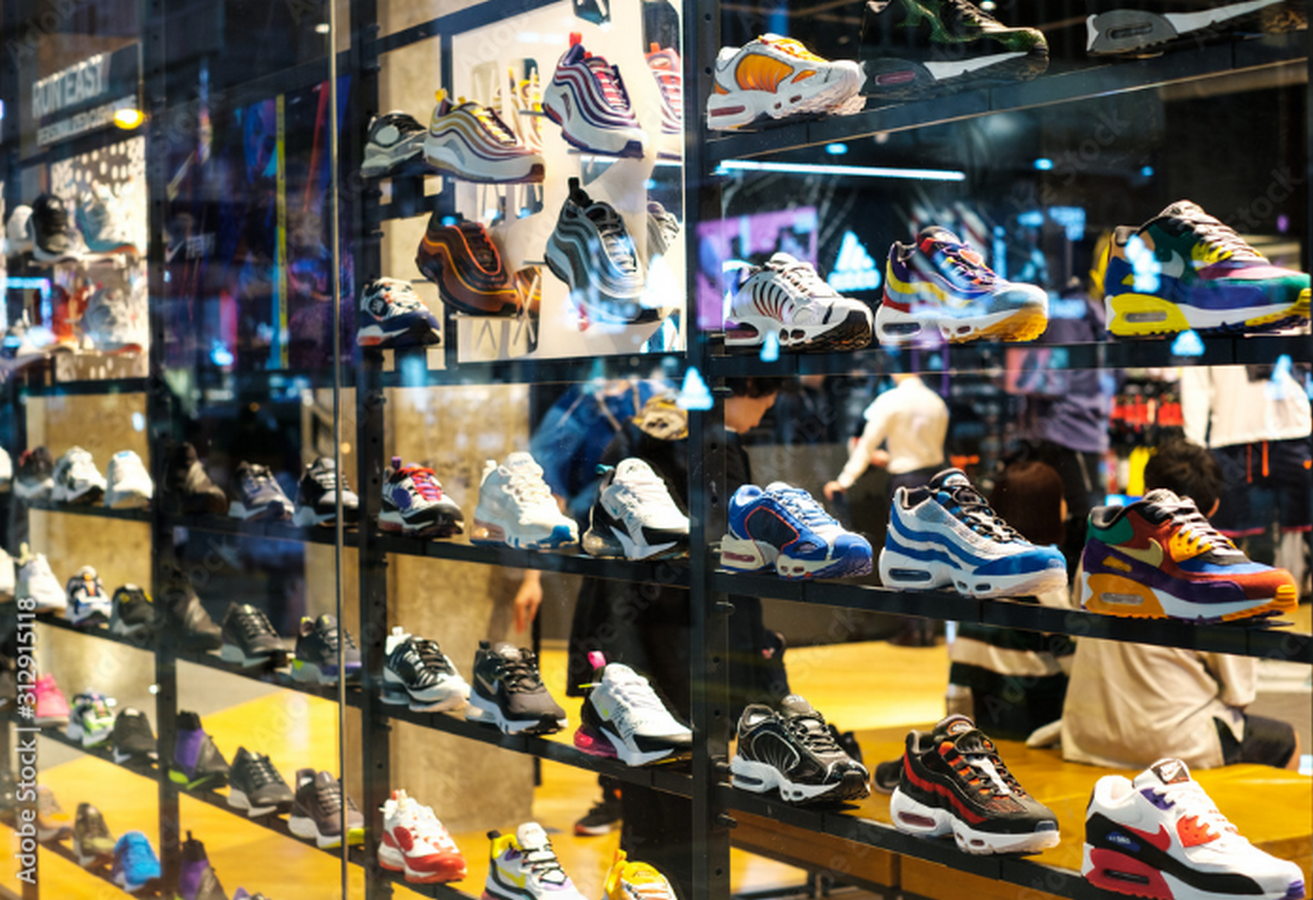
Sneakers, originally designed as footwear for tennis and croquet, evolved into a fashion statement. The advent of their subculture and athlete-endorsed shoes gave rise to sneaker culture. As per Elizabeth Semmelhack, the director and senior curator of the Bata Shoe Museum, which is one of the first museums to exhibit the history of sneakers, says that “Newyork was an intertwining of basketball, hip-hop, and [breakdancing]”. Converse’s Chuck Taylor All-Stars and Nike’s Michael Jordan’s Air Jordan, the famous basketball players, and brands like Puma and Adidas started to get in on the action by using their marketing strategies and key figures to promote their brands. And suddenly, according to Semmelhack, men started to display who they really were, occasionally from wearing formals to wearing what was comfortable and in.
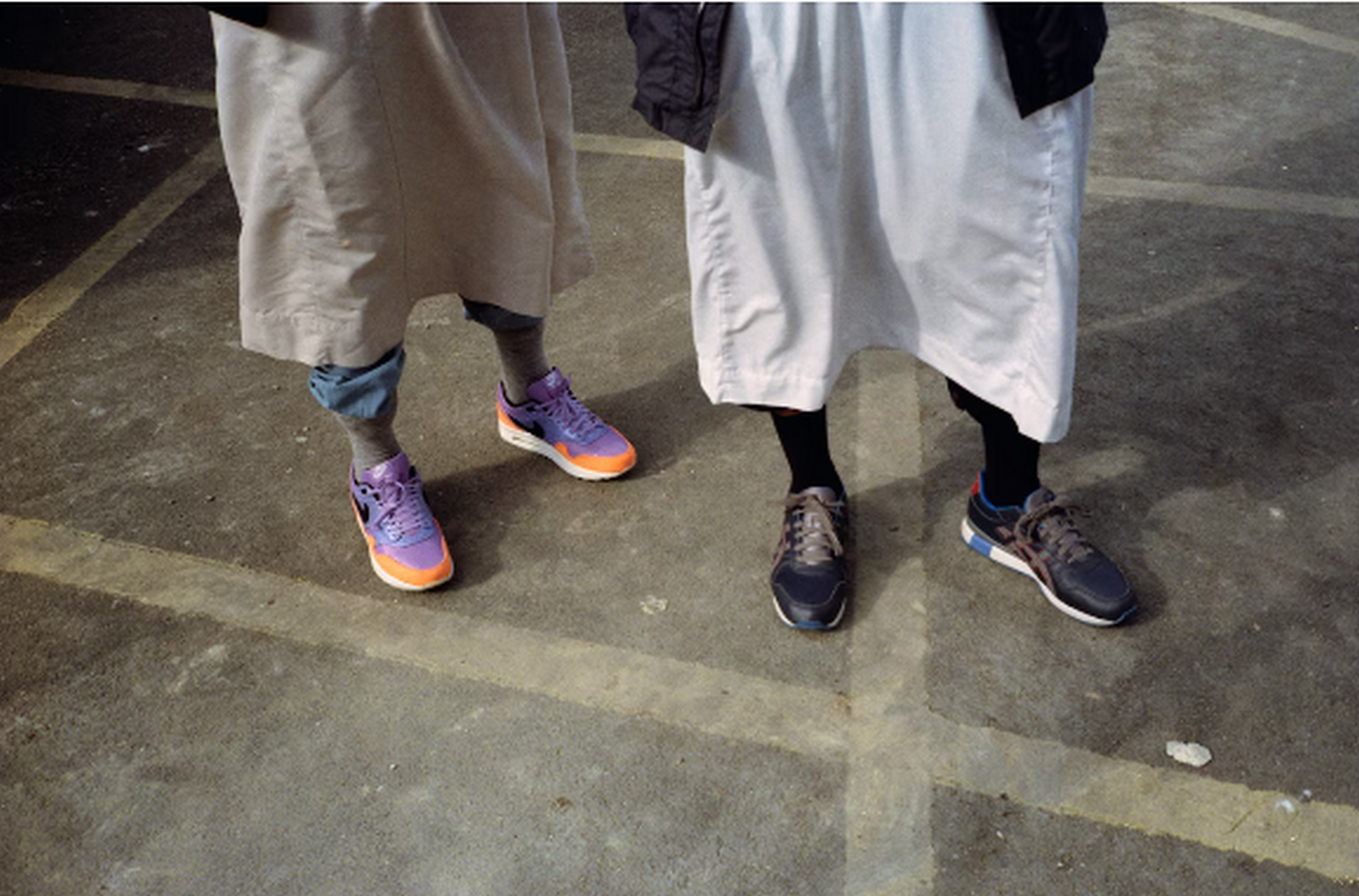

In today’s time, Kim Kardashian, who married rapper-cum-fashion-designer Kanye West, started promoting his sneaker design. The Kardashian era helped give it more fame. Jazerai Allen-Lord, a ground-breaking sneaker strategist, designer, and writer, says, “[this] helped target a whole new demographic of people to experience sneaker culture. It was a blending of high and low fashion, which the shoe industry had never really seen before.” Drake, a popular rapper, has also customized his famous 24-carat gold sneakers, displaying them to millions of his fans. Sneakers became an instant symbol of aspiration, defying their athletic utility to become a status symbol and a fashion statement.
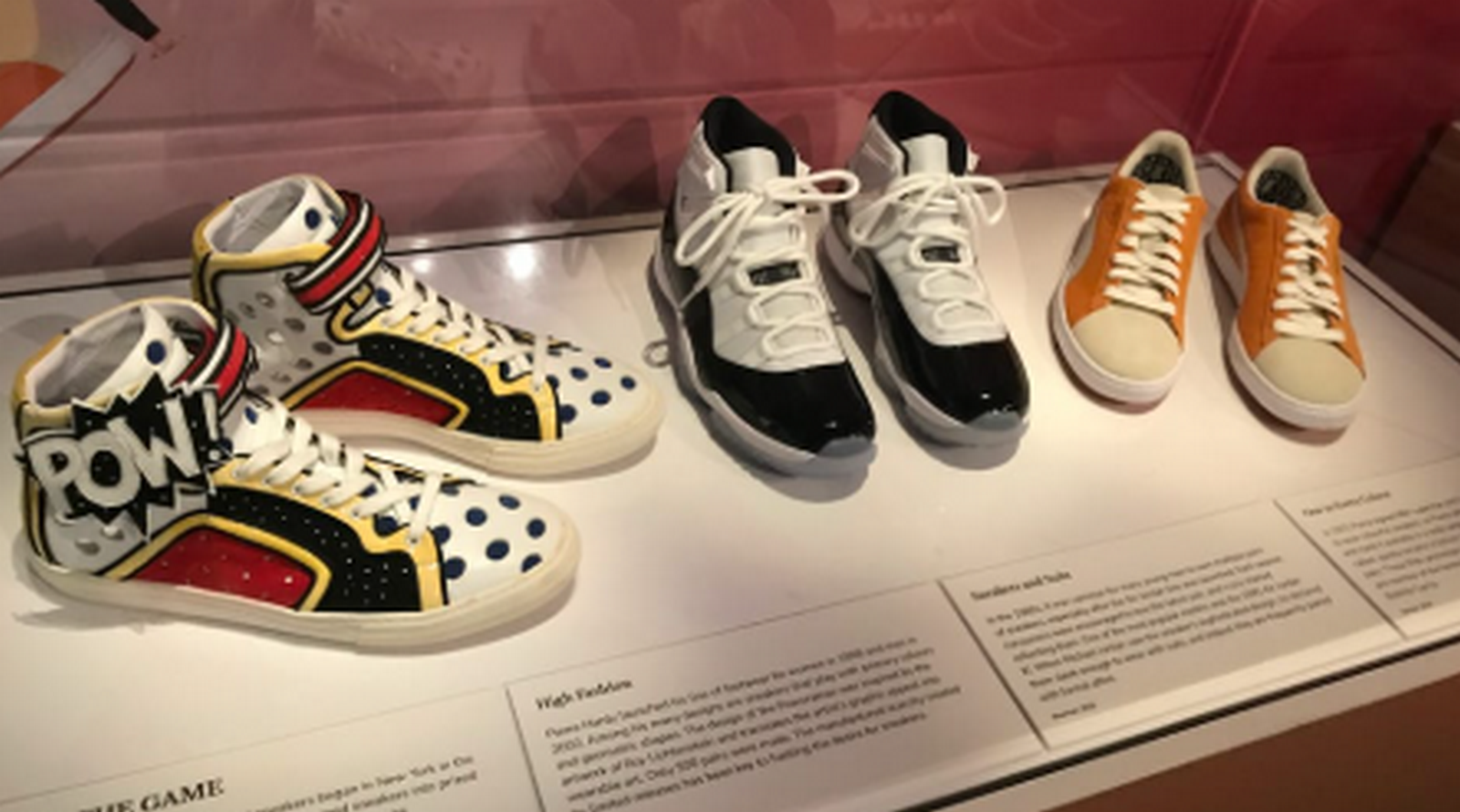
Streetwear on the Global Stage
The massive success of streetwear caught the attention of traditional and new fashion, sparking a phenomenon known as the intermixing of cultures and creating an identity crisis for the culture. When a well-known streetwear designer, Virgil Abloh was appointed Artistic Director of Louis Vuitton Men’s in 2018, he merged the streetwear culture with luxury fashion. Collaborations like Supreme x Louis Vuitton or Dior x Air Jordan erased the idea of luxury. The hoodies and sneakers born from inner-city skate parks and hip-hop clubs started walking down Paris runways. The shift of minority and working-class creativity to the global stage proved that the streets dictate trending fashion worldwide.
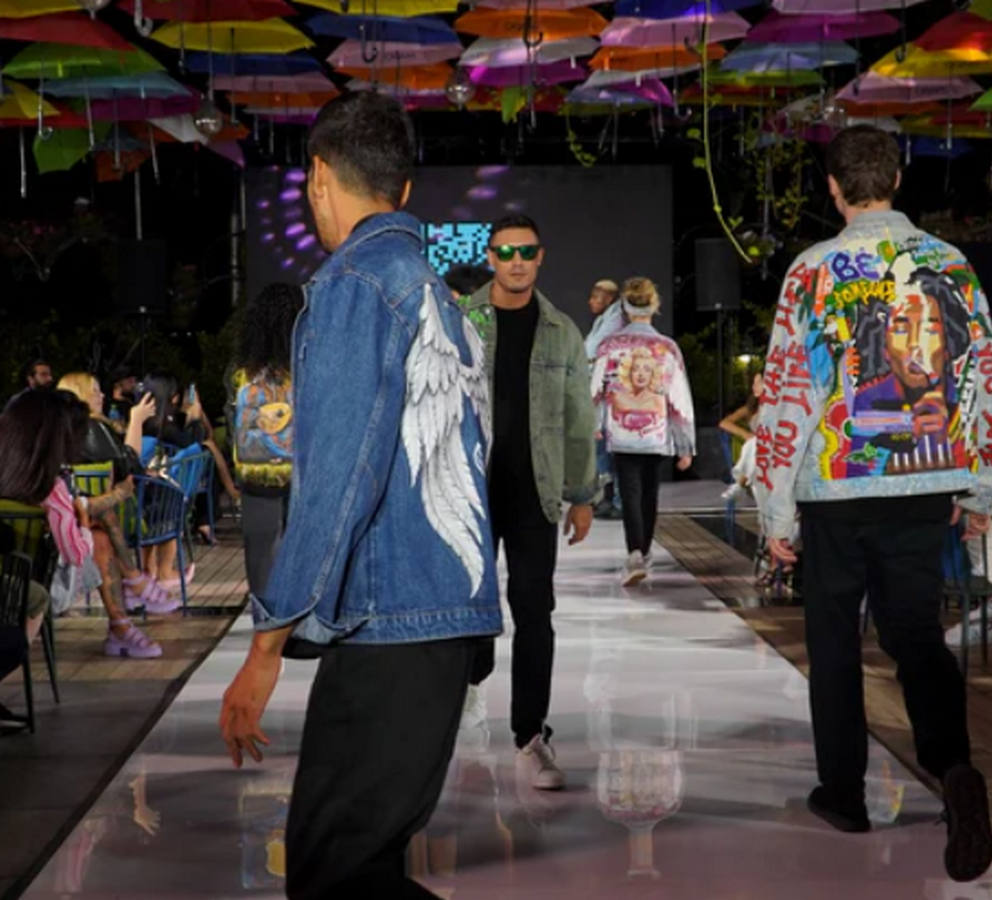
The building of Urban Identity rests on the human need to find similarities and live in a tribe within a crowded place. Streetwear marketing taps into people’s desire to compete and fit in. Due to Globalization, the world has become so interconnected that a fashion trend released in Korea or the US would spread like wildfire across the globe. Similarly, the culture shifts in a place would alter or influence people living in totally different areas of the world.
The internet and social media have effectively homogenized streetwear. An algorithm on Instagram or TikTok ensures that a teenager in Seoul, a follower in London, and a skater in Los Angeles can access the same trends, styles, and brands simultaneously.
While this creates a powerful, borderless global community, the very geographic specificity that gave streetwear its soul is threatened. When everyone looks the same, the localized “urban identity” risks becoming homogenous.
Streetwear and sneaker culture have fundamentally altered modern fashion because they provided something traditional luxury never could: a living, breathing connection to the human experience in a city.
What we wear tells the story of our subcultures and our geographic roots. As cities continue to grow and evolve, the brands may change, and the digital landscape may expand, but the core truth remains unchanged. Urban identity will always be carried by us as we walk on the asphalt.
Reference Links:
Bata Shoe Museum, 2026. Footwear History and Culture Collections. Bata Shoe Museum Official Site. Available at: https://batashoemuseum.ca/ [Accessed 14 June 2026].
Athleta Mag, 2026. Shawn Stüssy: Surf, Skate, and the Genesis of Streetwear. Athleta Magazine. Available at: https://athletamag.com/en/shawn-stussy-surf-skate-genesis-of-streetwear/ [Accessed 14 June 2026].
National Geographic, 2026. Sneaker Culture and the History of Air Jordans as Expression. National Geographic Culture. Available at: https://www.nationalgeographic.com/culture/article/sneaker-culture-sneakerheads-air-jordans-history-expression [Accessed 14 June 2026].
The Hip Store, 2026. How Stüssy Became the Godfathers of Streetwear. The Hip Store Blog. Available at: https://blog.thehipstore.co.uk/how-stussy-became-the-godfathers-of-streetwear/ [Accessed 14 June 2026].
Yahoo Lifestyle, 2026. Air Jordans Pay Homage to Michael Jordan. Yahoo News. Available at: https://www.yahoo.com/lifestyle/air-jordans-pay-homage-michael-212143045.html [Accessed 14 June 2026]