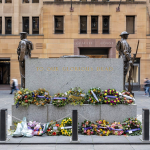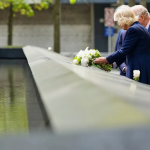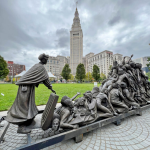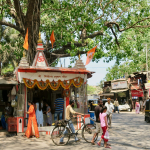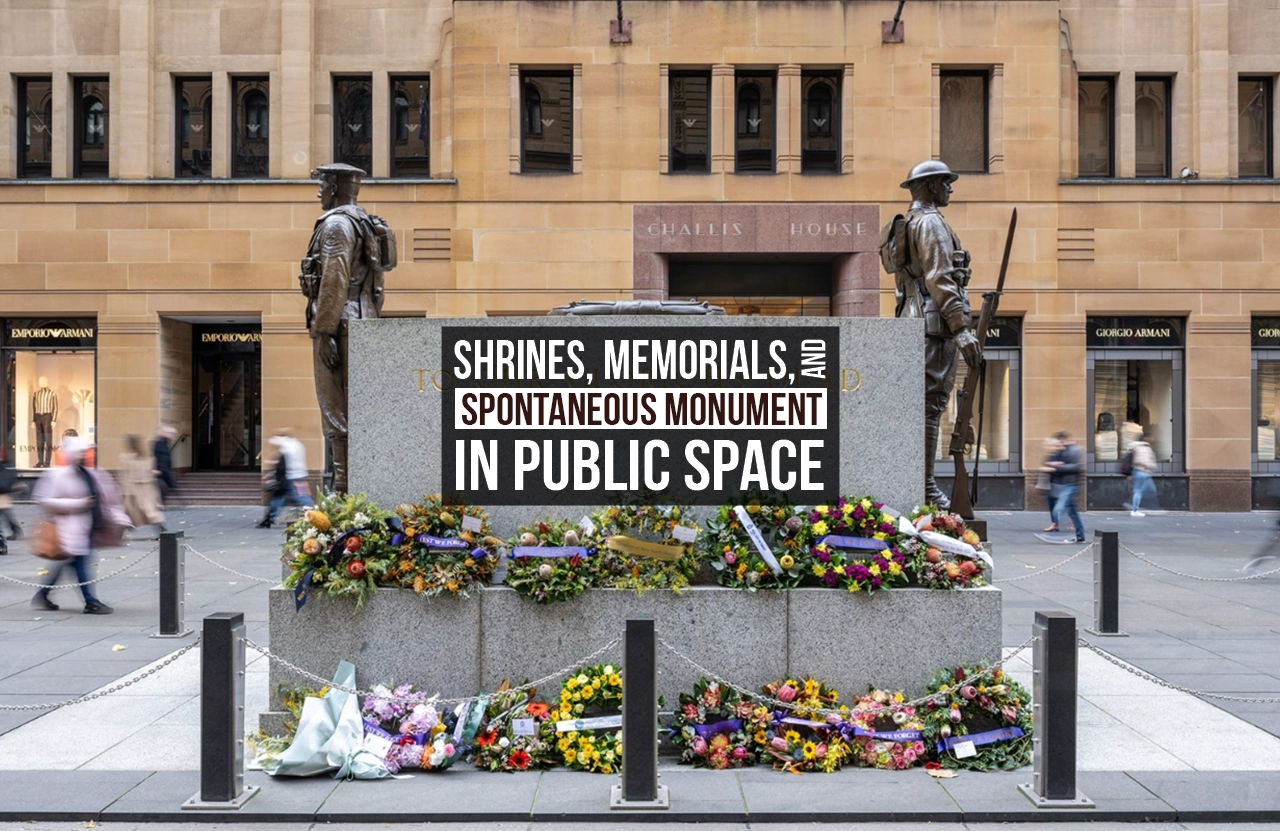
Across the world, public space is perpetually reimagined by the very people who inhabit it. Streets, squares, underpasses, and pavements — designed initially for circulation or commerce — are quietly, and sometimes urgently, transformed into sites of collective mourning, remembrance, and resistance. Shrines, memorials, and spontaneous monuments occupy a unique position in the urban fabric: they are unplanned, often unsanctioned, and yet powerfully meaningful. These ephemeral interventions reveal what official architecture frequently conceals — the raw emotional geography of a community and its relationship with grief, identity, and shared memory in public space.
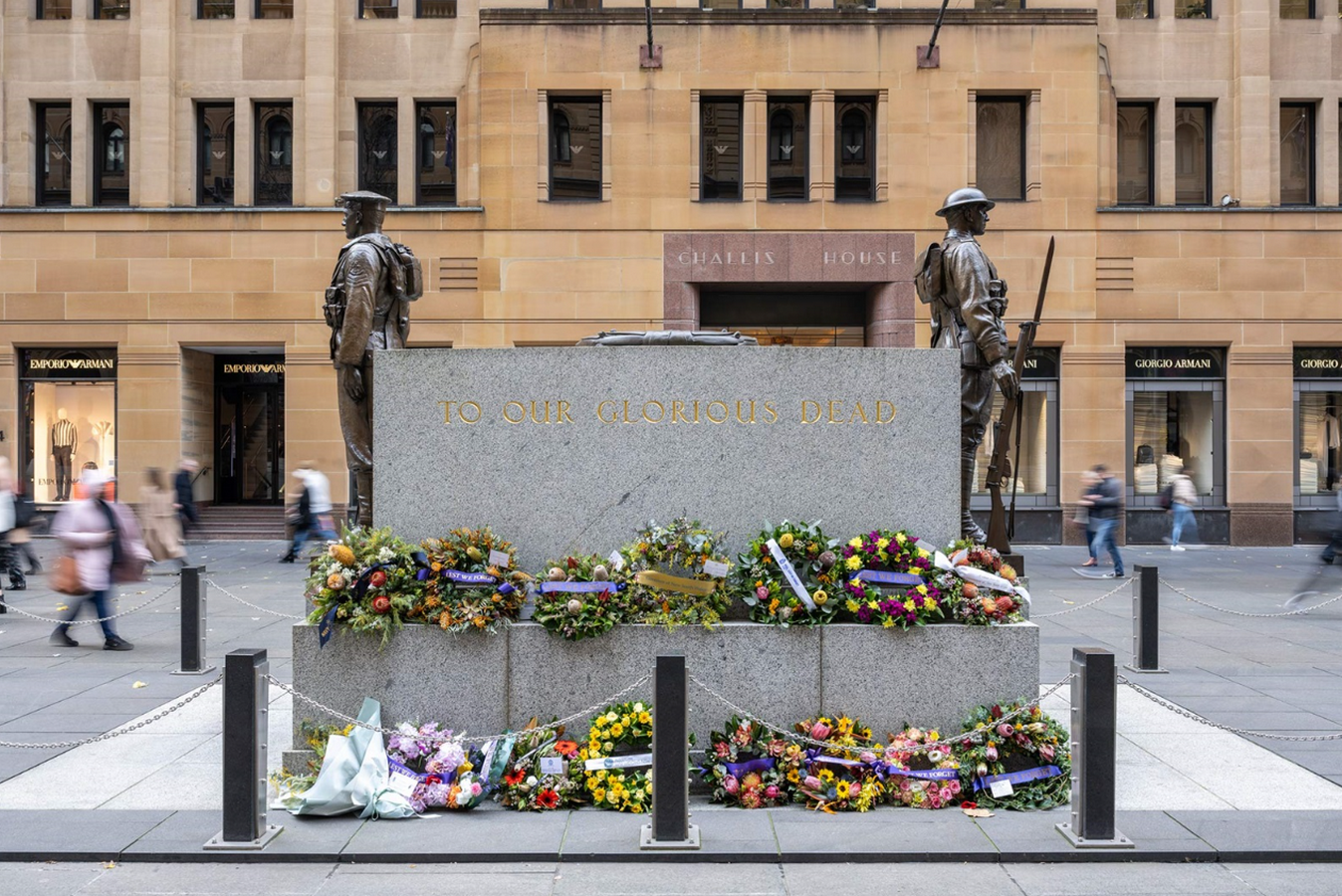
The Anatomy of Spontaneous Memorials
Spontaneous memorials, sometimes called vernacular or folk memorials, emerge organically following traumatic public events such as accidents, acts of violence, or the death of a beloved public figure. Unlike formally commissioned monuments, they are assembled by ordinary citizens — candles, flowers, handwritten notes, photographs, toys, and personal objects converge at a site to form a temporary architecture of grief. Their visual language is immediate and unmediated, bypassing the bureaucratic processes of civic commemoration.
The public space they occupy becomes temporarily charged with a different kind of meaning. A bus stop becomes an altar; a park bench transforms into a shrine. These gestures operate outside the conventional hierarchy of monumentality, yet they command extraordinary emotional presence. Scholars such as Kenneth Foote have described such sites as ‘shadowed ground’ — locations where tragedy has altered the social perception of an otherwise ordinary public space.
Architecture of Grief: How Design Emerges Without Architects
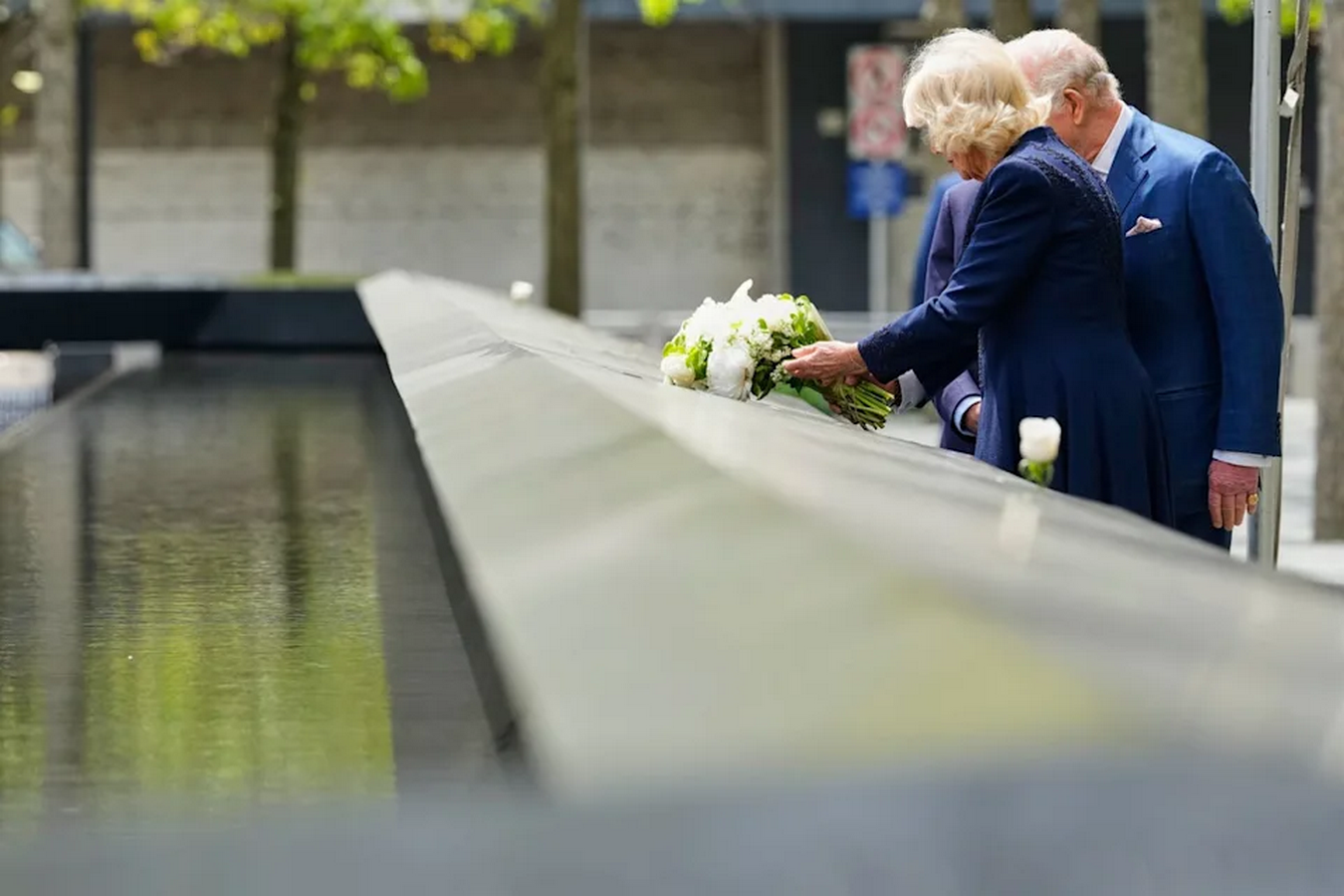
What is particularly remarkable about spontaneous memorials is that they constitute a form of architecture without architects. The composition, scale, material selection, and spatial organisation arise entirely from collective impulse. Visitors add to, rearrange, and curate the memorial over days and weeks, creating an evolving installation that no single designer could have conceived. There is a temporal quality to these spaces — they grow, change, and ultimately dissolve — that stands in contrast to the permanence that formal public memorials typically aspire to.
In public space, this temporal quality becomes especially significant. Unlike a museum or private memorial garden, the street-level shrine must coexist with the flow of daily urban life. Pedestrians, commuters, and vendors navigate around these gestures. The friction created between ordinary urban activity and extraordinary commemoration underscores both the fragility and the resilience of collective memory. The very act of walking past a shrine makes grief visible and public, refusing the privatisation of loss.
Institutional Response and the Politics of Public Space
Municipal authorities are frequently uncertain about how to respond to spontaneous memorials. The tension between official control of public space and the democratic impulse behind grassroots commemoration is a recurring challenge in urban governance. Some cities have developed formal protocols: in New York City, the Department of Parks and Recreation has, at various points, collected artefacts from spontaneous memorials and transferred them to archive collections, balancing preservation with the need to maintain functional public space. Other cities have been less sympathetic, dismantling shrines as part of routine street cleaning operations — an act that often provokes public outcry.
The permanence question is further complicated when spontaneous memorials inspire permanent institutional responses. The impromptu tributes that appeared in public spaces across the United Kingdom following the death of Diana, Princess of Wales, in 1997 represent perhaps the most extensively documented example of vernacular memorialisation in modern history. Similarly, the memorials at the site of the 2017 Manchester Arena bombing evolved into a permanent civic installation, acknowledging that certain acts of communal grief warrant lasting presence in public space.
Sacred Intersections: Roadside Shrines and Cultural Dimensions
In many cultures, roadside shrines — known as ‘descansos’ in Latin American tradition or ‘kaplichki’ in parts of Eastern Europe — predate modern urbanism entirely. These small markers at the sites of traffic fatalities or other deaths have gradually been absorbed into the contemporary public space of cities and highways. They introduce a dimension of the sacred into otherwise secular infrastructure, prompting ongoing debates about the appropriate boundaries between private faith and shared civic territory.
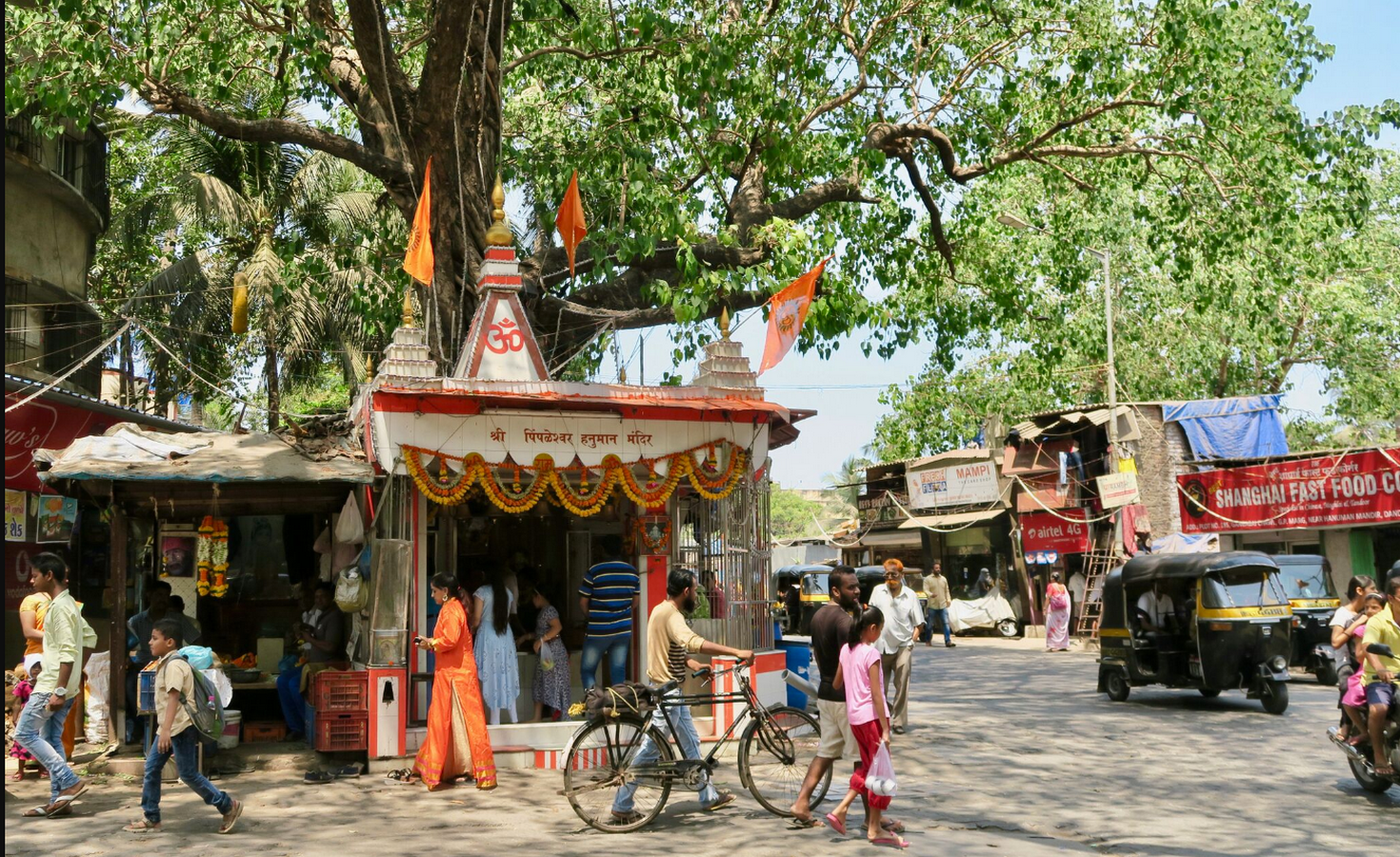
In the Indian subcontinent, spontaneous roadside shrines are woven deeply into everyday public space. Deities appear in niches carved into boundary walls, beneath trees, and at crossroads. These are not memorials in the Western sense but rather the ongoing inscription of the sacred onto the city. They reflect a conception of public space in which the civic and the devotional are not antithetical but continuously intertwined. For architects and urban designers working across culturally diverse contexts, understanding this dimension of public space is essential to avoiding the imposition of culturally narrow frameworks of civic order.
Designing for Memory: Lessons for Contemporary Urban Practice
The spontaneous memorial phenomenon carries significant implications for formal urban design. If communities possess a latent need to transform public space into sites of memory and mourning, how should architects and planners respond? Some designers have begun to incorporate intentional flexibility into public spaces — surfaces that accommodate informal inscription, planting beds that invite communal tending, or multipurpose furniture that can be reconfigured during moments of collective need. This responsive approach acknowledges that public space is not merely a backdrop for daily life but an active participant in the emotional life of a community.
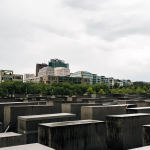
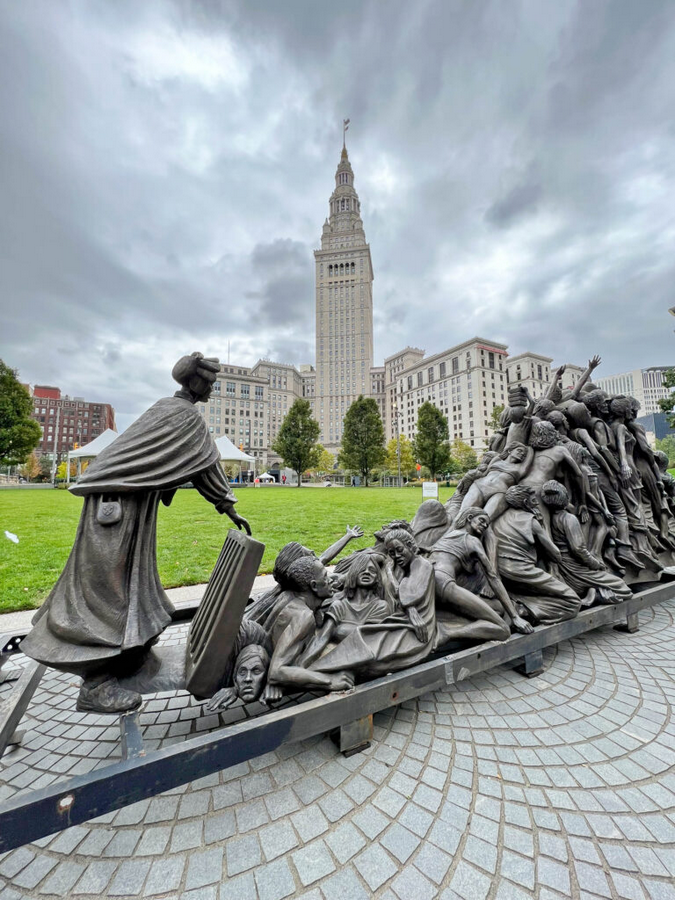
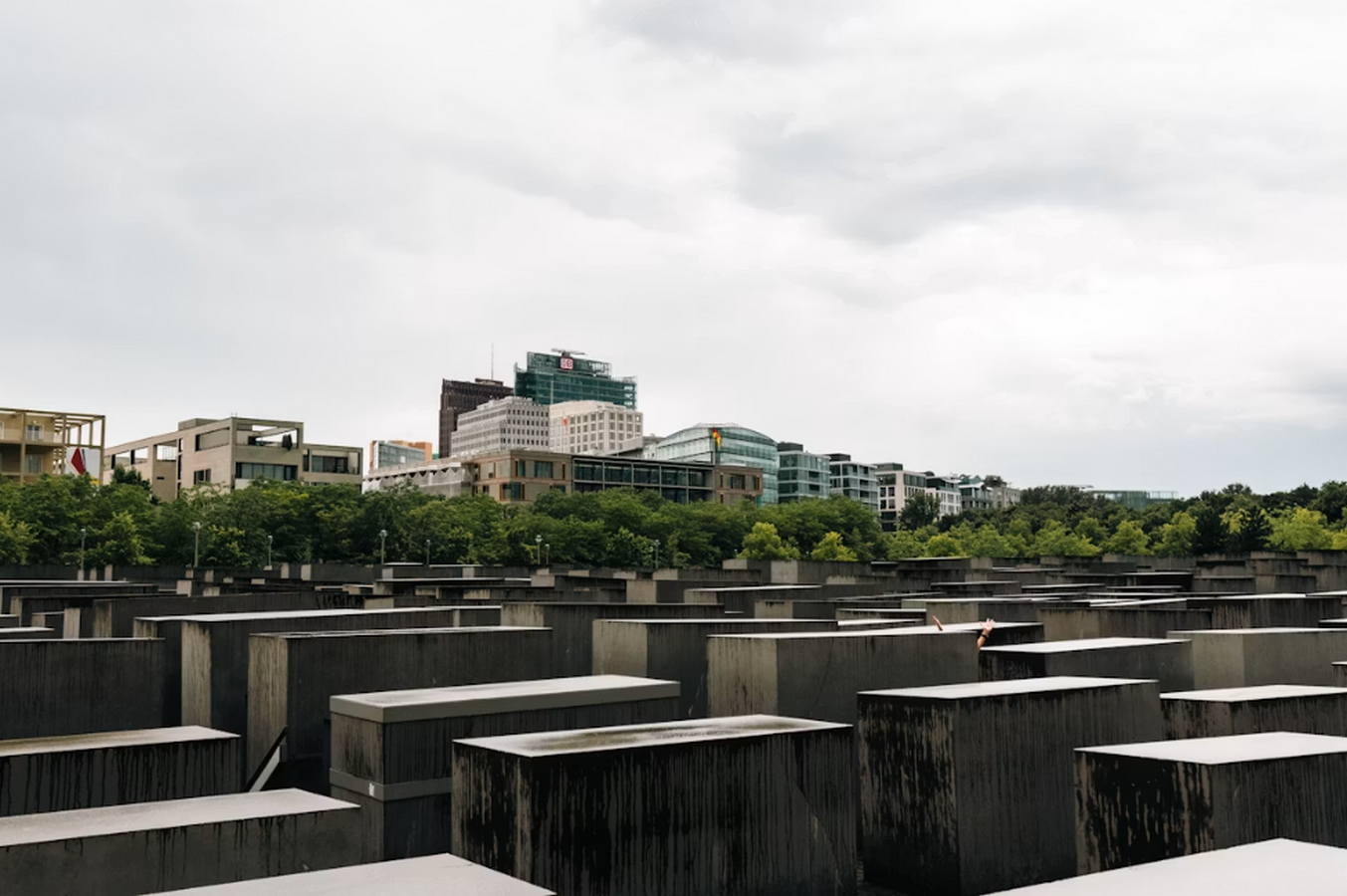
Projects such as Peter Eisenman’s Memorial to the Murdered Jews of Europe in Berlin (2005) demonstrate how formal memorialisation can draw upon the language of the informal — an undulating field of concrete stelae invites individual navigation rather than collective spectacle, echoing the dispersed, intimate character of vernacular shrines. More recent interventions, such as the National Memorial for Peace and Justice in Montgomery, Alabama (2018, designed by MASS Design Group), deliberately position themselves within public space to create an inescapable dialogue between passersby and historical memory, refusing the marginalisation of difficult histories to enclosed museum contexts.
Digital Dimensions: Virtual Memorials and the Evolving Public Space
The emergence of digital culture has extended the geography of the memorial beyond the physical city. Online tribute pages, hashtag commemorations, and geo-tagged digital shrines now constitute a parallel layer of public space in which acts of collective memory are performed and archived. Social media platforms have become, in effect, an expanding civic square where mourning is both public and participatory. The implications for physical urban design are complex: digital memorialisation may reduce the immediate pressure on physical public space, but it also fragments communal experience across networked, individually mediated screens.
Some practitioners are now exploring augmented reality as a medium for the memorial in public space — overlaying invisible histories, forgotten presences, or unacknowledged tragedies onto the surfaces of the contemporary city. These emerging practices raise fundamental questions about the nature of public space itself: who controls the narrative, who holds the memory, and whose grief is made visible. As cities become more technologically mediated, the struggle over the commemorative function of public space is likely to intensify.
Shrines, memorials, and spontaneous monuments reveal public space as far more than a container for urban activity. They expose it as a site of ongoing negotiation between official narratives and lived experience, between designed order and emotional necessity. For architects, urban designers, and planners, these ephemeral interventions offer an instructive counterpoint to the monumental tradition — a reminder that the most resonant uses of public space are often the least designed. Engaging with this dimension of urban life, rather than managing it away, may ultimately yield more humane and more honest cities.
References:
Foote, K.E. (2003). Shadowed Ground: America’s Landscapes of Violence and Tragedy. Revised ed. Austin: University of Texas Press.
Grider, S. (2001). Spontaneous Shrines: A Modern Response to Tragedy and Disaster. New Directions in Folklore, 5. Available at: https://scholarworks.iu.edu/journals/index.php/ndif [Accessed: 5 June 2025].
MASS Design Group (2018). National Memorial for Peace and Justice. Montgomery, Alabama. Available at: https://massdesigngroup.org/work/design/national-memorial-peace-and-justice [Accessed: 5 June 2025].
Petersson, A. (2010). The Production of a Memorial Place: Materialising Expressions of Grief. In: Hockey, J., Komaromy, C. and Woodthorpe, K. (eds.) The Matter of Death. London: Palgrave Macmillan, pp. 141-154.
Santino, J. (2006). Spontaneous Shrines and the Public Memorialisation of Death. New York: Palgrave Macmillan.
Walter, T. (1999). On Bereavement: The Culture of Grief. Maidenhead: Open University Press.