What is earthen architecture?
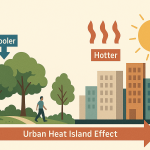
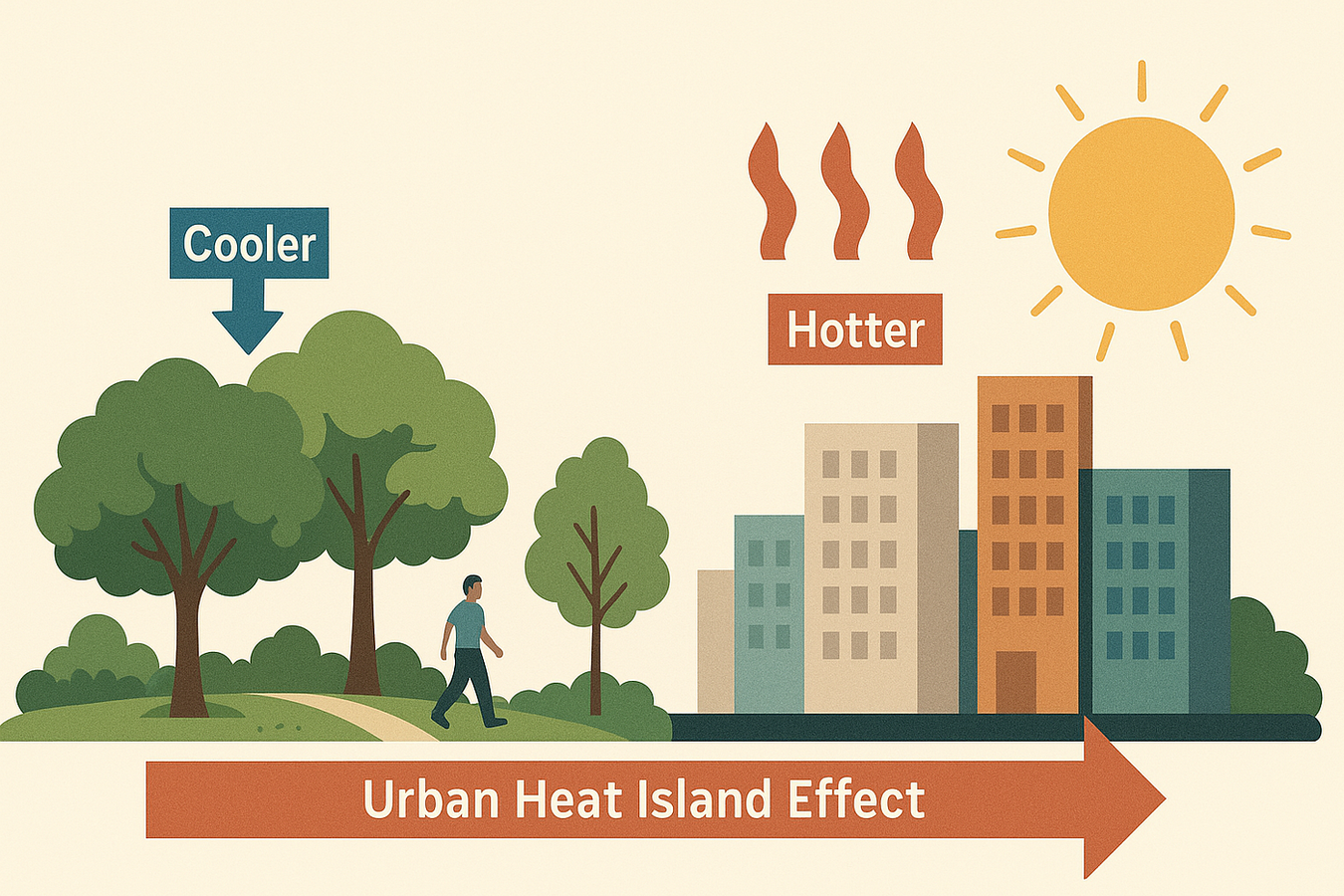
As far as building materials go, concrete is a highly unsustainable material that causes the urban heat island effect. Glass, on the other hand, has poor thermal insulation, whereas steel is a very expensive building material and is prone to corrosion. Then, is there a building material that is cost-effective, environmentally friendly and sustainable? Yes, not only is it easily available, it is all around us- EARTH. Materials from the earth have been versatile building materials for ages, first dating back to the Neolithic period.
Historic examples
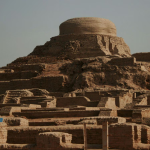
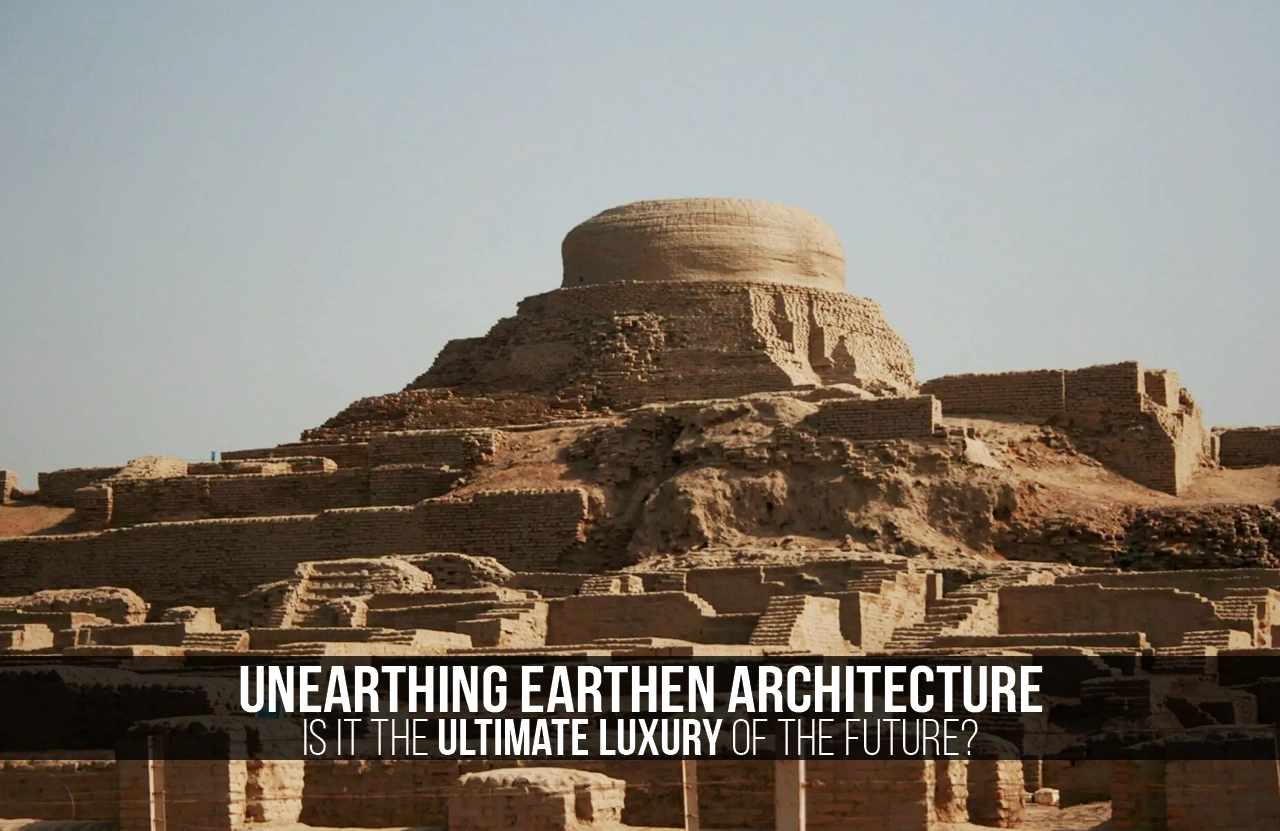
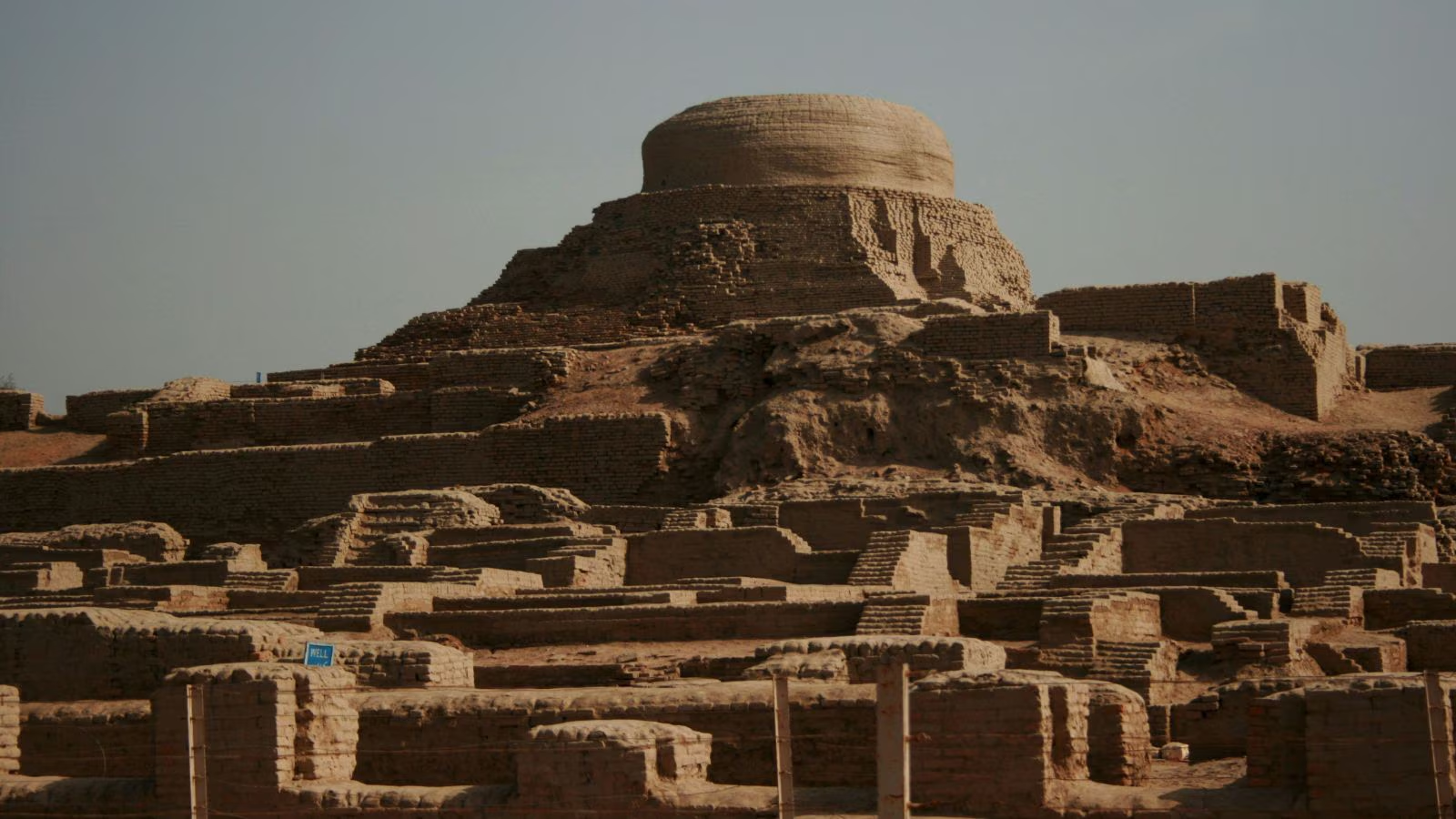
From mud-brick homes to magnificent homes, earthen architecture was practised in India for centuries. The earliest evidence of earthen architecture dates back to the Indus Valley Civilisation (2600-1900 BCE). From their planned layouts to public baths, the cities of Mohenjo-Daro and Harappa saw a prevalent use of earthen architecture, be it their bricks or plaster. While today’s megacities fail in respect to basic public amenities and infrastructure, these ancient civilisations are widely hailed for their radical urban design and sanitation systems. So does their use of earthen architecture have to do with their architectural success?
Why does earthen architecture work?
Unlike unnatural materials like concrete and glass, earthen materials are much in tune with nature and its various elements. As earthen materials comprise naturally occurring materials such as mud, sand, straw and clay, sourcing them is cost-effective compared to conventional building materials such as cement and glass. By cutting down on the entire manufacturing process, earthen materials prove to have a smaller carbon footprint. These materials don’t generate construction waste as they are easily recyclable. They are also eco-friendly construction materials, as earthen walls have high thermal mass, meaning they absorb, store, and release heat slowly, helping maintain ideal indoor temperatures. This, in turn, helps reduce the need for air conditioning, thus saving energy.
Types of earthen construction
Earthen architecture may just be the ultimate luxury of the future and not just a fad, as it proves not only to be a sustainable way of construction but also provides a wide variety of construction techniques which can be utilised as per climate and aesthetic requirements. Some of them include-
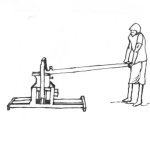
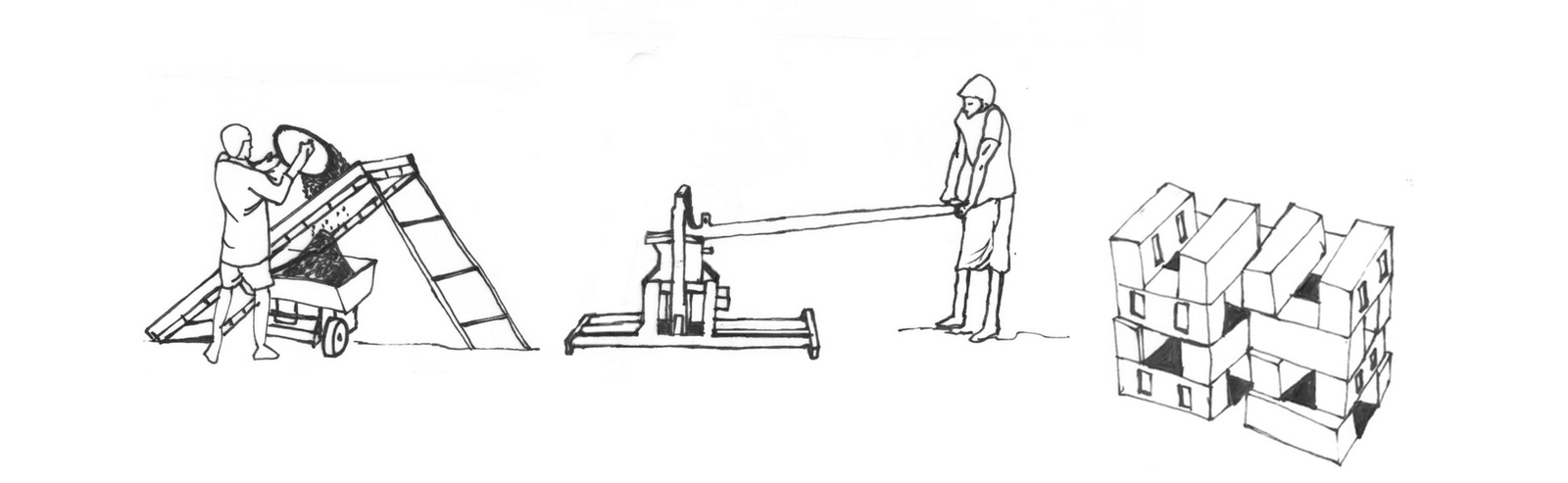
CSEBs- First attempted in France in 1803, Compressed Stabilised Earth Blocks or CSEBs are made by compressing a mix of soil, sand, and cement. These blocks allow for thinner walls, which have a much better compressive strength and water resistance. As the soil can be extracted from the site itself, the transportation cost is cut.
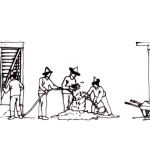
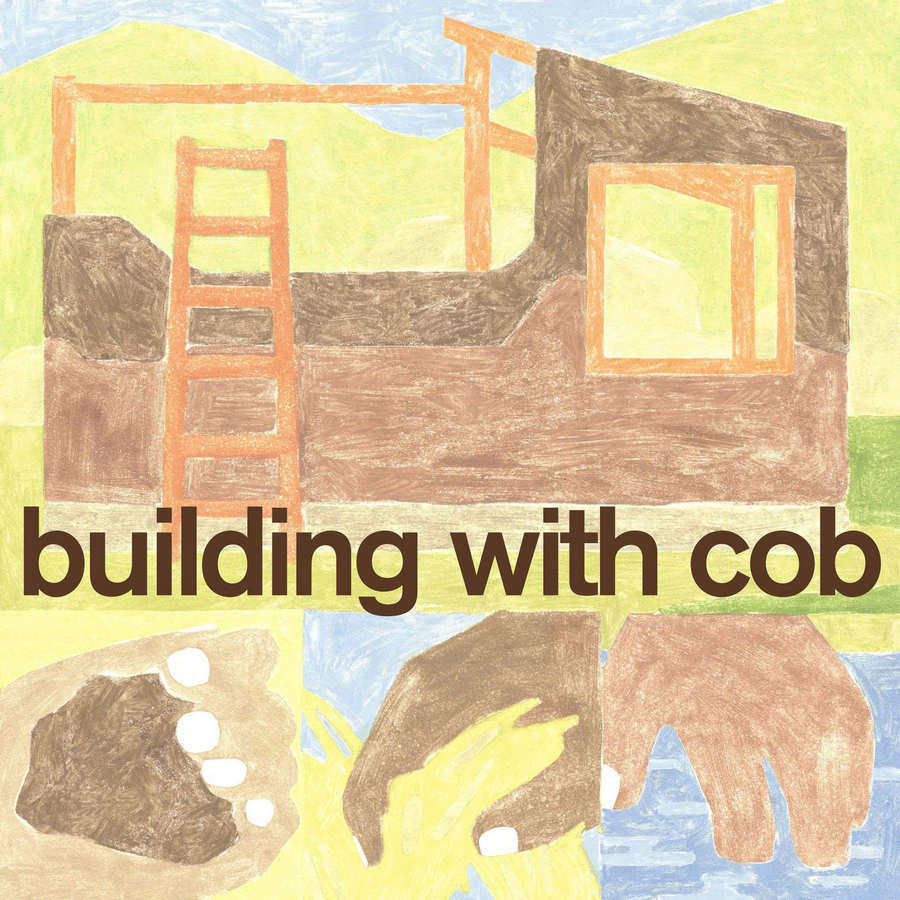
Cob building – A blend of clay, sand and straw layered to make up a wall is called cob construction. It is relatively easy to construct, and as CSEBs, the raw materials can be procured from the site, and it is excellent with thermal insulation.
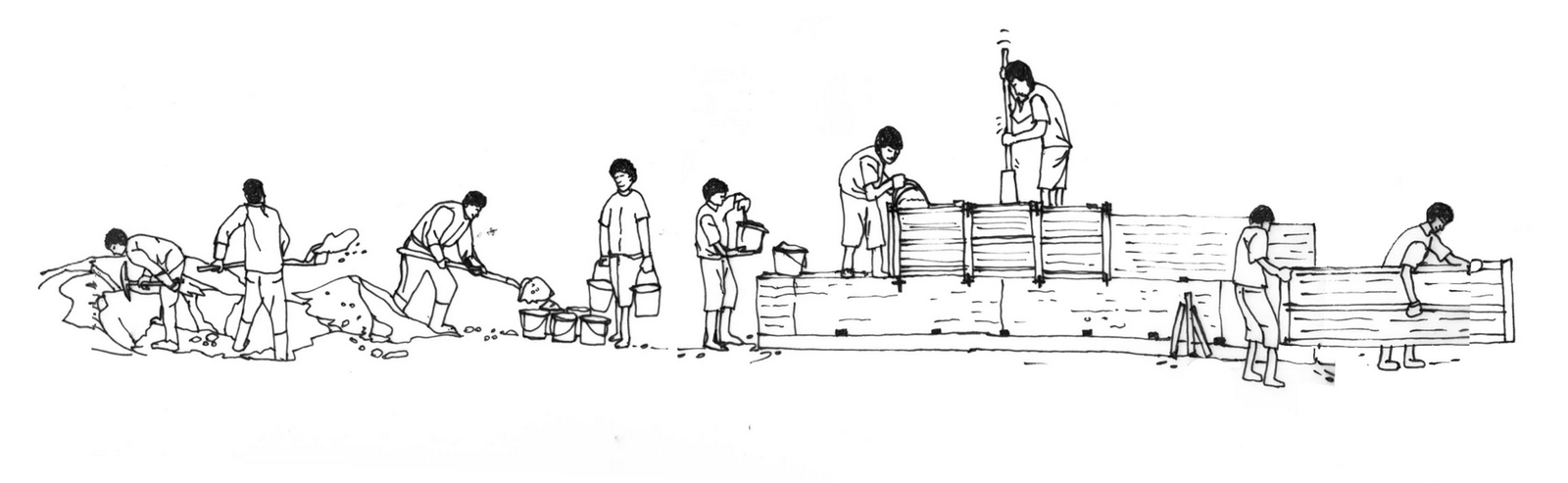
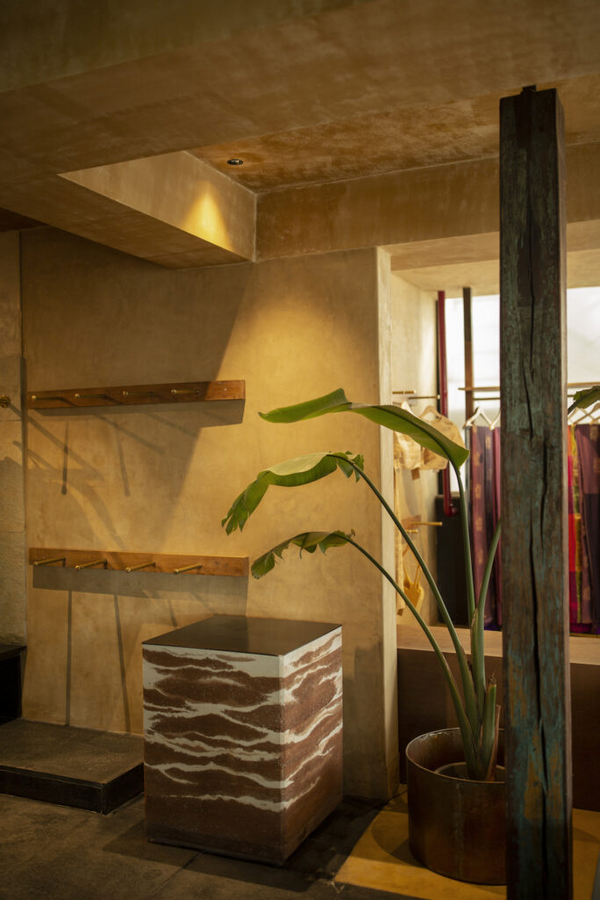
Rammed Earth- When walls are constructed by ramming layers of soil between formwork, rammed earth walls are born. After removing the formwork, the beautiful layers of exposed earth can be seen, making this wall not only thermally compatible but also aesthetically pleasing.
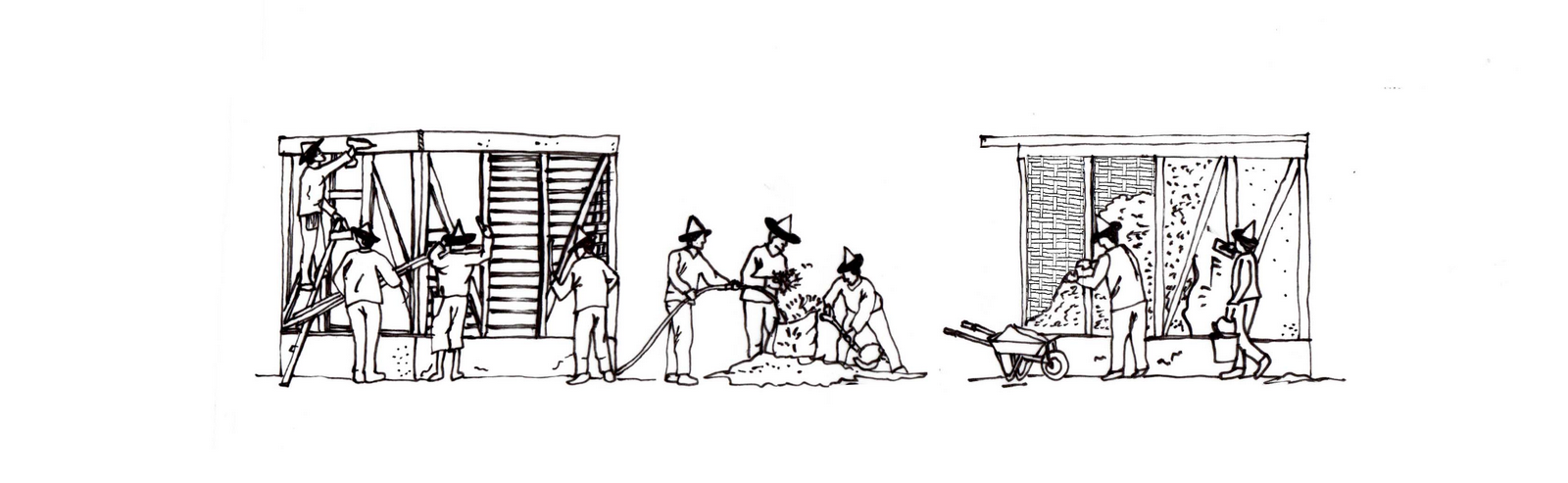
Wattle and daub- The wattle and daub technique involves weaving straws to form a wattle, which is then daubed with a mixture of sand, clay and sometimes animal dung. This technique creates walls that are strong, well-insulated and resistant to earthquakes.
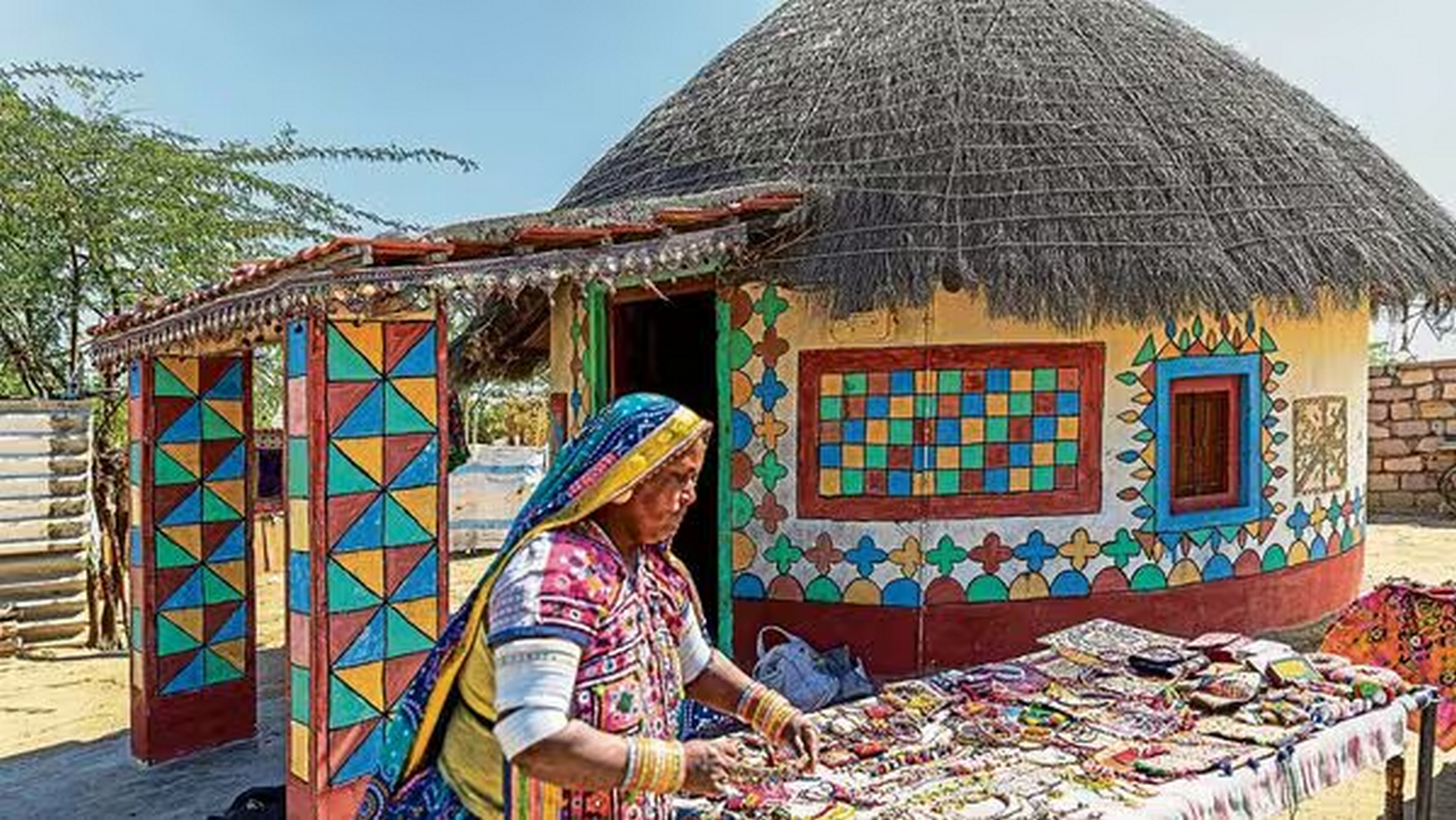
Earthen architecture, traditionally.
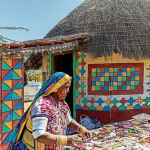
Traditionally, earthen architecture was used in many parts of the country, shaped by climate, locally available materials and needs. For example, the Kutch region of Gujarat is considered a Zone V seismic area, as it is at a severe risk of earthquakes. Thus, they developed a form of earthquake-resistant earthen architecture in the form of Bhunga houses. The Kath Kuni houses from Himachal Pradesh, on the other hand, developed earthquake-resistant vernacular houses too, but with stone and interlocking wooden corners. This goes to show the diverse range of how earthen architecture can be utilised to solve problems and forge a cultural significance.
The return of earthen architecture.
Over the decades, earthen architecture suffered from archaism, the image of an outdated form of living in the modern world. But despite this impression, many prolific architects and firms practise earthen architecture. Practices like Made in Earth, Bengaluru and Masons Ink, Bengaluru, are some of the firms that are restoring the tradition of building with earth. Their projects showcase the sustainable nature of earthen architecture and also attempt to rewrite the archaism by proving that the buildings constructed from earthen materials are not only functional and aesthetically pleasing but also age better.
Refrences:
https://www.shareyourgreendesign.com/why-earthen-architecture-may-be-a-big-part-of-our-future/
https://www.getty.edu/news/why-earthen-architecture-may-be-a-big-part-of-our-future/
https://www.iiad.edu.in/the-circle/earthen-architecture-technique-examples-in-modern-india/
https://dev.earth-auroville.com/compressed-stabilised-earth-block/
https://globalgreen.org/latest-posts-home/green-building-cob-building/
https://pmc.ncbi.nlm.nih.gov/articles/PMC8579185/