‘Approximately half of U.S. adults report experiencing loneliness, with some of the highest rates among young adults.’ (Dr. Murthy, 2023) In recent years, loneliness has emerged as a serious public health epidemic, affecting millions of people worldwide. Many individuals experience perceived social isolation, lack meaningful human connection, or feel emotionally disconnected from others. According to health experts, chronic loneliness can significantly increase the risk of premature death, heart disease, anxiety, depression, and other physical and mental health issues.
Social connections are shaped by various factors including individuals, personal relationships, community environments, and broader societal influences. Although many of these factors depend on the individuals’ intrinsic ability to form relationships, the community level presents an opportunity for the urban planners and designers to reduce social isolation through creation of walkable neighbourhoods.
While walkable neighbourhoods may not completely solve the loneliness epidemic, but they can encourage daily interaction, strengthen social relationships, and improve mental well-being.
What are Walkable Neighbourhoods?
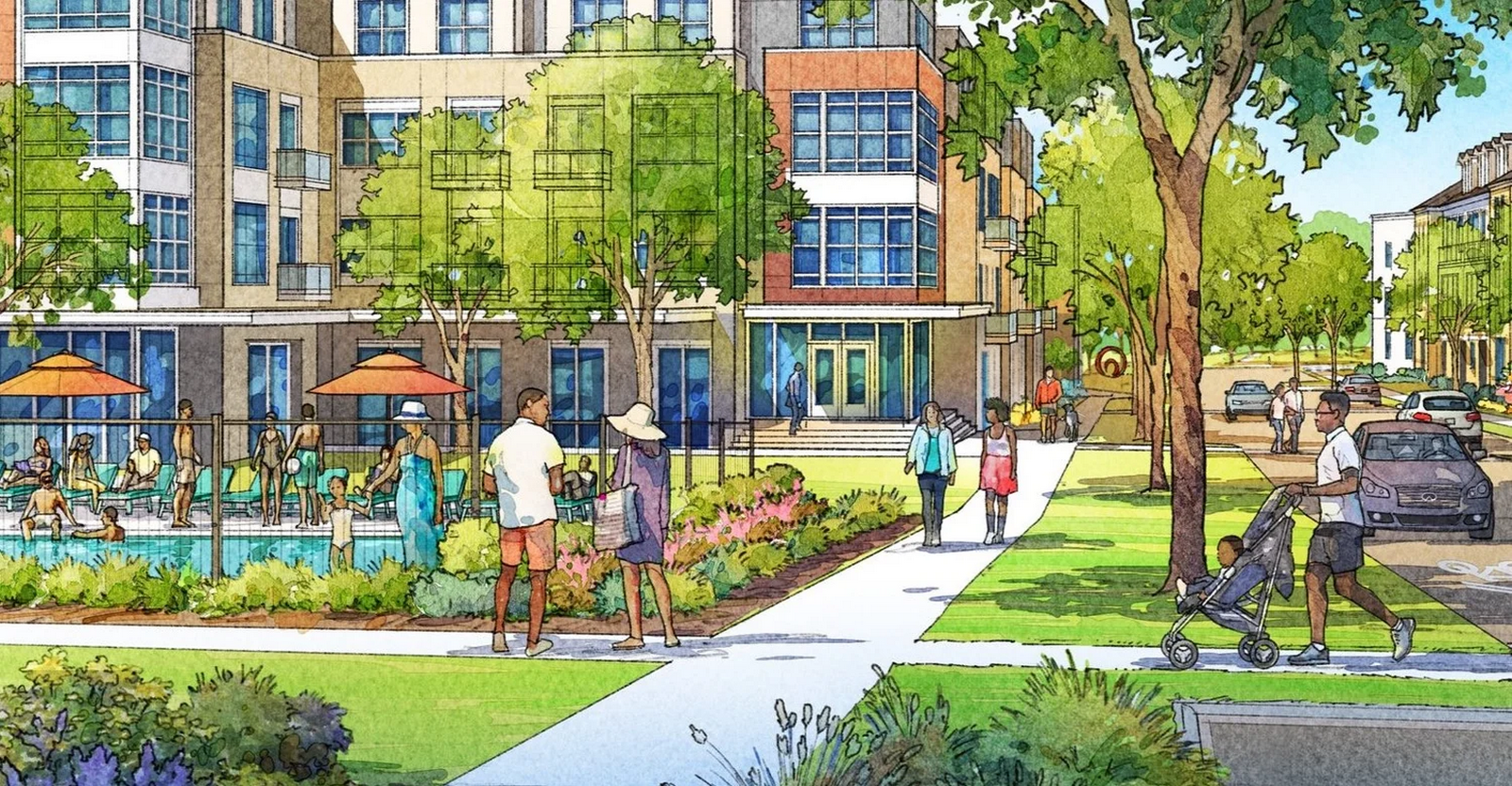
A walkable neighbourhood, according to Jeff Speck, exhibits several key qualities: it gives people a proper reason to walk, ensures that the walk is safe, enables a comfortable walking experience, and makes walking interesting.
Under Euclidean Zoning, large areas of land are separated based on their usages, creating districts exclusively for residences, shops, and workplaces. In contrast, walkable neighbourhoods are supported by diverse mixed-use programming that brings essential services closer to where people live. This may encourage residents to walk instead of relying on cars for trips that may take less than five minutes by driving. The “15-minute neighbourhoods” reflect the idea of grouping various essential amenities together within a 15-minute walk or bike-ride.
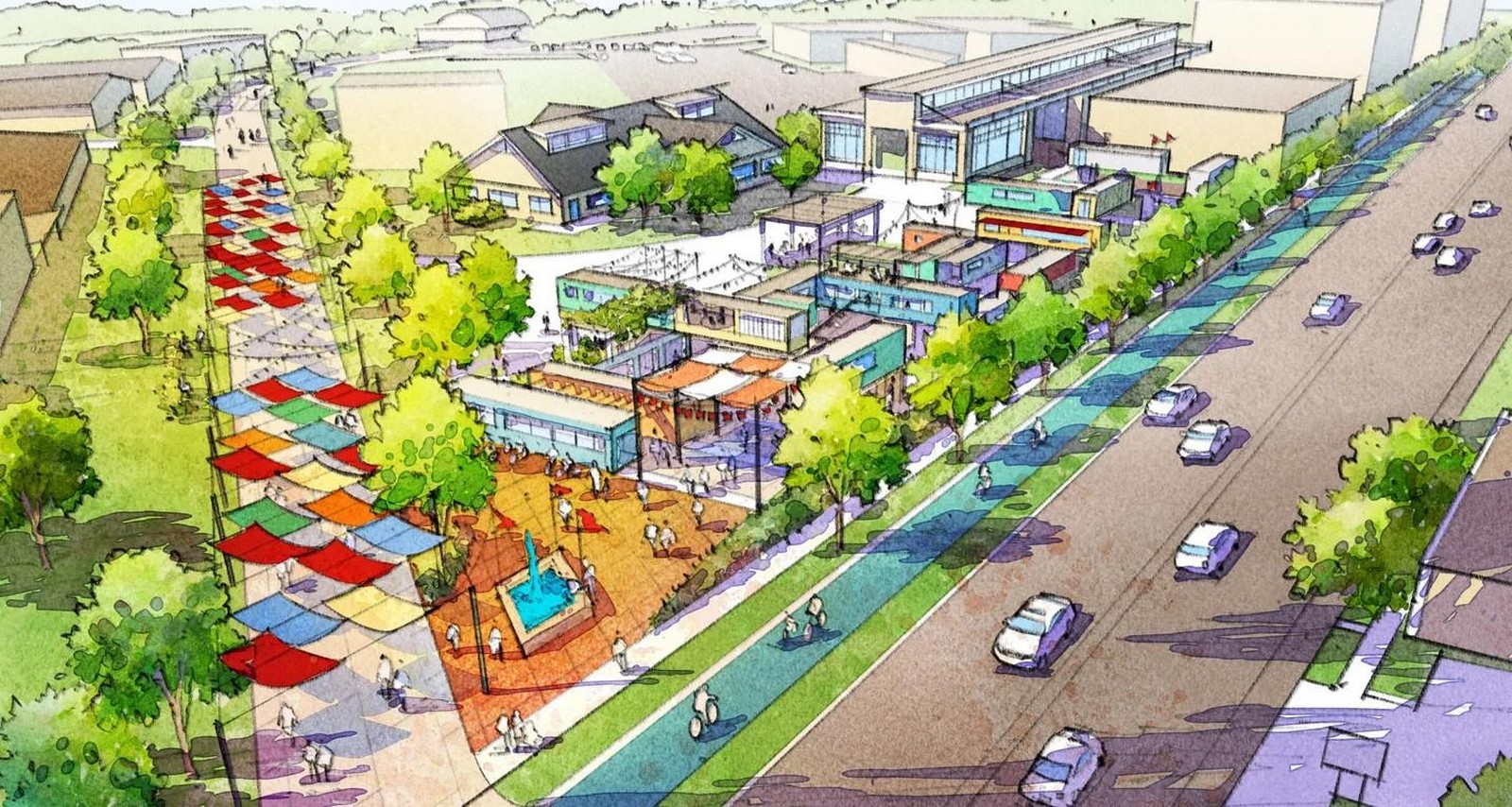
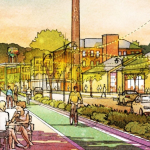
Car-centric neighbourhoods prioritize automobile travel, often resulting in wide roads, limited sidewalks, and greater distances between destinations. In such environments, walking becomes difficult and unsafe, reducing opportunities for casual social contact and community interaction. While human-centred and human-scaled neighbourhoods prioritize pedestrians through public infrastructure. Streets are designed with sidewalks, pedestrian crossings, traffic signals, and accessible public transportation systems that make walking feasible and safe. Some communities also employ pedestrian guides during peak traffic hours to assist pedestrians, further improving walkability and pedestrian comfort. Additionally, the people on streets add a layer of natural surveillance – “eyes on the streets”, ensuring security of the pedestrians.
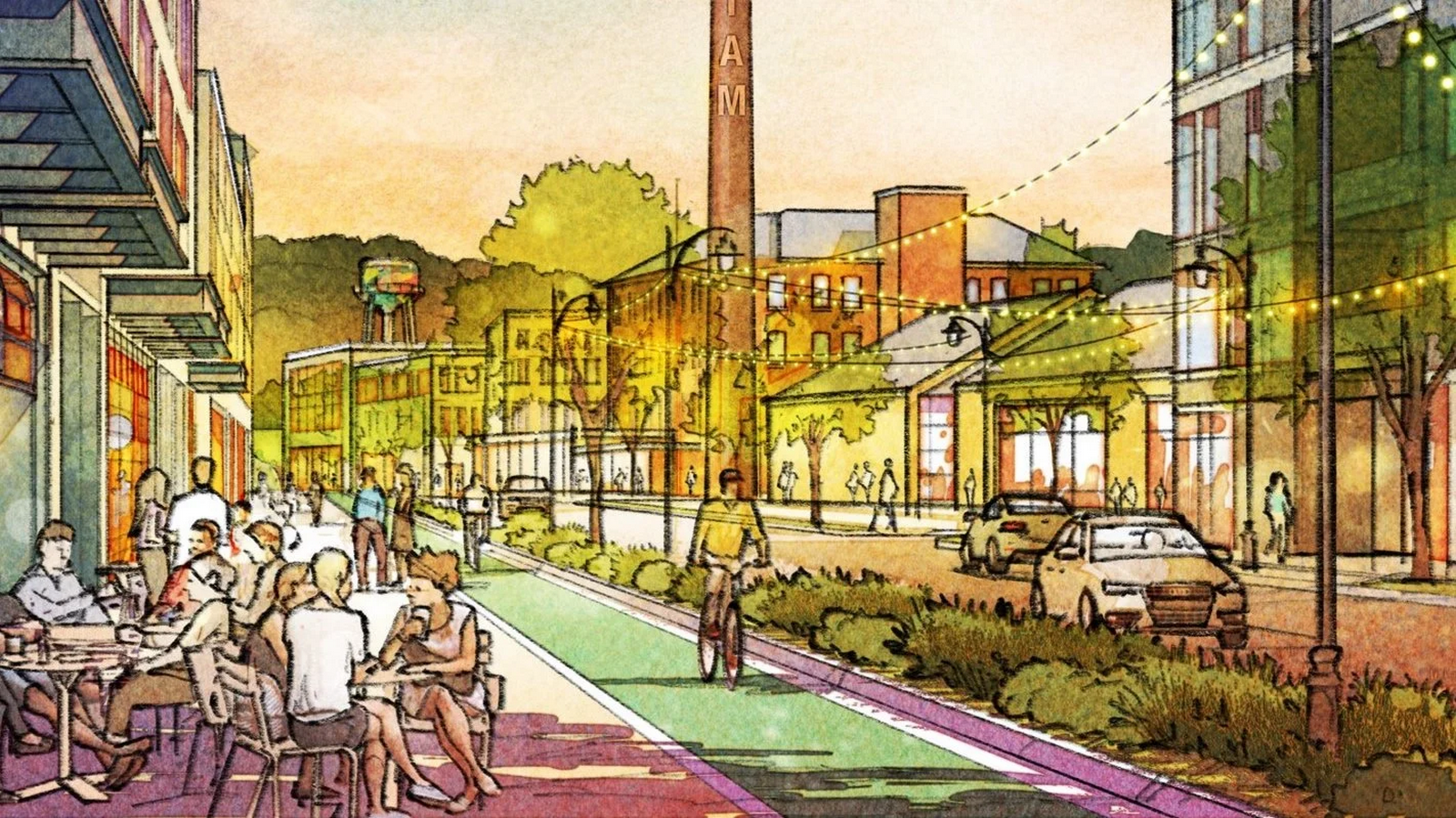
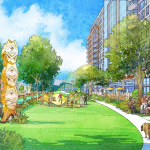
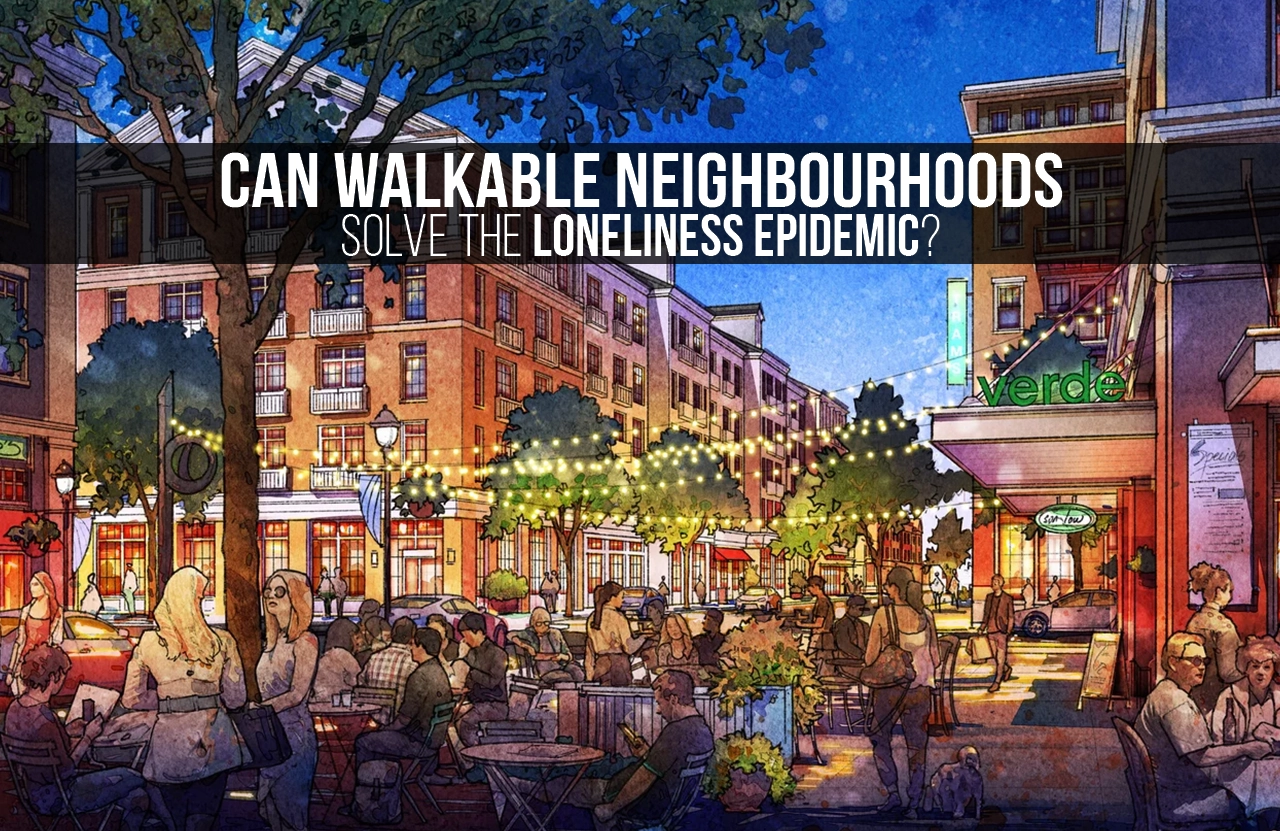
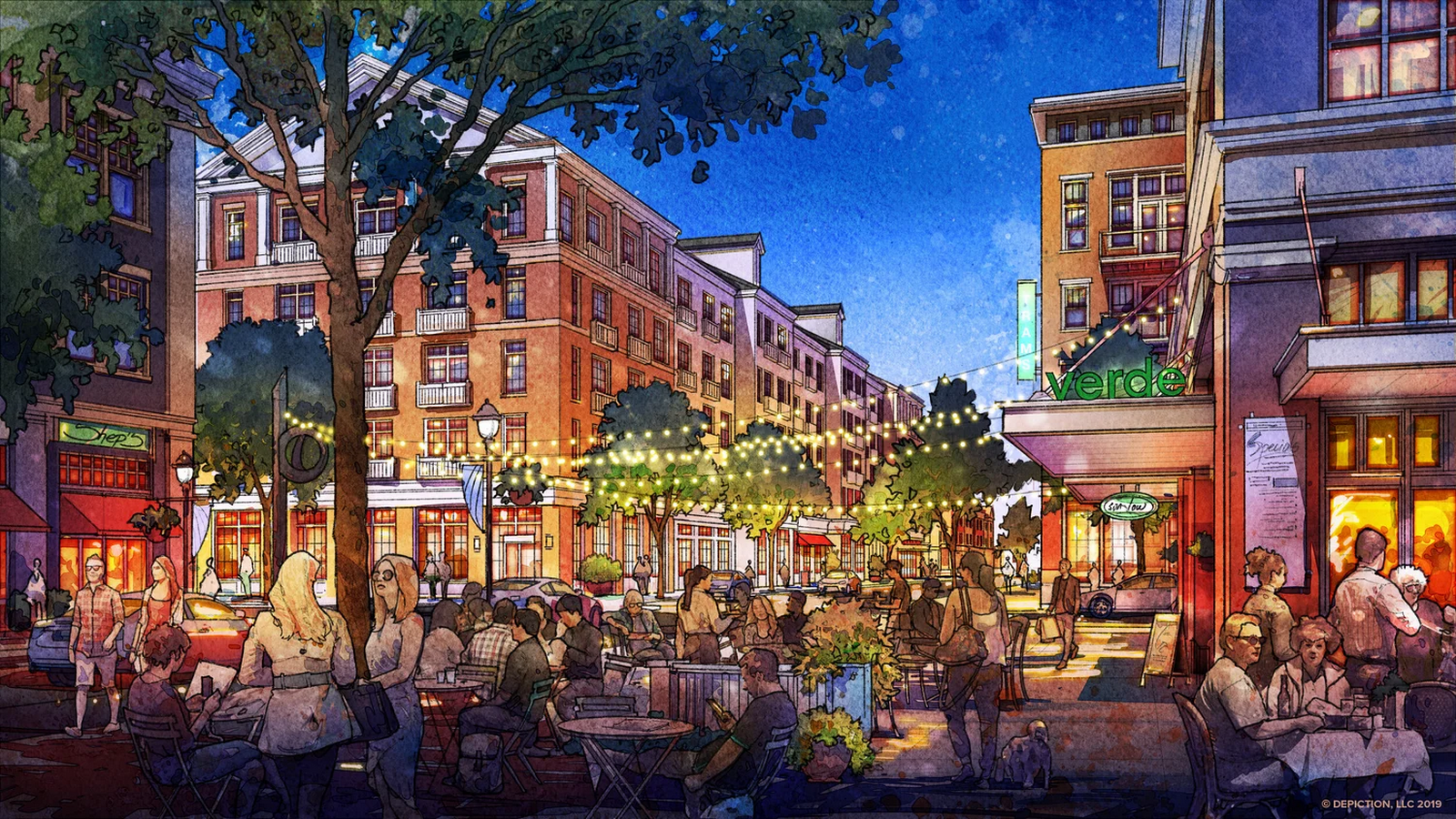
Walkable neighbourhoods may also include what urban sociologist Ray Oldenburg calls “third places”. These are informal public spaces such as cafes, parks, libraries, and open-air marketplaces, where people gather, relax, and interact, outside their homes and offices. When the streets are interspersed with such third places, they add character and make the walk more engaging and memorable. The spaces can motivate residents to explore their communities on foot while encouraging spontaneous social interaction.
Cities like New York serve as strong examples of walkable neighbourhoods. Many districts within the city are mixed-used developments that layer residences, offices, shops, and restaurants within dense, interconnected blocks. A well-developed public transportation system further reinforces walkability. Parks and informal public spaces scattered throughout the city act as melting pots where people from diverse backgrounds gather and interact.
Walkable neighbourhoods encourage social exposure that can help foster a sense of community and belonging.
How Walkable Neighbourhoods Reduce Loneliness
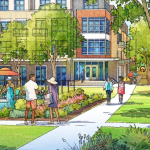
Walkable neighbourhoods naturally create opportunities for residents to encounter one another in everyday life. Shared public spaces can be considered a form of social infrastructure, providing platforms for spontaneous interaction and community engagement.
In the book ‘The Image of the City’, Kevin Lynch introduces the concept of ‘imageability’ where the paths, nodes, and landmarks enable observers to form mental images of a place and shape memories. Streets filled with people walking along sidewalks, chatting in the café, relaxing in the parks, or spontaneously exchanging greetings can create an image of a safe and friendly neighbourhood. These impressions may, in turn, influence people’s behaviour and encourage them to actively in community life.
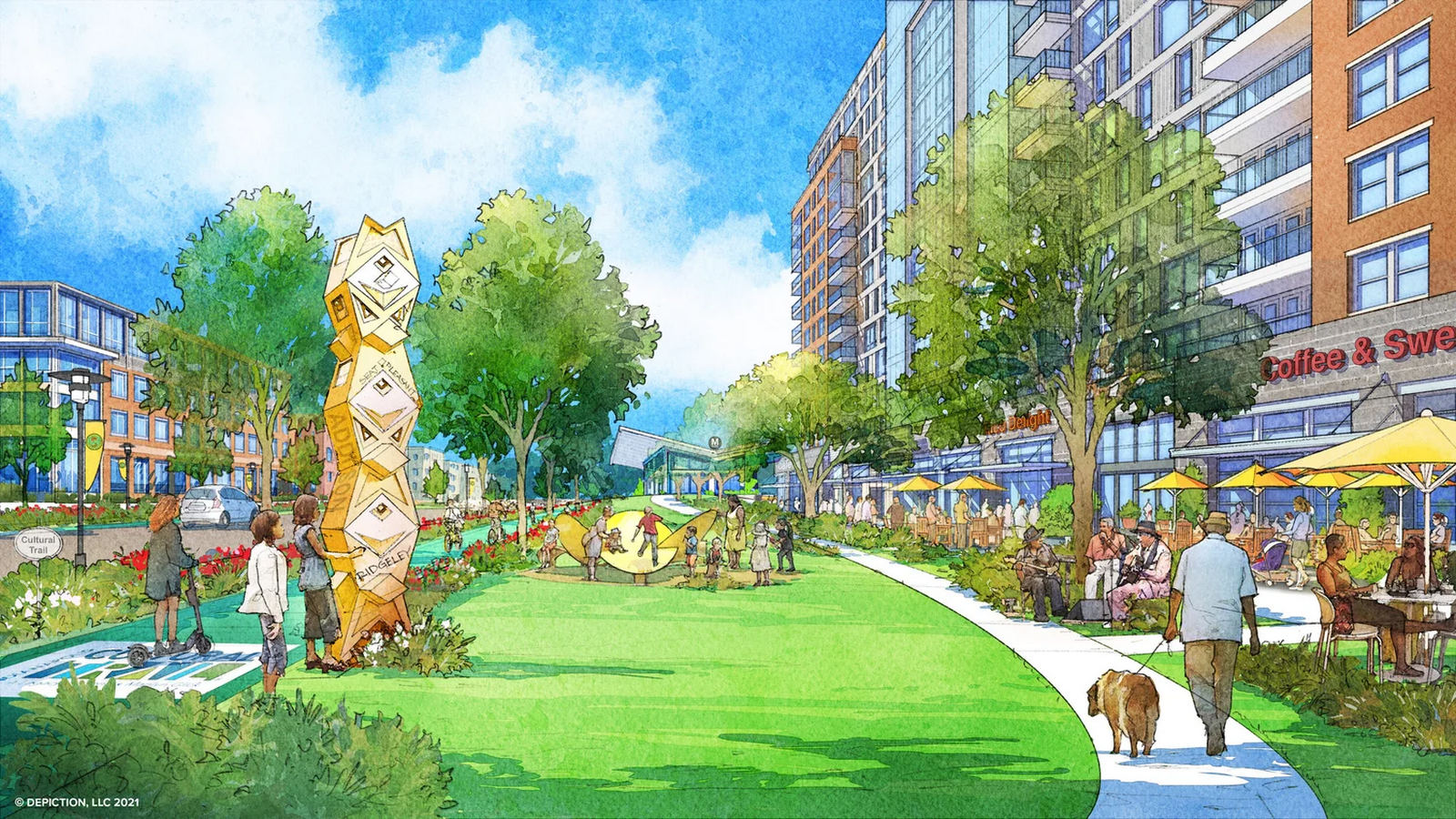
As creatures of habits, people often evolve repeated activities into personal “standing traditions”. Standing traditions are routines that occur regularly over time. A daily walk to one’ favourite coffee shop, an evening stroll around the block, or a morning walk with the dog are examples of such traditions. Repeated activities over long periods create opportunities to meet the same people frequently. These regular interactions foster familiarity and trust, which are important building blocks of social relationships. Such frictionless encounters open the possibility for casual conversations and gradually cultivate a sense of belonging to a larger community.
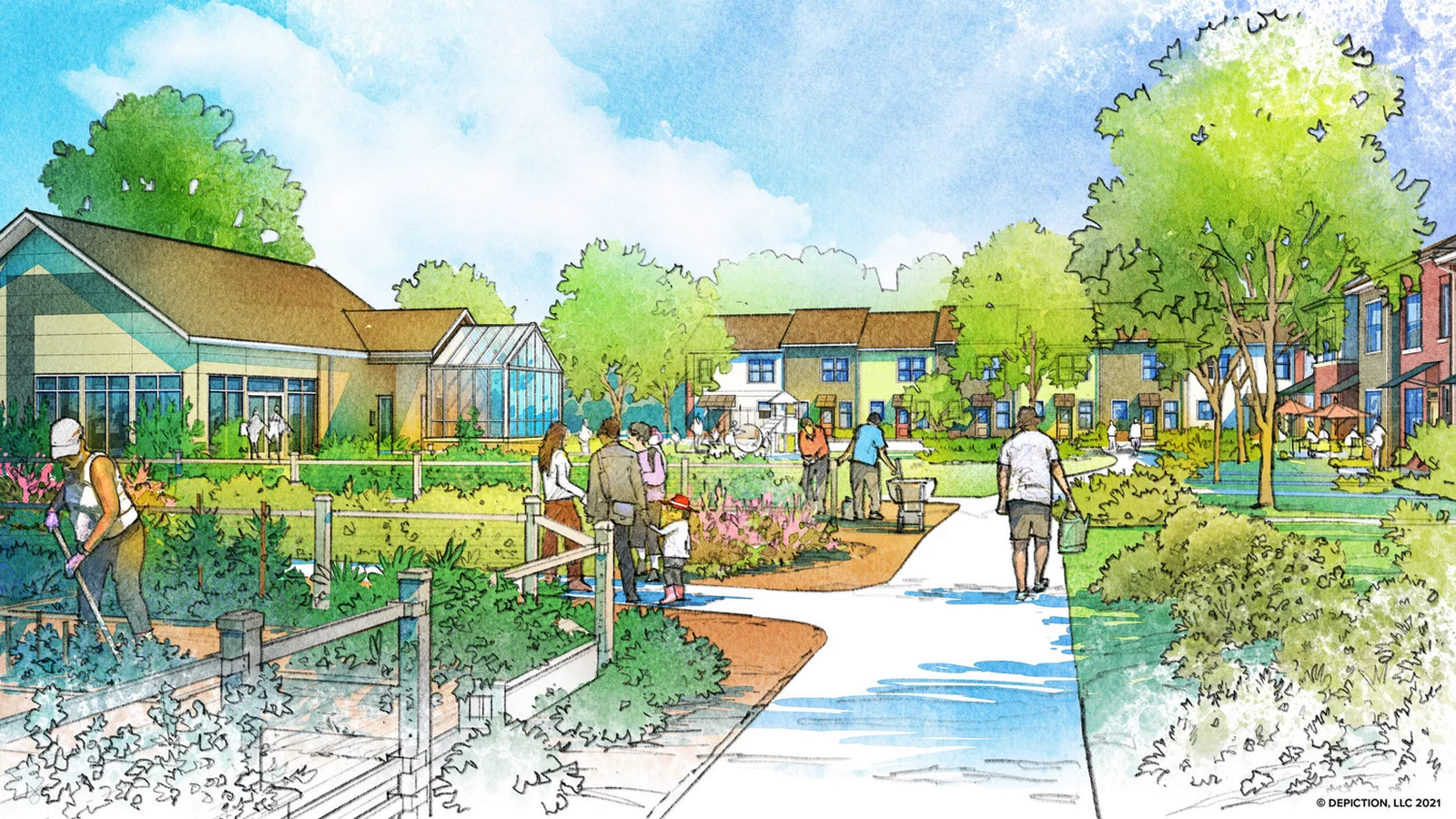
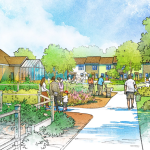
“Third places” also provide opportunities to form collective standing traditions. Participating in group activities that individuals identify with, while working toward a shared goal, can help create supportive communities. Joining a fitness group to pursue health goals alongside others, or volunteering to plant trees in the neighbourhood as part of a gardening initiative, are examples of collective traditions. In this way, walkable neighbourhoods act as catalysts that shape memories, behaviours, and relationships through repeated social exposure and shared experiences.
Beyond chance encounters and relationship building, walking itself is associated with improved mood and better physical health. Regular walking can reduce stress, anxiety, and depression, all of which are closely linked to feelings of loneliness and isolation.
In contrast, car-centric neighbourhoods are often associated with sedentary lifestyles and health issues such as obesity, leading some urbanists to describe them as “obesogenic environments.” Walkable neighbourhoods encourage physical activity as part of daily life, helping residents maintain both physical and mental well-being. When people are physically and emotionally healthier, they may be better equipped to cope with social isolation and build meaningful social connections.
Walkable Neighbourhoods Are Not a Complete Solution
Walkable neighbourhoods are not a complete solution to the loneliness epidemic. Loneliness is also influenced by several other factors, including social media dependence, economic stress, mental health challenges, and cultural changes.
Although walkable neighbourhoods create opportunities for spontaneous interaction, their impact may be limited if individuals prefer online engagement over face-to-face social interaction. During emotionally difficult situations, individuals may withdraw from social interaction due to fear of judgment, misunderstanding, or emotional vulnerability. In such circumstances, the built environment alone may have limited influence on reducing feelings of isolation.
Cultural and societal changes can also affect people’s ability to form close interpersonal relationships. Even in highly walkable communities, cultural barriers may discourage interaction and limit the development of meaningful social connections. Some walkable areas may still feel unsafe or isolating if public spaces are poorly maintained or lack adequate social support systems. Issues such as homelessness, when not addressed through inclusive housing and welfare policies, can also influence residents’ perceptions of safety and comfort in public spaces.
Additionally, such neighbourhoods remain limited in supply in many cities. Their desirable qualities often increase property values and living costs, which may contribute to gentrification and reduce affordability for lower-income residents.
While walkable neighbourhoods can create conditions that encourage social connection, they should be viewed as one component of a broader solution to loneliness rather than a universal cure.
Loneliness has emerged as a significant public health issue shaped by personal, social, and spatial factors. Urban design plays a critical role in influencing how people move, interact, and form relationships. Walkable neighbourhoods are particularly helpful in facilitating more frequent encounters, strengthening social ties, and contributing to physical and mental well-being. While they remain a piece of the puzzle, these neighbourhoods create meaningful opportunities to reduce social isolation over time.
As cities continue to evolve, there is a growing need for urbanism that prioritizes human connection. Enhancing walkability may be one of the most practical steps towards creating socially connected spaces.
References:
- Jacobs, J. (1961) The Death and Life of Great American Cities. New York: Random House.
- Kevin Lynch (1960) The Image of the City. Cambridge, MA: MIT Press.
- Oldenburg, R. (1989) The Great Good Place. New York: Berkshire Publishing Group.
- Roberts-Ganim, M. (2023) ‘Third places: what are they and why are they important to American culture?’, University of Chicago English Language Institute, November.
- Speck, J. (2013) The walkable city [TED Talk]. Available at: https://www.ted.com
- Speck, J. (2017) 4 ways to make a city more walkable [Video]. Available at: https://www.youtube.com