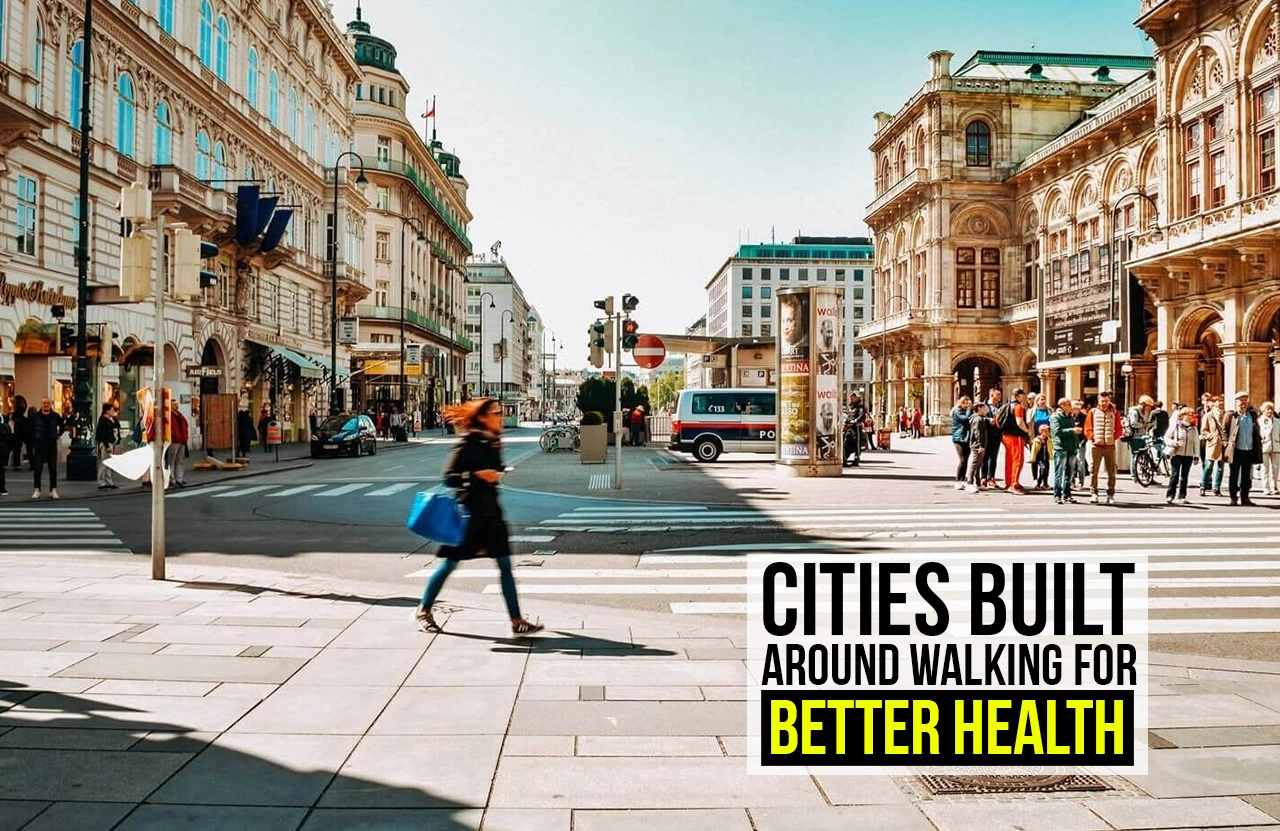
Walkability is usually considered a transportation challenge, signifying how easily people can navigate a neighborhood or city by walking. Walking changes the pace of city living: it slows people down enough to notice their environment. This slower pace can positively affect mental health, a term which here refers to a person’s emotional and psychological well-being. Even as more people recognize the health benefits of walkable neighborhoods, the exact relationship between walkability and mental well-being in urban settings is not fully understood. Mental health disorders, problems that interfere with mood, thinking, and behavior are a major public health concern. In 2019, these disorders accounted for five percent of global disability, meaning they caused limitations in how people live their daily lives. More recently, there has been growing interest in how city planning and the built environment affect mental health. Early research indicates that the design and features of a place can influence both mental health problems and physical illnesses.
A key factor in urban design is walkability. It’s important to acknowledge that walkability is experienced differently in urban, suburban, and rural contexts, and that urban factors such as noise, pollution, and density can significantly influence mental health. Walkable neighbourhoods with street-facing buildings, nearby destinations, tree-lined streets, and green spaces are linked to lower rates of depression, dementia, and stroke. The link between walking and wellbeing is also rooted in social interactions. Walkable urban areas facilitate spontaneous meetings, and these brief exchanges are important. A short dialogue outside a corner store, a simple nod between neighbors on a shared walkway, or a child accompanying an elder can all reinforce the invisible threads of community.
Many urban areas have been shaped by the notion that vehicles should dominate all movement patterns, yet this approach often puts pedestrians under strain. High-speed roads, limited crossings, and overwhelming intersections can make individuals feel unsafe and unwelcome. A city that prioritizes mental health changes this dynamic. It soothes traffic, shortens crossing distances, and prioritizes pedestrians. Slower vehicle speeds are not merely a safety measure; they also help to decrease overall stress. When urban streets are tailored for human use instead of car traffic, the levels of noise, danger, and visual clutter are significantly reduced.
Copenhagen: A Global Model for Walkability
Copenhagen is highly regarded as one of the world’s most livable and mentally healthy cities, owing to its strong emphasis on walkability, a thriving cycling culture, public spaces, and a balanced work-life dynamic. The streets are primarily designed for people, not cars, thereby reducing traffic stress and encouraging regular physical activity. The city emphasizes mental health by reducing car traffic and encouraging slower, more health-conscious methods of getting around. Expansive sidewalks, dedicated cycling paths, traffic calming initiatives, and pedestrian-friendly public areas enable residents to traverse comfortably without the constant burden of noise, danger, or congestion. Copenhagen initiated its pedestrianization efforts with Strøget, the city’s central street, which was transformed in 1962 as part of an experimental project. The conversion of this 1.15 km-long thoroughfare into a pedestrian zone was regarded as a groundbreaking initiative, following a public debate. In no time, Strøget became a resounding success, with businesses discovering that traffic-free areas boost their financial performance.
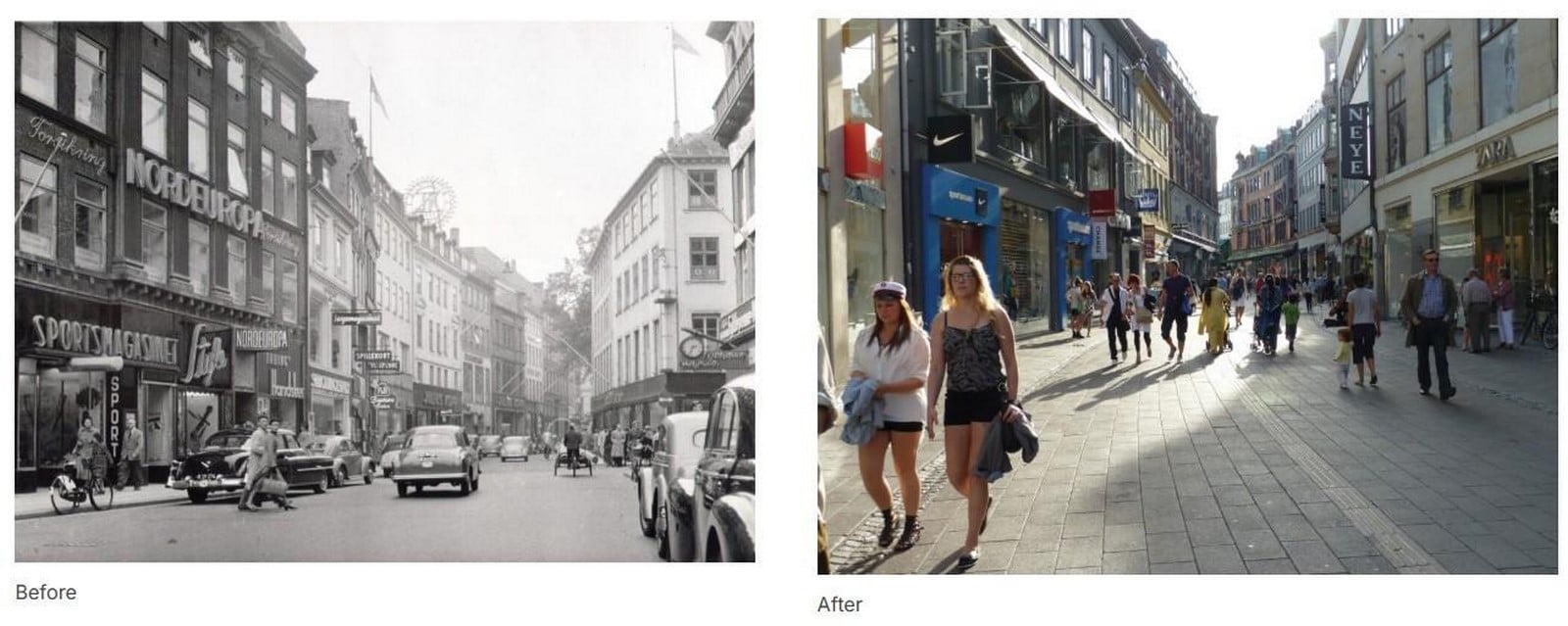
The transformation of Strøget into a pedestrian zone showcased the possibilities for vibrant outdoor public life in Denmark, as it provided the space and opportunity to cultivate a communal atmosphere in public areas. This change resulted in serene yet dynamic public spaces. The city emphasizes mental health by reducing car traffic and encouraging slower, more health-conscious methods of getting around. Strøget has undergone several renovations and enhancements over its 53 years, utilizing increasingly high-quality materials. Public spaces and plazas have been continually redesigned to improve pedestrian comfort while encouraging outdoor activities and social interaction. The idea of slow urbanism is evident throughout Copenhagen, where residents can easily walk or bike to schools, shops, workplaces, and leisure spots. Furthermore, Copenhagen incorporates greenery along its walking paths, turning everyday travel into a visually calming and more relaxed experience. Roaming the city becomes a refreshing activity rather than a tiresome responsibility.
Vienna’s Liveable and Walkable Neighbourhoods
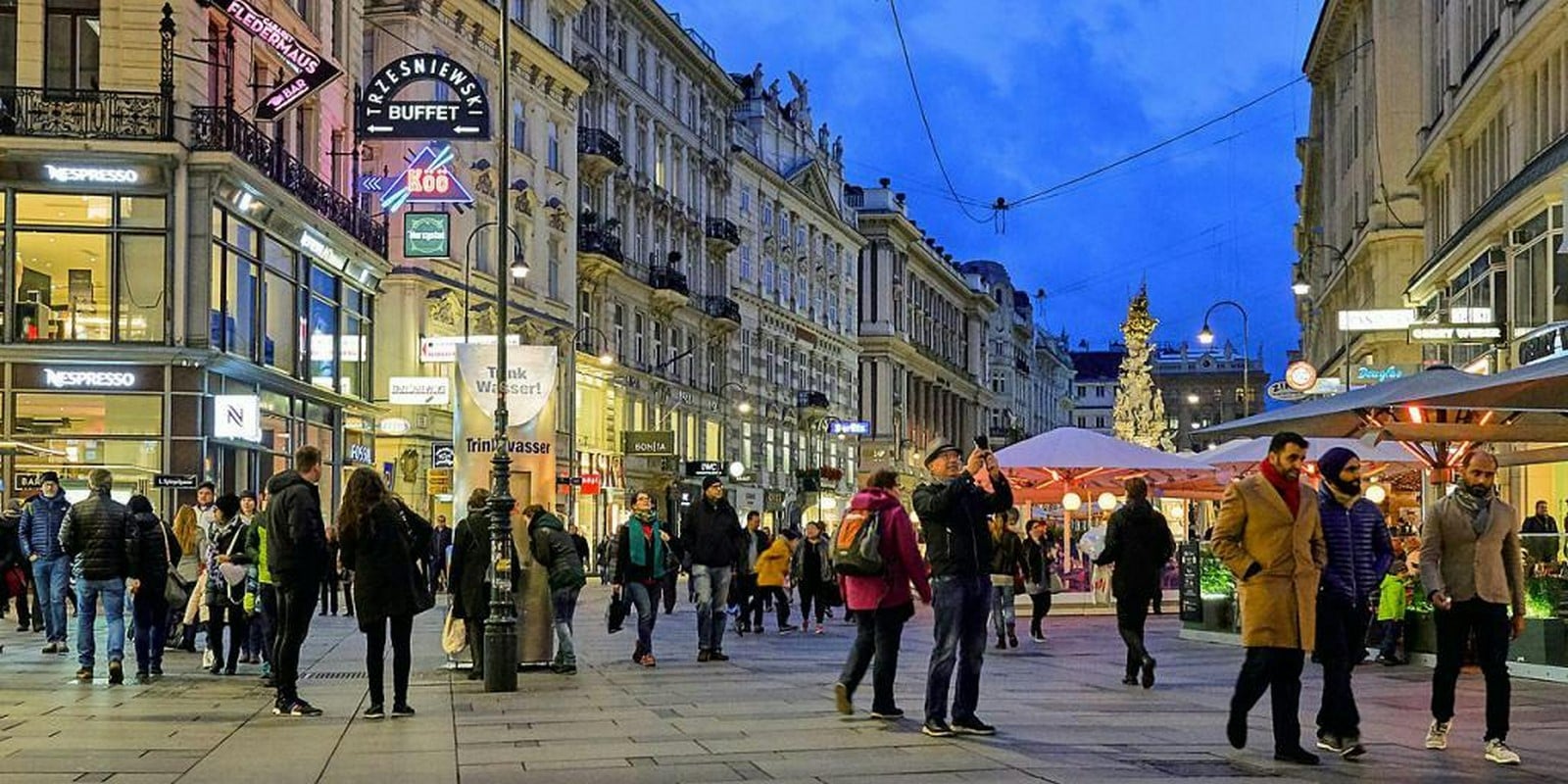
The capital of Austria, Vienna, is inhabited by roughly two million people. In 2025, it was rated as the second most livable city in the world, just behind Copenhagen, having previously been number one from 2022 to 2024. The city’s extensive public parks, cultural spaces, and easily navigable districts encourage locals to spend time outside and take part in civic life. Vienna illustrates how reliable housing and accessible services can help mitigate urban stress and combat social isolation. The Pedestrian Master Plan is developed as a strategic and coordinated initiative designed to create a safe and seamless pedestrian network throughout the Town. The existing assets include a commercial district, a historic downtown area, recreation centers, and numerous parks and trails that support a growing population enthusiastic about outdoor activities. Walkable streets and shaded public zones encourage a relaxed walking pace. The city’s attentive urban maintenance, cleanliness, and safety create atmospheres where individuals feel secure and comfortable in public spaces. These conditions contribute to reducing urban anxiety and motivate residents to enjoy more time outside.

Chennai’s Shift Towards Pedestrian Infrastructure
Cities in India are encountering continuous difficulties related to traffic jams, air pollution, and dangerous walking environments. However, the recent developments in Chennai demonstrate that improving walkable infrastructure can significantly enhance public health and promote environmental sustainability. A report from the Institute for Transportation and Development Policy reveals that Chennai revamped over 100 kilometers of roadways from 2013 to 2019 by building safer and more accessible sidewalks throughout the city. This initiative was launched after the city implemented its Non-Motorised Transport Policy in 2014, making it the first Indian city to allocate a significant part of its transport budget to walking and cycling infrastructure. The revamped streets featured wider sidewalks, improved crossings, better lighting, and safer public areas. These enhancements motivated residents to transition from private vehicles to walking for short trips.


In this strategy, roads are restructured to feature uninterrupted footpaths, well-organized street crossings, designated cycle lanes in certain locations, seating areas, trees, and enhanced lighting. Research by ITDP indicated that between 9% and 29% of pedestrians utilizing the upgraded sidewalks would have otherwise opted for private motorized transport. These components not only enhance physical safety but also promote mental well-being by alleviating stress and creating a more inviting public space. Consequently, Chennai averts thousands of tonnes of carbon emissions each year, positively impacting climate change efforts. The study also pointed out significant health advantages, such as decreased air pollution and increased physical activity, which contribute to lowering the risk of cardiovascular diseases and other chronic illnesses.
It was reported that around 340 lives were saved annually due to better walking conditions and cleaner air. Walkable environments have a profound effect on emotional well-being as they change the rhythm and quality of everyday life. In Chennai, lengthy commutes, traffic jams, heat, and noise frequently lead to mental exhaustion. Streets designed for walking offer a different perspective of the city, allowing residents to navigate at a more leisurely pace, interact with their environment, and find moments of respite in the urban landscape. The mental benefits of walking safely without the persistent worry of traffic are significant, especially for children, seniors, and women.
Designing Cities for Healthier Living
Cities that prioritize walking are not just enhancing transportation systems; they are transforming urban life in ways that promote physical health, mental wellness, social connections, and environmental sustainability. The cases of Copenhagen, Vienna, and Chennai illustrate how pedestrian-centric planning can foster safer, quieter, and more inclusive cities where individuals feel a bond with their environment and communities. The streets of these cities are crafted to foster outdoor living. Public seating, waterfront walkways, cafés, and open squares provide spaces for relaxation and spontaneous social gatherings. Chennai’s case demonstrates that designing cities with pedestrians in mind is not just a cosmetic enhancement but a vital approach for creating healthier, safer, and more sustainable urban environments in India. This approach helps reduce the feeling of isolation and enhances community ties, both of which are essential for mental health. Walkable streets diminish reliance on personal vehicles, reduce pollution, promote regular physical activity, and create chances for spontaneous social interactions that enrich civic life. In a time when urban stress, isolation, and lifestyle-related health issues are on the rise, designing cities with a human focus has become a necessity rather than a luxury. Streets that emphasize pedestrians over speed and traffic congestion help restore equilibrium within the urban landscape.