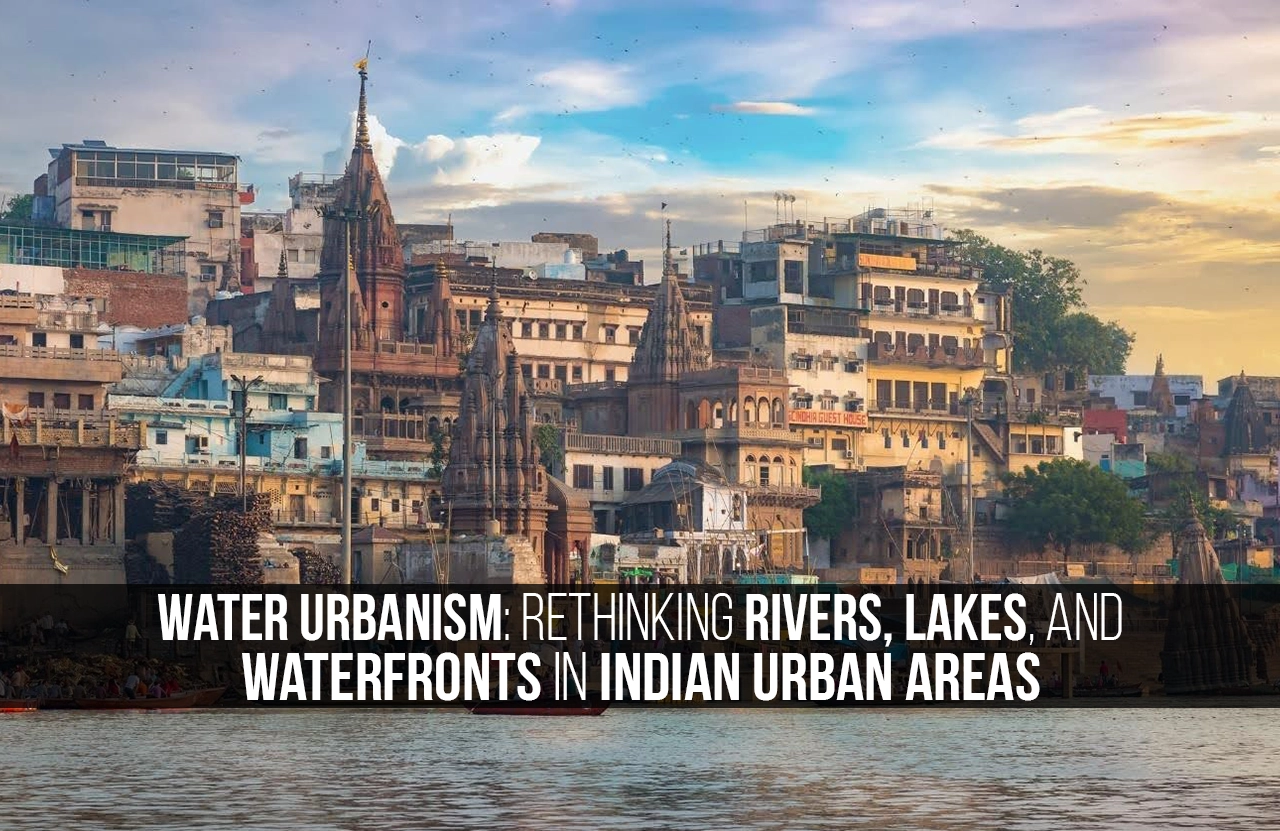
Historically, water has played a key role in shaping the space, culture, and ecology of Indian cities. Settlements grew along riverbanks, temple tanks defined neighborhoods, and stepwells served as both functional structures and aesthetic designs. However, rapid urban growth in the 20th and 21st centuries overshadowed these water systems, transforming them into drainage ditches, polluted borders, or investment opportunities. Climate change, with increased floods, heatwaves, and water shortages, has exposed the consequences of this neglect.
From sacred ecologies to crafted boundaries
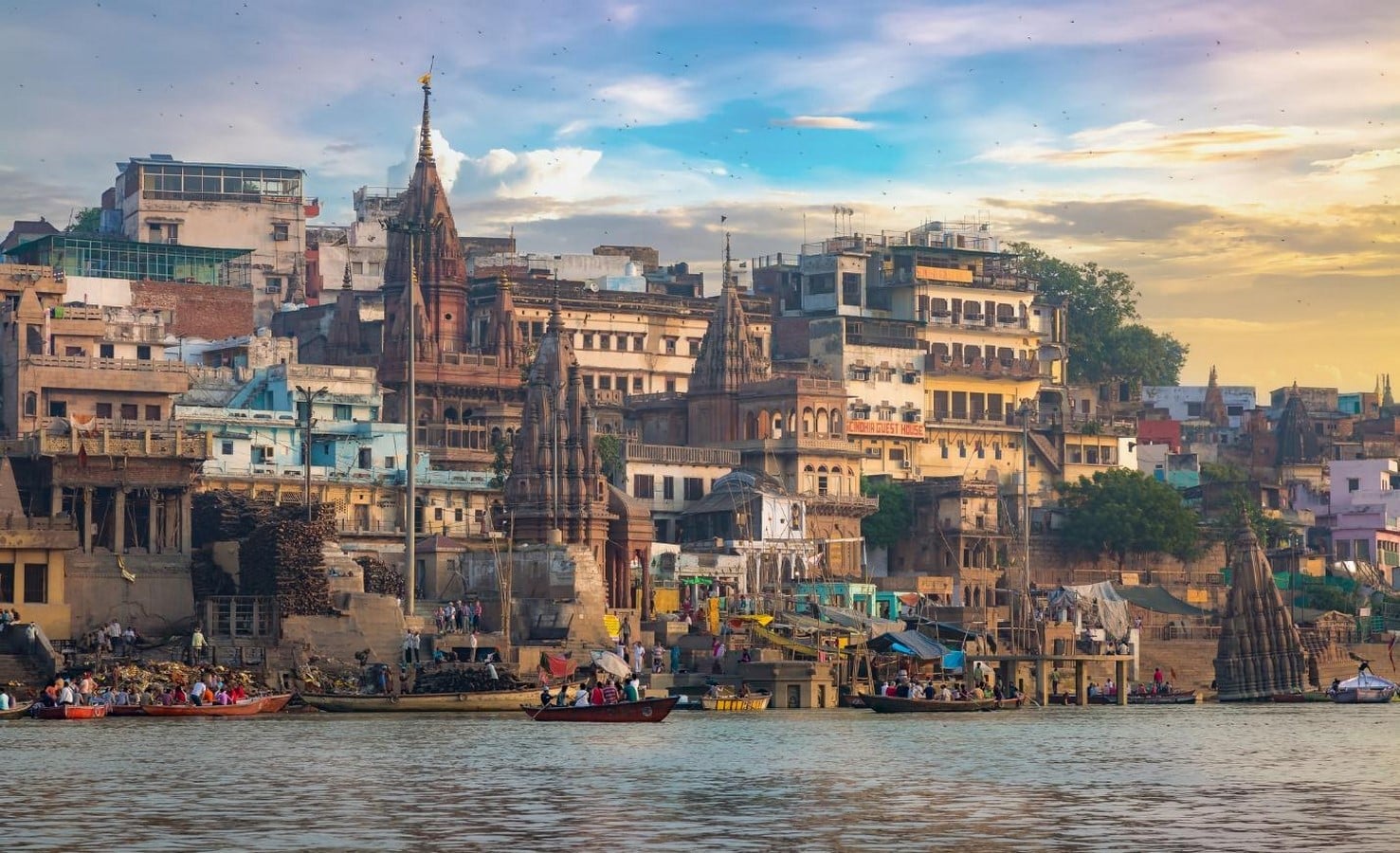
Traditional Indian urbanism combines water management with cultural aspects. The ghats of Varanasi acted as flood-responsive stepped structures instead of just ritual platforms. Temple tanks in South India served as water reservoirs, cooling systems, and community spaces. Stepwells combined water retention with shaded meeting areas. These systems showed a clear understanding of seasonal changes and ecological variability. Modern urban development, on the other hand, often deals with water through rigid engineering. Channelization, concrete banks, and culverted drainage prioritize runoff speed over absorption and replenishment. Floodplains have been developed for residential and commercial use. The result is problematic: urban areas experience flooding during the monsoon season and water shortages in dry spells. Water urbanism challenges this idea by viewing rivers and lakes as active ecological systems rather than just passive barriers.
Ecological Restoration: More Than Surface-Level Revitalization
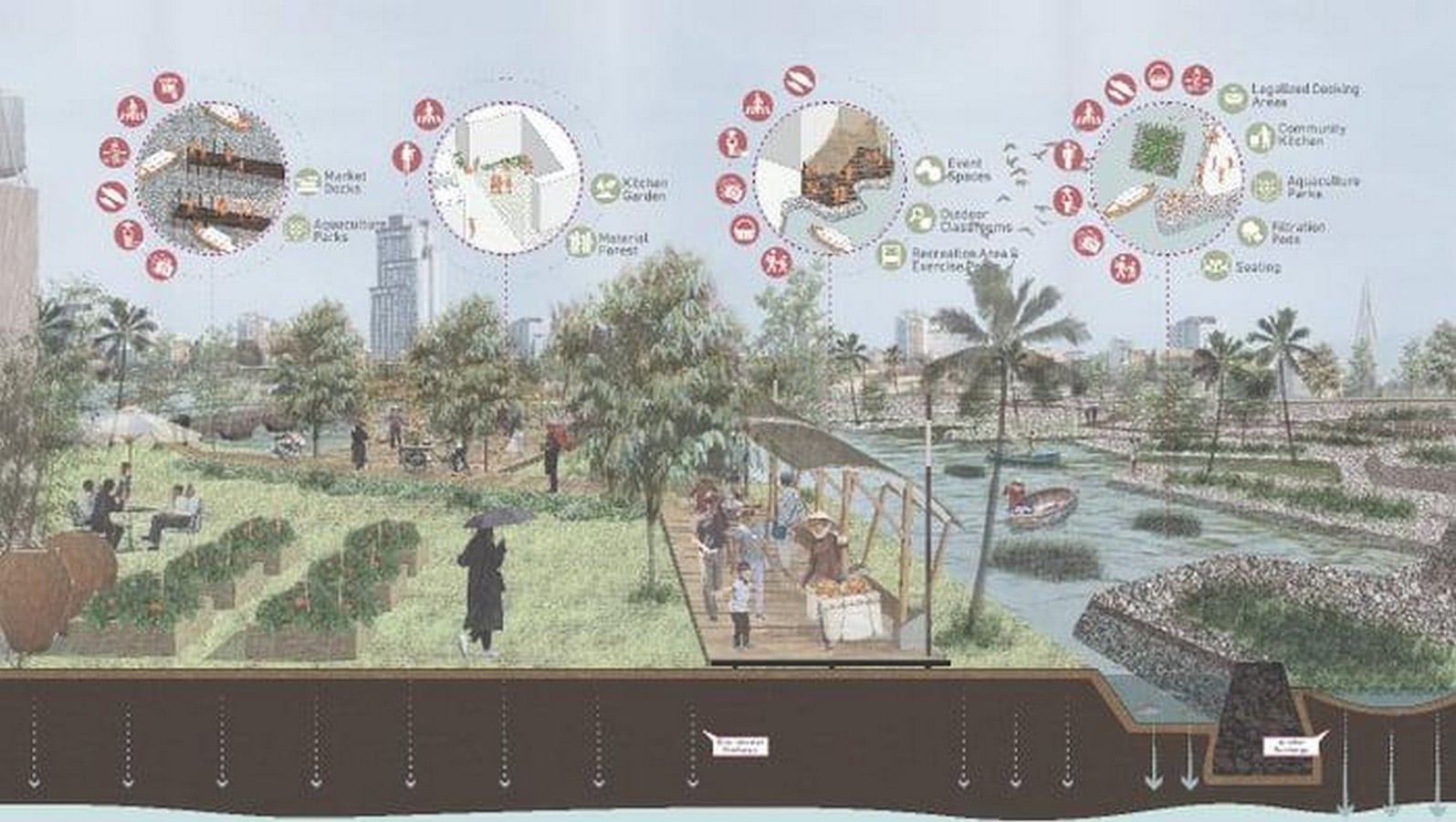
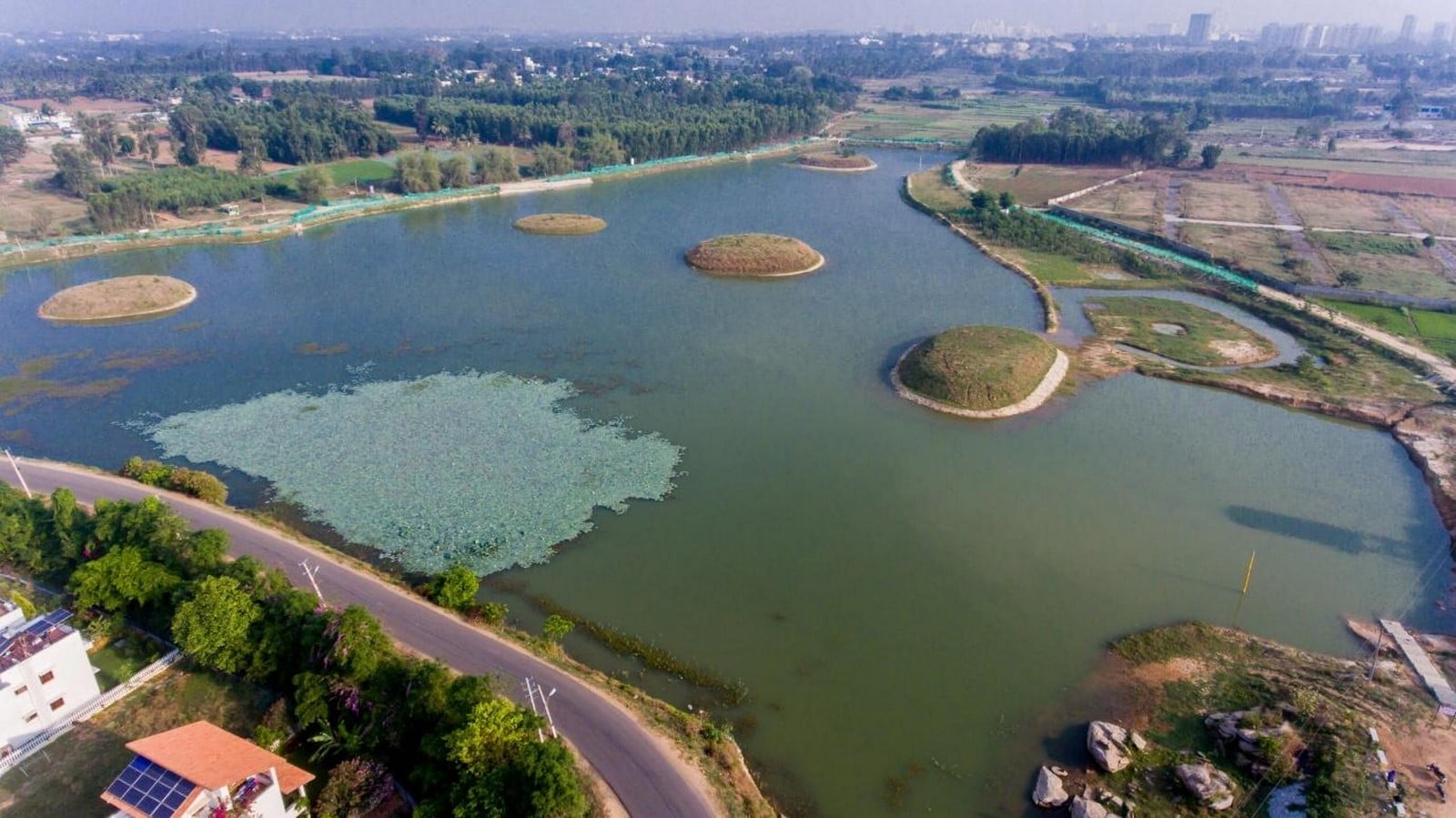
Efforts to restore lakes and clean rivers have become common in urban areas of India. For example, Bengaluru‘s lake restoration initiatives aim to address declining groundwater levels and frequent flooding. However, many of these efforts risk being superficial, focusing on landscaping, fencing, and walkways instead of addressing upstream pollution and the fragmentation of watersheds. Real ecological restoration requires a holistic approach. Wetlands need to be connected back to drainage systems. Stormwater must be treated through bioswales and retention basins before it reaches lakes. To stabilize banks and improve biodiversity, riparian vegetation should be restored. It is crucial that restoration sees water bodies as dynamic ecosystems that are part of larger catchment areas. Beautification alone cannot build resilience without addressing encroachment and waste inflow. Water urbanism requires coordination across various levels, from local drainage systems to broader regional watersheds.
Riverbank Revitalization: Sabarmati versus Yamuna
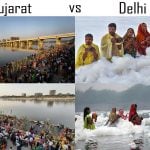
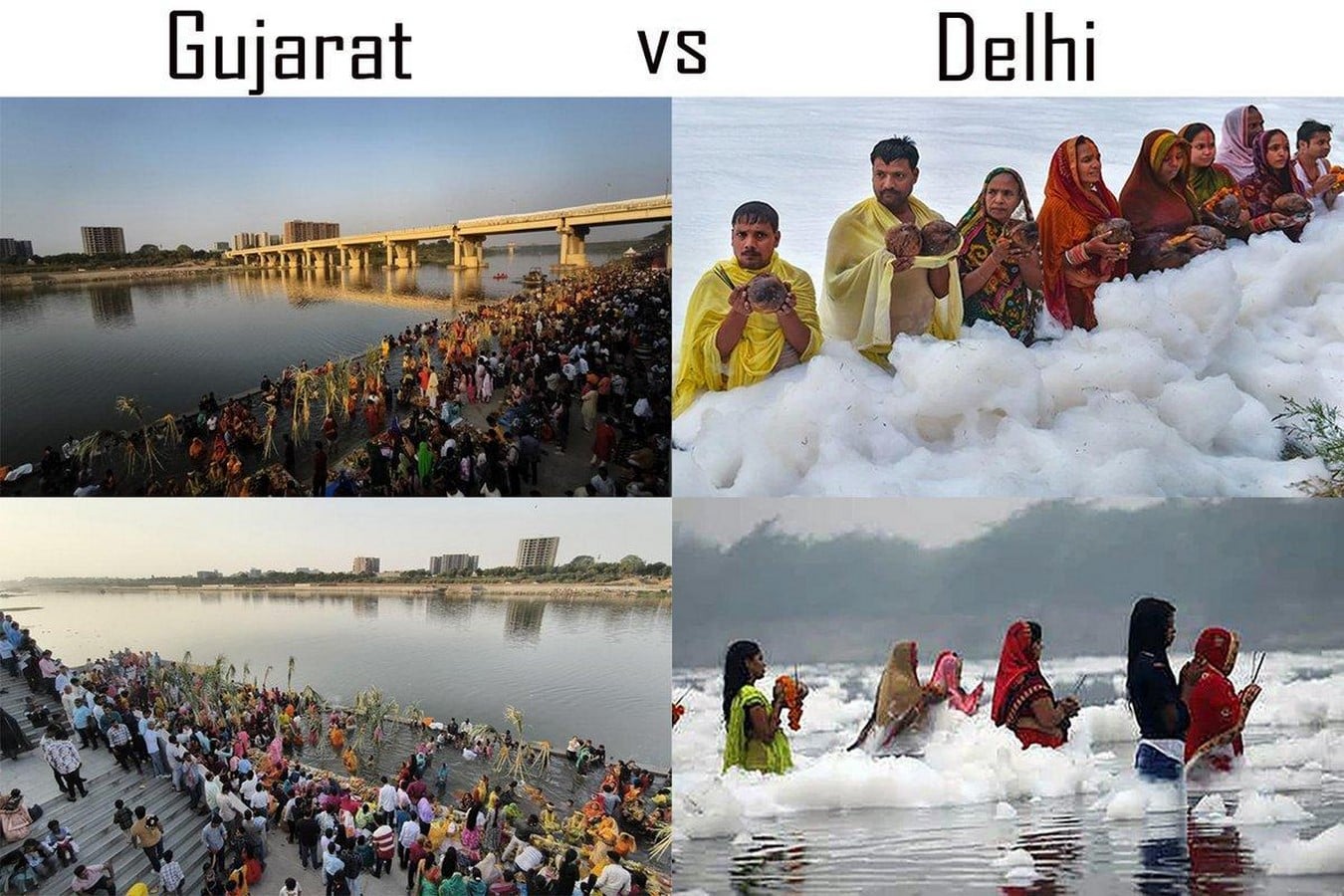
Riverfront revitalization has become a symbol of urban dreams in India. The Sabarmati Riverfront in Ahmedabad is often seen as a prime example of change. Once a polluted and mostly dry riverbed, the Sabarmati has been turned into a space with embankments, walkways, parks, and steady water levels. This project created public areas that include everyone and changed how the city interacts with its river. However, the Sabarmati project raises important questions. The river was successfully modified and adjusted to maintain a consistent water body. While the project improved the city’s look and public access, critics argue that floodplain ecosystems were harmed and informal communities were displaced. The river now has a tidy appearance, but it has lost its ecological richness. In contrast, the Yamuna floodplain in Delhi presents a different challenge. Repeated ideas for riverside development have met resistance due to concerns about the environment and flooding risks. The large floodplain of the Yamuna acts as a natural barrier during the monsoon. A strict embankment like the one at Sabarmati could increase flood risks downstream. In this situation, urban water planning should prioritize ecological function over visual appeal. This comparison highlights a key conflict: riverfront developments can either raise awareness about water issues or suppress it in favor of a uniform look. Sustainable urban water management needs flexible boundaries, seasonal wetlands, and permeable areas instead of rigid structures.
Planning for Climate and Infrastructure with Blue-Green Solutions
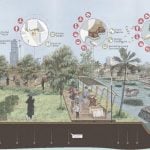
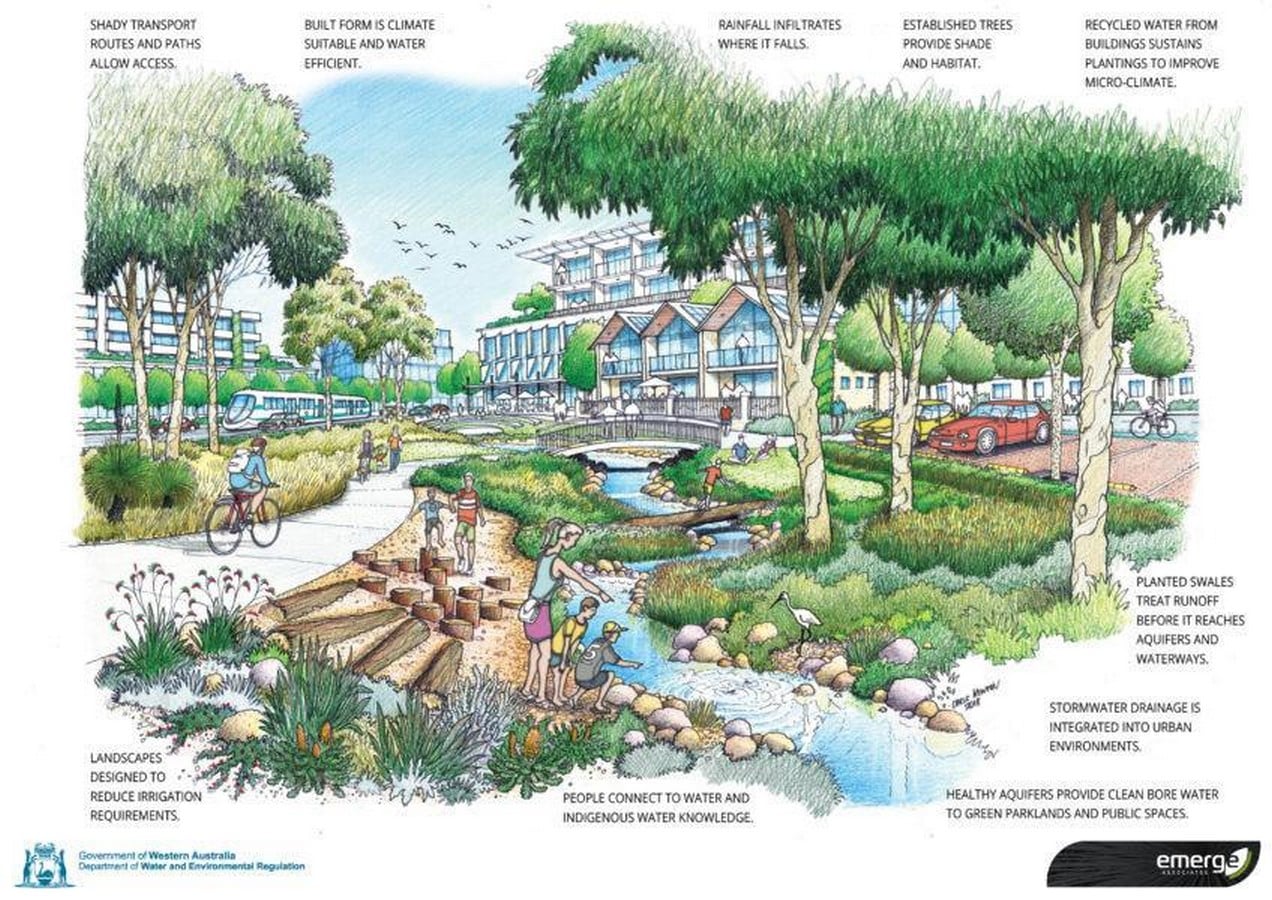
Climate change increases the need for water-sensitive urban planning. Severe rainfall events, like those in Chennai and Mumbai, show the weaknesses of traditional stormwater systems. Rapid drainage from paved surfaces and blocked drainage systems worsens flooding in cities. Blue-green infrastructure offers a different approach. Bioswales, rain gardens, permeable surfaces, and urban wetlands help control water flow, enhance infiltration, and reduce heat islands. Adding green corridors next to drainage channels can boost biodiversity and improve access for pedestrians. Planning should also protect natural floodplains from development. Strong zoning policies that limit construction in vulnerable areas are essential. Rather than trying to eliminate flood risk completely, urban areas should plan with water in mind, allowing for temporary flooding in certain places while safeguarding important infrastructure.
Cultural Persistence and Social Fairness
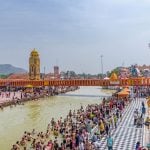
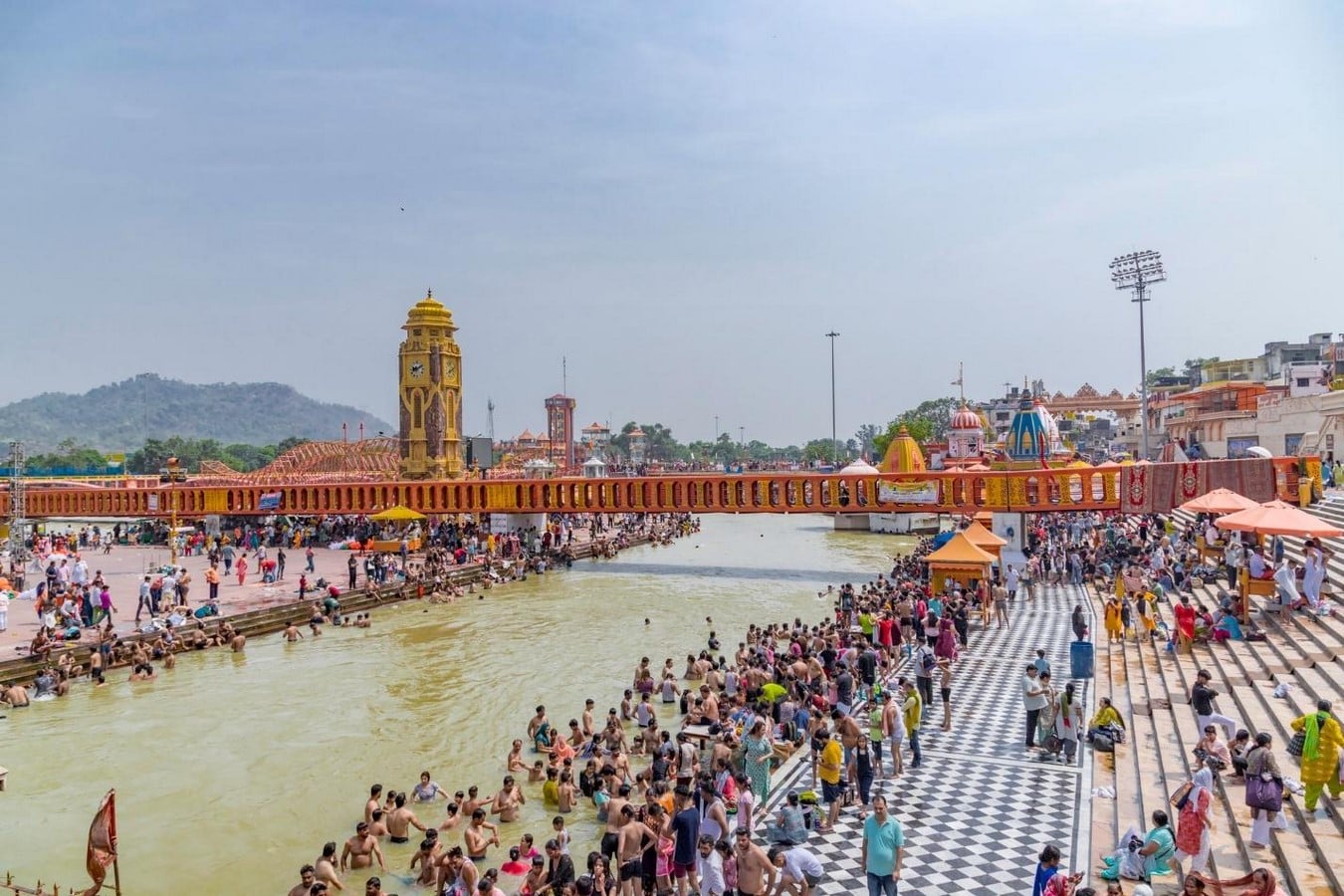
Water bodies in Indian cities are not just ecological systems; they are also cultural landscapes. Ritual cleansing, celebrations, and daily social activities help strengthen community identity near rivers and lakes. In Varanasi, the ghats serve as versatile spaces for rituals, tourism, and community events. Their tiered design provides resilience against fluctuating water levels. Urban design should respect these practices while also improving sanitation and safety. It is also important to address displacement. Redevelopment along riverfronts often displaces informal settlements without adequate support for rehabilitation. Water urbanism must balance environmental goals with social fairness, ensuring that renewal efforts do not worsen existing inequalities.
Towards Unified Water Urbanism
Successful water urbanism needs cooperation among different fields, including planners, hydrologists, ecologists, architects, and the local community. Governance frameworks should extend beyond administrative boundaries, recognizing that rivers and lakes are integral parts of interconnected watershed systems. Ongoing observation, community engagement, and data-driven strategies are essential. Investment should prioritize ecological restoration before pursuing business projects. Waterfront development should stem from hydrological principles rather than imposing them.