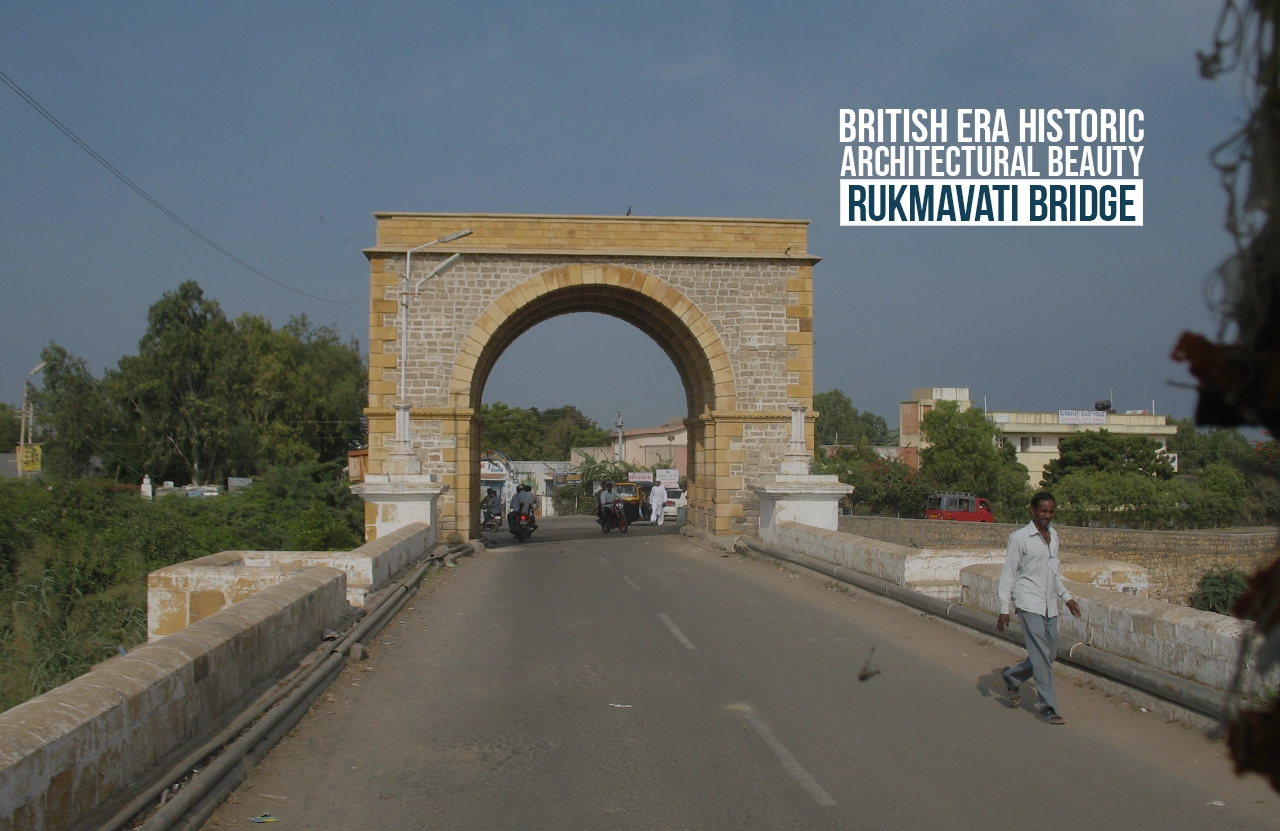
The arena of architecture has evolved through the centuries. Various forms and styles have been developed to suit contemporary design requirements. And so far, history has inherited a plethora of unique architecture across the world. The history of architecture indeed descends from the significance of cultural heritage. Moreover, it has also been substantial in terms of aesthetics, functionality, and sustainability that would even surpass the present-day structures in building excellence. Rukmavati Bridge is one of such structures built in the British era that displays the ambience of the architectural spirits of history.
History and Significance of Structure
The coastal city of Mandvi had flourished on the banks of the River Rukmavati, where the river merges into the Gulf of Kachchh in the Arabian Sea. The port of Mandvi was highly prominent and of vital importance, which led to the emergence of the city as a major trade centre for the import and export of goods in the 16th century. In fact, the city derives its name from its legacy in trade, termed as “mandi”. However, at present, the port is almost non-operational. The Rukmavati Bridge supported the transportation of goods by connecting the port and the city to the inland areas of the Kachchh region. Hence, the bridge was of utmost importance for trade and effectively served its purpose ever since it was built in 1883 under British rule.
Post the 1857 Revolt, British policies had been strongly amended to adapt to Indians, which also affected their architectural style through the inculcation of Indian and Islamic stylistic features, evident in the design of this bridge as well. The structure depicts the indispensable endeavour of British-era architecture, standing firm and strong for more than a century. Considerably, it is one of the most enduring structures of its kind built during that era in India. It is an example of British engineering assisted by local craftsmanship, resulting in the creation of a masterpiece. Locals of the Vishram Karman, Chawda, and Chandiya Mistri communities are known to have been involved in the construction of the bridge, as noted through references from historical texts.
Architecture of the Structure
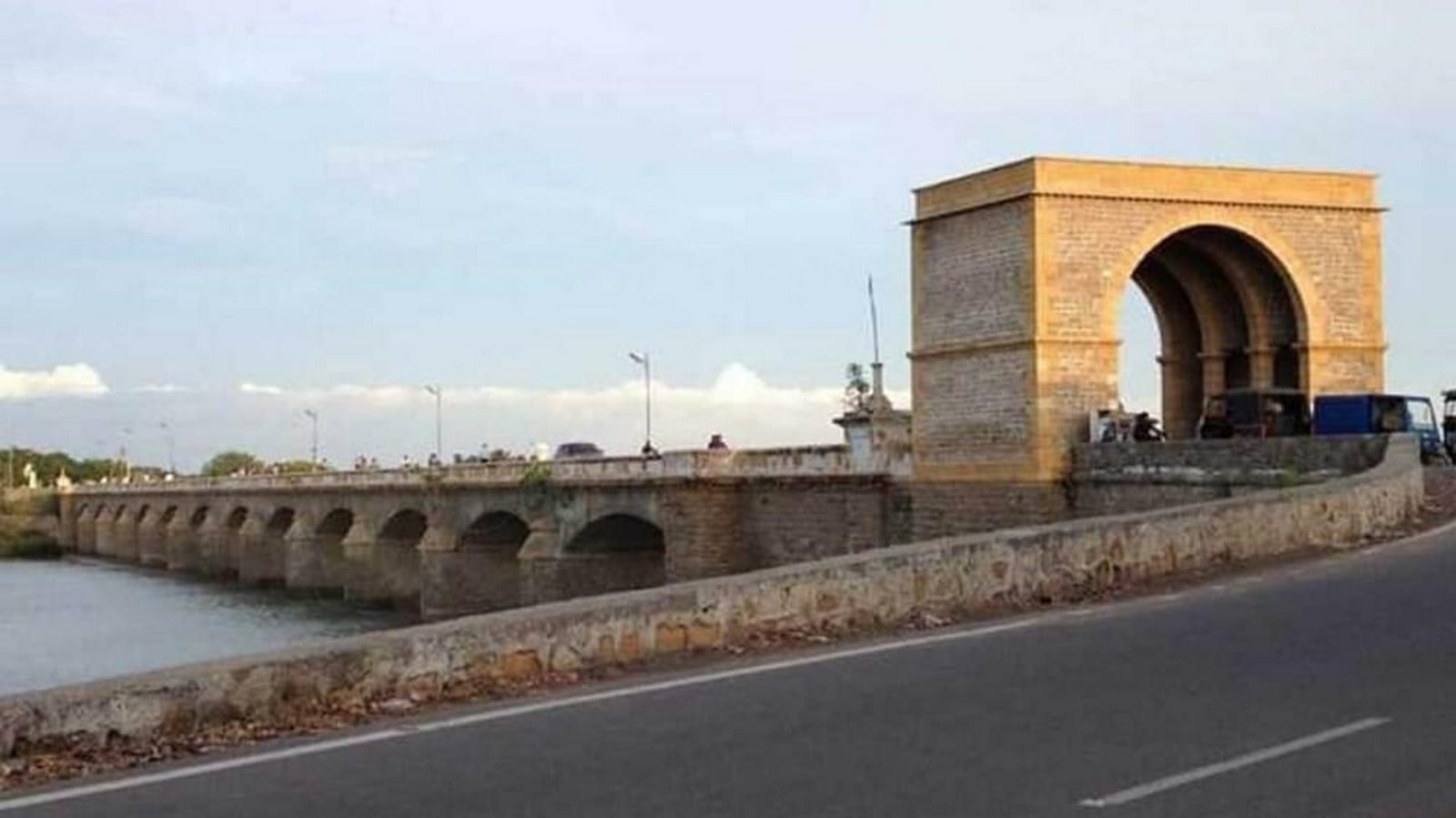
These are some architectural features of the Rukmavati Bridge:
- As mentioned earlier, the structure resembles the Indo-Saracenic style, later practiced by British architects, which combines Indian, Islamic, and Gothic styles.
- The horseshoe-shaped arch carved at the entrance gate and subsequent similar arches along the piers define Islamic stylistic features.
- The dome (chhatri)—an umbrella-shaped structure—is a feature of Indian-style architecture.
- The inner space formed by the vaulted ceiling is a feature borrowed from Gothic architecture.
2. The structure also stands as an awe-inspiring example of sustainable construction. Several of its characteristics reflect strong sustainability standards.
- Construction materials – Stones extracted from nearby hilly regions indicate the utilisation of locally available resources. Lime, naturally available coarse-grain particles locally known as ‘gughar’, and other such materials were used as binding mixtures instead of cement and concrete, contributing to a carbon-negative construction process. The stone units were bonded together through precise shaping and interlocking, which further enhanced the cohesive strength of the structure.
- The flood-resistant design – The structure has been constantly exposed to ocean water flooding during high tides for more than a century, yet it continues to stand firm across the river. In contrast, the alternative bridge constructed in recent decades gets devastated almost every year during the monsoons. These remarks are upon the robustness and durability of engineering standards. Thick piers, approximately 3–4 feet wide, spanning the width of the road and placed at frequent intervals along the length of the bridge, provide immense base support and stability.
Aesthetics of the Structure
A century-old structure never fails to impress, owing to its stunning aesthetics. Rukmavati Bridge, over the Rukmavati River in the face of the seaside, stands spectacular and visually appealing, outshining the clutter of the city. The blend of different styles truly creates a unique form of architecture. Moreover, stone is integral to aesthetics in the field of architecture, which is what makes heritage structures admirable in the true sense. The bridge structure has a shape-defining design—rounded piers, arches, cone shapes over the piers, and voids in the entrance domes with carved arches rather than the square-cut trends of modernistic designs. The glimpse of beauty-oriented architecture becomes noticeable here, which seems to be extinct in modern times.
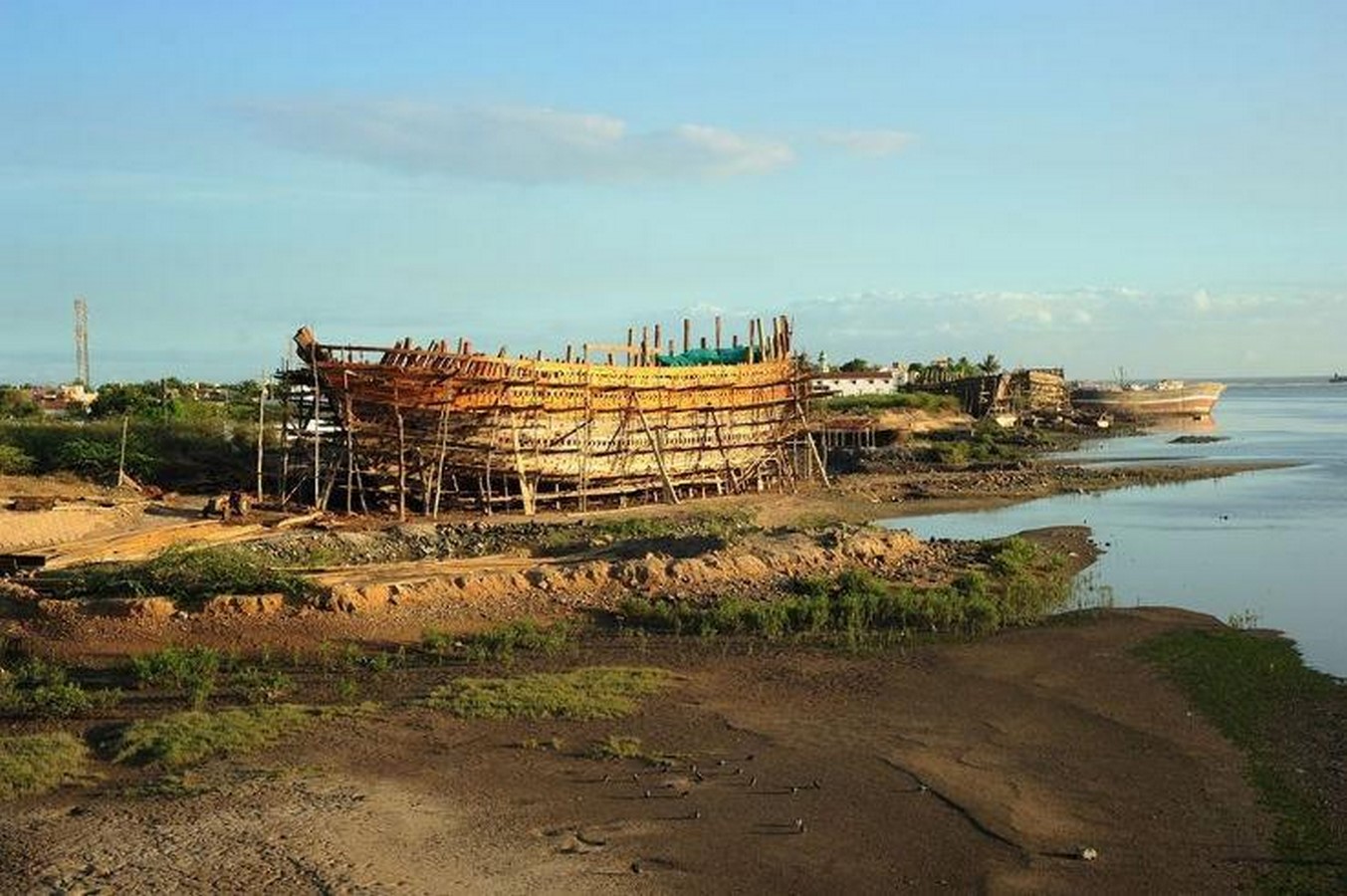
The traditional wooden shipbuilding industry of the city is operational even in present times. This ship-crafting activity along the river convergence lies straight in front of Rukmavati Bridge. The river also gets crowded with migratory birds during certain seasons. This creates amazing views from the bridge. The entrance dome also facilitates resting platforms on either side, promoting a peaceful environment in the midst of the nuisance.
Hence, the Rukmavati Bridge, extending its roots to the nineteenth century, remains a favourite tourist spot even today, expressing marvelous engineering and splendid architecture.
References:
Asher, G.B. (1992) Architecture of Mughal India. Cambridge: Cambridge University Press.
Chopra, P.N. (2003) A Comprehensive History of India. New Delhi: Sterling Publishers.
Davies, P. (1987) Splendours of the Raj: British Architecture in India 1660–1947. London: Penguin Books.
Gillon, K.L. (1968) Ahmedabad: A Study in Indian Urban History. Berkeley: University of California Press.