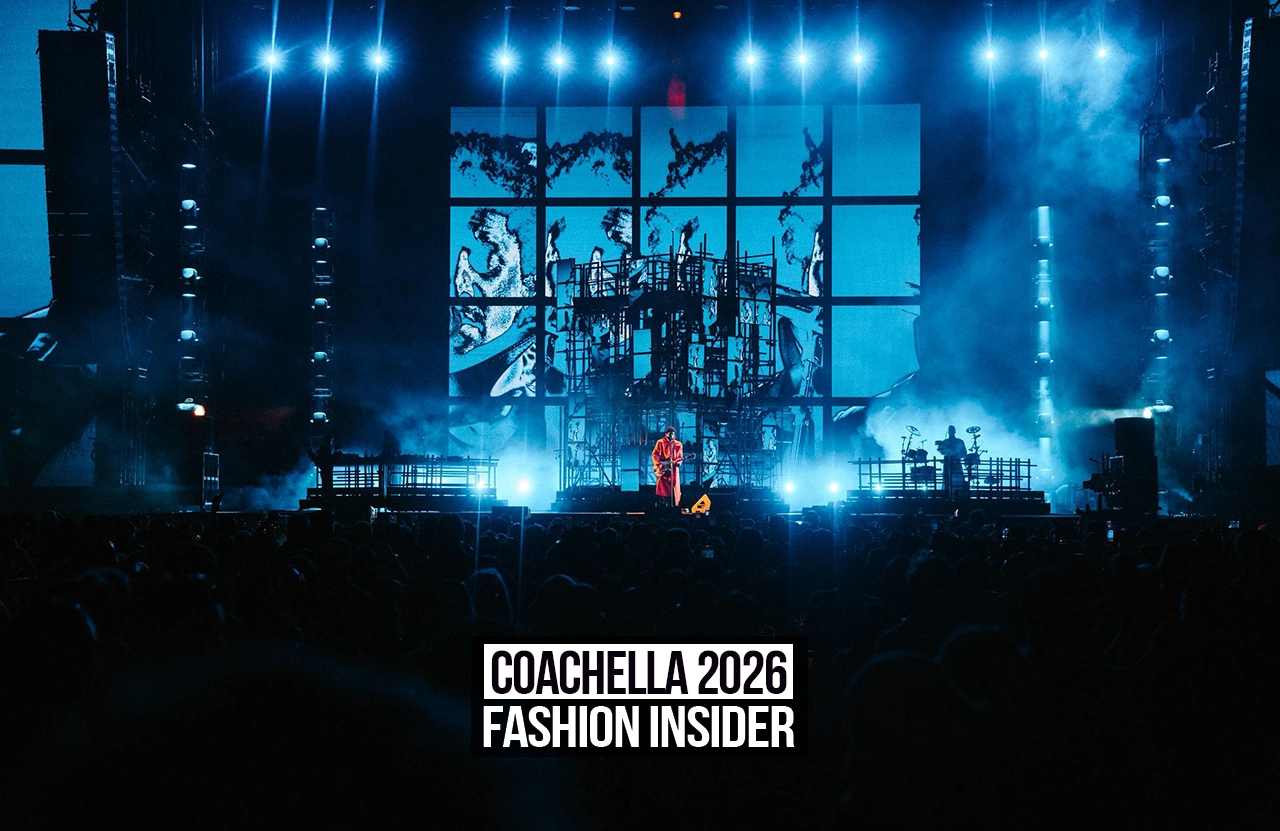
Coachella 2026 fashion now matters more than the music. The festival has become a commercial runway, a branded backdrop and a temporary design city rolled into one. What started as a scrappy desert music event now drives style trends, luxury activations and visual culture at global scale. Coachella 2026 fashion no longer sits at the edge of the experience – it defines it. The clothes, the art and the architecture carry as much cultural weight as the line-up, and often more.
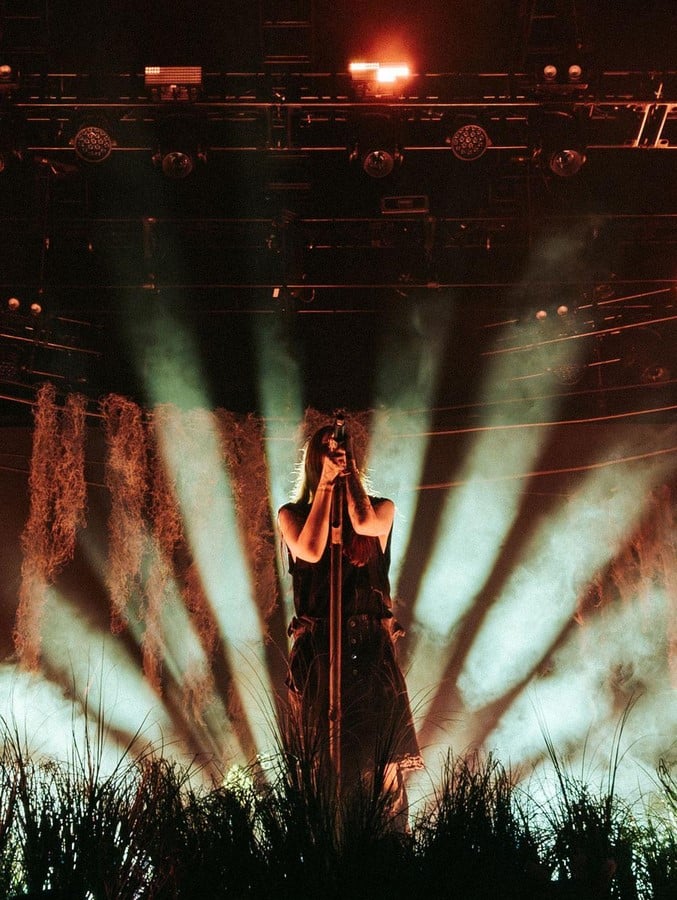
From Rebellion to Runway
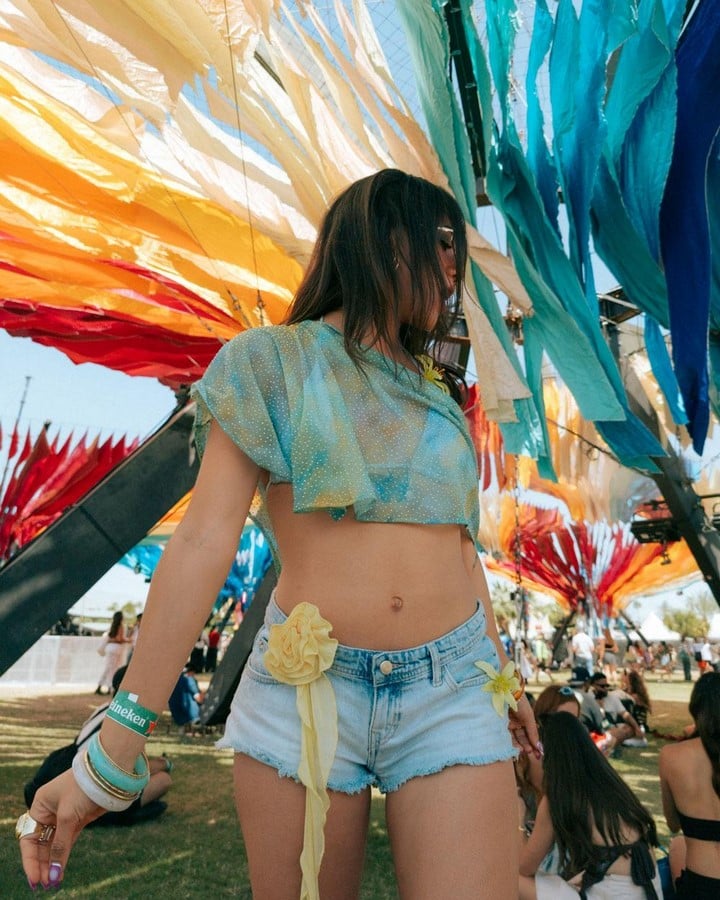
Coachella began with a rebellious streak, not a luxury strategy. Pearl Jam’s 1993 show at the Empire Polo Club helped establish the site before the first official festival arrived in 1999 with a line-up that included Beck, Rage Against the Machine and Tool (Britannica, 2025; Wearemitu, 2026). That early version of the event was rough, hot and commercially uncertain. Nobody mistook it for a fashion capital. But the desert setting created a clear dress code almost by accident — denim, cotton, boots and wide-brimmed hats built an aesthetic that felt practical, loose and distinctly American.
As social media expanded, that relaxed visual language hardened into a marketable image. By the late 2010s, celebrity attendance and influencer culture had turned festival dressing into performance, and style coverage started to compete directly with music reporting (NYLON, 2024; The Vault, 2025). Coachella 2026 fashion is the end point of that shift. What people wore became part of the event’s currency. The festival stopped being a place where trends appeared and became a machine built to manufacture them.
What Coachella 2026 Fashion Looks Like
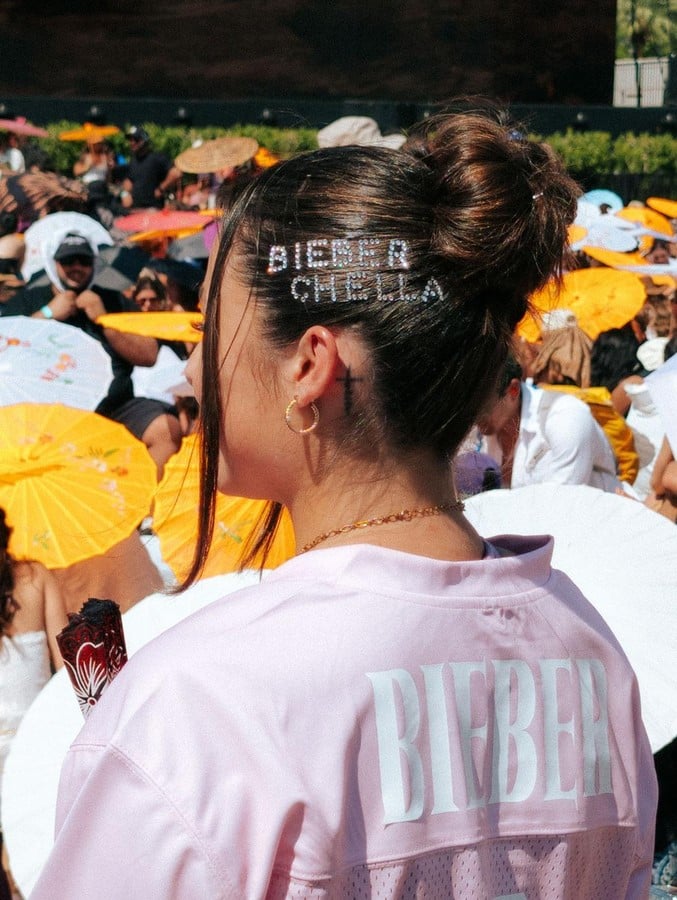
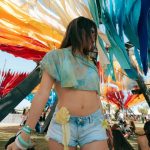
The dominant look this year blends revival and control. Modern boho is back, but in a tighter form — crochet, fringe and suede remain, yet the styling is cleaner and far more deliberate than the free-form festival dressing of a decade ago (TFashion, 2026). Western references also run through the season: studded leather, washed denim, boots and sharp accessories sit alongside Y2K pieces and sheer layers. Coachella 2026 fashion no longer looks accidental. It looks directed, as though every outfit has already been edited before it reaches the field.
That precision explains why the festival now attracts brands as aggressively as performers. Gap’s Hoodie House, installed as part of its role as Coachella’s exclusive apparel sponsor and merchandise partner, showed how deeply retail has moved into the festival’s core infrastructure (Vogue, 2026). Rhode, Revolve, GUESS and SKYLRK also used the event as a visibility engine rather than a simple party stop. Coachella 2026 fashion has become an activation economy. The point is not just to be present in the desert — it is to dominate the images that leave it.
Why Coachella 2026 Fashion Sells
The most important change is structural. Outfit culture at Coachella is no longer driven by spontaneous self-expression. It is shaped by gifting suites, influencer partnerships, photographers and social distribution systems designed to push specific looks into circulation within hours. That gives Coachella 2026 fashion unusual speed. A style worn on the polo fields can become an online shopping cue almost immediately, which is why brands treat the festival as a live advertising environment rather than a simple sponsorship opportunity.
That commercial logic also explains the scale of investment. Luxury and lifestyle labels are spending heavily because the festival compresses aspiration, access and visibility into one weekend, particularly for younger consumers who read fashion through social platforms first. Coachella 2026 fashion works because it fuses retail theatre with cultural relevance. It does not ask audiences to look at an advert. It places the advert inside the lifestyle image they already want.
The Designed Desert
Fashion is not the only visual language overtaking the festival. Coachella’s large-scale art programme now gives the site the feel of a temporary architecture exhibition, with commissioned installations that shape how people move, gather and photograph themselves across the grounds (Coachella.com, 2026). This matters because Coachella 2026 fashion operates within those spaces rather than apart from them. The clothes gain force from the setting, and the setting gains reach from the clothes.
Sabine Marcelis’s Maze captured that relationship clearly, using inflated forms and shifting colour to create a glowing environment that functioned as both installation and social backdrop (Coachella.com, 2026). Kyriakos Chatziparaskevas’s Starry Eyes pushed the architectural ambition further with tall pleated structures that echoed desert flora while nodding to Palm Springs modernism (Coachella.com, 2026). These projects were not decorative extras. They helped turn the festival into a fully designed world. Coachella 2026 fashion thrives in that world because every image is staged by architecture as much as by styling.
Why It Matters Now
Coachella now sets the tone for how music, branding and style merge in public. The festival’s influence comes from its ability to collapse multiple cultural industries into one spectacle — performance, fashion, architecture, retail and media all operate at once, each feeding the others. That is why Coachella 2026 fashion carries such weight. It is not a side narrative attached to a music event. It is the clearest expression of what the event has become.
The real story is simple: the festival has outgrown its original category. Music still matters, but it no longer controls the meaning of the weekend. Coachella 2026 fashion does. It frames the imagery, drives the coverage and shapes the commercial afterlife of the event. In the desert, style is not accompaniment. It is the headline.
References:
Britannica (2025). Coachella | Festival, History, Performers, & Facts. Encyclopaedia Britannica. https://www.britannica.com/art/Coachella-Valley-Festival
Coachella.com (2026). 2026 Art — Coachella Valley Music & Arts Festival. https://www.coachella.com/art
NYLON (2024). 25 Years of the Biggest Coachella Style Trends. NYLON. https://www.nylon.com/fashion/coachella-trends-festival-history
TFashion (2026). Coachella 2026 Fashion Trends: The Looks Set to Define This Year’s Festival. TFashion. https://tfashion.ai/blog/coachella-2026-fashion-trends-the-looks-set-to-define-this-years-festival
The Vault (2025). Over the Years: The Evolution of Coachella Fashion. The Vault UW Madison. https://www.thevaultuwmadison.com/blog/over-the-years-the-evolution-of-coachella-fashionnbsp
Vogue (2026). Coachella’s Big Brand Renaissance. Vogue. https://www.vogue.com/article/coachellas-big-brand-renaissance
Wearemitu (2026). Here’s Everything About Coachella’s History You Didn’t Know. We Are Mitú. https://wearemitu.com/wearemitu/entertainment/coachella-history-facts-you-didnt-know/