More than Just Music
Music shows have never been only about sound. From the moment artists step onto a stage, they are not just performers; they are visual storytellers. The lights, the stage design, the choreography, and most importantly, the clothing all work together to create a complete experience. Fashion in music shows is not an accessory; it is a language. It communicates identity, mood, rebellion, culture, and even politics.
Whether it is a live concert, an awards show, or a music video performance, audiences are as invested in what artists wear as they are in what they sing. In many ways, fashion has become inseparable from music, shaping how we remember performances and how we connect with artists.
The Stage as a Runway
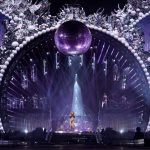
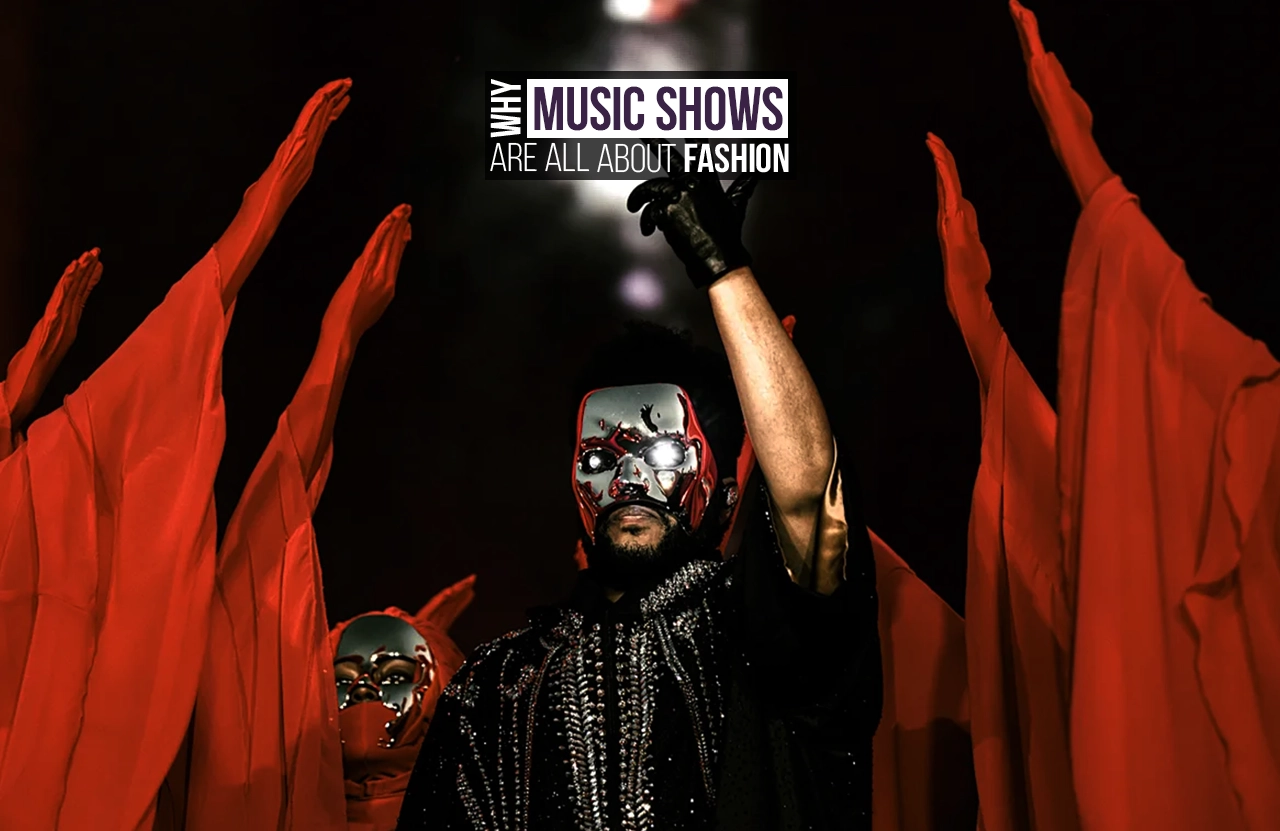
Music shows today function like moving fashion runways. Every outfit is carefully curated, often designed by leading fashion houses or stylists who understand the artist’s brand. Unlike traditional runway shows, however, music performances add movement, sound, and emotion, making fashion feel alive.
Artists use costumes to enhance their performance. A dramatic outfit can amplify a song’s energy, while a minimal look can draw attention to raw emotion. For example, structured silhouettes often reflect power and control, while flowing fabrics may evoke softness or vulnerability. This fusion transforms the stage into a dynamic space where fashion is not static, but constantly evolving in rhythm with the music.
Fashion as Identity and Branding
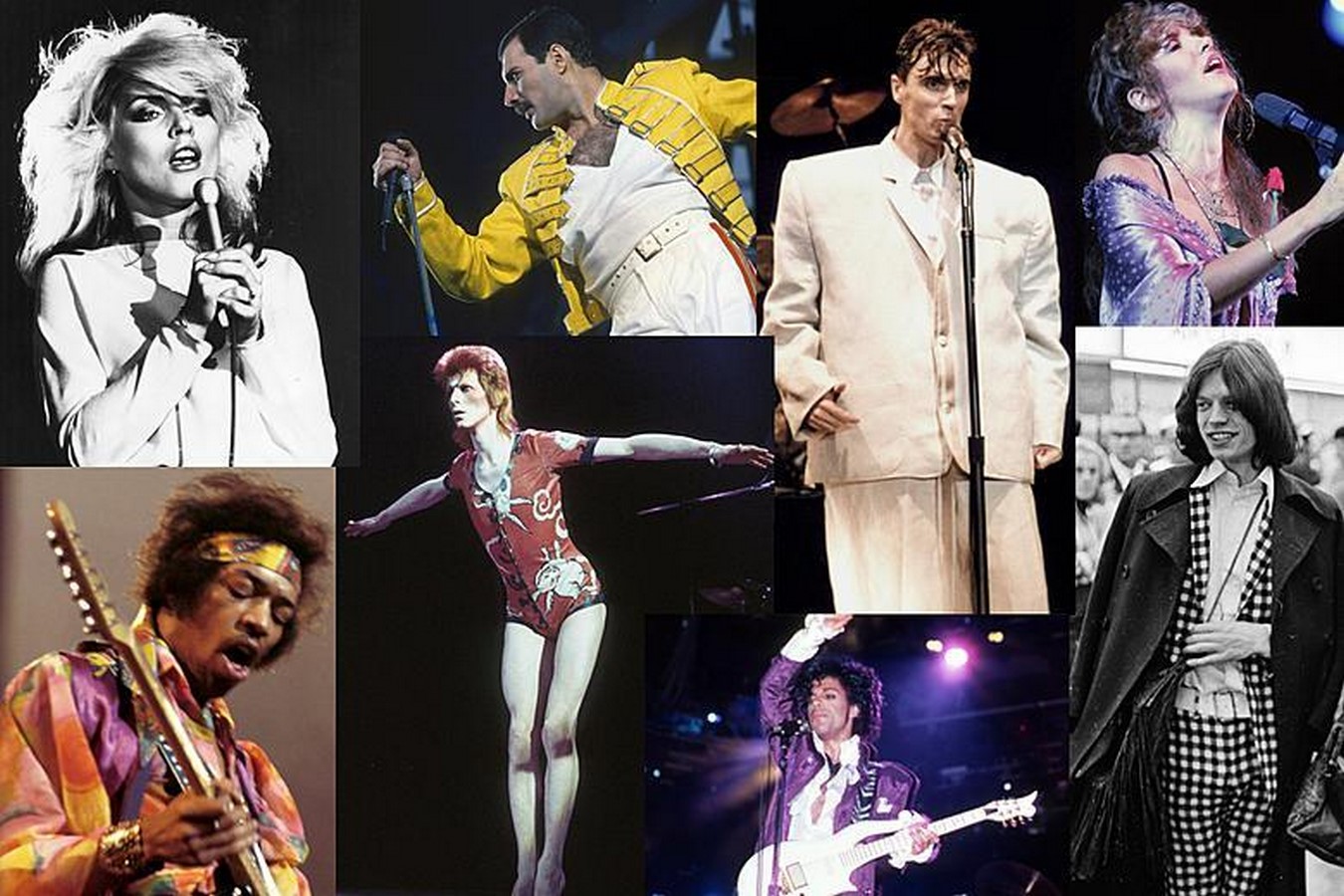
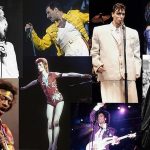
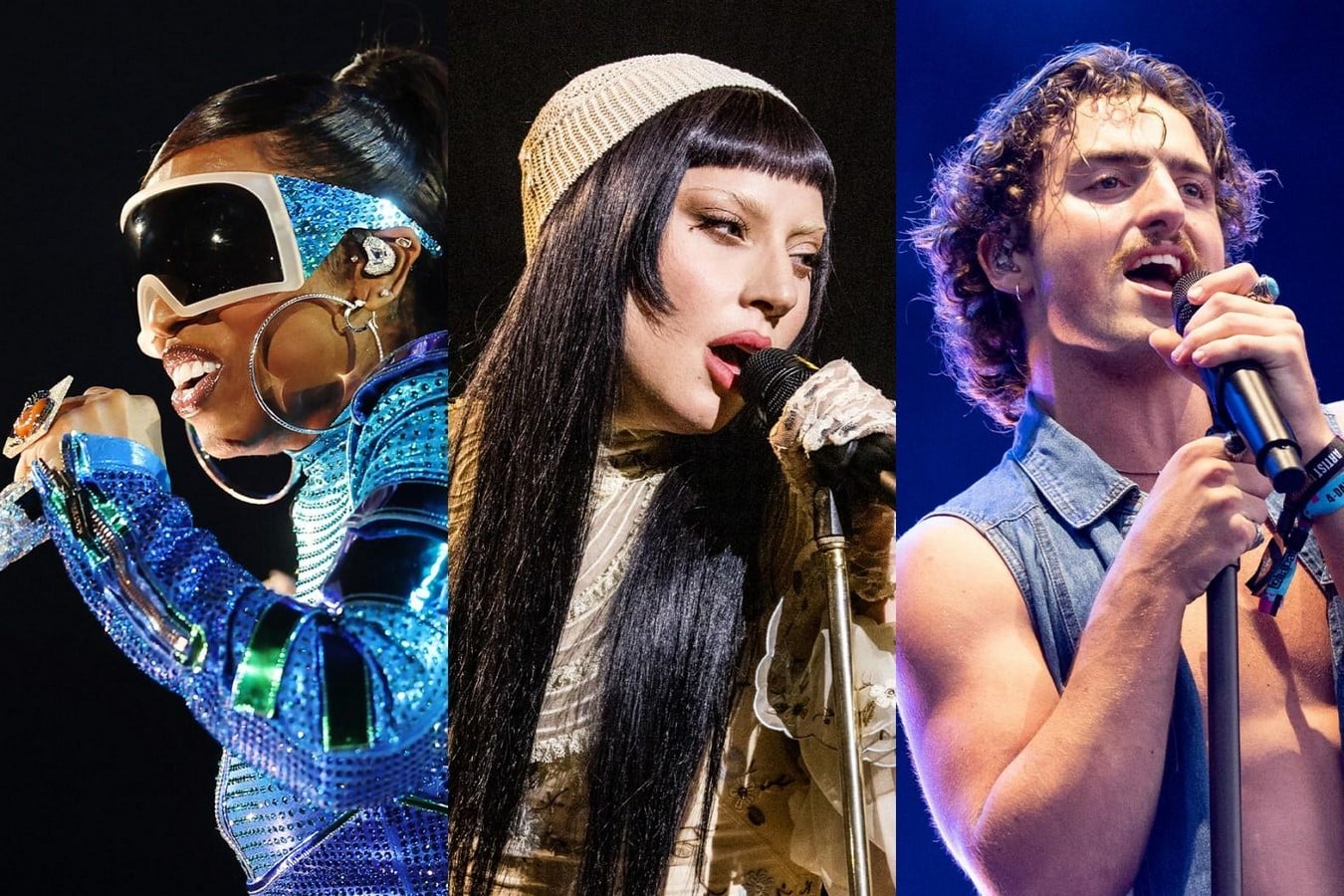
In the music industry, image is everything. An artist’s style becomes their signature, something instantly recognisable. Fashion helps musicians build a strong personal brand that audiences can connect with. Think about how certain artists are remembered not just for their songs but for their iconic looks: bold, experimental, or even controversial. These fashion choices are not random; they are strategic decisions that reflect the artist’s personality and artistic direction.
For emerging artists, fashion becomes even more important. In a saturated industry, a unique visual identity can set someone apart. It tells the audience who they are before they even hear the first note.
The Influence of Pop Culture
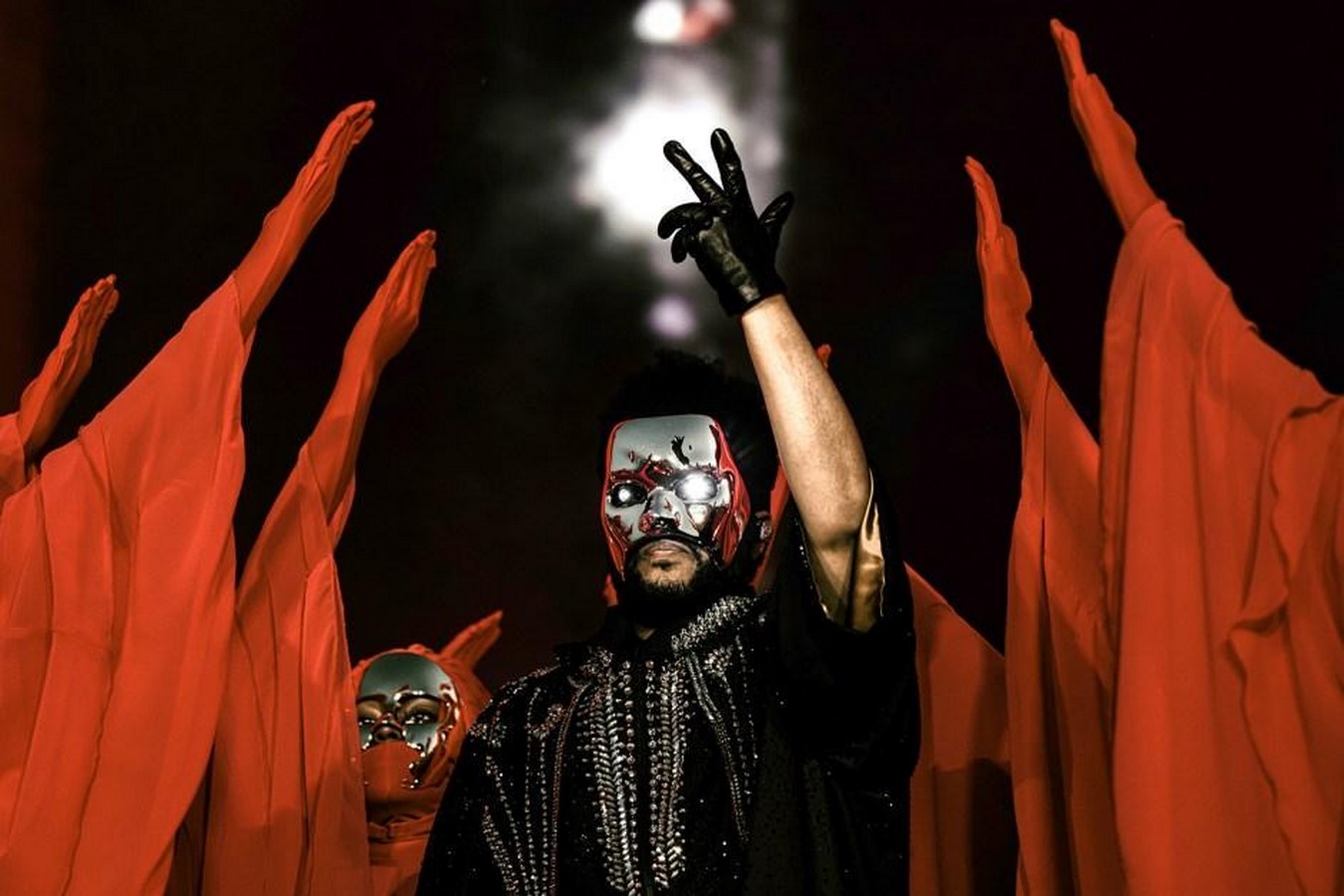
Music shows are deeply connected to pop culture, and fashion plays a major role in this relationship. What artists wear on stage often influences trends off stage. Fans look up to musicians as style icons, recreating their outfits and adapting them into everyday fashion. This cycle creates a powerful exchange: music influences fashion, and fashion, in turn, influences how music is perceived. Streetwear, high fashion, and even traditional clothing styles often find their way into music performances, making them more relatable and culturally relevant.
Social media has amplified this effect. A single performance outfit can go viral within minutes, becoming a global trend almost instantly.
Storytelling through Costumes
Fashion in music shows is not just about looking good; it is about telling a story. Costumes can reflect the theme of a song, the narrative of an album, or even the artist’s personal journey. For instance, an artist might start a performance in a restrictive outfit and gradually transition into something more fluid, symbolising freedom or transformation. These visual cues add depth to the performance, allowing the audience to experience the music on multiple levels.
This is particularly evident in concept-based performances, where every detail from colour palette to fabric choice is aligned with a larger artistic vision.
Cultural Expression and Representation
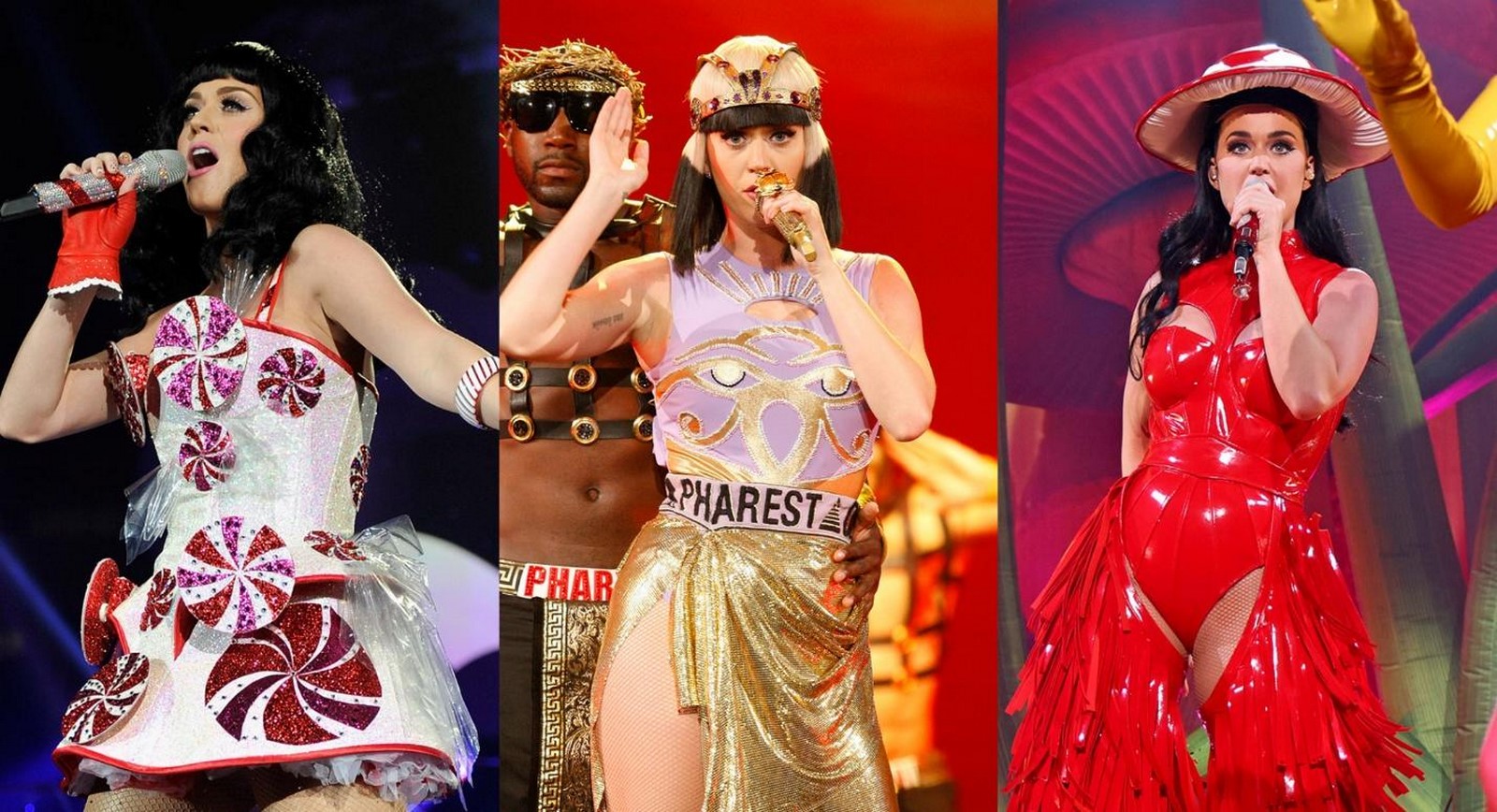
Fashion in music shows often serves as a platform for cultural expression. Artists use clothing to celebrate their heritage, showcase traditional elements, or make statements about identity and belonging. In a globalised world, this becomes especially important. Music shows provide a space where different cultures can be represented and appreciated. Traditional textiles, patterns, and silhouettes are reinterpreted in contemporary ways, creating a blend of old and new. This not only educates audiences but also fosters a sense of pride and recognition for diverse cultures.
The Role of Designers and Stylists
Behind every iconic music show look is a team of designers and stylists who work tirelessly to bring the vision to life. Their role goes beyond selecting outfits; they collaborate with artists to create a cohesive visual narrative.
Stylists consider factors such as stage lighting, movement, camera angles, and even the duration of the performance. An outfit must not only look good but also function well under intense conditions. Designers, on the other hand, often create custom pieces that push the boundaries of conventional fashion. These collaborations result in innovative designs that might not be possible in everyday wear but are perfect for the theatrical nature of music shows.
Fashion as a Form of Rebellion
Music has always been a medium for challenging norms, and fashion plays a crucial role in this rebellion. Artists use their clothing to question societal expectations, break stereotypes, and express individuality.
From gender-fluid fashion to unconventional materials and exaggerated silhouettes, music shows often showcase styles that defy traditional standards. These choices spark conversations and encourage audiences to rethink their own perceptions of fashion. In this way, music shows become spaces of freedom and experimentation, where creativity is not limited by rules.
Economic Impact and Industry Collaboration
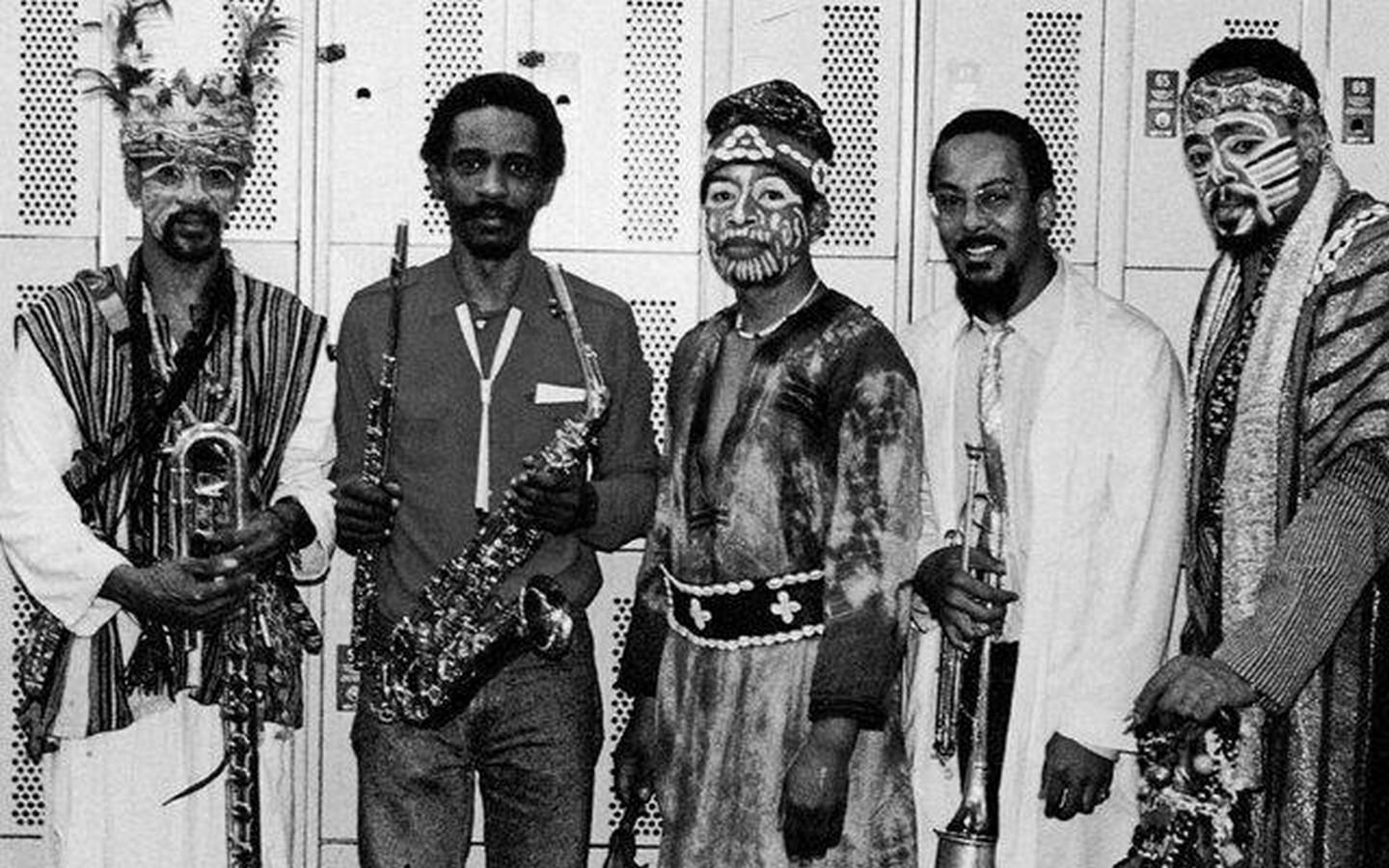
The relationship between music and fashion is not just artistic; it is also economic. Music shows provide a massive platform for fashion brands, offering visibility to global audiences.
Collaborations between artists and designers have become increasingly common, benefiting both industries. While artists gain access to high-end designs, brands receive exposure and cultural relevance. This synergy has led to the rise of merchandise lines, capsule collections, and even artist-led fashion labels, further blurring the line between music and fashion.
Audience Engagement and Experience
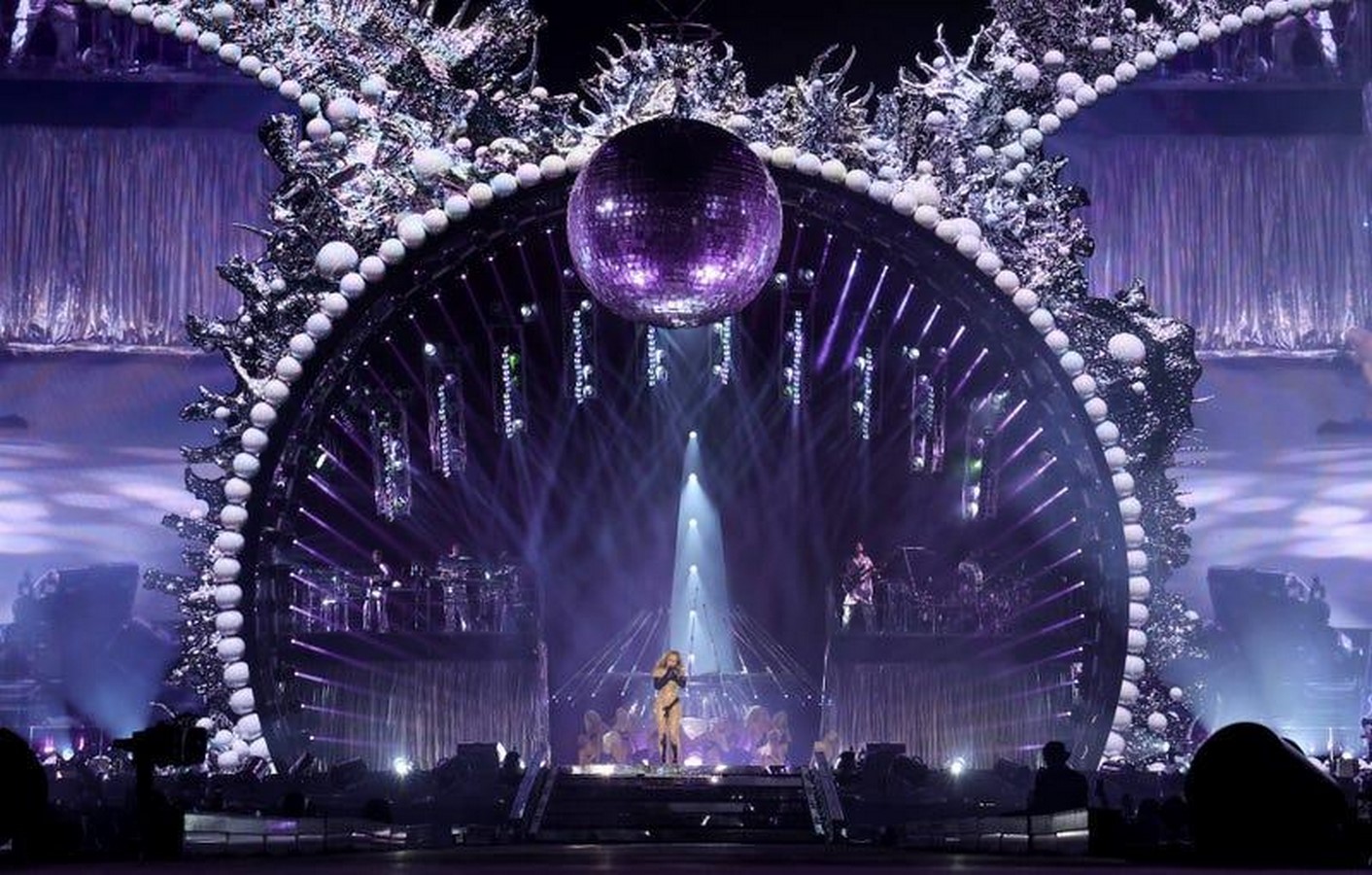
Fashion enhances the overall experience of a music show. It creates anticipation, adds visual excitement, and keeps audiences engaged throughout the performance. Fans often discuss and analyse outfits as much as the music itself. This engagement extends beyond the show, continuing through social media discussions, fan edits, and fashion breakdowns.
In many cases, the visual memory of an outfit becomes just as significant as the performance, proving how deeply fashion is embedded in the music experience.
An Inseparable Connection
Music shows are no longer just about sound; they are immersive experiences where fashion plays a central role. From shaping identity and storytelling to influencing culture and trends, fashion transforms performances into something unforgettable. For artists, it is a tool of expression. For designers, it is a canvas of creativity. And for audiences, it is a source of inspiration.
In the end, music and fashion are not separate entities; they are intertwined forms of art that enhance and elevate each other. When combined, they create moments that are not only heard but also seen, felt, and remembered.