The International Style, a sleek, glass-and-steel style that expanded around the world and created a universal language during the industrial age, is frequently portrayed as the triumph of Modernism. However, the limitations of this architectural style became apparent as these tall glass skyscrapers made their way from the temperate climates of Europe and North America to the wet tropical regions, parched deserts, and frozen subarctic regions. Rather than only examining weather proofing, “Reading Global Modernism through Regional Climate” examines how architecture serves as a mediator between the globalizing power of technology and the realities of place and culture.
This contradiction gave rise to Critical Regionalism, a theoretical framework that enabled Modernism to endure by evolving and adapting to regional conditions. By studying the connection of philosophy and architectural practice, one can understand how the world’s most prominent designers evolved from the “machine for living in” to the “place for dwelling.”
- The Great Miscalculation (1945–1960)
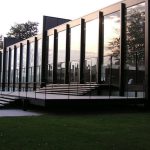
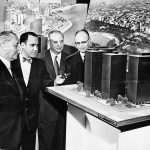
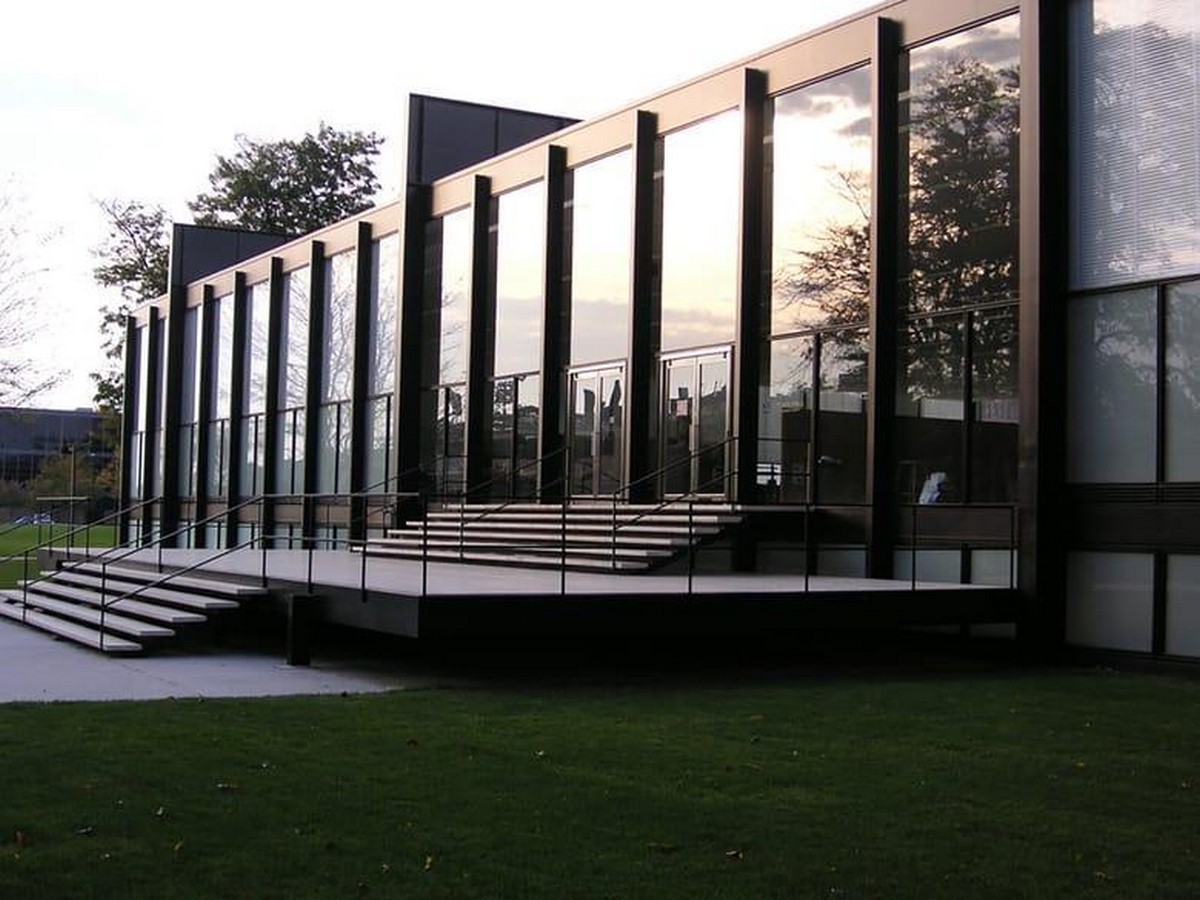
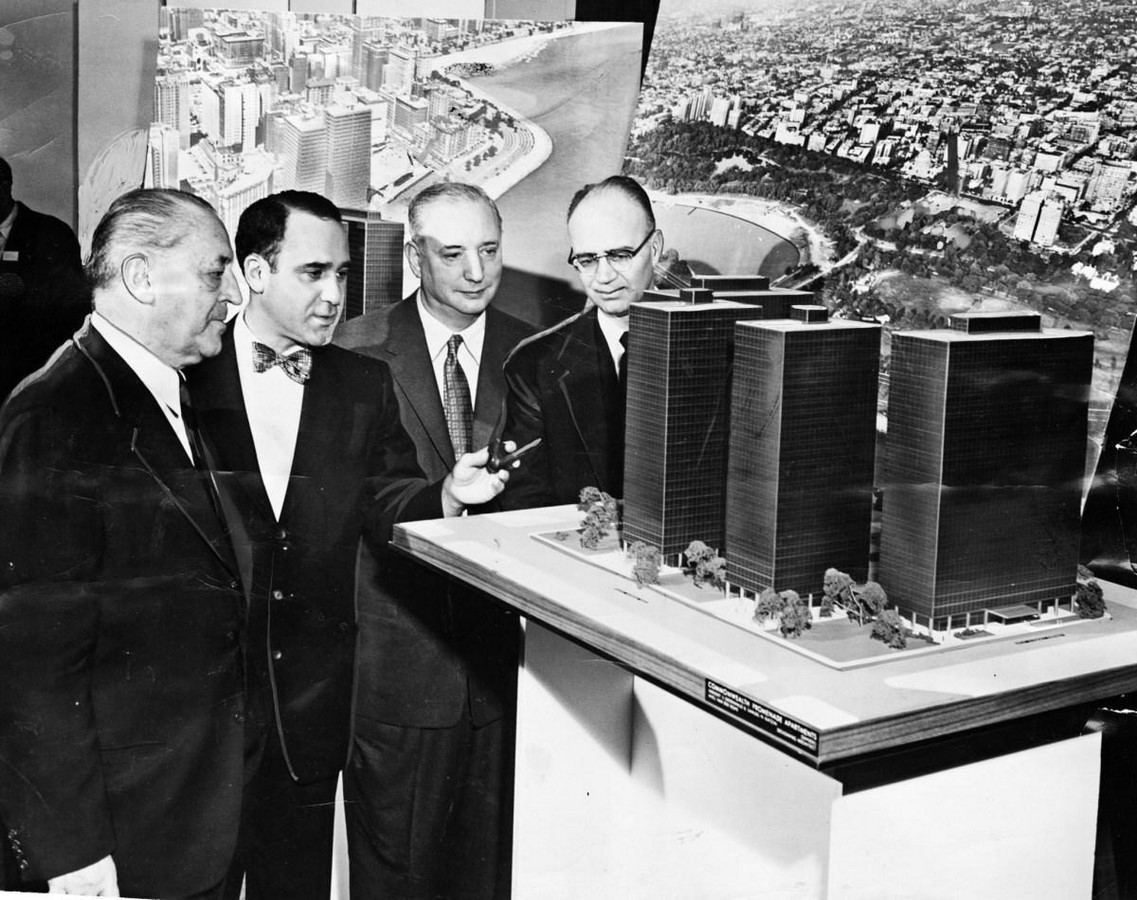
Following WWII, Modernism became a visual symbol of progress, democracy, and a reflection of the contemporary world. European and American architectural design spread throughout the Global South, from West Africa’s rainy tropics to the Middle East’s arid deserts. Emerging nations of Africa, South Asia, and South America adopted Le Corbusier and Mies van der Rohe’s (pioneer of Chicago Skyline) clean lines to indicate their entry in the modern world. However, the initial results were typically climatically a disaster. The “International Style” was primarily founded on the notion that mechanical heating and cooling (HVAC) might solve any environmental discomfort.
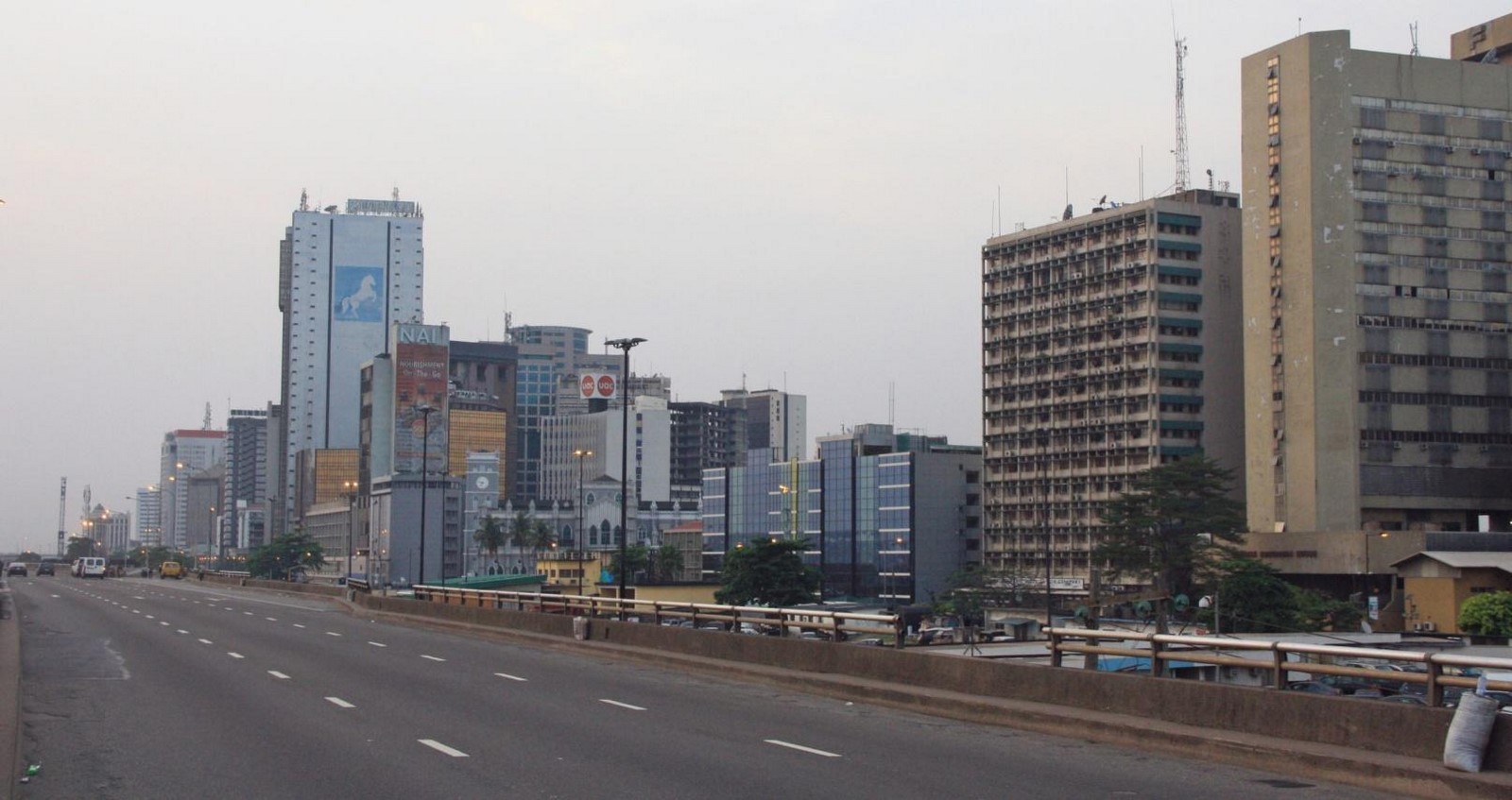
This period was characterized by what is now known as “architectural colonialism.” Glass-curtain walls, meant for Northern Europe’s dull sun, have been installed in locations like Lagos and Mumbai. Flat concrete roofs in humid places flooded during monsoons, and a lack of cross ventilation resulted in mold and structural damage. The repercussions were immediate and disastrous: interiors became uninhabitable “heat traps,” concrete surfaces fractured owing to excessive thermal expansion, and the energy required to cool huge structures or spaces was economically unsustainable for newly independent countries. This failure gave the first critical information: Modernism could not thrive as a global movement without a regional identity.
- The Birth of Tropical Modernism: Filtering the Machine (1950s–1970s)
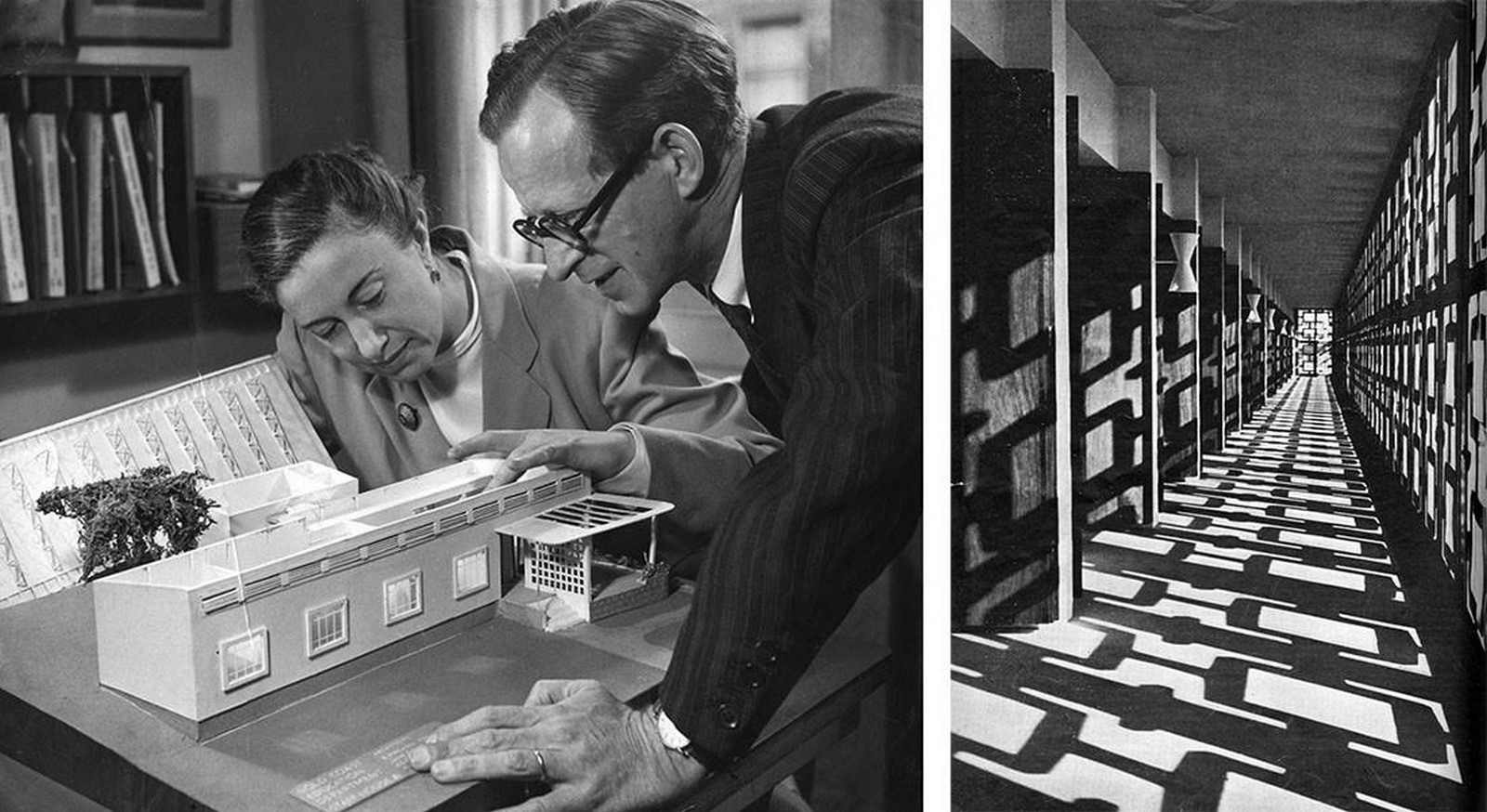
In the 1950s, an emerging generation of architects began to “filter” Modernist abstractions via the lens of local weather patterns. This marked the beginning of Tropical Modernism, particularly in postcolonial African and South Asian nations. Architects such as Jane Drew, Vladimir Ossipoff, Maxwell Fry, and Geoffrey Bawa were early pioneers of this trend.
Architects such as Jane Drew and Maxwell Fry, who worked in Ghana and Nigeria, recognized that the fundamental difficulty was not simply heat, but humidity and the necessity for continuous ventilation. They began disassembling the “sealed box.” They invented the brise-soleil (sun-breaker)—not just as a decorative element, but also as a functional “skin” that allowed buildings to breathe while shielding direct solar radiation. This era witnessed the revival of the “porous plan.” Architects employed the Bernoulli Effect to cool interiors naturally by thinning floor plates and aligning buildings with wind direction.
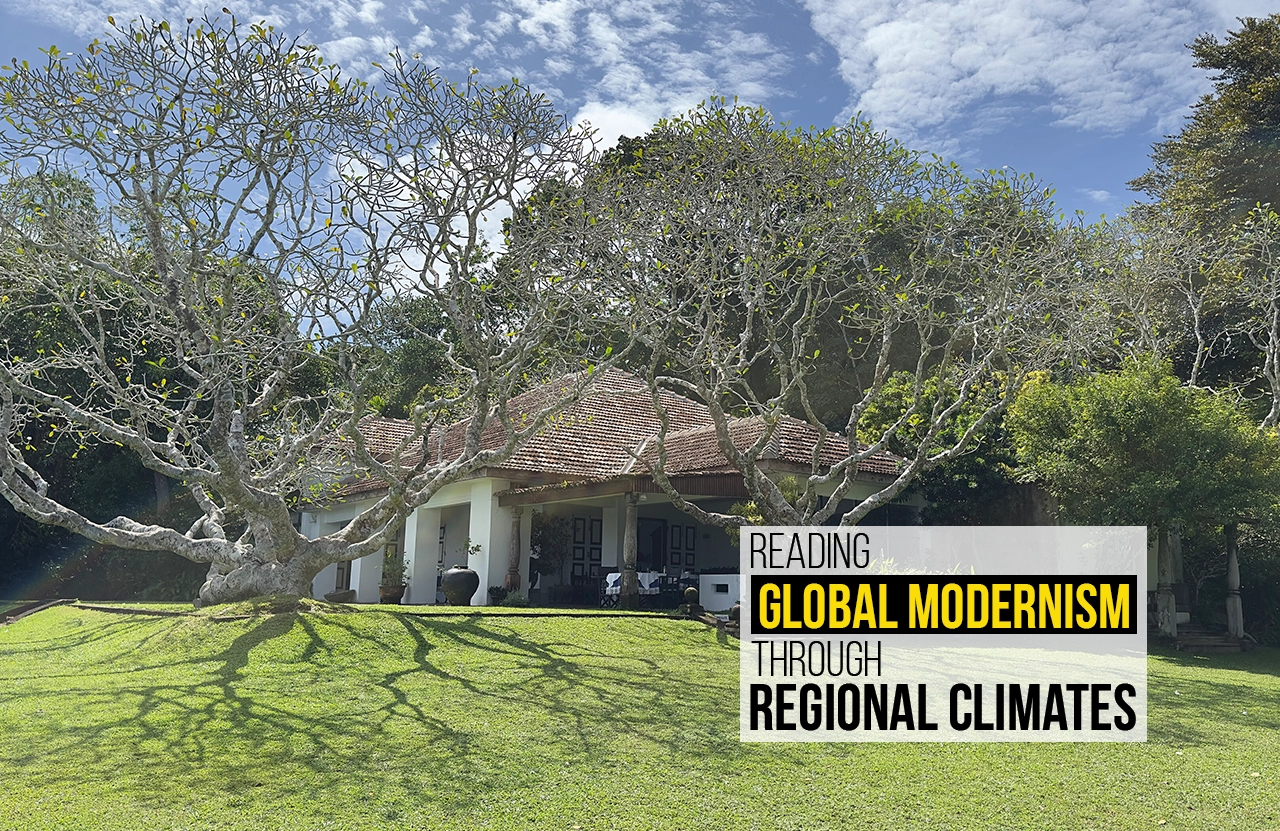
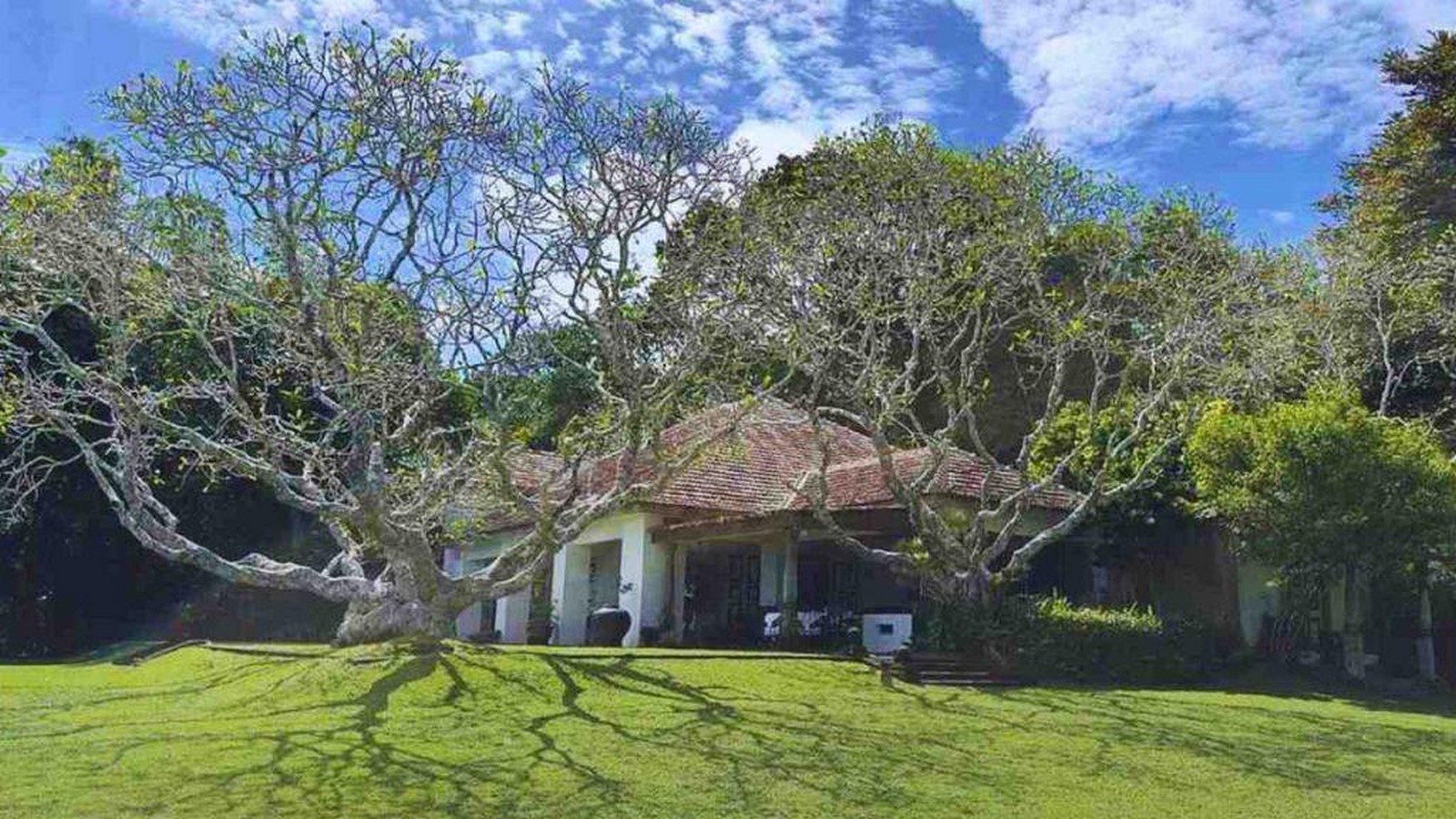
In Sri Lanka, Geoffrey Bawa expanded on this by combining Modernism and the “vernacular.” Bawa did not reject Modernism’s clean lines or open plans; rather, he “leaked” the structure into the landscape. Bawa used traditional courtyards, overhanging eaves and “open-to-sky” spaces to construct a form of Modernism that enjoyed the monsoon rather than merely surviving it. His study shows that in a tropical environment, the “wall” is frequently a superfluous barrier; true architecture is found in the roof and emptiness.
- Critical Regionalism: The Identity Shift (1980s–1990s)
By the 1980s, the discussion had shifted from practical comfort to cultural survival. As a protest against the “placelessness” of global capitalism, historian Kenneth Frampton developed the idea of Critical Regionalism. He maintained that the unique characteristics of the local light, geography, and climate are where architecture must derive its significance.
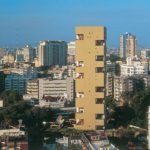
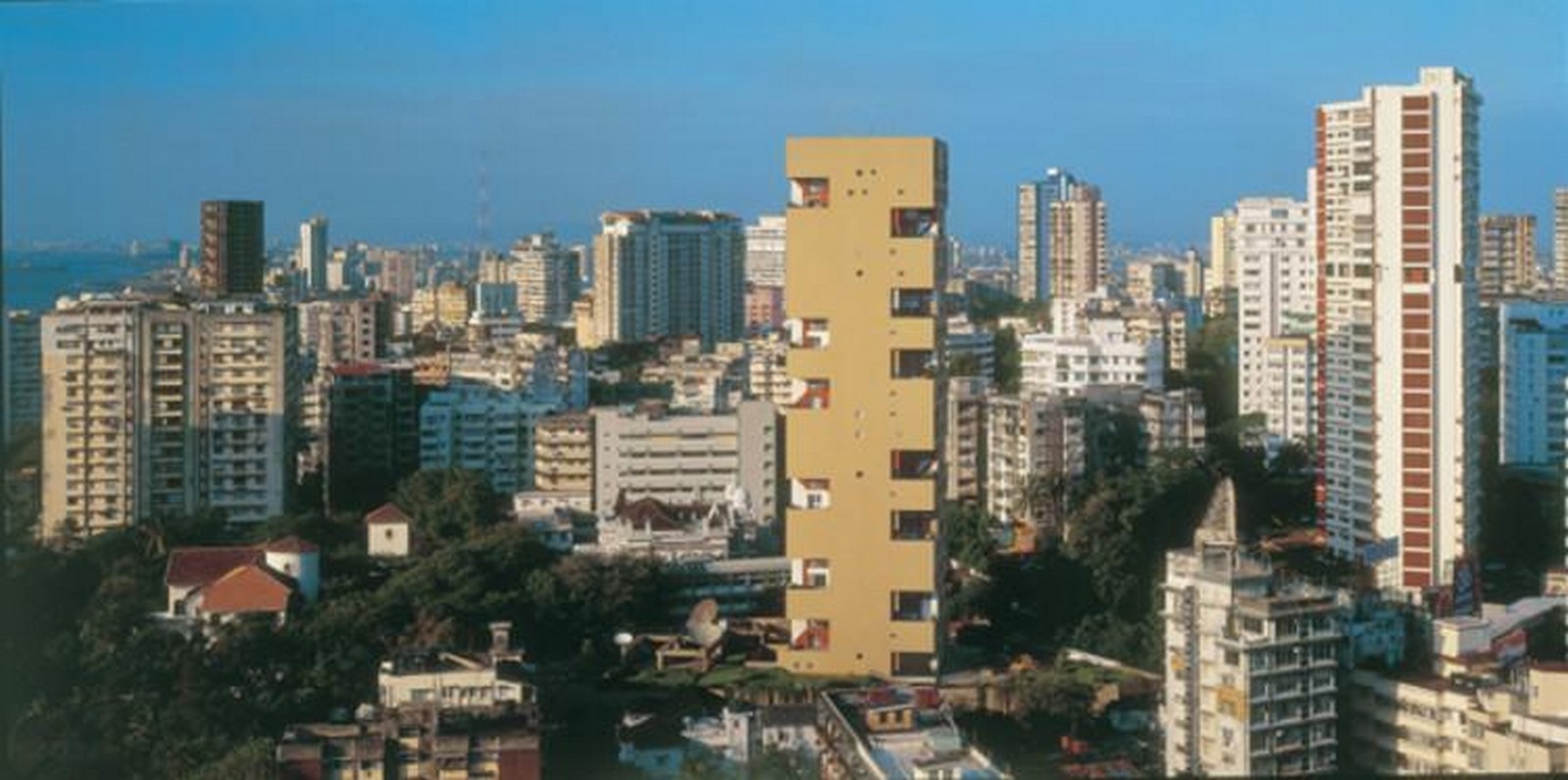
In India, Charles Correa approached climate change in a more structural way. His “Form Follows Climate” attitude inspired the development of Mumbai’s Kanchanjunga Apartments. Rather building a flat-faced tower, Correa created deep-set, double-height terraces that served as “verandahs in the sky.” These cut-outs shielded the living rooms from the intense sun while channelling sea breezes throughout the structure, demonstrating that high-density modern living could be achieved using passive cooling rather than energy-intensive machinery.
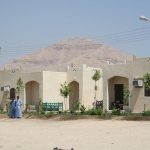
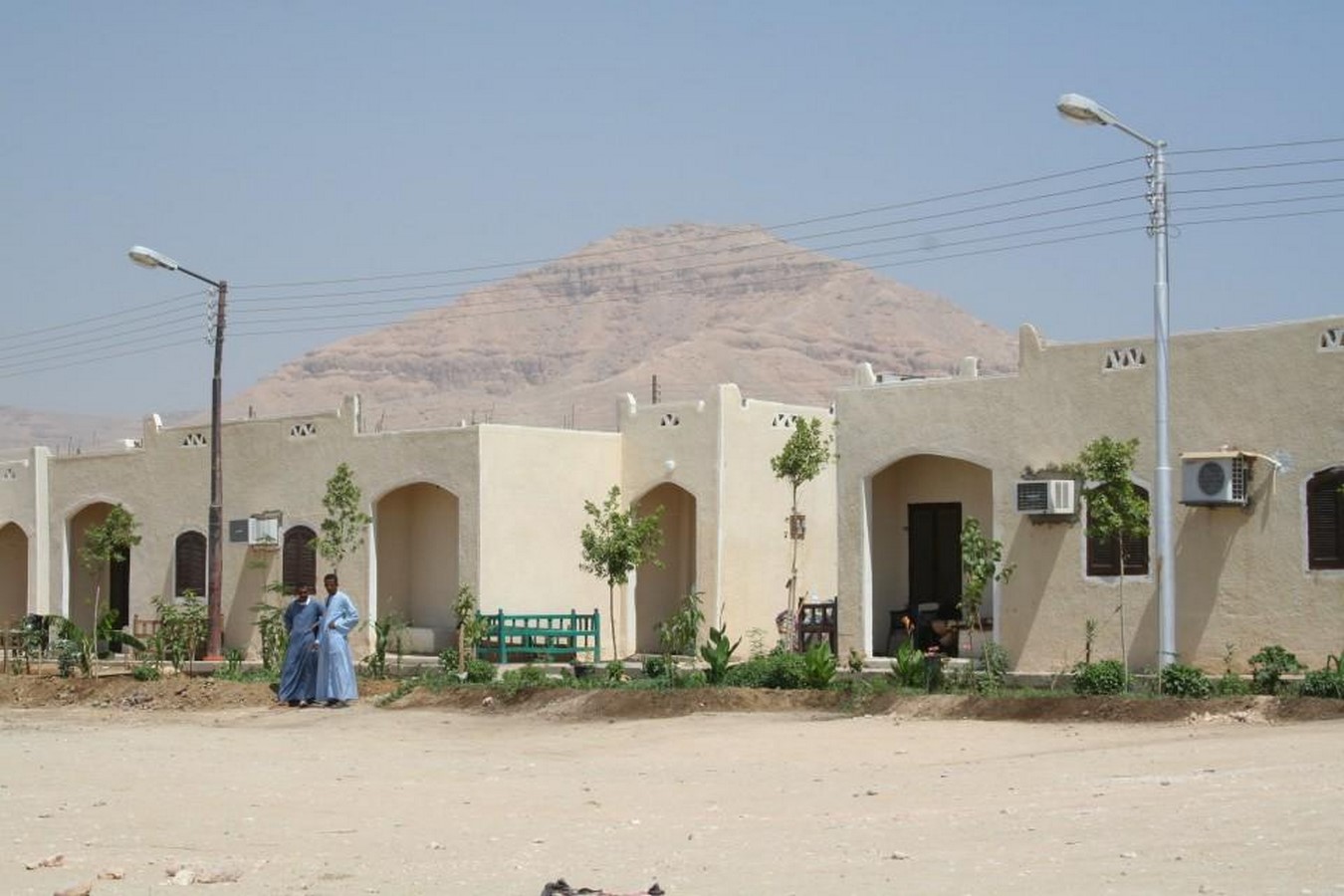
Hassan Fathy was also resurrecting the usage of mud brick (adobe) in Egypt. He demonstrated that modern comfort does not necessitate the use of pricey foreign materials. Fathy’s designs achieved thermal stability that glass-and-steel towers could never match by utilizing high-thermal-mass materials that absorbed heat during the day and released it at night. Over the last two decades, climate-responsive design has evolved into a weapon for national identity, allowing countries to be modern without being Western.
- The Sustainability Mandate: Modernism in the Age of Crisis (2000s–Present)
The interpretation of modernism through the local environment has evolved from an avant-garde desire to a survival requirement in the twenty-first century. Modern businesses have rediscovered the teachings of the regional modernists as a result of the worldwide push toward Net-Zero carbon emissions.
Right now, we’re witnessing a High-Tech Vernacular. Architects calculate airflow using sophisticated computational fluid dynamics (CFD), yet the solutions they employ—wind towers, shaded courtyards, and perforated screens—are direct offshoots of local modernist experimentation from forty years ago.
Materiality: There is a shift away from carbon-heavy concrete and toward regional materials like mass wood, bamboo, and repurposed stone.
The “Double Skin”: The brise-soleil of the 1960s has given way to smart, dynamic facades that follow the sun and optimize shading in real time.
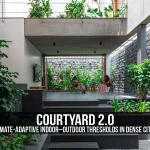
Urban Microclimates: Modern urban design prioritizes “green-blue” infrastructure (water and plants) within building footprints to mitigate the Urban Heat Island effect, a notion pioneered by tropical modernists to naturally lower ambient temperatures.
- The Long-Term Impact: What Have We Learned?
The end result of this seventy-year odyssey is a complete overhaul of the architectural “value system.”
Economic Resilience: We now understand that climate-blind buildings are “stranded assets”—they are too expensive to operate and will be abandoned when energy costs rise. Over a 50-year building lifecycle, regional modernism has proven to be the more cost-effective option.
Social Equity: Architecture based on natural cooling is inherently more democratic. It provides dignity and comfort to individuals who cannot afford 24-hour air conditioning, bridging the gap between luxury architecture and basic dwelling.
Cultural continuity: By honouring regional climate, Modernism transformed from a “foreign invader” to a part of the local landscape. It enabled a modern lifestyle that felt rooted in ancestral wisdom.
Global Modernism is no longer a single history of elites from Europe. It is a diversified and growing map of human inventiveness in response to the planet’s various settings. By analysing these buildings based on regional climate, we can observe that the most effective modernist constructions are those that “negotiated” with their environment rather than attempting to control them.
Over the last seven decades, we’ve learned that the “International Style” was a lovely but flawed concept. The future of architecture is Regional Modernism, a practice that employs the finest of global technology to meet the distinct, local needs of the wind, sun, and people who live beneath them.
The seventy-year journey of Global Modernism has brought us to a startling realization: the most “advanced” buildings of the 20th century were not the ones with the most powerful air conditioning, but the ones that could survive without it. By filtering universal principles through regional weather, architects like Geoffrey Bawa and Charles Correa effectively “decolonized” the glass box, turning it into a porous, living organism that inhaled the breeze and exhaled the heat.
Ultimately, reading modernism through climate strips away the stylistic labels and reveals a hard-learned truth about architectural durability. A building that ignores its latitude is a stranded asset. The legacy of regional modernism is a roadmap for a post-mechanical future, where the “machine for living” is no longer a gas-guzzling engine, but a finely tuned instrument of the environment. The “International Style” died so that a Resilient Modernism could live—proving that the ultimate measure of a building’s modernity is its ability to sit in harmony with the planet it occupies.
Reference List:
Chicago Architecture Center. (2024). Ludwig Mies van der Rohe. [online] Available at: https://www.architecture.org/online-resources/architecture-encyclopedia/ludwig-mies-van-der-rohe.
Grossman, R. (2019). Flashback: Mies van der Rohe profoundly reshaped Chicago’s skyline with his structurally austere vision. [online] Chicago Tribune. Available at: https://www.chicagotribune.com/2019/09/20/flashback-mies-van-der-rohe-profoundly-reshaped-chicagos-skyline-with-his-structurally-austere-vision/.
Ogbuokiri, A. (2020). Why Cities Like Lagos Need Building Designs That Don’t Just Copy Global Styles – The Wire Science. [online] Thewire.in. Available at: https://science.thewire.in/society/urban/lagos-building-design-traditional-global-style-climate/ [Accessed 5 Apr. 2026].
Turner, C. (2023). Tropical Modernism: Architecture and power in West Africa • V&A Blog. [online] V&A Blog. Available at: https://www.vam.ac.uk/blog/museum-life/tropical-modernism-architecture-and-power-in-west-africa.
Mark, L. (2014). The pioneering Jane Drew. [online] The Architects’ Journal. Available at: https://www.architectsjournal.co.uk/news/the-pioneering-jane-drew.
Wright, F. (2025). Revisit: Accra Community Centre in Accra, Ghana by Fry, Drew & Partners – The Architectural Review. [online] The Architectural Review. Available at: https://www.architectural-review.com/essays/revisit/revisit-accra-community-centre-in-accra-ghana-by-fry-drew-partners.
c20society.org.uk. (n.d.). University of Ibadan, Nigeria – The Twentieth Century Society. [online] Available at: https://c20society.org.uk/building-of-the-month/university-of-ibadan-nigeria.
Idowu, A.-S. (2017). Maxwell Fry and Jane Drew Partners: The Contributions of British Architects to Built Environment in Colonial Nigeria, 1946‑1959. [online] Academia.edu. Available at: https://www.academia.edu/31776669/Maxwell_Fry_and_Jane_Drew_Partners_The_Contributions_of_British_Architects_to_Built_Environment_in_Colonial_Nigeria_1946_1959.
Ranjaka Hettiarachchi (2023). Tropical modern design strategies used by Geoffrey Bawa. [online] ResearchGate. Available at: https://www.researchgate.net/publication/369173790_Tropical_modern_design_strategies_used_by_Geoffrey_Bawa.
Ramsey, R. (2025). Geoffrey Bawa: Global Icon of Tropical Modernism; Modern Architecture 2025. [online] Archimirror. Available at: https://archimirror.com/geoffrey-bawa-father-of-tropical-modernism/.
Doroteo, J. (2015). Literature Review of Kenneth Frampton’s ‘Towards a Critical Regionalism’. [online] Academia.edu. Available at: https://www.academia.edu/27609670/Literature_Review_of_Kenneth_Framptons_Towards_a_Critical_Regionalism_.
https://www.facebook.com/thepalashjain. (2024, October 29). Critical Regionalism In Architecture Explained | The Design Gesture. The Design Gesture. https://thedesigngesture.com/critical-regionalism-in-architecture/
Aashika Shibu (2018). Kenneth Frampton: Towards a Critical Regionalism – Six Points for an Architecture of resistance (1983). [online] Blogspot.com. Available at: https://aashika66230.blogspot.com/2018/10/kenneth-frampton-towards-critical.html [Accessed 5 Apr. 2026].
Pagnotta, B. (2011). AD Classics: Kanchanjunga Apartments / Charles Correa. [online] ArchDaily. Available at: https://www.archdaily.com/151844/ad-classics-kanchanjunga-apartments-charles-correa.
Archidatum.com. (2016). Hassan Fathy and The Architecture for the Poor: The Controversy of Success |. [online] Available at: https://archidatum.com/articles/hassan-fathy-and-the-architecture-for-the-poor-the-controversy-of-success/.