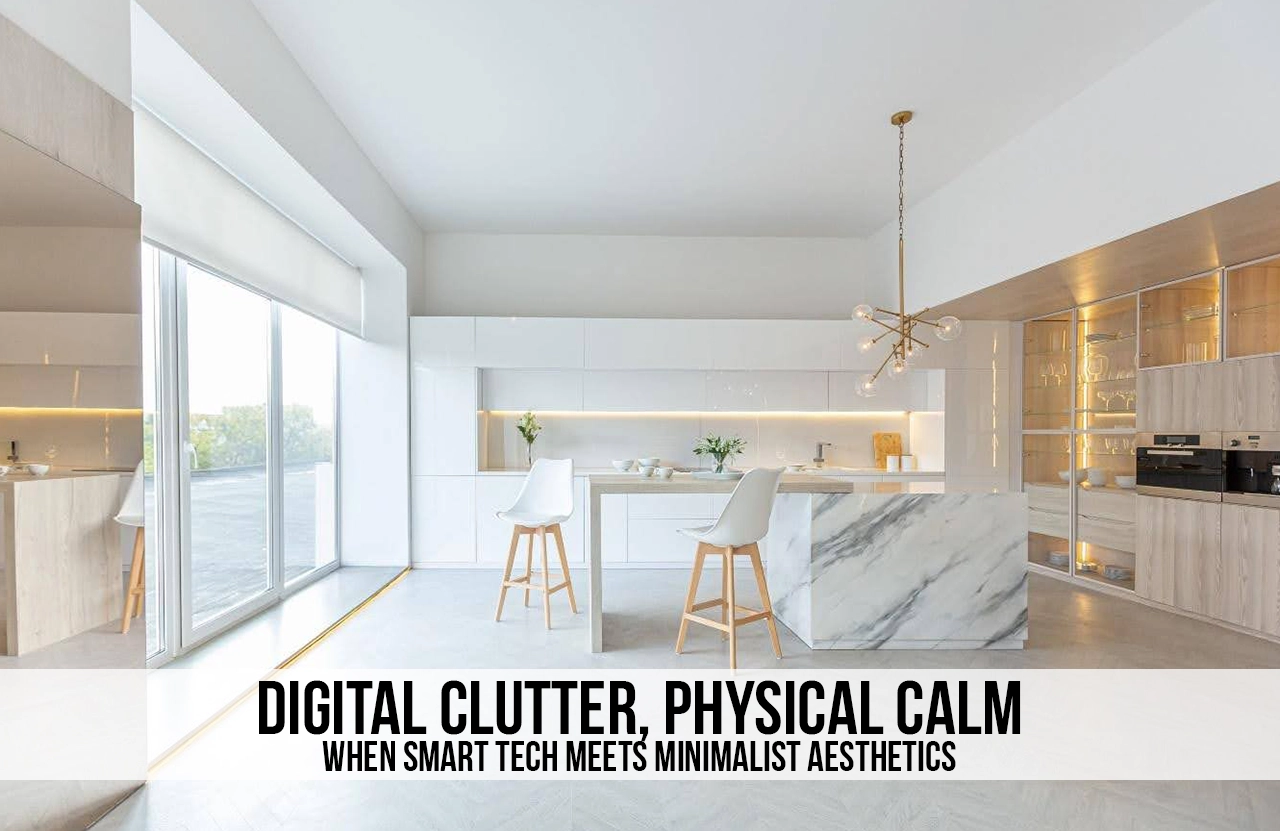
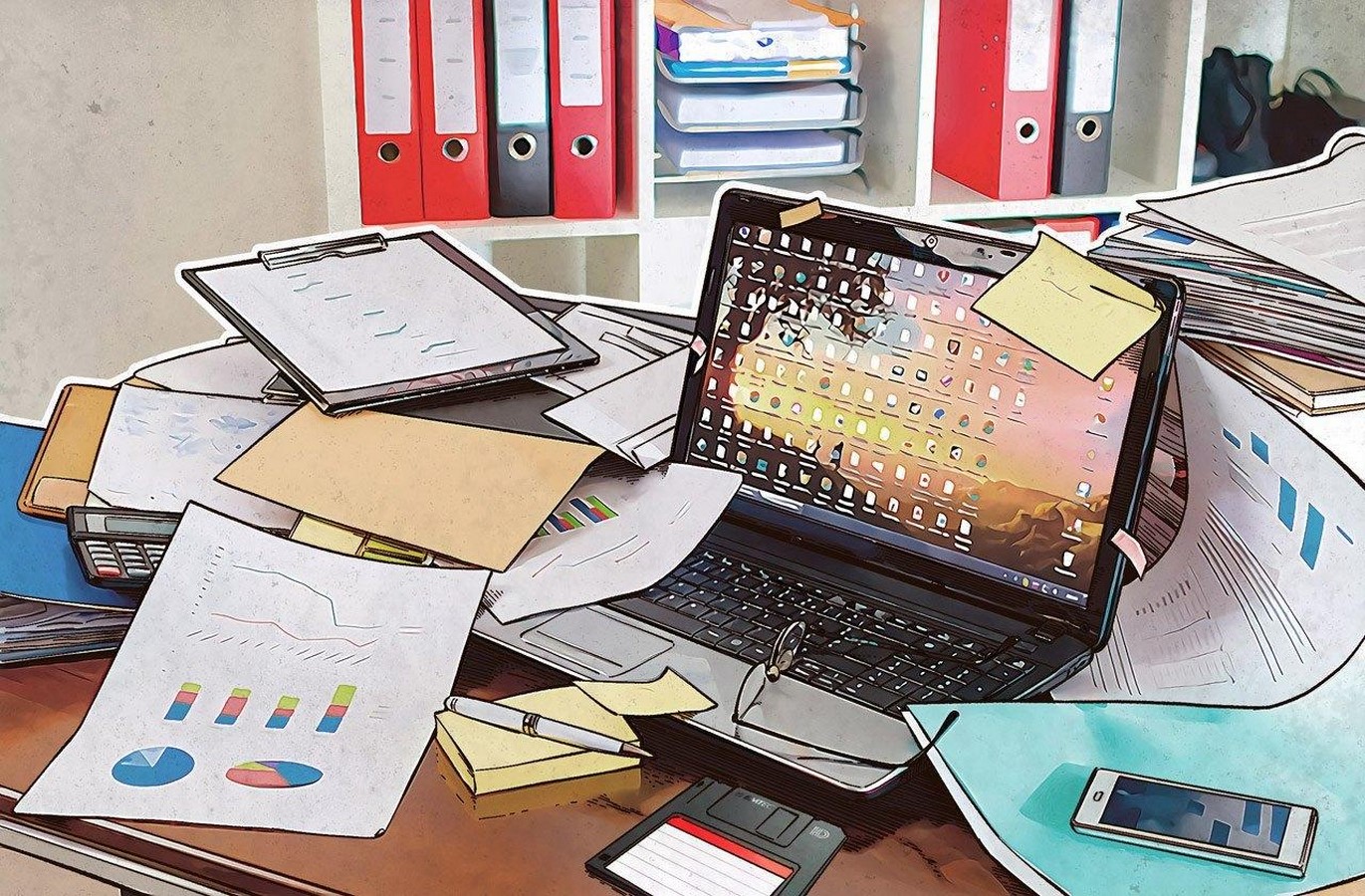
Digital clutter has generated a worldwide load that affects physical calm. It refers to the unorganised pattern of apps on the digital ecosystem that often harms the visual and mental environment. It is deeply rooted that even the physical surroundings create a sense of disturbance. The answer to this cause appears in the form of concealed digital complexity and aesthetic simplicity, which can be achieved by integrating the minimalism movement.
The Rise of Digital Clutter
The concept of digital clutter has increased over time, and it has blurred the boundary between work and rest. Constant notifications on different setups via email, WhatsApp, or in this case, any other social media update, the devices and their everlasting competition produce an immense amount of disruptive sound, which develops havoc in the human mind and fractures the calming environment.
The persistent engagement with technology often confuses our brains, whether to relax or reconnect. Unlike physical clutter, which can be identified and redesigned, digital clutter works along tech systems and has been integrated within routines. The answer to how digital systems interact with the user and space lies within the simplification of aesthetics and seamlessly integrating these systems within the space. This can be a major step towards making a space recognised for efficient mental well-being.
Technology in Design: Balancing Minimalist Aesthetics
Technology is one of the principal elements in resolving minimalist aesthetics and symbolises its characteristics more precisely. Embedding technology within contemporary spaces can be a design challenge if not thoughtfully managed. Advanced technology often comes with the presence of wires, conduits, and other equipment that can cause visual clutter.
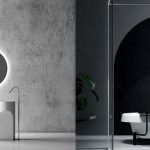
The concept of minimalist aesthetics defines simplicity, clean lines, neutral and muted tones, and an implied intent of “less is more”. The balance is achieved through the concealing of smart devices so that they remain functional but not dominating. The goal is to embed visible equipment into a seamless user environment. For example, LED lights can be installed behind a wall panel, wireless solutions can be taken into consideration, and other systems that need to be hidden behind physical walls.
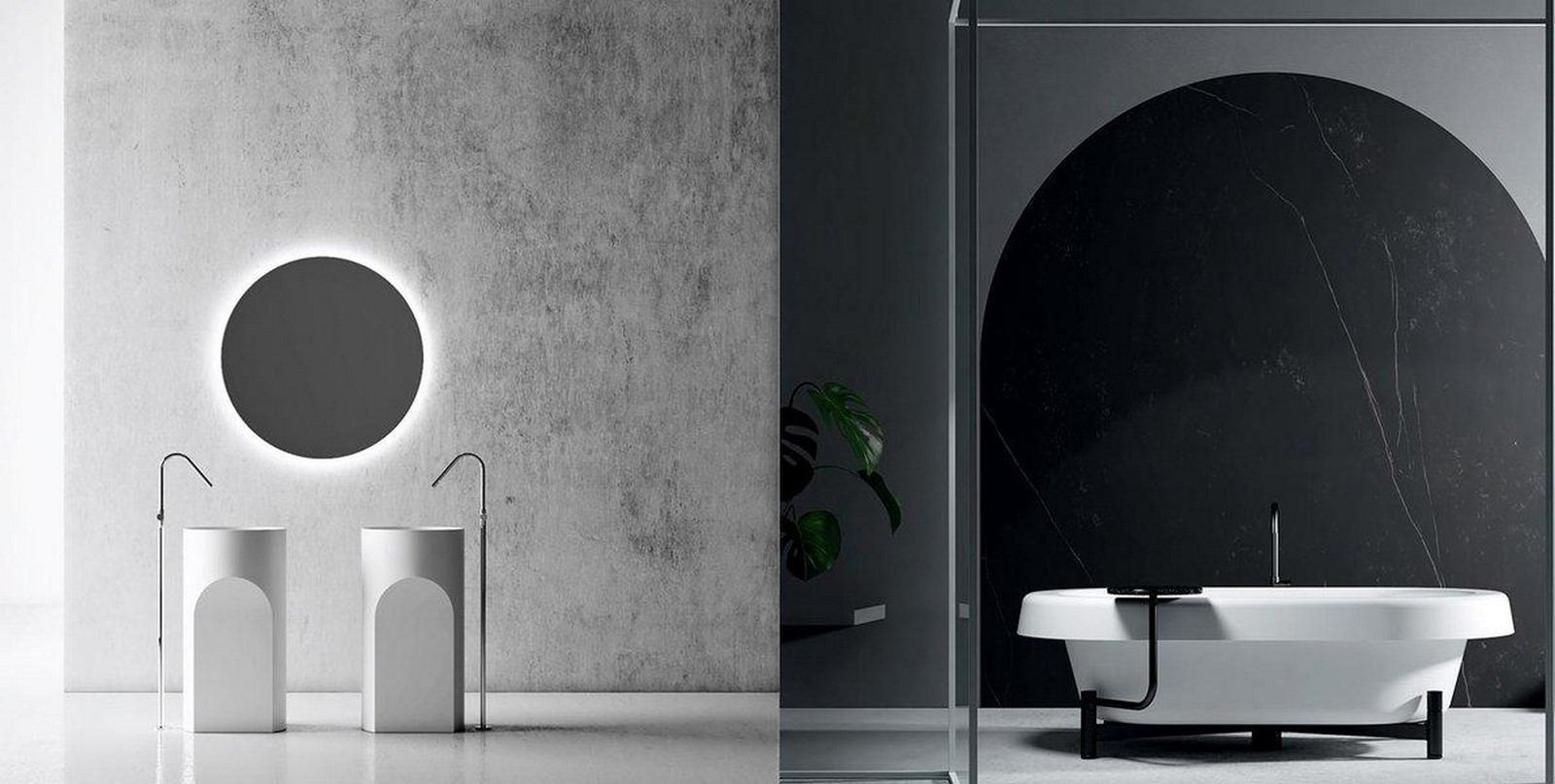
Smart, Seamless, and Sharp
Smart in minimalism refers to the optimal selection of the technology, that is to be used in a space. This alters the excessive resource consumption and develops an efficient environment. Automation and regulation of the system simplifies the burden and reduces the need of multiple devices.
Seamless is a salient feature of minimalism, which ensures that technology is integrated within architectural elements such that the space offers a polished look without compromising on visual calmness.
Sharpness is a critical design strategy in showcasing minimalist aesthetics, which requires clean and edgy lines, balanced proportions with precision and clarity. Technology, when installed, follows the same principle: no exposed wiring, no bulky bundle of conduits, and no visual distraction.
Emphasising user comfort through minimalist aesthetics
Minimalist aesthetics allows only selective architectural elements to be included within a space that best suits user comfort. It reduces the cognitive load and visual distraction. Constant technology simulation in a space can deliver strain to the user, whilst a thoughtfully integrated technology system allows the user to feel at ease and slow down for a bit.
Clean layout, limited material palette, and a careful selection of lighting are mindful processes that streamline the circulation and visual comfort. Minimalist comfort can be enhanced when integrated with technology such as automated lighting and climate control according to user preference, which does not require regulatory attention and fosters ease and convenience. By stripping away the clutter, a space becomes more user-centric and provides physical calm without abundance.
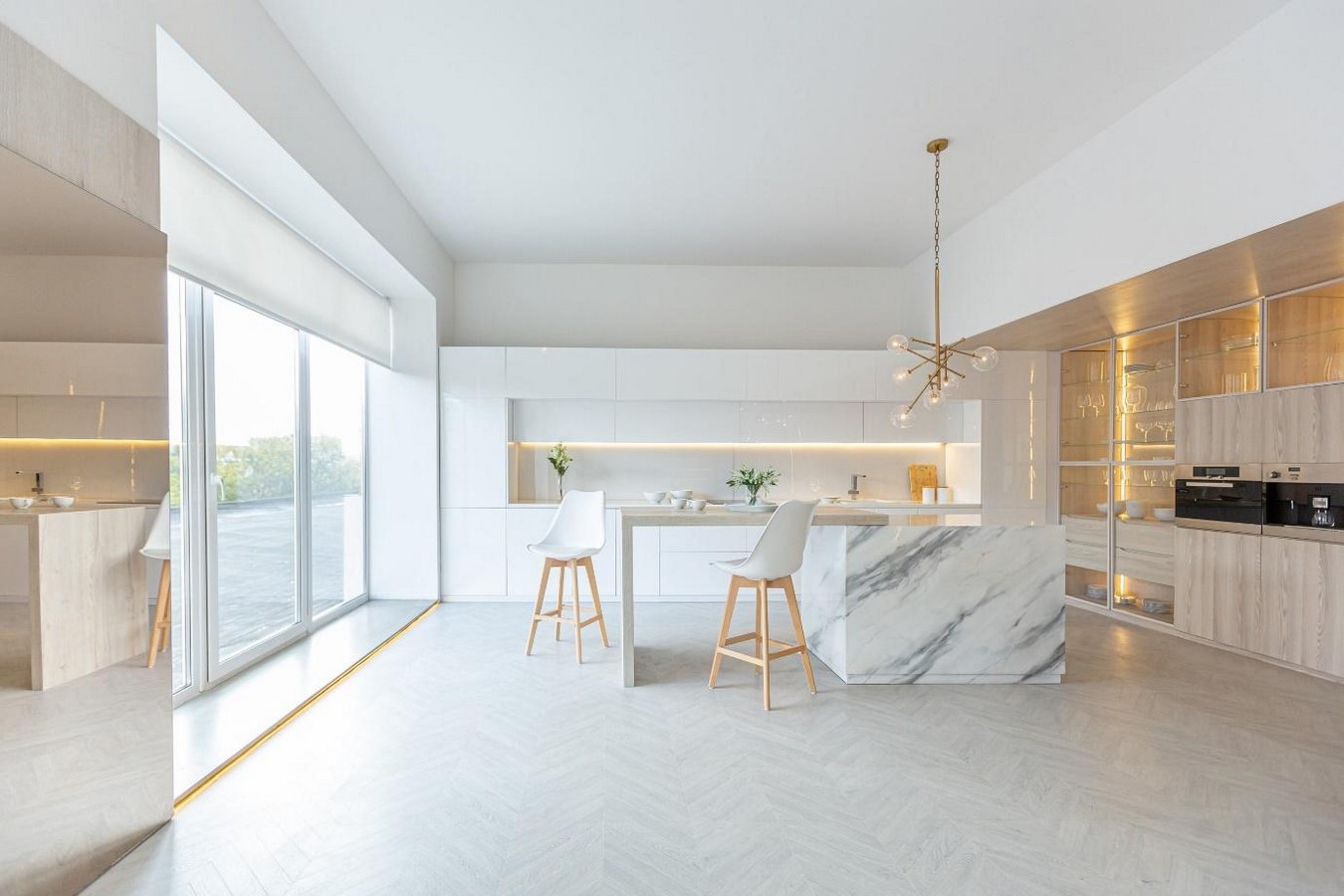
Future Ready Spaces demanding Tech Minimalism
Future-ready spaces are designed with flexibility at their core, and the concept of future-ready refuses to work with the idea of incorporating the quantity of tech; it focuses on the efficiency and adaptability of tech minimalism. This design approach emphasizes integration over addition, where smart systems enter seamlessly, like concealed wiring, centralised HVAC systems, which reduces the hardware quantity.
Another approach is durability with simplicity, which focuses on a high-performance system that reduces the use of excessive gadgets and becomes more sustainable and spatially efficient. Wireless systems and cloud-based technologies further eliminate physical clutter and make the space visually clean and sharp. Future-ready space demands a balance where innovation meets simplicity.